







![[EXCLUSIVE] Dragon’s Dogma 2: Dark Arisen Team Opens Up About the Expansion’s Name, New Norgan Region, and Performance Goals](https://cdn.gamerbraves.com/2026/07/Dragons-Dogma-2-Dark-Arisen_Interview_FI-360x180.jpg)



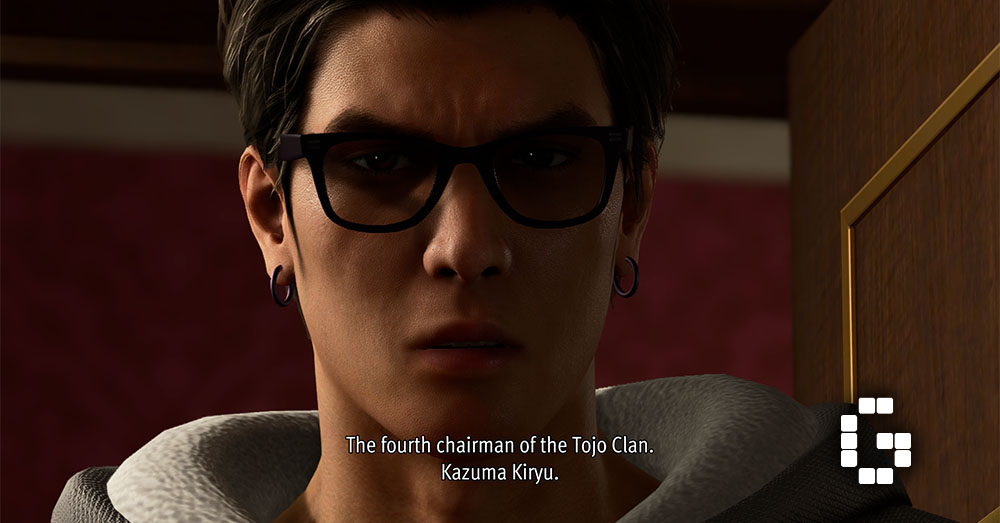
When Yakuza 3 launched in 2009, it divided its audience. Players admired its ambition, especially the move to Okinawa and the focus on Kazuma Kiryu’s quieter life at the Morning Glory orphanage. At the same time, many struggled with its slow pacing, block-heavy combat, and abrupt tonal shifts between domestic calm and violent gang conflict. For veterans, it often felt like a powerful story constrained by rough mechanics. For newcomers, the contrast could feel jarring rather than compelling. This is how Yakuza Kiwami 3 strives to change opinions.

Yakuza Kiwami 3 does more than refresh visuals. It reframes the experience. By rebuilding the game in the Dragon Engine, Ryu Ga Gotoku Studio modernizes environments, refines combat flow, and strengthens narrative presentation. The addition of Yakuza Kiwami 3 Gaiden: Dark Ties further expands the package, offering a parallel story that reframes Yoshitaka Mine’s role within the Tojo Clan. Together, these releases aim to honor the original while aligning it with the standards of later entries.
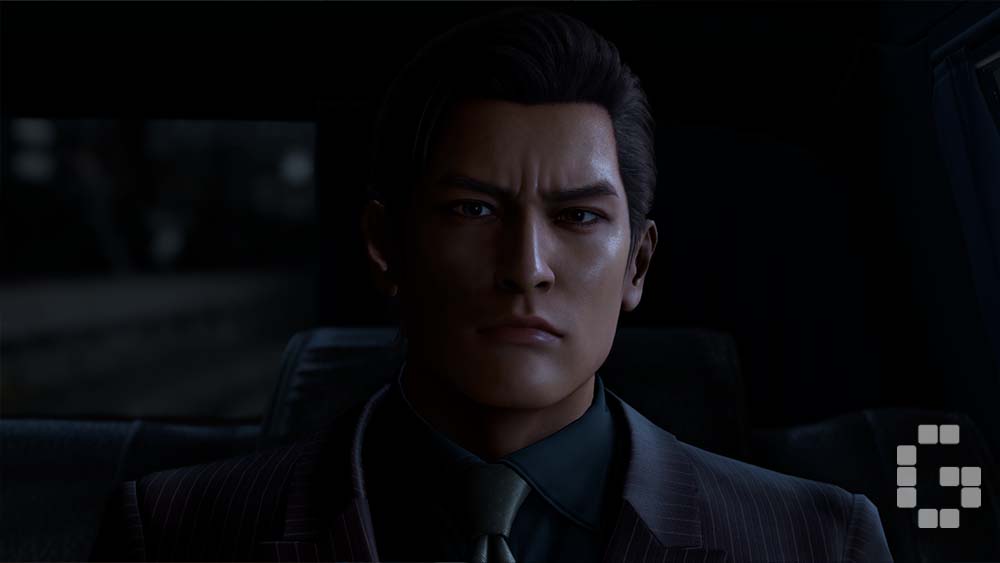
Visual and Technical Overhaul
The visual upgrade is immediately apparent. The Dragon Engine transforms Kamurocho and Okinawa into denser, more reactive spaces. Pedestrian traffic feels alive, lighting shifts with the time of day, and environmental detail adds texture to exploration. Neon signs reflect off rain-soaked streets, sunlight glints through shop windows, and Kiryu’s clothing shows realistic wear and movement. Okinawa’s beaches and markets feel especially convincing, capturing a sense of place that the original hardware could not.
The upgrade has limits. Cutscene animations often lack expressiveness, even during emotionally charged scenes. Characters can appear stiff, and facial reactions do not always match the gravity of the moment. Lighting also proves inconsistent. Bright outdoor scenes can look washed out, while darker interiors sometimes lose detail. These issues stand out most when moving between Kamurocho and Okinawa. When conditions align, however, the results shine. Nighttime Kamurocho glows with neon warmth, and Okinawa sunsets reinforce the game’s quieter emotional beats.
On PC, the game delivers a strong but imperfect technical showing. Ultra settings introduce frame dips in crowded areas, while medium settings provide the most stable experience without sacrificing visual quality. Load times remain reasonable overall, though transitions between large areas can cause brief spikes. Minor texture pop-in and occasional stutter appear in busy scenes, but combat and cutscenes maintain consistent performance. The result is a modernized experience that favors stability over spectacle.
Story and Themes: Kiryu at His Most Human
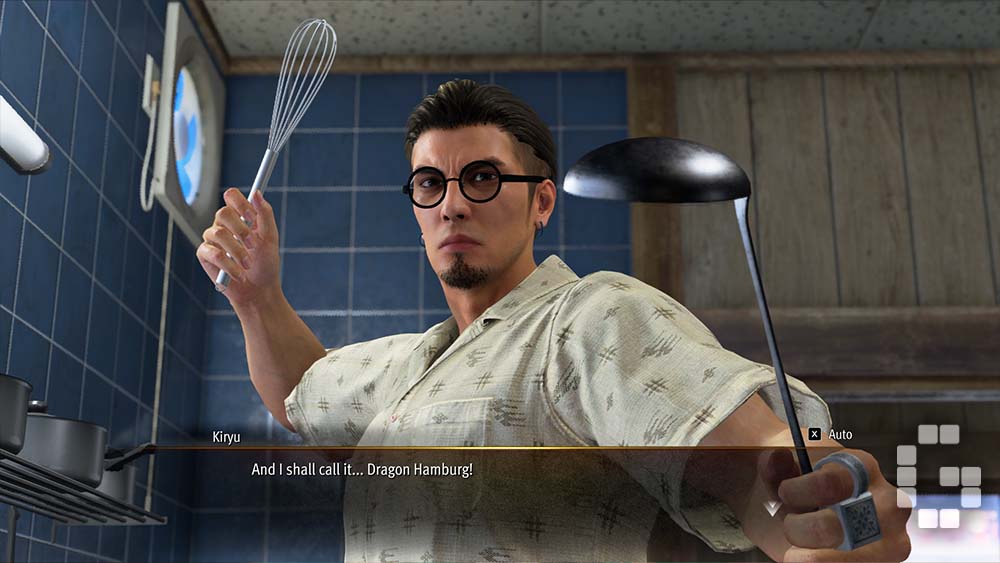
Set after Yakuza Kiwami 2, the story follows Kiryu as he leaves Kamurocho behind in search of peace. He commits himself to running the Morning Glory orphanage in Okinawa, hoping to build a meaningful life away from the Tojo Clan. This shift immediately establishes a different tone. Daily routines, responsibility, and care replace constant confrontation, at least at first.
The orphanage functions as the emotional core of the narrative. Each child has a distinct personality and personal struggle, and Kiryu’s role extends beyond simple supervision. He teaches, reassures, mediates conflicts, and provides stability. These moments reveal a patient and empathetic side of Kiryu that rarely surfaces in the series. The game treats these interactions as essential rather than optional, giving them real narrative weight.
Inevitably, Kiryu’s past resurfaces. The story contrasts the warmth of orphanage life with the danger of Okinawa’s underworld, reinforcing the duality at the heart of his character. Kiryu remains a legendary fighter, but his motivation now centers on protection rather than pride. Themes of loyalty, betrayal, and honor return, filtered through a more reflective lens. The tension between ordinary responsibility and extraordinary violence gives the story its emotional strength.
Dark Ties: Reframing the Antagonist
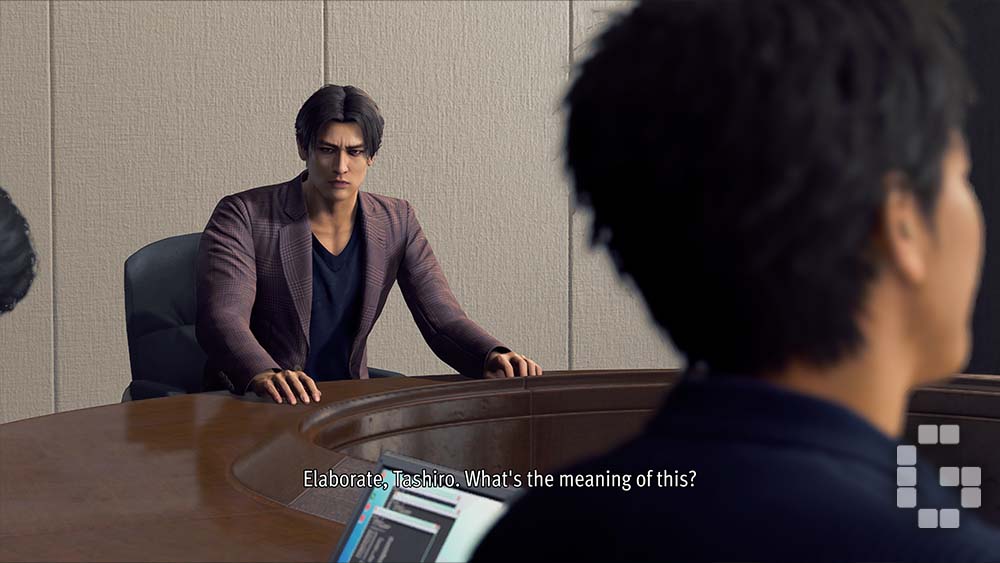
Yakuza Kiwami 3 Gaiden: Dark Ties shifts perspective to Yoshitaka Mine. Instead of presenting him as a distant antagonist, the spin-off explores his rise within the Nishikiyama Family. The narrative highlights his intelligence, ambition, and understanding of power dynamics, particularly through his relationship with Tsuyoshi Kanda.
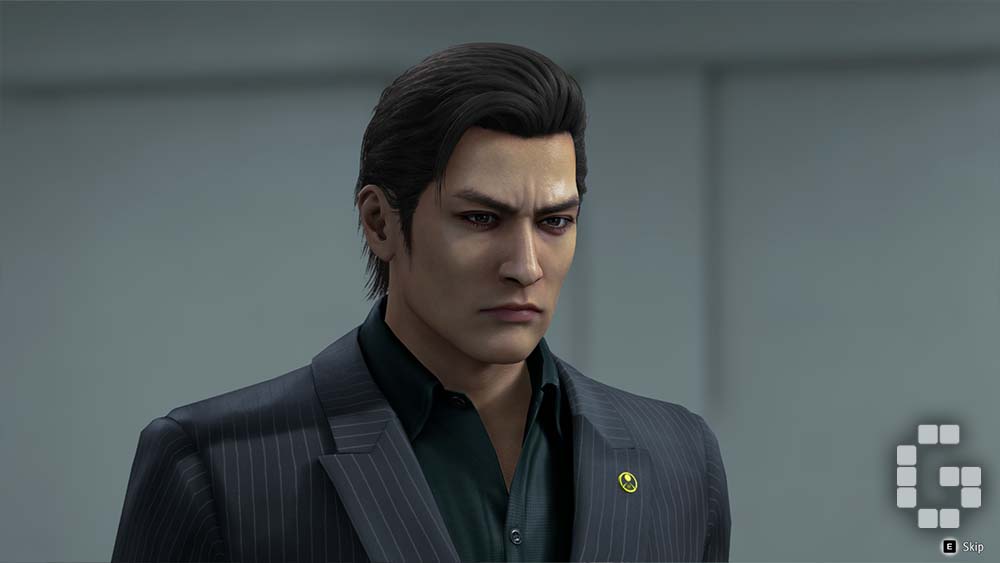
Mine’s story emphasizes calculation over compassion. He earns trust through strategy, navigates moral ambiguity, and makes difficult choices to secure influence. These scenes add context to events in the main game, clarifying motivations and consequences that previously remained implied. Rather than contradicting Kiryu’s story, Dark Ties complements it, turning Mine into a fully realized character.
The spin-off balances accessibility with depth. Longtime fans gain insight into familiar events, while newcomers receive a self-contained narrative. By enriching rather than retelling the story, Dark Ties stands as a meaningful companion rather than an optional appendix.
Combat: Repairing the “Blockuza” Reputation
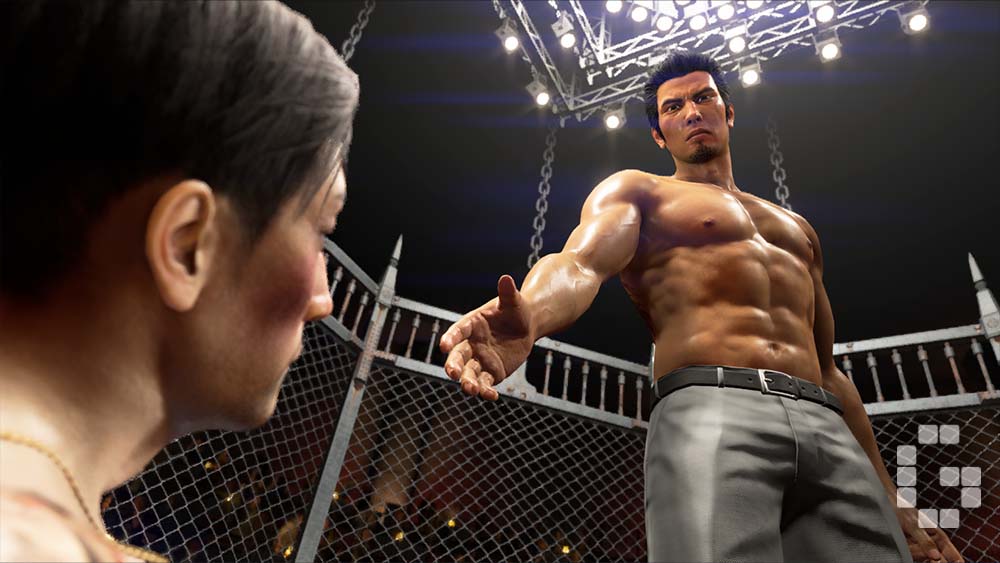
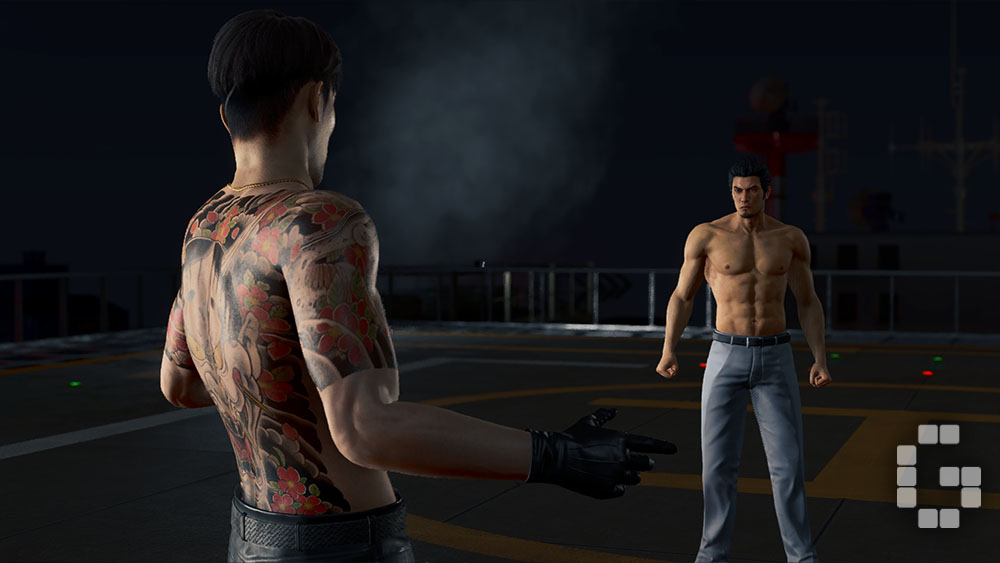
The original Yakuza 3 earned criticism for its defensive combat. Yakuza Kiwami 3 addresses this directly. Kiryu’s Dragon of Dojima style emphasizes fluid strikes, grabs, and environmental attacks. Perfect dodges reward precise timing, while Heat Actions deliver cinematic finishers that retain the series’ signature excess.
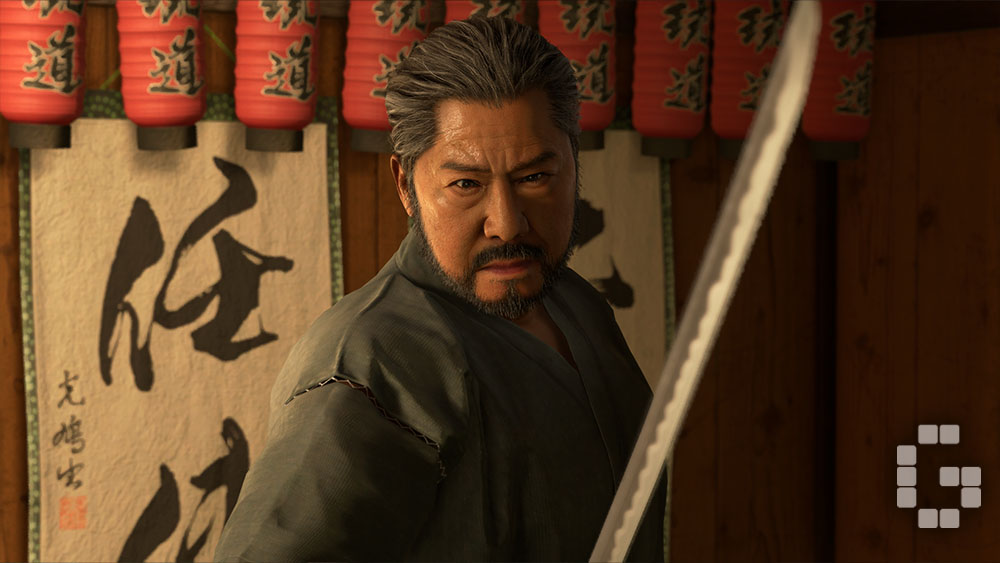
The Ryukyu style adds weapon-based combat, including nunchaku, tonfas, and the tinbe and rochin shield-spear combination. This style encourages experimentation, though some weapons lock Kiryu into long animations. The tinbe shield stands out by enabling perfect parries that feel both stylish and rewarding. Boss fights benefit most from these changes, offering clearer patterns and stronger visual feedback.
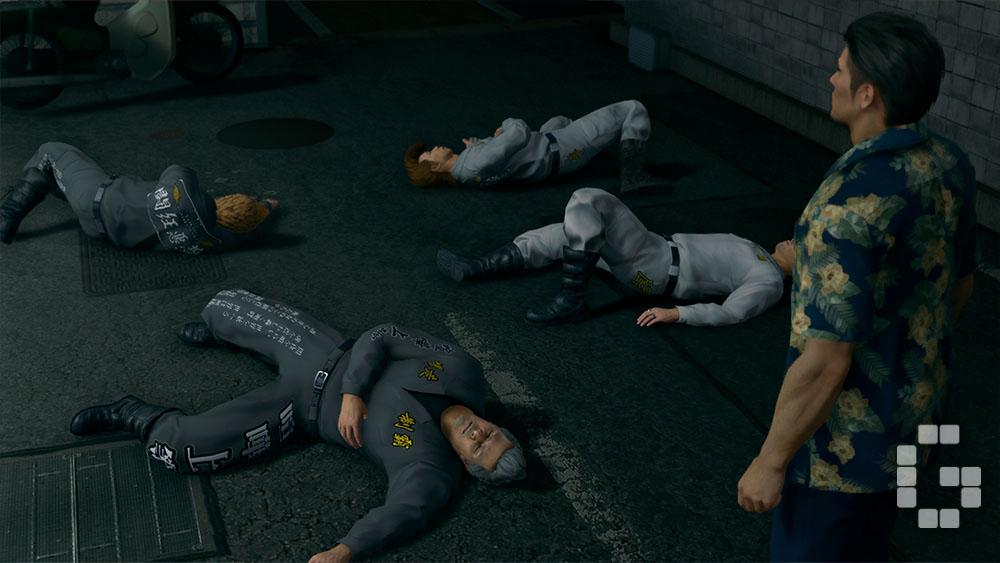
Combat in Dark Ties reflects Mine’s personality. He fights with precision and restraint, relying on counters and mobility rather than brute force. His aerial techniques shine in crowd encounters, though they require adjustment in duels. Dark Awakening introduces a high-risk mode that transforms Mine’s controlled style into something feral and aggressive. The contrast between Kiryu’s immovable strength and Mine’s calculated efficiency gives each campaign a distinct identity.
Side Content and World Activities
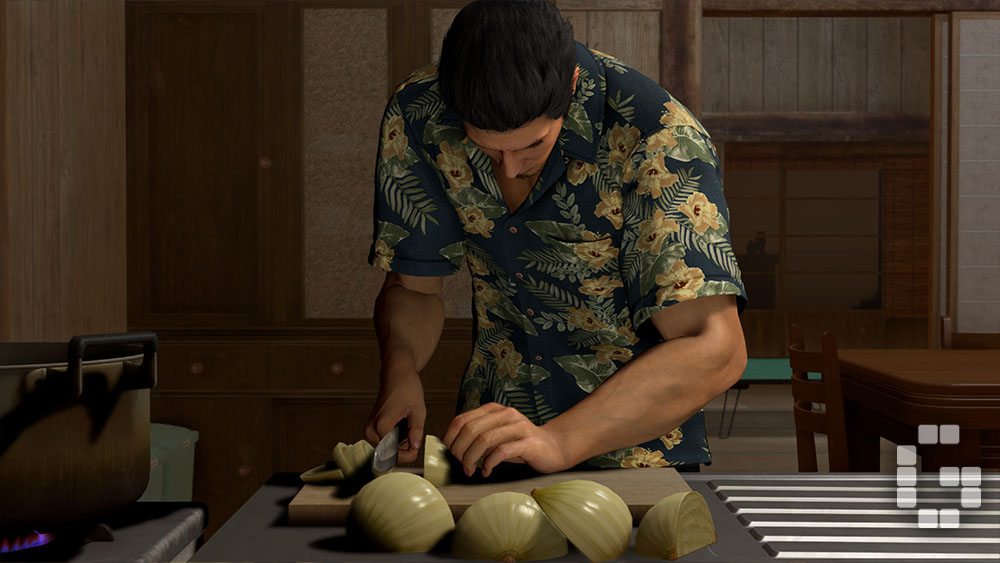
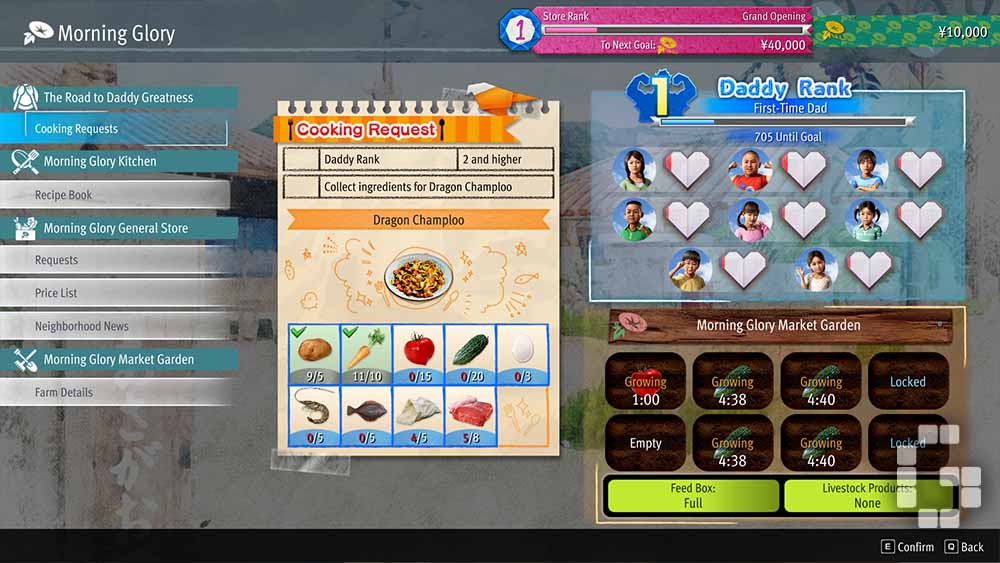
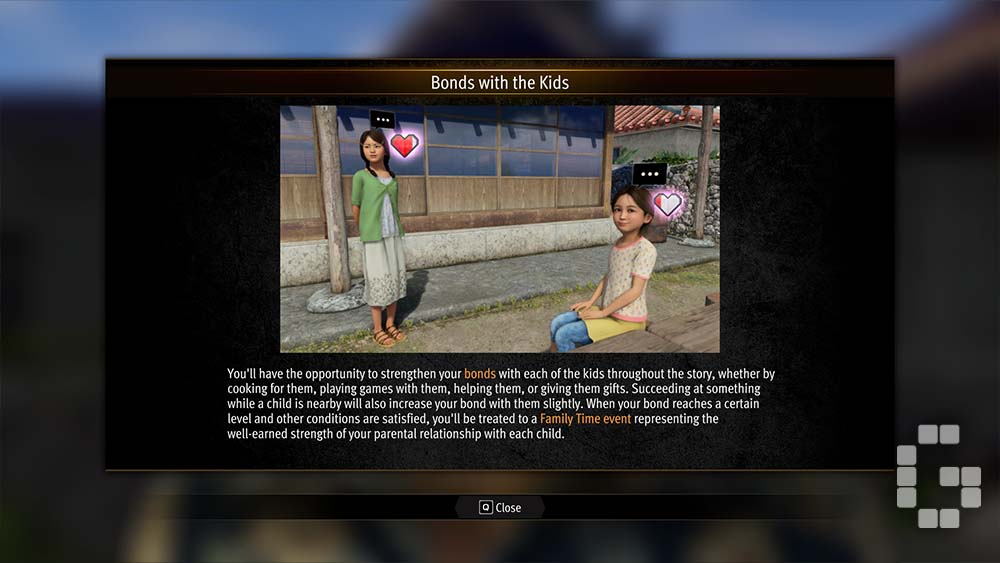
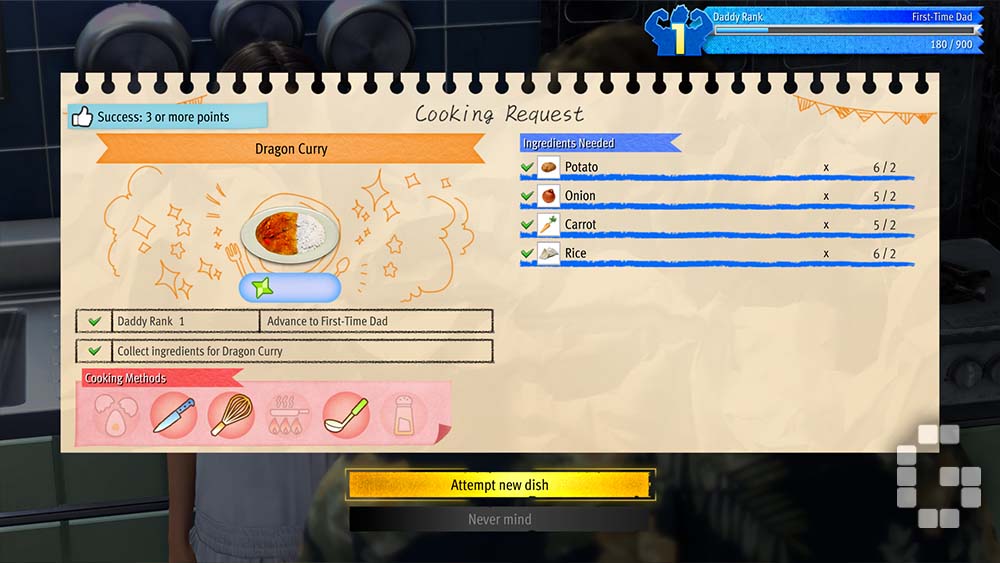

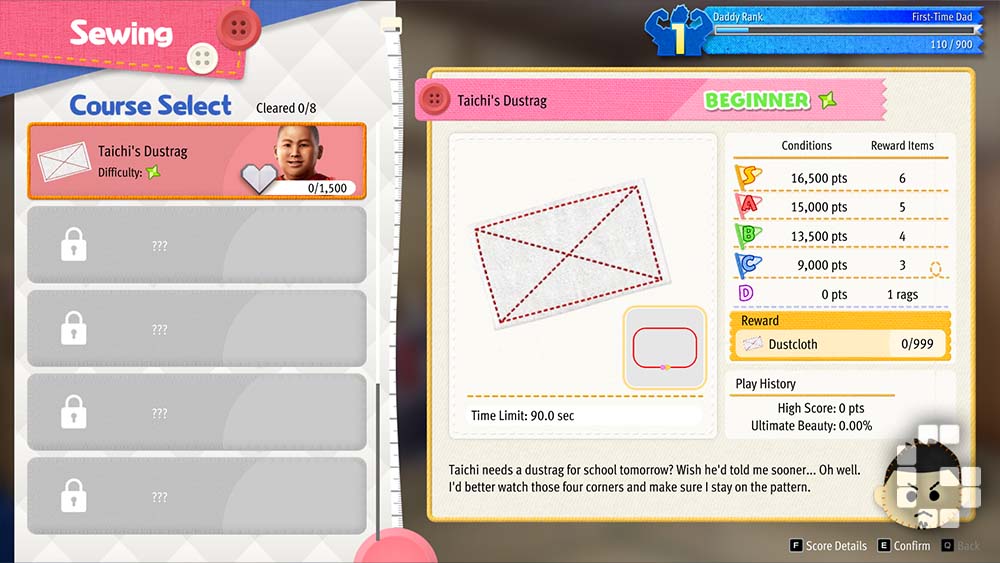
Side activities play a central role in Yakuza Kiwami 3. Managing the Morning Glory orphanage involves fishing, farming, cooking, and caring for livestock. These systems feed into the children’s well-being and progression, reinforcing Kiryu’s role as a guardian. Mini-games range from academic quizzes to sewing challenges and strategy games, each integrated into character development.
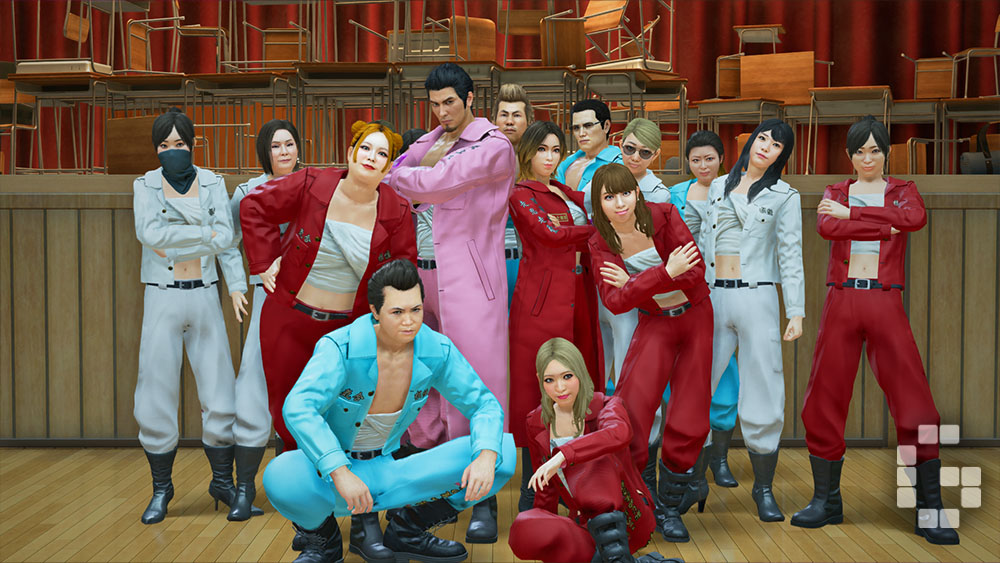
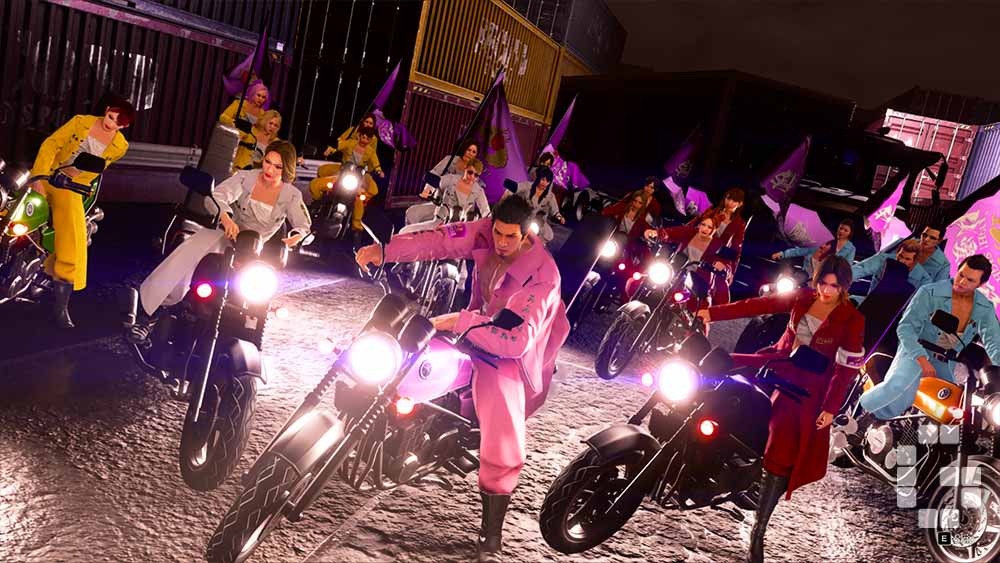
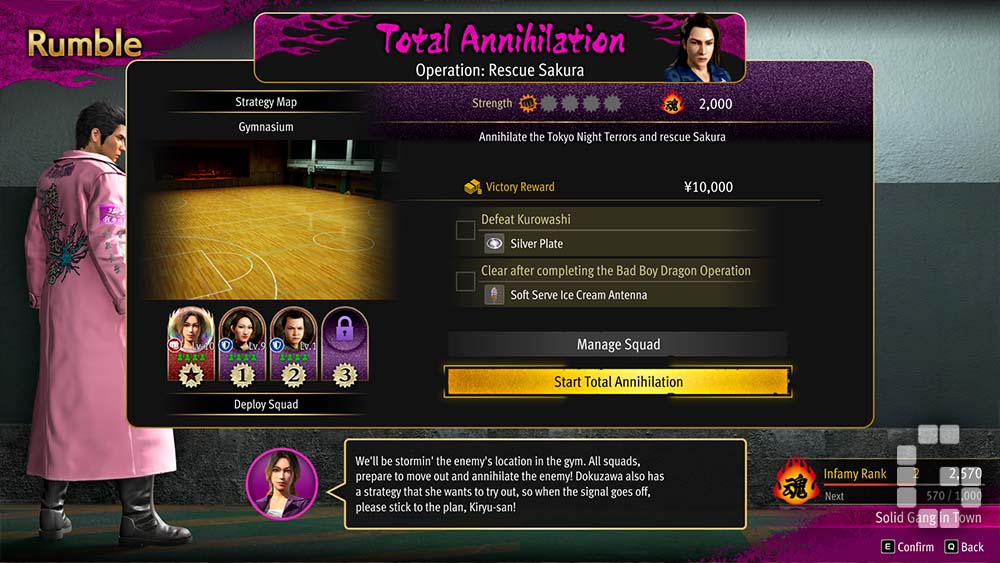
Bad Boy Dragon mode expands Okinawa through biker gang battles. Players recruit members, customize bikes, and plan encounters that blend chaos with strategy. While AI inconsistencies appear at times, the mode remains energetic and entertaining.
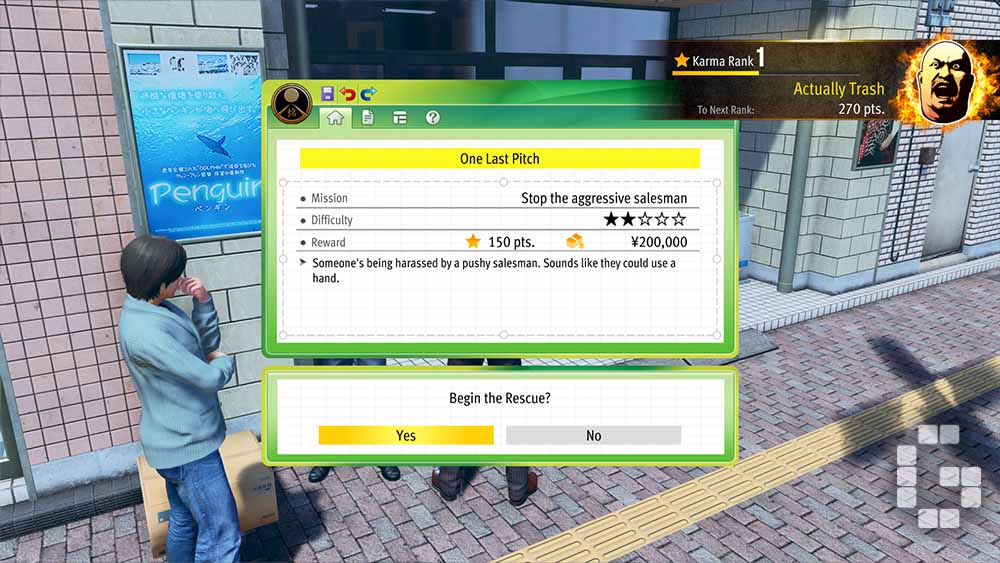
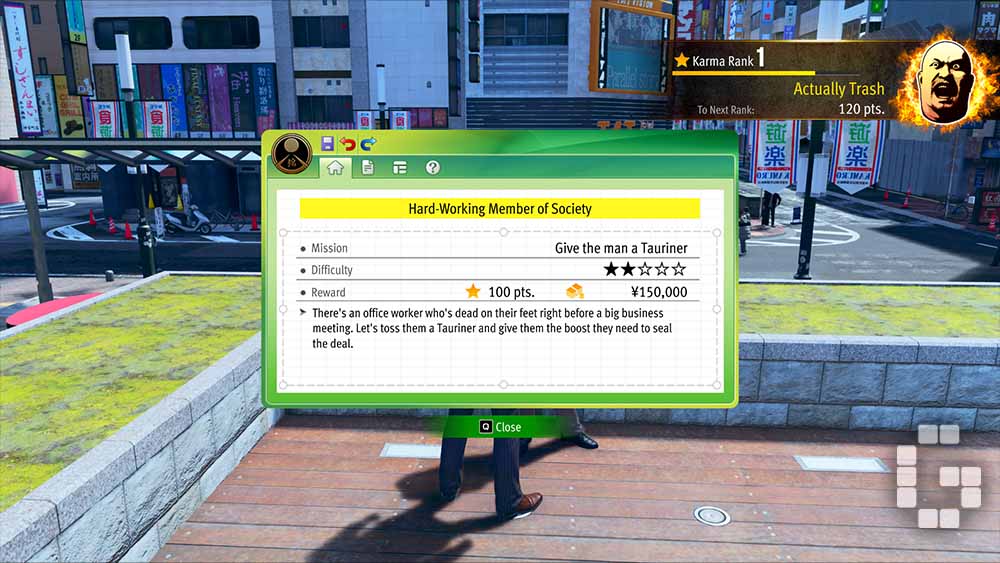
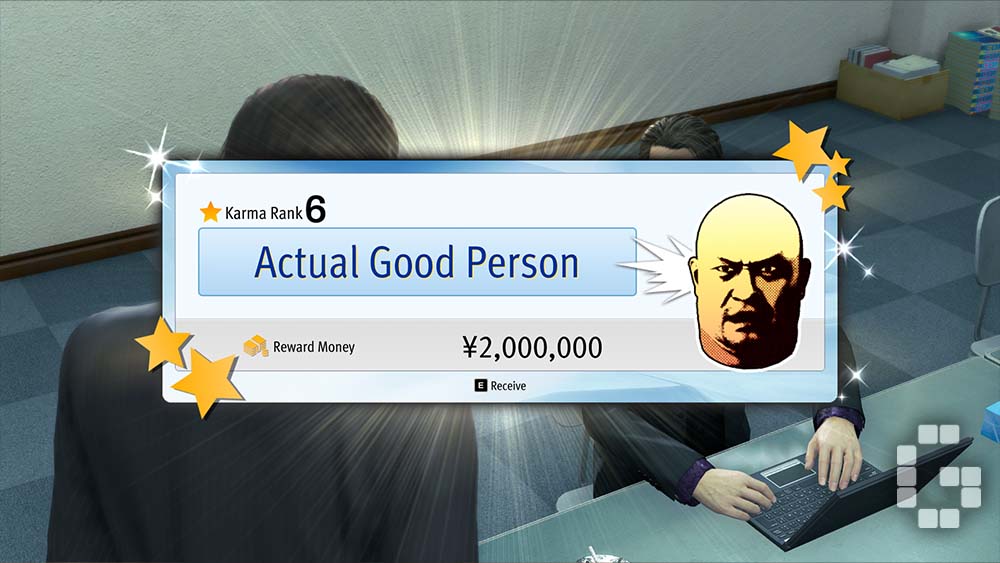
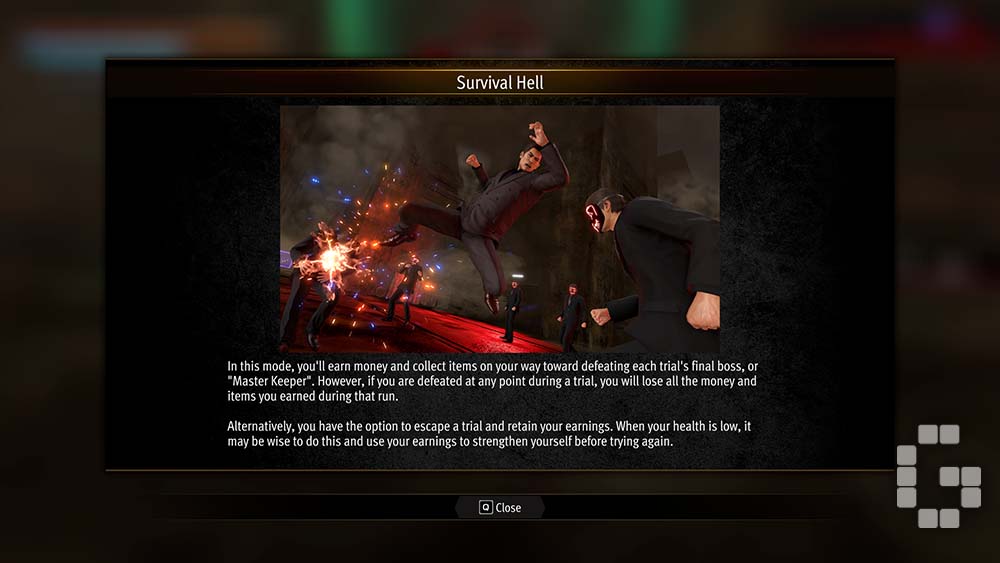
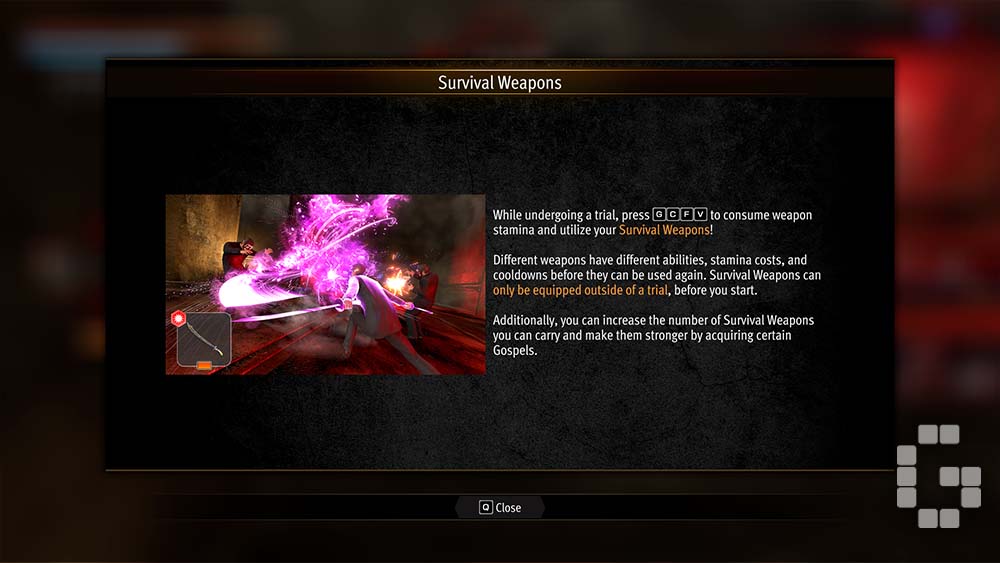
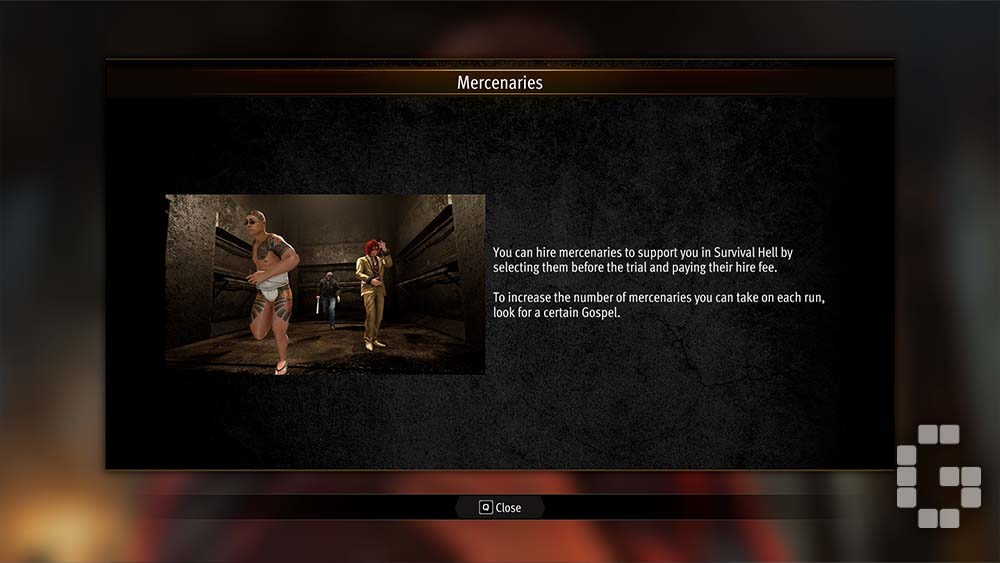
Dark Ties introduces its own standout modes. Kanda Damage Control blends social simulation with combat, allowing players to influence Okinawa through reputation-building tasks. Hell’s Arena offers a tense, rogue-lite experience focused on efficiency and risk management. Together, these systems give the spin-off mechanical depth that matches its narrative ambition.
Audio Design and Music
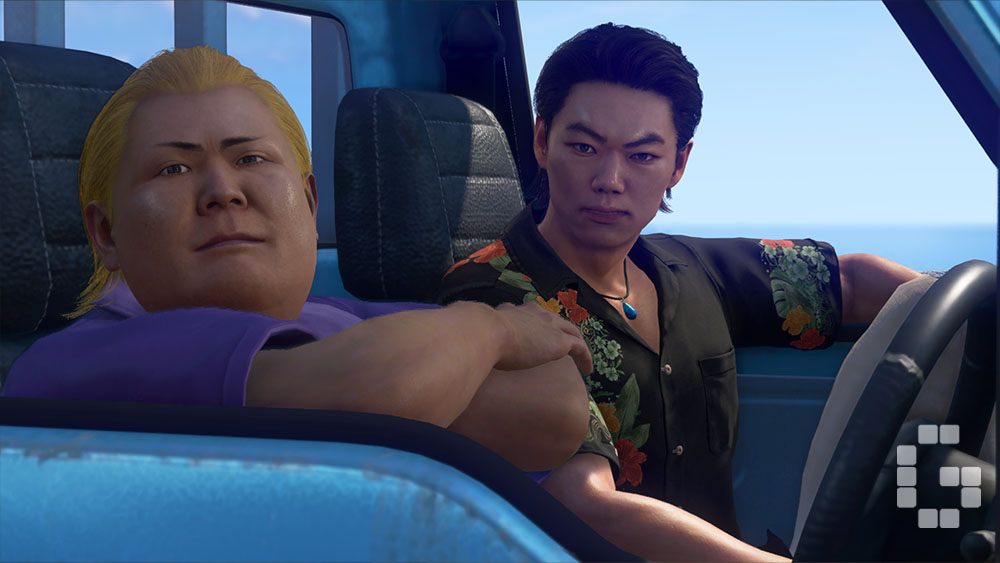
Voice acting remains strong throughout both games. Performances carry emotional weight, even when animations fall short. Several characters receive new recordings, but overall consistency remains intact. The soundtrack mixes remixed classics with new compositions, often contrasting lighthearted melodies with darker scenes. Custom playlists allow players to tailor the atmosphere, with the addition of other SEGA franchises’ themes included (the Angry Birds Main Theme is in the game).
Dark Ties adopts a heavier tone through piano-driven tracks that emphasize tension and introspection. Across both campaigns, audio design strengthens immersion and emotional impact.
Verdict: Redemption or Revision?
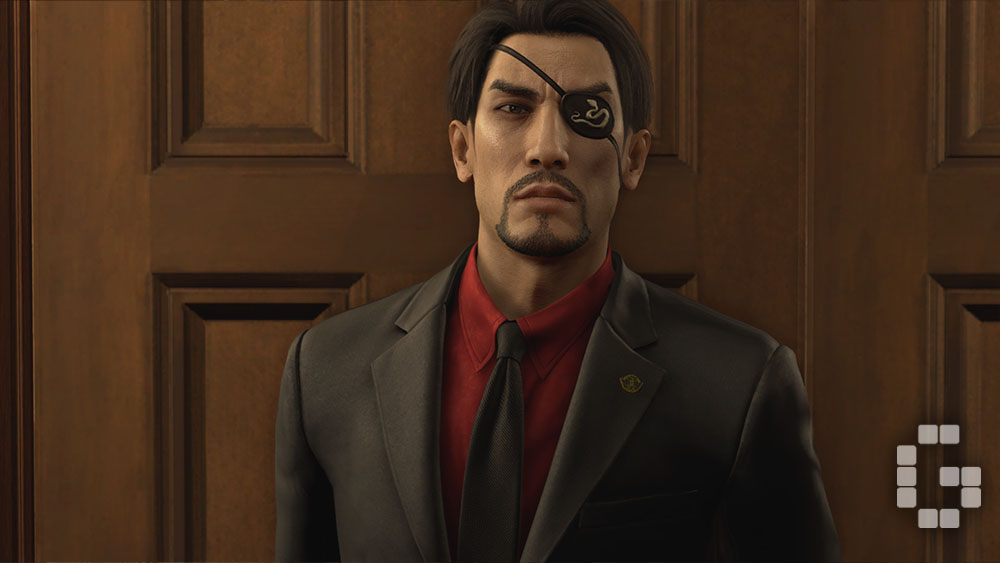
Yakuza Kiwami 3 & Dark Ties succeeds as both remake and recontextualization. The main game modernizes a divisive entry without erasing its identity, while Dark Ties deepens the narrative through perspective and contrast. Animation stiffness and lighting issues persist, but they do not outweigh the improvements in combat, storytelling, and world design. For newcomers, this package offers an accessible entry point. For veterans, it provides a richer and more nuanced way to revisit one of the series’ most debated chapters.
There is a free demo out now for players to try out.
Played on PC
The Review
PROS
- Rich Narrative and Characterization: Kiryu’s time at the Morning Glory orphanage highlights his humanity, while Dark Ties gives Mine a fully realized personality and backstory.
- Diverse Side Content: Morning Glory management, Bad Boy Dragon, SEGA Game Gear, Kanda Damage Control, and Hell’s Arena provide hours of engaging, varied gameplay.
- Accessible to Newcomers: The game serves as a great entry point for those unfamiliar with Yakuza, while still satisfying series veterans.
- Dark Ties as a Meaningful Expansion: Adds narrative and gameplay depth rather than being mere fan service, complementing the main story.
CONS
- Stiff Cutscene Animations: Some characters, including Kiryu, show limited facial expressions and movement, which reduces emotional impact.
- Overall Combat Feels Inconsistent: While fun in bursts, long animations, clunky rolls, and vulnerable weapon moves disrupt flow.