














![[EXCLUSIVE] Dragon’s Dogma 2: Dark Arisen Team Opens Up About the Expansion’s Name, New Norgan Region, and Performance Goals](https://cdn.gamerbraves.com/2026/07/Dragons-Dogma-2-Dark-Arisen_Interview_FI-360x180.jpg)



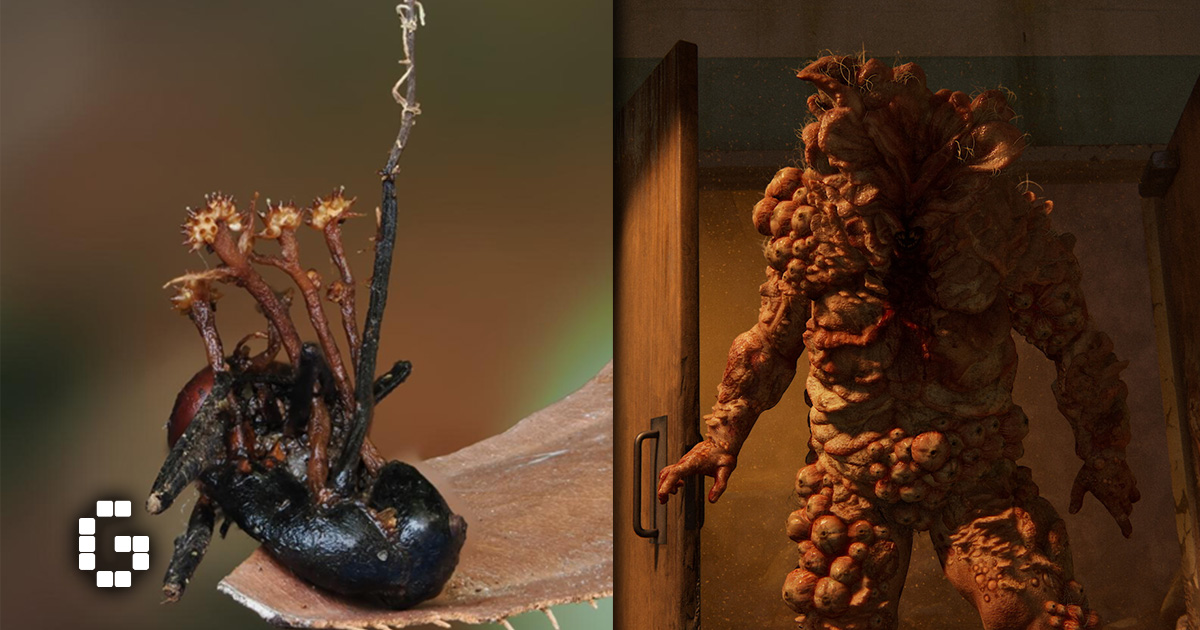
Fans of The Last of Us know the nightmare scenario all too well: a fungal infection hijacks its host’s brain, turns them into a mindless creature, and spreads from there. That fictional horror is loosely based on a real fungus called Ophiocordyceps, which does exactly that to insects. Now, Malaysian scientists have discovered something that actually preys on it.
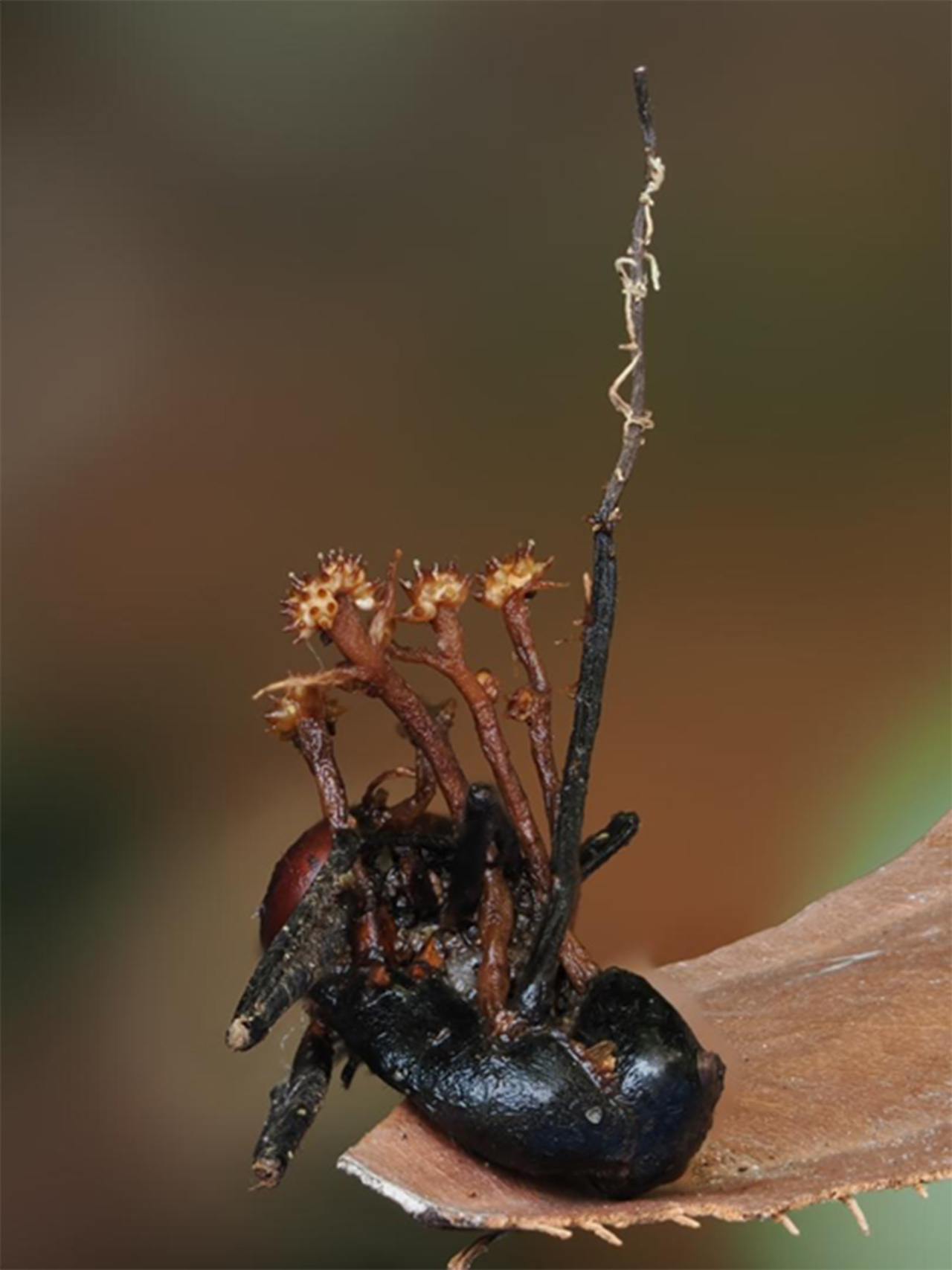
Researchers from the University of Malaysia Sabah’s Institute for Tropical Biology and Conservation found a new species of parasitic fungus deep in the jungles of Borneo, specifically in the Danum Valley, a remote area in southern Sabah. The fungus hunts and feeds on zombie fungus already inside an infected ant, earning it the label of a “hyperparasite.”
The institute’s Deputy Director, Jaya Seelan Sathiya Seelan, described it to AFP as something that “effectively parasitises the primary pathogen.” In plain terms, it is a parasite that targets another parasite.
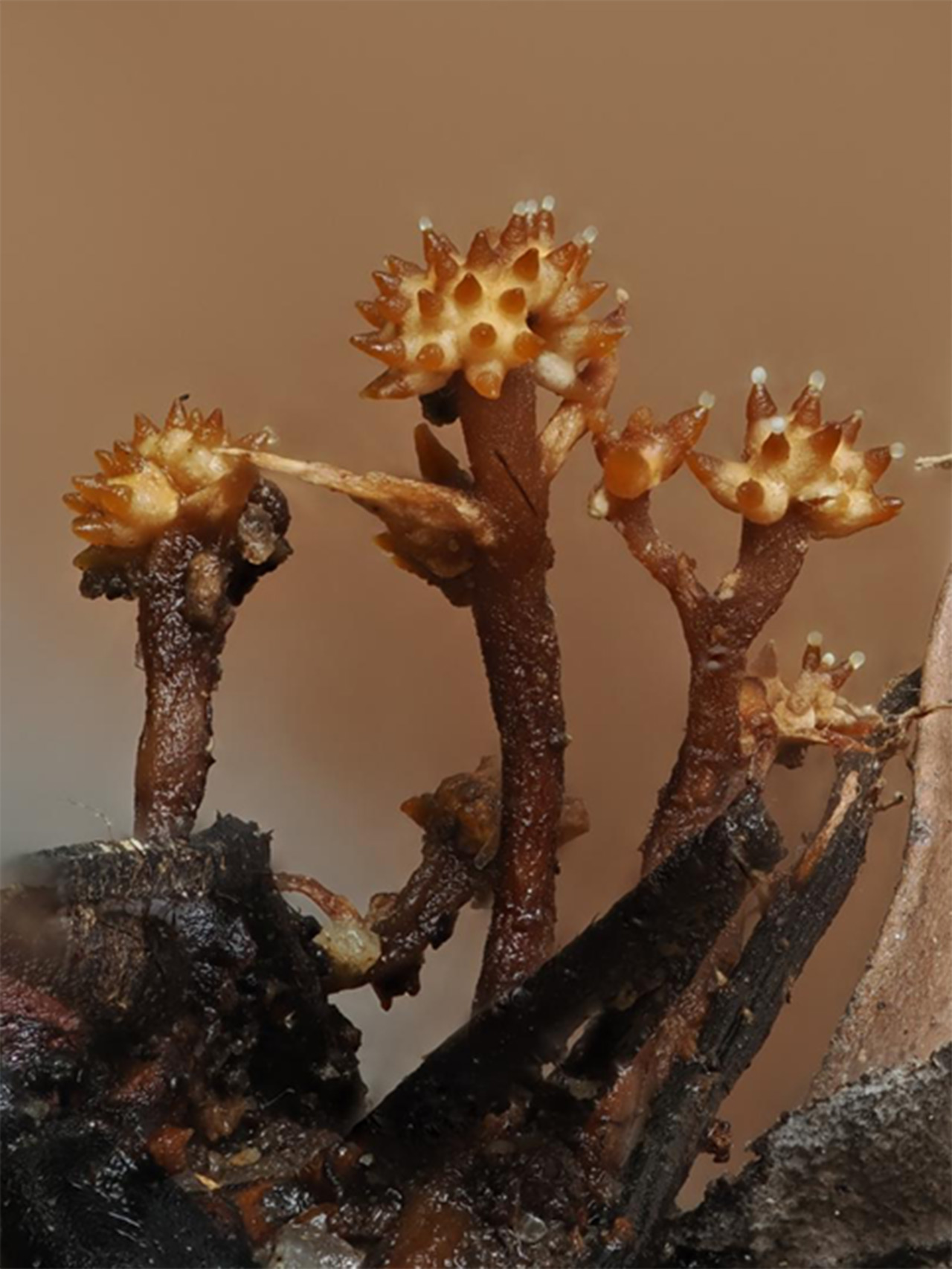
The newly identified species belongs to the genus Pleurocordyceps and has been officially named Pleurocordyceps cornusynnemata, a nod to its distinct horn-shaped structure, which sets it apart from anything else in its genus. “It is the world’s first known member of its genus to feature this highly distinct horn-shaped structure,” Seelan said. The discovery was published in Phytotaxa, the leading journal in taxonomic botany, in April.
What makes this find interesting is how it works. While zombie fungus (Ophiocordyceps) takes control of an ant’s nervous system, messing with its behavior before killing it and bursting through its body, the new hyperparasite skips all of that. Instead of targeting the insect itself, Pleurocordyceps cornusynnemata goes straight for the zombie fungus already growing inside the host. “Pleurocordyceps infiltrates and feeds directly on the thriving Ophiocordyceps tissue inside the host,” Seelan explained.
This is not the first hyperparasite ever found, but the horn-shaped structure on this one makes it a first of its kind within the Pleurocordyceps genus. The Danum Valley discovery did not stop there. During the same field trips, scientists also found a new species of spider-killing fungus that spreads through spiders before killing them. Both findings came out of multiple research expeditions conducted by the university.
While the zombie fungus angle naturally draws comparisons to the world of The Last of Us, the real-world implications point in a more practical direction. Seelan noted that these newly documented fungi carry significant potential “as sources for developing next-generation antimicrobial drugs and as highly effective biocontrol agents against agricultural pests.”
So while a fungal apocalypse remains firmly in the realm of fiction, the natural world quietly holds its own arms race between parasites, and scientists in Sabah just found a new player in it.