


![[EXCLUSIVE] Brendan Gan Delivers One of Malaysia’s Best-Ever Worlds Results, Shares Thoughts on Pressure and the Local Scene](https://cdn.gamerbraves.com/2026/08/Brendan-Gan_Interview_FI-360x180.jpg)





![[BIC2026] Hiroaki Nagashima from Toei Games Talks New IPs, Indie Roots, and Asia-First Strategy](https://cdn.gamerbraves.com/2026/08/Toei-Games-BIC-2026_Interview_FI-360x180.jpg)
![[BIC2026] From Outsider to Organizer: How Isabella Seo Jungsook Helped Build Busan’s Indie Game Scene through BIC](https://cdn.gamerbraves.com/2026/08/Isabella-BIC-2026_Interview_FI-360x180.jpg)
![[BIC2026] CanOpener’s Logan Moon Opens Up About Dungeon Settlers Ahead of Its September Early Access Launch](https://cdn.gamerbraves.com/2026/08/Logan-Moon-BIC-2026_Interview_FI-360x180.jpg)


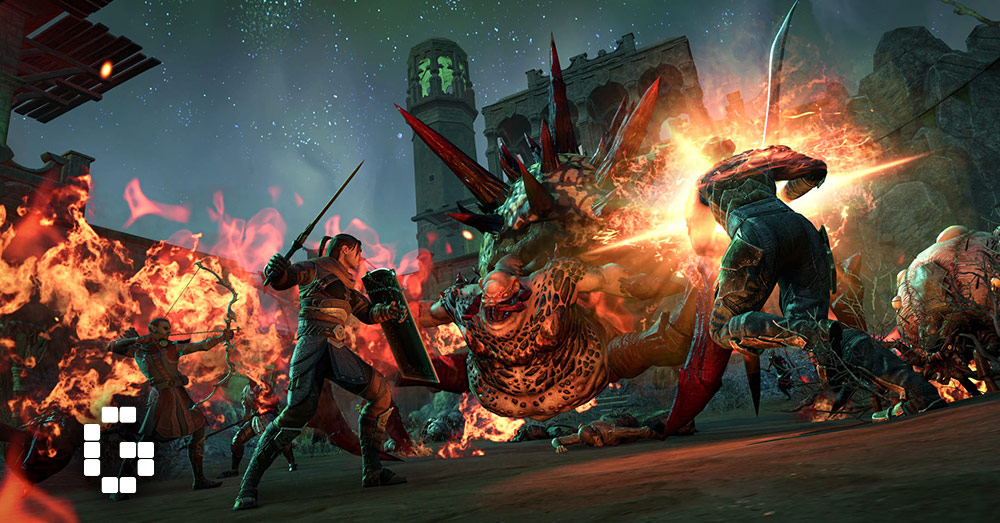
The Elder Scrolls Online is about to look very different in 2026. After nearly twelve years online, the game is getting one of its biggest makeovers yet, and the changes coming in go far beyond the usual new zones and quests. ZeniMax Online Studios recently laid out their plans for the year ahead, and the message is clear: they’re rethinking how the game works from the ground up.
Our preview covers the major shifts coming to ESO, from a completely new content system to changes in how players access new material. The developers are moving away from patterns that have defined the game for years, promising more variety, better communication with players, and a renewed focus on fixing long-standing issues. Here’s what’s actually changing and what it means for anyone still adventuring through Tamriel.
Moving Past the Old Chapter System
Game Director Nick Giacomini and Executive Producer Susan Kath made it clear that the traditional Chapter model has run its course. For years, ESO followed a predictable pattern of annual expansions with new zones, dungeons, and stories. While this structure worked for a while, it became rigid. The team needed everyone working on each Chapter, leaving little time to respond to player concerns or try new ideas.
The developers acknowledged that content delivery became too predictable and meaningful updates slowed down. They’re calling 2025 a transition year, with 2026 marking a real turning point comparable to when One Tamriel changed the game a decade ago.
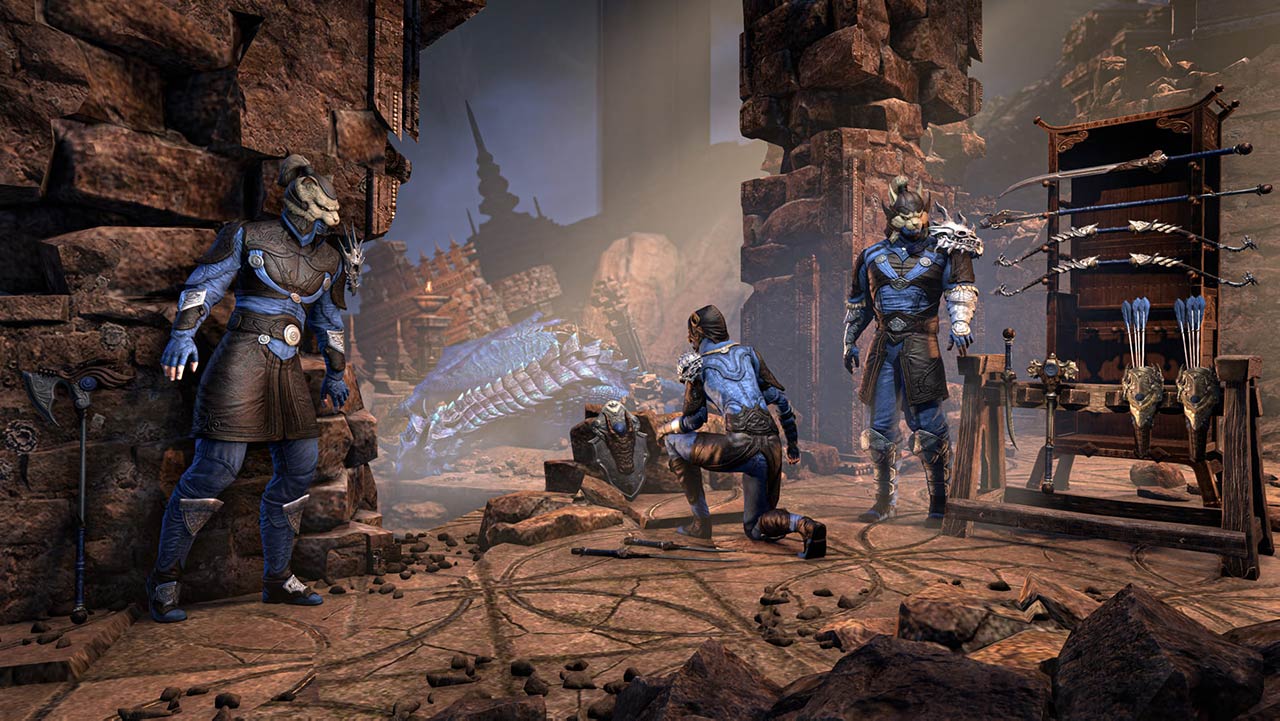
The new Seasons system replaces the annual Chapter releases. Content still arrives every three months, but each season can focus on completely different things. One season might bring new stories and locations, while another might concentrate on system improvements or experimental features that players have been requesting.
The key difference is flexibility. Instead of forcing content into the same template every year, the developers can build what players actually want at that moment. Each season will include a Tamriel Tome progression system and access to something called the Gold Coast Bazaar, but beyond that, the content can vary significantly.
All New Content and Simultaneous Releases
Perhaps the biggest news is the change to how players access new content. Starting with Season 0, all new gameplay content and systems will be free for anyone who owns ESO. This includes new zones, stories, and gameplay systems that previously would have required buying a Chapter. Players who access ESO through Xbox Game Pass or PlayStation Plus get the same access. The goal is removing barriers so friends can play together without figuring out who owns which expansion. While some paid options will still exist, the core experience won’t be split up behind annual purchases anymore.
Console players have waited longer than PC players for updates for years. That changes with Update 49 in March. From that point forward, PC and console players get updates and patches on the same day. This addresses one of the most common complaints from the community and shows the studio is willing to change long-standing practices based on player feedback.
What’s Coming in 2026
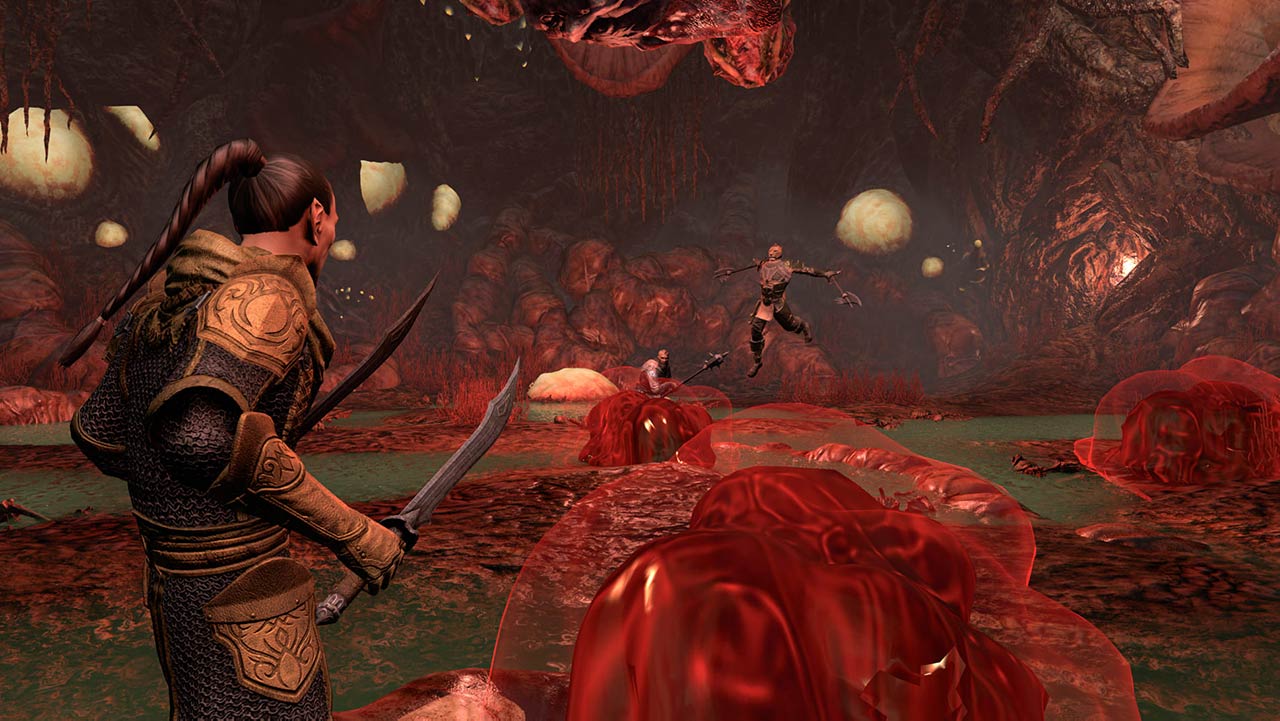
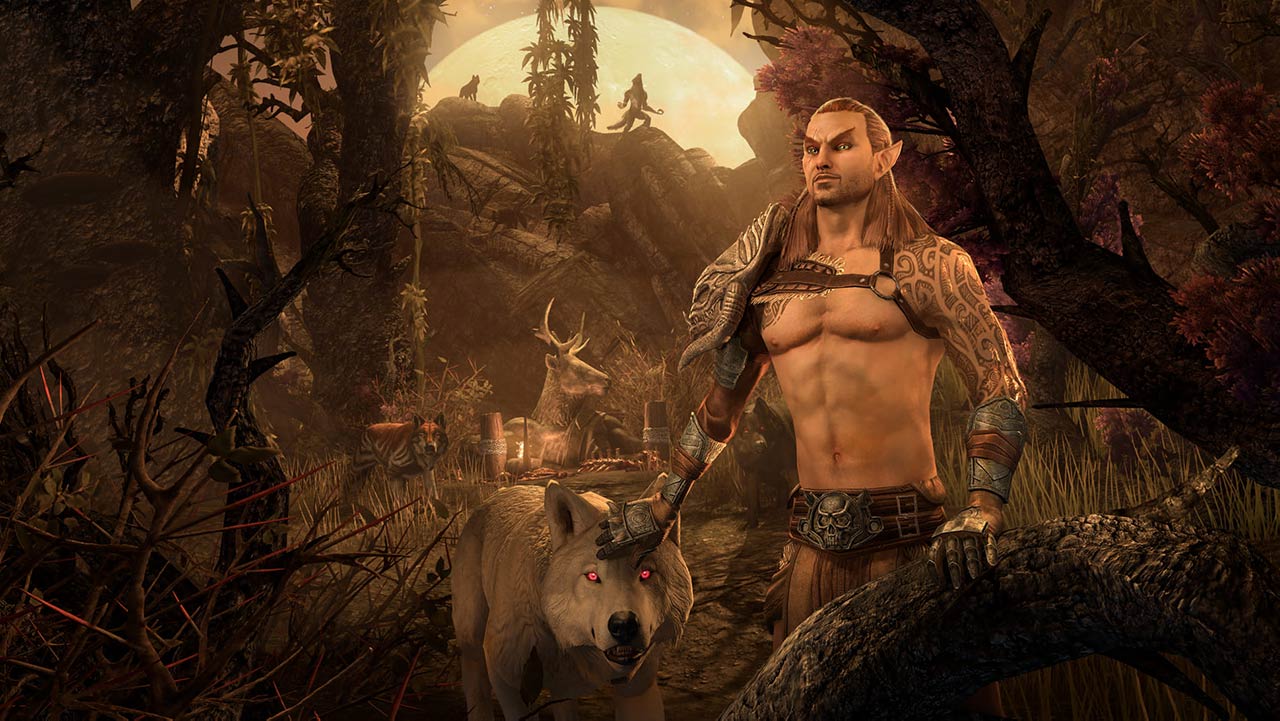
The roadmap for 2026 includes a wide range of content. Season 0 introduces the Night Market, described as the first event zone designed for high-difficulty PvE play. It’s a limited-time area meant to challenge players more than typical overland content. Class and combat updates are rolling out throughout the year, starting with visual and mechanical refreshes for the Dragonknight class. Other classes will receive similar attention, along with updates to weapon skill lines and werewolf visuals.
Story content continues with new Thieves Guild material and the return of Sheogorath. Dynamic systems like vaults, rumors, favors, and dynamic events are being added to make the world feel more reactive. For endgame players, a new trial is planned. Solo players get Overland difficulty options and solo dungeon modes with multiple difficulty settings and dedicated rewards. The developers are also experimenting with naval gameplay, ships, and sea-based encounters, though these are clearly in early stages.
PvP players see significant investment with new progression systems, dedicated rewards, the return of three-sided battlegrounds, and fixes for Cyrodiil and battleground issues that have lingered for years.
Tamriel Tomes and the Gold Coast Bazaar
Tamriel Tomes function as the seasonal progression system. Every season includes a free Tome available to all players, progressed through weekly and seasonal challenges that cover PvE, PvP, crafting, and exploration. Players earn Tome Points to unlock pages and choose rewards, with the option to reroll weekly challenges they don’t want to do.
This system replaces daily login rewards and Endeavors, combining them into one structure. Premium Tome upgrades are available for players who want extra cosmetic rewards and the ability to finish a season’s Tome after it ends.
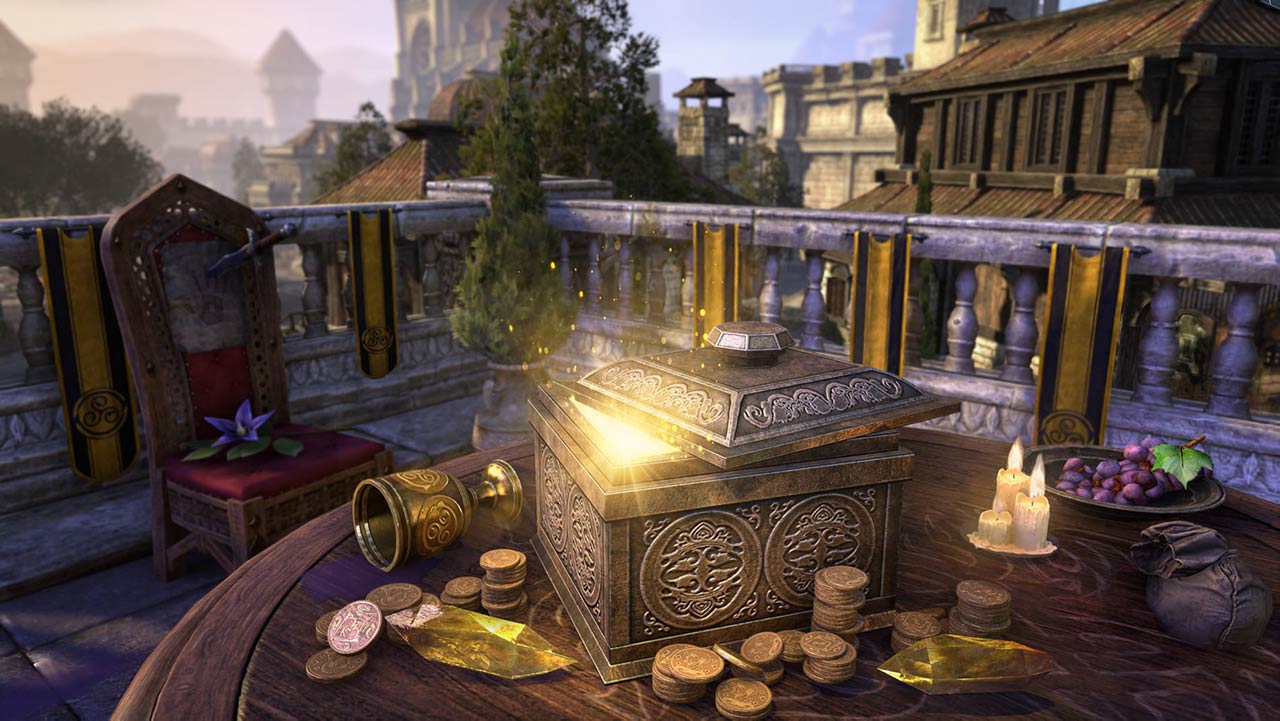
The Gold Coast Bazaar is a new in-game store focused entirely on rewards earned through gameplay. Players can acquire older cosmetics, utility items, and previously limited rewards without spending real money. The Bazaar uses Trade Bars, a currency earned mainly through Tamriel Tomes and in-game activities. Trade Bars can’t be purchased and have no spending cap. Over time, the Bazaar will expand to include more items, including past crate contents that players have requested access to.
Quality of Life Improvements and Updates
A dedicated team now handles quality-of-life improvements exclusively. Update 49 brings the first wave, including free skill and attribute respecs from the UI, account-wide outfit slots, faster mount training, increased furnishing limits for housing, mounts purchasable with gold, and expanded antiquity timers. Features like guild mail, crossplay, and guild housing are confirmed to be in development for the longer term.
ZeniMax Online Studios admitted that communication and follow-through haven’t always been as transparent as players wanted. The new approach gives players earlier visibility into features still being developed, with feedback gathered sooner through surveys, Q&A streams, Reddit AMAs, polls, and more frequent updates. The developers stressed this isn’t a one-time effort but an ongoing process meant to shape the game’s direction based on actual player input rather than last-minute reactions.
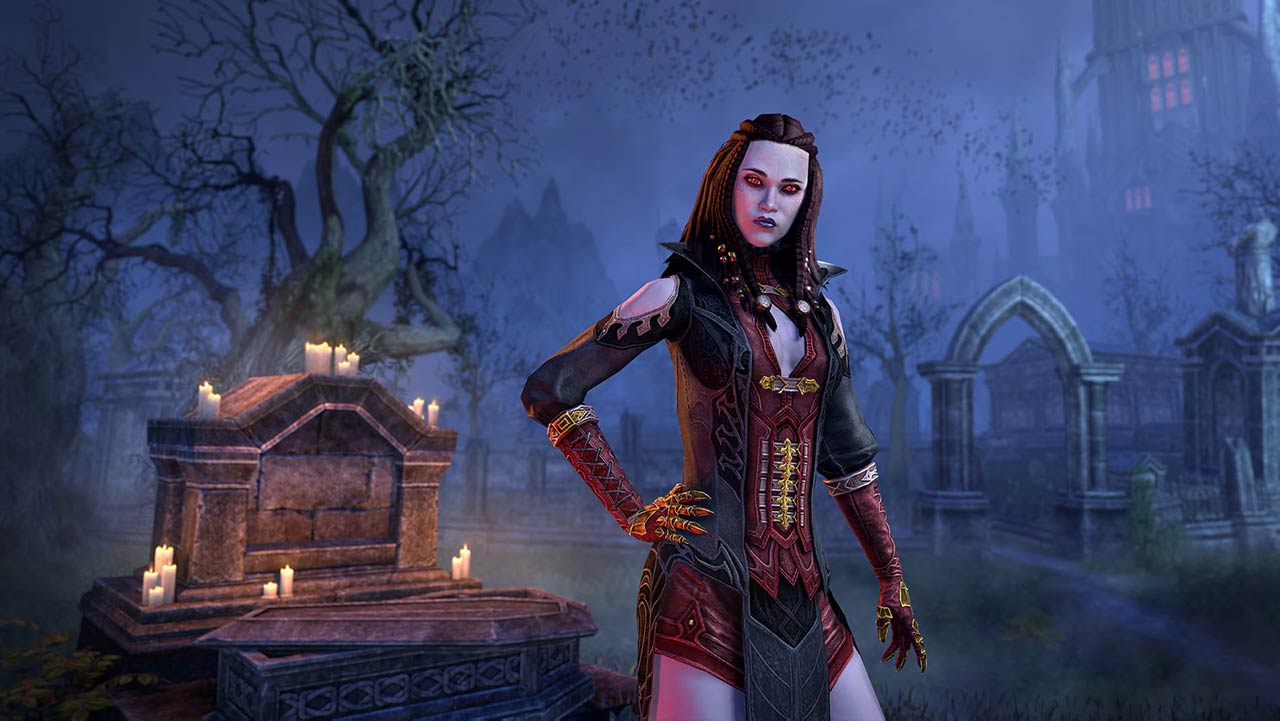
Combat and class identity are getting sustained attention over the next several years. Visual refreshes, mechanical updates, and balance improvements aim to modernize combat, reduce what players call “floatiness,” and restore clear class identities. The Dragonknight update includes refreshed visuals, improved skill cohesion, and earnable skill styles. Weapon skill lines, werewolf visuals, and additional class updates follow throughout 2026.
What This Means for ESO’s Future
The developers emphasized that these changes form the foundation for ESO’s next phase, not just isolated fixes. By sharing plans earlier, listening more closely, and adapting more quickly, they’re aiming to keep the game relevant and engaging well into its second decade.
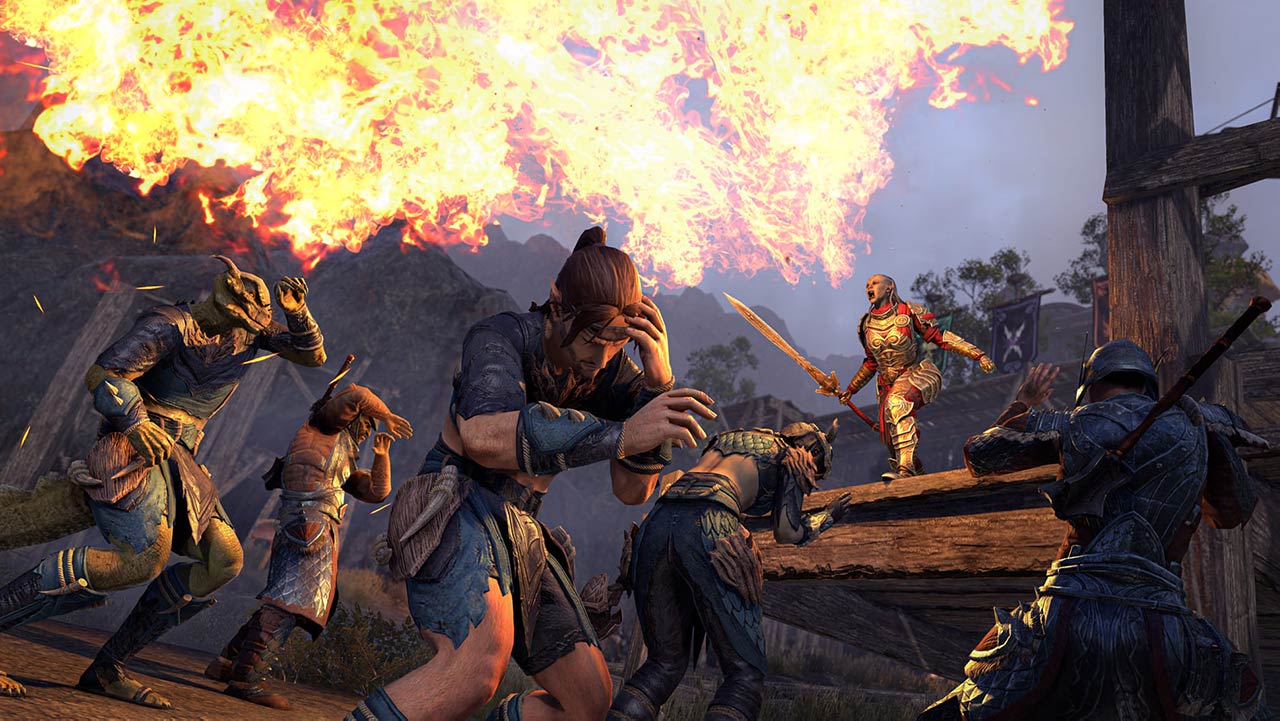
The Elder Scrolls Online is entering 2026 with a fundamentally different approach to how it delivers content and engages with players. Whether this shift pays off will depend on execution, but the plans represent the most significant rethinking of the game since its early years.