





![[EXCLUSIVE] Dragon’s Dogma 2: Dark Arisen Team Opens Up About the Expansion’s Name, New Norgan Region, and Performance Goals](https://cdn.gamerbraves.com/2026/07/Dragons-Dogma-2-Dark-Arisen_Interview_FI-360x180.jpg)



![[TGS2025] Monster Hunter Wilds and Final Fantasy XIV Team Up Again: Developers Share Details on Their Collaboration](https://cdn.gamerbraves.com/2025/09/MHWilds-x-FFXIV-TGS2025_Interview_FI.jpg)
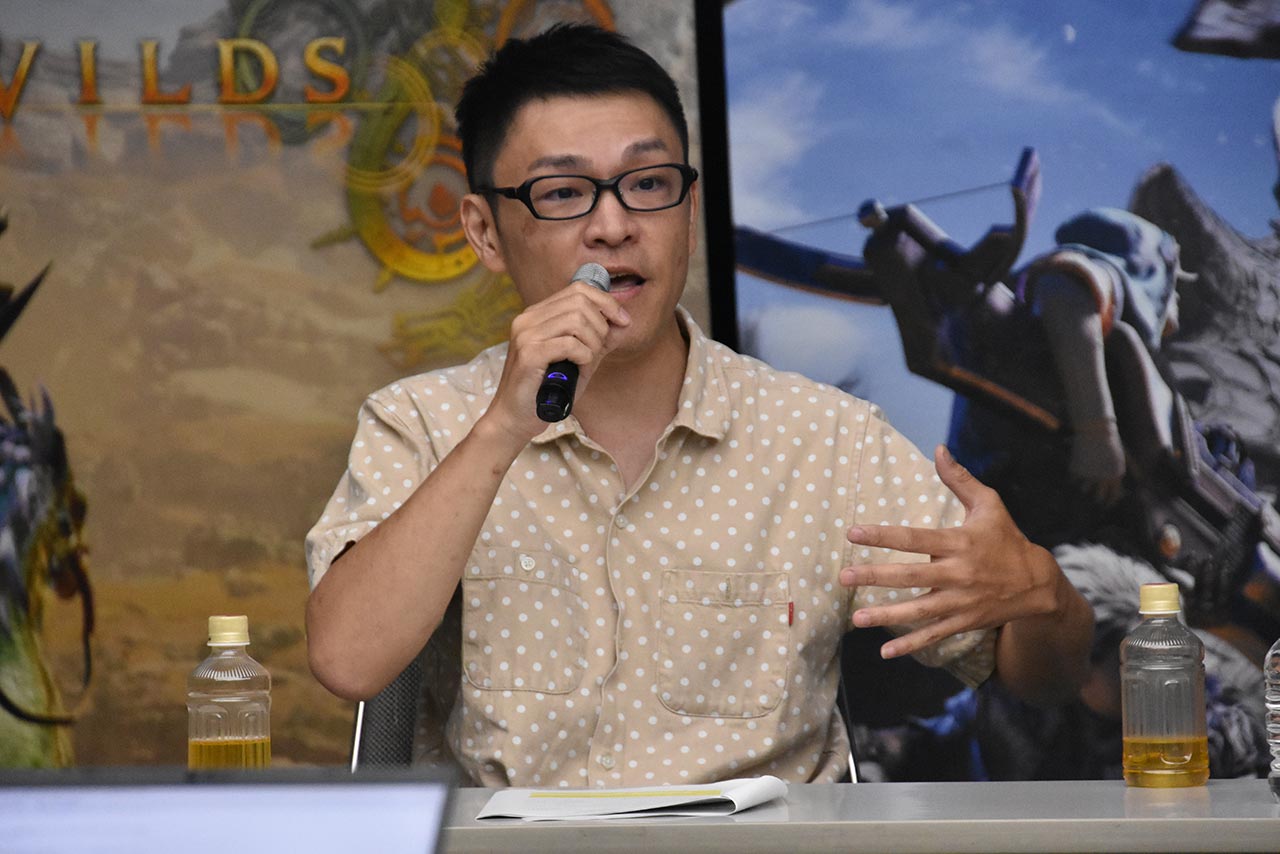
During Tokyo Game Show 2025, we had the chance to sit down with key developers from both Capcom and Square Enix to discuss their upcoming collaboration between Monster Hunter Wilds and Final Fantasy XIV. Producer Naoki Yoshida from the Final Fantasy XIV team, along with Monster Hunter Wilds Producer Ryozo Tsujimoto and Director Tokuda Yuya from Capcom, shared insights about this exciting crossover that builds on their previous successful partnership.
This marks the second major collaboration between these beloved franchises, following their Monster Hunter World crossover that introduced players to new gameplay mechanics and experiences across both games.
Balancing Content for All Player Types
One of Final Fantasy XIV’s core philosophies is creating content that satisfies both casual and hardcore players, and this collaboration continues that tradition. Yoshida explained their approach: “We have a lot of great rewards for all different kinds of players, whether they be casual players or high-end players. And we also have a lot of different difficult levels as well so that players can play at the level that they want to play at and what they feel most comfortable at.”
What sets this collaboration apart from the Monster Hunter World crossover is its approach to gameplay feel. “What’s going to be different with this collaboration with Wilds is that this one will feel more XIV in a sense,” Yoshida noted.
“Yes, battles are still gonna be a bit crazy, but it’s gonna play and have that Final Fantasy XIV feel to it, so you don’t have to go into it thinking you’re gonna get something different from that XIV style.”
The team is focusing on creating something that introduces Monster Hunter’s world while maintaining Final Fantasy XIV’s core identity. “What we’re creating here is we’re creating something that will introduce players from XIV into this wonderful lore and this wonderful story that Monster Hunter has, but have that feel natural in Final Fantasy XIV, whether it’s the housing items or gear that players are able to equip, and the battles as well,” Yoshida added.
Bridging Different Game Genres
The challenge of merging an action game with an MMO RPG might seem difficult, but the development teams see it as an opportunity rather than an obstacle. Tsujimoto shared their perspective: “It was actually more about a fun challenge for us rather than a difficult kind of challenge. The Monster Hunter development team has a lot of warriors of light among us who love Final Fantasy XIV and play the game.”
This shared passion between team members created a positive creative environment. “That’s actually kind of a positive, creative thing, because we can do things in this collab that are not possible in Monster Hunter normally, purely because we have the Final Fantasy XIV elements included in the collaboration,” Tsujimoto added.

The development team’s enthusiasm was evident throughout the process. “The dev team and ourselves have really enjoyed testing and playing it, and we’re looking forward to seeing the reaction whenever it releases,” Tsujimoto said, confident that players will appreciate the results of their collaborative efforts.
Development Process and Timeline
The collaboration’s origins trace back to a long-standing friendship between the producers. Tsujimoto revealed that he and Yoshida have known each other for 10 to 15 years, with their latest project starting from casual conversations at industry events.
“Last year, at gamescom in Cologne, Germany, I had dinner with Mr. Yoshida and my team. Again, we just kind of got casually on the topic of it was really great fun last time collaborating.”
The relationship between the teams goes back even further. Yoshida recalled: “Back when I first took over Final Fantasy XIV, I remember he came to me and said, Why are you taking on such a crazy new plan? This seems like so much to take on, but if there’s anything we can do to help from our team, we would love to help you. So whether the game is a success or not, we want to work with you in the future.”
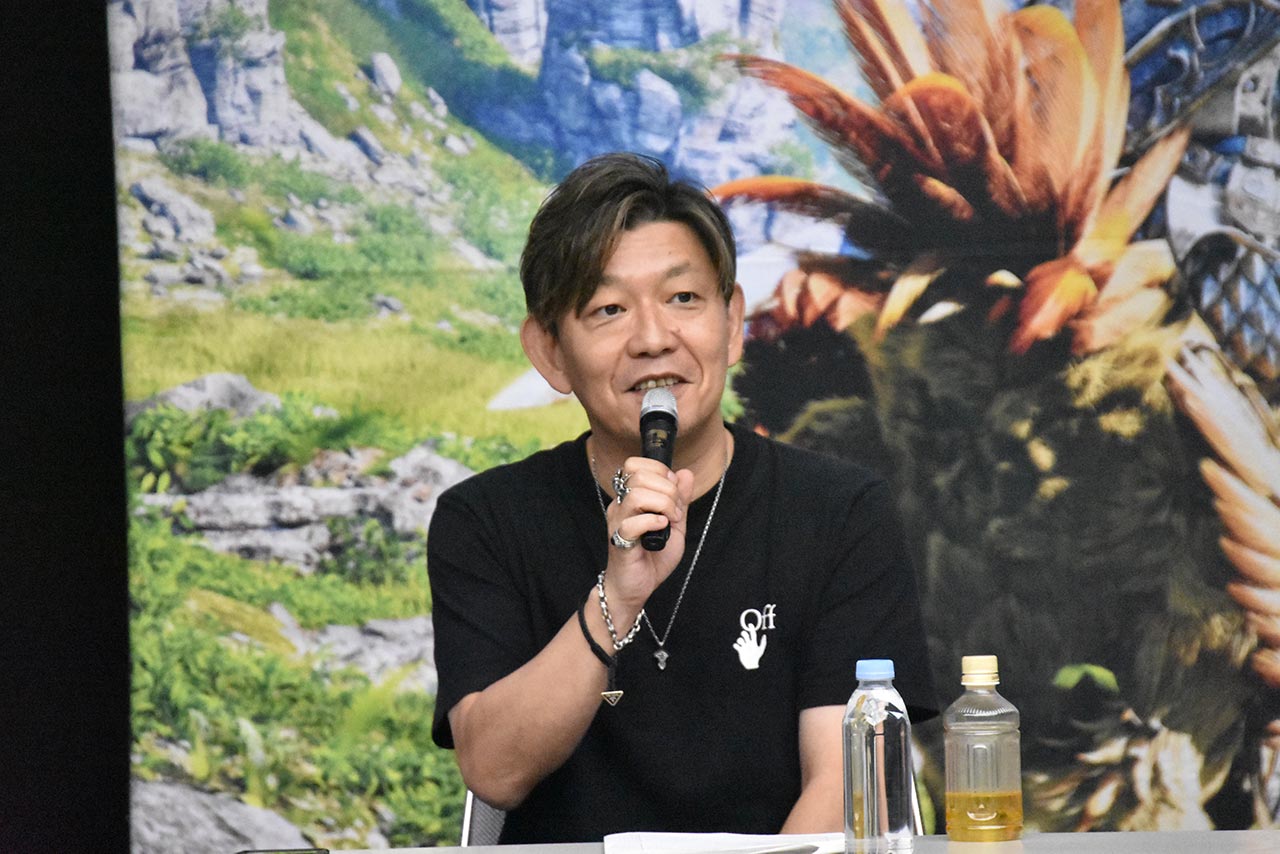
The development process required careful timing. Yoshida explained: “We didn’t really get into development until later, the main reason being that Monster Hunter Wilds hadn’t been released yet, they were still working on the development, and we didn’t want to get in the way of that. Also, we wanted to play the game ourselves. So once the game came out and we had a chance to play with it, is when we really started working on the development.”
Despite the relatively short development window, both teams committed significant resources. “So it hasn’t been more than a year since we started working on it. That said, we did have a lot of people working on it on both sides, so you’re going to see a lot of volume and content on both sides,” Yoshida said.
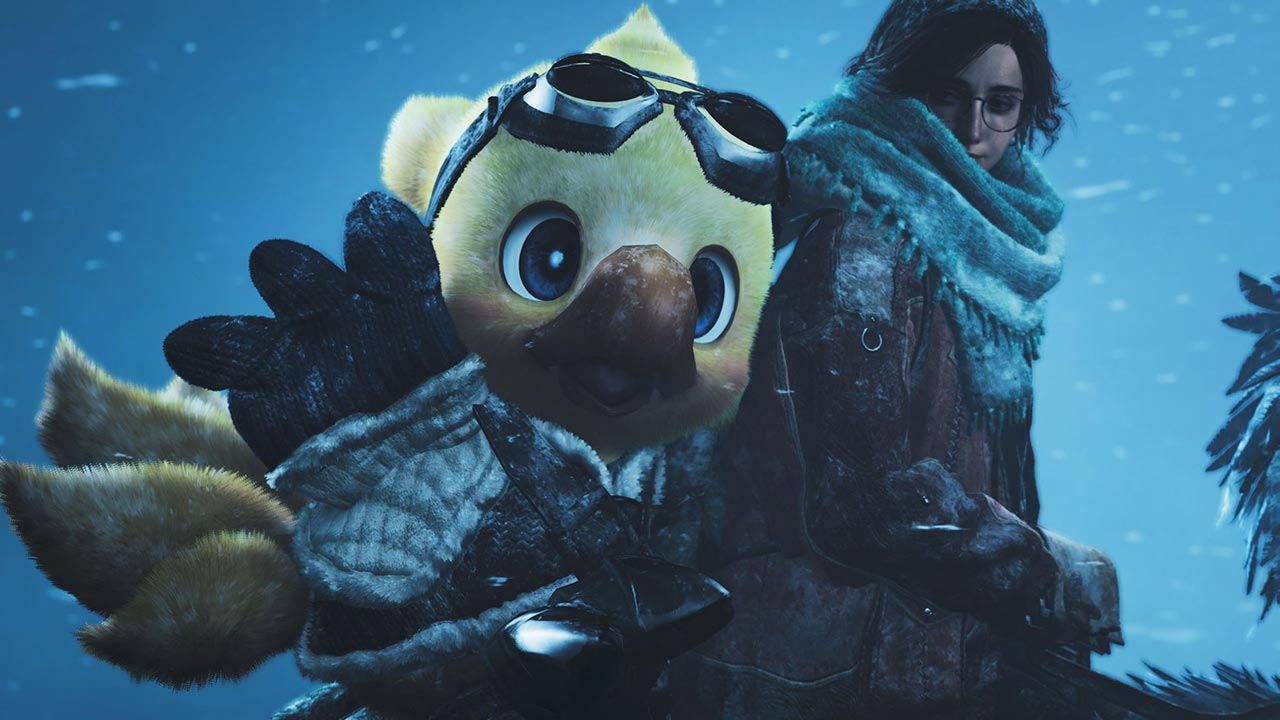
Most assets were created from scratch specifically for this collaboration. “As for the question about assets, and whether the assets are being reused or not, there is one scene where we have him drinking a potion that we did reuse, but everything else we’ve completely created. So this will feel completely different from Monster Hunter World,” Yoshida confirmed.
The teams’ eagerness to work together was clear from the start. “Actually they did let us go down to Osaka and play a pre-release build so we could start working on it. But, that just kind of shows how much both teams were excited about getting started on the work,” Yoshida shared.
Learning from Each Other
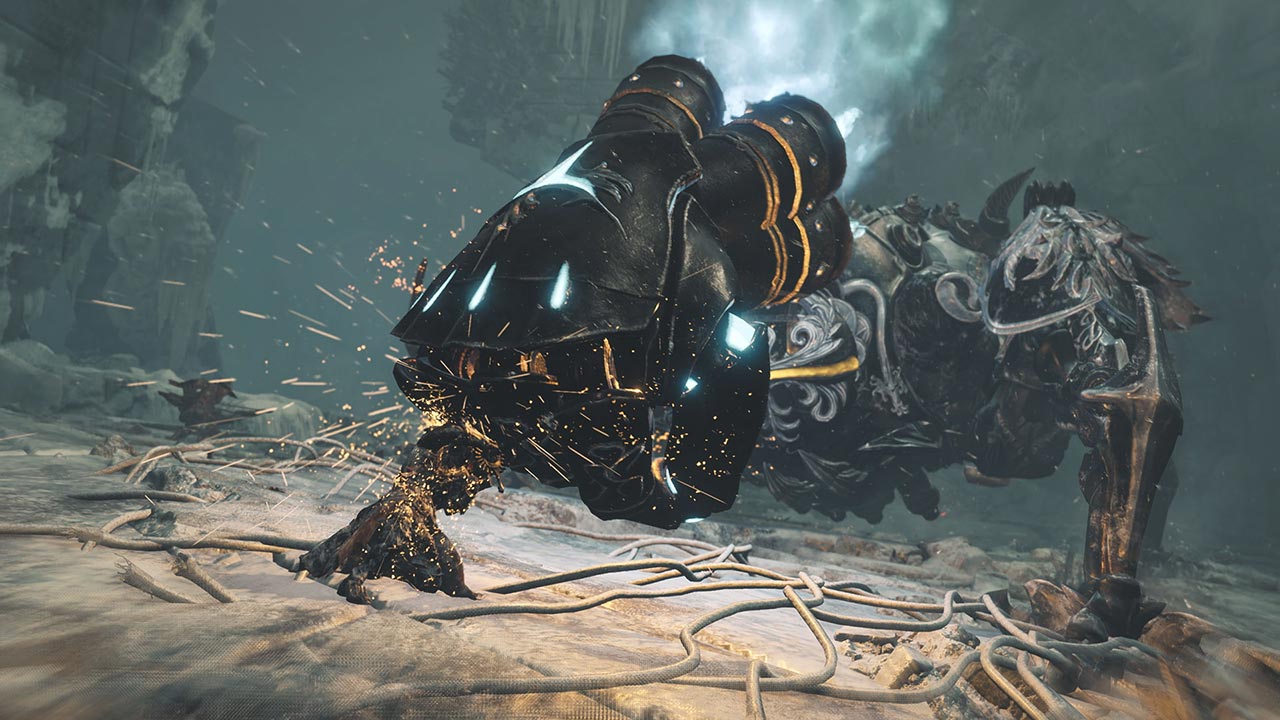
The collaboration has allowed both development teams to experiment with new mechanics and learn from each other’s approaches. Tokuda highlighted how Final Fantasy XIV’s mechanics influenced Monster Hunter: “The end-relief system that Final Fantasy XIV has as one of its core elements was included for the first time in Monster Hunter, and having a direct mechanic where one player is able to pull aggro and hit him as a tank, and different roles like DPS, that’s very Final Fantasy-like. We’d never really implemented anything like that in Monster Hunter before.”
The collaboration served as a testing ground for new ideas. “In a sense, if there was a chance to test these mechanics out on Monster Hunter players in a little bit of a safe space of the collab, and if it didn’t seem to go down well with the player base as a general Monster Hunter mechanic, we might not have implemented it going forward. But actually they found it a really refreshing take on the Monster Hunter battle system,” Tokuda explained.
These mechanics proved popular with Monster Hunter players and have since been incorporated into other content. “So we ended up including things like direct end-relief mechanics and stacking ranged attacks with other monsters since then. That’s also something we were able to enjoy in the Omega collaboration,” Tokuda added.
For the Final Fantasy XIV team, the focus was on creating something that felt authentic while introducing Monster Hunter elements. Yoshida explained their evolution from the first collaboration: “Beginning with our first collaboration with Monster Hunter was approaching it and trying to figure out how we’re going to recreate that Monster Hunter feel in the Final Fantasy XIV world. But as you know, the games are completely different.”
The team learned from their previous experience. “While during that first collaboration we tried to get something that was close, we felt, at least as a development team, that we didn’t get something that felt as good. There were a lot of players that seemed to like it, but for us it was a challenge of what can we do next time to make it even closer to that,” Yoshida reflected. This led to a different approach for the new collaboration.
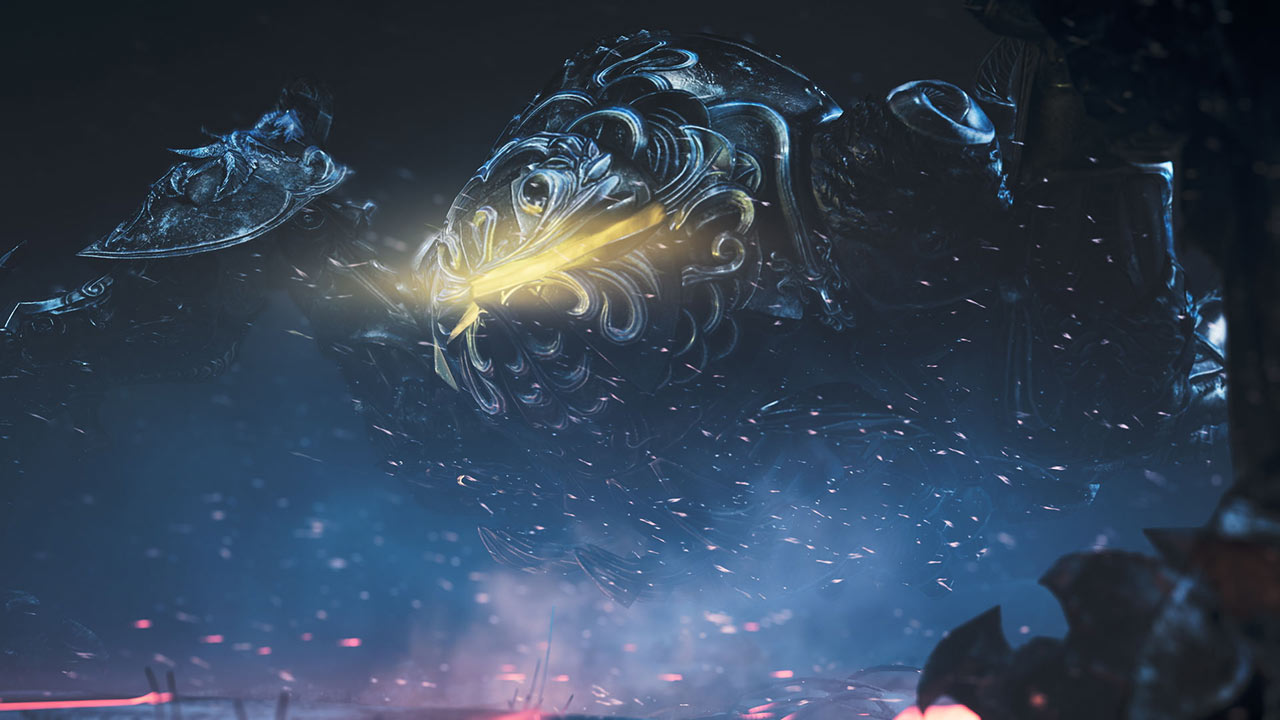
“When we had this opportunity, when the talks came up to have a second collaboration, the first thing we did was discuss how we were going to approach it differently. And so what we decided is that we have this great game, Monster Hunter Wilds, we have this great monster in Arkveld, but rather than trying to get the battle that we were going to create closer to Monster Hunter, we decided to go a different path and make it feel as XIV as possible.”
Choosing the Right Representatives
The selection of featured monsters from each franchise involved strategic thinking about what would work best in each game. Surprisingly, getting approval to use Arkveld, Monster Hunter Wilds’ flagship monster, was easier than expected. “When we first approached them, we thought we were definitely going to be told, no, you can’t use Arkveld just because it’s such a major character, but they were like, completely open to it, so that’s a surprise. So yes, it was just a matter of us asking, and them saying yes, and then going from there. So very simple,” Yoshida shared.
Tsujimoto confirmed their enthusiasm: “We were very happy for them to borrow the main monster, and as Mr. Yoshida mentioned before, we had some of the team come to our office in Osaka and check it out before it was public and available. I think the collaborative spirit of both sides meant that the Final Fantasy XIV side collab version of Arkveld really got together in a very nice way.”
For Monster Hunter’s inclusion of Omega from Final Fantasy XIV, the choice was more calculated based on the game’s content timeline. Tokuda explained: “On the Monster Hunter side, we hear we’re going to be doing this collab as part of the title update after launch, and we have a whole timeline of those plans. So, title update 2 has some returning classic Monster Hunter series monsters, like Lagiacrus and Seregios, and the upcoming title update 4, that was recently announced sees the return of Cogmazios, which is a massive monster with huge range of attacks.” The team wanted something different from these returning monsters.
“Whenever we were considering which Final Fantasy XIV monster to borrow or a boss to borrow, we wanted something that would feel different from both of those. It wouldn’t be the biggest scale ever, even on a normal scale. It would feel something fresh and different in a way you can’t portray when you have a monster returning from a past title.”
Omega fit perfectly into their vision. “Omega was just a perfect fit for that because it’s really focused on intensive positioning work and the feeling of having to dodge missile-range weapons like the Wave Cannon, the Rocket Punch, those things. You can’t really add those to a given monster, you can’t just make other monsters shoot missiles.”
The timing also played a role in Omega’s selection. “We felt that it was a good point in the series for players to be able to take on something that intense. I think it’s a great fit for Wilds in particular and it might not have worked back in the day of Monster Hunter World, but the timing just felt right,” Tokuda added.
Yoshida immediately recognized Omega’s potential in Monster Hunter.
“When they first approached us and mentioned that Omega would be one of the monsters that they were interested in using, I immediately knew that that would be a great choice, because as a Monster Hunter player myself, I could imagine how it would appear in the game, how it spins and how it shoots its lasers. And it really has a monster type of feel, and so I knew immediately that it was going to work great.”
What Brings These Franchises Together
Despite their mechanical differences, both development teams identified common ground that makes their collaboration successful. Yoshida emphasized the shared passion: “I think that the one obvious thing is that it’s just the passion of each dev team. That the Monster Hunter development team and the Final Fantasy XIV development team have this passion for creating games, and they have a passion for games. And not just for each other’s games, but for games in general.”
This shared passion makes the collaboration process smoother. “And this, as a producer, makes it so much easier for me, because we know that they’re going to be putting their all into the creation of this, and that goes not only for the amount of time and effort, the amount of dev cost that we’re putting into both of our sides of the collaboration,” Yoshida added.
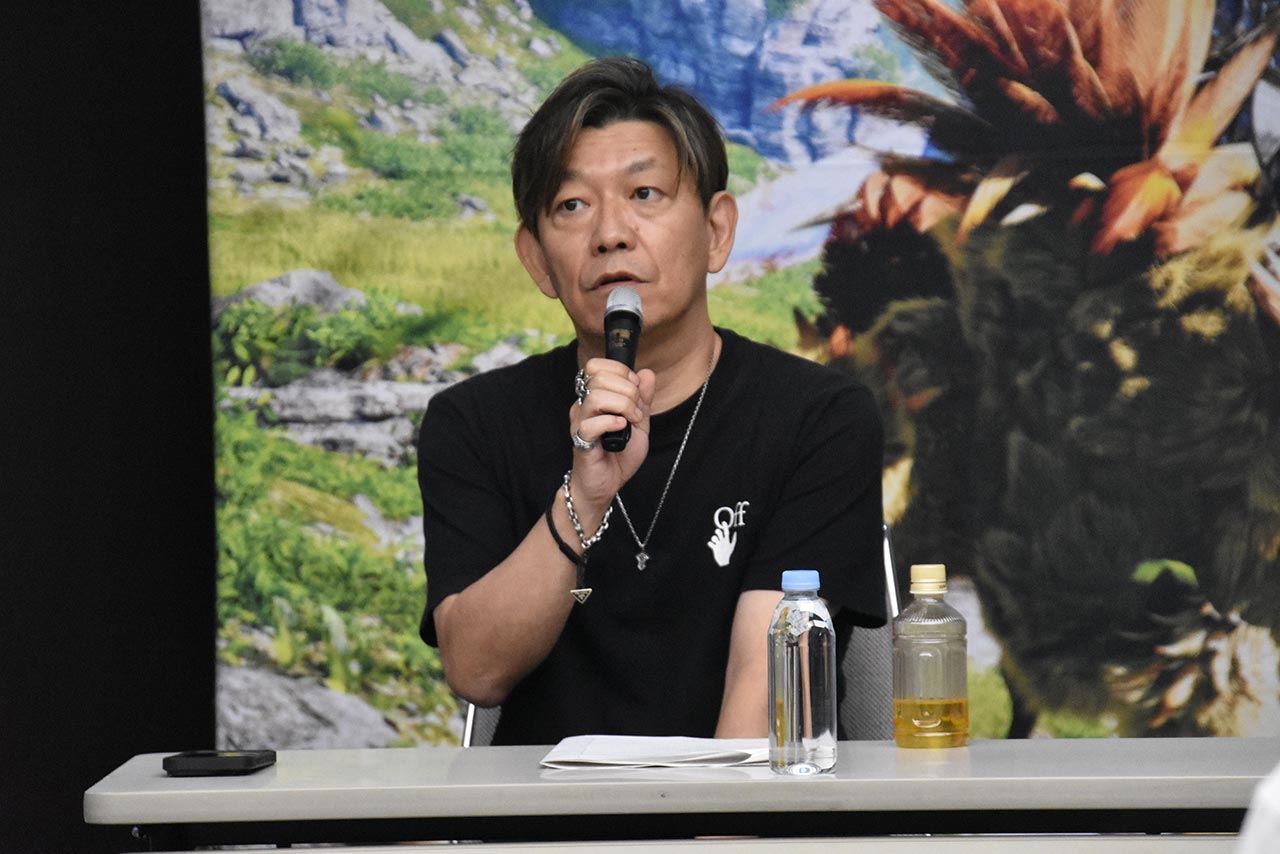
Tsujimoto highlighted their mutual respect: “We respected each other’s titles content enough to not just use it as kind of a set for the same old thing in each title and just be a visual collab, but we wanted to make the content as good as possible. Because we are, after all, borrowing something which is very precious.”
He elaborated on their careful approach: “So we created a little bit of their game, and their game after us, and making sure that each of them is going to be a good fit for our own title, and make it fun content for our own players, and have the other side’s players also be able to get on board, and think that we did a good job of implementing the content that we did.”
Advice for New Players
For newcomers curious about either franchise, both producers offered welcoming advice. Yoshida pointed out Final Fantasy XIV’s accessibility: “Either is fine, but as you may or may not know Final Fantasy XIV has a free trial, and you can play even here in Tokyo as long as you have a PC, so maybe that’s an easier place to start.”
He emphasized the game’s solo-friendly nature: “Even if you don’t want to play with other players, just following the main story in Final Fantasy XIV, you can level up by yourself, see everything. You can play with other players if you like, but you can get all that content without playing with other players. Even if you already do MMOs, you can try.”
Tsujimoto’s recommendation was simple but comprehensive: “As the Monster Hunter producer, I think you should play both games and enjoy both collabs, I don’t think the order in which you play matters. The one you want to pick up first, you can do so. But ultimately, the point of a collaboration like this is to try and expose two different gaming audiences that might not necessarily cross over a lot, and let them see the other games, really great content, and get interested in checking each other out. So my answer is ultimately, please play both games.”
Mutual Admiration
The interview concluded with both teams expressing deep admiration for each other’s work. Tokuda praised Final Fantasy XIV’s fan-focused approach: “For me, I think what I admire most about Mr. Yoshida and Final Fantasy XIV team is just how important they treat their fans. There’s something that’s always in their mind when they’re creating their content.”
He acknowledged the trust involved in borrowing beloved content: “So even something like Omega, which although it’s slightly differently named than the co-op, it’s called Omega Planetes, but essentially, this beloved character on the XIV side, that’s not something we took lightly, this kind of content that their fans love and put it into our game, but since we were able to develop a deeper level of trust over the years since we worked on the original collaboration all those years ago, I think that we were able to gratefully borrow that beloved content.”

Yoshida returned the sentiment, highlighting Capcom’s innovative spirit: “Like Tokuda-san said, it’s about how their company treats their fans and the respect that they have for fans of that content. And we can feel that because pretty much my entire team were all hunters as well.”
He praised their creative approach: “Seeing their team take this Final Fantasy XIV content, taking that and trying to not just put it in the game, but trying to do something that has never been done before. And finding how, coming up with all these crazy ideas, figuring out how to realize these ideas, and how to relay that to the fans in the best possible way, and all the work and effort that the team put in, that is something that we really respect.”
Tsujimoto concluded by emphasizing their strong working relationship: “The compatibility that we had as a development team was really the reason we were able to make this collab happen, especially given how much work we had to do in such relatively short amount of time. The level of communications and the approach of development that those guys had really worked well with the Capcom team. I think that we were such a perfect fit for each other that there was no other way we could have made this happen.”
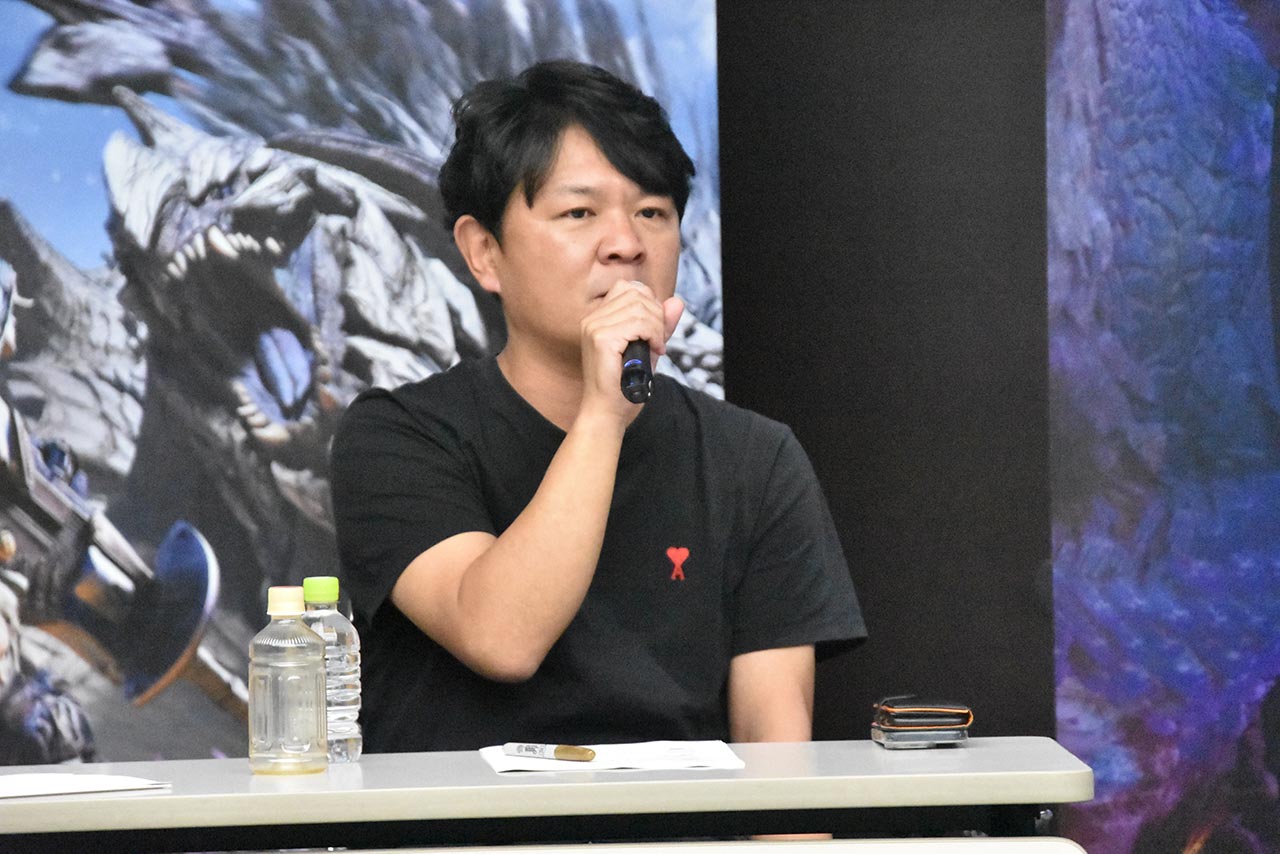
The collaboration between Monster Hunter Wilds and Final Fantasy XIV represents more than just a content crossover. It showcases how different development teams can work together, learn from each other, and create something special for their respective player bases while maintaining the core identity that makes each game unique.