











![[EXCLUSIVE] Beyond the Base Game: Cygames on What Endless Ragnarok Means for Granblue Fantasy: Relink](https://cdn.gamerbraves.com/2026/06/GBF-Relink-Endless-Ragnarok-Exclusive_Interview_FI-360x180.jpg)


![[TGS2025] Europa Universalis V Preview – First Look at Paradox’s Long-Awaited Grand Strategy Sequel](https://cdn.gamerbraves.com/2025/10/Europa-Universalis-V-TGS2025_Preview_FI.jpg)
After more than 12 years of waiting, fans of grand strategy games finally got their first chance to experience Europa Universalis V at Tokyo Game Show 2025. During a 30-minute hands-on session on PC, the game showed early signs of building on its predecessor with a more detailed and interconnected world.
Playing as the Kingdom of Naples
The demo began in 1337, the game’s historical starting point, with the Kingdom of Naples under King Robert of Anjou. Robert’s reign ended historically in 1343, meaning the session covered the final years of his rule. This short period highlighted one of the game’s goals: letting players experience different eras of history as they unfold.
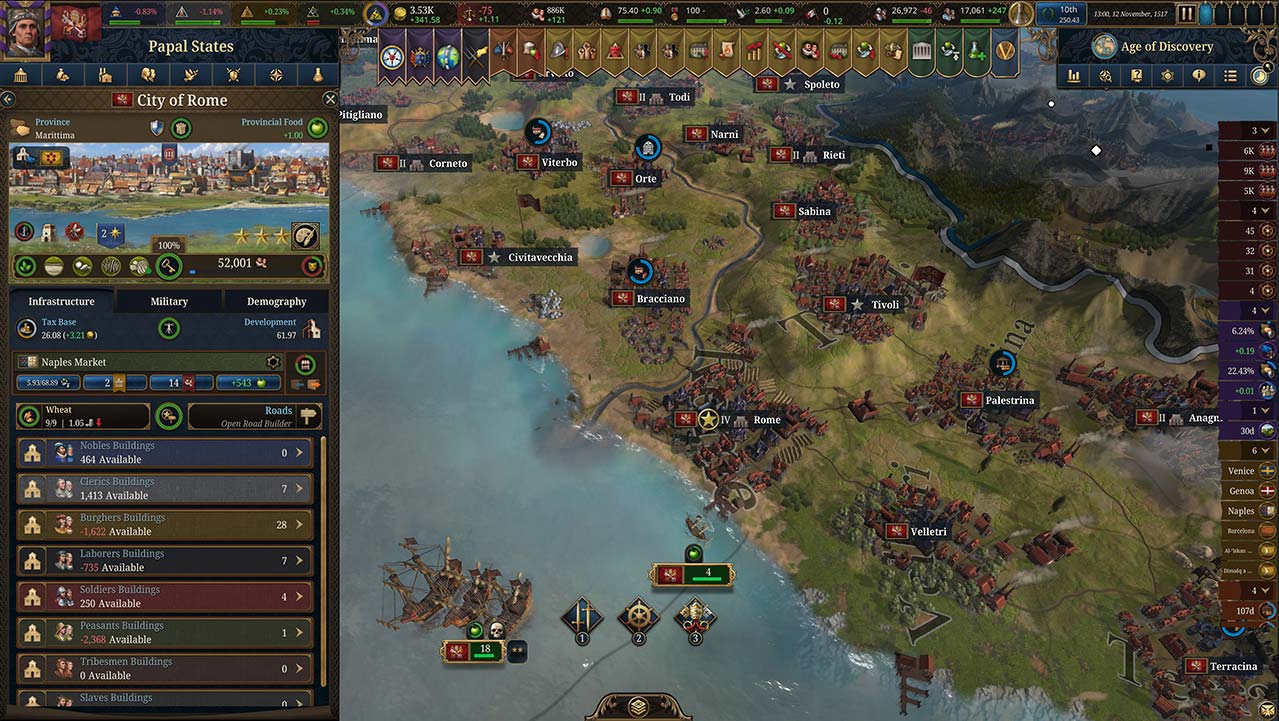
Naples served as a moderate starting position—not a struggling nation in crisis, but not an overwhelming superpower either. The kingdom was relatively stable, benefiting from Robert’s earlier work, which provided space to explore the game’s systems without dealing with immediate disasters. Much of the session involved managing the economy, adjusting taxes and trade, and maintaining good relations with the estates. Even in this brief period, the population system and social structures played a noticeable role in decision-making.
A More Connected World
One of the clearer differences from Europa Universalis IV is how the world systems interact. Population, culture, climate, and geography all connect to national development. Rather than existing as separate numbers, these elements work together and change as time passes.
The map shows greater detail, and the events and systems encourage players to think about their place in history. Players can choose to follow historical paths or create their own alternatives.
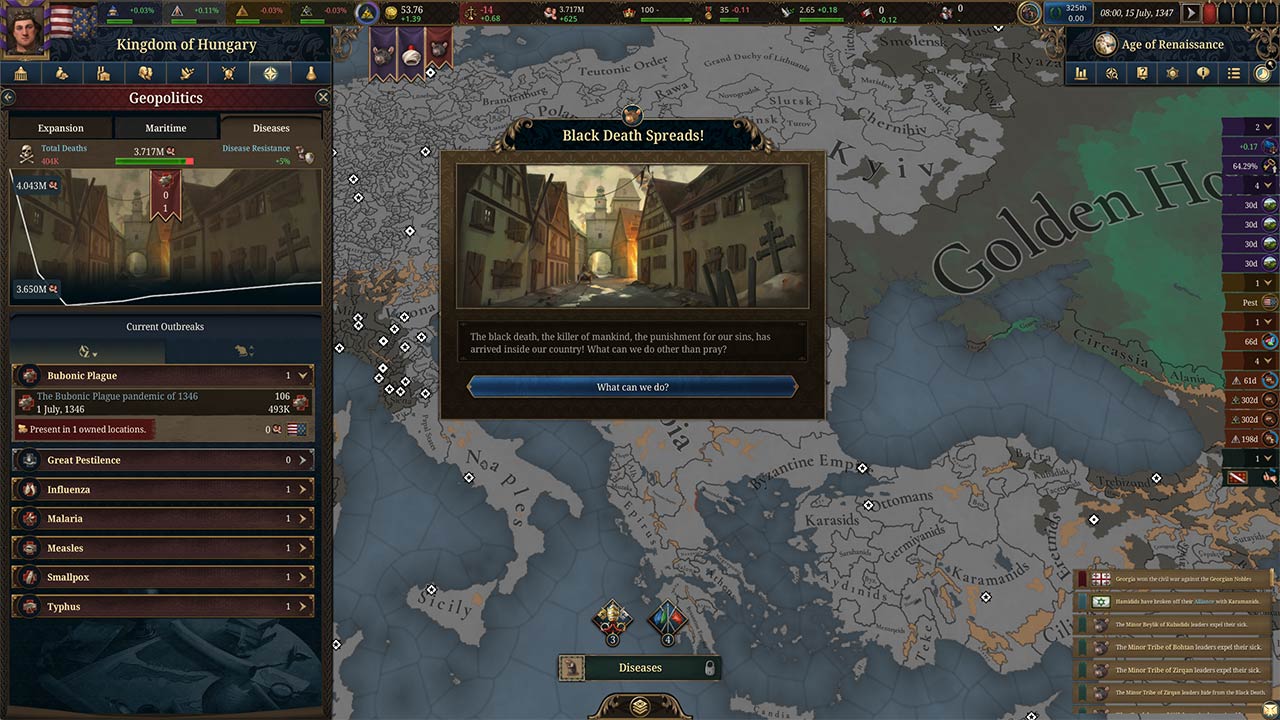
Europa Universalis V continues the series’ tradition of giving players control over major aspects of running a nation: economy, diplomacy, warfare, culture, and religion. The new version places greater emphasis on how decisions affect the population within your realm. Choices about managing estates or implementing government reforms create effects that spread through the population. The game asks players to find a balance between keeping things stable and pursuing their ambitions.
Scale and Scope
The game covers roughly 500 years of history, from 1337 to the early 1800s. It includes approximately 30,000 locations, 2,000 nations, 2,000 cultures, and 300 religions. The economic system features detailed trade goods and markets. Diplomacy works both internally and externally. Warfare focuses on logistics and fortifications. Additional features include custom dynasties, historical events, DNA-driven characters, and reforms that develop through different ages.
Early Impressions
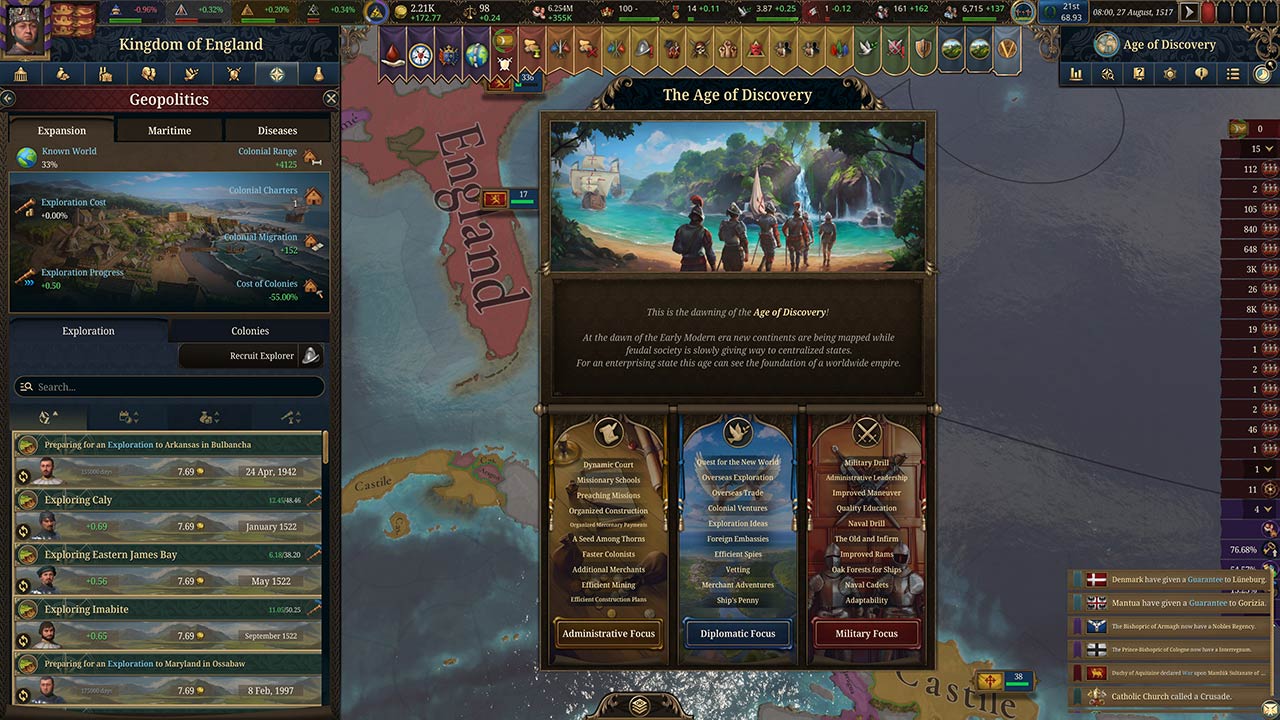
The 30-minute session provided only a limited look at Europa Universalis V, but it demonstrated a shift toward a more dynamic world with interconnected systems. Starting with Naples offered a smooth introduction, though the game will also include more challenging starting positions with minor powers or rising empires. The transition from EU4 appears to focus on creating a more believable world where historical systems work together rather than simply improving visuals.