










![[BIC2026] Hiroaki Nagashima from Toei Games Talks New IPs, Indie Roots, and Asia-First Strategy](https://cdn.gamerbraves.com/2026/08/Toei-Games-BIC-2026_Interview_FI-360x180.jpg)
![[BIC2026] From Outsider to Organizer: How Isabella Seo Jungsook Helped Build Busan’s Indie Game Scene through BIC](https://cdn.gamerbraves.com/2026/08/Isabella-BIC-2026_Interview_FI-360x180.jpg)
![[BIC2026] CanOpener’s Logan Moon Opens Up About Dungeon Settlers Ahead of Its September Early Access Launch](https://cdn.gamerbraves.com/2026/08/Logan-Moon-BIC-2026_Interview_FI-360x180.jpg)

![[EXCLUSIVE] From PlayStation to Indie Advisor: Shuhei Yoshida Talks Games, AI, and the Future of the Industry](https://cdn.gamerbraves.com/2026/08/Shuhei-Yoshida-BIC-2026-Exclusive_Interview_FI-360x180.jpg)



Resident Evil Requiem feels like Capcom finally found the balance fans have been asking for. This is a game that tries to do a lot with two protagonists, two completely different gameplay styles, a brand new character alongside a fan favorite, and a story that ties back to where it all began. It is the kind of game that reminds you why the series built such a devoted following in the first place with tense and atmospheric moments that make you stop and reconsider whether you actually want to open that next door.
We played through Resident Evil Requiem on Casual difficulty and wrapped up in around 10 hours for this review, though that number can stretch or shrink depending on how much you explore and how long the game manages to keep you stuck. Across every major part of the experience, the way each character controls, how exploration and combat are structured, the puzzle design, the visuals, the audio, and the story tying it all together, there is a clear sense that a lot of thought went into how each piece fits.
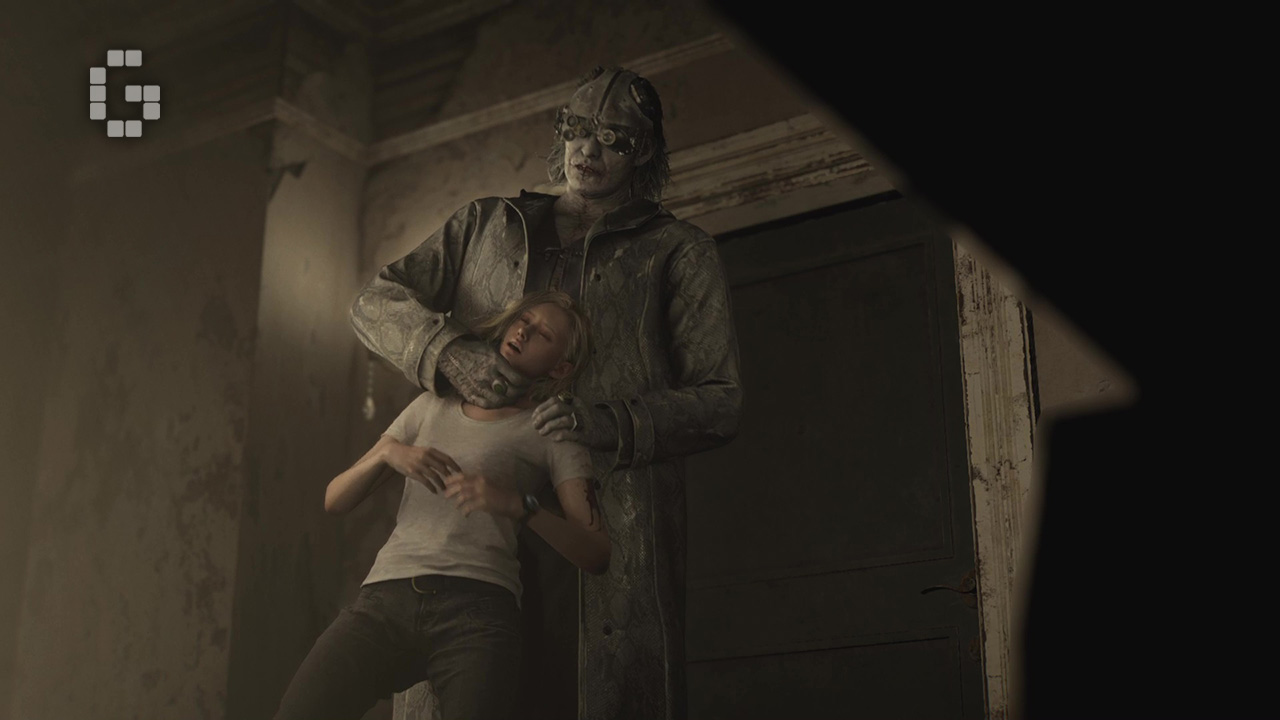
Requiem is set 28 years after the Raccoon City incident and brings the series back to its roots with a story centered on Umbrella and bioweapons. Grace Ashcroft is sent to investigate a series of mysterious deaths in the American Midwest, with the abandoned Wrenwood Hotel at the center the same place where her mother, Alyssa Ashcroft, was killed eight years before. Leon, working for the DSO, independently follows Gideon to the same location and eventually crosses paths with Grace.
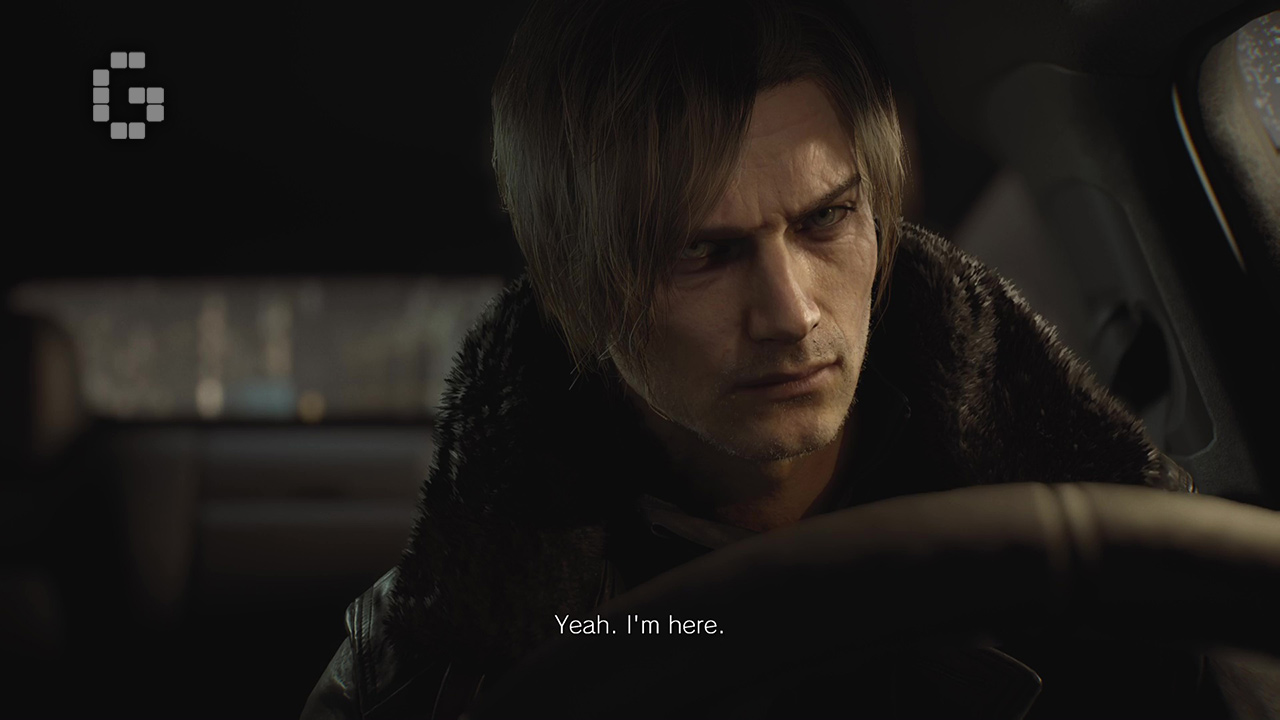
Two Protagonists, Two Very Different Games
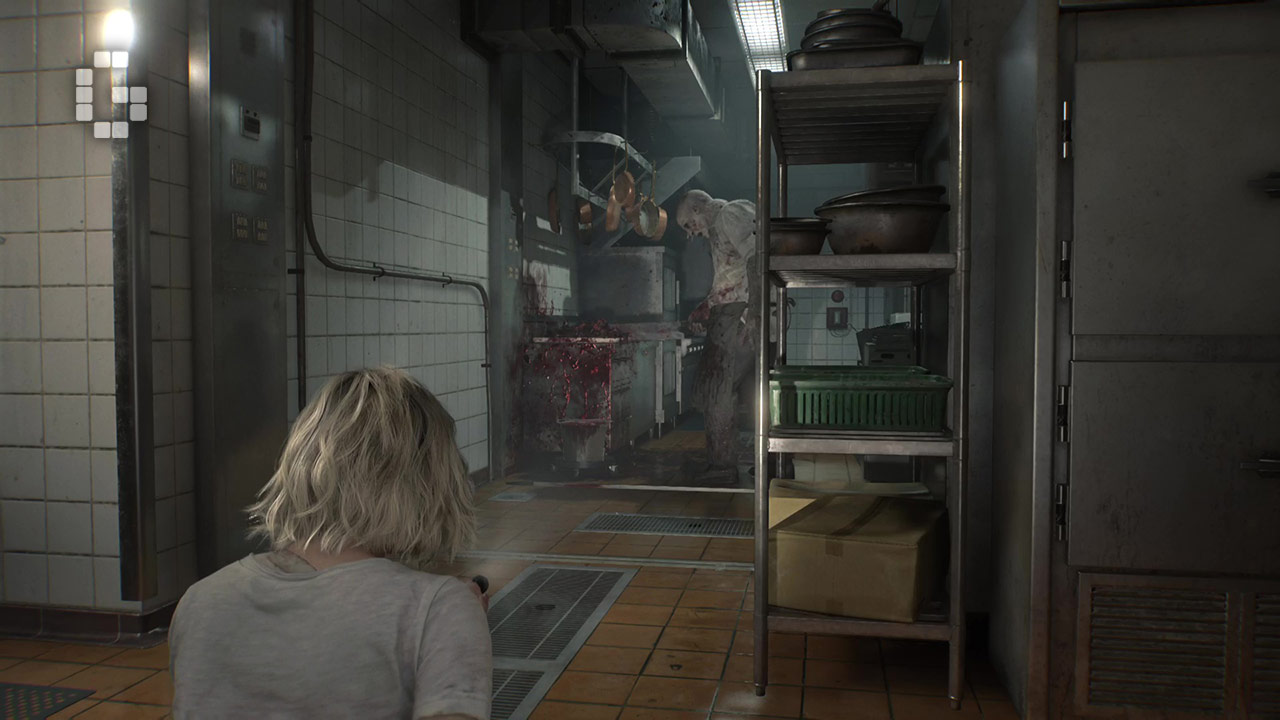
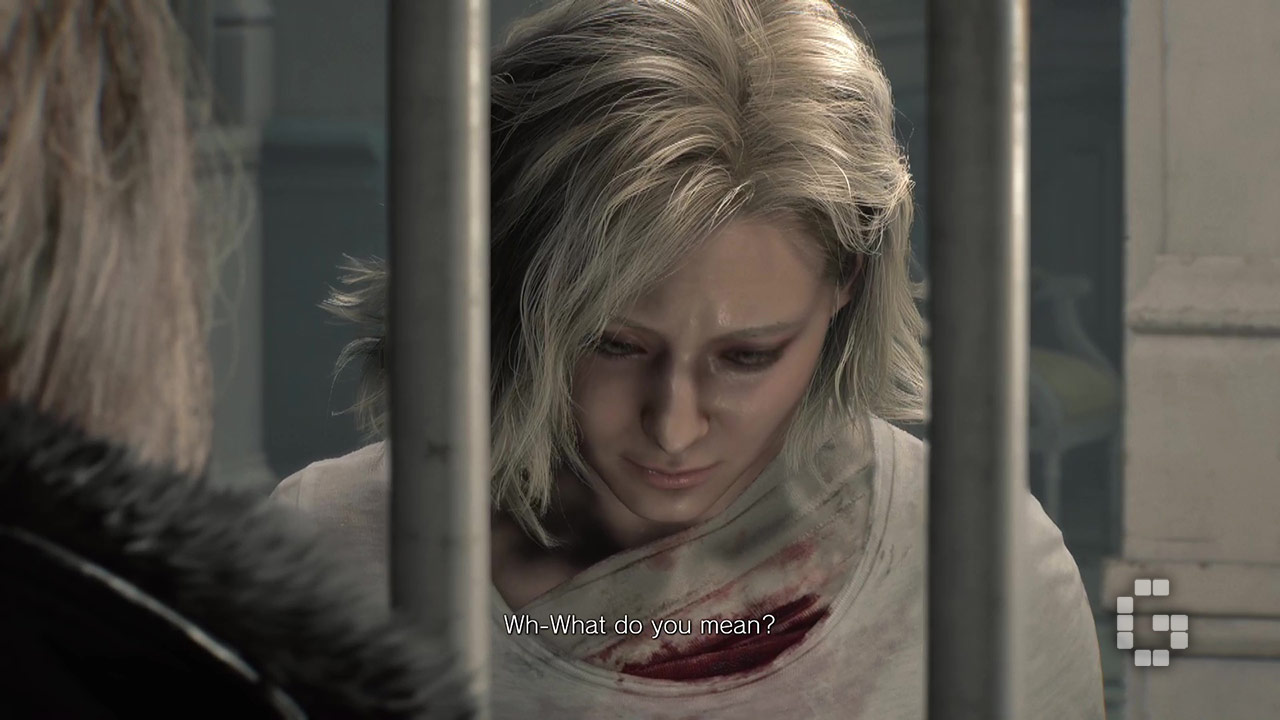
The biggest thing Requiem gets right is how different it feels to play as each of its two leads. Grace Ashcroft is the new face of the series, an FBI technical analyst who ends up way out of her depth after being abducted and dragged into the Rhodes Hill Chronic Care Center by a man named Victor Gideon. She is not a trained fighter. She panics, she stumbles, she breathes heavy when something is chasing her. Whether you play in first-person or third-person, her fear feels real and unscripted. Her voice performance alone does a lot of heavy lifting here, with stuttering and involuntary screams that pull you into the tension rather than just telling you to feel it.
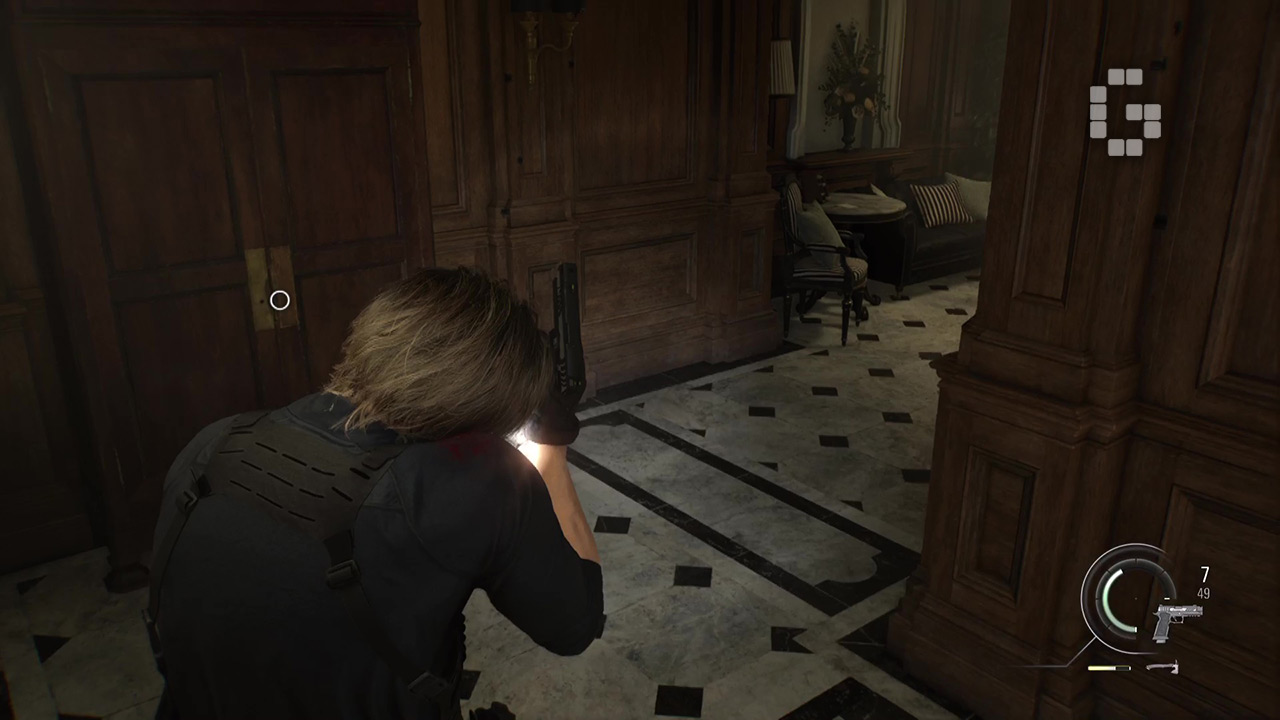
Leon S. Kennedy, on the other hand, is the veteran. He moves with confidence, mutters dry remarks under his breath, and shows up to every situation with a full arsenal ready to go. His chapters are still dark and unsettling, but having him in control shifts the mood from survival horror to action. That contrast between the two characters is not just a story choice, it genuinely resets how the game feels each time you switch between them, keeping the pacing from going stale.
Exploration and How Each Character Handles It
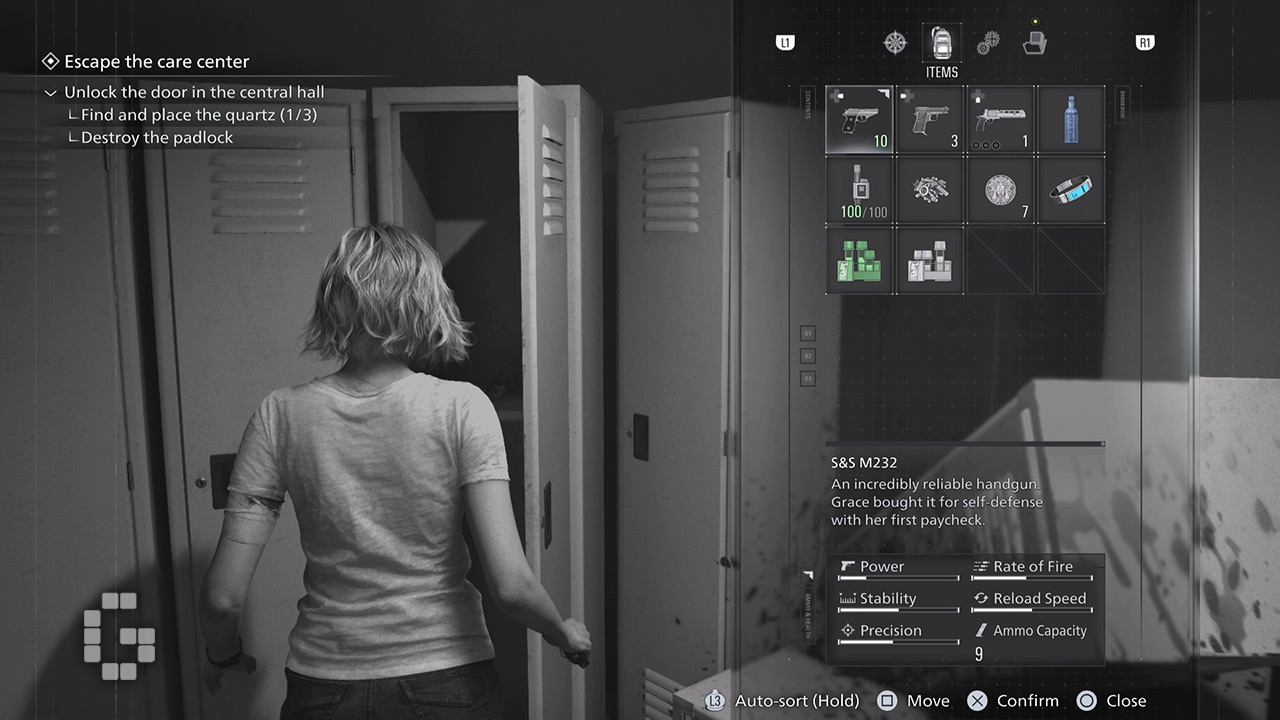
Grace’s side of the game draws heavily from Resident Evil 2. She starts with only 8 inventory slots, some items cannot be stacked, and mission-critical items take up space too, so every decision about what to carry matters. Extra slots can be found through hip pouches during exploration, each one adding two more spaces. She begins with a basic handgun, later picks up a slightly more powerful one, and eventually receives a revolver passed on from Leon. Her real strength, though, comes from crafting. After completing a puzzle involving a blood specimen and a laser microscope, she unlocks recipes that let her convert infected blood into ammo, recovery items, Molotov cocktails, acid bottles, and the Hemolytic Injector. Her loop is less about finding ammo and more about managing what she can make from what she finds.
Leon plays much closer to Resident Evil 4. His inventory is a large 7×11 grid from the start, and over the course of the game he builds out a solid arsenal with a handgun, revolver, shotgun, SMG, sniper rifle, and grenades. He also carries a hand axe that can be upgraded with whetstones and used to parry heavy attacks like chainsaws. Speaking of which, some enemies drop chainsaws that players can pick up and use for big damage, though you have to shoot or wait for the chainsaw to stop running before grabbing it or you will hurt yourself. Enemies can also throw chainsaws at you, which is a genuinely surprising moment. These encounters are rare though they happened twice across the playthrough and the chainsaws break after use, but they are memorable every time.
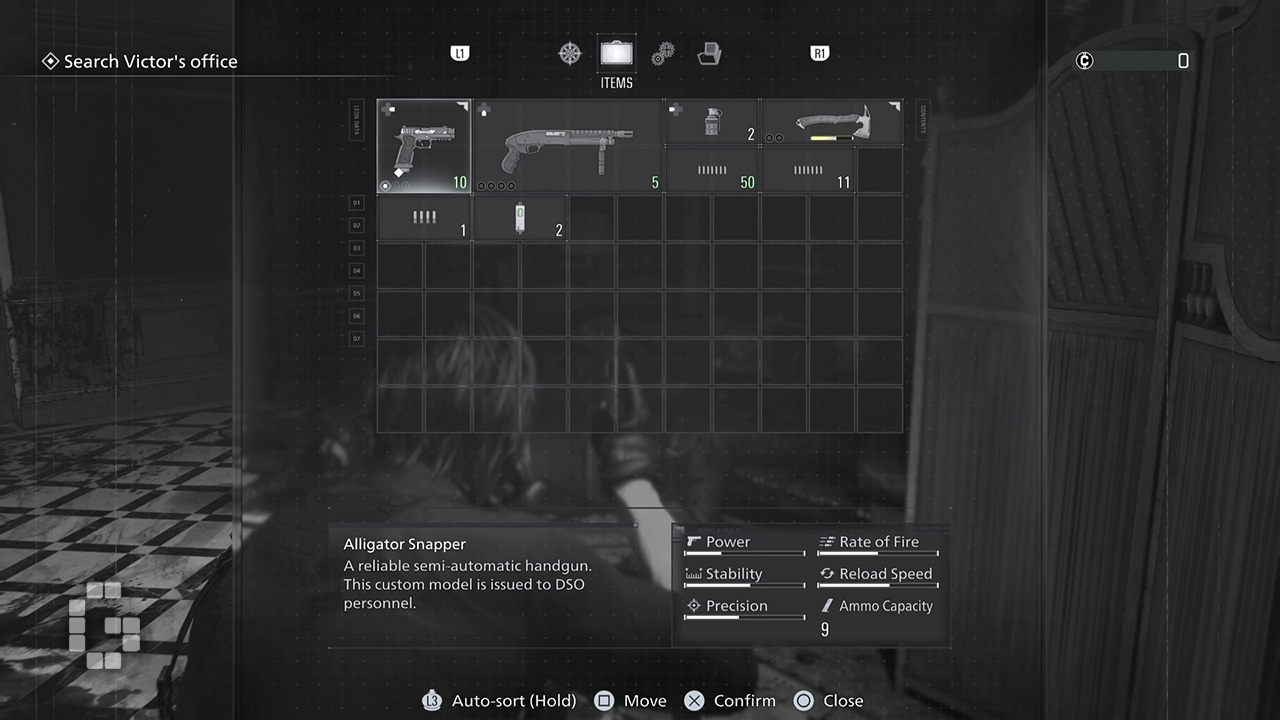
Leon’s upgrade system is credit-based rather than currency-based. Credits earned from kills can be spent to resupply and upgrade weapons. Grace does not have a weapon upgrade path in the same way, but she can find accessories to boost her handgun’s damage, and permanent stat upgrades like Steroids for max health and Stabilizers for firearm damage give her progression a different kind of feel.
Map Design and Enemy Behavior
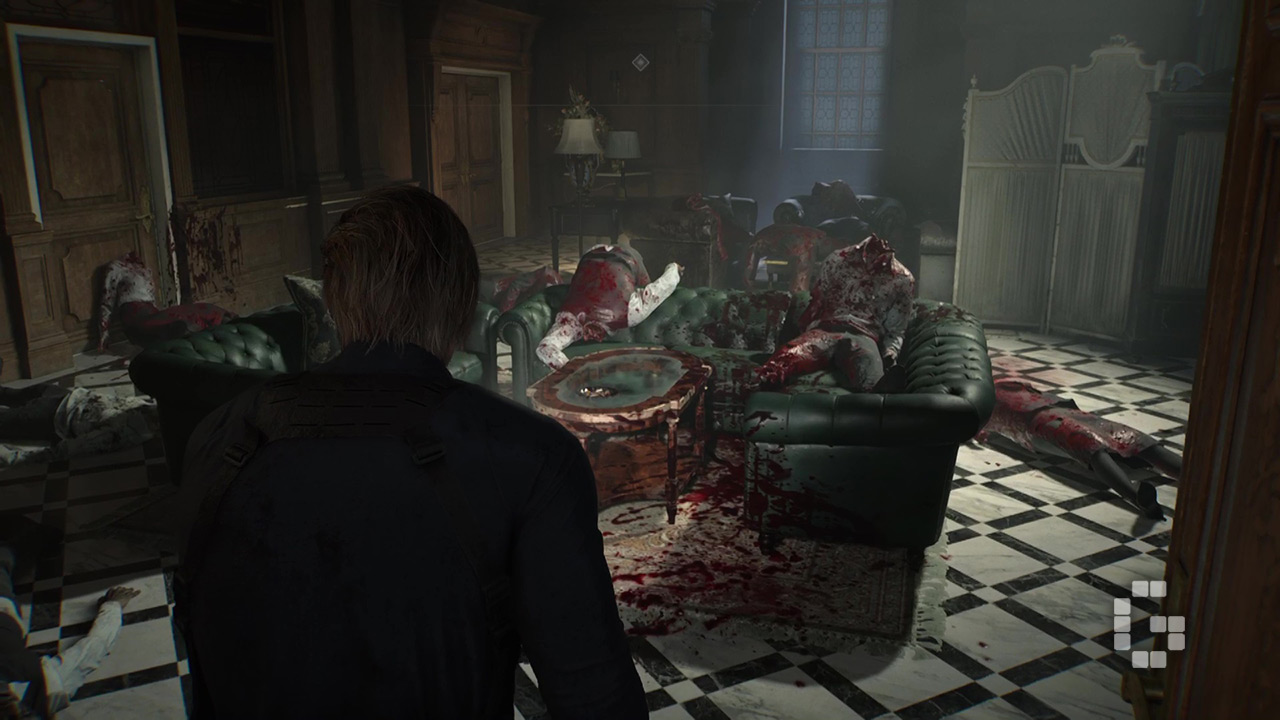
The maps follow the classic Resident Evil formula with interconnected spaces inside larger spaces, locked doors, key items that open new paths, and a steady rhythm of obstacle and reward. Lighting is sparse, groaning is constant, and the environments are appropriately run-down and unsettling. It all feels familiar in the best way.
What stands out this time is the zombie design. The developers built in the idea that zombies retain fragments of who they were before infection. A zombie singer attacks with a piercing shriek, a chef zombie wanders near the kitchen with a cleaver, and some zombies even use firearms. Each new enemy type creates a genuine moment of surprise. Certain boss-level enemies have also been given more deliberate, intelligent behavior in how they pursue you.
On Casual difficulty, the puzzles are kept approachable. Collectible documents scattered through the environment offer enough hints to solve most challenges without too much head-scratching. The puzzle types are classic Resident Evil using batteries to power machines, finding keys for locked doors, cracking safe combinations. Key items are generally found close to where they are needed, which cuts down on unnecessary backtracking and keeps things moving.
Visuals and Audio
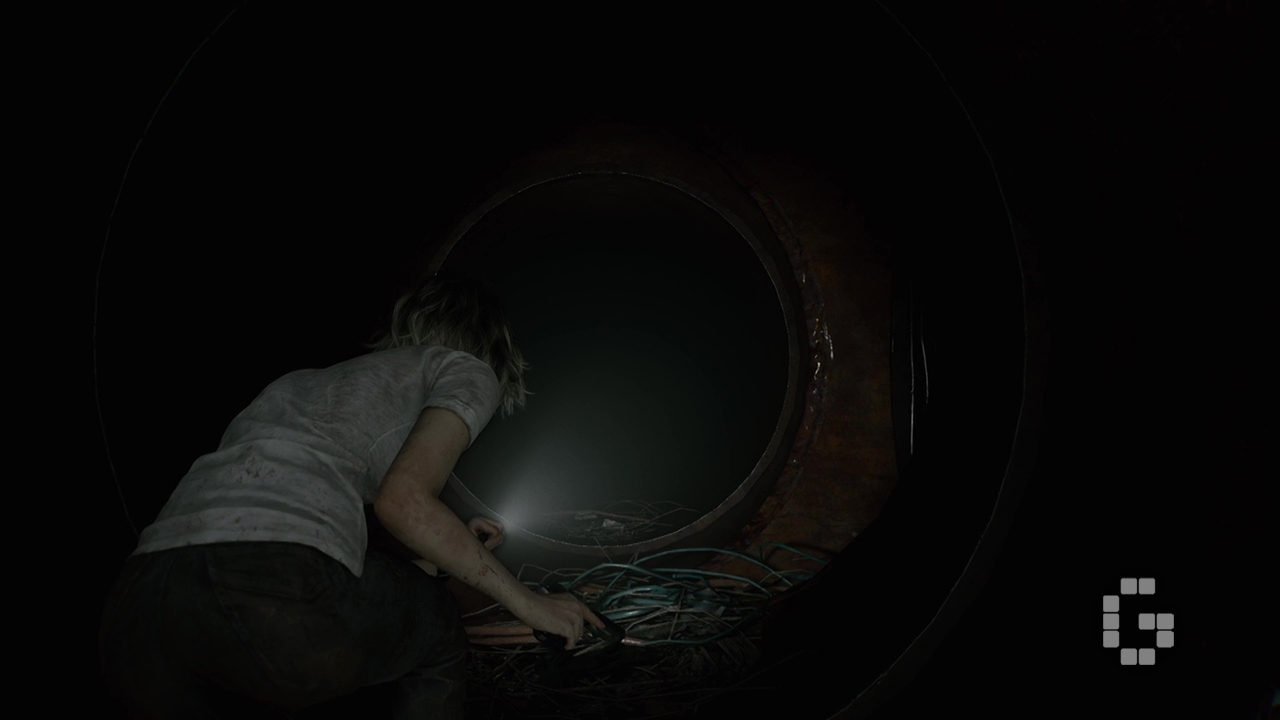
Requiem is one of the best-looking games in the series. The rain-soaked streets of Wrenwood shown in trailers look even better in motion, with reflective puddles and dynamic lighting that hold up well even on PS5. Character models, textures, and animations are all noticeably sharper than previous entries. Darker areas use flashlight illumination and shadow play effectively to build claustrophobic tension, and the gore effects are handled with the same level of detail fans have come to expect from the RE Engine.
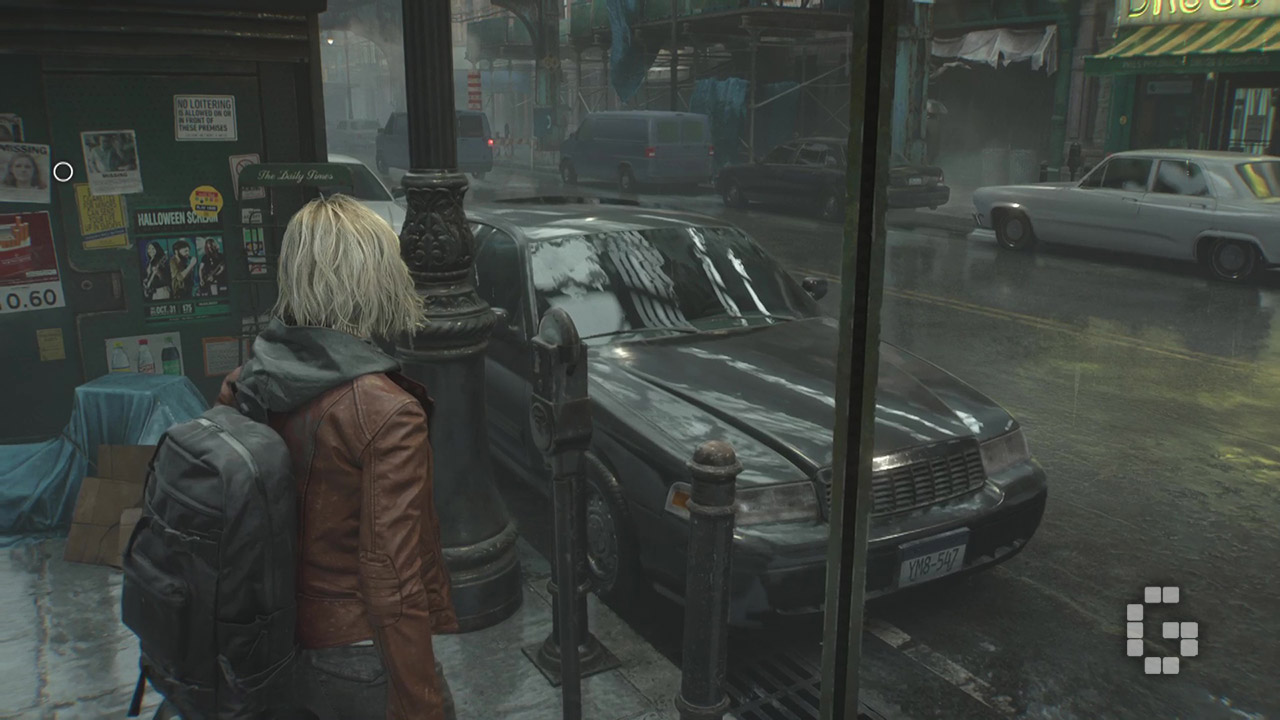
There is one technical issue worth flagging: the PS5 version has visible frame drops during a number of cutscenes. It happens often enough to notice, but it stays within tolerable limits and does not carry over into actual gameplay, which runs smoothly throughout.
The audio is exceptional. Spatial audio, distance-accurate footsteps, and environmental sound design create a genuinely immersive experience, particularly in the early sections of the game. Grace’s voice performance deserves special mention, her reactions feel unguarded and authentic in a way that adds more to the atmosphere than any visual effect could.
Verdict
Resident Evil Requiem is a well-constructed entry that earns its place in the series. The dual protagonist system does more than split the story, it creates two genuinely different gameplay experiences that complement each other. Grace brings back real survival tension, Leon brings the confidence of an action veteran, and the game is better for having both. A few technical hiccups on PS5 and the rarity of some of the game’s more exciting moments are minor complaints against an otherwise strong package. Whether you are a long-time fan or coming in fresh, Requiem has plenty to offer.
Played on PS5
The Review
Resident Evil Requiem
PROS
- Dual protagonists offer distinctly different playstyles that keep the experience fresh.
- Grace's fear and vulnerability are convincingly portrayed, creating a strong sense of dread.
- RE Engine delivers top-tier visuals and audio.
- Zombies retaining memories of their past lives is a clever and entertaining design touch.
- Resource management and crafting systems are well-balanced for both characters.
- Sandbox exploration flows smoothly with adequate puzzle hints throughout.
CONS
- Boss fights lack the spectacular set-piece moments the series is known for, leaving a slight sense of disappointment.