


![[EXCLUSIVE] Brendan Gan Delivers One of Malaysia’s Best-Ever Worlds Results, Shares Thoughts on Pressure and the Local Scene](https://cdn.gamerbraves.com/2026/08/Brendan-Gan_Interview_FI-360x180.jpg)





![[BIC2026] Hiroaki Nagashima from Toei Games Talks New IPs, Indie Roots, and Asia-First Strategy](https://cdn.gamerbraves.com/2026/08/Toei-Games-BIC-2026_Interview_FI-360x180.jpg)
![[BIC2026] From Outsider to Organizer: How Isabella Seo Jungsook Helped Build Busan’s Indie Game Scene through BIC](https://cdn.gamerbraves.com/2026/08/Isabella-BIC-2026_Interview_FI-360x180.jpg)
![[BIC2026] CanOpener’s Logan Moon Opens Up About Dungeon Settlers Ahead of Its September Early Access Launch](https://cdn.gamerbraves.com/2026/08/Logan-Moon-BIC-2026_Interview_FI-360x180.jpg)


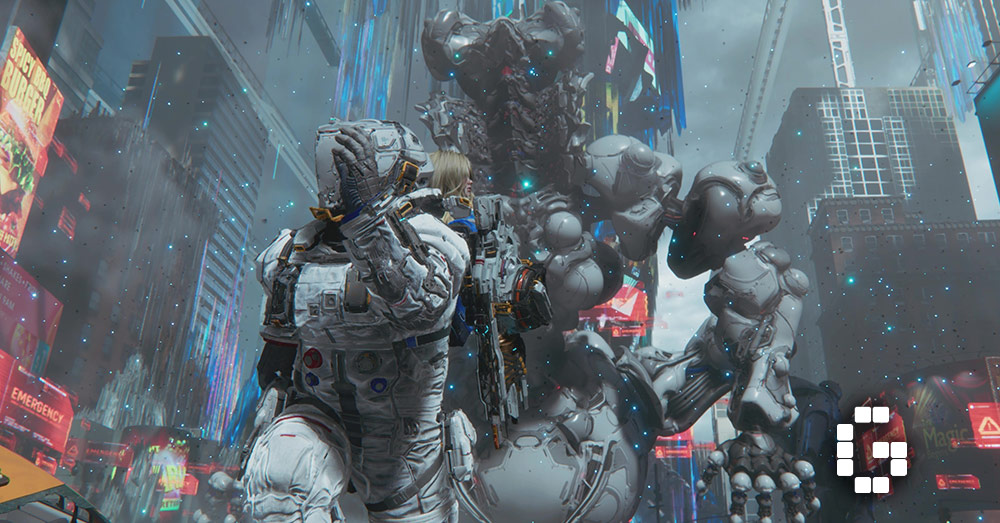
Capcom’s upcoming sci-fi action game PRAGMATA has been one of the more quietly anticipated titles in recent memory and for good reason. We recently had the opportunity to interview with PRAGMATA developers, Director Cho Yonghee and Producers Naoto Oyama and Edwin Edso. We heard about everything from combat design and world-building to the emotional core of the game’s central duo. What came out of that conversation was a clearer picture of a team that knows exactly what kind of game they’re making.

Hugh and Diana: Not Your Typical Duo
At first glance, PRAGMATA might seem to follow the familiar formula of an adult protecting a child which is something players have seen in games like The Last of Us, The Walking Dead, and God of War. But the team is quick to point out that PRAGMATA does something different with that setup. “While it may appear to be a human adult and a human child at first glance, the relationship in PRAGMATA is actually between a human and an android,” they explained. Diana is not human, and “both Hugh and Diana are stepping into a world where they don’t know much about each other’s nature,” which immediately sets the tone apart from those other games.
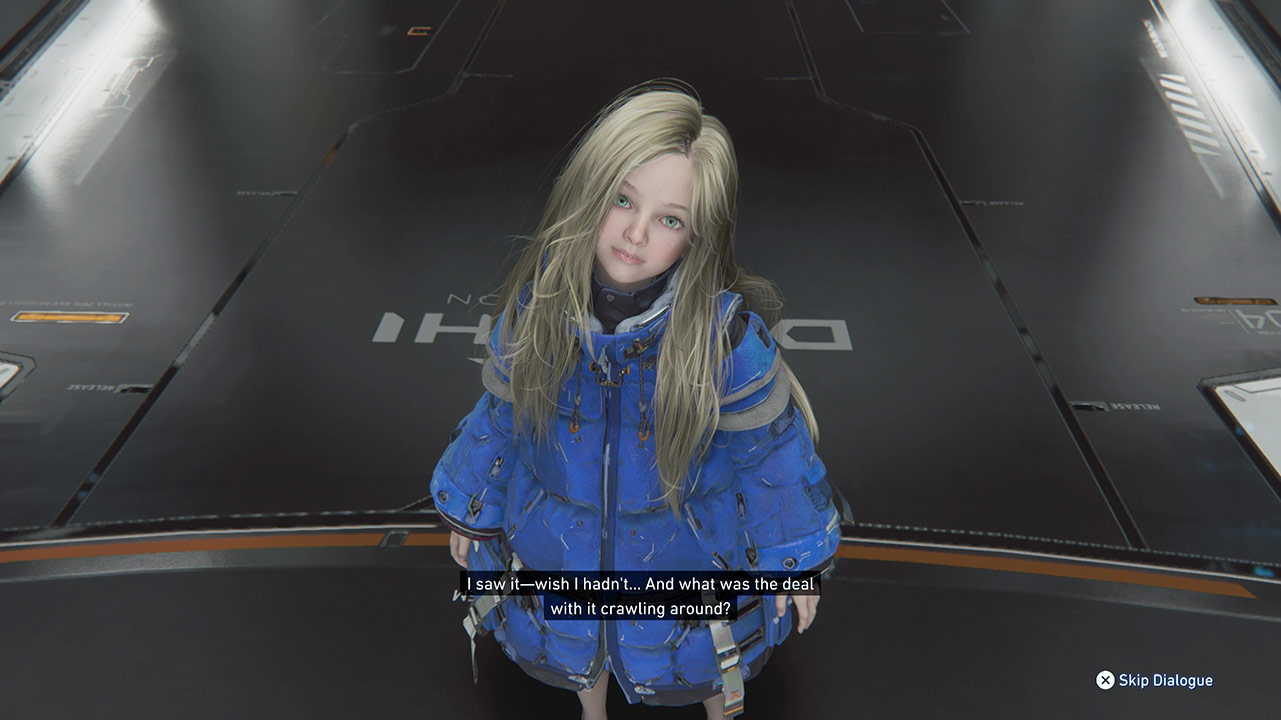
More importantly, the relationship is built on equal footing. Unlike stories where the adult is clearly the protector, Hugh and Diana function as genuine partners. “In PRAGMATA, Hugh and Diana work together as equal partners — each using their own distinct abilities to progress through the game, protecting and strengthening one another,” the team said. They also noted that “this mutual reliance is reflected not just in the gameplay but throughout the story itself, which you’ll see when you play the full game.”
Combat That Grows With You
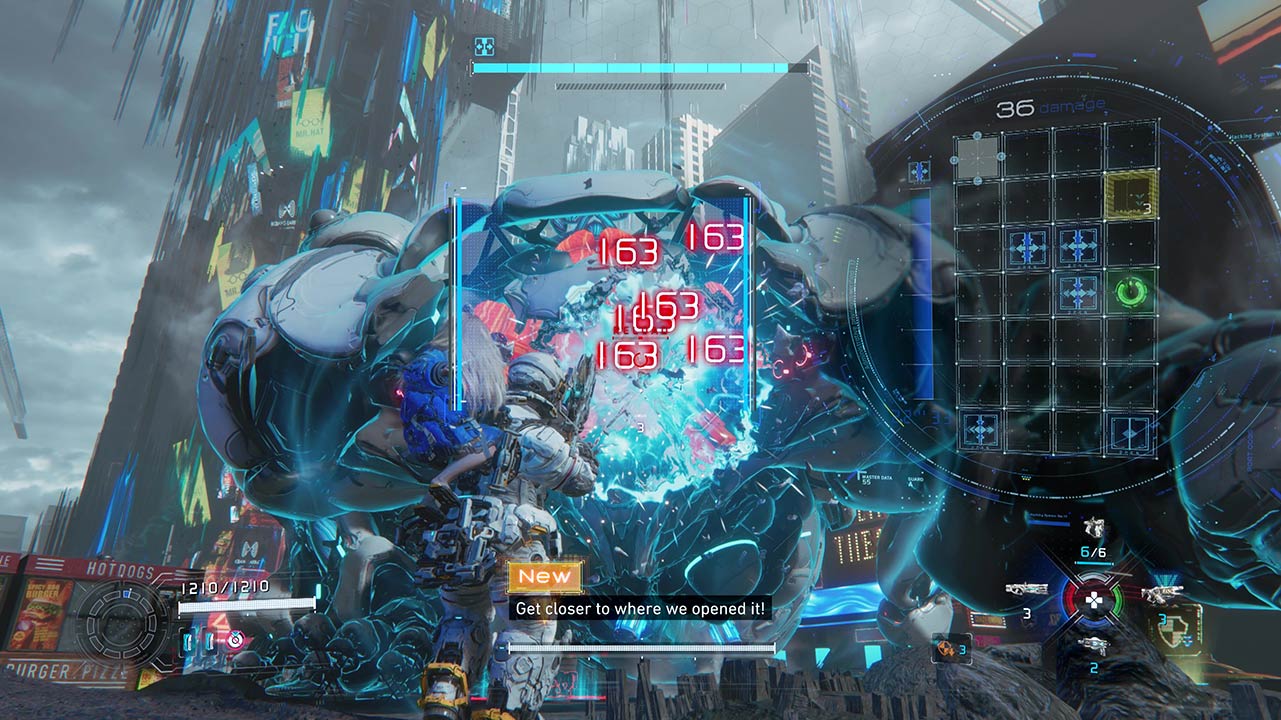
PRAGMATA’s combat system layers several things together: shooting, hacking, weapon switching, navigation, and grid-based mechanics. On paper, that sounds like a lot to juggle, and the team is aware of how it might look to someone watching for the first time. “When players first see the game, they might think it looks complicated or hard to get into,” the team acknowledged. “But what we found is that once players actually get their hands on it, once they get over that initial hurdle, it becomes quite a natural way to play.”
A lot of work went into easing players through that learning curve. “Getting players from that early learning phase to genuinely enjoying the full experience was something we put a lot of effort into,” the team said.
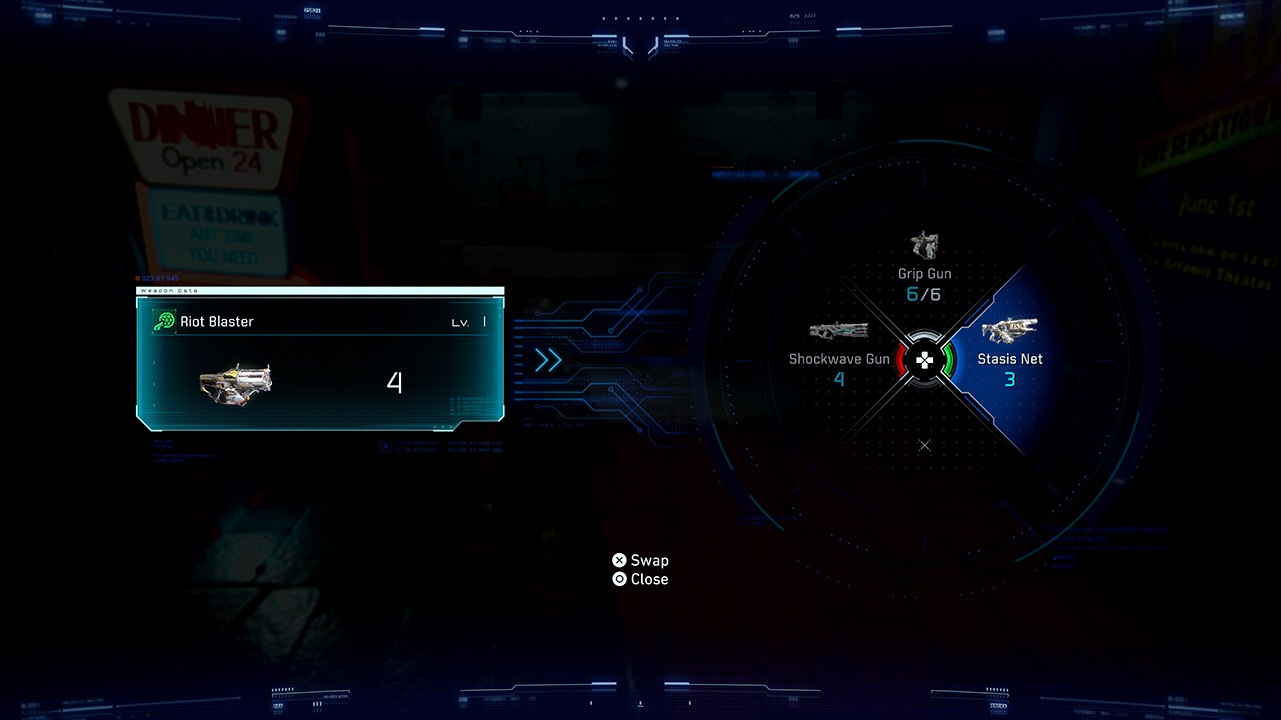
The shelter sections in the game give players a moment to step back from combat and decide what to upgrade and unlock, choosing from a wide range of options that let them build toward their preferred playstyle. “We didn’t want players to focus only on weapons — we also wanted them to discover and engage with the hacking mechanics,” they added.
“When players return to the shelter to decide what to upgrade and unlock, they’re presented with a broad array of options, allowing them to shape their own playstyle as they progress through the game.”
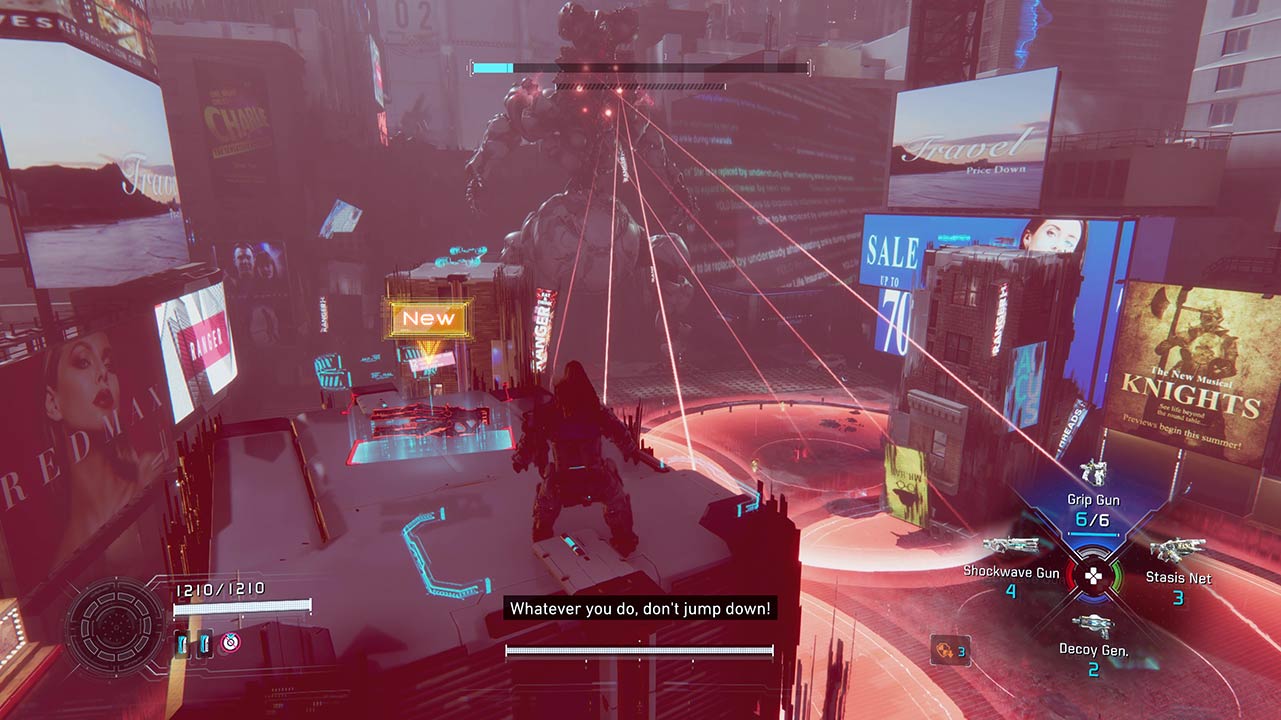
Boss encounters follow a completely separate design philosophy from regular enemies. Regular enemies are built to stay fresh across repeated encounters, with the team explaining that “the combat systems designed around them need to be versatile and engaging enough that you won’t tire of them no matter how many encounters you have.” Bosses, on the other hand, are designed to feel like a reward. “Think of them as ‘bonus time’ — a reward for all the work you’ve put in through the regular stages,” the team said. These fights are more cinematic and visually spectacular, with different spatial challenges like moving to high ground to avoid large area attacks.
“We want players to feel like the game is putting on a show.”
The Capcom DNA
PRAGMATA is being developed by the same division at Capcom responsible for Resident Evil and Devil May Cry. The team is not trying to pull elements from those franchises into PRAGMATA, but the experience of working on them naturally carries over. “The people leading stage design, for example, previously worked on Resident Evil, and those handling combat came from Devil May Cry,” the team noted.
“The DNA they bring isn’t specific game mechanics or aesthetics — it’s the accumulated experience and craft from years of development.”
“You might feel that when you play PRAGMATA, but what we want most is for players to experience something genuinely new. Creating a new IP with a fresh experience is the primary goal,” they emphasized.
When it comes to tone, horror was actually considered early in development. “When we decided to build a new IP around that concept, we considered a wide range of genres — and yes, horror was one of them early on,” the team confirmed. The moon setting naturally lent itself to that direction, and the preview build did contain some tense, jump-scare moments. But as the story, title, and structure of the game came together, the team said that “the story, the characters, and the core concept all remained consistent throughout.” The horror-adjacent elements that remain come from enemy design.
“We want enemies to create tension, pressure, and excitement when you encounter them.”
Adding that “as you progress through the game, those enemies that felt threatening at first may start to feel different — some players might even find them a little endearing by the end.”
Building a World on the Moon
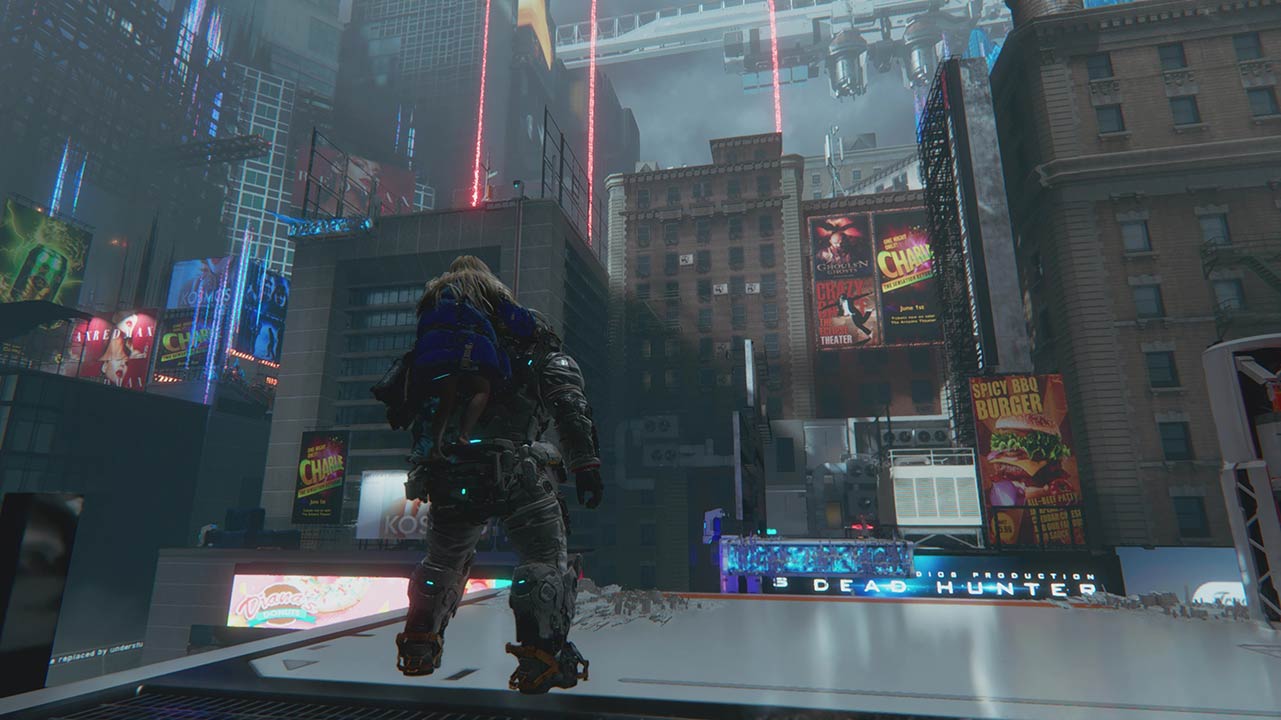
One of the standout areas from the preview was a recreation of New York but not one that looks like any New York you’ve seen before. The key detail is that this version of New York was manufactured and placed on the moon, and the team wanted players to feel that artificiality when exploring it. “If we had simply built a photorealistic version of the real New York, it would have lost its identity as an asset within the game world,” the team explained. “There would be nothing interesting about it,” they added.
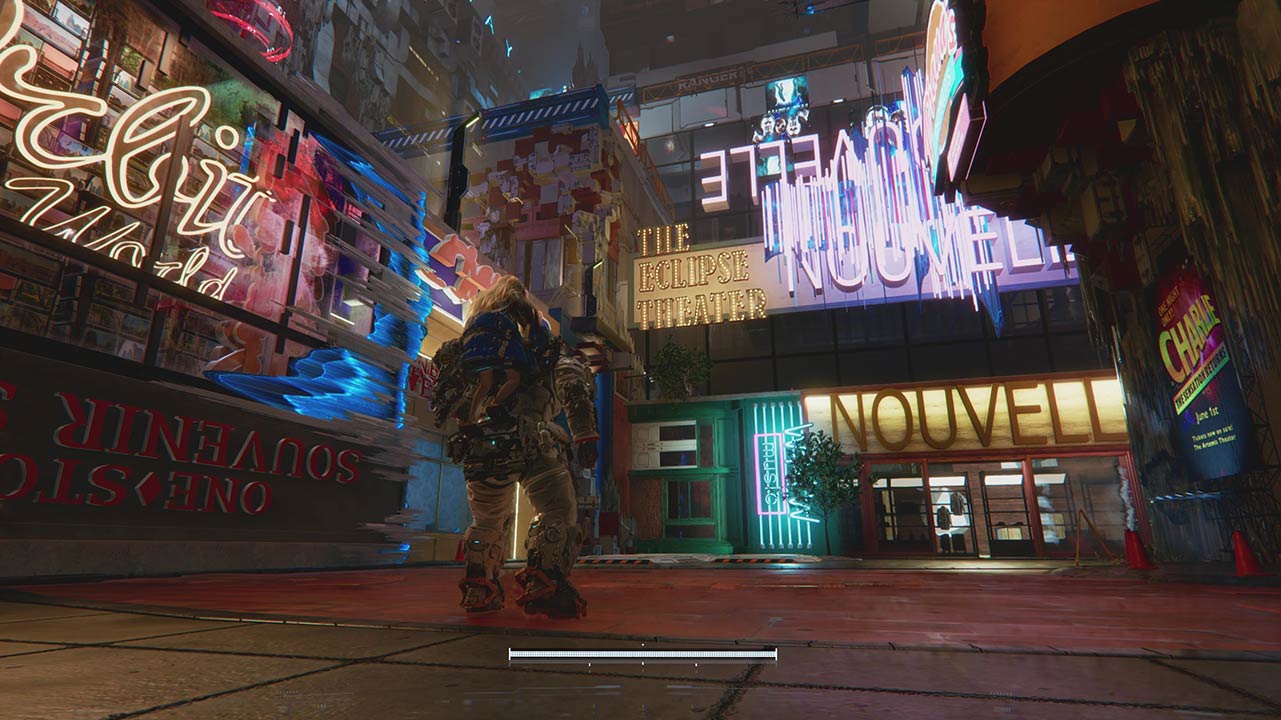
The team described their central challenge as: “How do we express the fact that this is New York as it’s been printed on the moon? How do we communicate that sense of mystery and artificiality to the player?” The answer was to lean into 3D printing as a core world-building concept. The New York in PRAGMATA is full of printing errors — taxis that are only half-formed, structures that are incomplete or sinking into the ground. “These imperfections are what push the world into the unique stage you experience,” the team said, noting that they spent a significant amount of time getting that balance right.
Making You Actually Care About Diana
Building emotional attachment to a character who also functions as a gameplay mechanic is a real design challenge, and it’s one the team addressed directly through the shelter sections. In combat, Diana is essentially an extension of Hugh — present in every fight. The shelter is the first time the two actually separate, and it gives players a chance to interact with her differently. “The shelter gives you a moment to step away, to interact with her, and to begin knowing her as a person rather than a tool,” the team said.
“From there, when you step back into the station and start using her abilities again, something shifts. Your right hand is Diana. You’re not just using her — you’re working with her,” the team described. Smaller moments reinforce this bond over time even during a game over, for instance, “it’s Diana who runs to rescue Hugh,” flipping the expected dynamic. “Those interactions accumulate and build the emotional connection over time,” the team said.
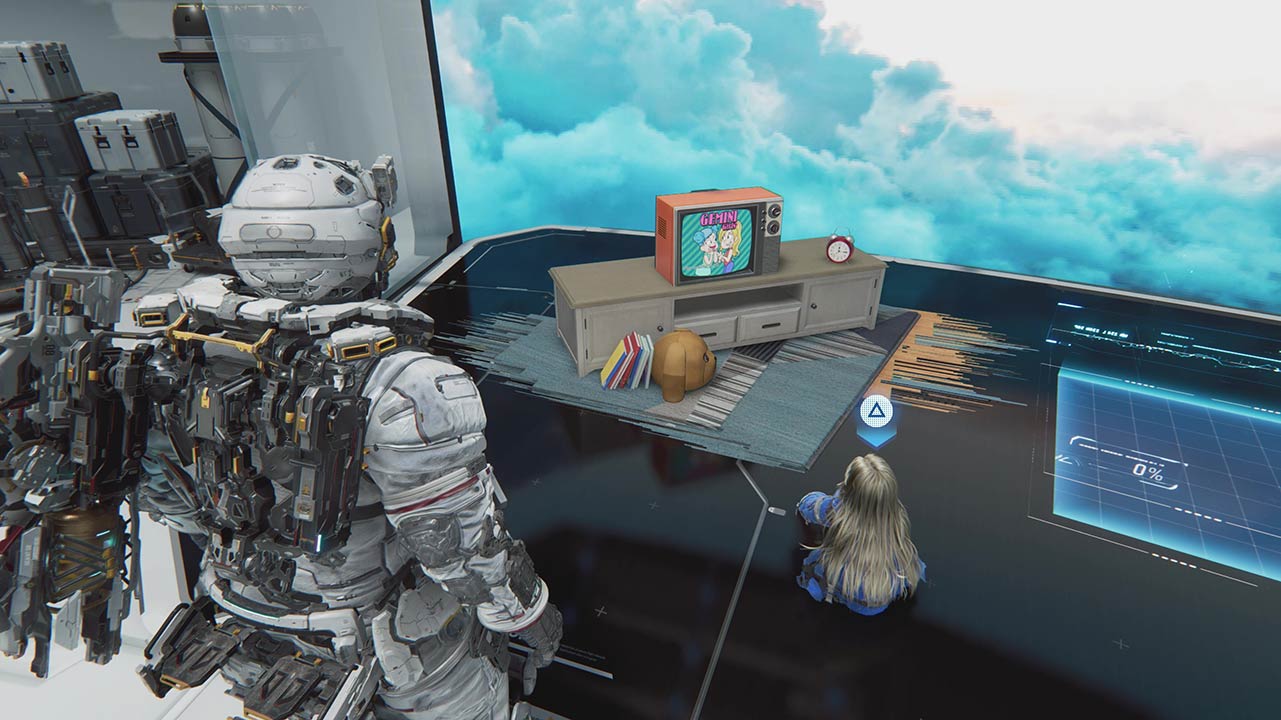
There’s also a deliberate design parallel between the gameplay and the story. “When you first start, you don’t know when to shoot, when to hack, or how to combine the two. That uncertainty as a player reflects the uncertainty the two characters have about each other at the start of the story,” the team explained. “As you grow more comfortable with their abilities, the connection between all of it — gameplay and story — grows as well.”
Where Things Stand Before Launch
The team has been closely following reactions to PRAGMATA online, and the response has been stronger than they anticipated. The demo was downloaded over a million times in a single month. “The whole team has been reading everything online, and that positive feedback has given us a real boost heading into the final stretch before launch,” the team said. “It’s very motivating,” they added.
As for difficulty, the full game will offer both Casual and Standard settings. The team noted that the preview session started players mid-game, without the tutorial sections that would normally introduce the systems more gradually — “that’s likely why the session felt challenging: you were missing the natural build-up.” They also shared a candid observation about players today: “Modern players are far more skilled than we expected. What we designed to take an hour, players are clearing in thirty minutes.”
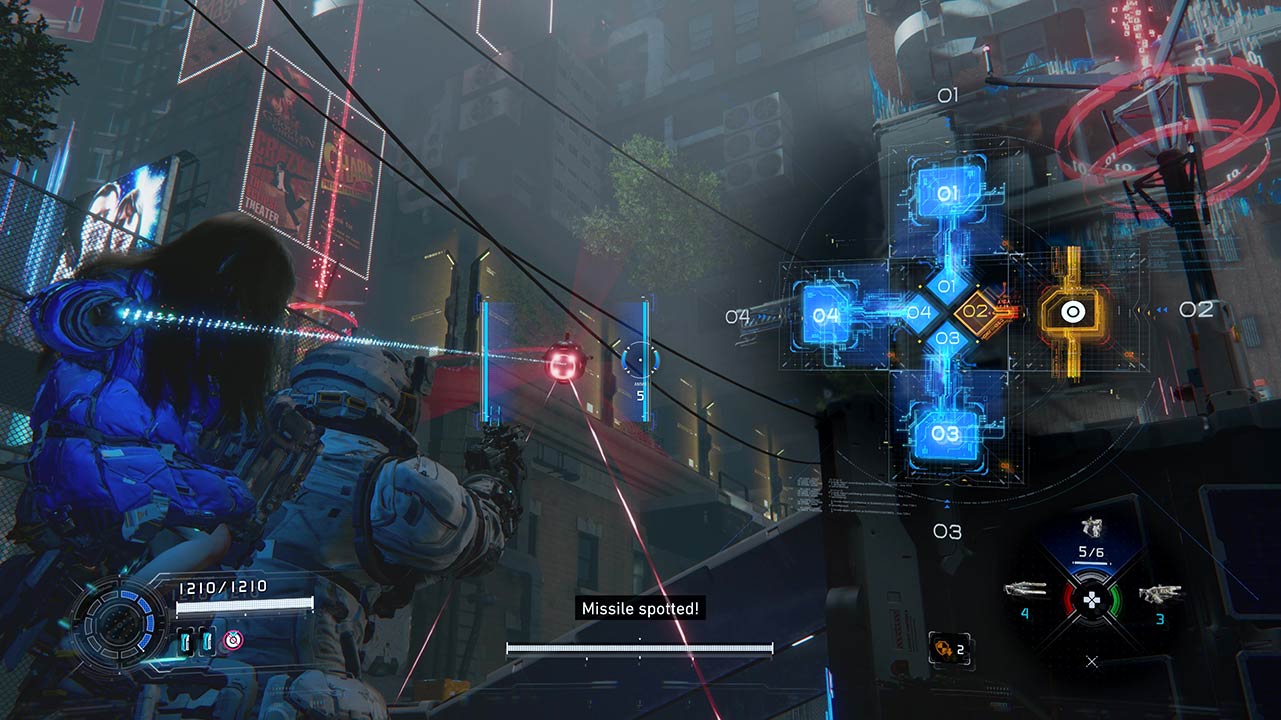
On the topic of the game’s difficulty, the team was clear that “what makes PRAGMATA feel tricky at first isn’t that it’s a hard game — it’s that it takes time to get used to the new systems,” and that “once players push past that initial adjustment period and internalize the hacking and shooting rhythm, many will find themselves asking, ‘Is there nothing more challenging than this?'”
The name PRAGMATA, along with the in-game location called Delphi, both have roots in ancient Greek. The team acknowledged this but kept their answer brief to avoid spoilers. “It’s not something that’s deeply tied to the main narrative, but if you dig a little deeper, you might find some small connections,” they said. “It’s worth keeping in mind as you explore the world.”
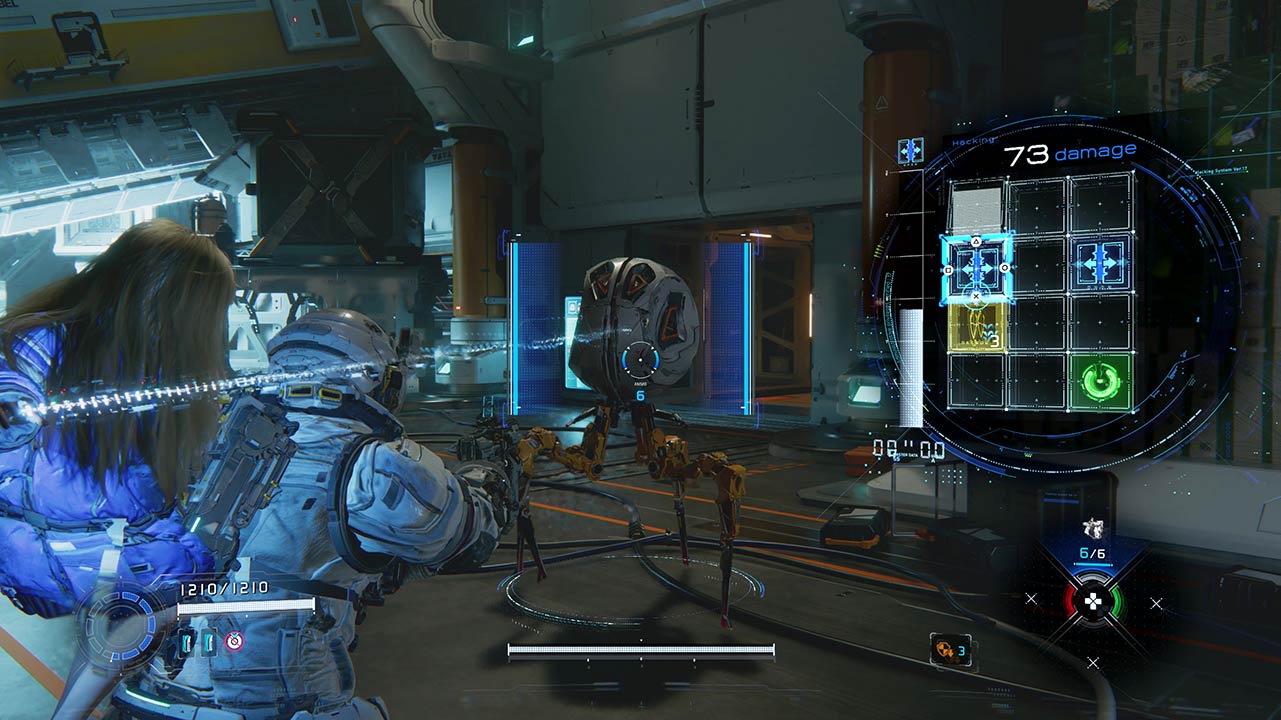
Wrapping up the conversation, the team was clear about what they want players to take away from PRAGMATA. “PRAGMATA can be enjoyed on two levels: as a story experience and as an action game,” they said. “It’s not a conventional third-person shooter — it’s something you haven’t experienced before,” and that sense of novelty in both gameplay and world is ultimately what the team hopes stays with players long after they put the controller down.