














![[EXCLUSIVE] Dragon’s Dogma 2: Dark Arisen Team Opens Up About the Expansion’s Name, New Norgan Region, and Performance Goals](https://cdn.gamerbraves.com/2026/07/Dragons-Dogma-2-Dark-Arisen_Interview_FI-360x180.jpg)



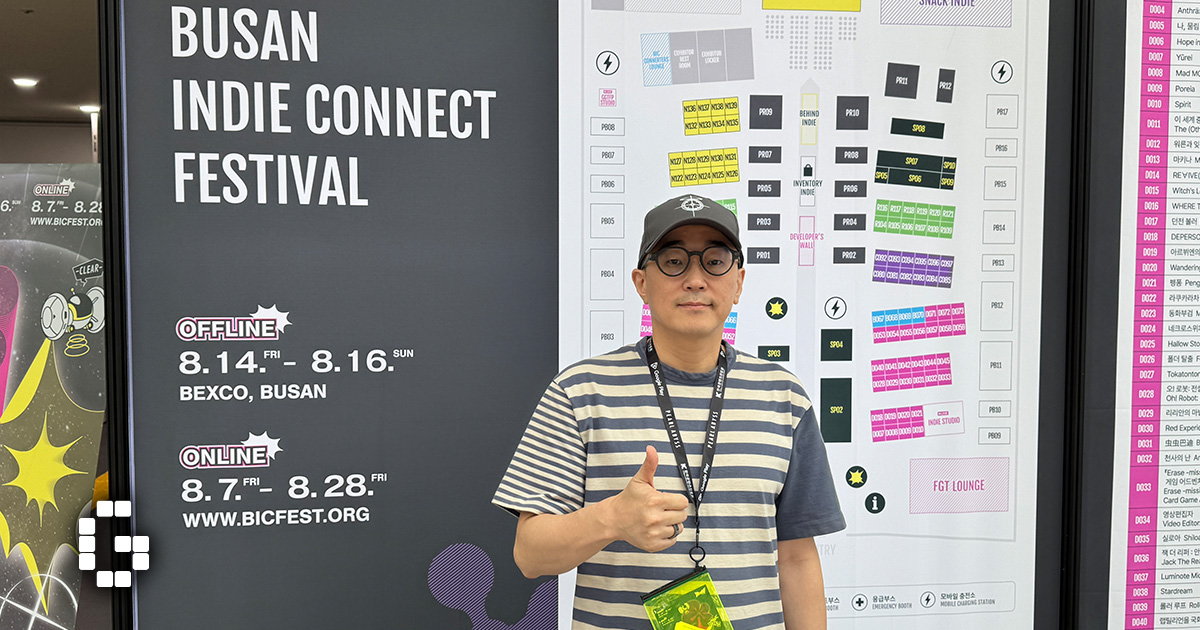
Blue Archive has grown from what its own director once called a “side project” into one of the most recognizable anime-style games in the mobile market. At the Busan Indie Connect Festival (BIC) 2026, we sat down with director Yongha Kim, the man behind Curare: Magic Library, Focus on You, Blue Archive, and the still-mysterious Project RX, for an exclusive interview following his keynote at the festival.
Across the conversation he touched on everything from how he decides what goes into a live service game, to why Project RX is moving away from the classroom, to the indie titles he can’t stop playing on Steam.
How a Game Becomes a World
Kim’s keynote at BIC was titled “How a Game Becomes a World,” and he explained that the talk grew out of his own career path. Rather than chasing mainstream hits, he has spent most of his career on games built for smaller, more specific audiences. He pointed out that anime-style games did not have much of a following in Korea before the 2010s, but that has changed. “We have now entered an era where, as long as you clearly satisfy those niche needs, it can establish a dedicated fandom as a standalone IP,” he said. The keynote, he explained, was his attempt to share how a developer can turn that kind of dedicated fandom into something closer to a full world, and what mindset it takes to build one.
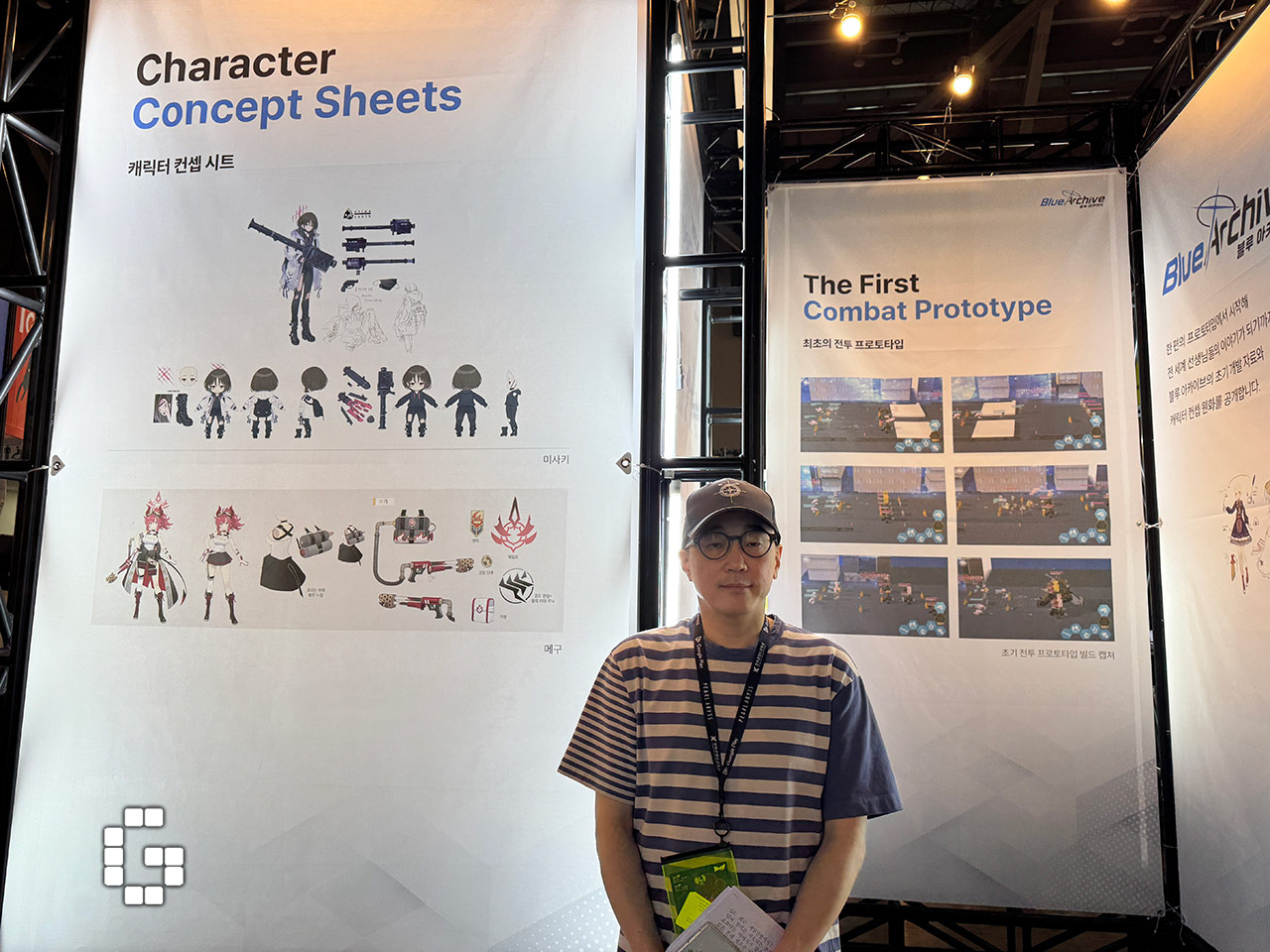
That same philosophy carried into how he talked about his own career. Kim said he has always preferred making games with a clear identity, even though companies rarely hand out big budgets for that kind of project. “The games I developed within companies were closer to side projects by the company’s standards at the time,” he said, naming Curare: Magic Library, the VR title Focus on You, and even Blue Archive itself as examples. None of them started out as guaranteed hits. “They weren’t traditional ‘cash cow’ games, but felt more like the company can handle this, so give it a try,” he explained. He added that despite technically being a company employee, “at heart, I work while admiring the spirit of indie games.”
Balancing Old Favorites With New Stories
Keeping a live service game running for years means constantly weighing what longtime fans expect against the pull to try something new. Asked where he personally draws that line, Kim said meeting fan expectations comes first, especially early on. “Basically, at the start of the launching of the game, the most important thing is to meet the fans’ expectations,” he said.

At the same time, he was clear that this doesn’t mean neglecting the characters who built the game’s fanbase in the first place. “We must care for former characters and former favorite characters,” he said. When asked to sum it up, his answer was simple: it comes down to balance, managing expectations around older characters while still pushing the story and cast forward.
Project RX Moves Away From the Classroom
Project RX has been in development for three years, with fans having little to go on beyond a teaser trailer that came out seven months ago. Kim confirmed that will change soon, saying the game will be shown under its official title at the upcoming Tokyo Game Show, where attendees will also be able to play it directly.
He also gave some insight into the direction of the project itself. Where Blue Archive is built around the relationship between players and student characters in an academy setting, Kim described Project RX as aiming for something different, closer to an isekai homestay than a school story.
“He wants to develop other kinds of games. Because Blue Archive also shows a lot of relationships between gamers and characters,” the translator said.
“In his new project, he wants to make new relationships in this game.”
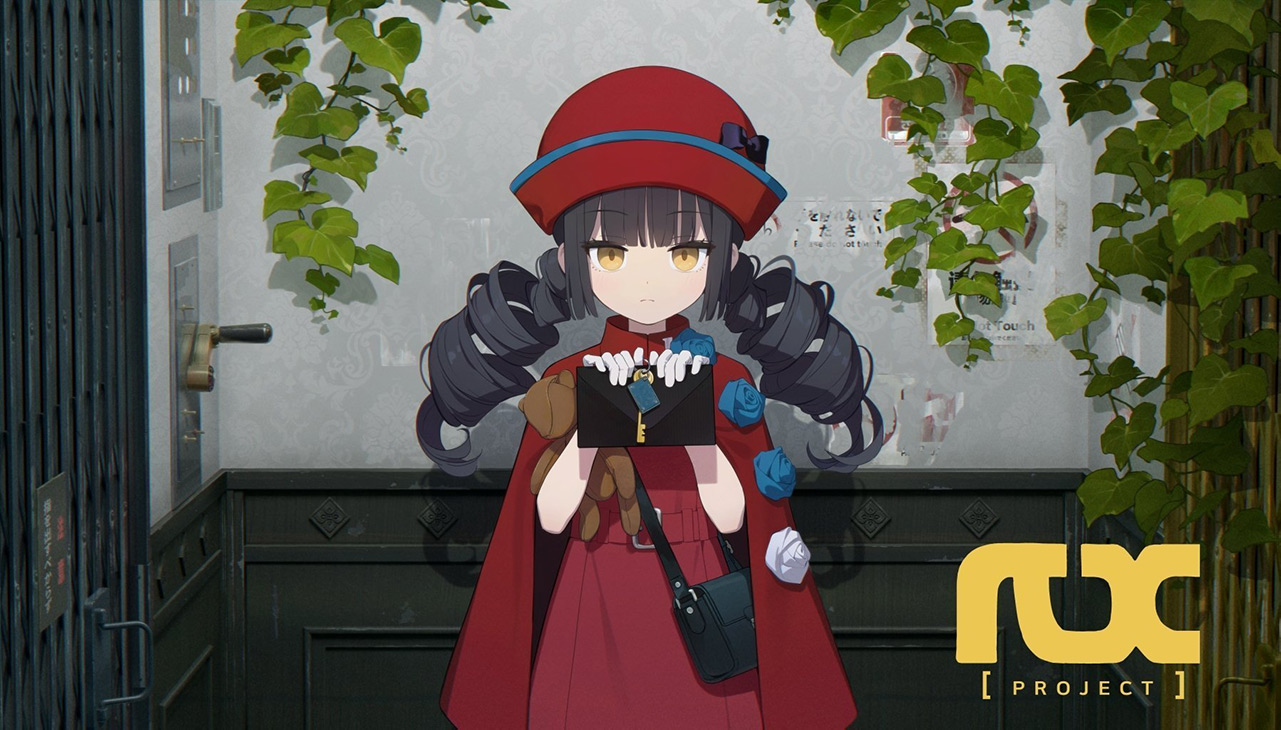
The goal, he explained, is to move away from a cast built entirely around students. “In the perspective of Project RX, they want to show another kind of situation and relationship. Not just feature students,” he said. As Kim put it through his translator, part of the reasoning is built right into the concept.
TCG Spin-offs Are Still Just an Idea
Blue Archive already includes a TCG minigame that has gotten positive feedback from players, and Kim said there is interest in taking that further. “There’s a TCG minigame, and they have positive comments about that minigame. He also wants to develop the minigame’s positive aspects,” the translator explained. “So that’s why he wants to expand the other platform for the TCG genre.”
“We hope we will expand our TCG minigame experience to board games or card games,” he said, though he was upfront that this is still in an early, developing stage rather than something concrete.

Blue Archive characters already appear in existing trading card platforms such as Weiss Schwarz. “We have Blue Archive characters on other TCG platforms, like Weiss Schwarz. It’s another TCG board game platform. It has many IP franchises, like Blue Archive, NIKKE, etc,” Kim noted, adding that in those cases the studio is essentially licensing its characters out rather than producing its own dedicated card or board game. “They are in the games, but he doesn’t have their own board game. So he just gave them their IP,” the translator said. “He’s thinking about making their own game, but it’s not in reality right now. But he has an idea.”
AI, MomoTalk, and the Future of the Anime
Nexon’s 2023 business report once raised the possibility of AI-powered conversations in MomoTalk, Blue Archive’s in-game chat feature, and fans have wondered ever since whether that could become reality. Kim clarified that the report was based on older technology and wasn’t referring to the kind of generative AI available today. “The contents of the business report at the time were actually based on past specifications, so we were not considering generative AI as it exists today,” he said.
“We are interested in recent technological advancements, we are not considering implementing them directly into the game as-is,” he added, saying he still sees it as too early for that kind of integration.
“I believe it is still premature.”

On the animation side, it has been two years since Blue Archive the Animation aired, and Kim confirmed that talks about a second season are ongoing, even if progress is slow. “We’ve been having ongoing discussions about it,” he said, “but there are some tricky issues to work through,” adding that he personally hopes the story can continue in animated form.
He was also asked about how the show portrayed Sensei, a character who had never been fully visualized before the anime. Kim said the design was meant to be a starting point rather than a definitive answer.
“Everyone probably has their own image of what Sensei looks like,” he said, since Sensei already looks different depending on which manga adaptation fans have read. The anime’s version, he said, was designed “hoping it would serve as one acceptable sample that many people could agree with.”
Reaching More Players, Including in Indonesia
Blue Archive has built a notably large fanbase in Indonesia, and Kim was asked whether more localization is planned for the region. He explained that publishing duties fall to Nexon, which handles global distribution through regional branches including Nexon America, Nexon Korea, and Nexon Thailand, with Nexon Thailand handling localization for its language.
For Indonesia specifically, Kim said current language coverage isn’t where he’d like it to be. “I hope we can provide more languages, but the coverage is not enough,” he said, while acknowledging that the final call on expanding localization rests with Nexon as the publisher rather than with the development side.
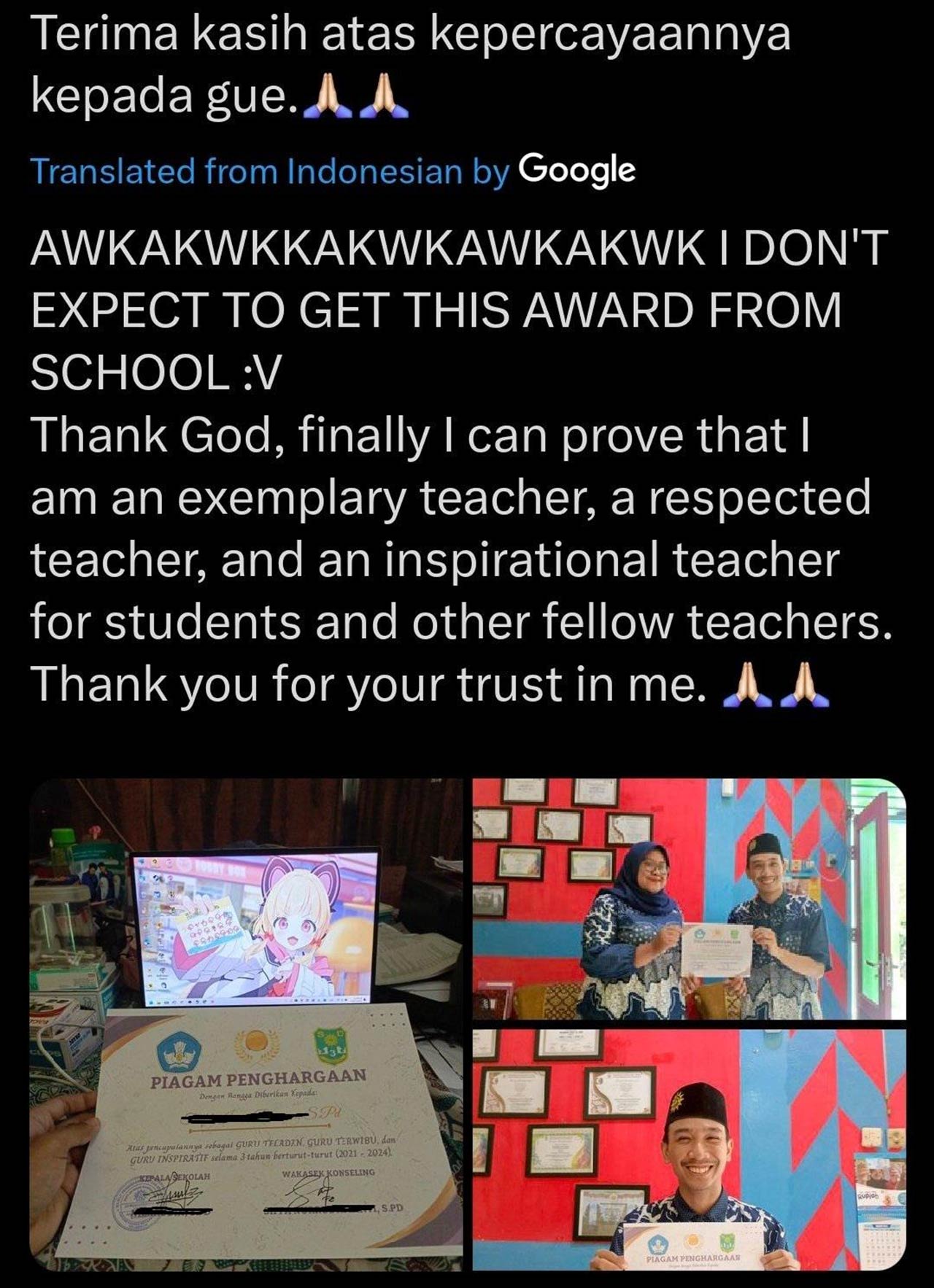
That Indonesian fanbase also came up in a different context, tied to a story that spread through the community about an elementary school teacher who was recognized with awards including Exemplary Teacher and Most Weeb Teacher for playing Blue Archive openly and serving as a role model to students and fellow teachers. Kim’s response was warm and direct. “What a wonderful teacher!” he said.
“Knowing that there are real-life teachers out there playing and enjoying Blue Archive gives our development team a lot of inspiration as well. I truly root for him to continue being a great teacher who serves as a role model for students!”
An Indie Fan at Heart
Given the setting of the interview, we also asked Kim about his relationship with indie games more broadly. It turns out his interest goes well beyond admiration from a distance. He said he plays a large number of indie titles on Steam, describing a personal library that runs into the thousands of games. Asked for a current favorite, he named Peak and Mecha Chameleon as standouts this year, calling them “very impressive.”
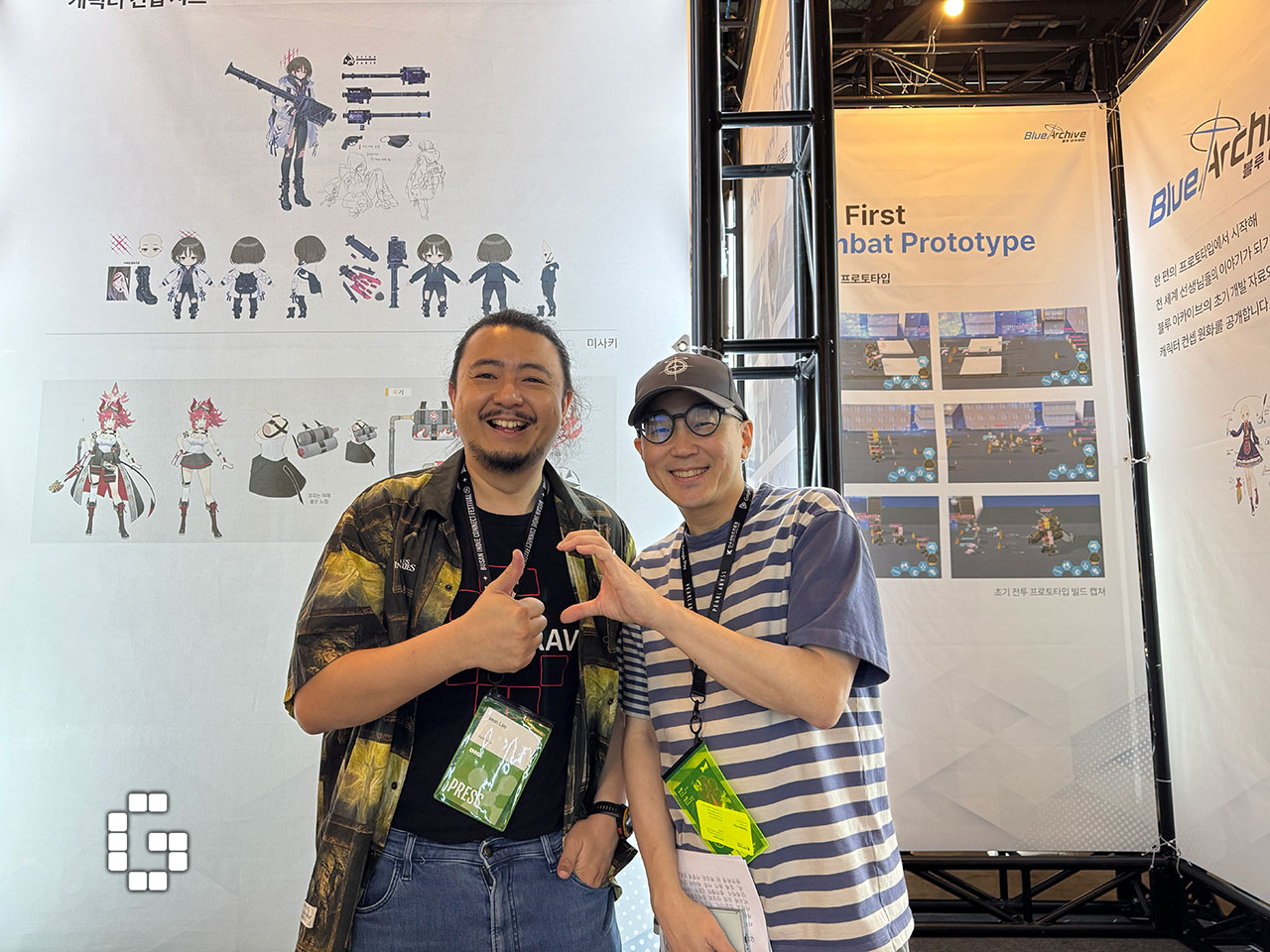
He also expressed hope that his studio can stay closely connected to the indie scene going forward, both for inspiration and as a place to find new talent. “I hope we can recruit some nice talent from there,” he said.

![[EXCLUSIVE] From PlayStation to Indie Advisor: Shuhei Yoshida Talks Games, AI, and the Future of the Industry](https://cdn.gamerbraves.com/2026/08/Shuhei-Yoshida-BIC-2026-Exclusive_Interview_FI-350x250.jpg)