







![[EXCLUSIVE] Beyond the Base Game: Cygames on What Endless Ragnarok Means for Granblue Fantasy: Relink](https://cdn.gamerbraves.com/2026/06/GBF-Relink-Endless-Ragnarok-Exclusive_Interview_FI-360x180.jpg)

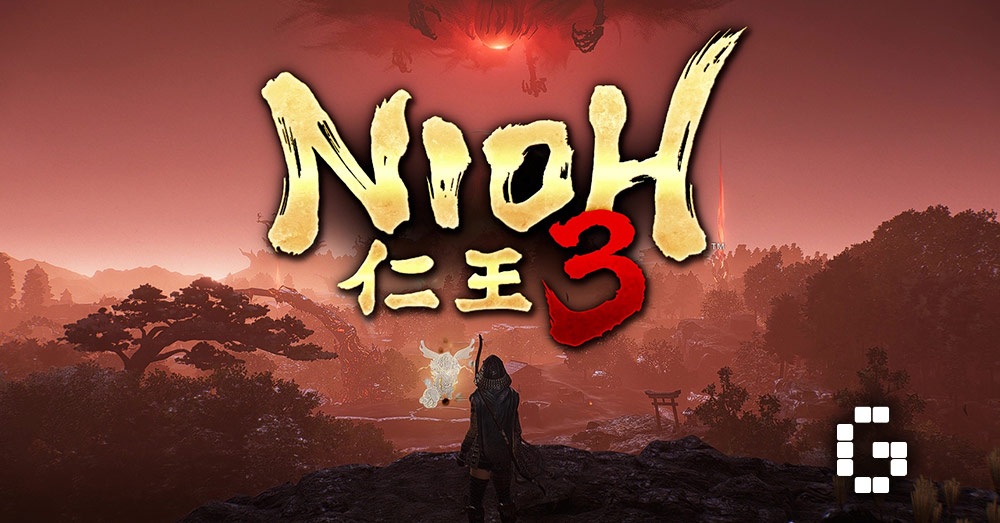
After six years away, Team NINJA has returned with Nioh 3, and it’s brought some ambitious ideas along for the ride. Our review will dive into what makes the third entry tick, from its time-hopping story and revamped combat to its shift toward open exploration. We’ll break down how the game balances the series’ punishing difficulty with fresh mechanics, and whether all these changes add up to something worth your time.
Producer Fumihiko Yasuda and his team haven’t abandoned what made the series special. The combat still hits hard, enemies still hit harder, and death remains a constant companion. But Nioh 3 introduces two significant shifts: open maps replace the previous games’ linear stages, and a new ninja combat style joins the traditional samurai approach. These aren’t just cosmetic changes, they reshape how you move through the game and how you fight.
A Time-Traveling Tale of Redemption
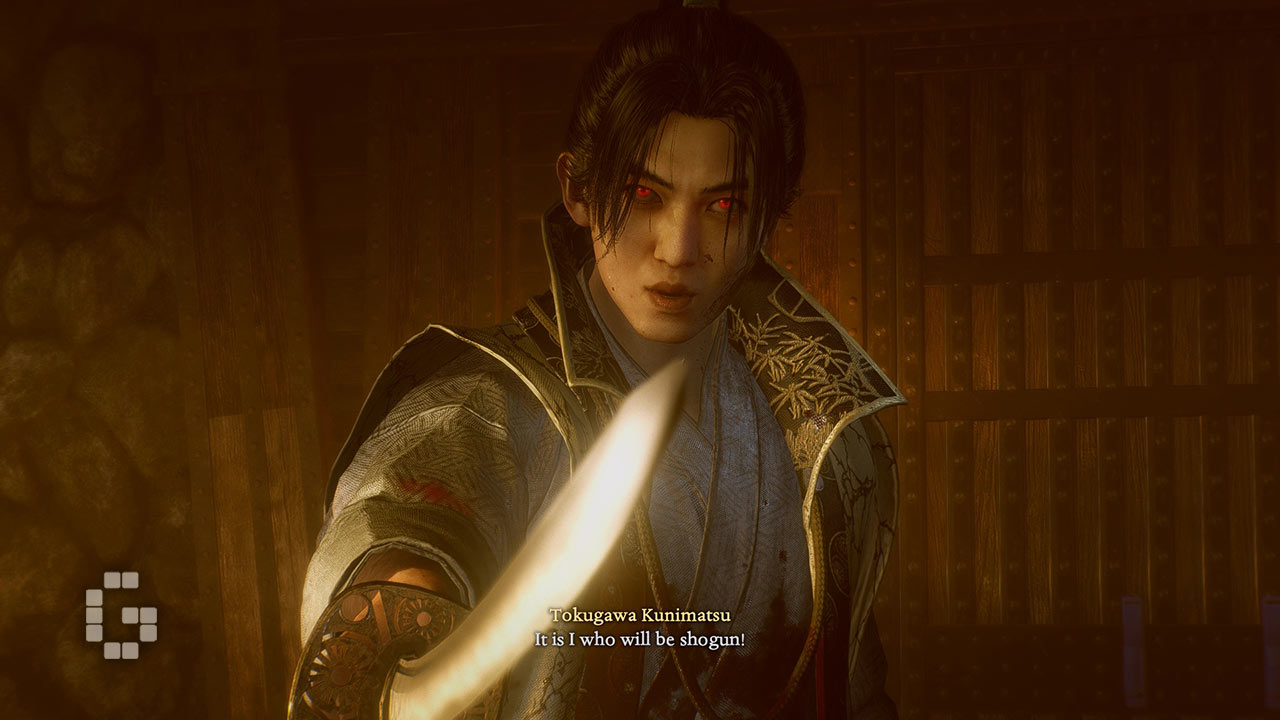
The story kicks off in 1622 at Edo Castle, where Tokugawa Takechiyo (who would become the historical Tokugawa Iemitsu) is about to claim the shogunate. Instead, his younger brother Kunimatsu unleashes yokai powers and triggers a catastrophe. An ancient evil spirit called Hiruko uses human resentment to anchor something called “The Crucible” at key points across Japanese history.
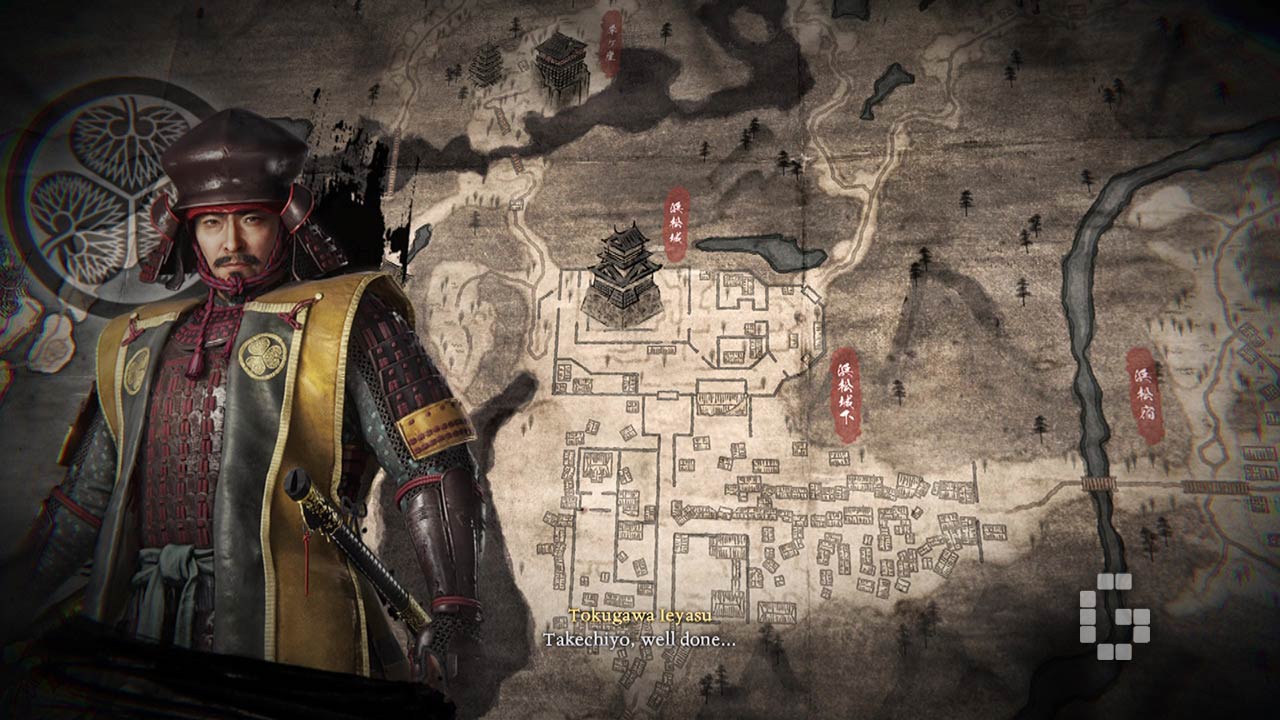
Takechiyo gets thrown into a time-traveling mission that sends him through the Sengoku period, the Heian era, ancient times, and the Bakumatsu. He’s not just fighting for survival, he’s trying to repair history itself while growing from an inexperienced lord into a true ruler. The game uses this premise to let players meet legendary figures like Takeda Shingen, Minamoto no Yoritomo, and Himiko. Kunimatsu’s partnership with Hiruko ties together the disasters across different eras, while reimagined historical characters like Hattori Hanzo (who serves as a ninja mentor) add depth to the fantasy setting.
Team NINJA maintains the series’ visual identity, blending dark elegance with Japanese aesthetics. Environments range from cherry blossom-filled castle towns to lava-churned infernos. Character and yokai designs balance historical grounding with imaginative flair, and boss encounters deliver visual spectacle.
From Linear Stages to Open Combat Zones
The biggest change in Nioh 3 is the shift from tightly designed stage-based levels to open maps. These aren’t sprawling open worlds filled with random activities. Instead, they’re densely packed combat zones that connect seamlessly. Within each mission, you have freedom to explore, tackle side quests, challenge powerful warriors in duels, and find interactive elements like Kodama statues and Bloody Graves. Exploration directly feeds into character progression.
This structure gives you control over how you play. You can rush to the main objective, explore while advancing the story, or grind for equipment and levels before boss fights. You can even attempt overleveled challenges, though the game remains punishing regardless of your preparation.
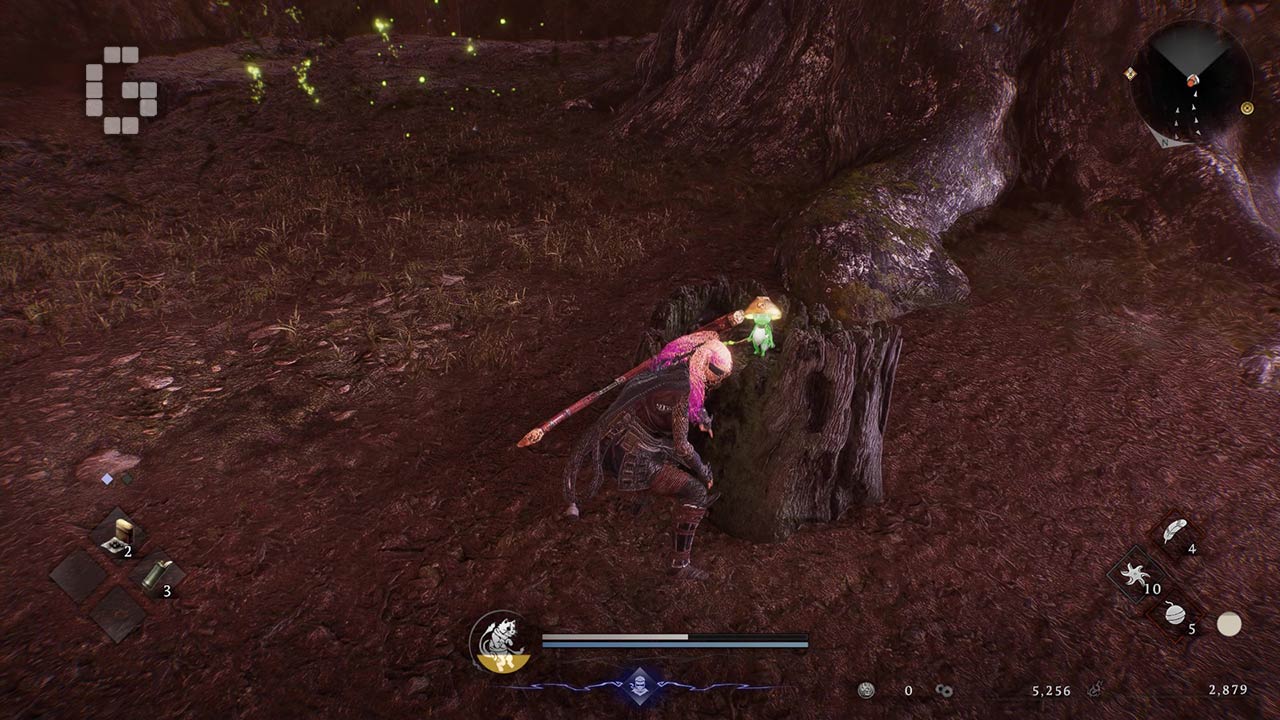
The Crucible areas represent the game’s toughest vertical challenge. These high-difficulty zones change the rules with a mechanic called Life Corrosion. Every enemy hit permanently reduces your maximum HP. You can only recover by attacking enemies or using specific items. This turns defensive play into aggressive pushes forward, increasing tension and perfectly capturing the series’ philosophy of embracing death to survive.
Each Crucible features era-specific hazards. The Sengoku-era Scorching Crucible has burning lava, while the Heian-era Frozen Crucible slows your movement with cold. These zones also offer high rewards since enemies drop rare Crucible weapons and have better chances of dropping rare loot.
Dual Combat Styles That Actually Matter
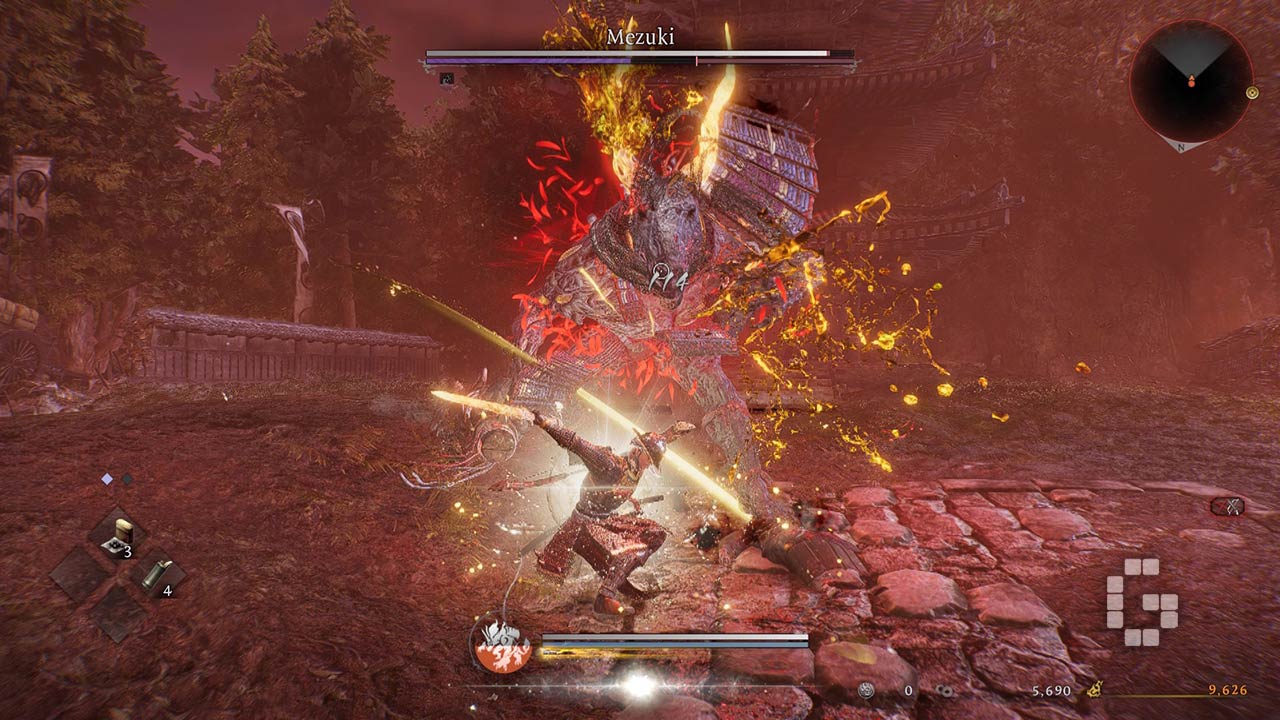
Nioh 3 introduces two combat styles: Samurai and Ninja. This isn’t a simple class choice, it’s a dynamic system that requires real-time switching and integration.
The Samurai style continues the series’ core combat. You master Ki Pulse, switch stances to adapt to different situations, and use Martial Skills to enhance attacks after precise execution. This enables fluid combos and represents discipline and direct confrontation.
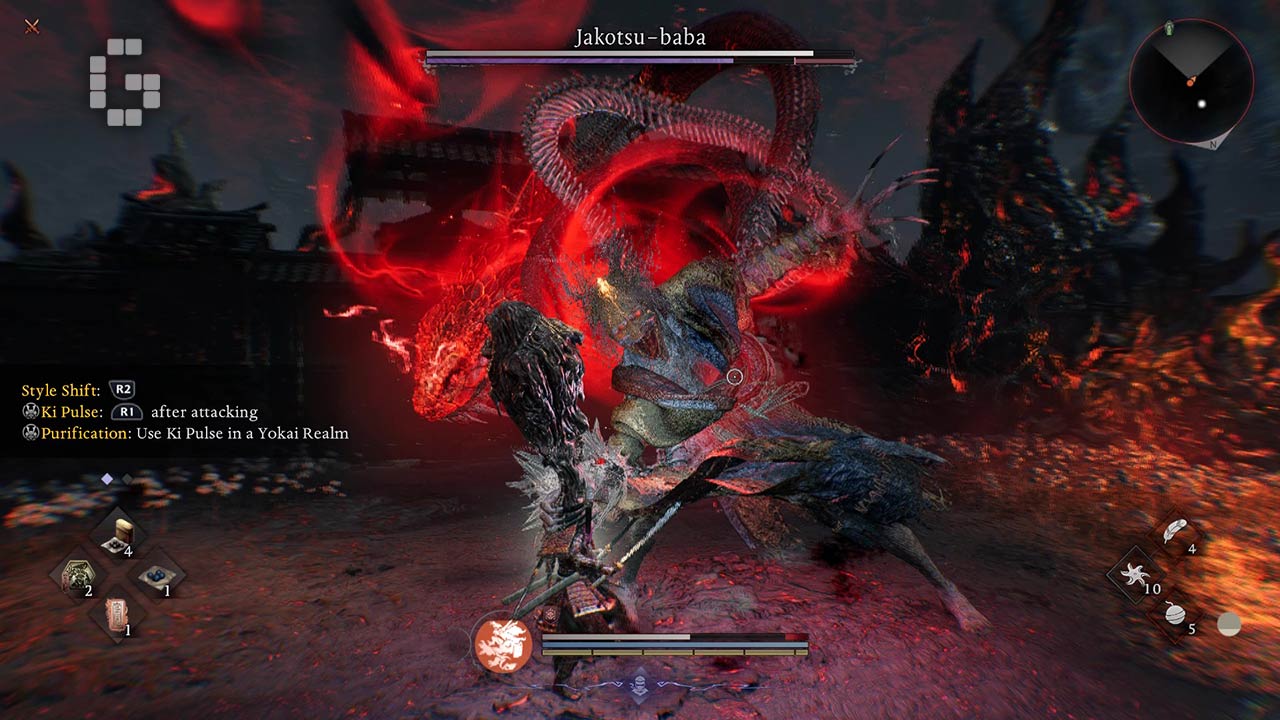
The Ninja style changes the battle rhythm completely. Techniques like Mist let you disengage quickly after attacks. Backstab-focused gameplay rewards positioning with devastating damage. Ninjutsu provides ranged pressure and control tools, while Evade lets you counter with perfect dodges. Ninja combat emphasizes mobility, deception, and explosive damage bursts.
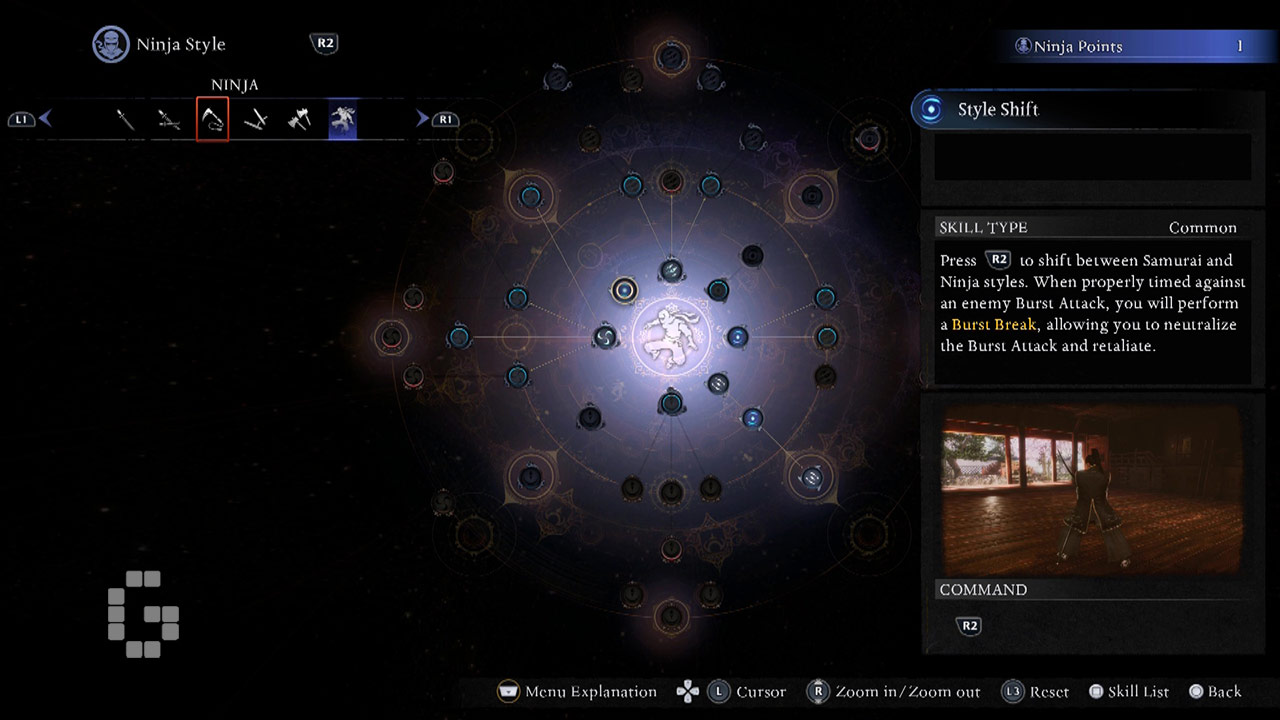
The Style Shift system bridges both approaches. Pressing R2 instantly switches your style, changing your moveset, skills, and equipment. During enemy ultimate attacks (marked in red), Style Shift enables Burst Break, which breaks enemy techniques and deals massive damage. Combat flows between the Samurai’s weight and the Ninja’s agility. Against tough enemies, you might block an assault as a Samurai, then instantly shift to Ninja to strike from behind.
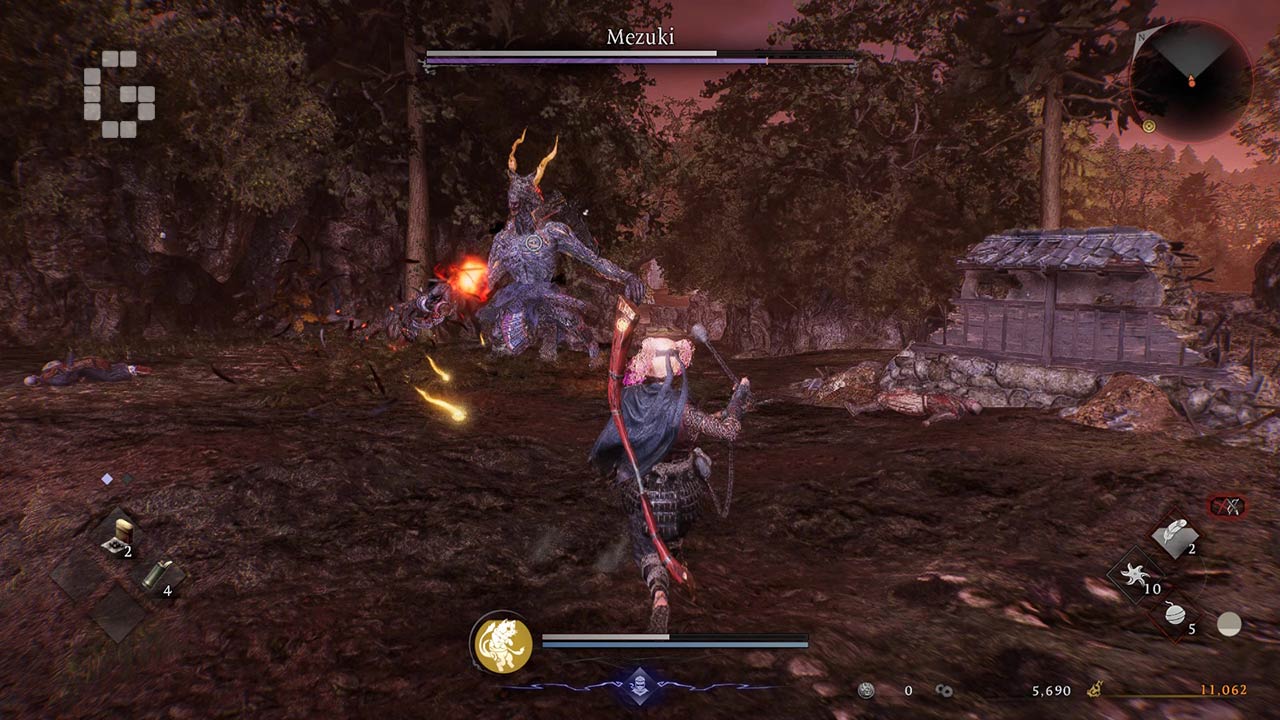
The developers say you can complete the game using only one style, and that’s technically true. However, using Style Shift effectively reduces difficulty and makes combat encounters significantly more enjoyable.
Character Progression and Equipment Systems
Character growth still centers on Amrita, but the skill system has been overhauled. The new Skill Capacity system requires you to equip learned skills within limited capacity across three categories: General, Samurai, and Ninja. You can’t equip everything anymore because every choice shapes your playstyle and encourages thoughtful customization.
Equipment systems match the dual-style design with separate loadouts for Samurai and Ninja. You learn Martial Skills and Ninjutsu by consuming Locks, with many advanced techniques unlocked through exploration and defeating elite enemies. This keeps progression discovery-driven and rewarding.
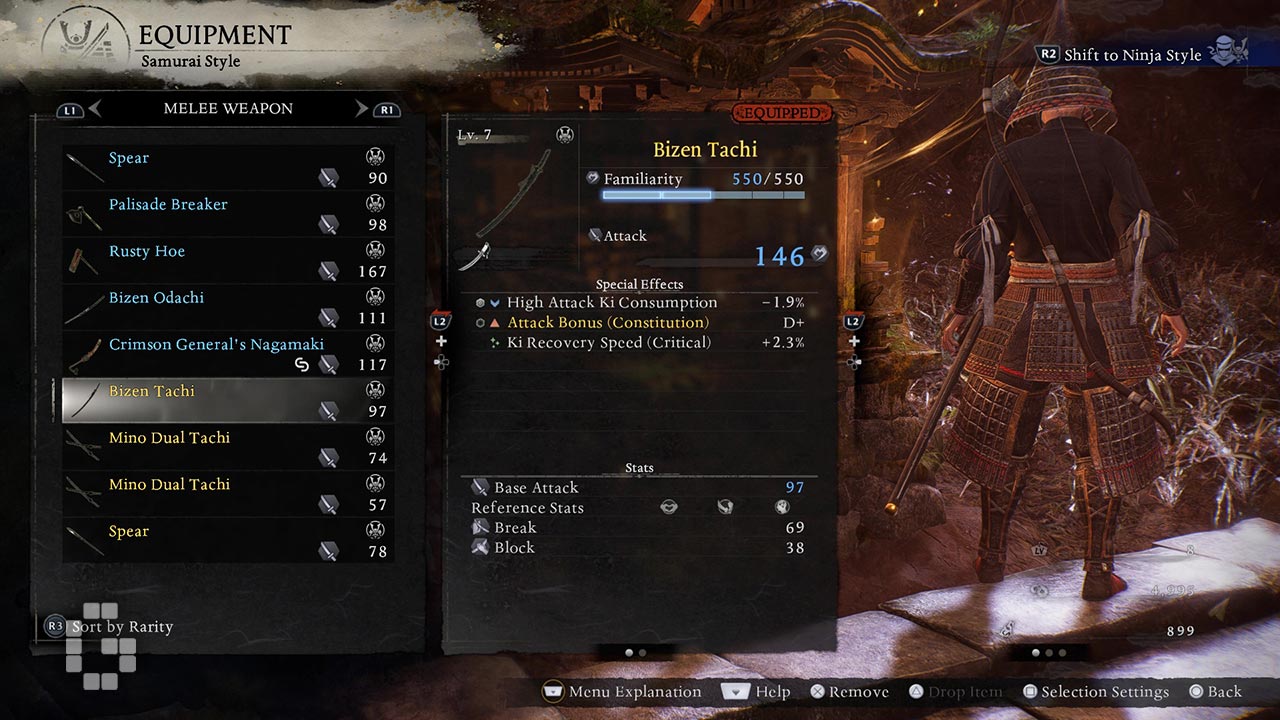
The Soul Core and Onmyo Magic systems are more integrated now. Yokai Soul Cores slot into Onmyo’s Yang or Yin seats, preparing different magic tools. These tools are powerful, you can summon yokai allies and can be replenished for free at Shrines, encouraging regular use. Defeating Hell-possessed enemies unlocks additional magic, linking challenge with growth.
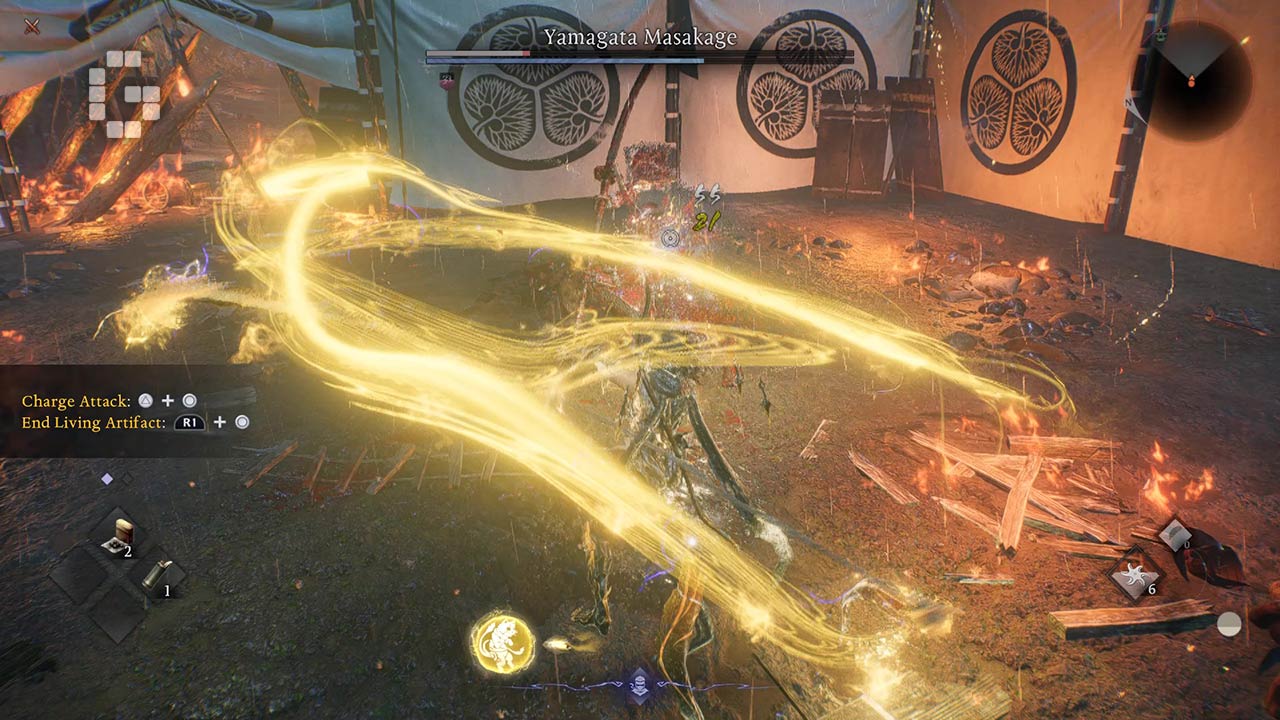
The Living Artifact system (previously Yokai Shift) remains a critical comeback mechanic. It replaces HP with an Amrita gauge, eliminates Ki consumption, and empowers your moveset during boss fights or overwhelming encounters.
Verdict
Nioh 3 succeeds as an intelligent evolution of a solid foundation. Open maps expand exploration and pacing, while the dual-style combat system delivers layered strategy, rhythmic variation, and spectacular action. The journey through Japanese history integrates deeply with gameplay systems, letting you experience multiple iconic eras in one immersive adventure.
However, there are trade-offs. The core framework and progression systems largely carry over from previous entries. Players hoping for a complete reinvention may find the novelty more restrained. Asset reuse is noticeable too with many boss encounters feature familiar faces from earlier games, which slightly reduces enemy freshness.
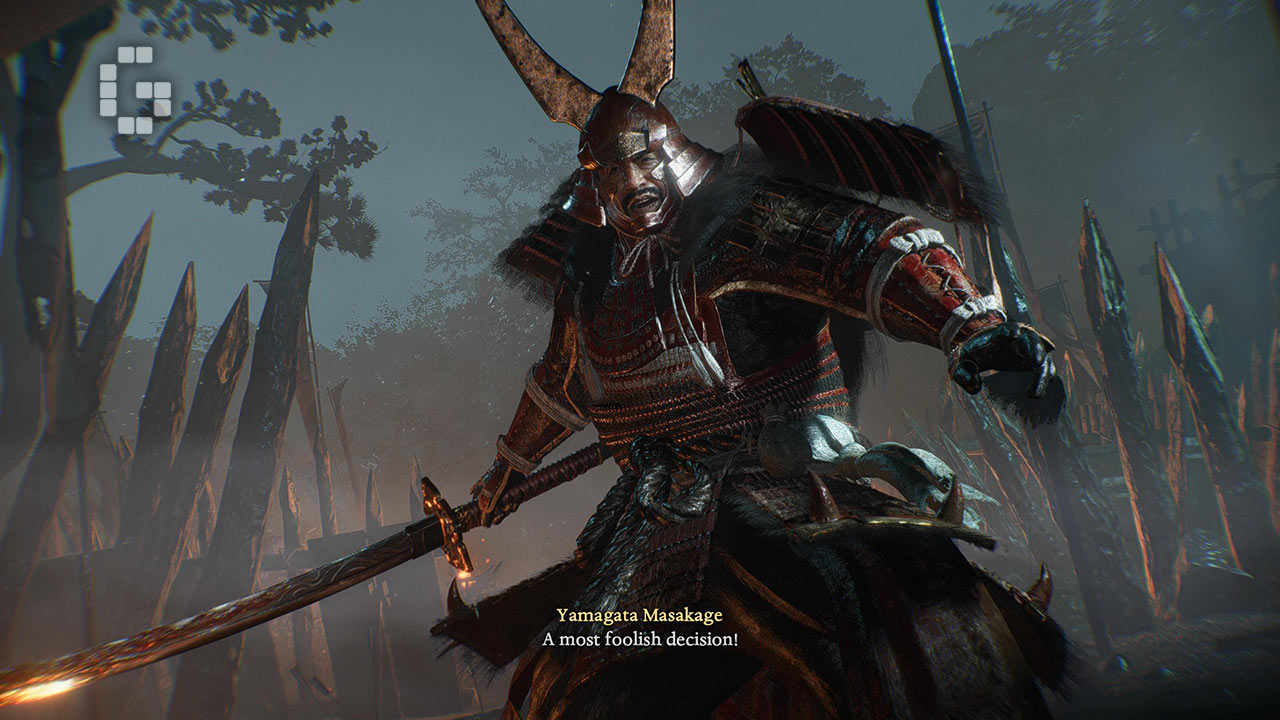
Nioh 3 knows its identity. It doesn’t tear everything down to start over. Instead, it elevates a proven hardcore formula with greater scale, depth, and polish. For fans who love what Nioh represents and want a more diverse, grand, and strategic experience, this sequel stands on the shoulders of what came before, seeing further and fighting more beautifully.
Played on PS5

The Review
Nioh 3
PROS
- Open maps greatly enhance exploration and player freedom.
- Dual combat styles introduce fresh strategies and combat pacing.
- Time-travel narrative enables multiple iconic eras in a single journey.
- Strong unity between narrative and gameplay systems, delivering deep immersion.
- Combat system retains the series' signature, deeply satisfying feel.
CONS
- Core structure remains largely unchanged from previous entries, which may disappoint players expecting major reinvention.
- High asset reuse, with many returning bosses reducing enemy design freshness.