



![[EXCLUSIVE] Dragon’s Dogma 2: Dark Arisen Team Opens Up About the Expansion’s Name, New Norgan Region, and Performance Goals](https://cdn.gamerbraves.com/2026/07/Dragons-Dogma-2-Dark-Arisen_Interview_FI-360x180.jpg)



![[GCAxTHGS25] Inside Monster Hunter Stories 3: A Conversation with Ryozo Tsujimoto and Takahiro Kawano](https://cdn.gamerbraves.com/2025/10/Monster-Hunter-Stories-3-GCAxTHGS25_Interview_FI.jpg)
The Monster Hunter Stories series has carved out its own niche within the franchise, offering a turn-based RPG experience that lets players bond with the very creatures they’d normally hunt. As the third installment approaches, we had the chance to speak with Executive Producer Ryozo Tsujimoto and Art Director Takahiro Kawano at gamescom asia x Thailand Game Show about what makes Monster Hunter Stories 3: Twisted Reflection different, why Rathalos remains at the center of it all, and how the team is pushing the series into more mature territory.
A Stamina System Seven Years in the Making
One of the most significant gameplay additions in Monster Hunter Stories 3 is the new stamina gauge for hunters, which works alongside the existing Kinship Gauge to offer players more tactical options in combat. According to Tsujimoto, this feature has been on the team’s wishlist since the very beginning.
“To be honest, we actually wanted to include the stamina gauge from the very first game,” Tsujimoto explained. “But at that time, the target audience was much younger, and we were worried it might be too complicated or difficult to manage.”
Now that the Stories audience has matured, the team felt confident introducing this additional layer of strategy. The goal isn’t to make battles harder, but to give players more depth and a greater sense of accomplishment when they emerge victorious.
Rathalos Again? Here’s Why
When asked about the decision to feature Rathalos as the main monstie for the third consecutive game, Tsujimoto was clear: there was never really a debate.
“From the very beginning, when we started planning Stories 3, we knew—it had to be him,” he said. While the team did consider other popular monsters and even creating an entirely new monstie during Stories 2’s development, they ultimately concluded that Rathalos represents the core bond between Riders and their monsties.
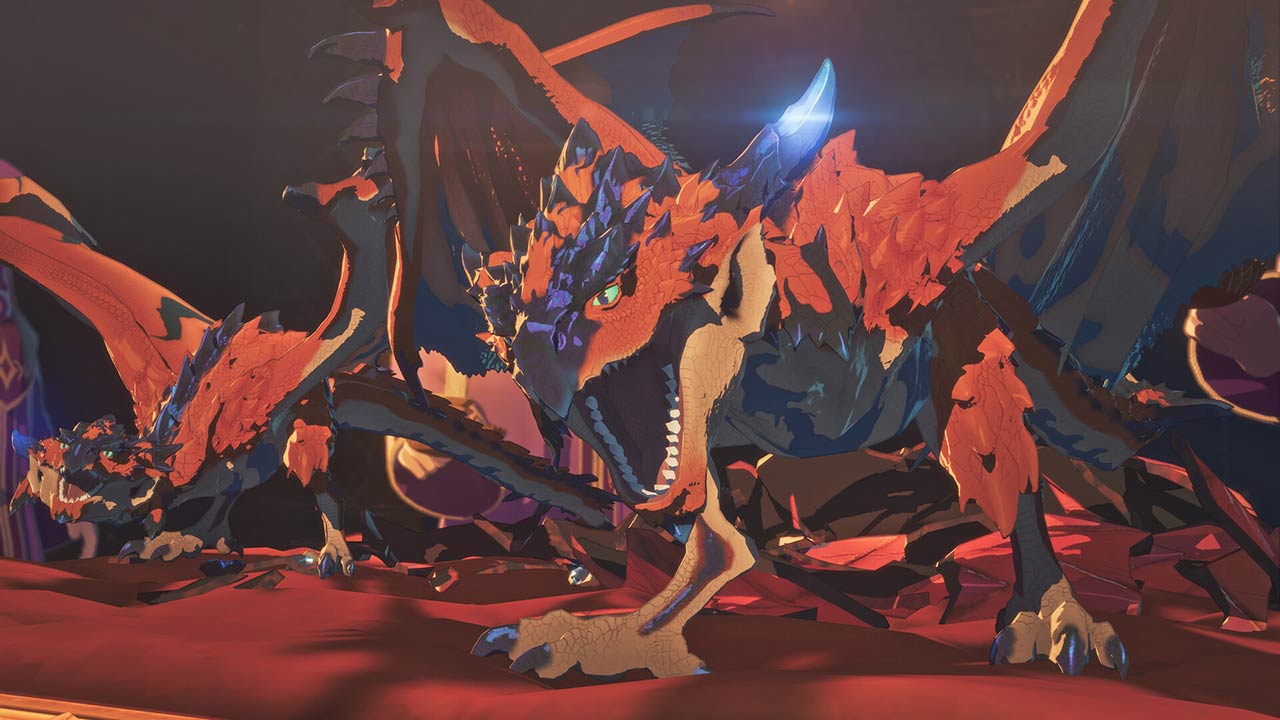
Tsujimoto acknowledged that fans might think “Oh, Rathalos again?” but assured us that the storytelling in this entry is strong enough to make players forget about any potential fatigue. He even hinted that if the series continues to grow, a different lead monstie might be explored in future installments.
Monster Hunter Stories Moving from Shonen to Cinema
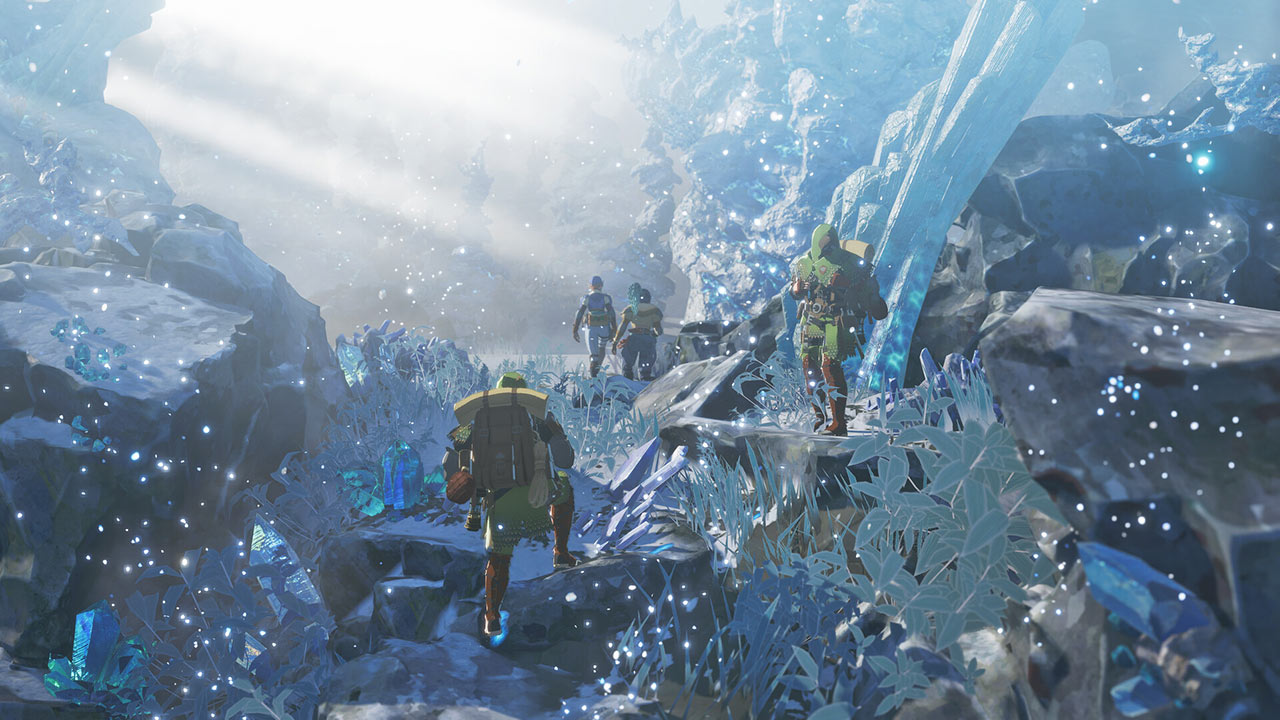
Perhaps the most striking change in Stories 3 is its visual and narrative direction. Both Tsujimoto and Kawano described a deliberate shift toward a more cinematic, mature presentation compared to the previous games.
“Stories 1 and 2 were very much like a shōnen manga, full of action and excitement,” Tsujimoto said. “For Stories 3, we wanted to move closer to something that feels like a movie—more cinematic, more emotionally immersive.”
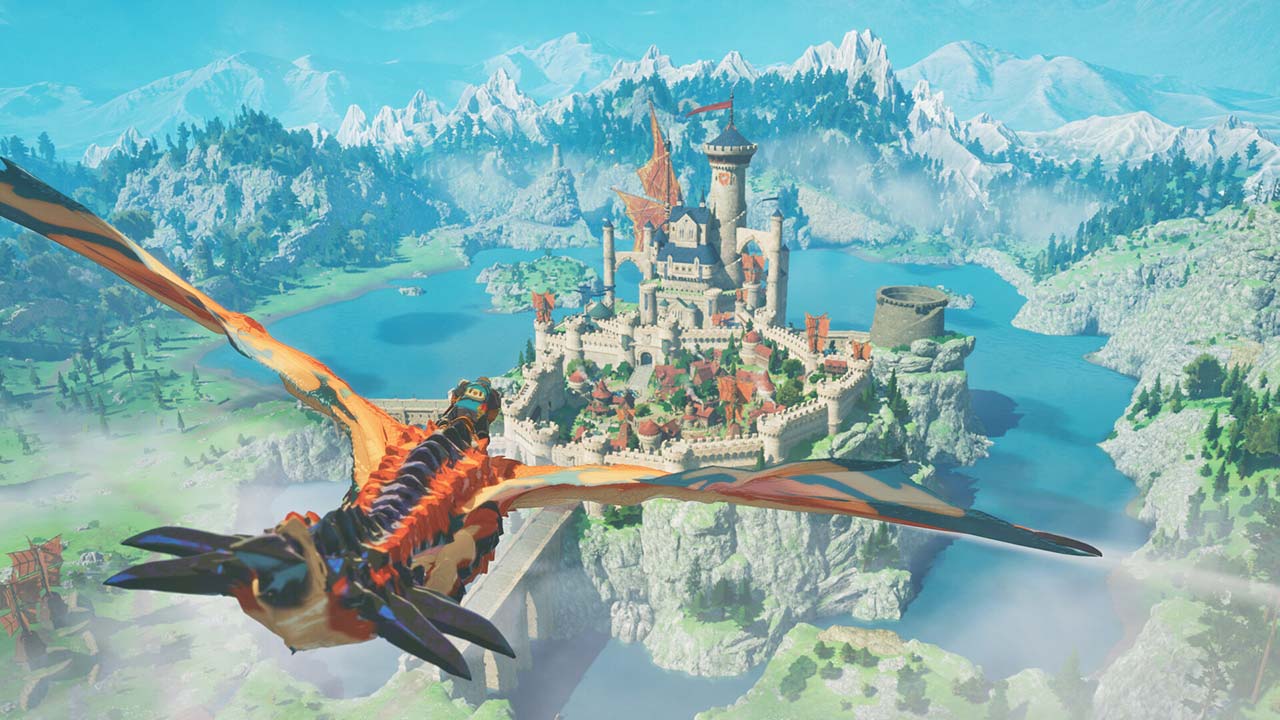
This shift is reflected in everything from the key art to the game’s environments. Kawano explained that the world itself is more complex this time, with two kingdoms in conflict giving the story a grander, more dramatic tone. The visual design needed to match that ambition while still maintaining the essence of Monster Hunter Stories.
The art team drew inspiration from real-world locations, particularly Switzerland, for the game’s landscapes. The early scenes featuring a giant lake and castle were directly influenced by Switzerland’s natural beauty.
A Deeper Story in Monster Hunter Stories 3
Stories 3 marks a significant narrative departure from its predecessors. While the first two games focused on the world primarily from the Riders’ perspective, this entry aims for a more structured, complex storyline that explores deeper themes and emotions.
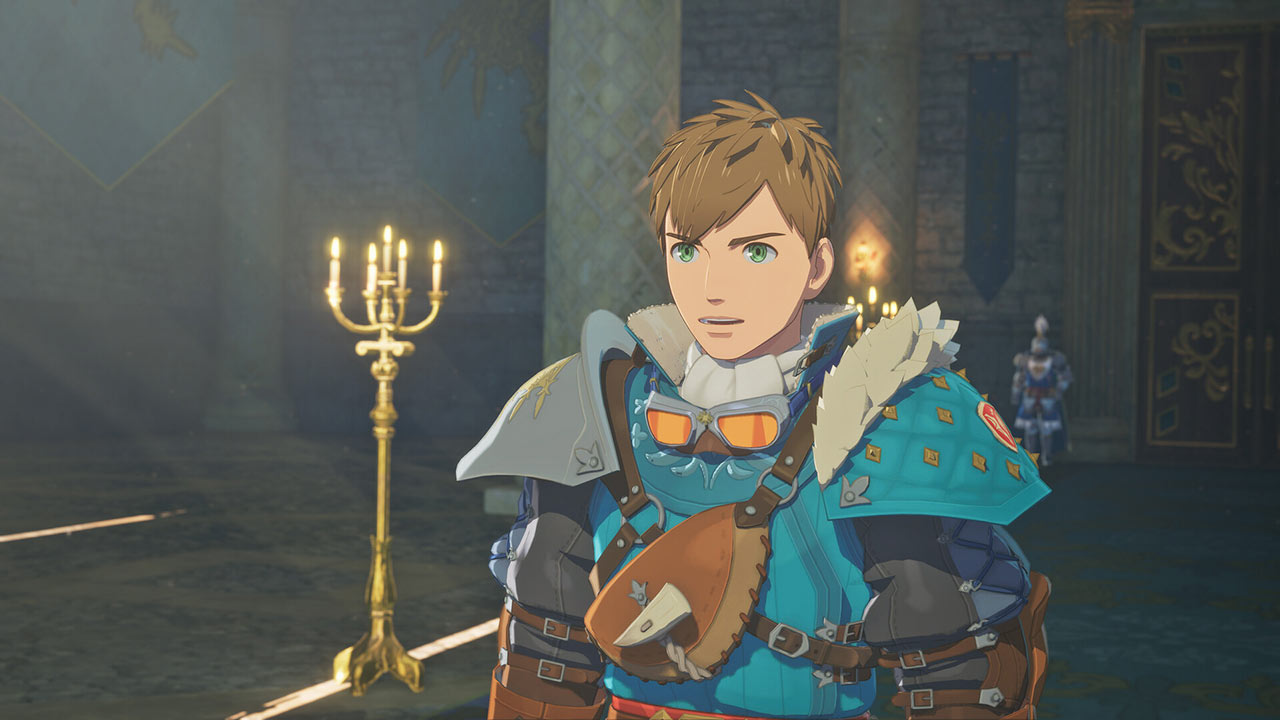
One major change is that the protagonist now speaks, eliminating the need for Navirou, the mascot character from previous games. Instead, players are introduced to Rudy, who serves as a partner and supporter rather than a guide or interpreter.
“The main character this time is already an experienced Rider—a professional—so there’s no longer a need for a ‘teacher’ character,” Tsujimoto explained. “Rudy is more of a trusted ally who fights alongside you.”
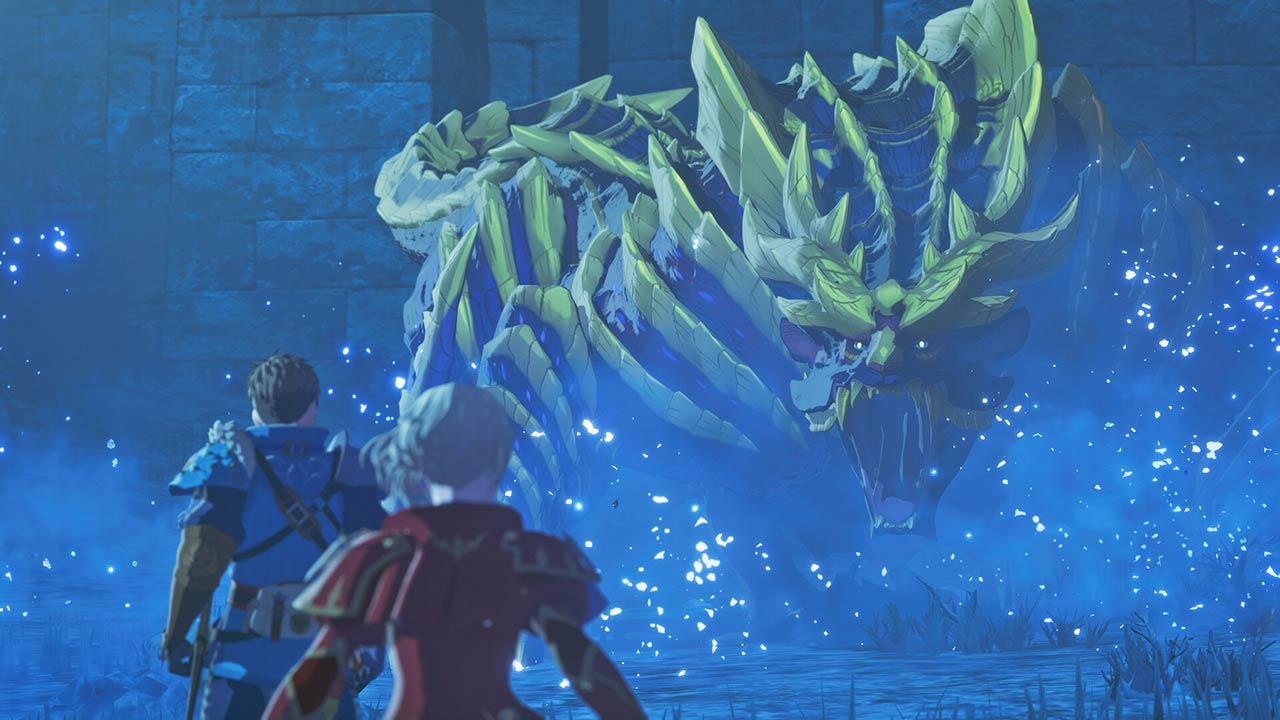
The story itself centers on a mysterious phenomenon similar to crystallization or fossilization affecting the world’s monsters. Two kingdoms interpret this event differently, leading to ideological tension and conflict. Through this setup, the game explores contrasts between nations, beliefs, and different ways of understanding monsters themselves.
Notably, Rathalos is said to be extinct in this world, which ties directly into the game’s central themes about the passage of time, evolution, and what happens to monsters as their world changes around them.
Making JRPGs the Monster Hunter Way
Developing a JRPG posed unique challenges for Capcom, a company not traditionally known for the genre beyond older titles like Breath of Fire. Tsujimoto shared that it actually took six or seven years just to assemble the right team for the first Stories game—finding people passionate about both JRPGs and Monster Hunter proved difficult.
“Our main goal was to make a JRPG that feels authentic, but still distinctly Monster Hunter,” he said. The key was keeping monsters at the center of everything, from their ecosystems to their relationships with people and the emotions they evoke.
This focus on connection and understanding sets Stories apart from the main series. Rather than monsters being purely targets to hunt, players form bonds with them and explore their habitats. Tsujimoto revealed that this has always been his vision: creating a Monster Hunter experience that allows players to feel closer to the monsters, even if they’re not fans of traditional action games.
The development team paid close attention to player feedback from Stories 2. The biggest complaint was battle speed, with many players finding combat too slow even when using speed-up options. Stories 3 addresses this with much faster and smoother battles.
Exploration has also been revamped. The relatively flat terrain of previous games has been replaced with fully three-dimensional environments where players can climb, fly, and swim freely. Additionally, players can now switch monsters in real time, making both exploration and combat more dynamic.
The combat system itself has more mechanics to manage, but Tsujimoto assured us that a comprehensive tutorial system will help newcomers ease into the experience. The team wants battles to feel strategic without being stressful, treating each monster encounter as its own puzzle. Post-battle recovery is now automatic, removing another potential source of frustration.
Bridging Two Audiences
For players coming from the main Monster Hunter series, Tsujimoto offered some advice: don’t expect intense action gameplay, but do expect the freedom to explore. The added field action and three-dimensional movement should feel more familiar to action game fans than previous Stories titles did.
Players with main series experience will also have an advantage in battle, as their knowledge of monster behavior and weaknesses translates directly into better strategic planning. At the same time, the JRPG format opens the door for players who might find the main series too challenging or simply prefer turn-based combat.
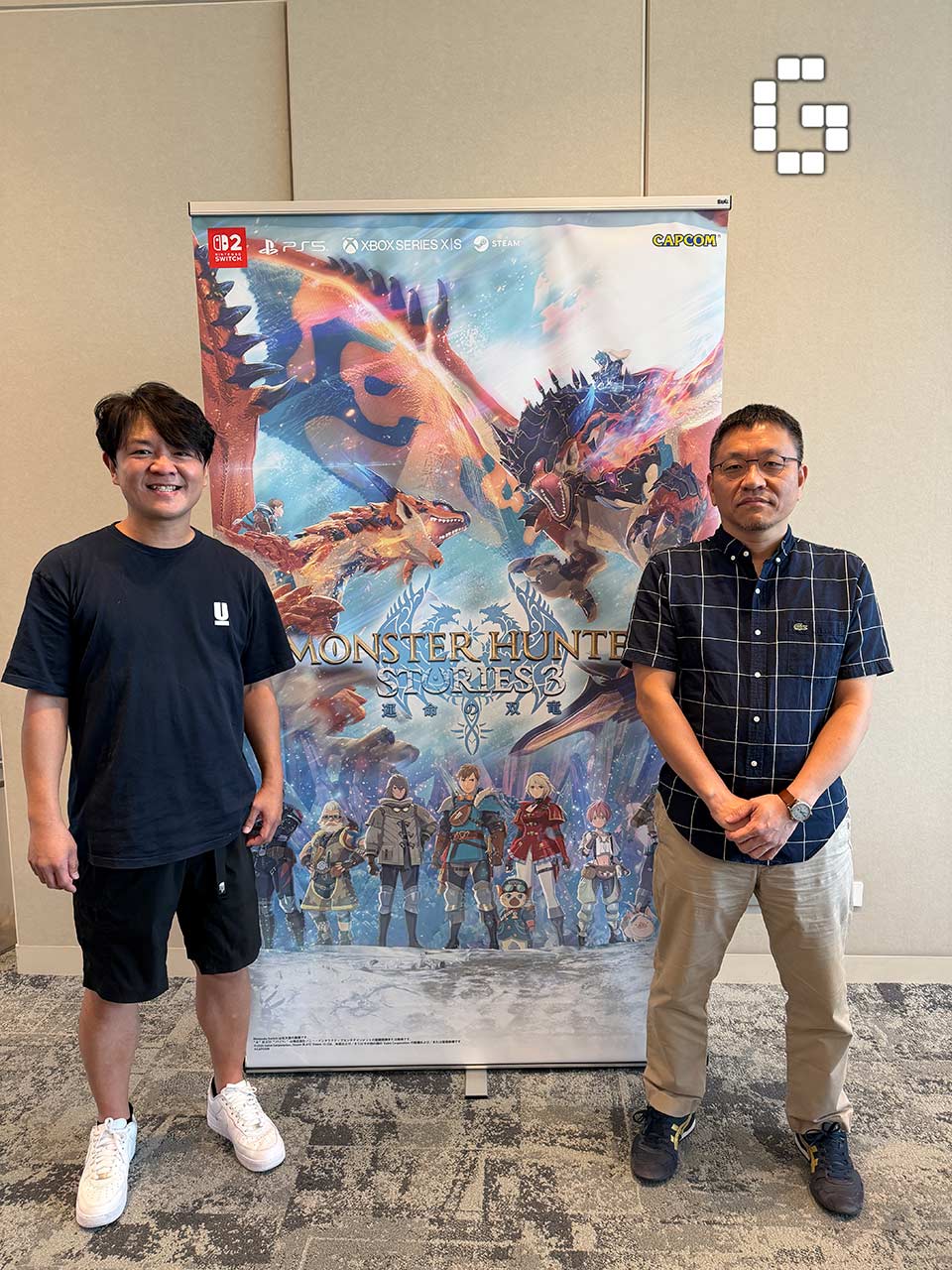
As our conversation wrapped up, it became clear that Monster Hunter Stories 3: Twisted Reflection represents both an evolution and a return to form for the series. The team is confident that the more mature storytelling, improved systems, and cinematic presentation will resonate with the audience that’s grown up alongside these games—while still welcoming newcomers into the world of Riders and their monsties.

![[GCAxTHGS25] Onimusha Returns in Way of the Sword: Developers Share How It Balances Legacy and Innovation](https://cdn.gamerbraves.com/2025/10/Onimusha-GCAxTHGS25_Interview_FI-75x75.jpg)