





![[EXCLUSIVE] Flying the Malaysian Flag in Singapore: Dhanesh Wigneswaran on Racing for Volkswagen and Coaching the Next Sim Racers](https://cdn.gamerbraves.com/2026/10/Dhanesh-Wigneswaran-Exclusive_Interview_FI-360x180.jpg)
![[EXCLUSIVE] Alodia Gosiengfiao and Christopher Quimbo on Black Rose, Supporting the New Gen](https://cdn.gamerbraves.com/2026/09/Alodia-and-Christopher-Interview_Interview_FI-360x180.jpg)
![[TGS2026] Modern Warfare 4 Developers on Creating a New Chapter and Returning to Its Grounded Roots](https://cdn.gamerbraves.com/2026/09/MW4-Interview_Interview_FI-360x180.jpg)
![[TGS2026] GUNDAM ROGUE ORBIT Team Explains Giant Monsters, Story Length and Combat Choices](https://cdn.gamerbraves.com/2026/09/GUNDAM-ROGUE-ORBIT-TGS2026_Interview_FI-360x180.jpg)




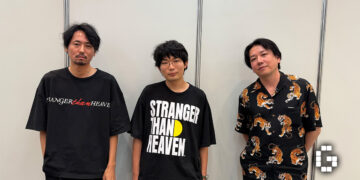

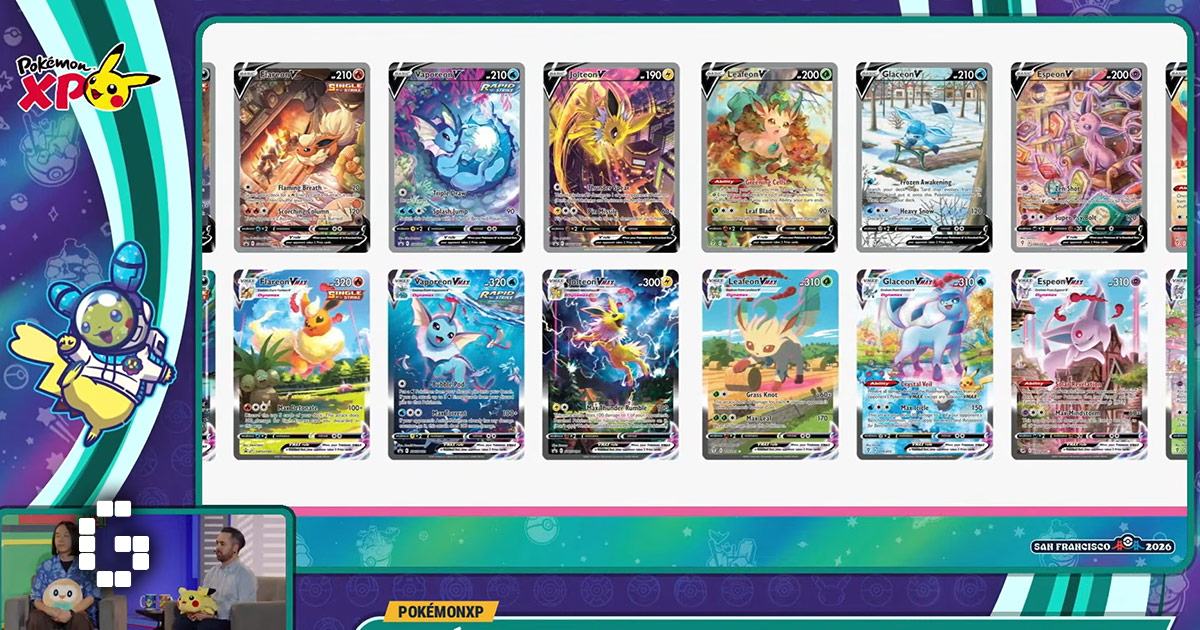
At PokémonXP, Creatures Inc. Creative Director Kohei Kobayashi and Art Director Haru Saito explained how Pokémon TCG’s full-art cards came to be and how the format has changed over the years.
The pair said full-art cards began in 2011 during the Black & White era, when the design team wanted booster pack openings to feel more exciting. They introduced over-numbered secret cards with serial numbers beyond a set’s official count, and removed the card’s traditional frame so artwork could cover the whole surface. Kobayashi noted this came with a balancing act, since Pokémon cards are still meant to be played. The Pokémon and text always had to stay clear and readable, and the goal was never to create artificial collectible value, but to make pulling a rare card feel rewarding to actually play.
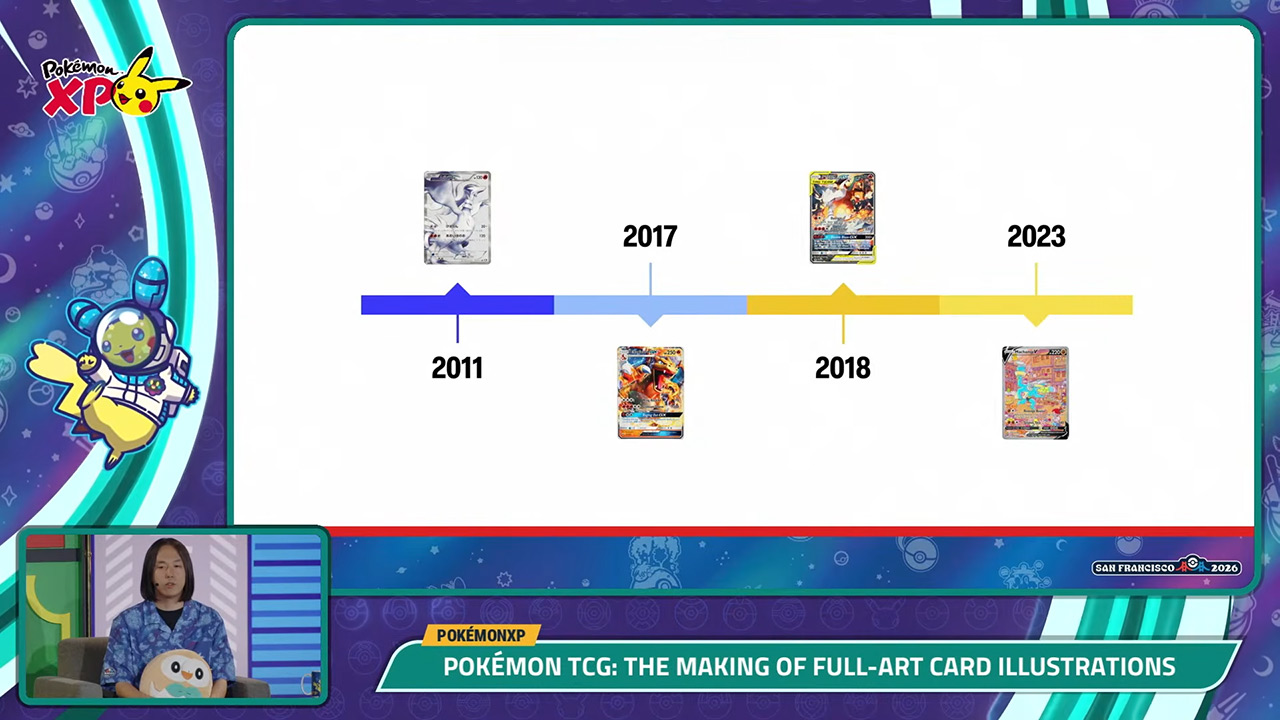
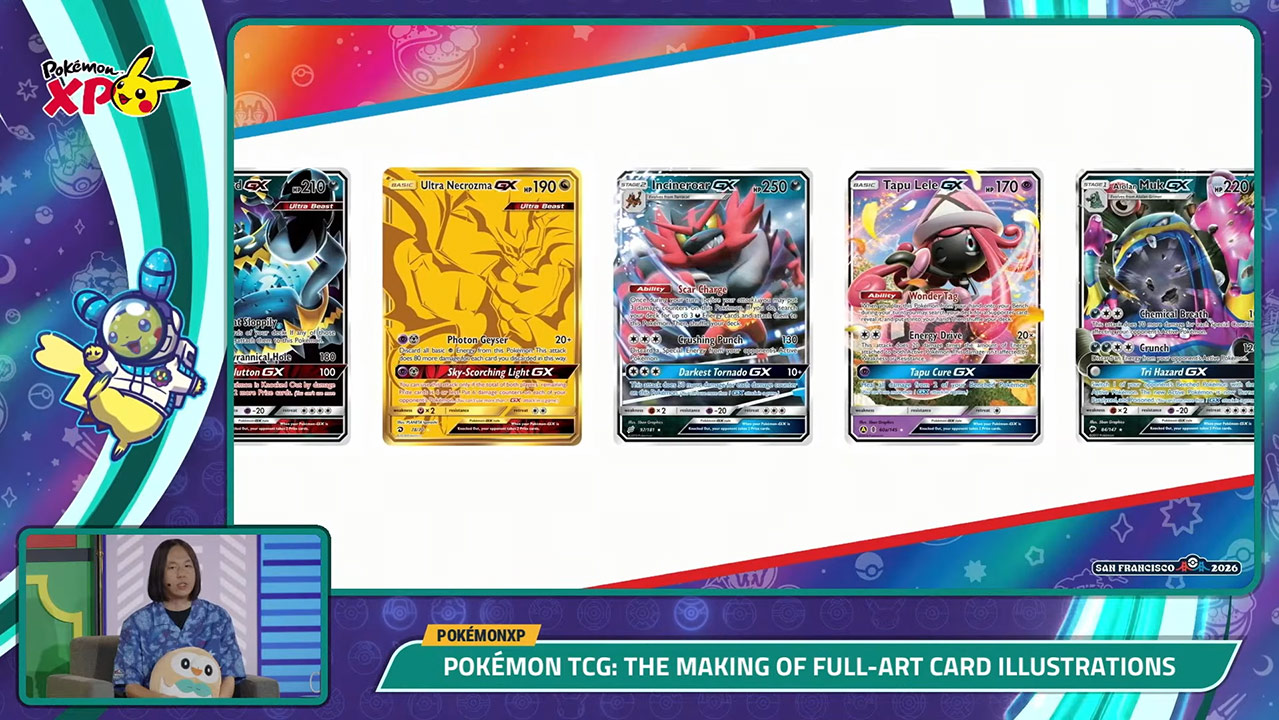
As the game grew more complex, the format adapted. Pokémon-GX cards in 2017 needed more space for text, so full-art designs helped clean up the layout. TAG TEAM Pokémon-GX cards in 2018 introduced two Pokémon per card, leading to the Special Art style built around illustrating their relationship. This eventually led to Illustration Rare and Special Illustration Rare cards in the Scarlet & Violet era. Saito said these show sides of Pokémon that normal cards can’t, and create a tiered experience, with Illustration Rares easier to find and Special Illustration Rares meant to feel special when pulled.
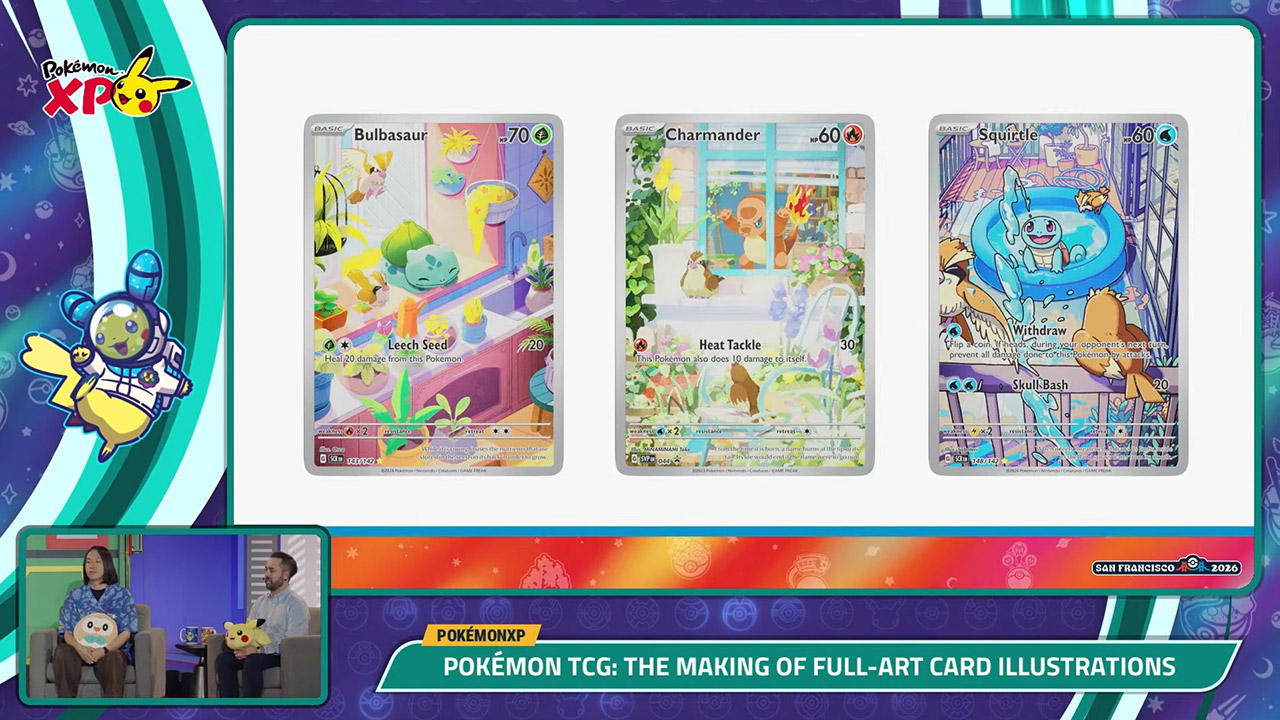
The panel gave a few examples. The Kanto starter cards, made after Scarlet & Violet 151, were built around the idea of home, showing each Pokémon in their trainer’s room reacting differently to a visiting Pidgey. Fidough’s card captured Paldea’s food culture by showing it peeking into a bakery. The Umbreon VMAX card from Eevee Heroes used contrast, pairing its strength as a tournament card with a playful scene of it under the moon. Meanwhile, the Tatsugiri Illustration Rare skipped storytelling for a bold, pop art look meant to stay clear and useful during actual matches.
Looking ahead, the panel previewed a three-card Meowth “triptych” coming with the franchise’s 30th anniversary set on September 16. Themed “A Day of Pokémon,” it shows the Kanto, Alola, and Galar Meowth forms across morning, afternoon, and night, illustrated by Okubo as connected scenes in a shared apartment complex.
Closing the panel, Kobayashi said card art should always support the game itself, while Saito hoped every card gives people a new way to connect with and appreciate Pokémon.

![[EXCLUSIVE] Nami Tamaki Brings Her Starbound Tour to Malaysia and Shares What Is Next](https://cdn.gamerbraves.com/2026/10/Nami-Tamaki_Interview_FI-350x250.jpg)