










![[EXCLUSIVE] Dragon’s Dogma 2: Dark Arisen Team Opens Up About the Expansion’s Name, New Norgan Region, and Performance Goals](https://cdn.gamerbraves.com/2026/07/Dragons-Dogma-2-Dark-Arisen_Interview_FI-360x180.jpg)



![[EXCLUSIVE] From PlayStation to Indie Advisor: Shuhei Yoshida Talks Games, AI, and the Future of the Industry](https://cdn.gamerbraves.com/2026/08/Shuhei-Yoshida-BIC-2026-Exclusive_Interview_FI.jpg)
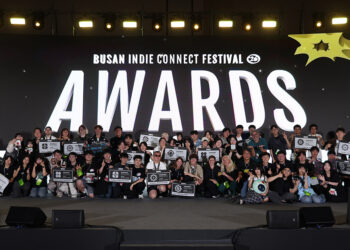
Shuhei Yoshida spent decades shaping some of PlayStation’s most memorable games, and even after stepping down as president of Sony Interactive Entertainment, he’s stayed close to the industry he helped build. At Busan Indie Connect Festival (BIC) 2026, we sat down with him for an exclusive interview to talk about his new role as an advisor to indie studios, his thoughts on where gaming is headed, and why he believes the Asian indie scene is having a real moment.
Life After PlayStation
Yoshida left PlayStation in January 2025, but retirement clearly wasn’t in the cards. He’s now advising two indie publishers and two indie developers, all run by people he’s known for years.
“I’m currently working with two indie publishers, Kepler Interactive and FICTIONS,” he explained. Kepler is behind last year’s breakout hit Clair Obscur: Expedition 33, as well as the football game Rematch. FICTIONS, meanwhile, was formed by former Annapurna Interactive staff who left that company and started their own venture around the same time Yoshida left PlayStation. “The core members of FICTIONS used to work for me at Santa Monica Studio,” he said. He added that the connection goes back a long way
“I’ve been friends with them for many years.”

On the developer side, Yoshida advises Enhance Games, led by Tetsuya Mizuguchi, the creator of Tetris Effect, Lumines Arise, and Rez Infinite. “He’s a very, very creative person, and I’ve known him since his days at Sega,” Yoshida said. He also works with Bokeh Game Studio, founded by Keiichiro Toyama, the creator of Silent Hill, Siren, and Gravity Rush. Toyama’s team is now independent, and they developed Slitterhead, which came out two years ago. “They used to work for me, so when I left PlayStation, they asked me to become an advisor,” Yoshida said.
Summing up his current workload, he said simply, “I’m currently working with these four companies.”
A Personal Connection to Clair Obscur: Expedition 33
Given his history as producer on The Legend of Dragoon, Yoshida has a special connection to Clair Obscur: Expedition 33 and its timing-based combat system. He first saw the game three years ago, well before it was finished.
“I saw the game three years ago, about two years before it was completed. I was still with PlayStation at the time, and I met with the Sandfall Interactive team at GDC,” he recalled. He got to play an early build during that meeting. “I was able to play an early demo of Clair Obscur: Expedition 33. They already had the combat system working,” he said. Given his own background, the moment carried extra weight. “Because I was the producer of The Legend of Dragoon, I was very happy to play the game,” he added.
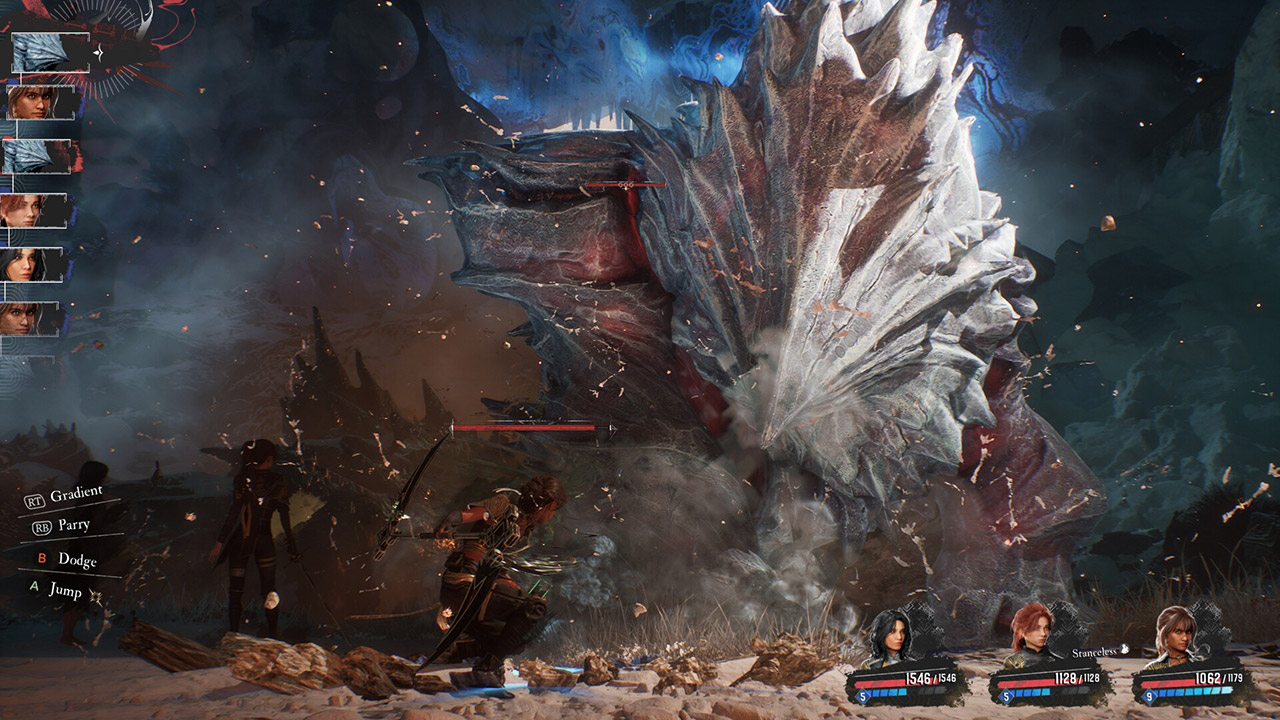
He saw clear inspiration in the design, noting that the team was taking ideas from games like Super Mario RPG and The Legend of Dragoon, but advancing that formula. At the time, turn-based RPGs weren’t in fashion, so Yoshida gave the team some early advice on how to position the game.
“I advised them that if they described the game as a turn-based JRPG, they might lose the interest of many consumers. I suggested that they come up with a new name for the combat system.”
“I suggested that they come up with a new name for the combat system,” he added. That’s how the term Reactive Turn-Based RPG came about. Now that the game has become a hit, Yoshida finds it amusing that turn-based JRPG pitches are suddenly back in demand. “A lot of developers are now pitching new turn-based JRPG-like games to publishers. So, it’s really funny,” he said.
Where the Industry Is Headed
With over 30 years in gaming, Yoshida has plenty of perspective on where things are going. He pointed to digital distribution, accessible engines like Unity and Unreal, and now AI tools as forces that are opening up game development to far more people.
“The advancement of digital distribution and game development tools, such as engines like Unity and Unreal, and now AI tools, is allowing almost anybody to become a game developer,” he said. He brought up a designer friend who now relies on AI for programming. “He’s a great designer, but he’s not a good programmer,” Yoshida said. “Now he’s saying, ‘I want to make a new game every year,’ because he can use AI for programming,” he added.
He believes this shift extends well beyond programmers. “Anyone who has a great idea, or anyone who can draw beautiful artwork or something similar, could potentially create a game by themselves,” Yoshida continued. “There will be an even larger number of creators developing games, and a larger number of games will be released,” he said.
“With so many people around the world participating in game creation, the cream of those creations will be amazing.”
But he was quick to note the flip side for developers trying to make a living. “For anyone who wants to make money by developing games, we’ll see even tougher competition going forward,” he said. “As a fan of games, I’m very excited about the future and seeing so many interesting games come out. But from a developer’s standpoint, it’s going to be a really tough future,” he added.
Asked whether this comes down to a more crowded market, Yoshida agreed. “The number of games being released will continue to increase. When you look at the number of games published on Steam every year, it’s just growing and growing,” he said. He expects AI to only speed this up. “That trend could accelerate because AI tools allow more people to develop games, or allow developers to make games faster,” he explained.
“So, that trend will continue, and I think the competition will become even tougher.”
Physical Media and Digital Pricing
Asked about reports that PlayStation might move away from physical game distribution, Yoshida said he wasn’t aware of any specific plans, but shared his own habits as a consumer. “Well, I didn’t know they were planning that,” he said.
“But personally, I’m a totally digital consumer. I don’t want to manage discs or swap discs. I want all my games on my dashboard, and I just select a game and play it. So, I’m completely digital.”
He pointed out that this shift is already visible across the market, noting that every year, we see the percentage of people choosing digital versions over physical versions continue to grow. Still, he acknowledged what physical media means to some fans. “I know there are collectors of physical games. They have walls full of physical packages, and for them, it would be a shame if physical games were no longer available to collect,” he said.
He expects that even if disc manufacturing eventually stops, collector’s editions could continue in another form, with packaging that includes a download voucher. “For collectors who enjoy physical packages and special editions, I think they will still be able to purchase those physical packages,” he added.
On the topic of collector’s editions without an actual game disc inside, Yoshida said his expectation is that a download code would still be included. “I think the game voucher to download will be inside,” he said. He also downplayed how much the disc itself matters these days.
“Even with physical disc games, in most cases, developers are constantly updating and adding game data anyway. Anyone who chooses to purchase a physical version will still need to download new patches, DLC, or updates. So, not having a disc, I don’t understand if it’s such a big issue.”

As for pricing, he explained that digital prices aren’t fixed to physical prices. “The digital price point can be anything. Publishers can choose whatever price they want for a digital game,” he said. He also acknowledged the role discs play in the second-hand market, since some players want to sell games they have purchased as second-hand copies and get some money back to purchase a new game, while others buy used copies because they’re cheaper. “For those people who choose to buy or sell games, the lack of discs may become an issue,” he noted.
He pointed to regular promotions as a way to offset this. “Publishers always run promotions and price discounts throughout the year,” he said, citing the summer and Christmas sales that platforms like Steam, PlayStation, Xbox, and Nintendo run regularly.
“So, people will be able to wait for a sale and buy the games they want at a cheaper price. I think publishers and platforms will continue to offer these opportunities for people who aren’t able to pay the full price at launch.”
The State of Indie Games
As someone now embedded in the indie space, Yoshida is upbeat about where the industry stands. “There are so many great indie games coming out. As a whole industry, I think indie games are doing great,” he said. He pointed out that indie titles now dominate award nominations at major shows such as D.I.C.E. Summit, BAFTA, and The Game Awards, where the majority of games nominated for awards nowadays are indie games.
He also connected this to a decline in AAA game variety, as rising development costs push big studios toward safer bets. “The number of AAA games may be declining because each game takes so much money to make,” he explained.
“The lack of variety in AAA games is being addressed by indie developers who are working on all kinds of different games and experimenting with new ideas.”
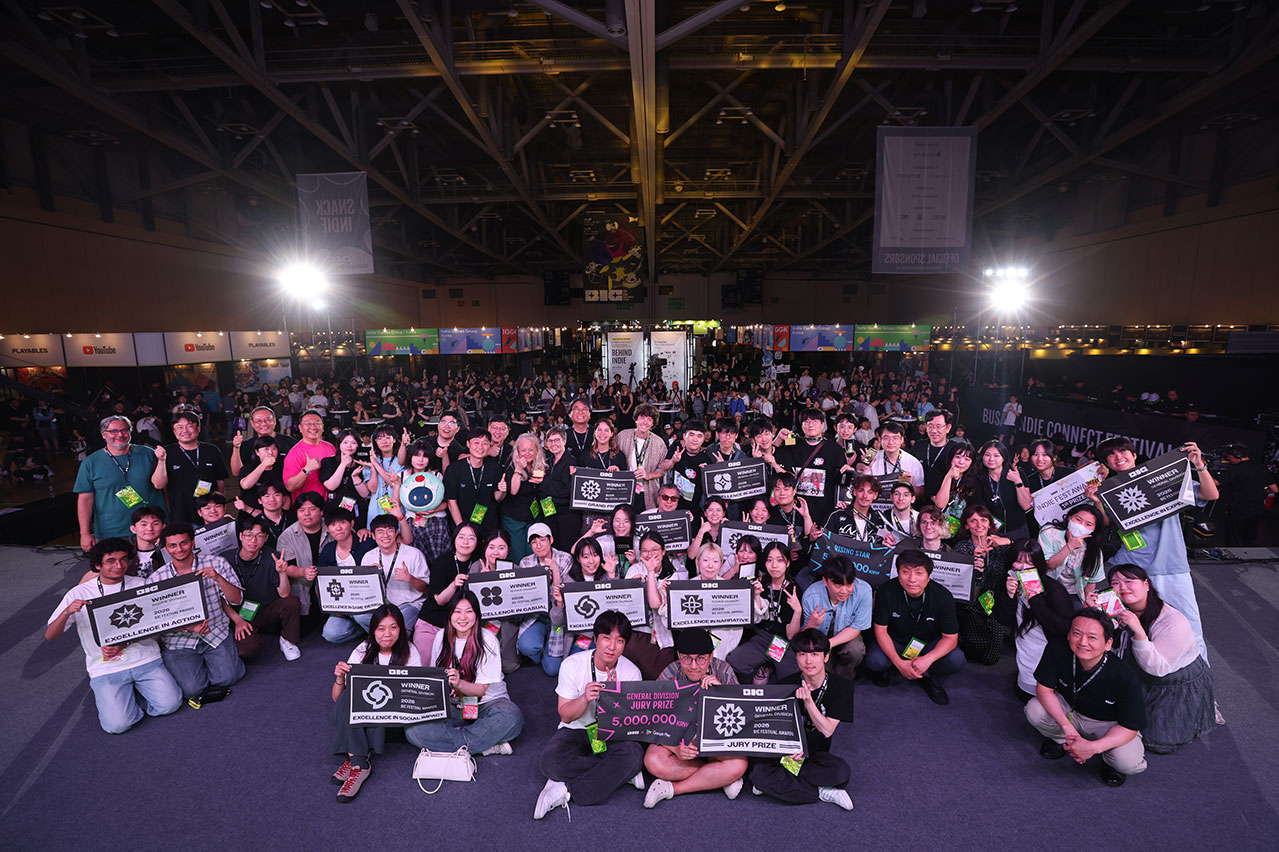
He summed it up plainly: “In my mind, the indie game community is leading the industry as a whole.”
Still, he acknowledged that individual developers face a tougher road, pointing to the growing number of new creators and new releases each year. “From a developer’s perspective, the environment is becoming more competitive and challenging,” he said.
Asia’s Growing Indie Scene
Fitting for an interview held at BIC 2026, Yoshida spent time highlighting how much the indie events scene in Asia has grown. In Japan, he pointed out to BitSummit as the leading event. “BitSummit is the king of indie events. It’s the best, and every year it gets bigger and better,” he said. He also pointed to newer additions to the calendar, like the Tokyo Indie Game Summit in March and the Osaka Indie Game Summit in October, calling them really good events.
He spoke fondly of Tokyo Game Dungeon, a first-come, first-served event held four times a year that welcomes developers of all experience levels, including students. “Tokyo Game Dungeon doesn’t select games. It’s first-come, first-served, so any developer, new developer, or even student can register. Registration closes within about an hour because it’s become so popular,” Yoshida said. He described the atmosphere of the event warmly.
“Tokyo Game Dungeon is really fun. There are highly professional, high-quality games, but there are also student games. You get all kinds of games in one place. It’s very chaotic and really fun to visit. It takes place four times a year.”
The format is expanding beyond Tokyo as well. “They’re also starting an Osaka version twice a year, called Osaka Game Dungeon.” He also mentioned other Japanese events gaining traction.
“There’s also Dejige Haku in Akihabara once a year. New indie game events are also starting in different places, including Nagoya, Sapporo, and Fukuoka.”

Looking beyond Japan, Yoshida praised Busan Indie Connect Festival itself, as well as other regional shows.
“Of course, in Korea, Busan Indie Connect Festival (BIC) is getting better every year. Taipei Game Show and G-EIGHT in Taiwan are also great. And WePlay in Shanghai is great as well. Every year, all of these events get bigger and better.”
Shuhei Yoshida closed by reflecting on the growth of the region as a whole.
“The number of indie games coming out of Japan, Korea, China, and Taiwan is increasing, and their quality is getting better. So, it’s really, really fun to visit these indie-focused events across Asia.”