







![[EXCLUSIVE] Dragon’s Dogma 2: Dark Arisen Team Opens Up About the Expansion’s Name, New Norgan Region, and Performance Goals](https://cdn.gamerbraves.com/2026/07/Dragons-Dogma-2-Dark-Arisen_Interview_FI-360x180.jpg)



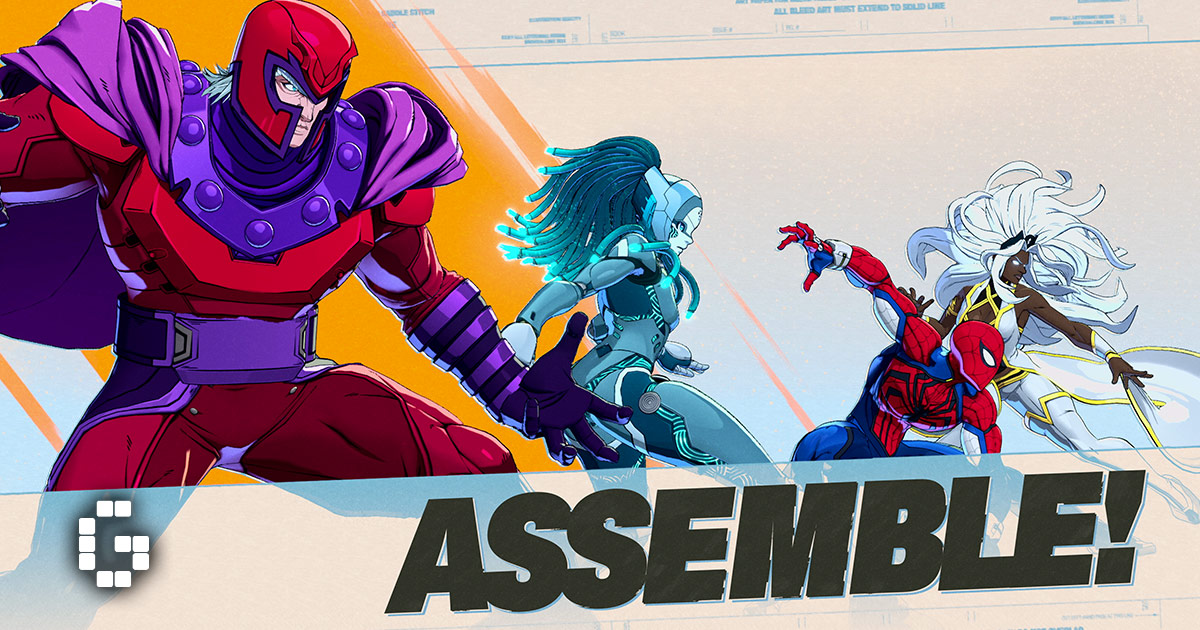
Fighting games have always had a reputation for being hard to get into. High execution barriers, complex inputs, and a steep learning curve tend to push away casual players before they even get a chance to enjoy the genre. Marvel Tōkon: Fighting Souls looks like it wants to change that conversation. After spending about an hour and a half with the game on the PlayStation 5, going up against both NPCs and other journalists at the event, it is clear this is a game built with a wide audience in mind without stripping out the depth that veteran players expect. All footage featured in this preview was captured on PlayStation 5.
The first thing you notice when jumping in is how quickly you can start doing cool things. Simplified inputs tied to L1, L2, and R2 let you pull off super moves and ultimate attacks almost right away. There is no need to memorize complex motion inputs just to feel like you are playing the game properly. For players coming in with little to no fighting game experience, that alone makes a big difference. At the same time, traditional command inputs are available for those who want them. Using them gives you finer control over your moves and helps you manage your Assemble Gauge more efficiently. Neither input style is the objectively correct choice; it comes down to what feels natural to you and what fits your playstyle.
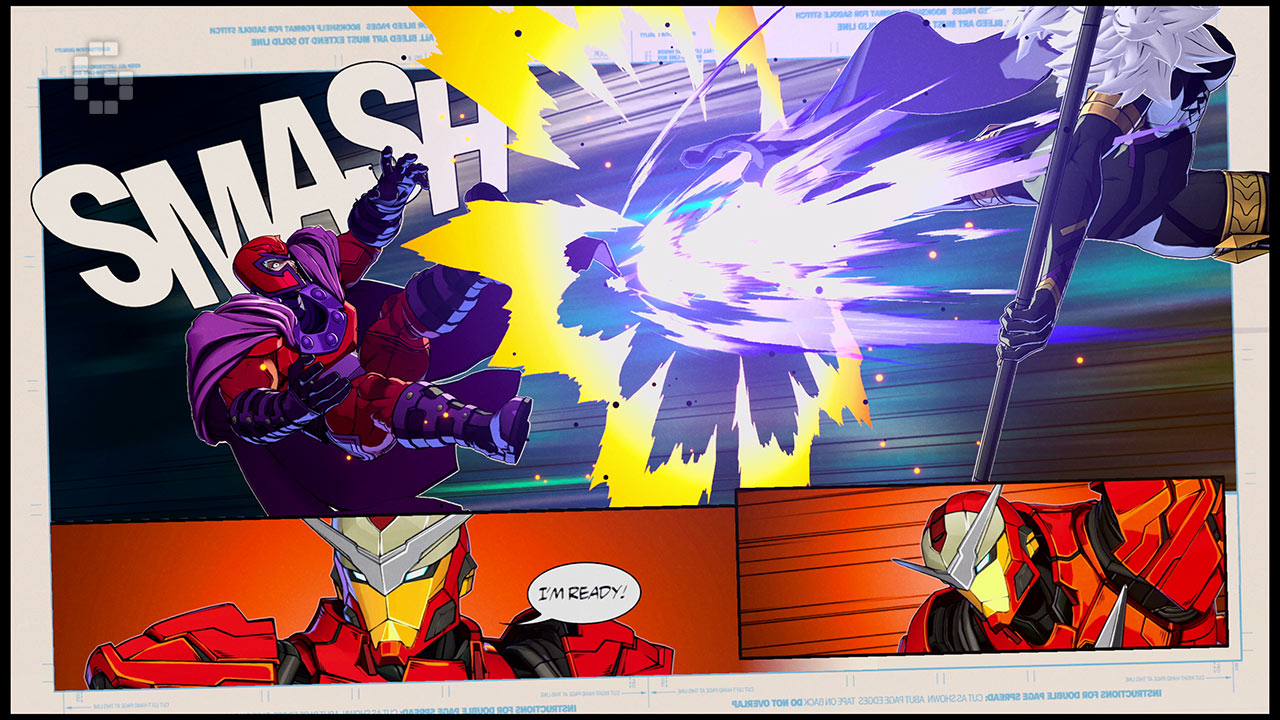
The System Mechanics
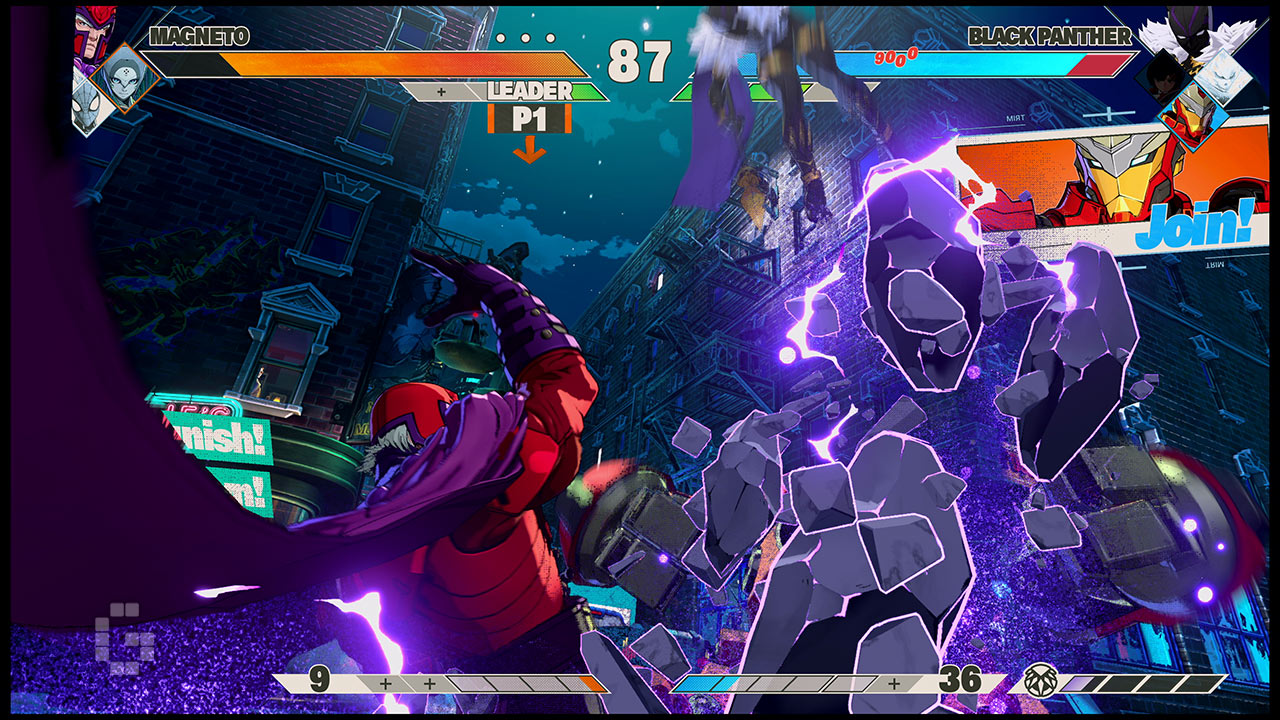
The Assemble system is probably the most defining feature of how Marvel Tōkon works. This is a 4v4 tag-team fighter, but the twist is that you do not start a match with access to all four of your characters. Both players begin with just one support character available. Once you lose the first round, you unlock an additional support character. The idea here is to give the player who is behind more tools to work with, keeping matches from feeling like a runaway situation too early.
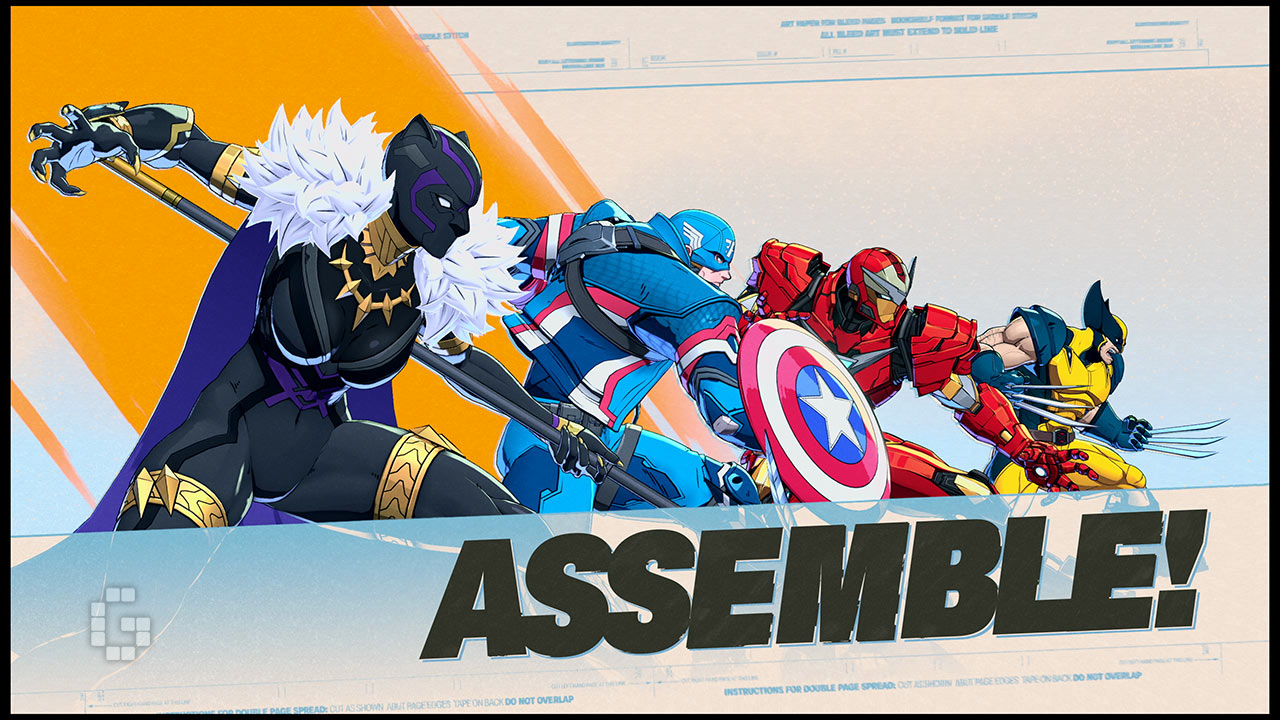
Character switching also works differently from what you might expect in a typical tag fighter. You cannot freely swap your active character whenever you feel like it. Instead, losing a round is what opens the door to bringing in a support character, but your team leader stays as the central fighter you are building your strategy around. When your Assemble Gauge fills up completely, you can trigger Tōkon Assemble, which calls in all four of your characters at once for a big burst of team damage. The defensive side of Marvel Tōkon also has more layers than it first appears. There are three distinct counter options, each with their own purpose and trade-offs.
The Assemble Counter is performed by inputting Back plus Light Attack plus Assist while blocking. It triggers an invincible backdash that lets you absorb incoming attacks and call in an ally for a counterattack. It costs one bar of your Assemble Gauge, so it is not something you want to throw out carelessly. The Crossover Counter works closer to a traditional alpha counter, pushing the opponent back and interrupting their attack string. The catch is that your opponent can respond with a Crossover Reflect to counter it back at you, which can leave you in a bad spot if you are not careful about when you use it.
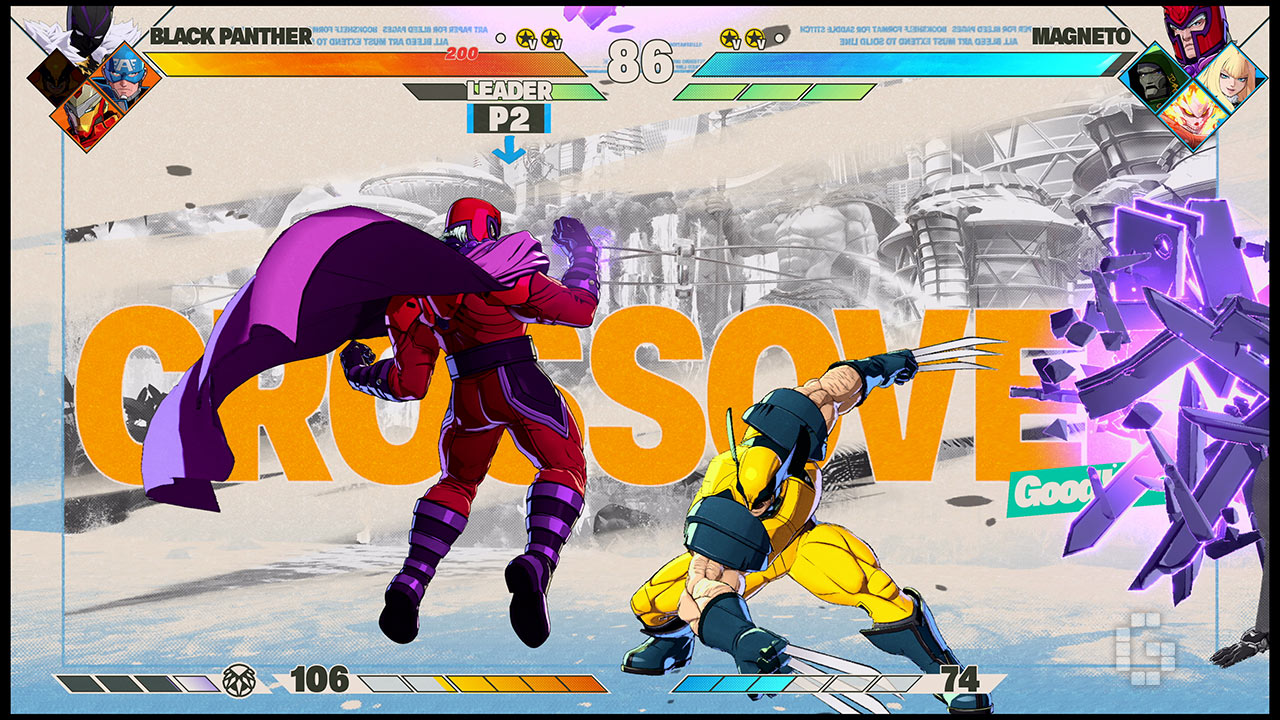
The Perfect Reflect is the riskiest of the three. Time it with precision and you can completely negate an incoming attack. The downside is that pulling it off temporarily locks you out of using your assist characters, so it is a high-risk, high-reward tool rather than something you lean on constantly. Together, these systems reward players who study their opponents and react at the right moments rather than just going in on offense.
The Roster
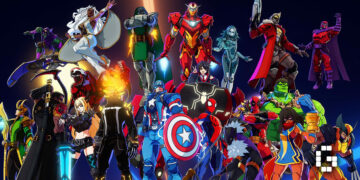
This preview build offered 14 playable characters spread across five teams. The Unbreakable X-Men cover Storm, Magik, Wolverine, and Danger. The Amazing Guardians include Spider-Man, Ms. Marvel, Star-Lord, and Peni Parker. The Fighting Avengers bring Captain America, Iron Man, and Black Panther. Knights of Doom features Doctor Doom and Magneto, while the Samurai Outriders currently consist of Ghost Rider. That is a step up from the eight characters available in the previous closed beta.
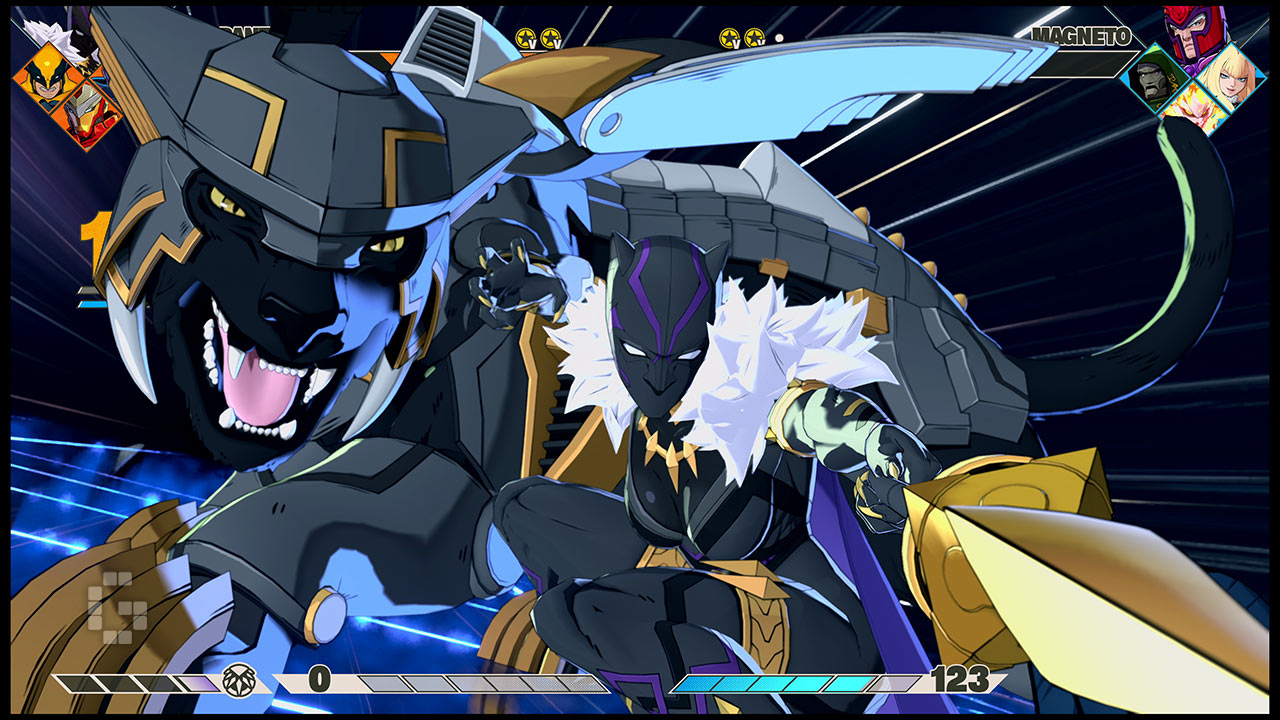
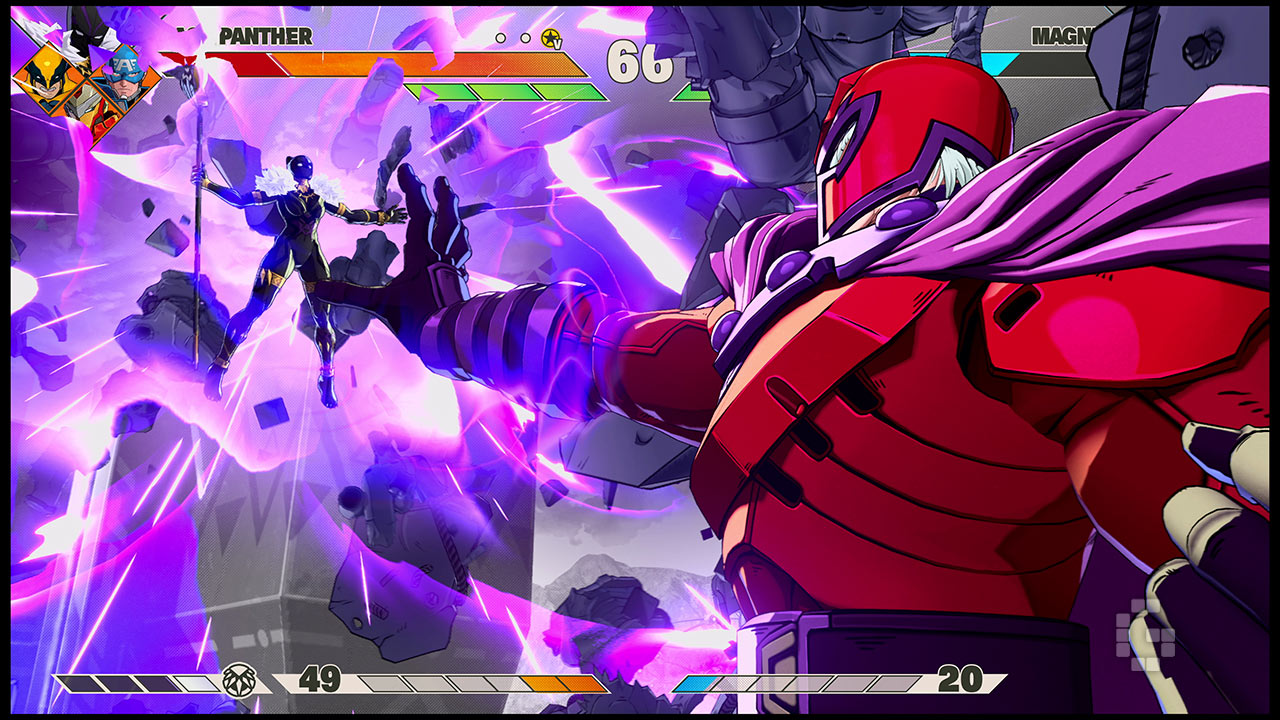
Most of the hands-on time here was spent with two newly added characters: Black Panther and Magneto. Black Panther is a fast, rushdown-style character built around closing distance quickly and staying on top of the opponent. He is not purely a melee fighter though; he can throw spears and daggers to keep opponents honest at range. That mix of speed and ranged options gives him a lot of flexibility depending on the situation.
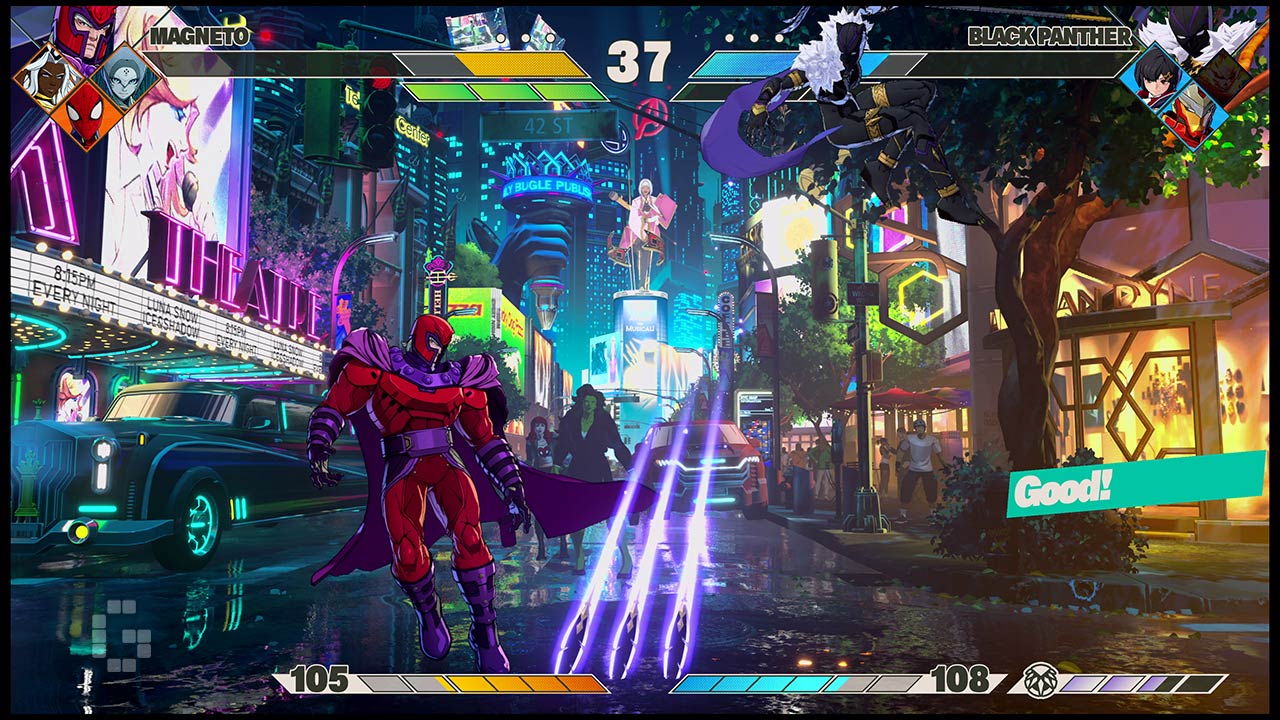
Magneto plays at a completely different pace. He is a charge-based character, which means he is slower and requires more patience to use well. The payoff is that his attacks deal serious damage when they land. He suits players who prefer a calculated and deliberate style over constant pressure.
First Impressions
Marvel Tōkon: Fighting Souls comes out of this preview looking like a game that genuinely understands both sides of the fighting game audience. The simplified input options make it accessible for newcomers from the very first match. The Assemble system, the layered Counter options, and the comeback mechanic built into character availability give experienced players real systems to learn and master. Black Panther and Magneto round out the roster nicely as two very different characters who should appeal to contrasting playstyles. The full picture will come together once the complete roster and all systems are available, but based on what was shown here, Marvel Tōkon: Fighting Souls is worth keeping an eye on.