








![[EXCLUSIVE] Dragon’s Dogma 2: Dark Arisen Team Opens Up About the Expansion’s Name, New Norgan Region, and Performance Goals](https://cdn.gamerbraves.com/2026/07/Dragons-Dogma-2-Dark-Arisen_Interview_FI-360x180.jpg)




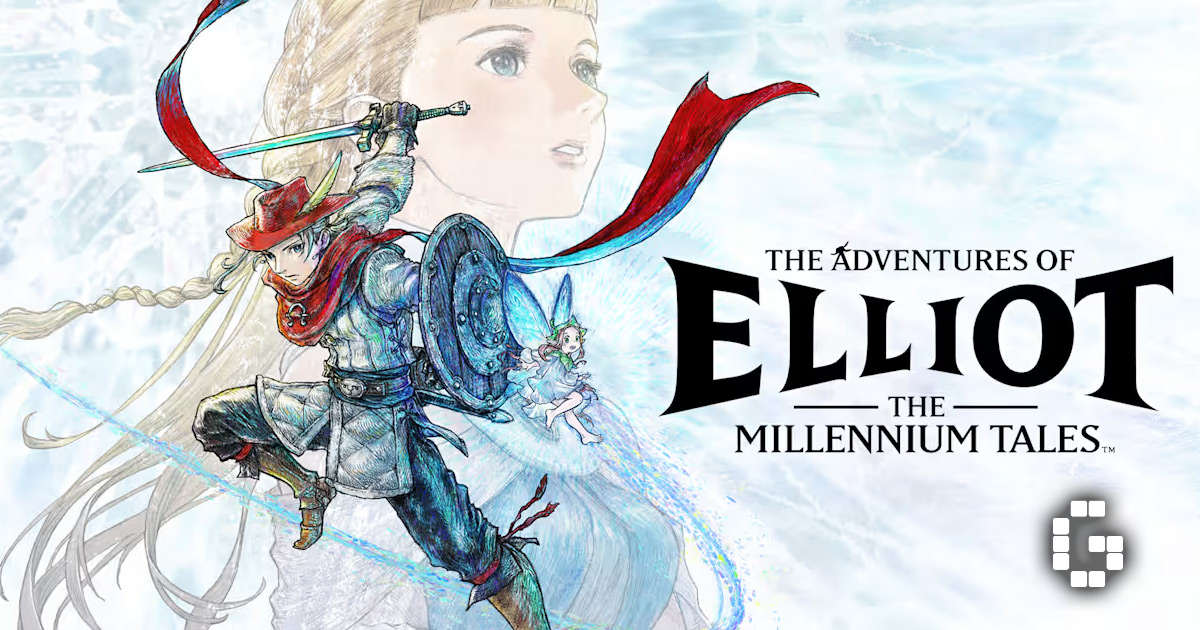
Square Enix has been building a strong reputation with its HD-2D visual style ever since Octopath Traveler introduced the world to that gorgeous blend of pixel art and modern lighting. Now the studio is pushing that style in a new direction with The Adventures of Elliot: The Millenium Tales, their first attempt at an action RPG using the HD-2D framework. It is a bold move that trades turn-based strategy for real-time action inspired by classic adventure games, and the result is something worth paying attention to, even if it does not hit every mark.
Story and Presentation
The game is set in Philabieldia, a once-thriving continent that has fallen into disorder following the rise of dangerous beast tribes. Players take on the role of Elliot, whose journey unfolds within the Kingdom of Huther, one of the last major safe havens for humanity, protected by the magic of Princess Heuria during a period known as the Age of Safekeeping. When the kingdom faces an existential threat, Elliot must travel through time using a mysterious device called the Doorway of Time to keep history from being rewritten.
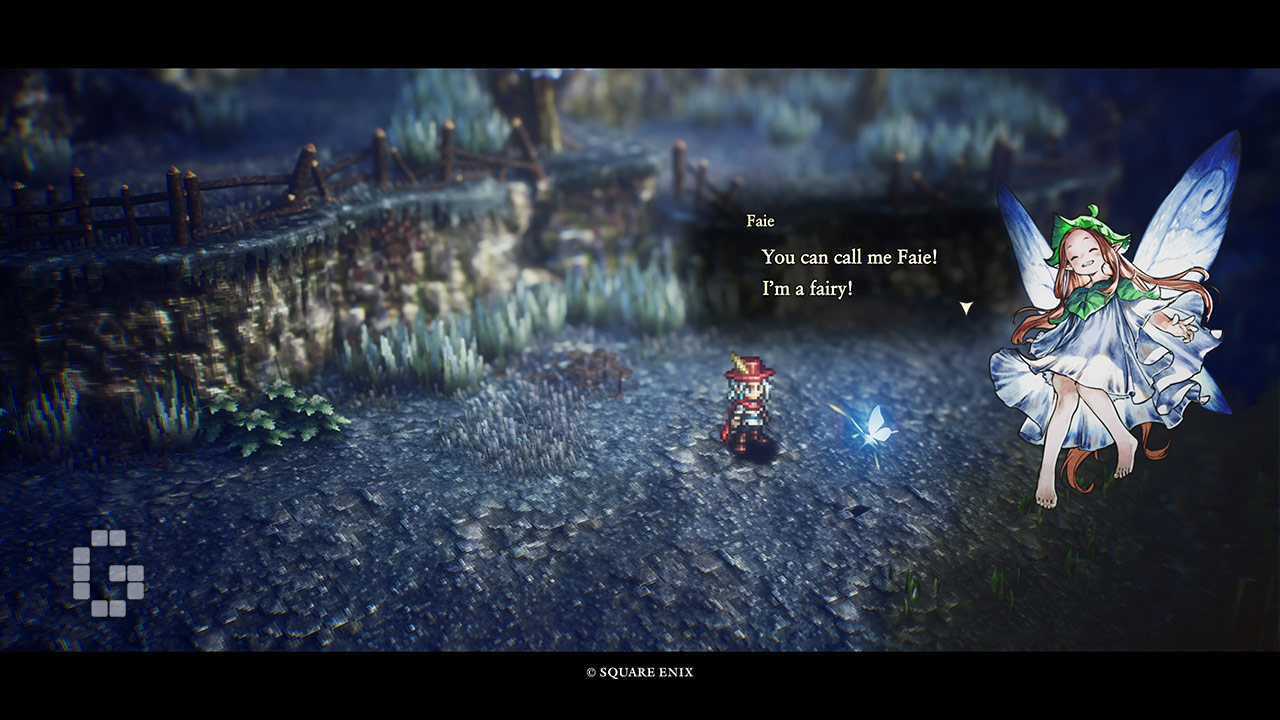
Accompanying Elliot throughout the adventure is Faie, a fairy companion who quickly becomes far more than a side character. She feels like a genuine extension of who Elliot is, both in story and in how the game actually plays.
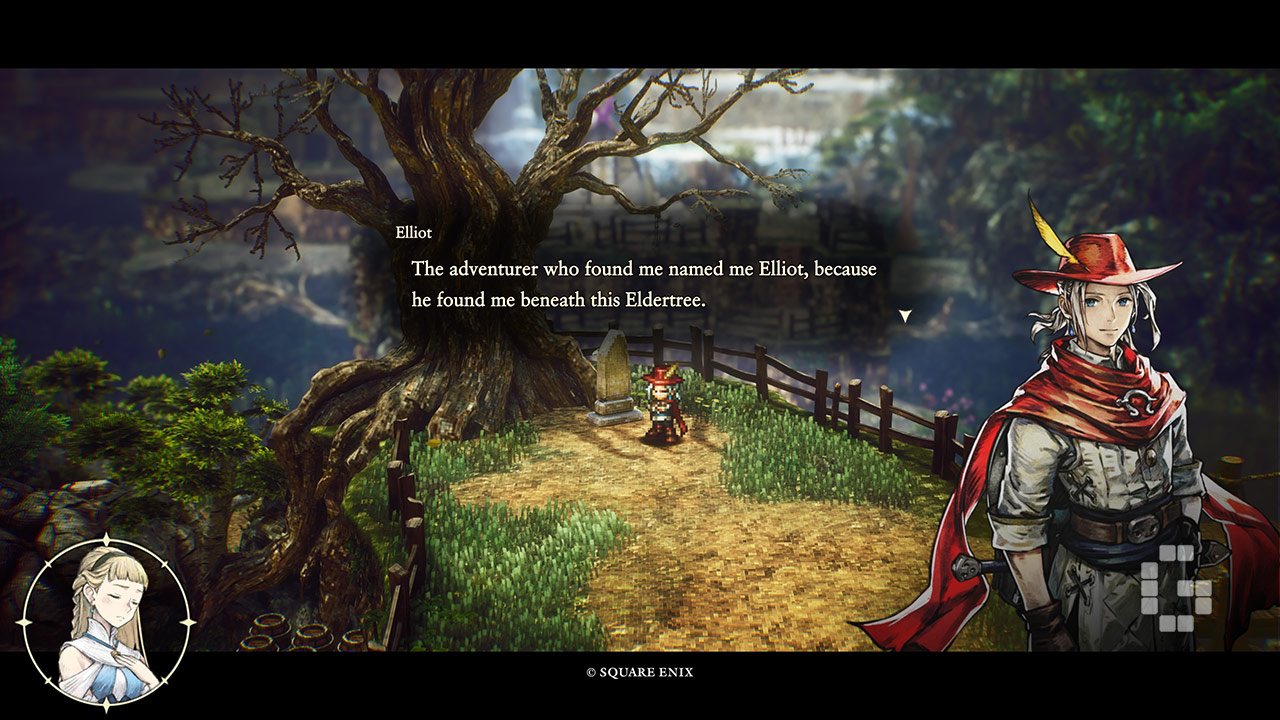
On the story side, The Millenium Tales does not quite reach the emotional highs of other Square Enix HD-2D titles. The time travel premise sounds ambitious, but the execution stays fairly straightforward and leans on familiar fantasy tropes without doing a lot to elevate them. It is not a bad story, just not a particularly memorable one.
What makes up for it is the presentation. Cutscenes blend naturally with the game’s environments and are backed by expressive character artwork and fully voiced dialogue. One standout detail is the partner portrait system displayed on the bottom-left corner of the screen. Rather than using simple animated loops, these portraits are fully hand-drawn animated artwork, giving characters noticeably more personality. Faie benefits from this the most due to her constant presence, but even Princess Heuria, who only joins briefly, receives the same level of care. It is a small but telling sign of the dedication put into how this game looks and feels.
Graphics and Art Direction
Visually, The Adventures of Elliot sits comfortably among the best examples of the HD-2D style, drawing favorable comparisons to Octopath Traveler II in terms of overall quality. The time-travel mechanic gives the developers a strong excuse to show off a wide range of visual environments, with each era carrying its own distinct atmosphere and lighting identity. Areas that share similar base layouts still manage to feel completely different from one another thanks to strong art direction and attention to environmental detail.
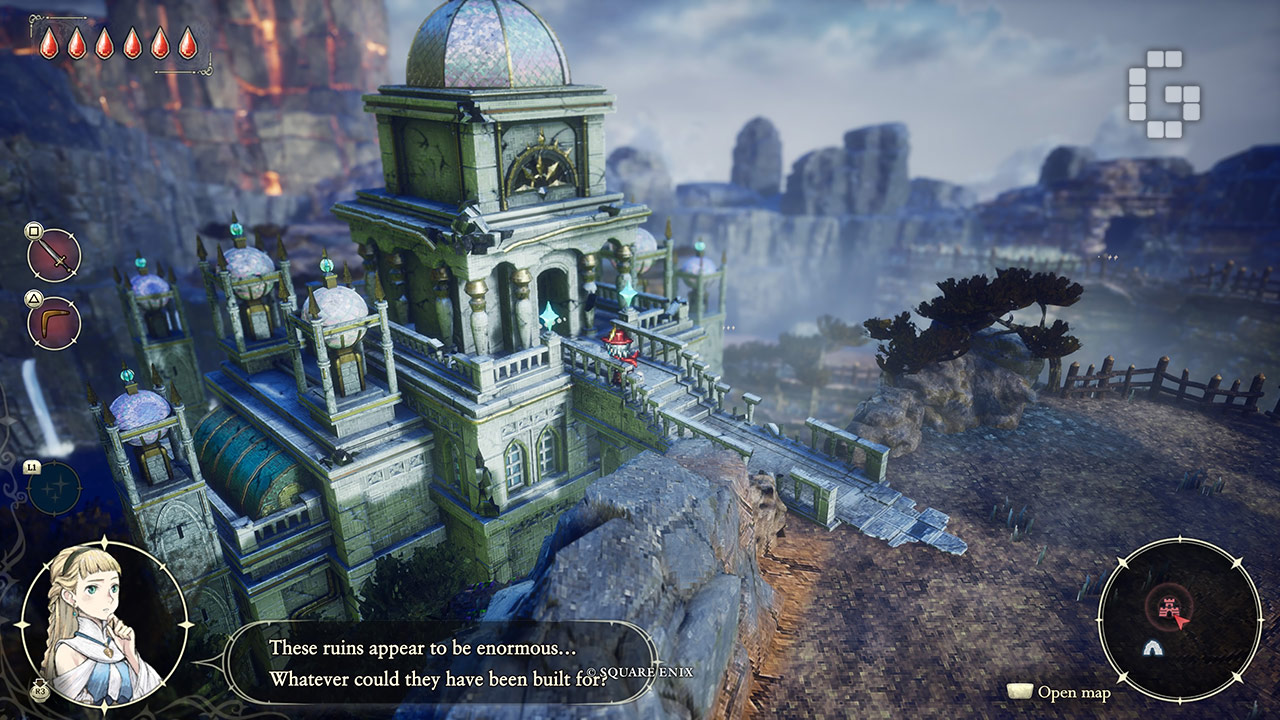
The world also features smooth seamless transitions. Entering an NPC’s house, for example, simply zooms the camera in on Elliot rather than cutting to a loading screen. It is a small touch but it goes a long way toward keeping the experience feeling fluid and uninterrupted. The one visual hiccup worth mentioning is that certain areas have lighting effects that can get uncomfortably bright, occasionally making the screen difficult to look at without adjusting the brightness settings.
Exploration and World Design
Exploration is one of the clearest strengths of The Millenium Tales. The world is large and filled with secrets, optional areas, and rewards that make taking your time feel worthwhile rather than wasteful.
That said, the early hours can feel a bit restrictive. Blocked paths, walls, and large boulders scattered across the world require specific tools to get past, and some of those tools are only unlocked well into the game. Bombs needed to clear certain barriers, for instance, are not available until reaching the Age of Reconstruction, which can make the beginning stretch feel a little too guided.
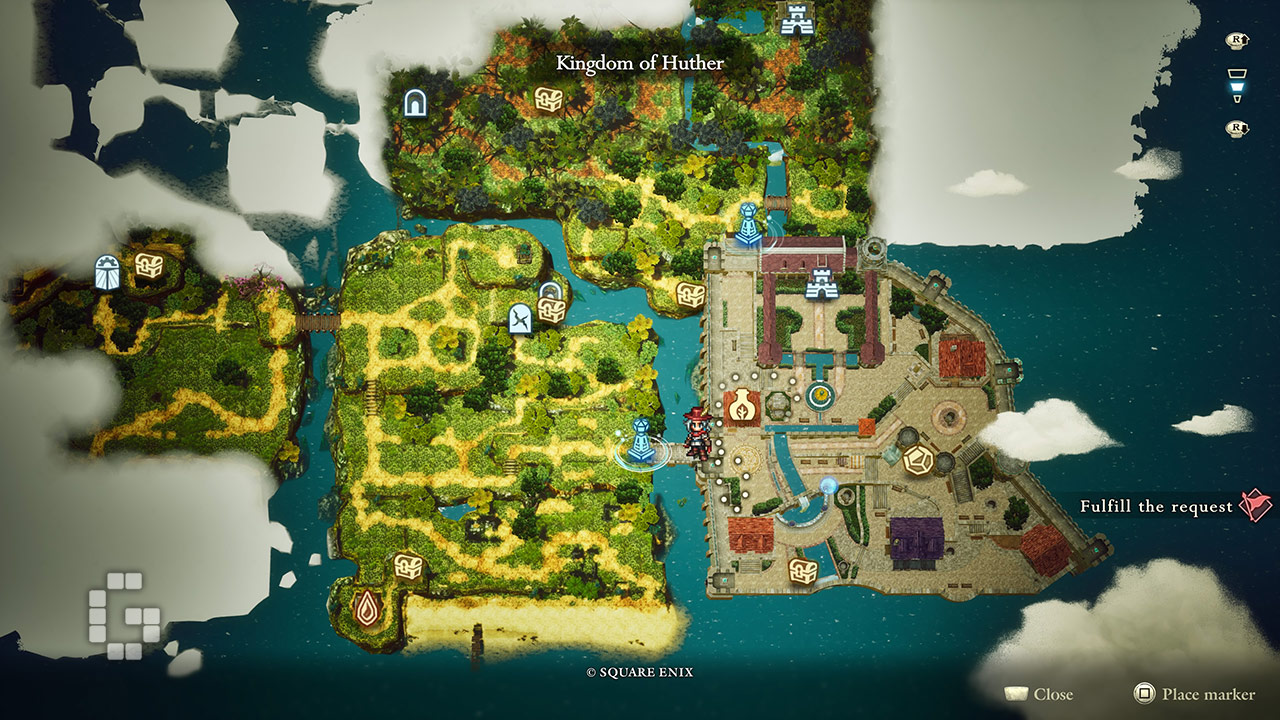
Once Elliot builds up his toolkit, however, exploration opens up considerably. Returning to old areas to discover previously unreachable spots becomes one of the more satisfying parts of the experience.
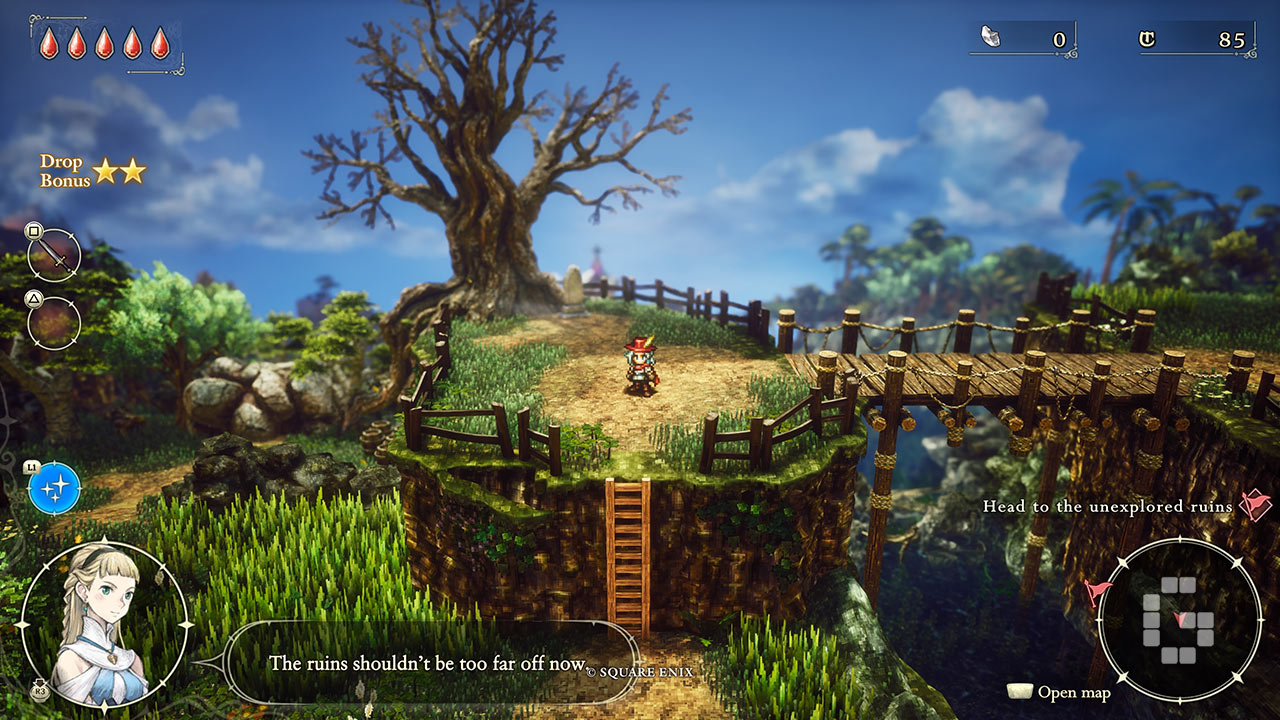
The game draws clear inspiration from classic adventure titles like The Legend of Zelda and Ys. Elliot can jump, enabling light platforming during dungeon exploration. Tall grass can be cut to find items but also slows movement when walking through it. Enemies can be knocked into walls and stunned, opening up chances to either escape or press the attack. Smashing barrels and pots, hunting for hidden treasure, and wandering off the beaten path all contribute to an exploration loop that stays engaging at a quick and lively pace.
Combat System
Combat starts simple. Elliot has a regular attack, a charged attack, and a shield. There are no complex combo strings or flashy techniques to learn right away, which may feel too bare for players looking for a technically demanding action system.
The depth comes from Magicite, special stones that can be equipped to weapons and provide passive bonuses, stat improvements, and distinct gameplay effects. The Guard Counter ability for swords, for example, lets Elliot perform a powerful swordwave after blocking an incoming attack. Despite being a low-rarity stone, it fundamentally changes how combat feels. Another example is Weapon Shift – Airborne for the Boomerang, which improves critical hit chances while the weapon is mid-flight.
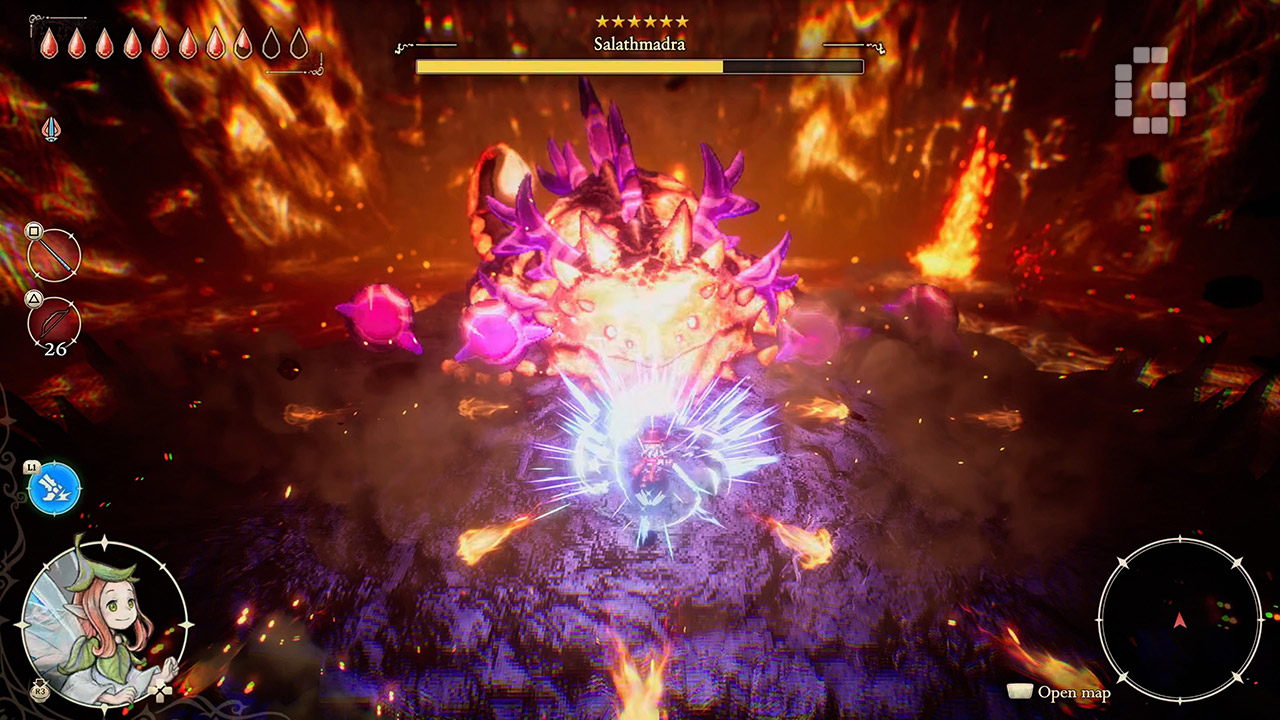
Mixing and matching Magicite effects lets players shape their own approach. Tossing a boomerang, blocking an attack, landing a counter, and following it with a burst of damage is just one of many setups players can build around. Faie adds another dimension to this, enabling combinations of physical and magical attacks and growing more useful as the game progresses. Her abilities eventually include detonating bombs remotely, creating copies of Elliot, trapping enemies in magical vortices, and assisting with puzzles. The dynamic between the two characters is one of the combat system’s biggest assets.
RPG Elements and Progression
Despite carrying the RPG label, the progression systems in The Millenium Tales are fairly light. There is no traditional experience system where defeating enemies raises Elliot’s stats. Instead, progression comes through better weapons and accessories, new Magicite abilities, and expanding Elliot’s health or Faie’s magic capacity through Shrines.
This works well for players who enjoy exploration and experimentation, but those expecting grinding or a more structured character growth system may find it underwhelming. Since regular enemies do not offer meaningful stat rewards, there is less incentive to engage with every encounter. Most battles yield small amounts of currency, Magicite fragments, or materials tied to specific activities.
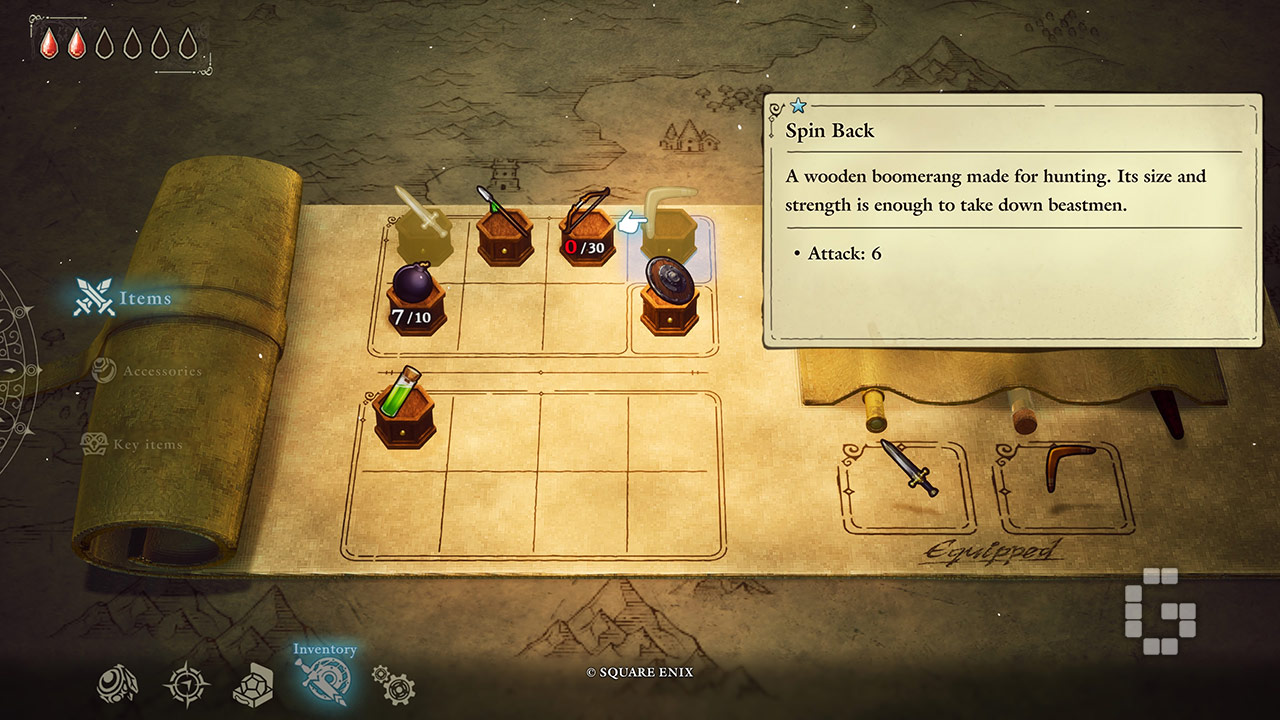
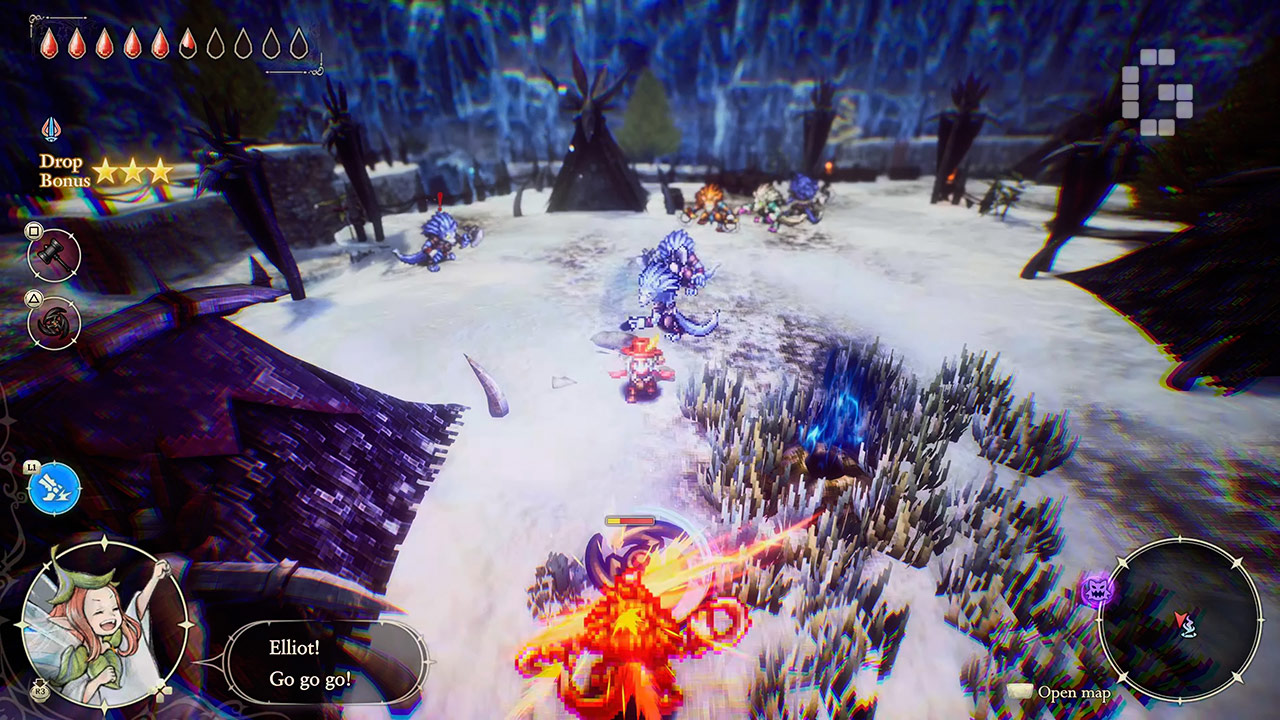
The game does address this somewhat through a Drop Bonus system, where avoiding hits during combat unlocks better material drops. It adds a performance-based incentive to fights, though keeping the bonus active requires consistent play and can feel like a chore when farming specific materials. Currency still serves a purpose for buying items and expanding Magicite capacity, and boss encounters consistently offer solid rewards alongside their challenges.
Optional Content and Side Activities
The optional content in The Millenium Tales is genuinely well put together. Optional dungeons offer valuable currency and strong equipment, while Shrines serve as some of the most enjoyable challenges in the game. Rather than standard combat, Shrines function as obstacle courses that test reflexes and puzzle-solving, growing more demanding as the game progresses, particularly when Faie’s abilities become necessary to get through them.
Side quests are better than expected. Many of them carry their own story moments that sit outside the main narrative and offer accessories that can meaningfully improve Elliot’s performance in combat. They feel like a reason to explore rather than a box-ticking exercise.
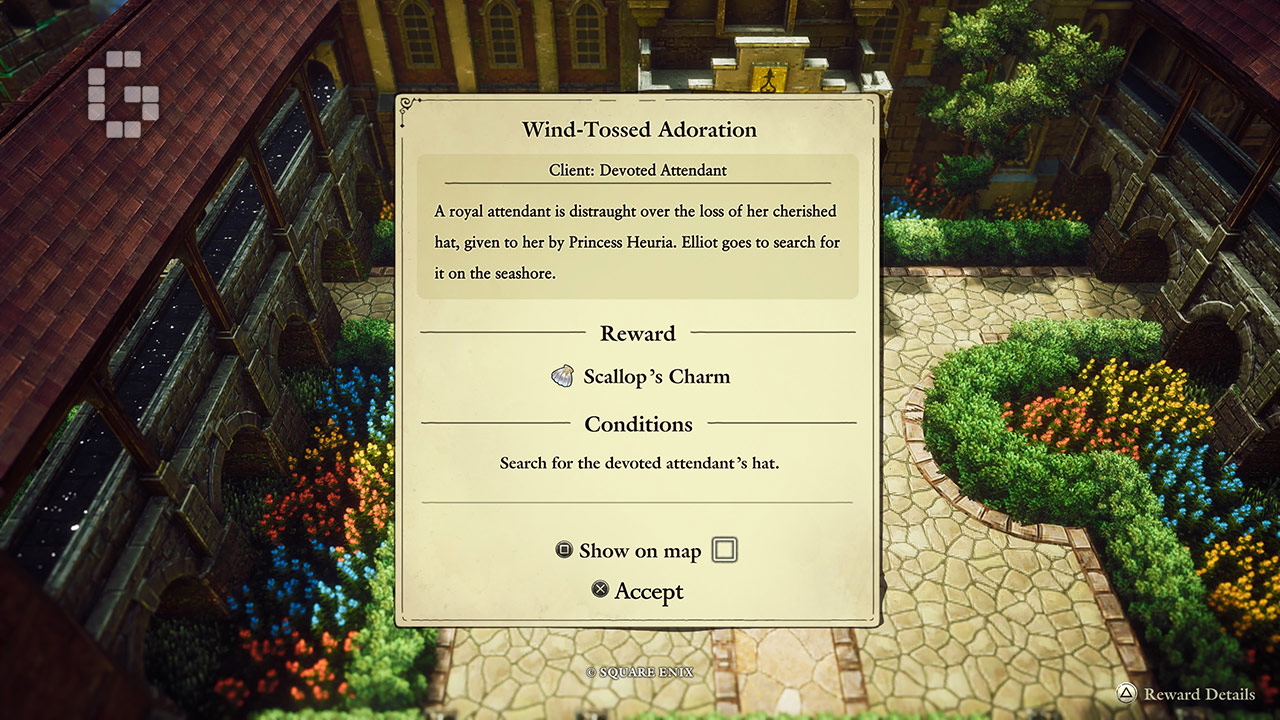
There is also a collectible activity centered around cats hidden throughout the world. It could have easily come across as filler, but the rewards tied to it give players a genuine reason to engage with it and to spend more time appreciating the game’s environments.
Verdict
The Adventures of Elliot: The Millenium Tales is not a game that will be remembered for its story or its RPG depth. What it does well, it does with a lot of care. The world is beautiful, the exploration is rewarding, and the combat has more flexibility to it than its simple surface suggests. Faie and Elliot’s partnership gives the game a strong heart, and the consistent rewards for curiosity keep the experience moving at a satisfying pace. For fans of classic adventure games, especially those who grew up with early Zelda and Ys titles, this one is well worth the time.
Played on PlayStation 5





The Review
The Adventures of Elliot: The Millenium Tales
PROS
- Beautiful visual with some of Square Enix's best HD-2D works.
- Excellent world design with diverse eras and rewarding exploration.
- Faie ended up being a strong companion who contributes meaningfully to both story and gameplay.
- Magicite system creates surprising combat depth and experimentation.
- Smooth presentation with minimal loading interruptions.
- Side quests and optional activities feel meaningful rather than filler.
CONS
- The story is predictable and lacks the emotional impact.
- Early game exploration feels overly restrictive and handholdy.
- Basic combat mechanics and limited traditional RPG progression may feel lacking for some players.
- Lighting can occasionally become too bright in certain areas.