












![[EXCLUSIVE] Dragon’s Dogma 2: Dark Arisen Team Opens Up About the Expansion’s Name, New Norgan Region, and Performance Goals](https://cdn.gamerbraves.com/2026/07/Dragons-Dogma-2-Dark-Arisen_Interview_FI-360x180.jpg)




A new study from Texas A&M University has found that while both Gen Z and Millennial gamers regularly spend money on in-game cosmetics, the reasons behind those purchases are quite different between the two groups.
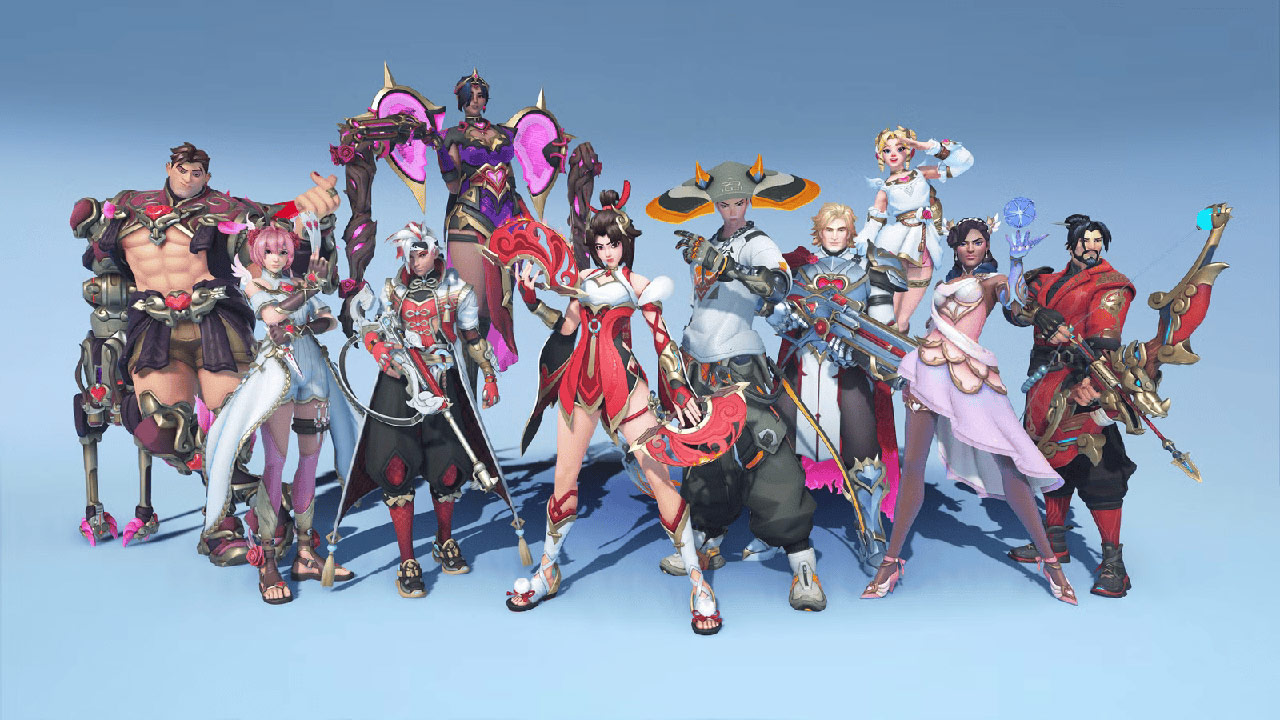
The research, published and authored by Kun Chang, Jun-Phil Uhm, and Hyun-Woo Lee, focused on “virtual non-functional products,” which are items like character skins and outfits that change how a player looks in a game but give no actual gameplay advantage. Think Fortnite skins or League of Legends cosmetics. These items have become a massive source of income for the gaming industry, and this study set out to understand what drives players to buy them.
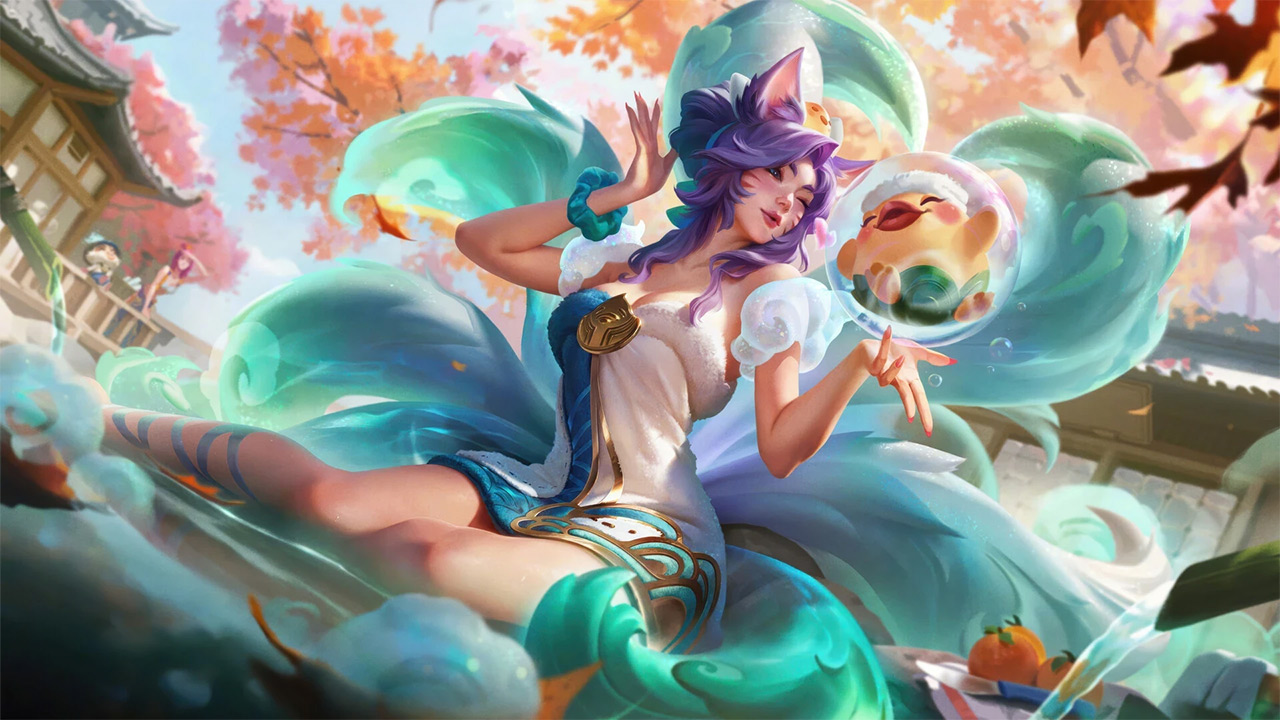
The team surveyed 239 esports gamers who had already made at least one in-game purchase. Participants were recruited through Reddit communities for games like CS:GO, Dota, League of Legends, and Fortnite.
What the study found
For Gen Z players (born between 1997 and 2012), the decision to buy a skin or cosmetic item was mostly personal. Their own feelings and opinions about a purchase mattered most. If they liked the look of a skin and felt it matched how they wanted to represent themselves in the game, that was enough to push them toward buying it. What other people thought about the purchase played a smaller role.
Millennials (born between 1981 and 1996) worked differently. Their buying decisions were more tied to social influence, meaning the opinions and behaviors of people around them carried more weight. Knowing that peers approved of or were buying certain items made Millennials more likely to follow through with a purchase themselves.
Both groups showed a clear link between intending to buy something and actually buying it, but that link was stronger in Gen Z players, suggesting they are quicker to act on their impulses to purchase.
Why it matters
The study also confirmed that for both generations, wanting to express themselves through their in-game characters is a key motivation behind cosmetic purchases. Players use skins and other visual items to shape how others see them inside the game, and this desire for self-presentation connects directly to spending behavior.
The researchers noted that this motivation alone is not enough to trigger a purchase. It works through how players think and feel about the items, specifically whether they have a positive view of buying them, whether people around them approve, and whether they feel they are able to make the purchase.

The study suggests that game companies could benefit from adjusting how they market cosmetic items depending on who they are trying to reach. For Millennials, strategies that highlight what other players are wearing, incorporate community features, or use peer recommendations could be more effective. For Gen Z, leaning into personal expression, unique designs, and the emotional connection players have with their characters may resonate more.