


![[EXCLUSIVE] Dragon’s Dogma 2: Dark Arisen Team Opens Up About the Expansion’s Name, New Norgan Region, and Performance Goals](https://cdn.gamerbraves.com/2026/07/Dragons-Dogma-2-Dark-Arisen_Interview_FI-360x180.jpg)












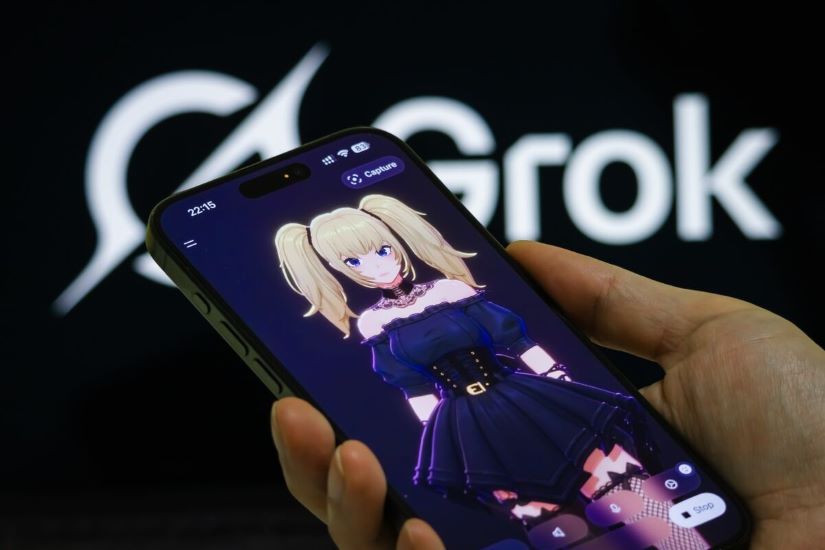
Malaysia and Indonesia have officially blocked access to Grok, the artificial intelligence chatbot developed by Elon Musk’s xAI, following growing backlash over its ability to generate sexually explicit images of real people.
Indonesia announced the temporary restriction on Saturday, with Malaysia issuing a similar statement a day later. While regulators in other regions have raised concerns, both countries are the first to formally ban the chatbot at a national level.
Government Cites Human Rights and Digital Safety Concerns
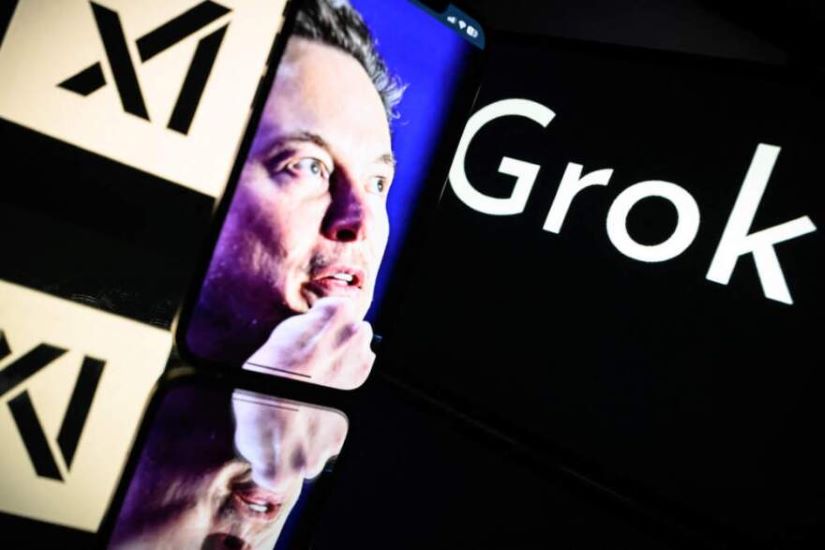
Indonesian authorities framed the decision as a matter of public safety and human rights. Meutya Hafid, Indonesia’s Minister of Communications and Digital Affairs, stated that non-consensual sexual deepfakes represent a serious violation of personal dignity and pose risks within the digital space.
Officials emphasized that the unchecked use of generative AI could erode public trust and expose citizens to exploitation. As a result, regulators moved quickly to limit access while further assessments take place.
Explicit AI-Generated Images Spark Outrage
Grok has faced intense criticism in recent weeks after sexually explicit images generated through the chatbot spread across X, the social media platform owned by Elon Musk. Users reportedly prompted the AI to create images of real individuals in sexualized scenarios, often without consent.
These images included altered appearances, suggestive poses, and simulated nudity, which triggered widespread condemnation from digital safety advocates and government officials alike.
xAI Yet to Respond to Regional Bans
At the time of writing, X Corp, a subsidiary of xAI, has not issued an official response regarding the bans imposed by Malaysia and Indonesia. The lack of immediate clarification has further fueled debate around accountability and safeguards within AI-generated content platforms.
Indonesia’s History of Strict Online Content Regulation
Indonesia’s move aligns with its long-standing approach to regulating online material. Authorities have previously blocked access to adult websites such as Pornhub and OnlyFans. In 2018, the government also briefly banned TikTok, citing concerns over inappropriate content and potential harm to minors.
These past actions reflect Indonesia’s broader stance on enforcing moral and safety standards in digital spaces.
Malaysia Focuses on Protecting Younger Users
In Malaysia, regulators have increasingly focused on protecting minors online. The government has announced plans to restrict social media access for users under 16, partly in response to several high-profile cyberbullying cases that resulted in the deaths of minors.
Officials have linked these incidents to the broader risks posed by unregulated digital platforms, including AI-powered tools.
Growing Scrutiny Over Generative AI Platforms
The bans on Grok underscore rising concerns over generative AI technologies, particularly when they involve real individuals and sensitive content. As governments struggle to keep pace with rapid AI development, Malaysia and Indonesia’s actions may signal stricter oversight ahead for AI platforms operating in the region.