












![[EXCLUSIVE] Brendan Gan Delivers One of Malaysia’s Best-Ever Worlds Results, Shares Thoughts on Pressure and the Local Scene](https://cdn.gamerbraves.com/2026/08/Brendan-Gan_Interview_FI-360x180.jpg)






The next generation of PlayStation and Xbox consoles may arrive later than expected, as an ongoing global RAM shortage begins to affect more than just the PC market. While AI-driven demand has already pushed memory prices higher for consumers, recent reports suggest that console manufacturers could also face serious challenges as they plan their next hardware cycle.
According to industry reports, Sony and Microsoft are now reassessing their next-generation timelines in response to rising memory costs and tightening supply. With both companies reportedly targeting a 2027 launch window for the PlayStation 6 and the next Xbox, the situation could force difficult decisions around pricing, production, or potential delays.
How the RAM Crisis Began
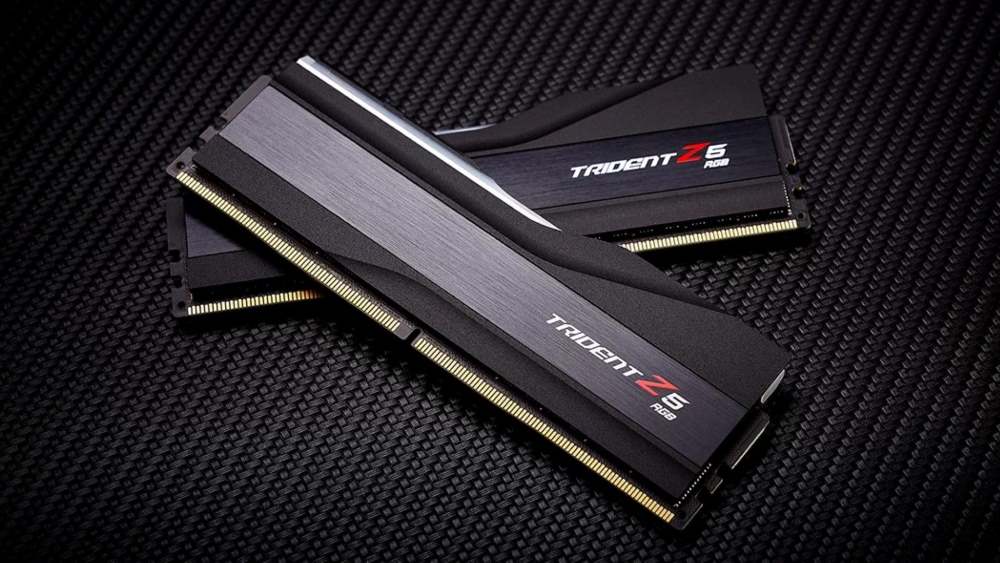
The current RAM shortage traces back to late 2025, when major memory manufacturers began allocating significant portions of their production capacity toward large-scale AI infrastructure projects. In particular, increased demand from data center expansions dramatically reduced the amount of memory available for consumer hardware.
As a result, RAM prices surged, with some consumer memory products seeing prices more than triple. Since then, additional manufacturers have shifted focus away from gaming and consumer electronics to meet AI-related demand. This shift has intensified pressure across the entire hardware supply chain, including consoles.
Why Consoles Are Also Affected
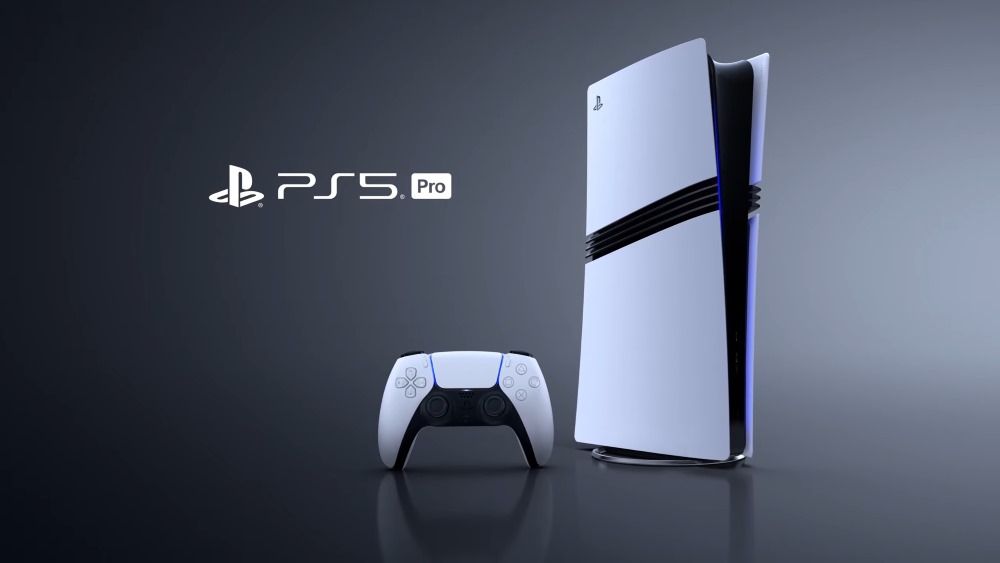
Although consoles use specialized memory configurations that differ from standard PC components, they still rely on the same small group of global suppliers. With only a handful of companies producing the majority of memory chips, reduced availability affects all hardware manufacturers equally.
Reports from Insider Gaming suggest that both Sony and Microsoft are internally debating whether it would be wiser to delay their next-generation consoles rather than absorb higher production costs. Launching hardware amid a supply shortage could force price increases, which may be difficult to justify in the current market climate.
Shortage Could Extend Beyond 2026
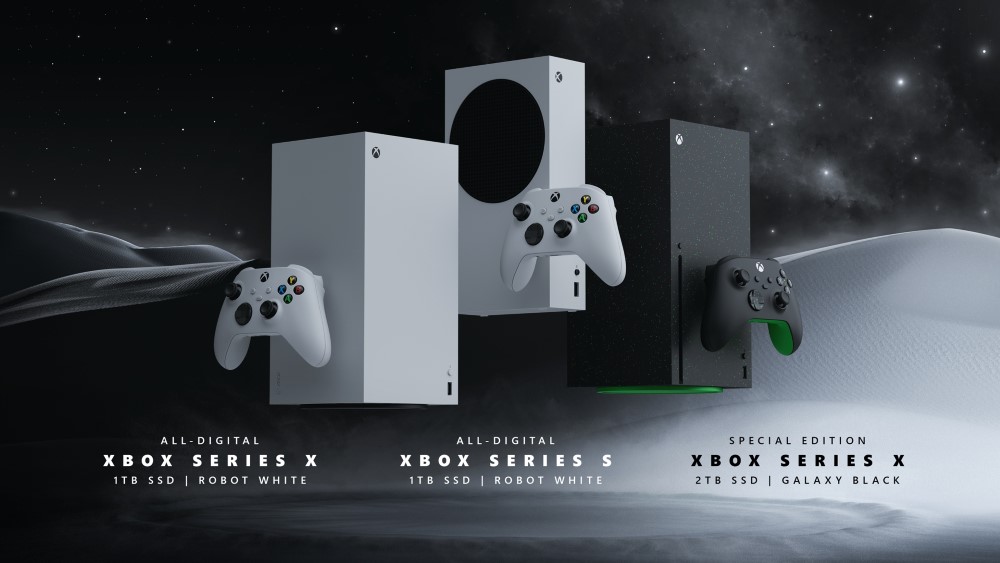
Adding to the concern, Micron has stated that the RAM shortage could extend beyond 2026. Expanding production capacity requires new cleanroom facilities, which take years to build and certify. If manufacturing ramps up slower than expected, memory prices may remain elevated well into the period when next-gen consoles would enter production.
Historically, console makers have offset hardware losses through software sales. However, with next-generation systems already expected to be costly to produce, rising RAM prices could stretch that model beyond its limits.
Market Conditions Complicate the Decision
Recent market data further complicates the situation. Video game hardware sales reportedly hit a 30-year low in November 2025, despite strong demand for the Nintendo Switch 2. In an environment where consumers are increasingly price-sensitive, another round of console price hikes could suppress adoption and harm long-term sales.
While Sony and Microsoft have not publicly commented on how the RAM crisis may affect their plans, both a release delay and higher launch prices remain real possibilities. For now, uncertainty surrounds the future of the PlayStation 6 and the next Xbox, as memory prices continue to rise with no clear resolution in sight.