

![[EXCLUSIVE] Dragon’s Dogma 2: Dark Arisen Team Opens Up About the Expansion’s Name, New Norgan Region, and Performance Goals](https://cdn.gamerbraves.com/2026/07/Dragons-Dogma-2-Dark-Arisen_Interview_FI-360x180.jpg)









During the King Pro League (KPL) Grand Finals, we caught up with Tsai “Rainer” Cheng-bang, Training Director of Nova Esports, to discuss Malaysia’s position in Honor of Kings esports, the team’s dynamics, and the challenges of competing against Chinese teams.
Malaysia’s Edge in Southeast Asia
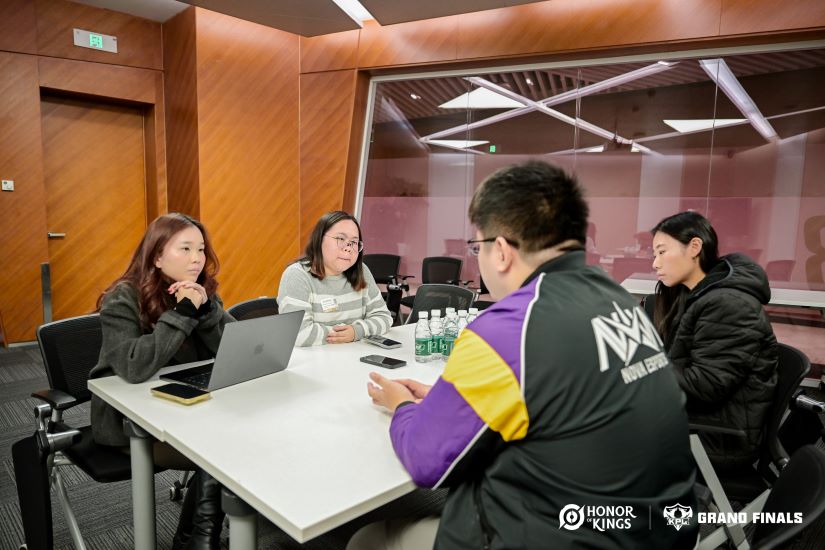
When asked about Malaysia’s competitiveness, Rainer highlighted the country’s surprising strength in the region. “I’ve been based in Malaysia for almost three years now,” he said, “and from my observations, Malaysia’s competitiveness is still higher than most other regions, aside from China.”
He explained that while China benefits from a long history with Honor of Kings, Malaysia has a smaller player base, with only a handful of truly top-level players. “Naturally, those few end up distributed among the top three teams,” Rainer noted. Chinese imports help balance the scales, allowing teams like Nova to reach their current level.
Looking beyond Malaysia, Rainer also sees potential in other Southeast Asian countries. “Regions like the Philippines and Indonesia have a strong foundation in Mobile Legends: Bang Bang. If top players from MLBB switched over to Honor of Kings, within a year or two, they could catch up—or even surpass us,” he said.
Rivalry and Team Mindset
Nova’s rivalry with BSE is a defining aspect of the local scene, and Rainer believes mindset is the key differentiator. “BSE’s players tend to play with a freer, more relaxed attitude,” he explained. “For our team, aside from our mid-laner, the other four sometimes show emotional swings when facing BSE.”
He emphasized that personal history adds pressure during these matchups: many players on both teams used to be close friends and even former teammates. “When our mindset is right, we can play them without any pressure,” he said. “But competitions are all about form on the day—you can never predict that.”
Eyes on the Global Stage
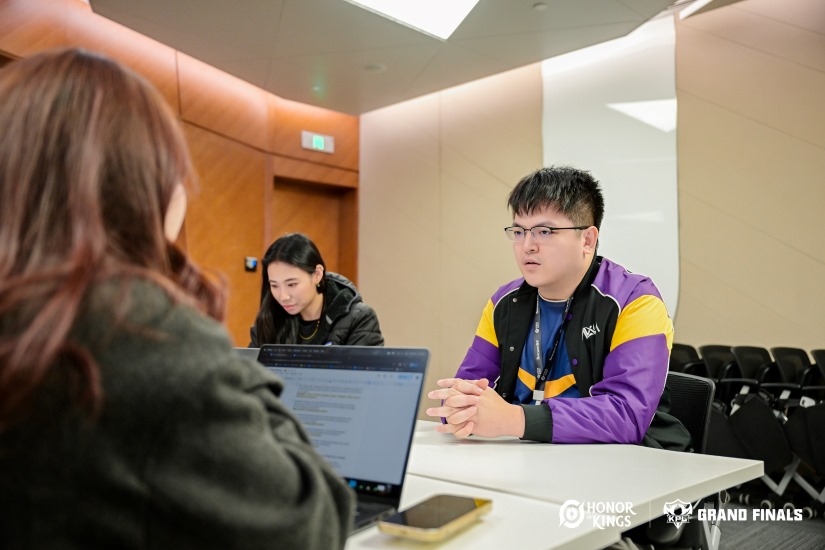
Nova Esports has also been shaped by international ambitions. Rainer confirmed that global recognition of Malaysia’s talent has influenced the team’s strategy. “I personally hope one day a non-Chinese team can defeat a KPL team,” he said.
Earlier this year, Nova made waves at the Esports World Cup (EWC) by taking a game off TTG from the KPL’s S Group. “That shows Malaysia really does have potential to challenge China,” Rainer said. When asked if the victory brought pride, he laughed: “Maybe a little. Of course, there was some luck involved. Skill matters, but luck always plays a part. Still, pride wasn’t the main feeling—I’m a competitive person, so my first thought was, ‘Could we have taken one more game? Maybe just one more?’ That drive keeps me going.”
Integrating Chinese Imports
NOVA’s roster includes Chinese imports, and Rainer sees both advantages and challenges in blending different player backgrounds. “Our Chinese import has a great personality and very strong game sense. In terms of understanding the game, Chinese players are ahead of Malaysian players,” he said.
He also acknowledged the importance of team harmony: “He’s extremely competitive—maybe too competitive sometimes—so he can be quite direct when talking. That can lead to some friction. But our other four players are very tolerant and balanced, so in the end, they complement each other well.”
Lessons from the World Stage
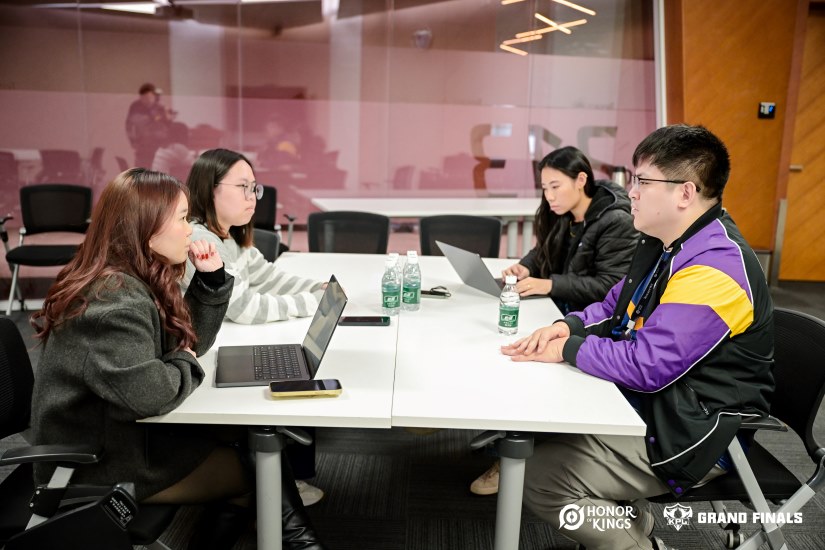
Following their strong regional performance, NOVA Esports made waves at the 2025 World Championship, securing third place. Rainer detailed the team’s preparation against Chinese squads, who have nearly a decade of competitive experience. “Before our match against the Chinese team, we had a meeting with our GM, Xu, and decided: ‘Let’s treat it like a ranked match. Hide their team names. Don’t think of them as KPL champions or anything like that.’ That was step one—remove the pressure,” he explained.
Step two focused on strategy: NOVA brought out the strongest heroes in the current patch, leveraging the slight differences between the Chinese and international versions of the game. “We picked the meta’s strongest heroes for every lane and went all-in in Game 1, because they’d likely be warming up anyway. We gave it our all—tactics, picks, everything—and it worked,” Rainer said. The team then analyzed their opponents in depth, studying macro play, micro-mechanics, and map control to refine their approach for future competitions.
Building for the Future
Looking ahead, NOVA is considering a youth and academy program to sustain long-term competitiveness. “Initially, we wanted a youth program, but there aren’t enough amateur tournaments in Malaysia to sustain consistent training,” Rainer said. Instead, they scout talent through the National King League (NKL), identifying promising players like their new jungler, Kongling, who was recruited straight from O2. While the main roster remains stable, the team keeps an eye on rising talent for potential future roles.
Rainer also addressed the challenge of competing internationally: server differences create a significant gap between regions. Malaysian players train on the Chinese QQ server, where competition is far tougher than on the international server. “International rankings don’t reflect true strength,” he said. “If overseas players want to improve, they need to train on the Chinese server, even if that means buying accounts. That’s the only real way to close the gap.”
Balancing Analytics and Player Management
NOVA incorporates technology and analytics into their training, while recognizing the need for personalized coaching. “Purely relying on game data won’t make players grow—we need to understand them as people too,” Rainer explained. He noted that players from different countries respond differently to training: Thai and Vietnamese players may be more laid-back, while Koreans are highly disciplined, and Chinese teams blend discipline with experience from older generations. Malaysian players, he said, require a balanced approach to prevent burnout while maintaining motivation.
Talent, Hard Work, and Reality Checks
For aspiring pros, Rainer emphasized the combination of talent and hard work. “Talent opens the door, but once you’re in, hard work determines how far you go. You need both,” he said. NOVA also serves as a reality check for young players testing their limits. “Bring them to our bootcamp,” Rainer laughed. “After a week, they’ll figure it out themselves. Most kids quit within three days if they aren’t ready.” Despite the rigor, talented players can balance studies and training, climbing the ranks while developing their skills.
2026 and Beyond
Looking forward, NOVA’s ambitions remain clear: win championships and expand their international footprint. “This year we only had two divisions in the Esports World Cup, but next year we plan to add more divisions and collect more EWC points,” Rainer said. Success for NOVA, he explained, is not just winning locally but also solidifying Malaysia as a competitive force on the global Honor of Kings stage.