










![[EXCLUSIVE] Dragon’s Dogma 2: Dark Arisen Team Opens Up About the Expansion’s Name, New Norgan Region, and Performance Goals](https://cdn.gamerbraves.com/2026/07/Dragons-Dogma-2-Dark-Arisen_Interview_FI-360x180.jpg)



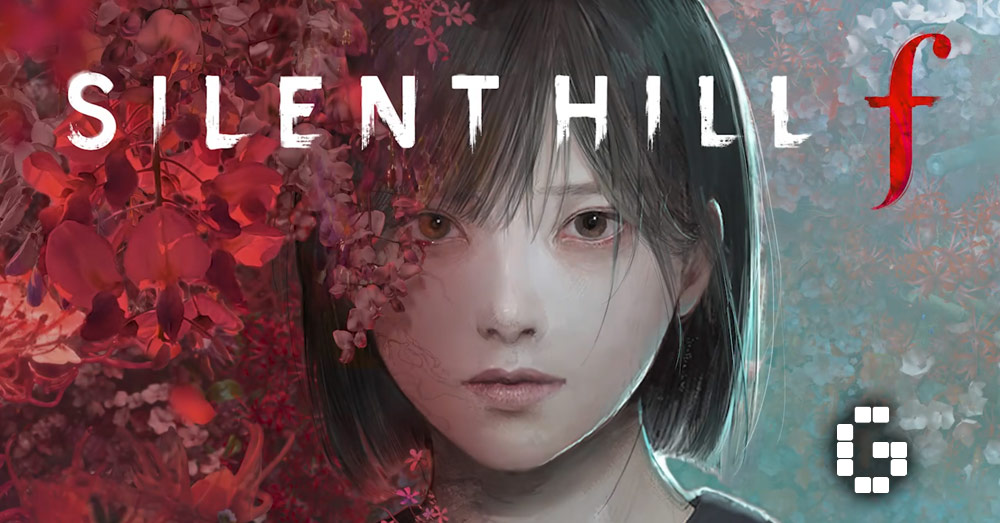
The Silent Hill series has been quiet for far too long, but the fog is finally rolling back in. Silent Hill f marks the franchise’s return as what developers are calling the starting point for a new generation. After decades of psychological horror that mixed disturbing imagery with deep symbolism, this latest entry tries to honor what made the series special while pushing it in fresh directions.
This review covers a complete first playthrough that took about 16 hours on the Story Action and Story Puzzle difficulty settings. The game offers five different endings, though only the first one is discussed here to avoid spoilers. We’ll explore how well Silent Hill f captures that signature blend of fear and meaning that made the original games so memorable, and whether it succeeds as both a continuation and a new beginning for the series.
Setting and Story
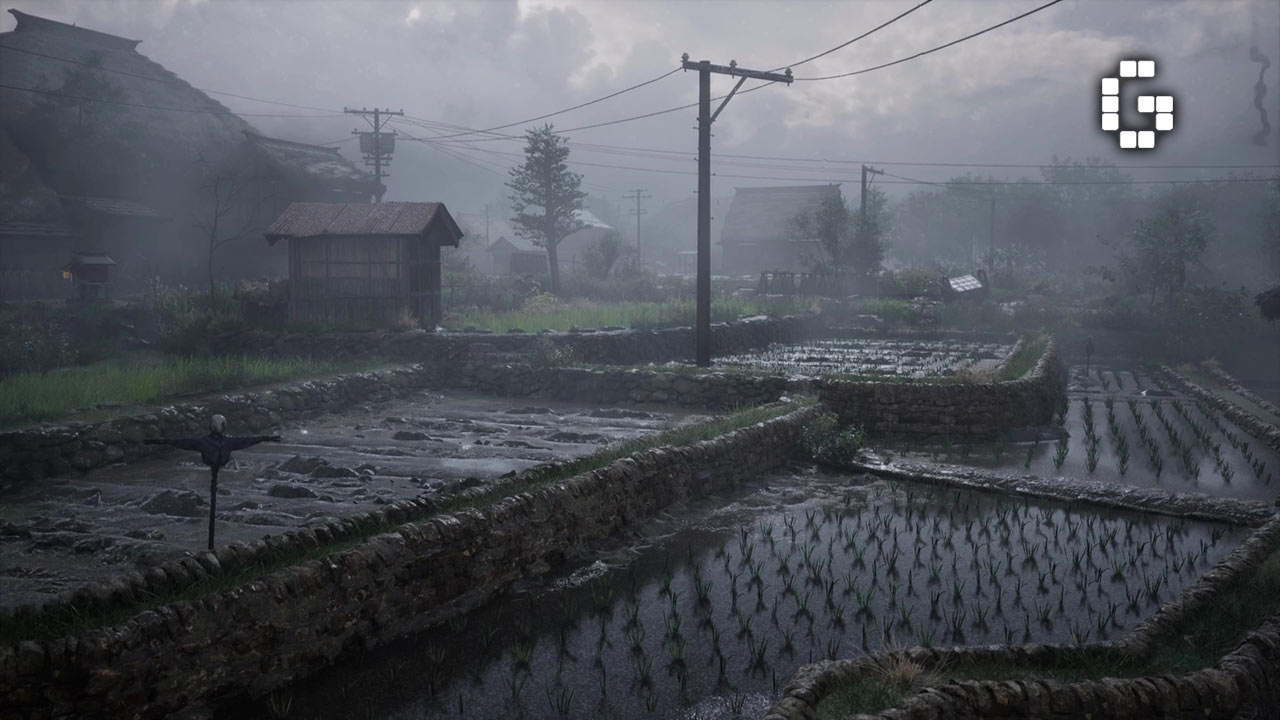
Silent Hill f takes players to 1960s Japan, specifically the remote mountain village of Ebisugaoka during the Showa era. The setting is a major departure from the series’ typical American small-town atmosphere. Rice terraces stretch across hills, weathered shrines dot the landscape, and quiet streets wind between traditional houses. It looks peaceful at first, but strange blossoms and creeping mist hint that something is very wrong beneath the surface.
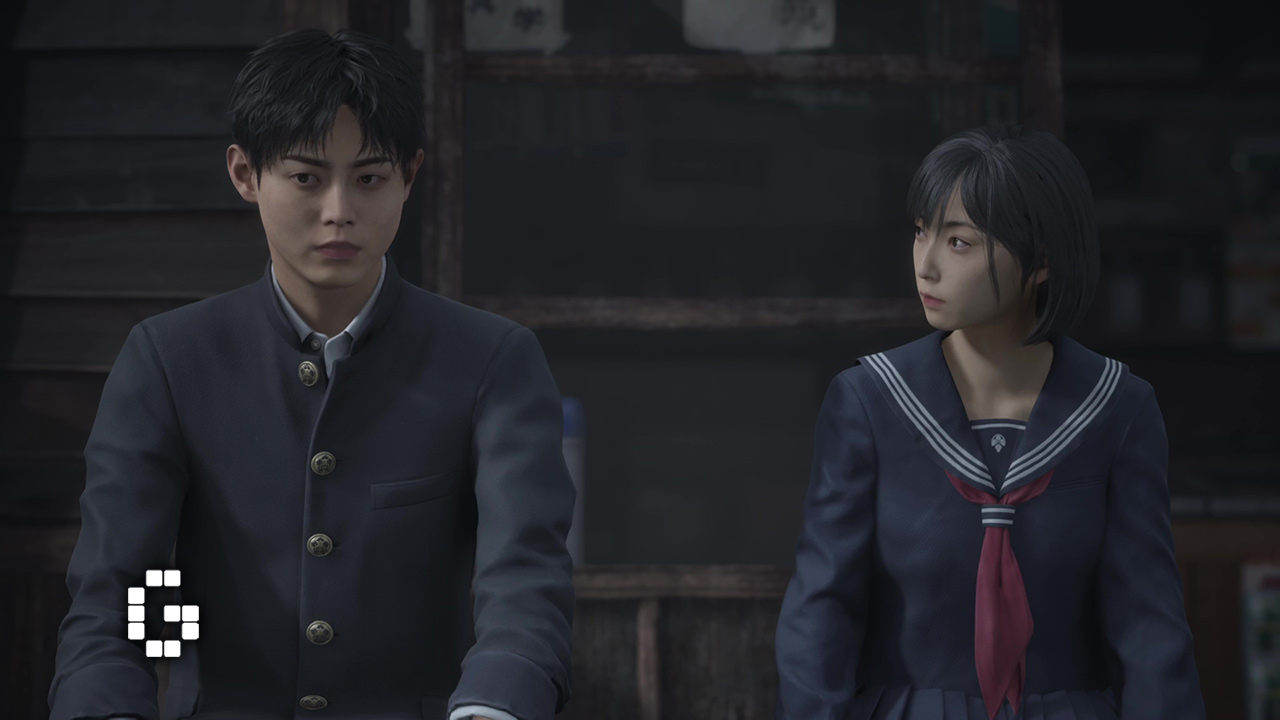
The story follows Hinako Shimizu, an awkward teenager who struggles to fit in with her peers. She’s close to her older sister but has a difficult relationship with her controlling father and distant mother. After her sister gets married, Hinako feels increasingly isolated and eventually runs away. When she tries to confide in friends about her troubles, she witnesses a series of bizarre events that leave most of the villagers missing.
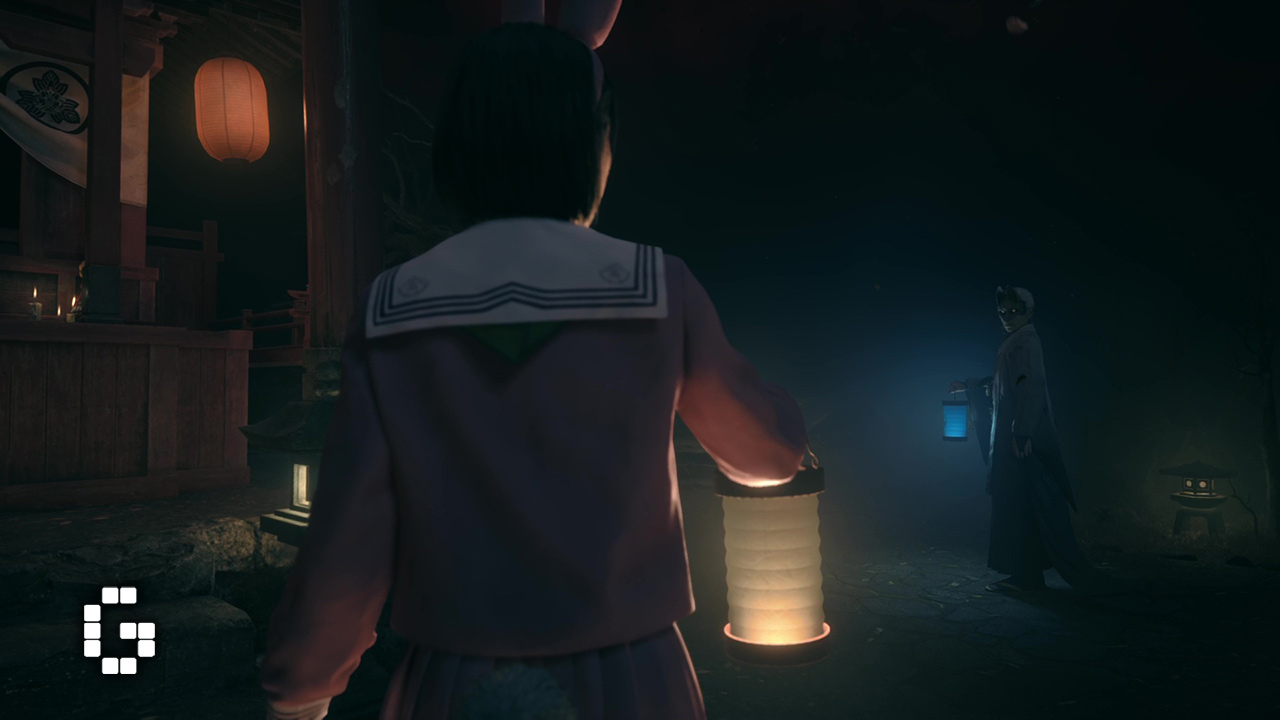
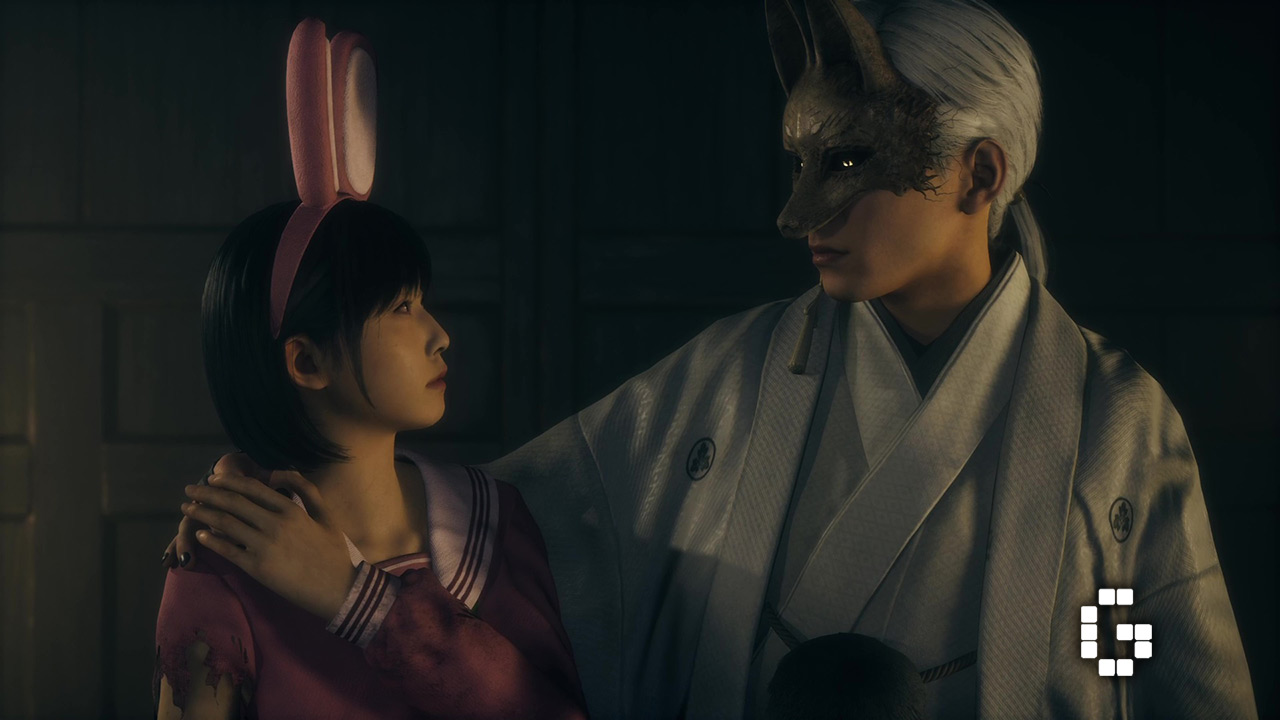
The game’s reality splits into three distinct layers. There’s the normal world where everything appears fine, a surface world where small abnormalities start creeping in, and the otherworld – a nightmarish realm filled with grotesque creatures that look like twisted versions of Japanese folklore monsters. A mysterious man wearing a fox mask appears throughout Hinako’s journey, offering guidance but with unclear motives. Her childhood doll also reappears, warning her to turn back even as the fox-masked figure promises the happiness she’s been seeking.
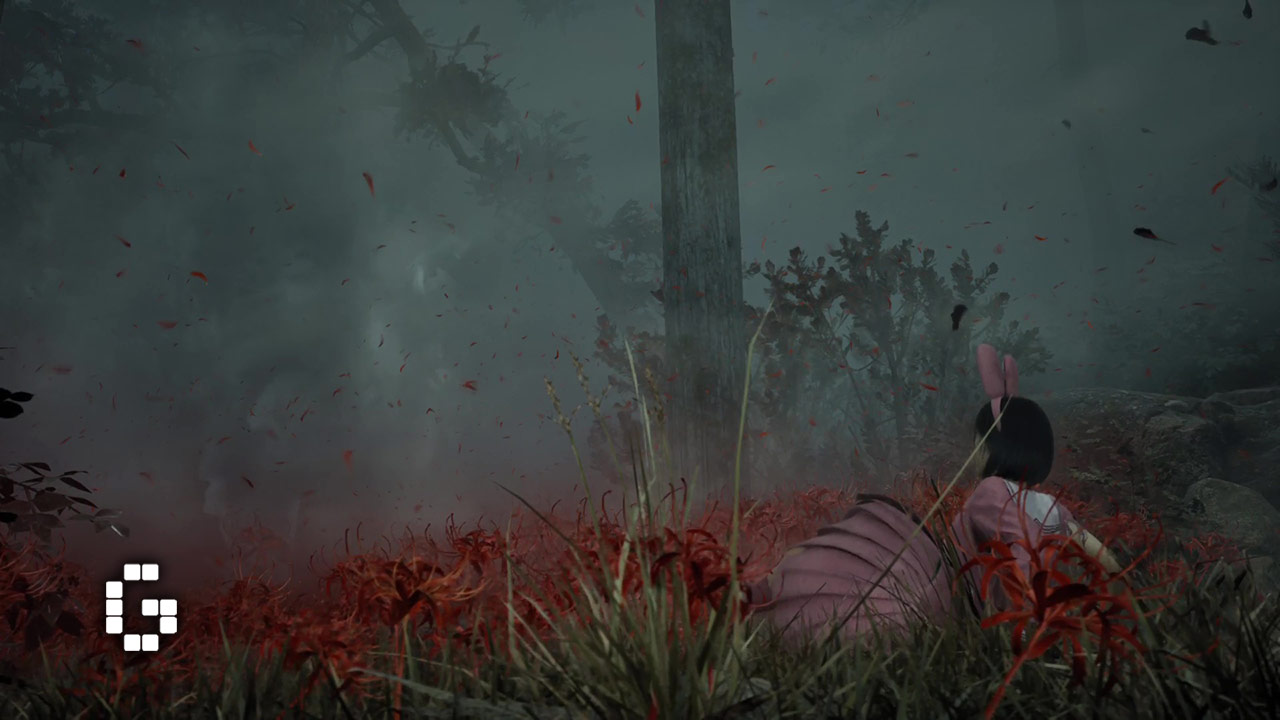
The writing comes from Ryukishi07, known for stories that shift between everyday life and brutal revelations. Combined with Silent Hill’s tradition of using fog and monsters to represent guilt and trauma, the result is a story that uses Ebisugaoka’s mist as both a metaphor for hidden darkness and a puzzle about human nature itself.
Getting Around
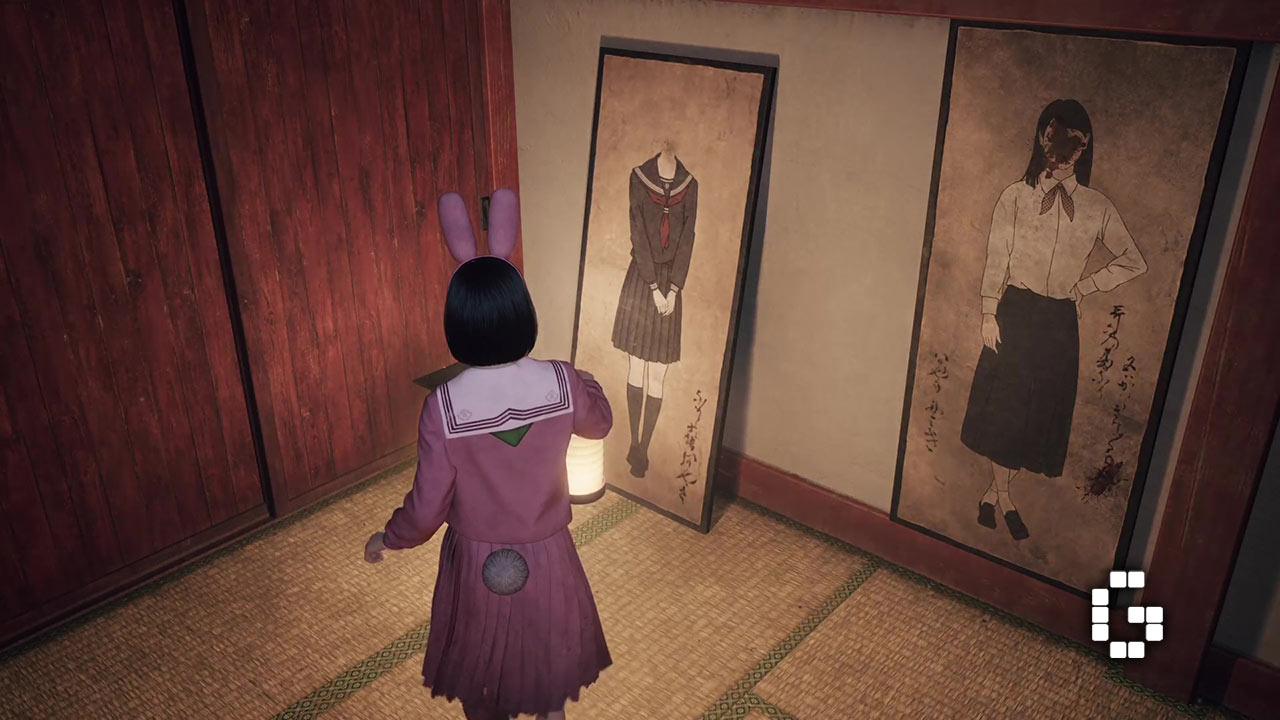
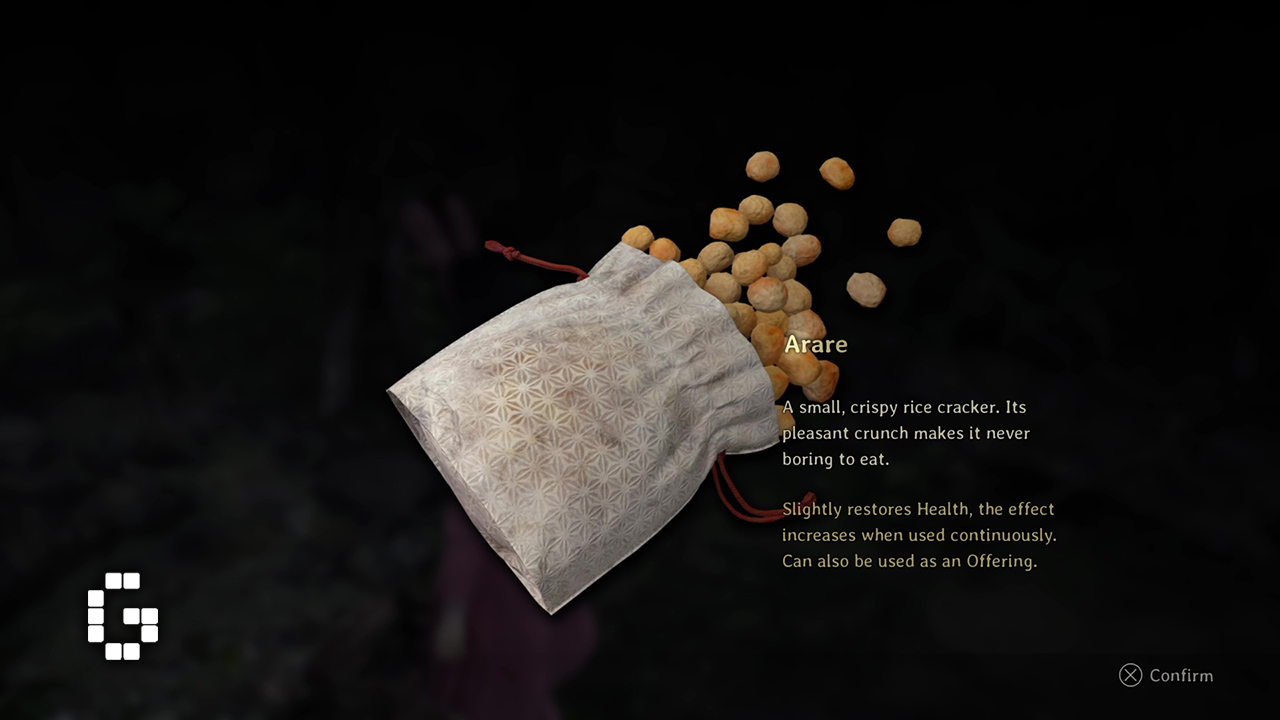
The maps are well-designed and easy to navigate. Environmental details like lamp placement and lighting naturally guide players without constantly checking the map screen. Collectible items add Japanese cultural flavor – snacks like Yokan, Ramune, and Inari Sushi not only restore health, stamina, or sanity but also give the world authentic details. Sometimes the camera needs adjustment to interact with doors or objects, which can briefly interrupt the flow.
Combat and Managing Resources
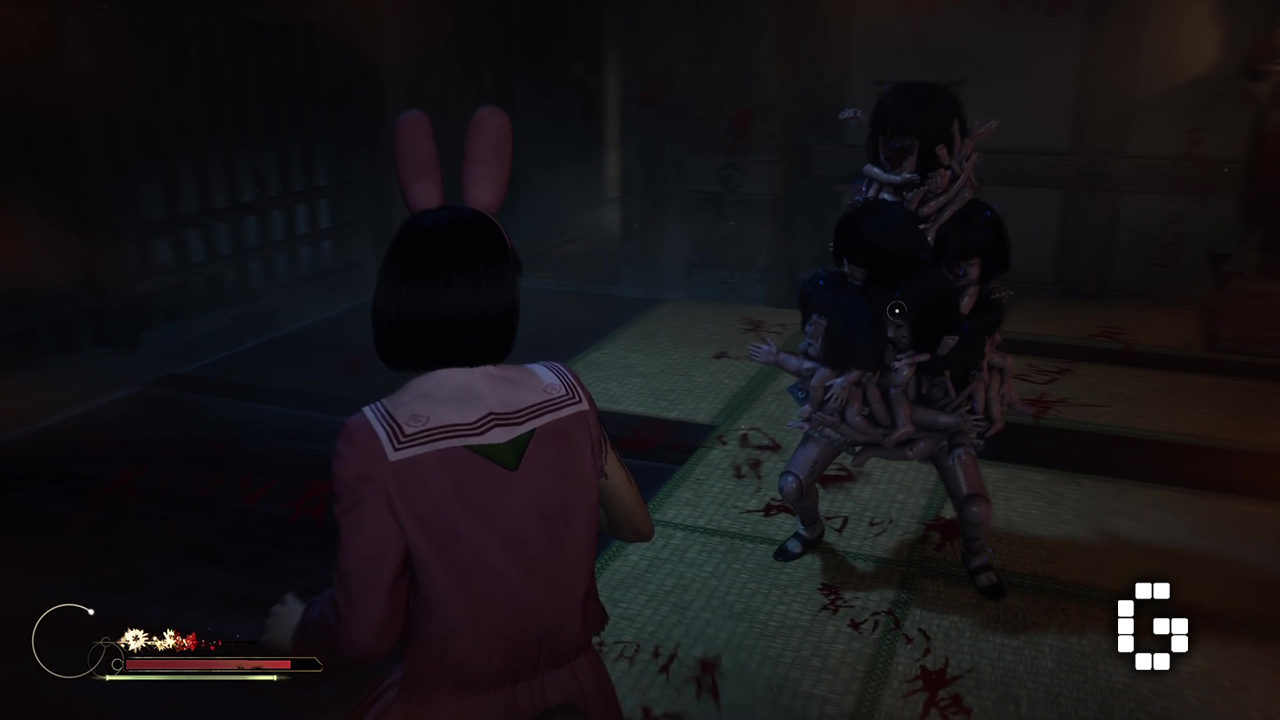
Silent Hill f drops firearms entirely in favor of close-range melee combat. Players need to watch three different meters: Health points for damage taken, Stamina that drains when running or attacking, and Sanity that powers special abilities but also takes damage from enemy attacks. The combat system revolves around timing. When enemies expose weak points (shown by slow motion and visual effects), landing a heavy attack triggers a Perfect Counter that deals major damage. Focus Mode slows down time to help spot these opportunities and builds up to powerful special attacks.
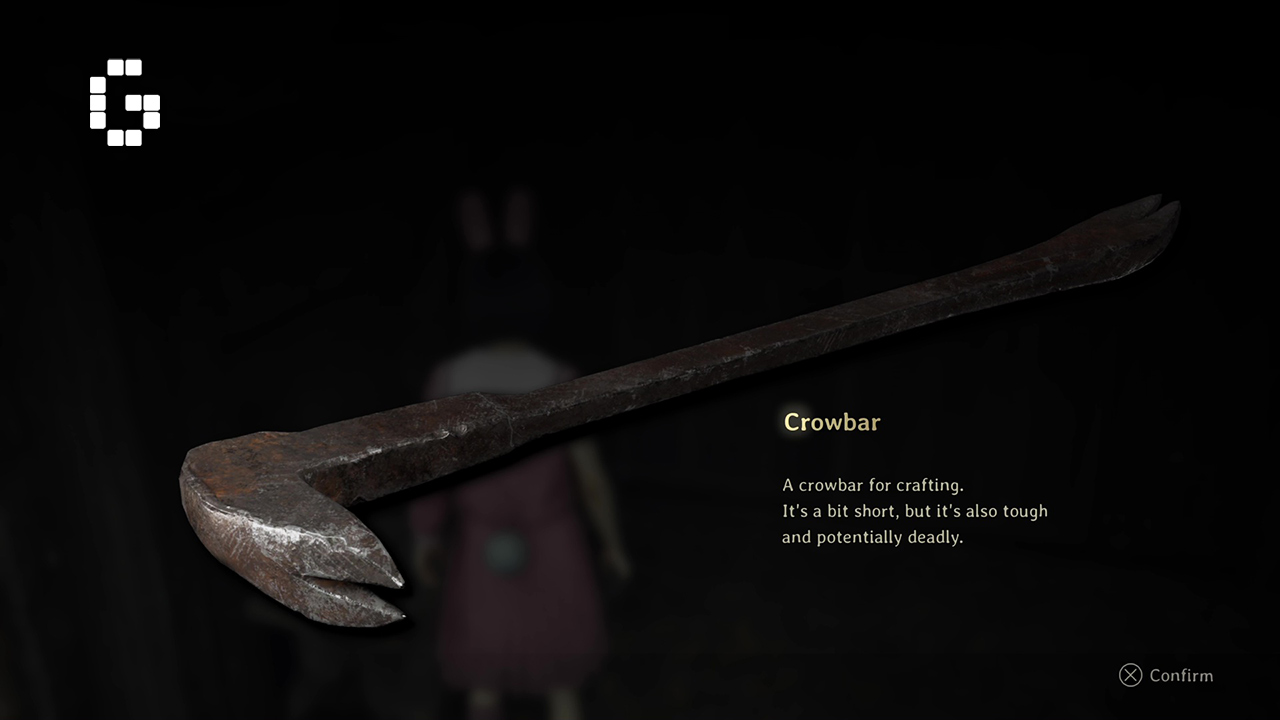
Weapons include familiar items like steel pipes, baseball bats, kitchen knives, and crowbars, each with different strengths and weaknesses. Pipes and bats last longer but hit softer, while knives and sickles deal more damage but break quickly. Heavy weapons like sledgehammers and axes can devastate enemies but move too slowly against fast opponents.
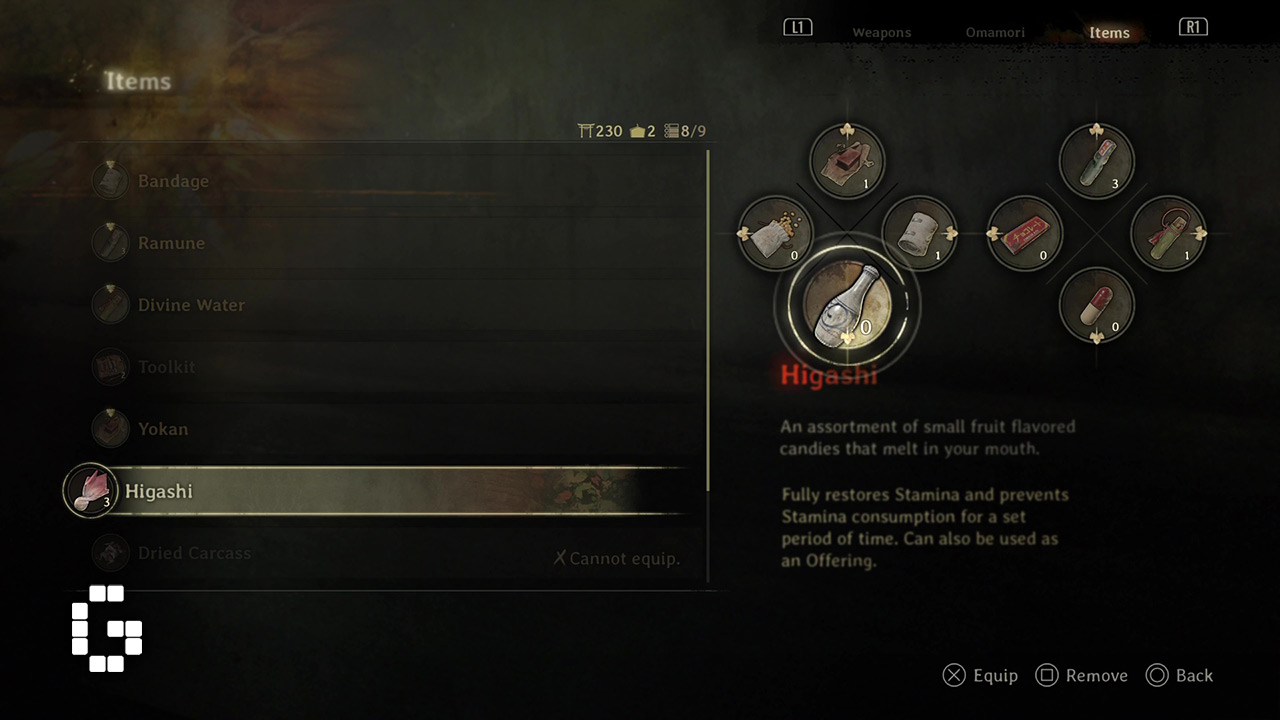
Managing your limited inventory becomes crucial. You start with only 8 slots and can eventually expand to 11. Small items stack together, but larger healing items take up individual spaces. Since dropping items deletes them permanently, planning what to carry becomes an important strategic element. The combat system has some rough edges though. Attack animations feel stiff with no way to cancel into dodges, making fights against multiple enemies frustrating. Even on PlayStation 5, the controller feedback feels underused, making impacts less satisfying than they could be.
Puzzles
Puzzles tie directly into the Japanese setting, featuring shrine offerings, traditional patterns, and cultural symbols. Early puzzles provide clear hints, but later ones can become confusing with journal clues that sometimes point in the wrong direction. Even on the easier Story Puzzle difficulty, some sections can halt progress for extended periods.
Character Growth
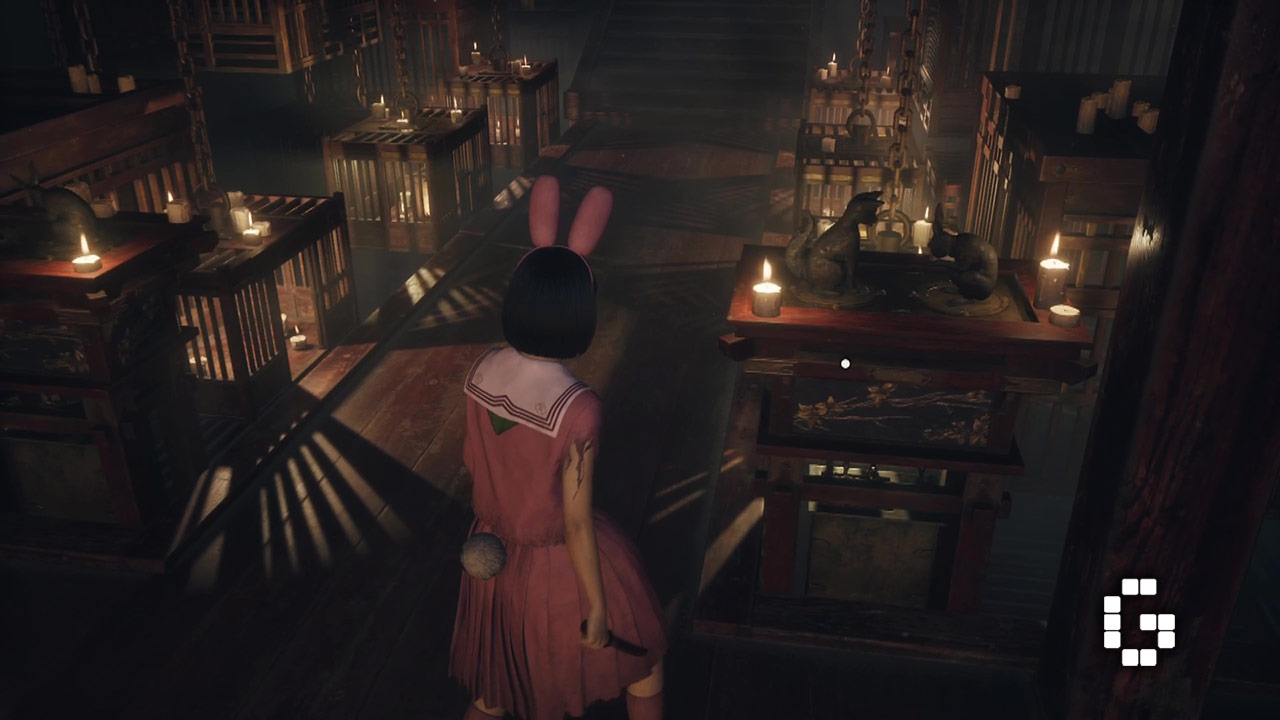
Roadside shrines called Hokora serve as both save points and upgrade stations. Players offer collected items to earn Faith Points, which can be spent on stat improvements or charm unlocks. Drawing charms (omamori) provides various buffs like increased stamina or weapon damage. The system connects character progression to Japanese cultural elements, making the mechanics feel part of the world rather than separate game systems.
The Horror Factor
Silent Hill f keeps some genuinely unsettling moments, but it relies more on sudden scares than the slow-building dread the series is known for. Early sections where Hinako has no weapons create strong tension, but once combat becomes available, some of that edge disappears. Repeated jump scares, like opening doors to find enemies waiting, become predictable over time.
The environment doesn’t maintain the oppressive atmosphere of earlier games. Much of the village appears in daylight with only occasional dark interiors, lacking the thick fog and decay that made previous Silent Hill games so unsettling.
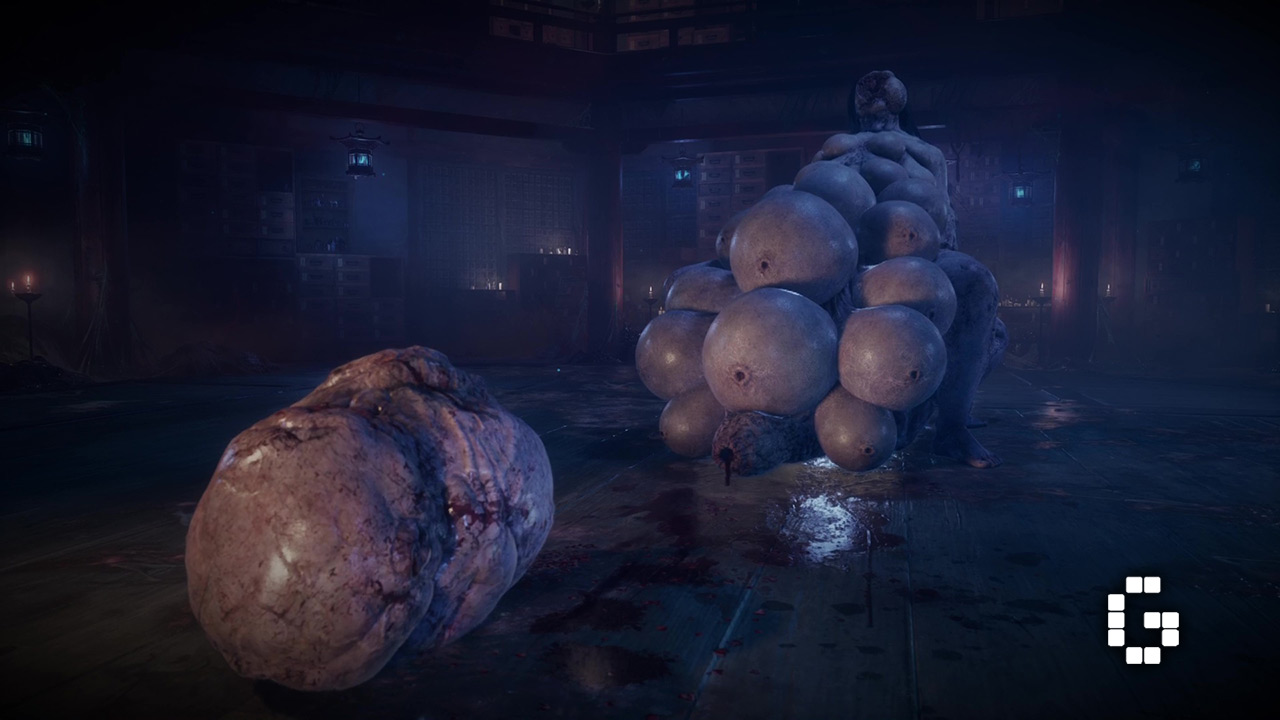
Monster designs focus on body horror with twisted limbs, flowering growths, and organic textures that create immediate discomfort. However, familiarity reduces their impact as the game progresses. Unlike iconic enemies from earlier games that carried deep symbolic meaning, these creatures feel more like obstacles than representations of psychological trauma.
The horror works well in individual moments but doesn’t leave the lasting psychological impact that defines the best entries in the series. Whether the game’s multiple endings change this impression remains to be seen.
Presentation
The music, composed by Akira Yamaoka and his team, blends traditional Japanese instruments with electronic elements to create an unsettling but culturally authentic soundtrack. The timing between music and story beats works perfectly, enhancing emotional moments without drawing attention away from the action.
Visually, character models show impressive detail with natural facial animations during cutscenes. The lighting effects shine particularly in the opening views of Ebisugaoka, where rice paddies, shrines, and traditional houses create a convincing 1960s Japanese village. Cultural elements aren’t just decorative – they integrate into puzzles, upgrades, and gameplay mechanics.
Running on PlayStation 5 Pro, the game maintains stable performance with only minor frame rate drops during intensive late-game sequences.
Verdict
Silent Hill f represents an ambitious attempt to reinvent the franchise with narrative risks, mechanical changes, and a strong cultural identity. Its best elements include atmospheric storytelling, thoughtful puzzle design, and authentic Japanese setting details. However, clunky combat mechanics, inventory limitations, and horror that sometimes stays surface-level prevent it from reaching its full potential.
Long-time fans will find an interesting, if flawed, return to form that shows how new creative voices can reshape Silent Hill’s formula. Newcomers get a more accessible entry point than previous games, though the deepest layers require patience to uncover.
The fixed first ending leaves many questions unanswered, making the four additional endings feel essential rather than optional. Whether those remaining conclusions will elevate Silent Hill f to classic status or leave it as a fascinating experiment is a mystery worth solving.
The Review
Silent Hill f
PROS
- Blends Silent Hill’s psychological horror with Ryukishi07’s mystery-driven storytelling for a uniquely tense narrative.
- Showa-era village and folklore elements create a rich cultural atmosphere.
- Exploration, puzzles, and progression are cleverly integrated into the world for strong immersion.
- Music fuses traditional Japanese instruments with electronic tones to heighten mood.
- Detailed visuals and expressive lighting deliver an authentic yet oppressive look.
CONS
- Combat feels stiff and lacks smooth feedback.
- Quick-slot and item switching are unintuitive.
- Some puzzles lack hints, disrupting story flow.