









![[EXCLUSIVE] Dragon’s Dogma 2: Dark Arisen Team Opens Up About the Expansion’s Name, New Norgan Region, and Performance Goals](https://cdn.gamerbraves.com/2026/07/Dragons-Dogma-2-Dark-Arisen_Interview_FI-360x180.jpg)




Shift Up CEO Kim Hyung-tae, known for leading projects such as Stellar Blade, GODDESS OF VICTORY: NIKKE, and Destiny Child, has publicly emphasized the importance of generative AI as a core survival strategy for the global gaming industry. Speaking at a national economic briefing held at South Korea’s Blue House, Kim outlined the growing competitive pressure from Chinese game developers and argued that AI adoption is no longer optional for studios aiming to remain relevant on the world stage.
According to Kim, Shift Up generates roughly 80 percent of its revenue overseas, which places the company in direct competition with Chinese titles almost immediately upon entering global markets. He explained that while Shift Up typically assigns around 150 developers to a single game, Chinese studios often deploy between 1,000 and 2,000 staff members for the same scope of work. This imbalance, he said, creates a significant gap in both development speed and content volume.
AI as a Tool for Scale, Not Replacement
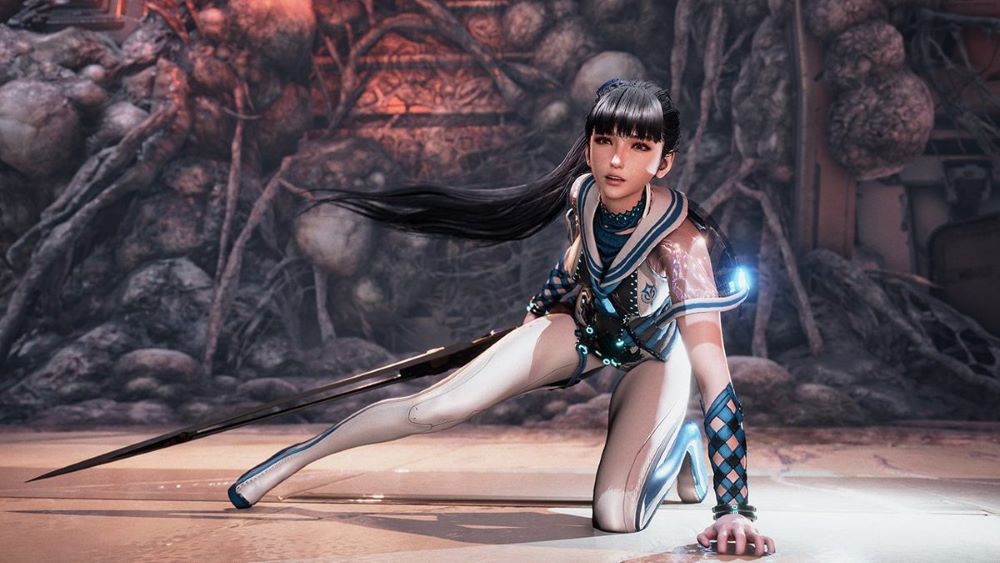
Kim acknowledged public concerns that generative AI could lead to job losses across the industry. However, he firmly rejected the idea that AI exists to replace workers outright. Instead, he framed AI as a productivity multiplier that allows smaller teams to compete with much larger organizations. In his words, only when developers become proficient in AI tools and can perform the equivalent work of dozens of people will they be able to withstand what he described as China’s “human wave” development strategy.
He stressed that even if all available human resources were mobilized, Korean studios would still struggle to match the sheer scale of Chinese production without technological assistance. For Kim, the real challenge lies not in hardware availability, such as semiconductors, but in how effectively companies learn to use AI within creative and production pipelines.
Korea’s Strength Lies in AI Adoption

Despite the competitive pressure, Kim expressed confidence in South Korea’s potential. He cited data showing that Korea ranks second globally, after the United States, in paid GPT usage relative to total downloads. This, he argued, indicates that younger generations in Korea are already comfortable treating AI as a natural tool rather than a barrier.
Kim also noted that AI adoption has narrowed generational gaps within Shift Up itself. Older employees approaching retirement age, he said, remain just as competitive as younger staff once they become familiar with AI-driven workflows. This reinforces his belief that cultivating an “AI-native generation” is critical for the future of the country’s creative industries.
Government Support and Industry Direction
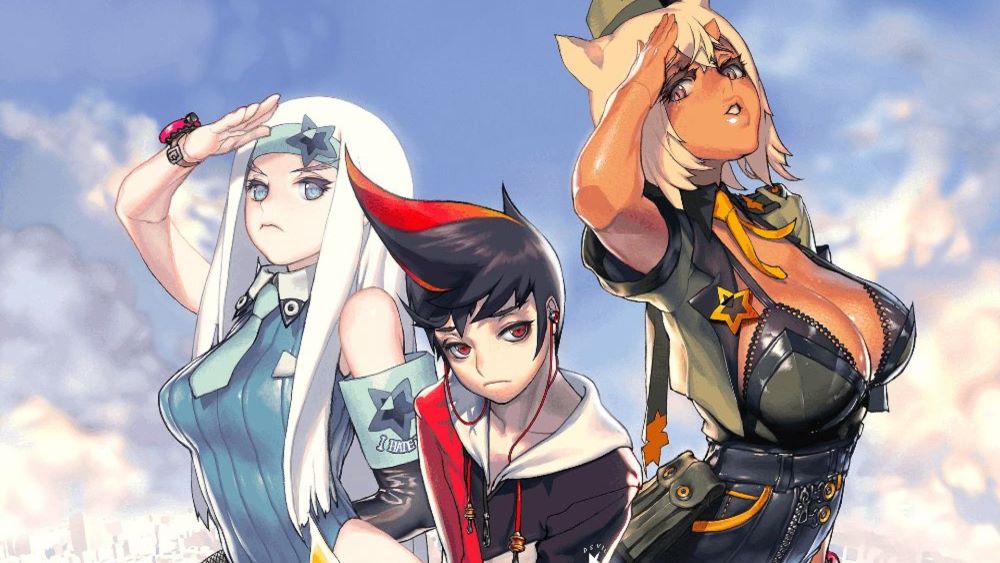
Kim further proposed that Korea should focus on supporting platform-based startups rather than attempting to compete directly with global giants like Google or Amazon in core AI development. He suggested that API-driven platforms, which allow users to access multiple AI tools through a single interface, could be a realistic and impactful direction for domestic innovation.
Minister of Culture, Sports and Tourism Choi Hwi-young echoed these sentiments during the briefing. Choi confirmed that the government plans to allocate dedicated budgets starting this year to support AI subscriptions for small and mid-sized game studios, while also encouraging collaboration between large and smaller companies.
Together, these statements highlight a clear industry stance: generative AI is rapidly becoming a foundational tool for survival and competitiveness in modern game development, particularly in an increasingly crowded global market dominated by large-scale production.
You can get future updates from Kim Hyung-tae, if you check out his official X account.