



![[EXCLUSIVE] Beyond the Base Game: Cygames on What Endless Ragnarok Means for Granblue Fantasy: Relink](https://cdn.gamerbraves.com/2026/06/GBF-Relink-Endless-Ragnarok-Exclusive_Interview_FI-360x180.jpg)

A Different Kind of Voyage
The team is candid about the comparisons between their two games, but they see the situation differently than some might expect. “Sea of Remnants and Identity V are developed by completely separate teams and are vastly different in genre,” Alfie explains.
“From our perspective, this is actually a good thing for players—it’s like having the choice between savory or spicy food.”
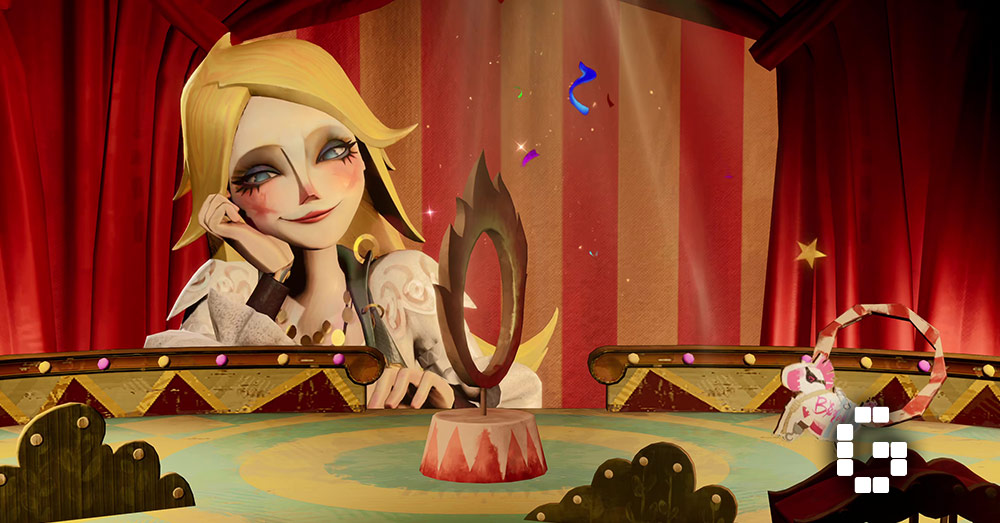
Rather than shying away from their studio roots, Kairos embraces what makes Joker Studio recognizable. “We have our own philosophy—our stylized approach is our label. We hope that when people see our game, they think, ‘This is a Joker Studio game,’ not specifically ‘This is like Identity V.'” The goal from day one was to create something that feels connected to the studio’s work while offering an entirely new experience.
The team wants players to approach the game with an open mind. “We hope players approach our game—or any game—with a relaxed mindset, without too much pressure,” Alfie says.
“If the content we provide is valuable or fun for players, then we’ve achieved our initial goal.”
While acknowledging that artistic comparisons are natural, Alfie redirects the focus: “What players truly care about might not be ‘is it similar?’ but ‘is it good?'”
Building a Maritime World
The decision to make Sea of Remnants an open-world game wasn’t driven by market trends or the desire to check a box. Alfie describes the process as organic, stemming from the team’s vision of maritime civilization. “When making an ocean-themed game, there’s a ‘civilization’ aspect. Maritime civilization has its own characteristics—its cycles, survival methods differ from continental civilizations,” he notes.
“Continental civilizations revolve around farming and seasons, while maritime civilization is about individuals setting sail on ships to fish, adventure, and return, all for survival or supporting a family.”
The theme came before the mechanics. “We first defined the texture and vibe we wanted: an absurd, fun, and nonsensical world,” Alfie explains. “Expanding from that led to various content, and the open world naturally followed. It wasn’t because we decided on a specific genre first and then chose the theme.”
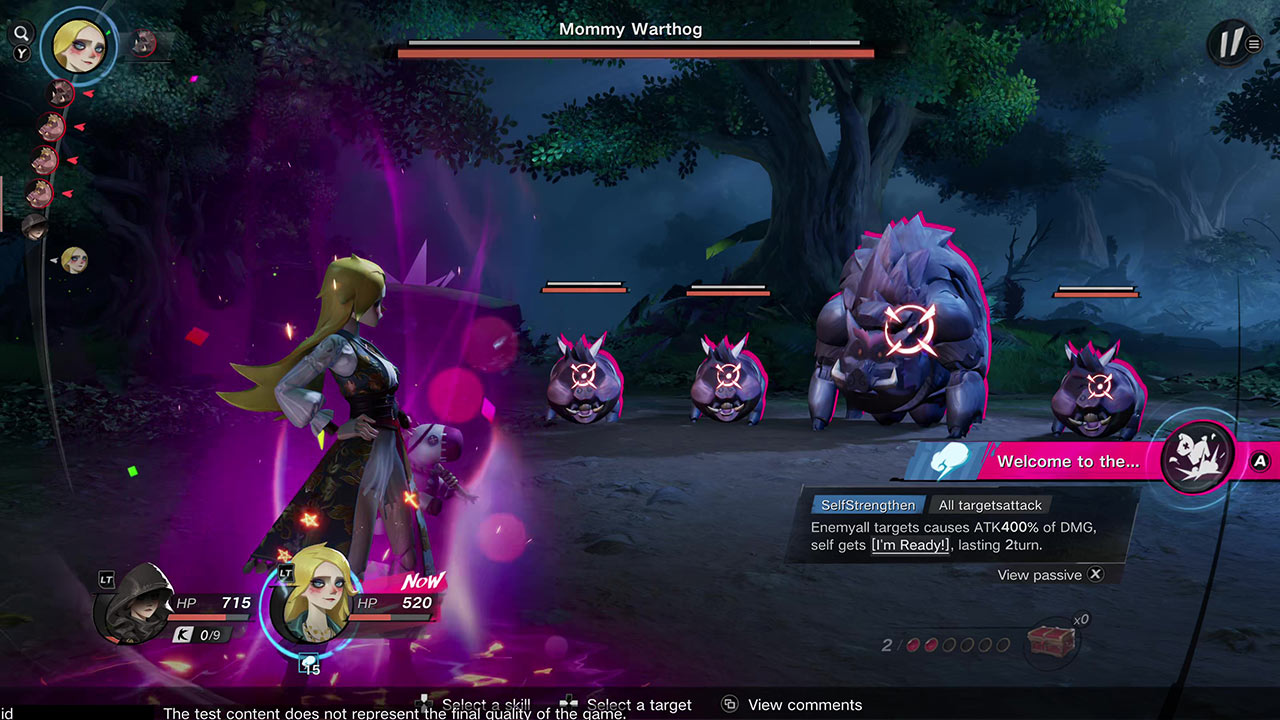
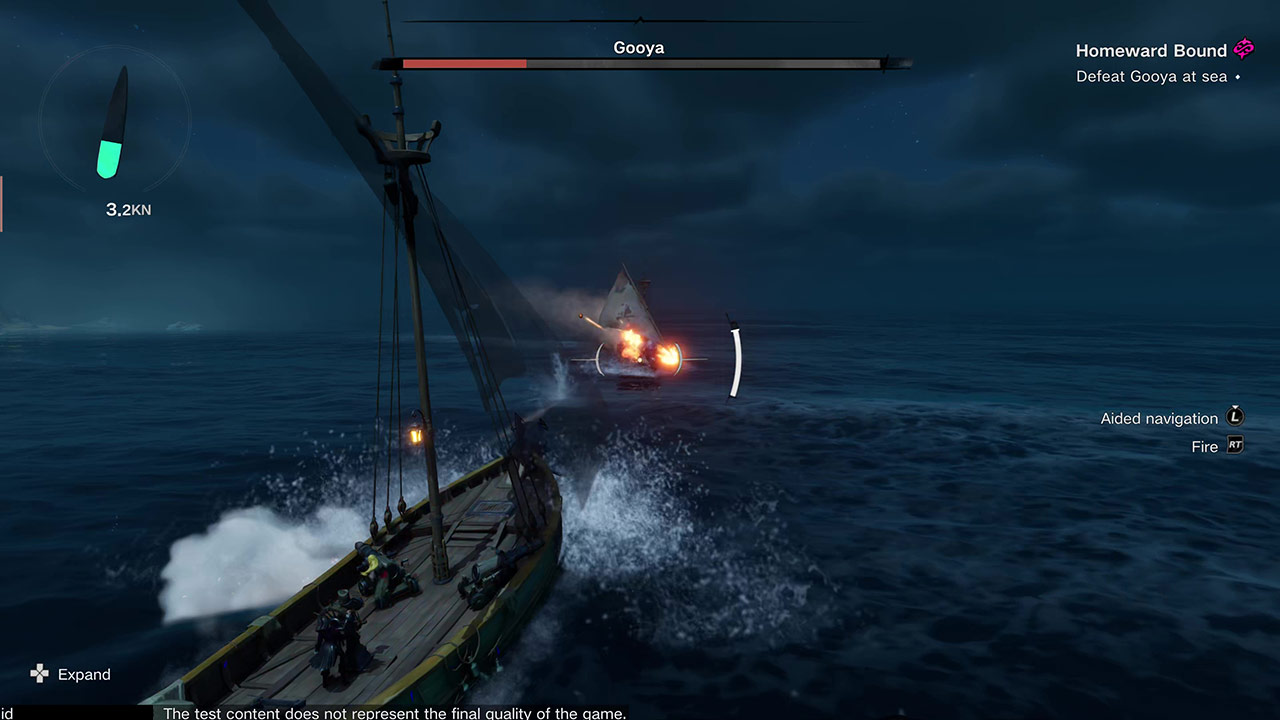
The game features two distinct combat systems: turn-based battles on land and naval warfare at sea. Each presents unique challenges. “For turn-based combat, deciding to use it meant solving issues like how monsters engage in combat within an open world and how their behaviors integrate with the map,” Alfie says. The team chose this system specifically to give players strategic depth.
“We chose turn-based to give players more strategic choices—skill builds, randomness, team compositions—allowing for more exploration and imagination.”
Naval battles, meanwhile, focus on delivering what Alfie calls “a grand, spectacular oceanic atmosphere.”
Visual Identity and Technical Challenges
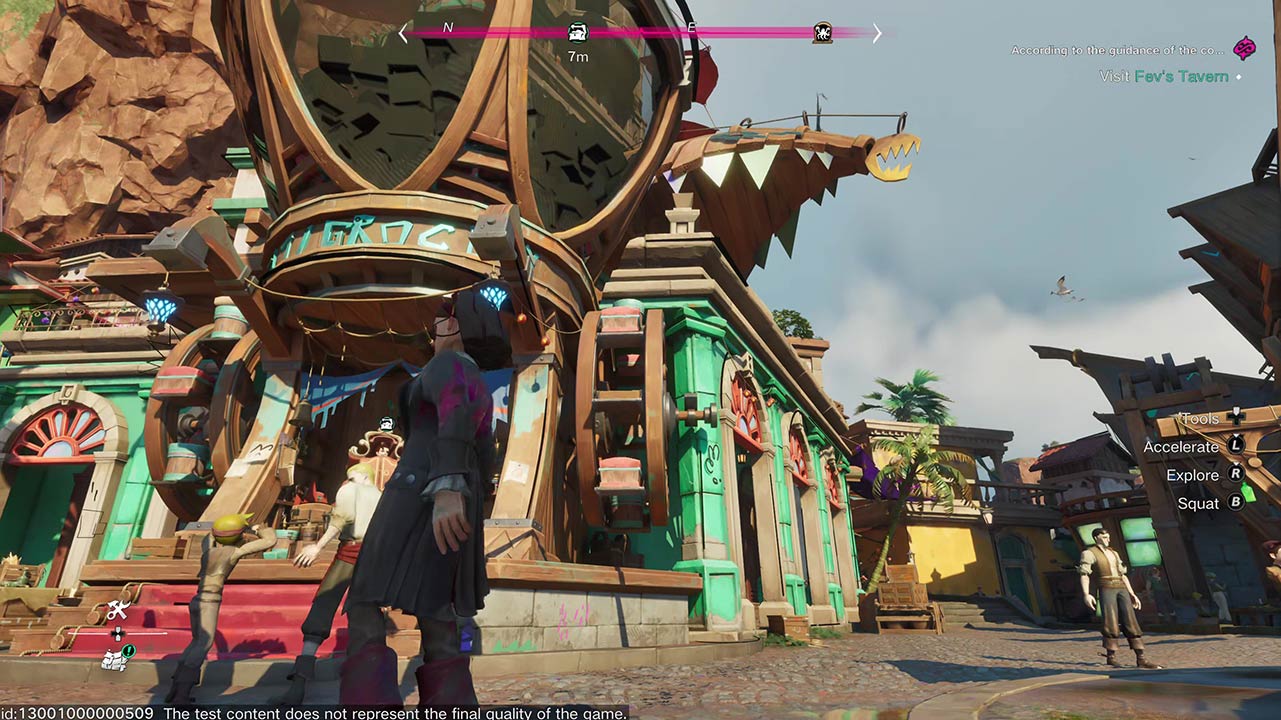
One striking aspect of Sea of Remnants is how it blends different visual approaches. Characters lean toward a stylized look while environments showcase more realistic 3D rendering, particularly with water effects and lighting. Kairos explains this was intentional: “We intentionally wanted to blend many 2D and 3D elements. Things like water reflections, dynamic lighting, and a 24-hour day/night cycle are all technologies we focused on to enhance immersion, and they took a lot of effort.”
The technical ambition extends to details many players might not immediately notice. “The interaction between ships and water, the splash effects when giant sea monsters emerge, or the wave distortions from using a big skill on the water—these were all specialized technical challenges we tackled,” Kairos notes.
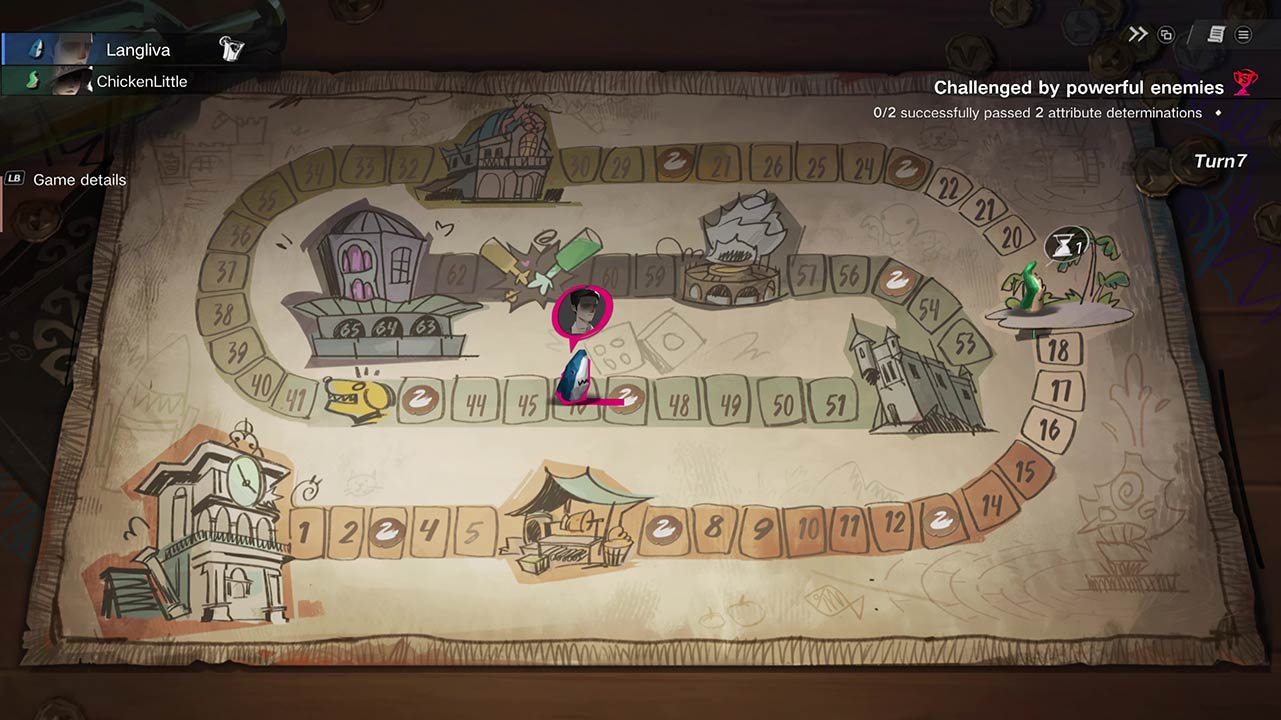
The team worked hard to make these elements cohesive. “We use cartoonish and 2D-inspired treatments in the texture processing of all our components to create harmony,” Kairos says. Even characters incorporate flat 2D elements in details like head ornaments.
“We constantly adjust these design elements to create a mutual response between the scene and the characters, making you feel immersed yet aware of the stylistic play. That’s the feeling we’re going for.”
For enemy and boss design, the team drew inspiration from street art and graffiti culture. “We’re inspired by things like the rendering styles or street art graffiti seen in some sci-fi or parallel universe settings,” Kairos explains. “We feel this street culture vibe aligns very well with the rebellious, free spirit of pirates—there’s a cultural and design essence that matches the pirate ethos.”
Character Design and Faction Identity
The team uses visual language to distinguish between different groups in the game world. “For NPCs specifically, we plan to expand our resource library to include more varied designs to improve distinctiveness,” Kairos says. “Additionally, we differentiate them visually through elements like faction-specific color schemes and styles. For example, the navy faction uses red and gold accents, while indigenous characters might be shirtless with straw necklaces and body paint.”
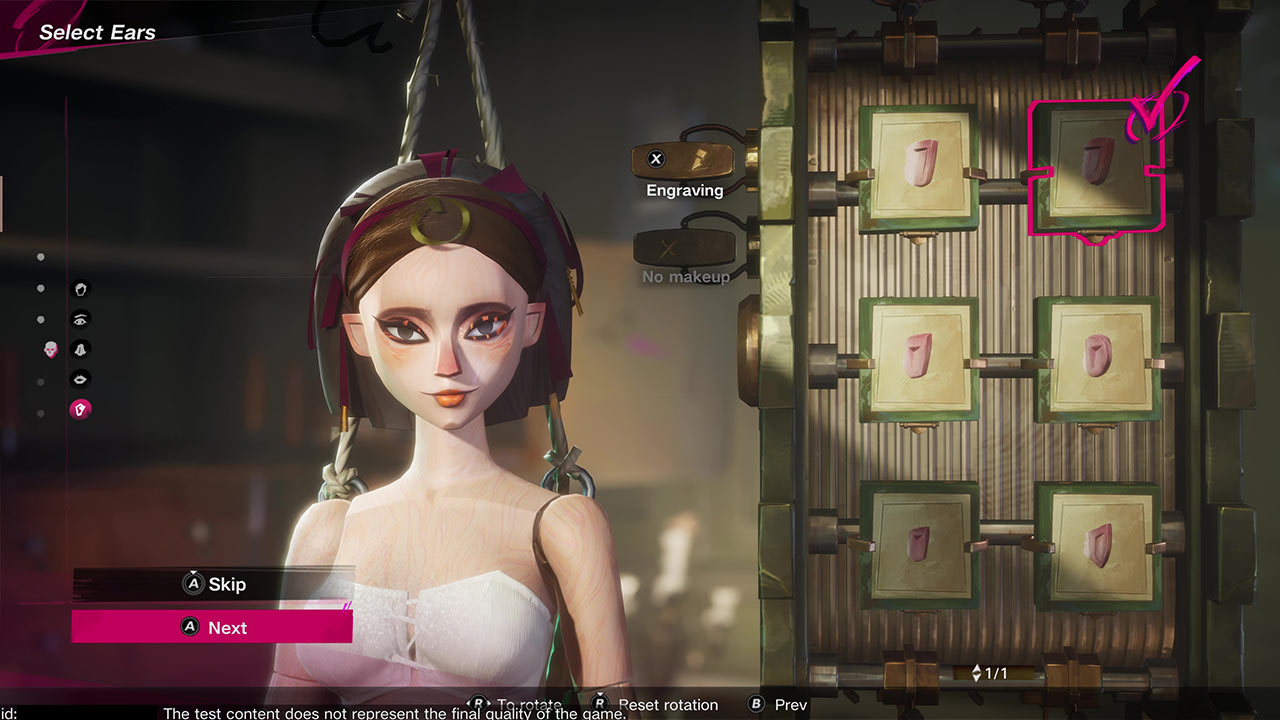
These visual markers help players identify allegiances at a glance. “These cultural and visual differences help players identify a character’s allegiance even if they don’t remember the face,” Kairos explains. Major factions get even more detailed treatment.
“For instance, a gang faction might revolve around a ‘spider and rose’ theme, with clothing featuring web-like lace patterns and embroidered rose totems.”
Interface Design and Functionality
The game’s UI underwent significant evolution during development. Initially inspired by the pirate theme, the team tried using engraving designs. “Drawing from the pirate theme, we wanted to use ‘engraving’ designs, like the notched texture of a Bluetooth symbol from pirate lore, for skill UI elements,” Kairos recalls. However, testing revealed problems.
“Planners pointed out that the buttons were too transparent and lacked distinction. While it offered good cinematic immersion, the playability suffered—players couldn’t easily tell skills apart.”
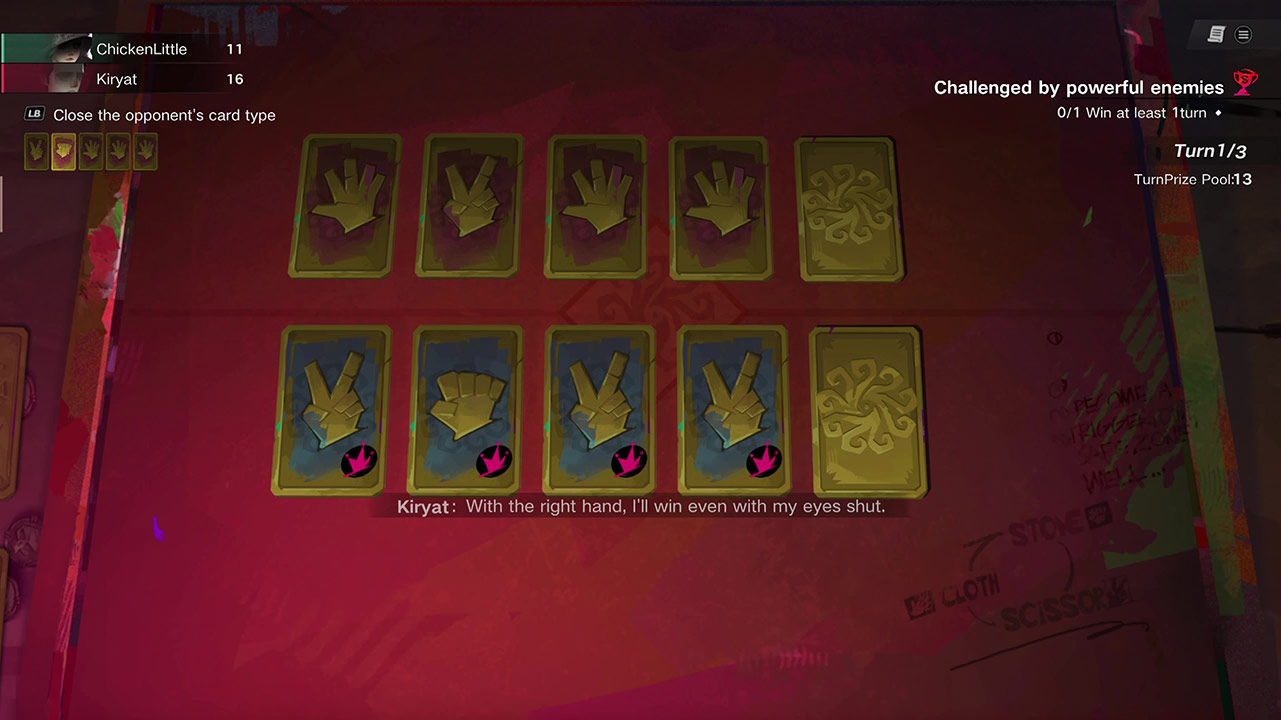
The team adapted their approach. “We returned to a functionality-first approach, using clearer graffiti elements and large color blocks to redesign the UI style,” Kairos says. While the team includes Persona 5 fans, their goal was different. “P5’s style is more 2D comic-book-like, whereas we wanted to express a graffiti feel.”
More Than Just Combat
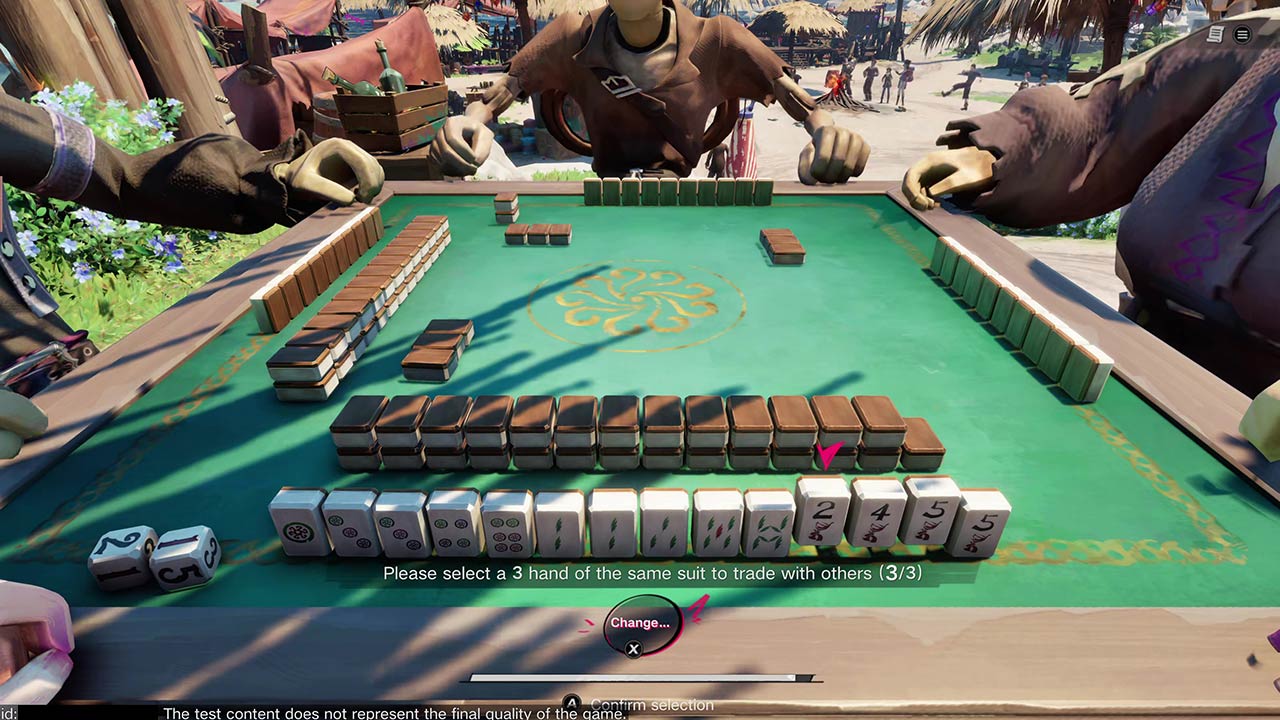
Sea of Remnants includes numerous mini-games, from Mahjong to a surprisingly detailed cat-petting activity. Alfie is particularly proud of these additions, which feature over a hundred animations but offer no direct rewards. “For instance, the ‘petting cats’ mini-game is very complex, with over a hundred cat animations for feeding and interacting. There’s no direct numerical reward,” he explains.
“We simply want players to experience pure fun and enjoyment, which is the essence of gaming.”
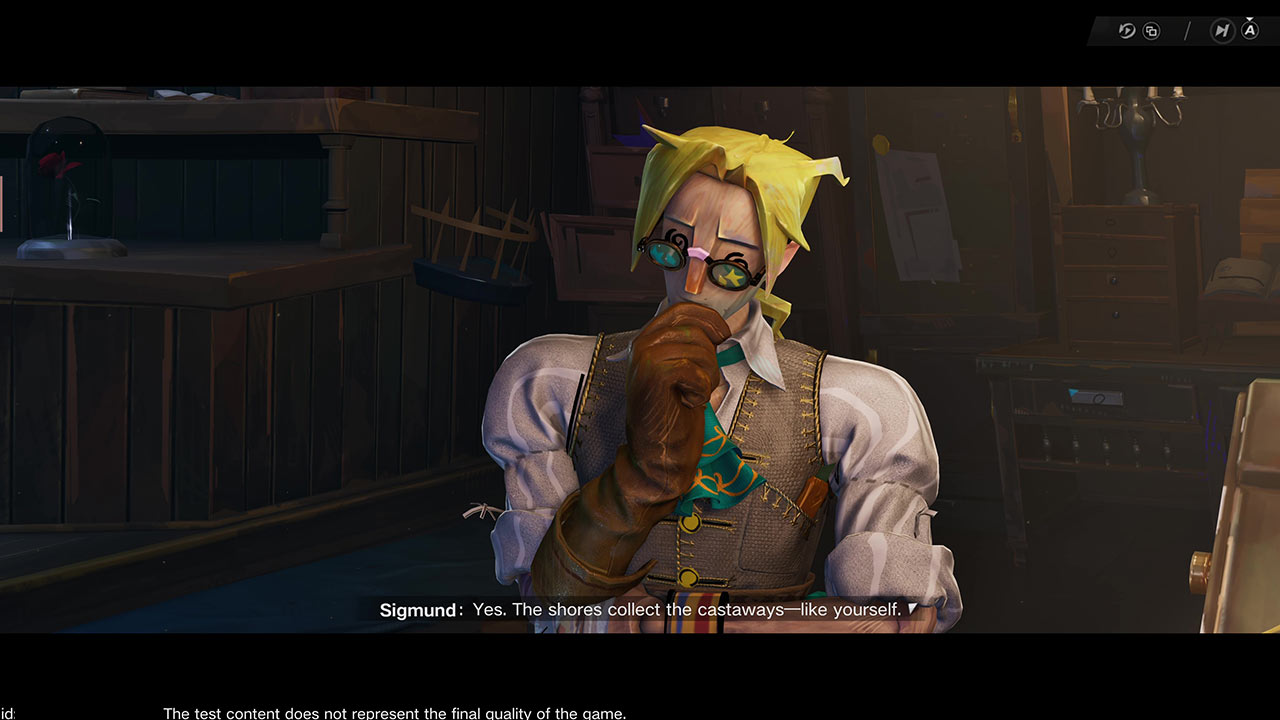
This approach challenges typical game design thinking. “Our design philosophy isn’t utilitarian—we don’t create content just so players feel compelled to play for progression,” Alfie says. “When designing, we base decisions on the game’s overall vibe.” He adds with emphasis: “Seriously speaking, creating mini-games isn’t ‘slacking off’; it’s focusing on what makes a game a game.”
Live Service Without Pressure
As a live-service title, Sea of Remnants faces the challenge of keeping players engaged between updates. The philosophy is to avoid forcing engagement. “We shouldn’t pressure players—they should have choices,” Alfie says. “Many great games see players return when new updates arrive. So, a ‘downtime’ period doesn’t mean the game has failed.”
During quieter periods, the team plans to offer variety through gameplay systems.
“We’ll still provide plenty of content for players to choose from, like different skill combinations and team setups, allowing them to experiment with new playstyles. This itself is a solution, adding richness and choice.”
When asked about potentially adjusting the balance between turn-based and naval combat based on player feedback, the studio is remains open. “We always listen to player feedback during tests and after launch,” Alfie says. “Currently, the feedback we’ve received shows players don’t reject turn-based combat; their experience with it remains positive.” He adds: “Of course, if something isn’t done well, we’d first think about why and how to make it better or more fun. If players want more naval battle experiences, we’ll listen.”
Finding Their Own Path
Throughout the conversation, what emerges is a team committed to their vision while remaining responsive to players. Kairos summarizes their approach to the new project: “We wanted to create differences in the game genre itself. We believe players have diverse tastes, and as developers, we wanted to try new possibilities and take on new challenges.”
Regarding the studio’s broader identity, Kairos notes: “We want each of our games to have its own special identity or characteristics. Of course, these characteristics are no longer limited to just visual style; they now include differences in gameplay experience, team development attributes, and our operational philosophy.”
Alfie reflects on what ultimately matters: “Our core focus is on whether we can do a good job with our own characters and designs. What players truly care about might not be ‘is it similar?’ but ‘is it good?’ If we do a good job, players will like it—that’s our hope.”
Regarding their approach to open-world design in a crowded market, Alfie offers final thoughts: “We prefer not to lead with utilitarian purposes, as that can trap us. It’s not a process of creating an open world just for its own sake.” For this team, the ocean theme demanded the open world, not the other way around—a distinction that seems to define their entire approach to Sea of Remnants.