











![[EXCLUSIVE] Beyond the Base Game: Cygames on What Endless Ragnarok Means for Granblue Fantasy: Relink](https://cdn.gamerbraves.com/2026/06/GBF-Relink-Endless-Ragnarok-Exclusive_Interview_FI-360x180.jpg)


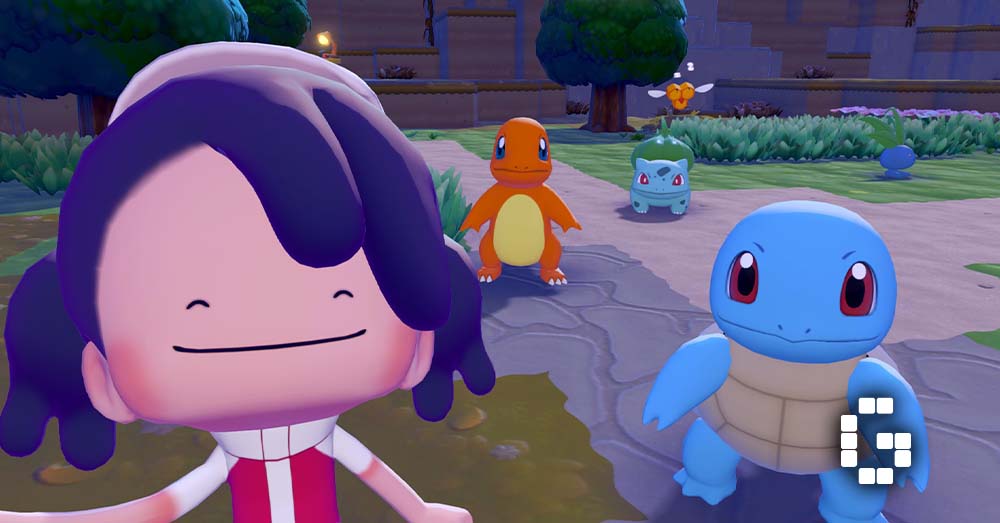
When most people think of the Pokémon franchise, the mind immediately jumps to the classic loop of adventure, collection, and battles. However, Pokémon Pokopia takes a radical departure from the norm. This isn’t your traditional Pokémon RPG; instead, it is a masterfully crafted experience centered on construction, ecological management, and meaningful interaction.
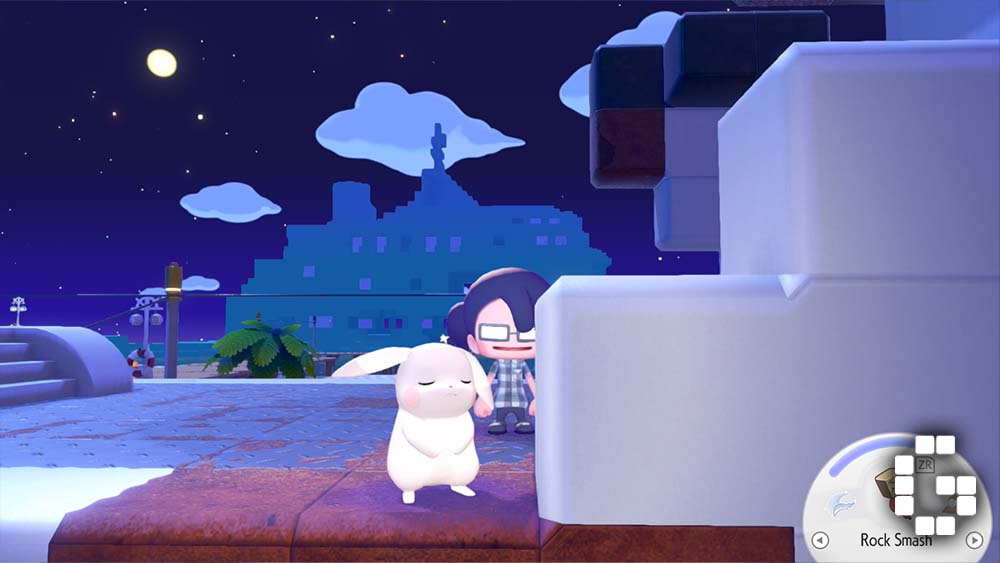
In this world, you are no longer a Trainer chasing Gym Badges. Instead, you are a builder tasked with restoring civilization to a desolate world. By repairing towns, designing habitats, and observing the natural interactions of Pokémon, players gradually breathe life back into a forgotten land. It is a bold design shift that, surprisingly, feels more “Pokémon” than many mainline entries.
Pokémon Pokopia: A World Without Humanity
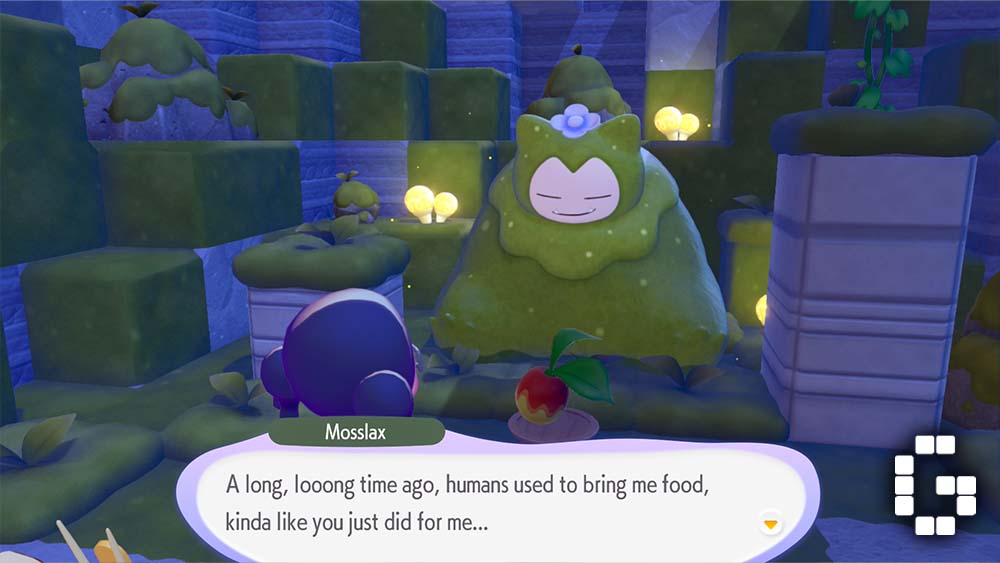
The narrative of Pokémon Pokopia is built on a hauntingly imaginative premise: long after the sudden disappearance of humans, the world has fallen into disrepair. Cities are crumbling, roads are fractured, and many Pokémon have lost their natural habitats.
You play as Ditto. This choice is not just a clever cosmetic conceit; it is the backbone of the gameplay. As a Pokémon capable of transformation, Ditto embodies the themes of creation and adaptability, making the process of rebuilding the world feel narratively cohesive. Your mission isn’t to conquer the world, but to heal it—turning a broken landscape into a true sanctuary for Pokémon kind. This is less an odyssey and more a journey of global restoration.
Pokémon Skills: Collaborative Restoration
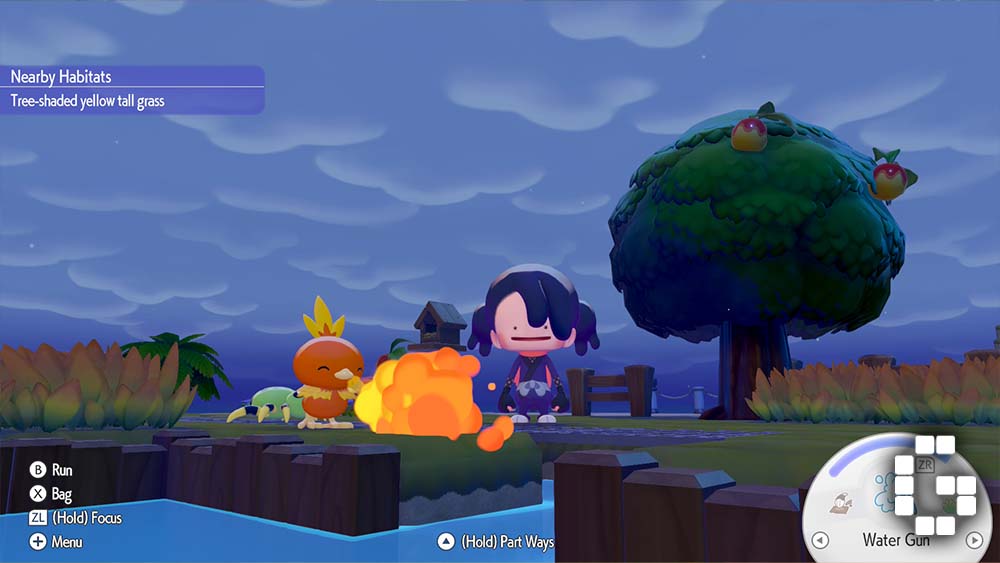
As a Ditto, your primary mechanic is learning abilities from other Pokémon to aid in construction. Throughout the game, you inherit skills from your neighbors: Bulbasaur teaches you “Leafage” skills to restore greenery, Squirtle provides “Water Gun” to revitalize parched soil, while moves like “Cut,” “Splash,” and “Rock Smash” serve as essential tools for exploration and resource gathering.
These skills are woven directly into the construction and resource loops. For example, fire-type Pokémon help process clay and ore, while Pokémon with “Cut” assist in timber processing. Certain heavy structures even require the raw power of Fighting-type Pokémon to complete. This design ensures that Pokémon are never just set dressing; they are your coworkers, your construction crew, and your partners in bringing the world back to life.
From Restoration to Creation: Onboarding the Builder
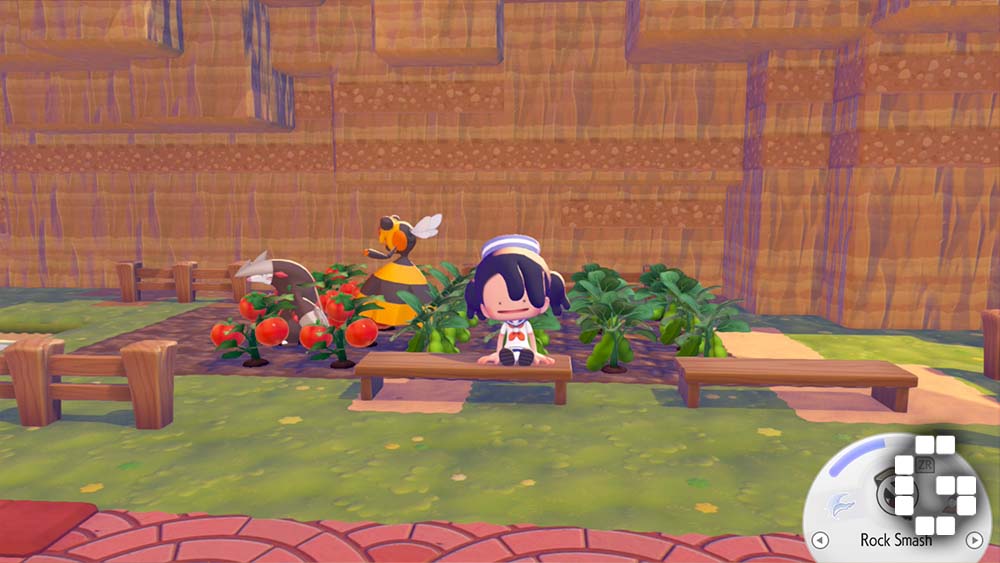
As a construction game, Pokémon Pokopia is remarkably approachable. While many sandbox titles overwhelm players with a blank canvas, Pokopia guides you through “restoration.” Most towns have existing skeletons—foundations, road layouts, and bridge supports. By repairing these structures, players learn the logic of the building systems in a way that feels like restoring order rather than aimless tinkering.
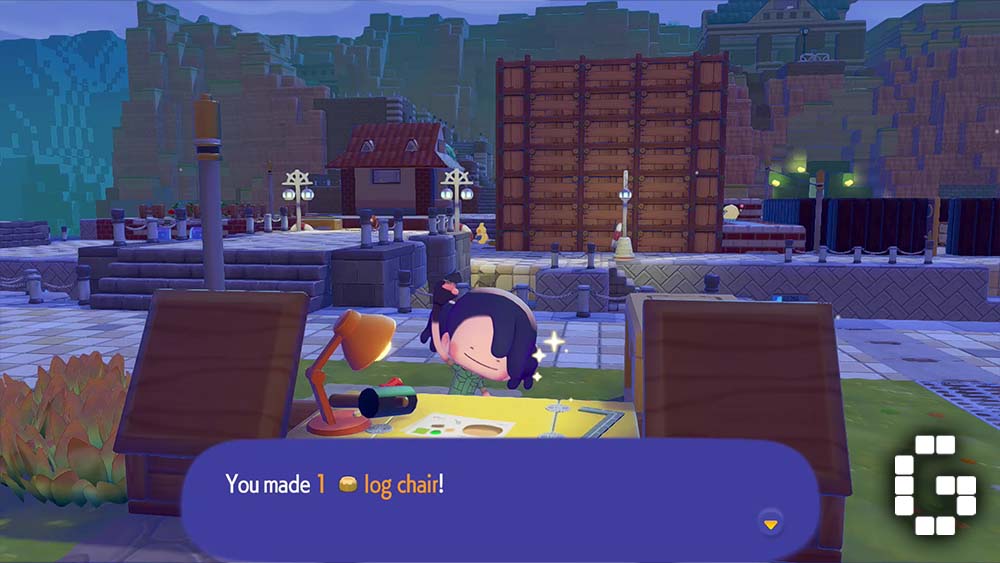
Of course, for those who crave total creative freedom, the game delivers. You can eventually tear down existing structures to redesign city layouts from scratch. The “Cloud Island” multiplayer maps further extend this, allowing you to build massive worlds alongside friends from the ground up.
Pokémon Pokopia’s Natural Sense of Progression
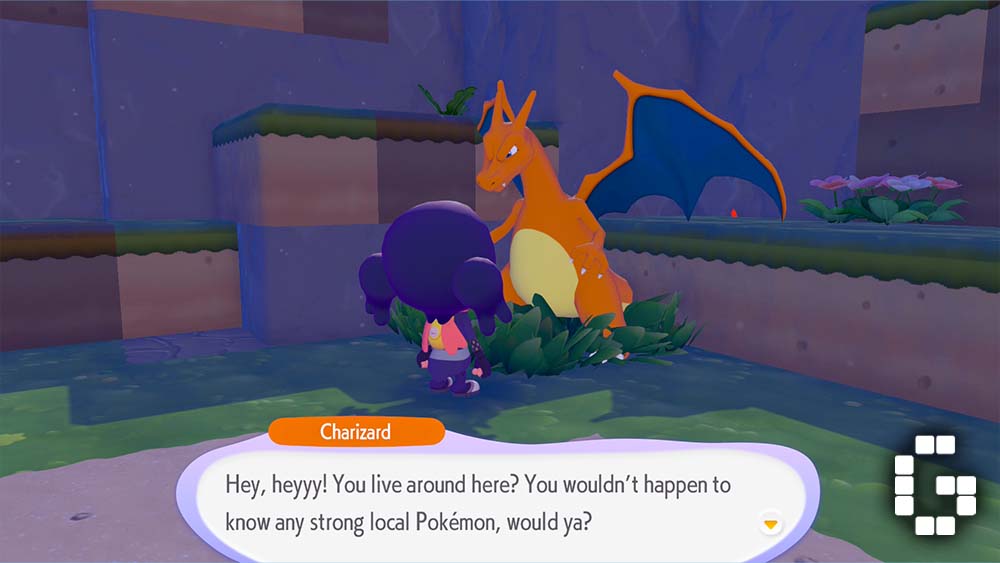
Despite its depth, the game’s pacing remains impeccable, gradually introducing systems through a structured narrative across diverse maps. In the Withered Wastelands, players learn the basics of habitat logic, house construction, and fundamental crafting, while Bleak Beach shifts focus to urban restoration, teaching electricity management, road networks, and bridge repair. Rocky Ridges then expands the complexity, introducing resource logistics such as ore mining, minecart transport, and the “Cooking” system for temporary stat boosts.
Alongside map progression, Ditto gains new “Transformations” that dramatically enhance efficiency. Lapras allows for water traversal, Dragonite enables high-altitude gliding for rapid travel, Graveler clears expansive terrains with its rolling attack, and Magnemite unlocks “Aerial Construction,” letting players build across a massive 9×9 radius and significantly streamlining endgame projects. These abilities not only diversify gameplay but also reward players for exploring and mastering each map’s unique challenges.
Creative Freedom
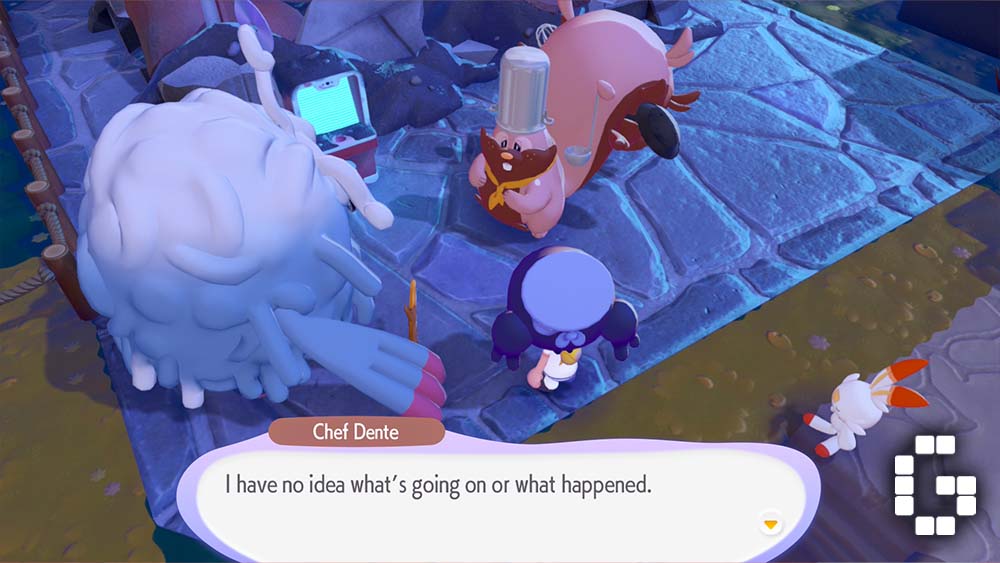
The game does not force players to finish the campaign before they can express themselves.Player can use provided Blueprints to easily assemble functional housing,or creative player can break free from constraints to design a big mansions, trans-oceanic rollercoasters, and sprawling metropolitan districts. Beyond the main campaign, a dedicated Sandbox Map offers a pure, resource-unconstrained stage for players to push the boundaries of their creativity.
The Habitat System: Emergent Ecology
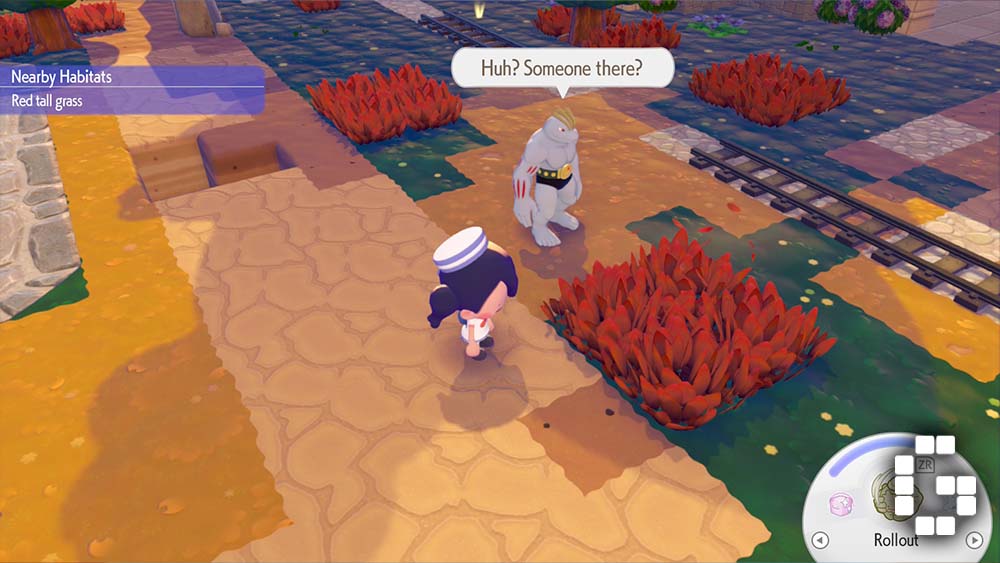
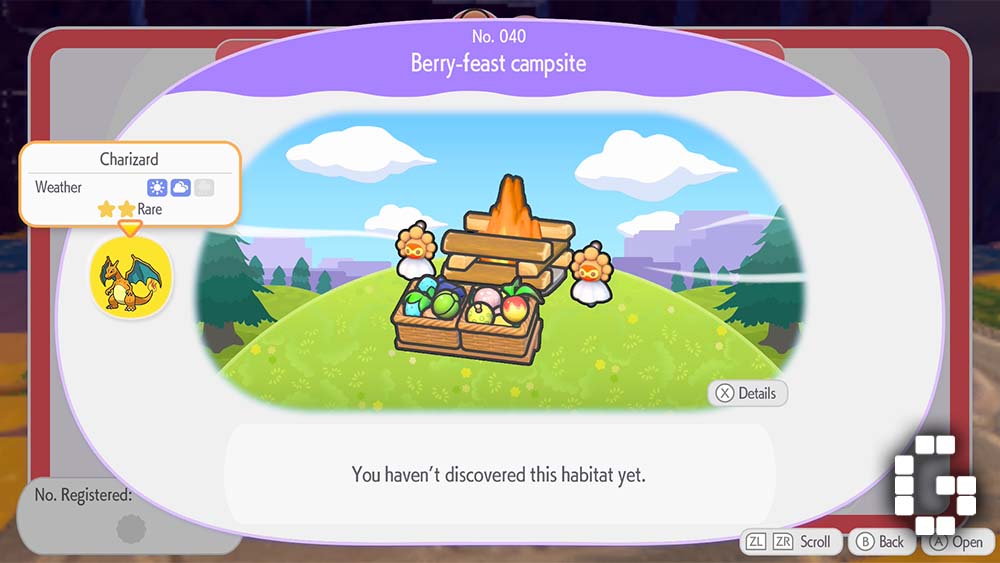
If building is the skeleton, the Habitat System is the heart. Players create specific environments using terrain combinations to attract Pokémon to their island. Basic habitats are simple (e.g., “Tall Grass” or “Tree-shaded tall grass”), attracting 4 to 6 common species. However, advanced habitats require specific furniture and environment synergy—like “Exercise resting spot” or “Picnic Set”—to attract rare or specific Pokémon.
The brilliance lies in the unpredictability. Pokémon don’t just appear on a timer; some arrive immediately, while others require patience. You can set up cameras around the map to notify you when a new visitor arrives, making ecological observation a relaxing metagame. Seeing Pinsir and Heracross get into a squabble or watching Pokémon interact with your furniture (like training with a punching bag or taking a bath) makes the world feel truly alive.
Logistics and Resource Management
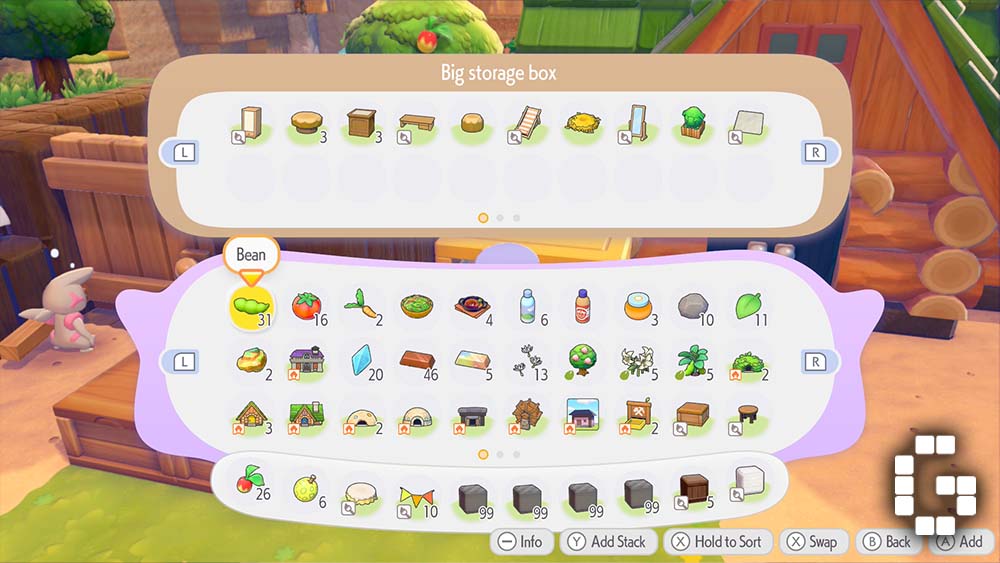
Resource processing adds a layer of “cozy” strategy. Burn skill can turn clay into bricks, and Recycle skill can process nonburnable garbage into iron ore and wastepaper into paper. There is a deliberate pacing here: each Pokémon can only process 10 units at a time. While this might feel like a bottleneck when building a massive mansion, it encourages the player to manage multiple “processing stations” and plan their resource loops ahead of time.
Inventory management also presents a classic survival-craft challenge. While your backpack expands over time, storage boxes are localized and not magically shared across the map. This forces the player to be intentional about their logistics and storage layout, adding a satisfying layer of organization to the gameplay.
Express Yourself: The Costume System
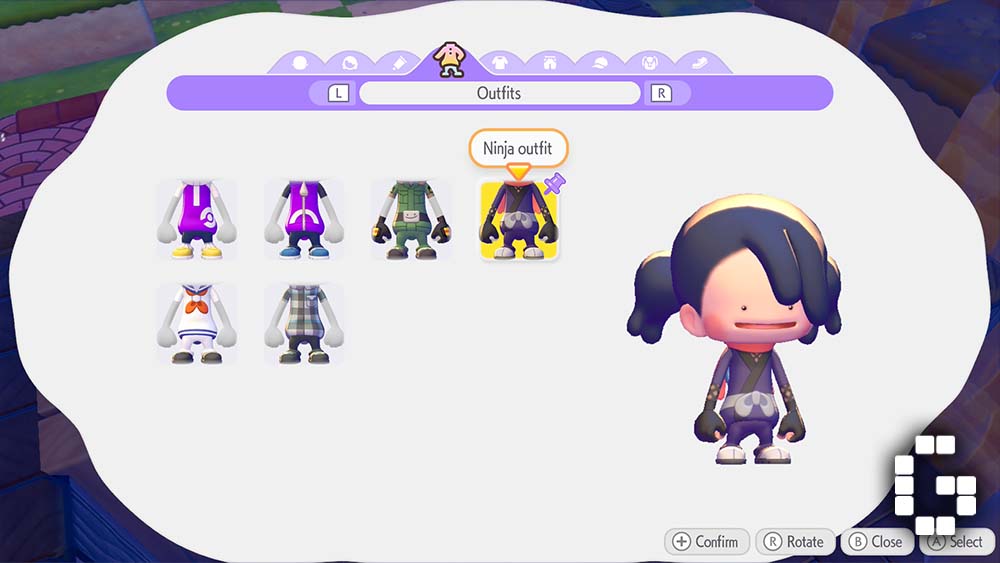
For those who love personalization, the Costume System allows you to dress your Ditto in a wide variety of outfits collected during exploration. The game includes numerous classic looks from across the franchise history, including the outfits of past protagonists, Gym Leaders, and various NPC Trainer classes. Combined with customizable skin tone, hairstyle, and hair color, players can craft a truly unique Ditto avatar. This system is particularly essential for multiplayer, ensuring that construction crews remain visibly distinct and full of character.
Nostalgia and Aesthetics
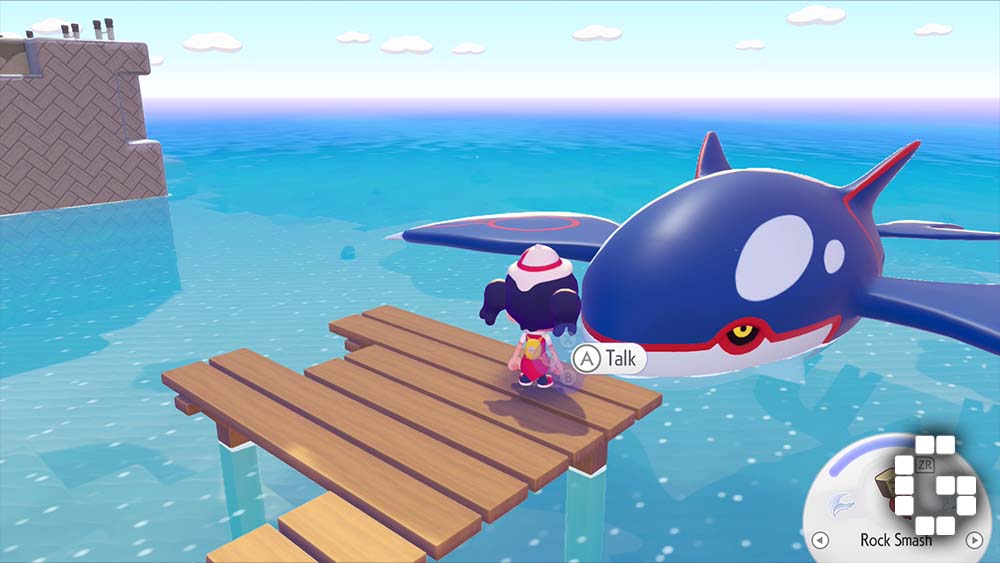
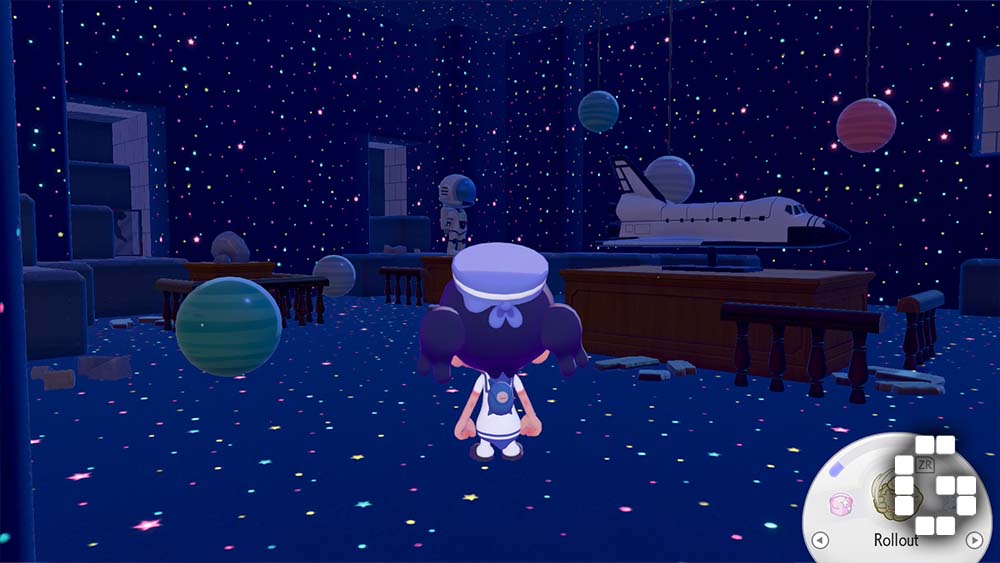
The game is a love letter to long-time fans. Set in the Kanto region, players will stumble upon the rusted remains of the S.S. Anne and the Pewter Museum of Science. Finding notes left behind by humans helps piece together the world’s history, creating a powerful emotional resonance for those who grew up in these digital spaces.
Visually, the “chibi” art style and blocky terrain evoke the miniature-set charm of Dragon Quest Builders. The music is equally delightful, featuring relaxing, lo-fi arrangements of classic themes. You can even collect CDs throughout the world to play your favorite tracks in your custom-built towns.
Precision Controls: The Nintendo Switch 2 Mouse Mode
Pokémon Pokopia also supports the new Joy-Con Mouse Mode available on the Nintendo Switch 2. This allows players to move the Joy-Con like a PC mouse to control the cursor, offering a level of precision that traditional joysticks simply cannot match.
For a construction-focused title, this feature is incredibly practical. Whether you are placing blocks, arranging furniture, or fine-tuning building positions, the Mouse Mode provides surgical accuracy. It also allows for more precise demolition at mid-to-close range, preventing accidental destruction of neighboring structures—a common frustration in the genre.
However, this control scheme isn’t without its quirks. Long sessions can feel slightly disjointed as you frequently lift and reposition the Joy-Con. Furthermore, the small form factor of the Joy-Con may feel cramped for players with larger hands, and navigating the ABXY buttons while controling the joystick requires a bit of a learning curve. Ultimately, these feel like growing pains of the Switch 2 hardware itself rather than a flaw in the game’s design. In scenarios requiring fine-tuned creativity, the Mouse Mode remains an invaluable tool.
Verdict of Pokémon Pokopia
Pokémon Pokopia is the result of a perfect chemical reaction. By shifting the focus from conquering the world to rebuilding it, the game finds a new way to express the core appeal of the Pokémon IP. Whether it’s the clever use of Ditto as a protagonist, the emergent ecology of the habitats, or the deep well of nostalgia hidden in its ruins, the game feels incredibly fresh.
Even if you have never played a Pokémon game before, if you enjoy construction, collection, and a relaxing pace, Pokémon Pokopia is a masterpiece that will easily consume hundreds of hours of your time.





The Review
PROS
- Exceptional integration between Pokémon and building gameplay
- Low Floor, High Ceiling Design Philosophy
- Creative and engaging habitat system
- Strong thematic consistency around restoring the world
- Massive amount of content and great longevity gameplay
- The multiplayer mode enhances the social experience.
CONS
- Material processing is relatively slow-paced.
- Inventory management demands strategic foresight