












![[EXCLUSIVE] Dragon’s Dogma 2: Dark Arisen Team Opens Up About the Expansion’s Name, New Norgan Region, and Performance Goals](https://cdn.gamerbraves.com/2026/07/Dragons-Dogma-2-Dark-Arisen_Interview_FI-360x180.jpg)



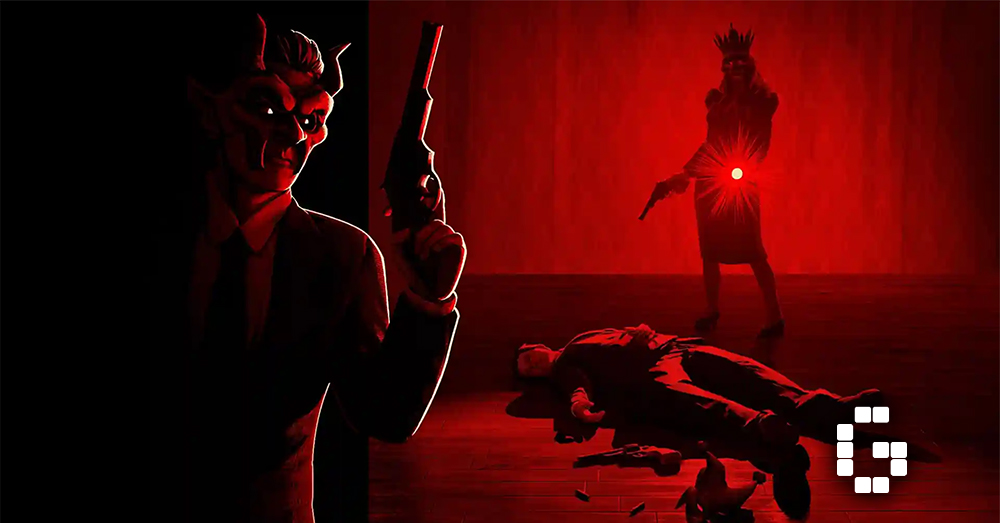
Midnight Murder Club throws players into complete darkness with nothing but a flashlight, a revolver, and their wits. This indie multiplayer shooter skips elaborate storylines and complex mechanics, instead focusing on creating tense moments through its unique lighting system. In this review, we’ll explore how the game’s simple concept translates into gameplay, examine its various modes, and see whether it has enough content to keep players coming back.
Core Gameplay: Light as Your Greatest Enemy and Ally
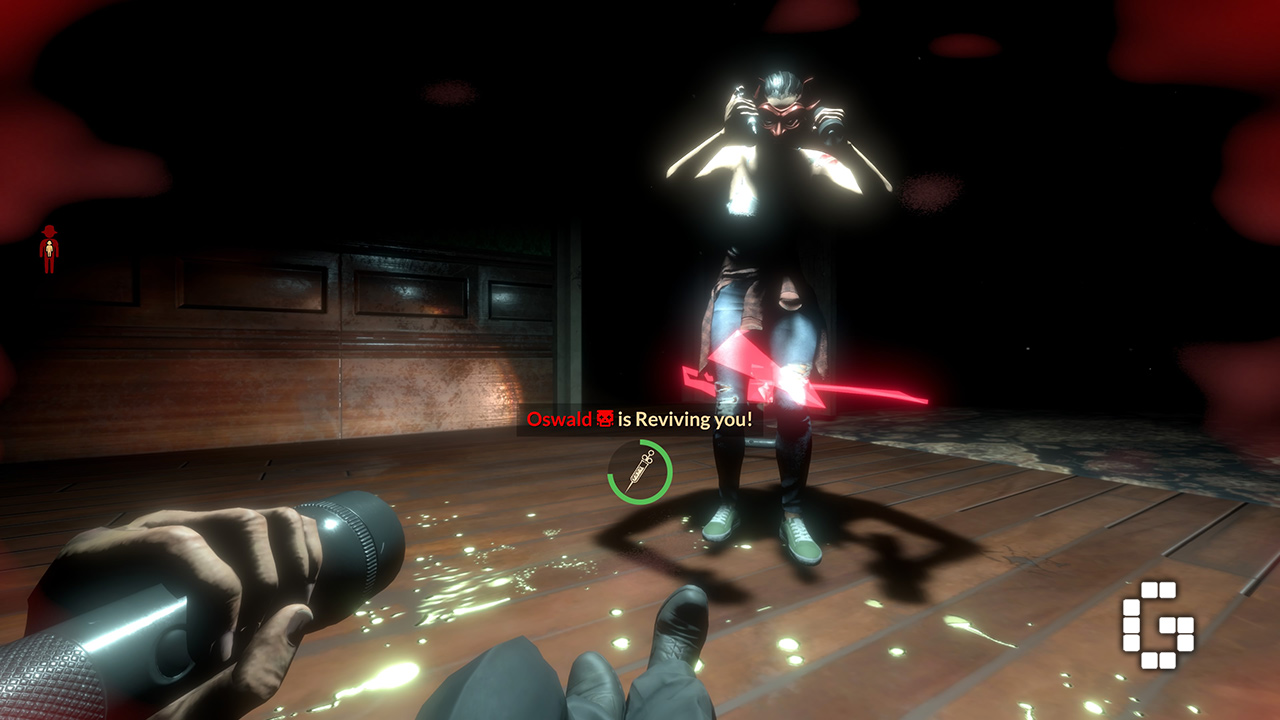
The heart of Midnight Murder Club lies in a single, brilliant mechanic: your flashlight. Set in the pitch-black Wormwood Manor, a sprawling Victorian estate, players must navigate using only brief flashes of light. Every time you turn on your flashlight, you gain precious seconds of vision but immediately reveal your location to nearby enemies.
This creates constant tension. Do you stumble blindly through corridors, hoping not to walk into an opponent? Or do you risk lighting up and potentially painting a target on yourself? This decision defines every moment of gameplay and makes even simple actions like opening doors or reloading feel dangerous.
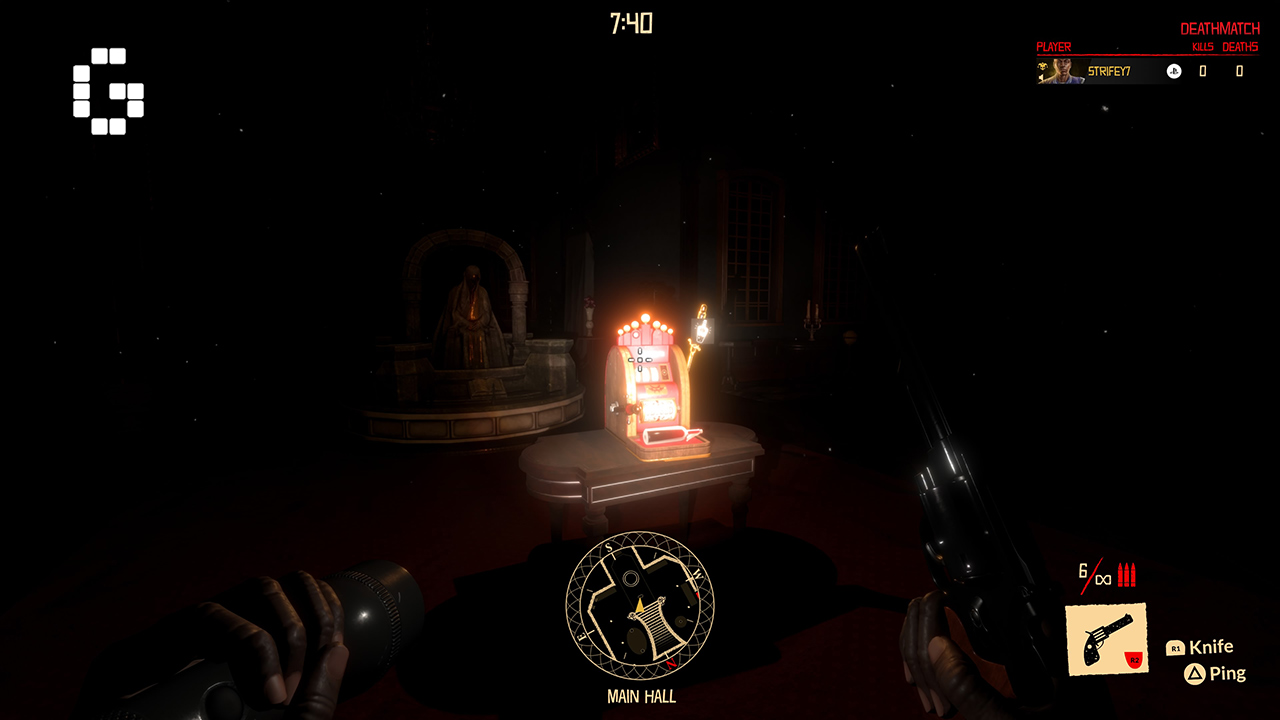
The gunplay follows old-school shooter principles. There are no iron sights, unlimited ammo, or complex weapon systems. Your revolver holds limited bullets, reloads slowly, and can kill with a single headshot. This forces players to be deliberate with every shot rather than spraying bullets wildly. The approach feels similar to classic 90s shooters like Quake or GoldenEye 007, where positioning and timing matter more than equipment upgrades.
Game Modes: From Simple Survival to Chaotic Comedy
Free For All serves as the foundation mode. Six players enter the mansion with only one goal: be the last person standing. Each match becomes a unique story of ambushes, near-misses, and clever positioning as players hunt each other in complete darkness.
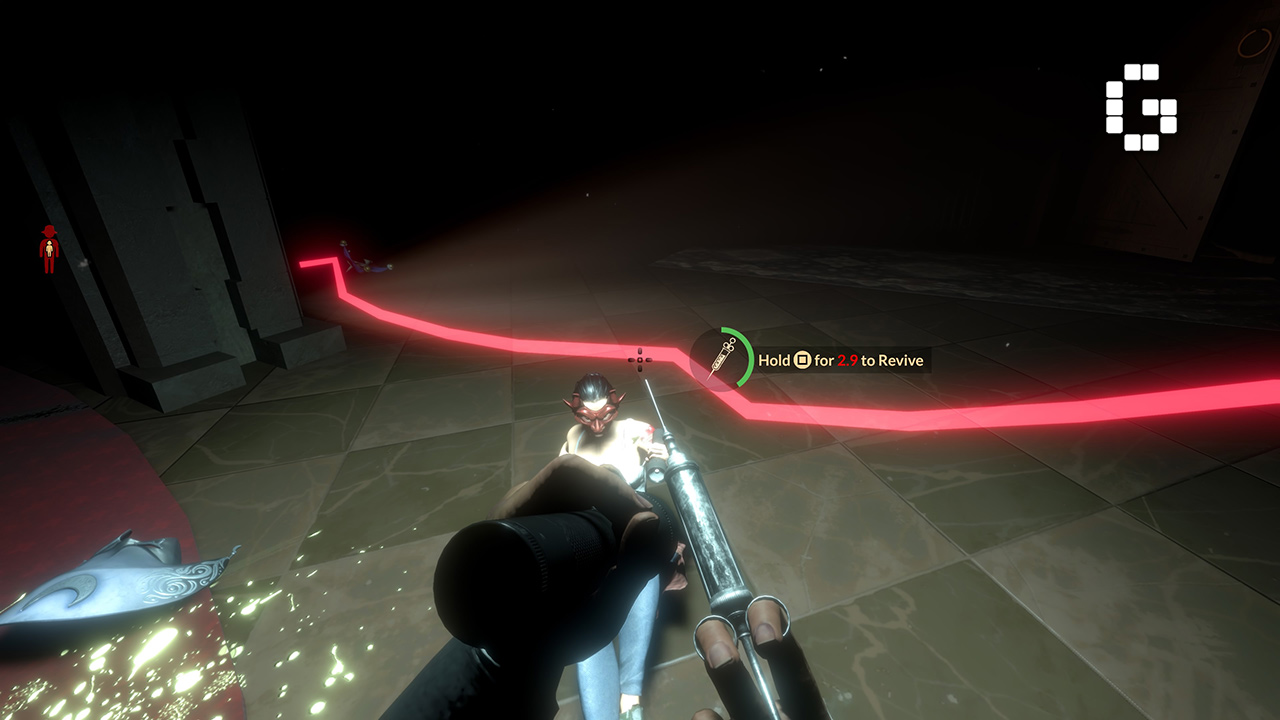
Team Deathmatch splits players into two teams of three, adding a revive system that encourages teamwork. Moving as a group provides safety but creates more noise, making teams vulnerable to coordinated ambushes.
Thief in the Night changes focus from pure combat to objective-based gameplay. Players must collect relics scattered throughout the mansion and deposit them in a vault. However, the darkness makes navigation confusing, and players often struggle to find objectives or understand where to go.
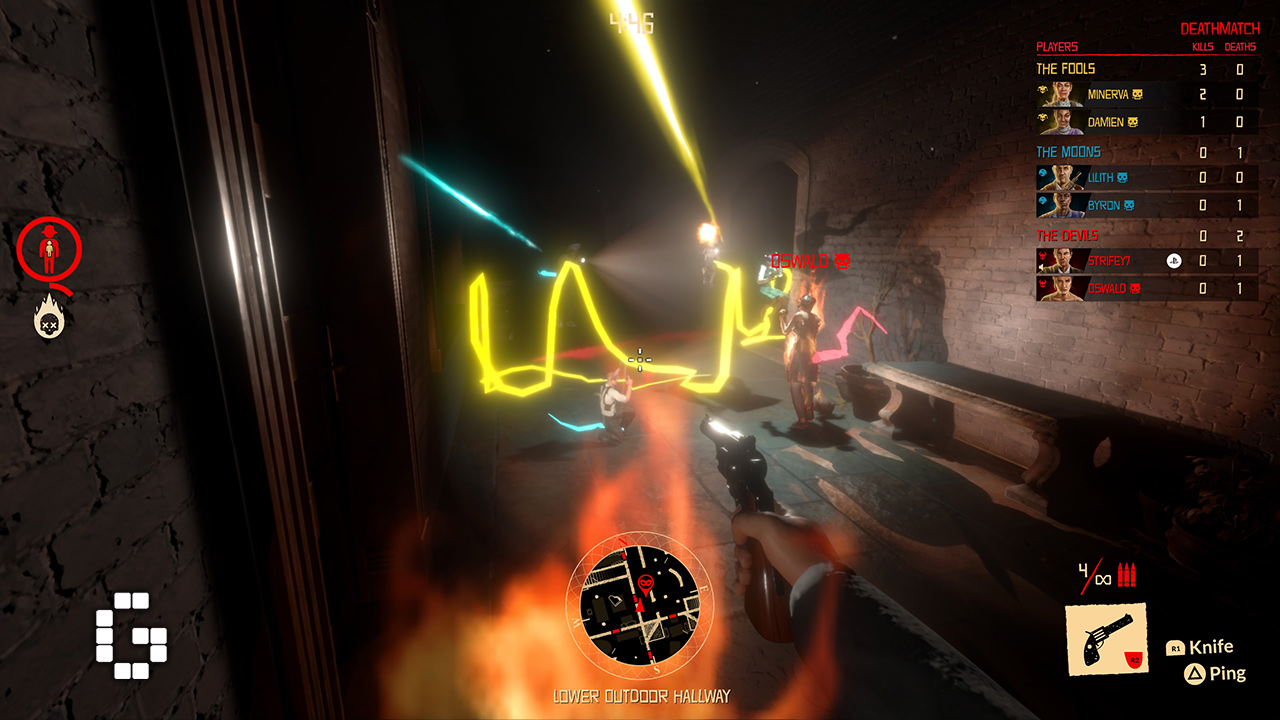
Headhunters features asymmetrical gameplay where one team defends a totem while attackers try to destroy it. The mode can create tense standoffs but sometimes feels unbalanced, with certain mechanics giving attackers visibility advantages that work against the game’s core darkness concept.
Graveyard Shift offers a single-player or co-op experience against AI enemies across nine rounds with different objectives. While it provides an alternative to online play, the mode becomes repetitive quickly without meaningful progression or story elements.
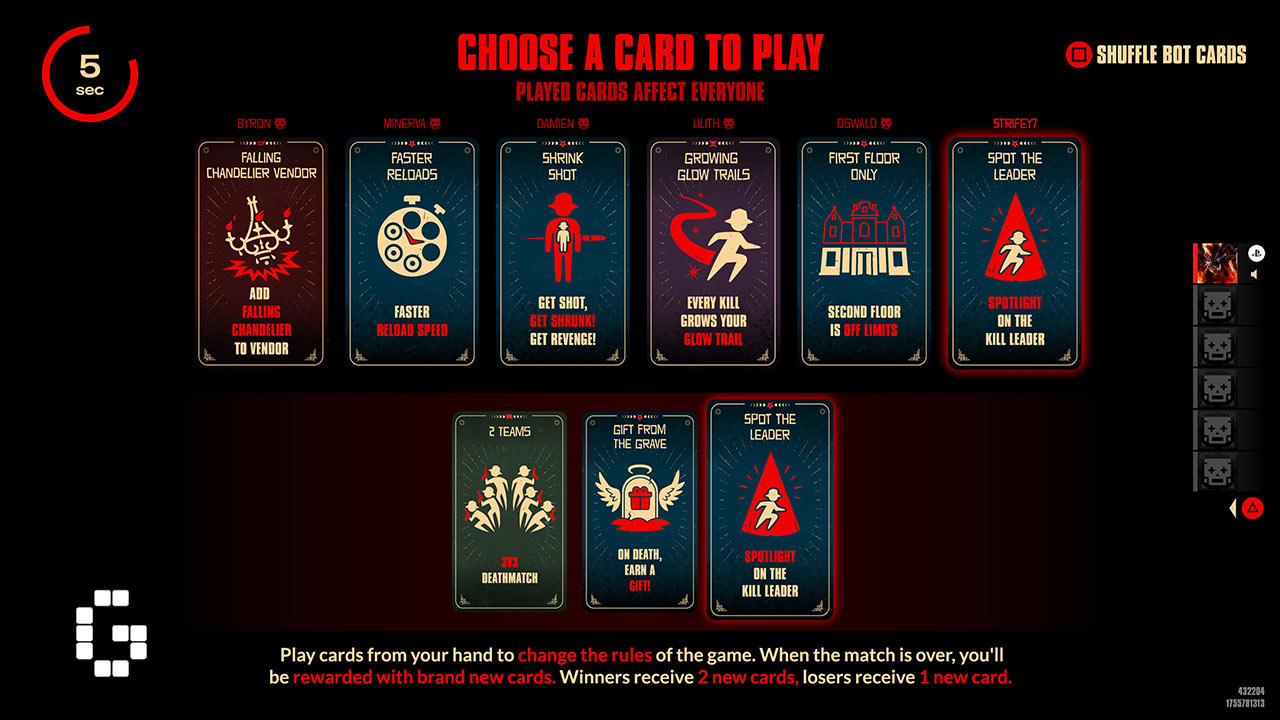
Wildcards stands out as the game’s most entertaining mode. Before each match, players receive random modifier cards that completely change gameplay. Cards might shrink all players to half size, force constant movement to avoid catching fire, add glowing trails that eliminate stealth, or trigger random sound effects that give away positions. These modifiers transform the tense core gameplay into chaotic comedy and represent the game at its most creative.
Multiplayer Experience: Great with Friends, Challenging Alone
The game shines brightest when played with friends. The Guest Pass system allows one player to purchase the game and invite up to five others for free, making it easy to fill a lobby without everyone buying the title.
Public matchmaking presents more challenges. Lobbies take time to fill, players frequently leave mid-game, and most votes go to Wildcards mode, leaving other modes underplayed. Without friends to coordinate with, the experience loses much of its appeal.
The game lacks traditional progression systems, cosmetics, or battle passes. While this keeps gameplay focused, it also means no long-term rewards or goals beyond the immediate fun of each match.
Technical Presentation
Midnight Murder Club uses a 60s-inspired aesthetic reminiscent of BioShock, featuring antique furniture and occult decorations throughout the mansion. The visual details aren’t particularly impressive, but the constant darkness hides most limitations while maintaining atmosphere. Audio design excels where visuals are simple. Every sound – footsteps, creaking doors, gunshots – carries important information about enemy locations.
The proximity chat system allows players to hear others based on distance, turning whispers into potential jump scares and making communication crucial for strategy. On PlayStation 5, DualSense controller features enhance immersion through adaptive triggers and haptic feedback that respond to in-game actions.
Verdict
Midnight Murder Club succeeds as a unique multiplayer experience built around creative use of lighting and sound. The flashlight mechanic creates genuine tension, and Wildcards mode delivers chaotic fun that few other shooters match. The Guest Pass system makes it accessible for friend groups, and the simple gameplay is easy to understand.
However, the game’s limitations are clear. With only one map, no progression system, and inconsistent public matchmaking, long-term engagement is limited. This isn’t a game designed for weeks of grinding or competitive ranking – it’s a party game meant for a few hours of laughs with friends.
At $10 with a guest pass system, Midnight Murder Club offers good value for what it delivers. Players looking for a unique party game experience will find plenty to enjoy, while those seeking deep progression or extensive content might want to look elsewhere. The game works best when approached as a fun diversion rather than a primary gaming experience.
The Review
Midnight Murder Club
PROS
- Wildcards mode adds hilarious chaos and keeps the game fresh.
- Excellent audio design.
- Guest Pass system makes it easy to bring friends without everyone buying the game.
CONS
- Only one map (Wormwood Manor) makes modes blur together over time.
- No progression system, cosmetics, or rewards, reducing long-term motivation.
- Can be repetitive and boring quickly.
- Public matchmaking is unreliable, with slow lobbies and long match making.