














![[EXCLUSIVE] Dragon’s Dogma 2: Dark Arisen Team Opens Up About the Expansion’s Name, New Norgan Region, and Performance Goals](https://cdn.gamerbraves.com/2026/07/Dragons-Dogma-2-Dark-Arisen_Interview_FI-360x180.jpg)



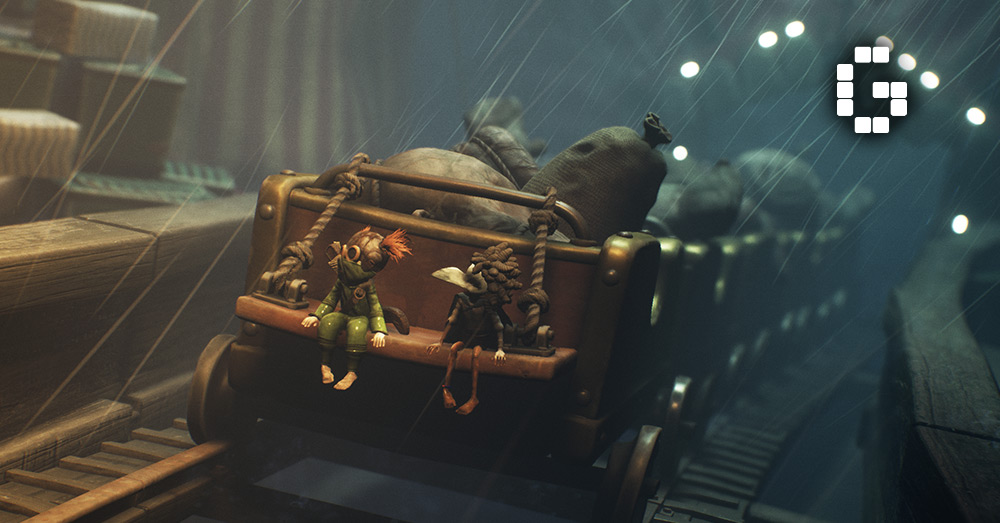
The Little Nightmares series has carved out its own corner in the horror-puzzle genre, delivering unsettling atmospheres and clever gameplay without relying on jump scares. With the third entry, developer Supermassive Games takes the franchise in a new direction by introducing two brand-new protagonists and finally adding the co-op mode that fans have been requesting. But does this shift away from familiar faces like Six pay off? This review of Little Nightmares III explores how the game balances its signature eerie tone with cooperative gameplay, examines the new combat and puzzle mechanics, and looks at whether the experience maintains the quality that made the series stand out.
New Protagonists Take Center Stage
Little Nightmares III moves away from Six entirely, introducing two completely new characters: Low and Alone. While some fans may feel disappointed by this departure, the change brings a fresher experience to the series. Each character comes equipped with their own weapon that changes how they interact with the world. Low carries a bow, while Alone wields a wrench. These tools serve dual purposes as both weapons for combat and instruments for solving puzzles, giving each character a distinct role in gameplay.

Bandai Namco Entertainment
The game still follows the series’ established formula from the previous entry, focusing heavily on two main characters working together. However, this time the characters are designed specifically for cooperative play from the ground up, which represents a significant shift in how the game approaches its core mechanics.
Combat That Demands Coordination
Combat in Little Nightmares III takes a more prominent role than before, though it’s still not the main focus. Many sections still require you to simply run away from massive monsters, which remain the primary source of horror. The action elements are present but don’t feel particularly polished or engaging.
One example involves fighting off swarms of flying insects. Low must shoot them out of the air while Alone finishes them off once they hit the ground. The game ensures that neither character can handle enemies alone, which works well conceptually. However, the execution feels impractical and confusing. When playing as Low, you can’t aim manually and must position yourself in specific spots for shots to connect. Alone needs to maintain distance to avoid instant death from enemy attacks before Low can even fire.

Bandai Namco Entertainment
This combat system requires substantial trial and error. Beyond combat encounters, the stealth sections proved even more frustrating, forcing repeated restarts and making you watch the same lengthy cutscenes or animations after every small mistake. Movement and jumping controls also felt inconsistent at times. One player even switched from keyboard and mouse to a controller for better responsiveness, which the game itself recommends.
Story Through Environmental Clues
Little Nightmares has never provided explicit story context, instead asking players to piece together narrative elements through observation and interpretation. You might gather information from dialogue-free cutscenes or through environmental storytelling scattered throughout the world. Compared to games like FromSoftware’s Soulslike series, Little Nightmares III gives even fewer direct hints about its narrative.

Bandai Namco Entertainment
The story centers on Low and Alone’s struggle to survive across various terrifying locations within a place called The Spiral. Despite the minimal storytelling, the process of absorbing narrative clues and forming theories as the game progresses remains engaging for those who enjoy this approach.
Co-Op Changes Everything
The addition of online co-op represents the most significant change from Little Nightmares II. While that game featured two protagonists working together, it only allowed solo play with an AI companion. Little Nightmares III still offers an AI companion option for solo players, though the lack of local co-op feels like a missed opportunity that would have been relatively straightforward to implement.
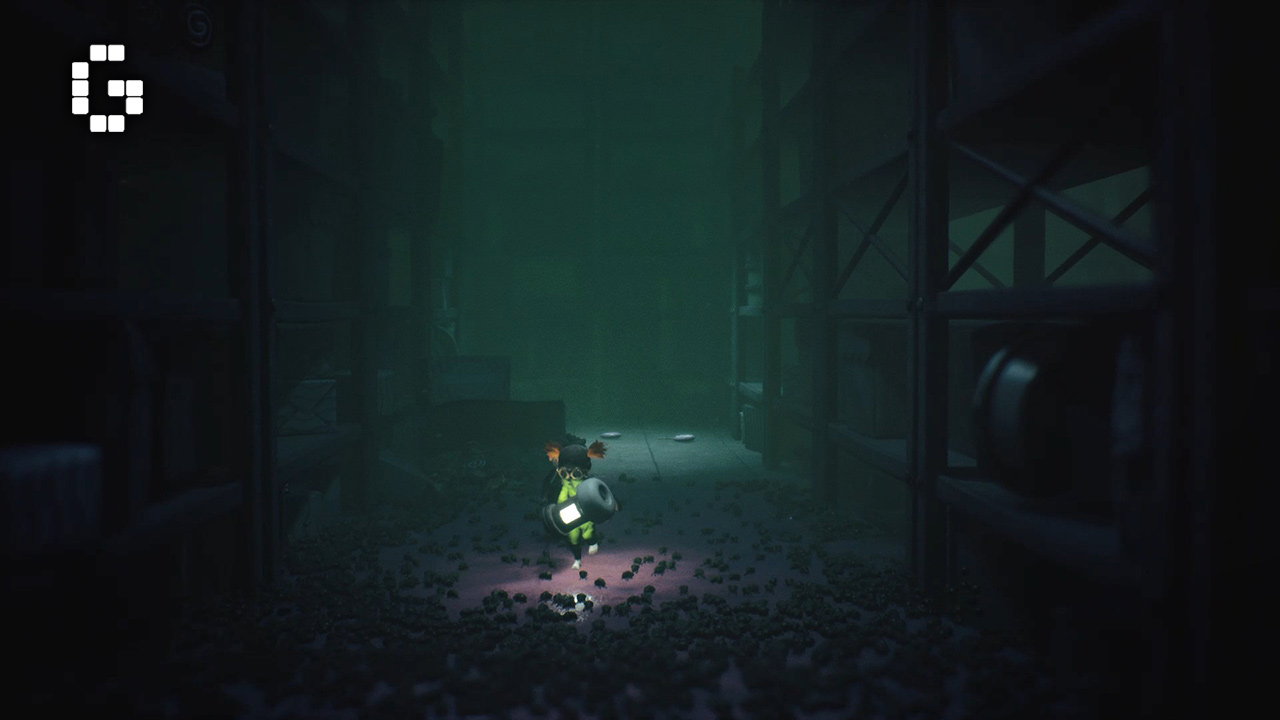
Bandai Namco Entertainment
Playing Little Nightmares in co-op creates a double-edged sword effect. The fun factor increases dramatically when playing with another person, but this almost completely eliminates the horror atmosphere. The series has always excelled at immersion, creating worlds that feel alive yet silent, capable of shifting into intense, unsettling sequences at any moment. The games never relied on jump scares but maintained a distinctive tone that delivered unique, haunting experiences.
Being able to communicate and joke around with a friend makes that carefully crafted illusion disappear. While the enjoyment factor increases significantly, something essential to the Little Nightmares experience gets lost in the process.

Bandai Namco Entertainment
Empty Spaces and Missing Variety
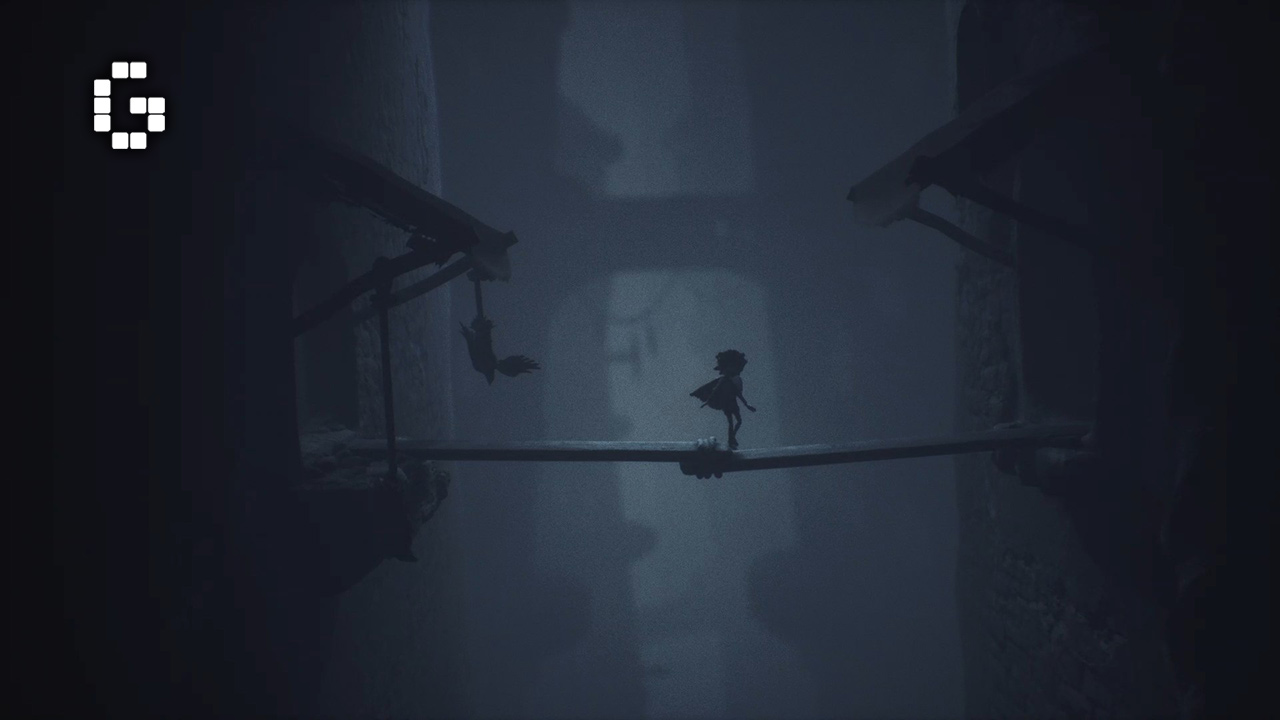
The level structure in Little Nightmares III often feels hollow. Entire sections can pass without any combat at all, focusing solely on escaping dangerous monsters. Since the combat itself isn’t particularly special and can feel cumbersome, its absence isn’t necessarily a problem. However, this creates a lack of content variety throughout the experience.
Bandai Namco Entertainment
Much of the playtime involves entering rooms, checking for interactive objects (which are often absent), and simply moving to the next area. The game feels sparse overall, as if the developers wanted players to absorb the atmosphere with occasional puzzle or action segments placed far apart. This design makes certain sections feel dull because reaching new areas doesn’t provide a rewarding sense of progression. Many sections seem intentionally designed to slow pacing without offering interesting activities, creating the impression of wasted time.
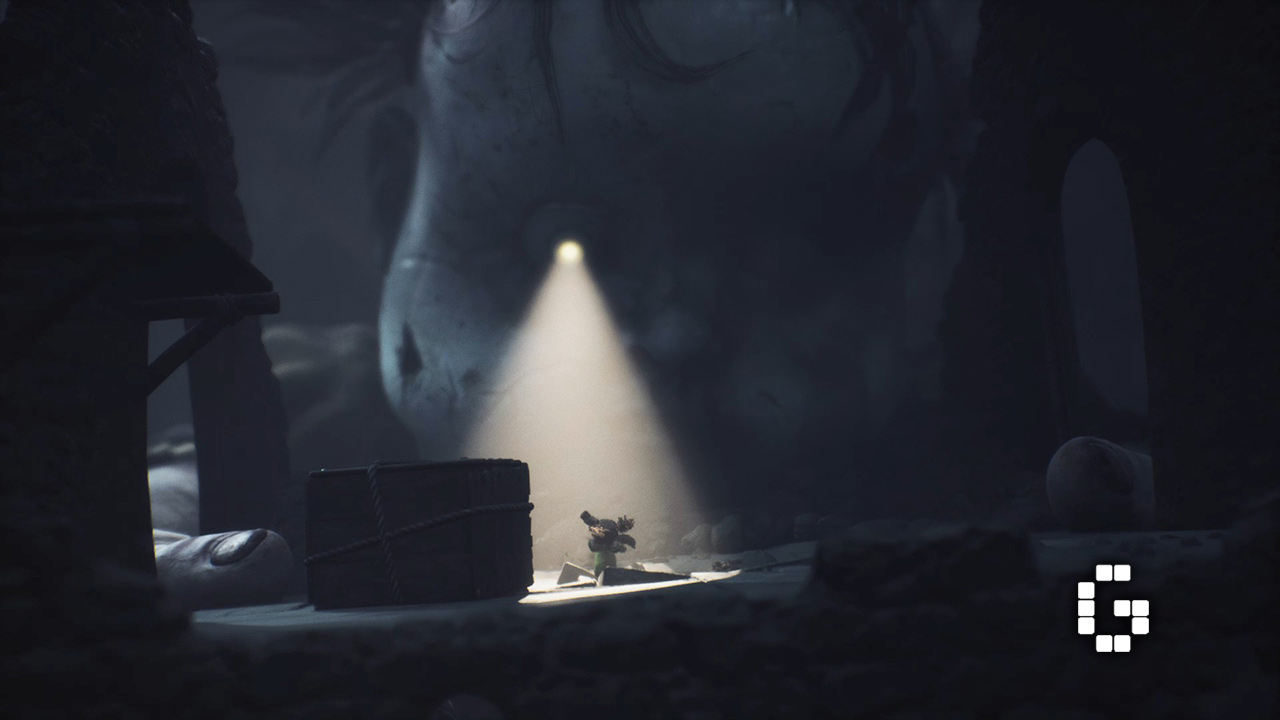
This issue could have been addressed by reducing empty segments and adding more puzzles, more creative level designs that challenge platforming skills, and more interactive objects. For side content, the game only features collectible dolls hidden in a few optional areas.
Bandai Namco Entertainment
Verdict
Little Nightmares III addresses the biggest complaint from the previous game by finally including co-op, while also bringing an entirely new story with fresh protagonists. The game offers something different for longtime fans and appeals to those seeking a co-op experience with a unique tone and atmosphere. However, the franchise’s signature atmospheric horror fades when playing with a friend, while solo players relying on the AI companion will notice its limitations more clearly, particularly given how empty many gameplay sections feel.
The overall quality stays consistent with previous entries, but the game needs a bigger evolutionary step beyond just implementing co-op. The action elements still don’t quite work as intended, and the experience would benefit from more meaningful content filling out its world. Little Nightmares III delivers on its promise of cooperative gameplay but struggles to maintain the haunting atmosphere that made the series special in the first place.
The Review
Little Nightmares III
PROS
- Incredible art direction and world design
- Piecing the lore together is always fun
- Refreshing take on the protagonists with added tools as a gameplay helm
- Co-Op implementation
CONS
- Many areas feels empty with nothing much to do and only serve to slow down the pacing
- Controls still doesn’t feel that great, especially during combat segment
- No option for local Co-Op