



![[EXCLUSIVE] Brendan Gan Delivers One of Malaysia’s Best-Ever Worlds Results, Shares Thoughts on Pressure and the Local Scene](https://cdn.gamerbraves.com/2026/08/Brendan-Gan_Interview_FI-360x180.jpg)





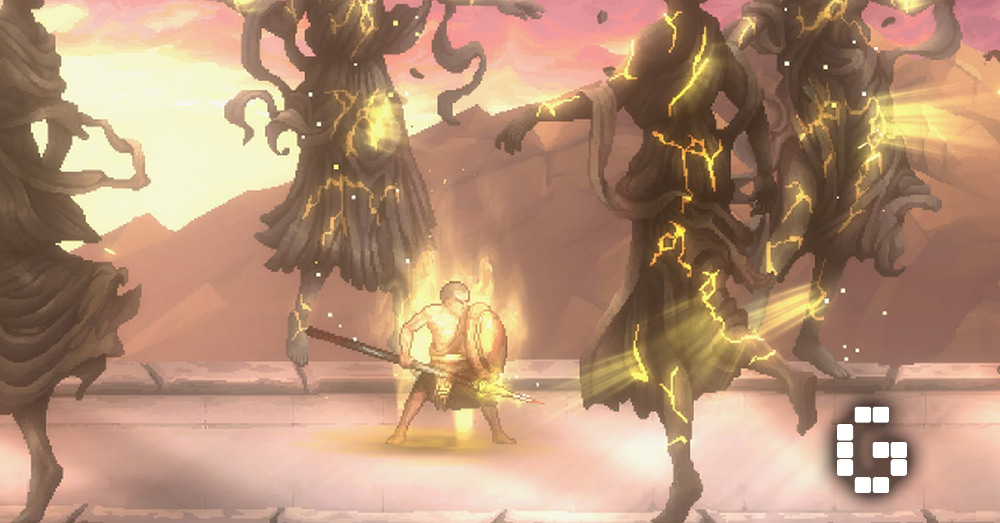
God of War has always been a franchise that sets a high bar with epic combat, emotional storytelling, and massive mythological spectacle. The latest God of War title, Sons of Sparta takes a different approach, stepping back in time to explore a younger Kratos before all the rage and ruin. It is a metroidvania, not the cinematic action game many fans might expect, and that distinction matters a lot. Whether that trade-off works depends heavily on what kind of player you are, and there is quite a bit to unpack across its story, gameplay, and overall feel.
A Story With Emotional Bones That Doesn’t Quite Fill Them Out
The game frames its story as Kratos recounting his youth to his daughter Calliope, focusing on his days as a Spartan trainee alongside his brother Deimos. There is genuine emotional potential here, especially for long-time fans who already know where Kratos’ life ends up. Watching his earlier, more human side should hit hard. It does not always land the way it should, though.
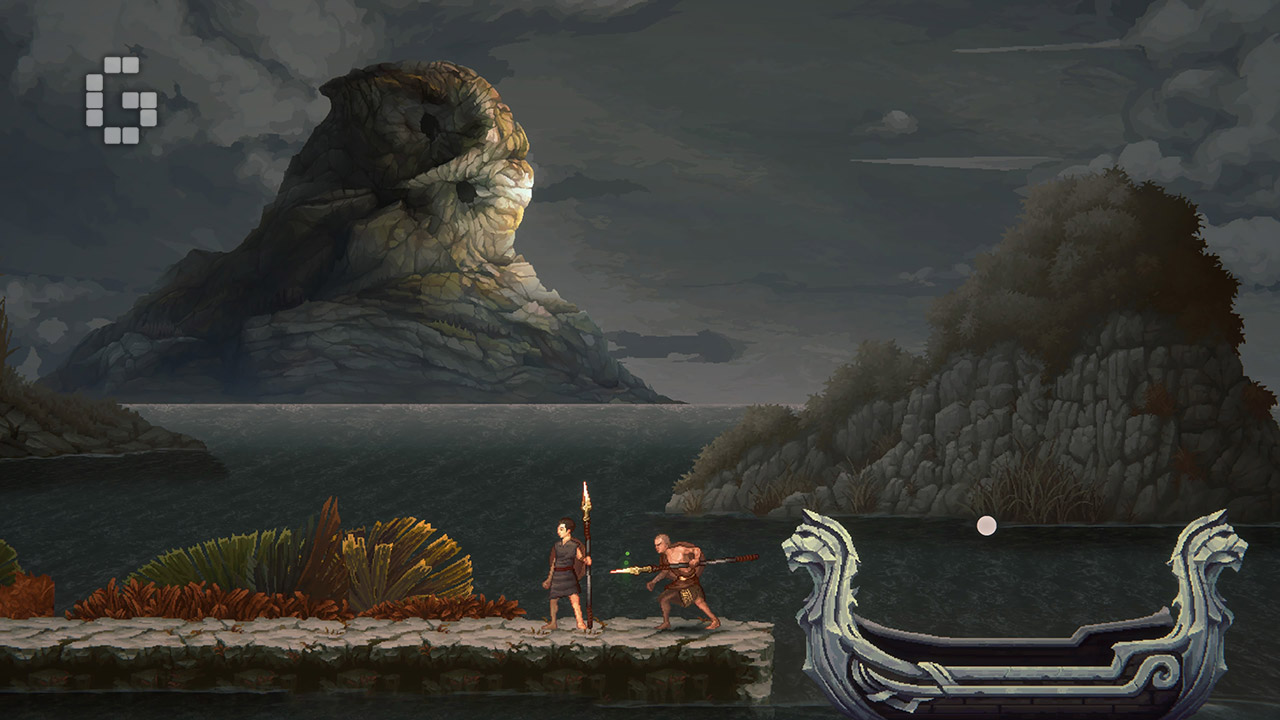
The main plot follows a search for a missing Spartan trainee, which slowly pulls in bigger mythological threads and explores the bond between the two brothers. T. C. Carson voices the older, narrating Kratos and brings the weight and familiarity fans expect. The supporting cast, however, feels disconnected from the ancient Greek setting. Deimos himself is more irritating than endearing, and he barely appears in actual gameplay, which makes his role feel more like a symbol than a real character the player connects with.
Gameplay: Classic Metroidvania, For Better and Worse
Sons of Sparta is built around exploration, platforming, light puzzle-solving, and combat. The map is large, and players are expected to revisit older areas as new abilities unlock paths that were previously blocked. Double jumps, projectiles, speed boosts, and relic-based mechanics gradually open up the world in the way the genre is known for.
The structure works smoothly and is easy to follow, but it rarely does anything unexpected. Upgrades arrive almost exactly when you anticipate them, and every new obstacle in the environment is clearly built around the next ability you are about to earn. It is predictable but functional. There is always something to collect, which keeps exploration feeling worthwhile, but few moments in the level design are memorable enough to stick.
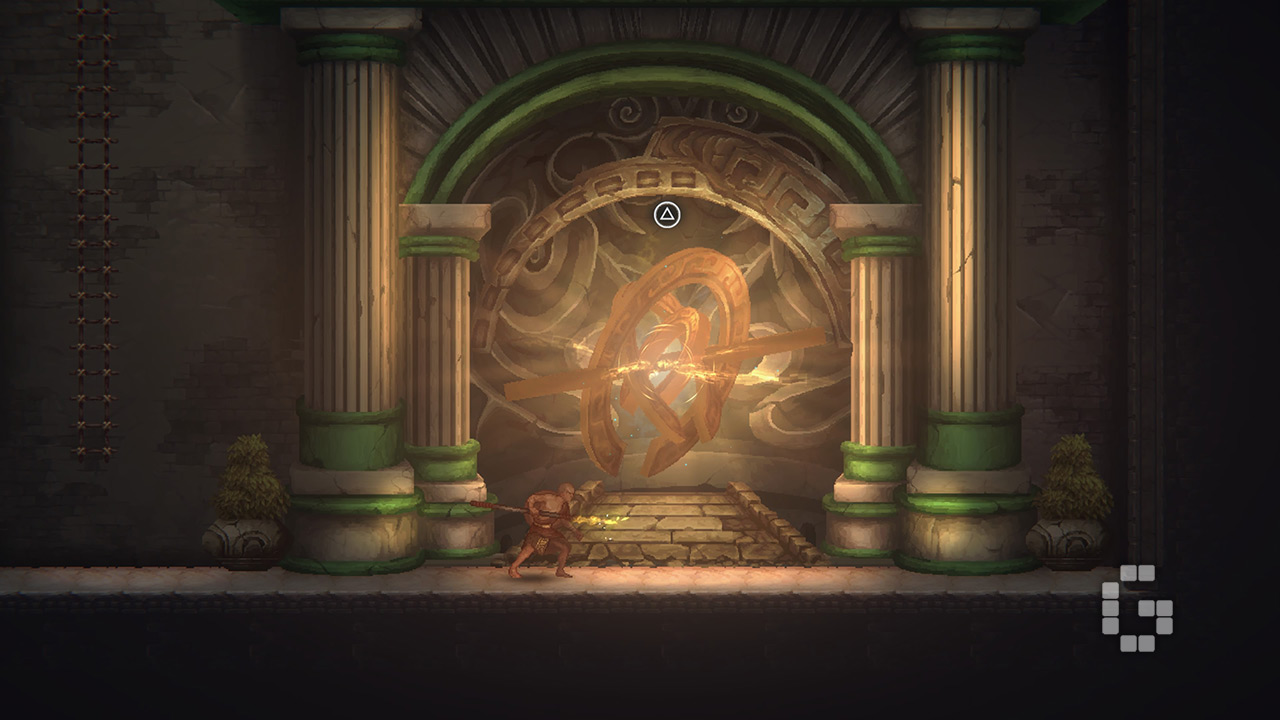
One notable frustration is the sheer amount of locked content you run into early on. There are a lot of puzzles and areas you cannot do anything with yet, not because you missed something obvious, but simply because you have not unlocked the right skill yet. The game pushes backtracking heavily, when unlock one ability, return to old areas, unlock another, return again. Even after around ten hours of play, this loop continues. It is a standard metroidvania approach, but players who are mainly here for the story may find it exhausting.
Combat: Rough Start, Better Finish
Combat is where the game’s identity clash is most noticeable. God of War is associated with cinematic, brutal, over-the-top fights. Sons of Sparta, being a metroidvania, delivers something far more restrained, at least for the first several hours. Early fights mostly come down to spear attacks, dodge rolls, and slow attrition. It feels sluggish compared to what the franchise is known for.
Things do improve. New skills, special moves, parries, and impaling attacks add real depth as the game progresses, and combat becomes noticeably more satisfying in the later portions. The problem is getting there. The buildup is long enough that some players may check out before the combat system has a chance to show its strengths.
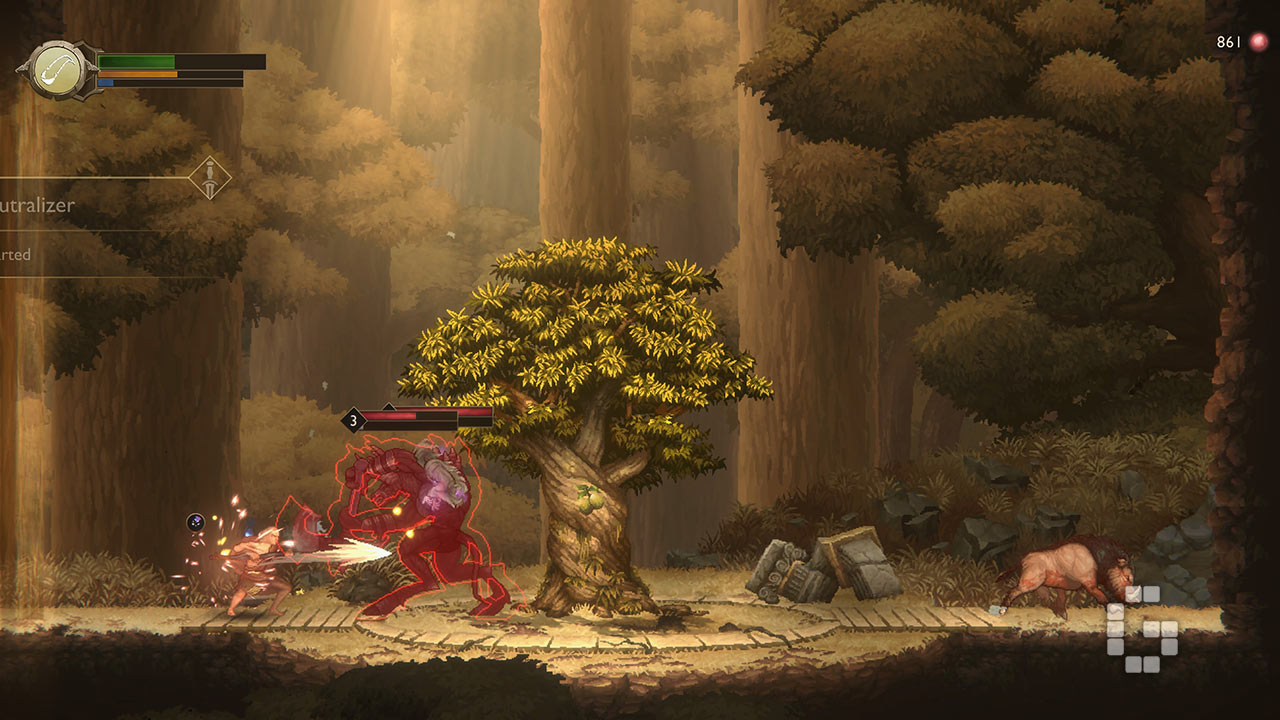
Boss fights follow a similar pattern. Some mythological creatures are visually interesting to encounter, but many rely on repetitive move sets that lose their edge quickly. There are moments of real intensity, but not many that feel like the kind of epic encounters the series is known for delivering.
Progression and Difficulty
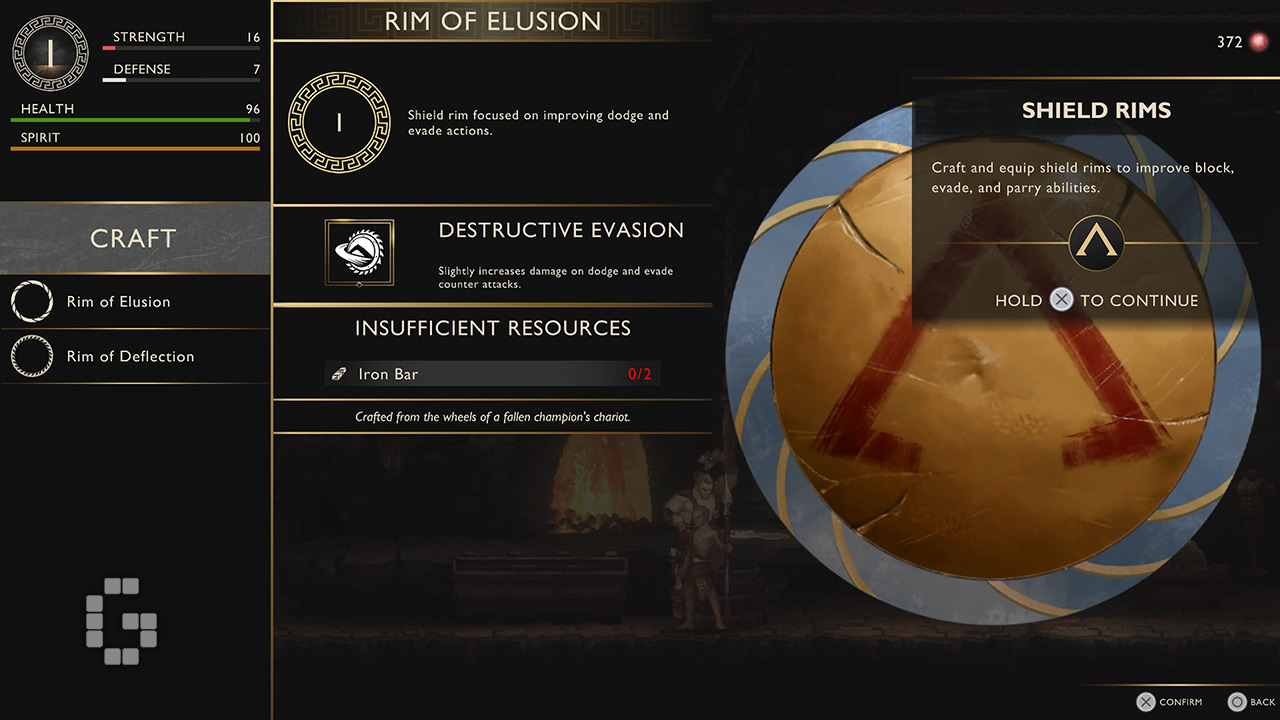
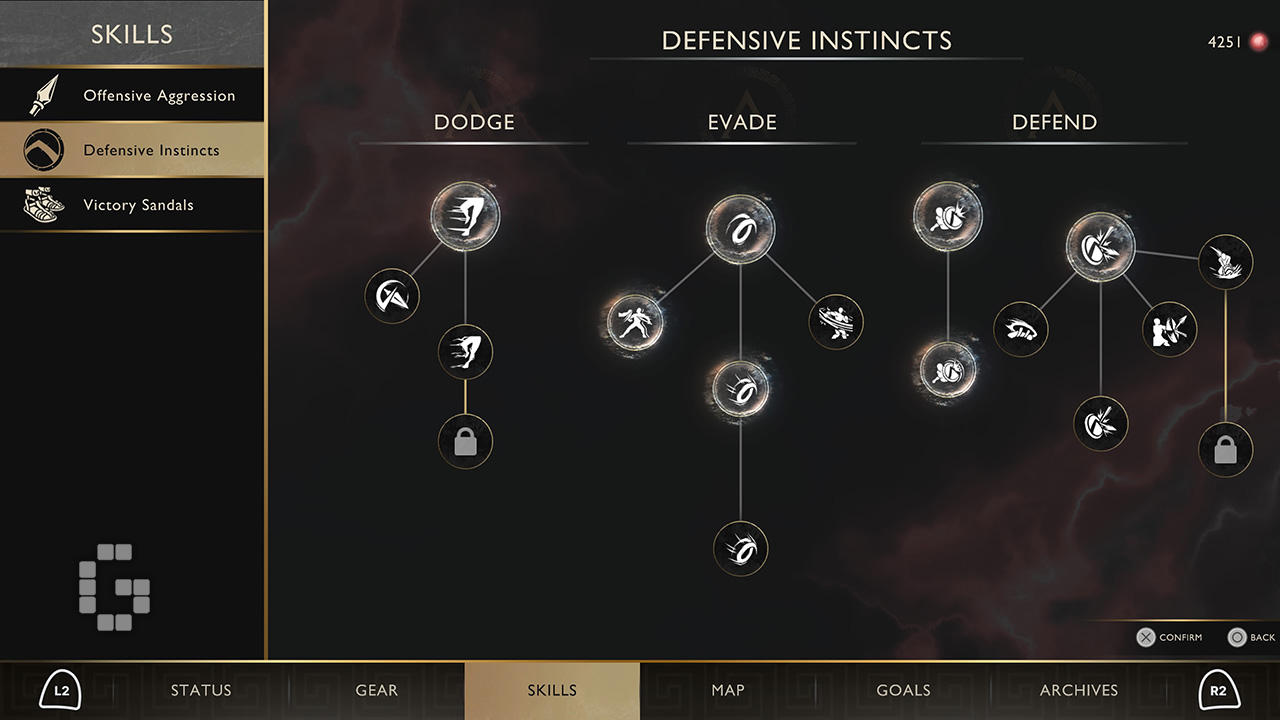
Progression stays focused on Kratos throughout. A skill tree lets players unlock new abilities across categories like Combat, Parry, and Evade, giving a sense of steady growth even if the early unlocks feel fairly basic. Equipment adds another layer, with Kratos’ spear available in multiple variants, each section of it upgradeable, alongside gear like shields and belts that can be bought and improved.
The game offers multiple difficulty settings ranging from a story-focused, relaxed experience to a punishing Spartan mode. Even on lower difficulties, combat asks for enough engagement to stay interesting. On harder modes, enemy toughness and tighter margins for error raise the stakes meaningfully. The challenge generally comes from enemy design and environmental hazards rather than cheap tricks, and puzzles are observation-based rather than frustrating trial-and-error exercises.
That said, one design choice consistently undermines fairness: simply touching enemies deals damage. During platforming sections where enemies camp narrow spaces, this creates loops of hits that feel unavoidable and cheap rather than skillful. It is a recurring annoyance that pops up throughout the game.
Visuals and Audio
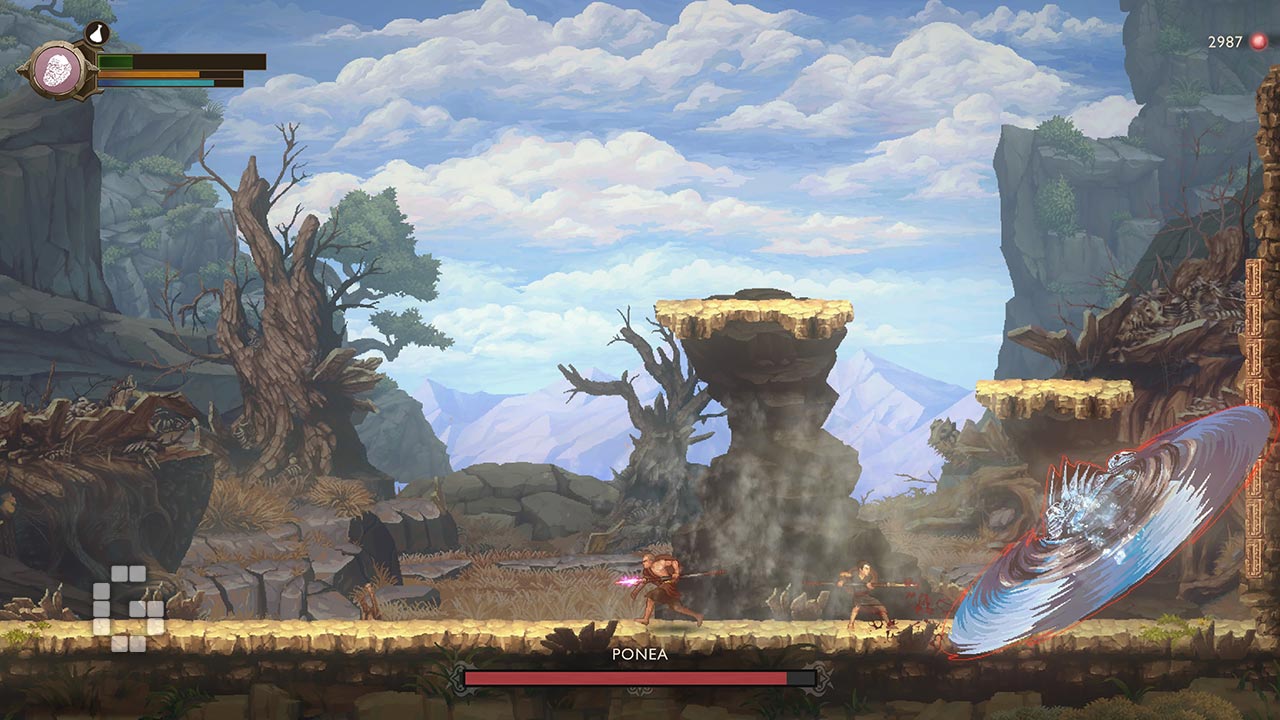
Visually, Sons of Sparta uses a semi-pixelated art style that mixes modern lighting with retro character sprites. The backgrounds are one of the game’s clear strengths. Ancient temples, caverns, cities, and mythological landscapes carry strong atmosphere and variety, giving the world an expansive feel that holds up the God of War tradition of impressive environments.
Character models are less successful. They sit awkwardly between crisp high-definition design and blurry retro aesthetics, often looking muddled during movement. This also has a practical downside since enemy animations can blend into the pixel noise, making attacks harder to read than they should be.
The soundtrack fits the adventurous tone of the game without standing out. It lacks the sweeping, epic presence that fans associate with the franchise. Exploration tracks loop frequently and can become repetitive over time, though the combat music does a decent job of building tension when it needs to.
The Bigger Frustrations
Two problems stand out as the most significant complaints. The first is how long it takes for the game to get interesting. The opening hours are dominated by basic combat, predictable upgrades, and underwhelming encounters. Things improve, but the slow start risks losing players before the game has a chance to show what it can do.
The second issue is fast travel. It only works between Temples, not from camps or nearby checkpoints. Temples are far apart, and returning to a specific area means running there manually through enemy-filled paths. Given how backtracking-heavy the game already is, this makes the whole loop feel more tedious than it needs to be.
Verdict
Sons of Sparta is a competent metroidvania that happens to carry the God of War name. It offers solid exploration, gradual ability progression, and combat that eventually finds its footing. The premise of revisiting Kratos’ youth is genuinely interesting, and the atmospheric backgrounds do a good job of maintaining the series’ visual identity. But the slow start, repetitive early combat, routine boss fights, and inefficient fast travel system put a real strain on the experience.
Players who enjoy the metroidvania genre and are willing to push through the early hours will find more to appreciate as the game opens up. God of War fans primarily looking for the story and spectacle the series is known for may find it a harder sell. It shows flashes of quality throughout, but it asks for a level of patience that not everyone will be willing to give.
The Review
God of War Sons of Sparta
PROS
- Large interconnected map that fits the Metroidvania style well.
- Combat becomes more fun once new skills unlock.
- Strong visual background and environment atmosphere.
- Have good replayability for metroidvania fans.
CONS
- Very slow start and build up to get grips.
- Too much forced backtracking tied to skill unlocks.
- Inefficient fast travel that wastes a lot of time.
- Boss fights feel routine rather than epic.
![[GUIDE] JoJo’s Bizarre Adventure: Golden Spirit Codes and How to Redeem Them](https://cdn.gamerbraves.com/2026/09/JoJos-Bizzare-Adventure-Golden-Spirit-Redeem-Codes_News_FI-350x250.jpg)