














![[EXCLUSIVE] Dragon’s Dogma 2: Dark Arisen Team Opens Up About the Expansion’s Name, New Norgan Region, and Performance Goals](https://cdn.gamerbraves.com/2026/07/Dragons-Dogma-2-Dark-Arisen_Interview_FI-360x180.jpg)



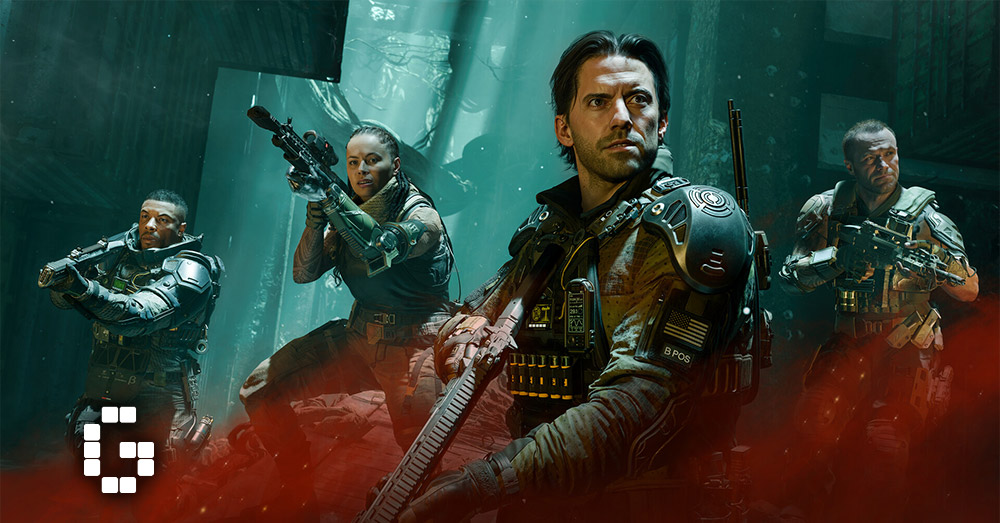
Call of Duty: Black Ops 7 arrives in 2025 with big ambitions and even bigger ideas. Set in 2035, the game tries to push the franchise into new territory with psychological horror elements, co-op gameplay, and a brand-new PvE mode. But while some parts of Black Ops 7 hit the mark perfectly, others miss so badly that they feel like they belong in a different game entirely. Our review breaks down what works, what doesn’t, and whether the game’s strong multiplayer and Zombies modes can make up for a campaign that seems to have lost its way.
A Campaign That Can’t Decide What It Wants to Be
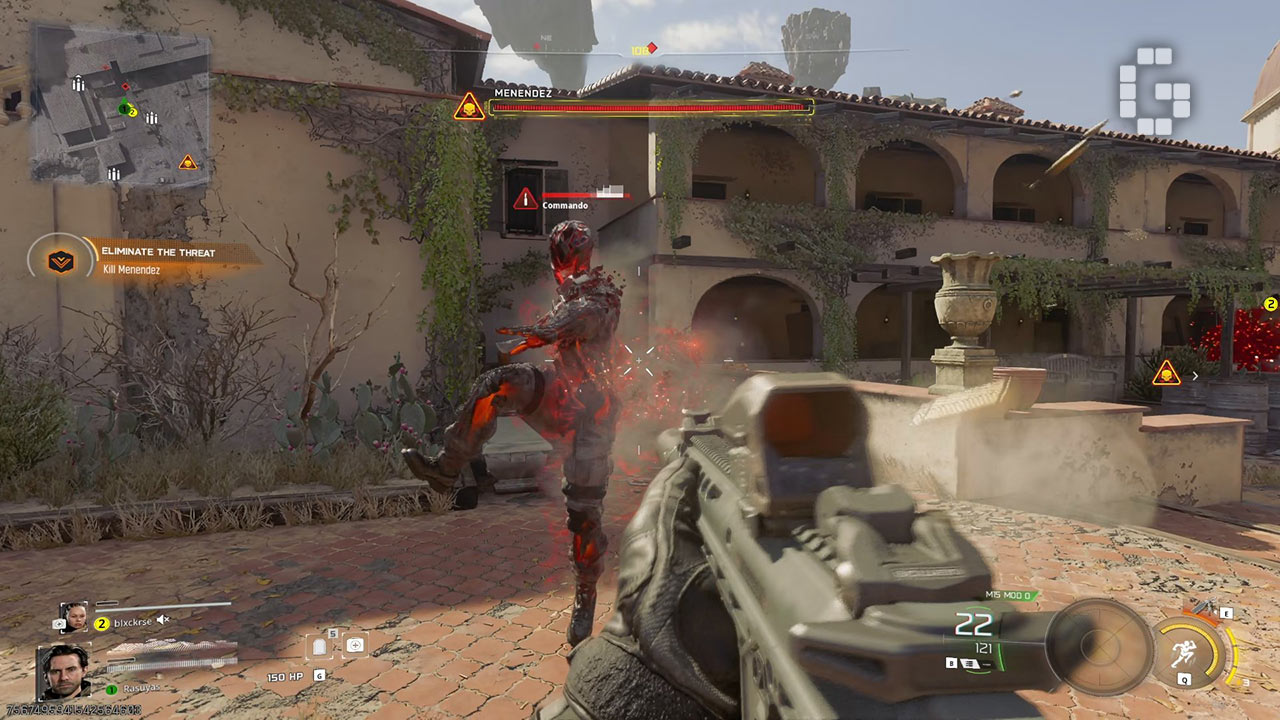
The story follows David Mason leading a JSOC strike team in 2035 after the supposedly dead Raul Menendez resurfaces, claiming responsibility for global attacks. The investigation leads to The Guild, a powerful tech-military organization running a bioweapon project called Cradle. This red gas creates shared hallucinations, made even more intense by the C-Link neural implants in each soldier’s brain that let teammates experience each other’s fears and memories in real time.
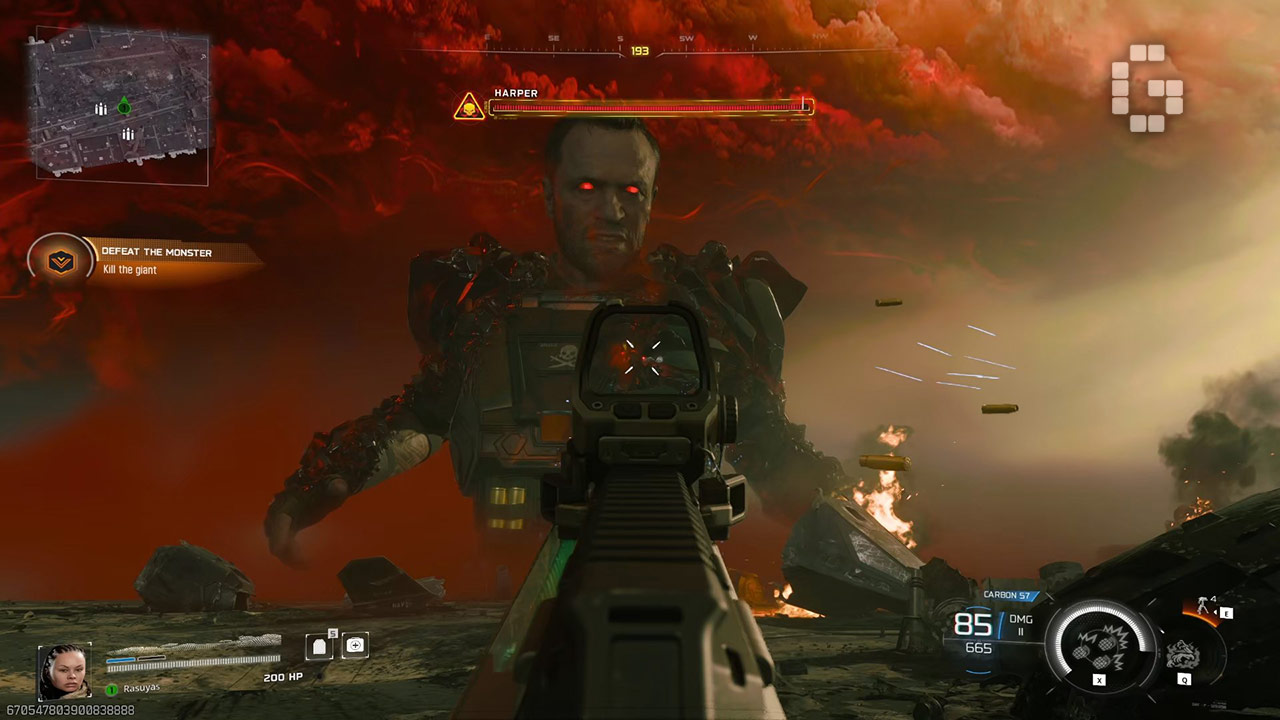
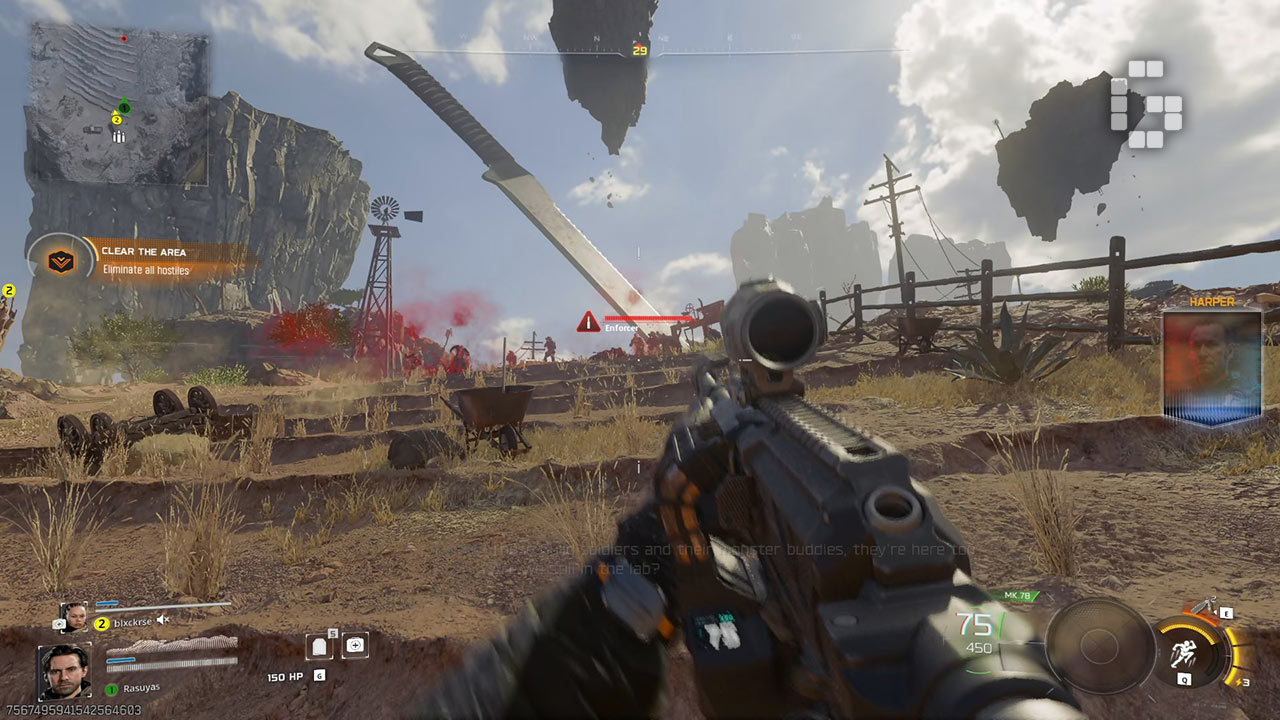
On paper, this sounds like typical Black Ops psychological warfare with some sci-fi weirdness thrown in. The problem shows up almost immediately. Instead of grounded military missions with controlled strange moments, the campaign becomes a shooter mixed with survival horror boss fights. You fight giant hallucination monsters and mutated flowers that spawn waves of spider-like enemies carrying explosive orbs. At this point, it stops feeling like Call of Duty at all.

The campaign also borrows elements from looter shooters, though it doesn’t fully commit. You pick up weapons and upgrade them into higher rarities with added bonuses, but these bonuses usually just increase damage. It’s not deep enough to work as an RPG system, but it’s also too different from classic Call of Duty design.
The forced co-op structure creates more problems. Even with squad fill turned off, the game still requires matchmaking. Finding players can be difficult, with sessions often limited to just one other player. Some sections clearly need multiple people, making solo runs feel awkward and poorly balanced. The campaign also includes scorestreaks and abilities that feel more like Zombies mode than a military operation. The escalation gets absurd fast, and while it’s interesting, it feels too far removed from what makes a Call of Duty campaign work.
Endgame: A Fresh Take on PvE
After finishing the campaign, you unlock Endgame, a new PvE mode that feels like a simplified extraction shooter. You drop into an online map with a 50-minute timer alongside up to 32 players, all completing PvE activities across four zones. Each zone has a recommended Combat Rating: Zone I for Rating 0, Zone II for Rating 10, Zone III for Rating 30, and Zone IV for Rating 45. You can enter higher zones early, but the enemies will be much tougher.
Everything you do earns EXP to increase your Combat Rating. Each time you rank up, you choose between two unique skills that branch into different skill trees. Since you only get two choices per upgrade, your build becomes partly random. The trees enhance different operator styles like Gunner, Bulldozer, or Berserker, and each operator can invest in up to three skill trees.
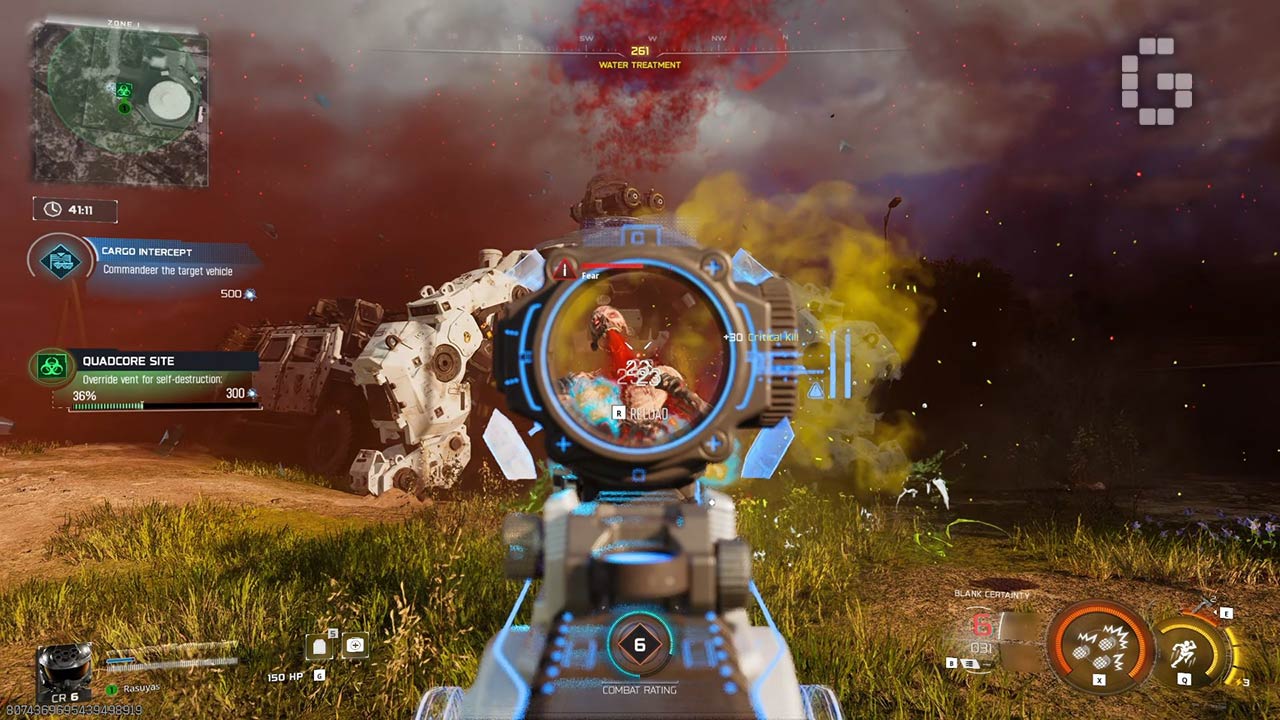
When you’re ready or when time runs out, you call in a VTOL to extract. The big difference from typical extraction shooters is that there’s no PvP pressure at all. If you extract successfully, you keep your loadout and Combat Rating progress. Each operator has separate progression, so if one dies during a run, your other operators keep their progress. Endgame offers a solid middle ground for players who want PvE content without committing to Zombies or replaying the campaign.
Multiplayer and Zombies Deliver What Fans Expect
While the campaign struggles with identity, multiplayer knows exactly what it is. Seven game modes launch with a healthy selection of maps, keeping things fresh. The progression system is deep and familiar, with constant unlocks for weapon levels, equipment, field upgrades, and scorestreaks with overclocks that enhance duration, power, or utility. Combat Specialties now allow hybrid builds, letting you mix perks from two different specializations with new effects for more customization options.
The new scorestreaks push the chaos further. You can pilot a mecha Rhino unit, deploy HKDs (two-wheeled autonomous drones that hunt enemies and explode), or summon D.A.W.G., a weaponized robotic attack dog with a high-caliber turret and rocket pods. It’s over the top and ridiculous, but it fits the Black Ops sci-fi theme perfectly and delivers the kind of insanity multiplayer thrives on.
Omnimovement returns from Black Ops 6 and remains one of the strongest features. Wall jumping adds more verticality and unpredictability to rotations, making firefights more fluid and chaotic. The movement system alone keeps matches exciting even during long sessions.
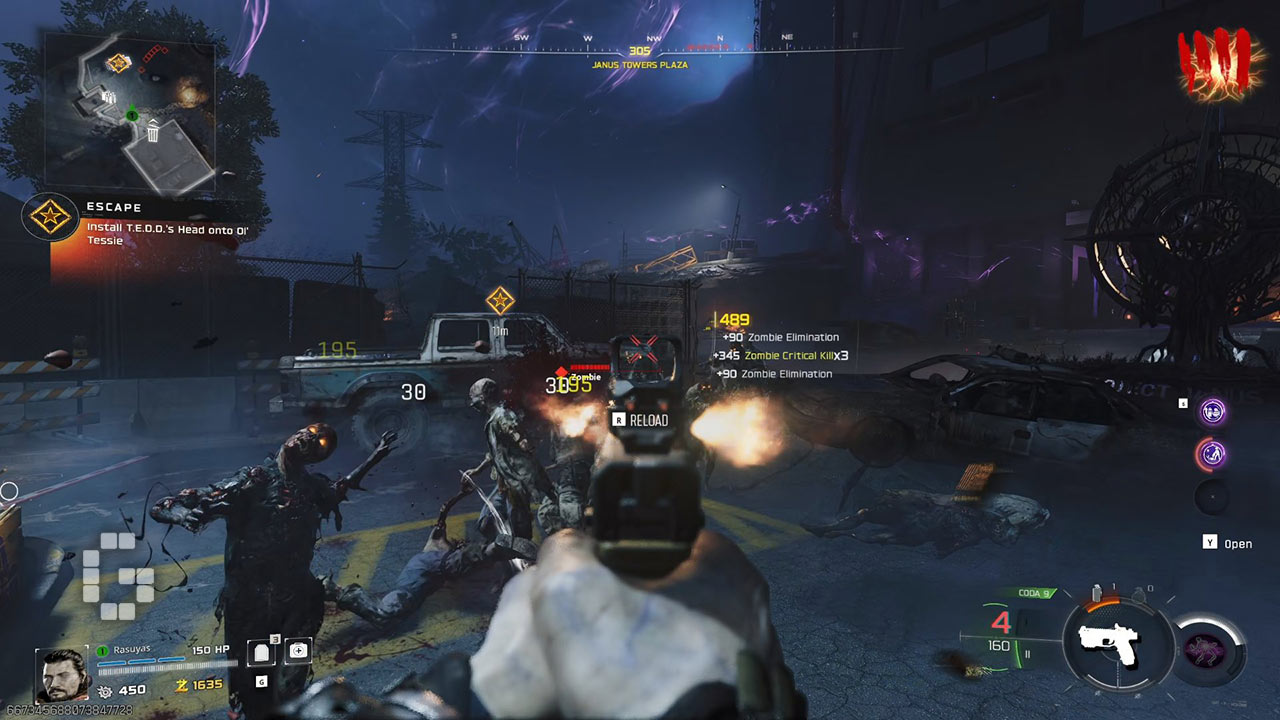
Zombies is a major step up from Black Ops 6. The map finally feels like a proper Zombies map again, filled with anomalies, strange structures, and an unsettling atmosphere instead of bland base layouts. Four difficulty levels support both solo and squad play. Most importantly, progression now saves for solo players, which is a massive quality-of-life upgrade. The augment system strengthens long-term progression from run to run, making each attempt feel more meaningful. There’s even a third-person mode for players who just want to enjoy the chaos without taking things too seriously. Zombies is pure fun, and longtime fans will likely be satisfied.
Verdict
Black Ops 7 has a clear split personality. The campaign is bold and ambitious but also confused and disconnected from what makes a Call of Duty campaign work. The hallucination concept has potential, but the execution leans too far into giant monsters and horror-style encounters. For solo players especially, the forced matchmaking and co-op structure make the experience frustrating and unbalanced.
Multiplayer and Zombies remain extremely strong and prove why Call of Duty continues to dominate the shooter space. The movement, chaotic scorestreaks, deep progression systems, and amount of content give these modes real staying power. This is where the game truly shines.
Endgame adds a welcome middle ground between campaign, Zombies, and multiplayer. It offers meaningful progression, replayability, and a low-pressure PvE space without any PvP. While it still has room to grow, Endgame feels like a strong foundation for players who want pure PvE without committing to Zombies or replaying the campaign. Overall, Black Ops 7 may stumble in storytelling, but its multiplayer suite, Zombies, and Endgame together form a solid core experience.
The Review
Call of Duty: Black Ops 7
PROS
- Fast, chaotic, and highly customizable multiplayer
- Omnimovement and wall-jumping make combat more dynamic
- Strong Zombies mode with proper atmosphere and long-term progression
- Endgame PvE mode adds a fresh extraction-style experience with persistent progression
CONS
- Campaign suffers from a severe identity crisis that doesn’t feel like Call of Duty
- Weapon and upgrade progression in the campaign lacks meaningful impact
- Forced matchmaking for campaign even with squad fill disabled
- Campaign is clearly designed around co-op, making solo play awkward