







![[BIC2026] Hiroaki Nagashima from Toei Games Talks New IPs, Indie Roots, and Asia-First Strategy](https://cdn.gamerbraves.com/2026/08/Toei-Games-BIC-2026_Interview_FI-360x180.jpg)
![[BIC2026] From Outsider to Organizer: How Isabella Seo Jungsook Helped Build Busan’s Indie Game Scene through BIC](https://cdn.gamerbraves.com/2026/08/Isabella-BIC-2026_Interview_FI-360x180.jpg)
![[BIC2026] CanOpener’s Logan Moon Opens Up About Dungeon Settlers Ahead of Its September Early Access Launch](https://cdn.gamerbraves.com/2026/08/Logan-Moon-BIC-2026_Interview_FI-360x180.jpg)
![[EXCLUSIVE] From PlayStation to Indie Advisor: Shuhei Yoshida Talks Games, AI, and the Future of the Industry](https://cdn.gamerbraves.com/2026/08/Shuhei-Yoshida-BIC-2026-Exclusive_Interview_FI-360x180.jpg)


The gaming world isn’t just for game makers anymore. From toy companies to movie studios to clothing brands, businesses across every industry are discovering that gaming characters sell products. The strategy is simple: license popular gaming IP, put it on your merchandise or media, and reach millions of dedicated fans who already love these characters.
IP licensing has become one of the most powerful tools for reaching gaming audiences and for bringing gaming fans into other industries.
How the Licensing Works
When a company wants to use gaming IP, it enters a licensing agreement with the IP owner. The gaming company grants specific rights to use characters, logos, or other elements on certain products. In return, the licensee pays through different models: royalties based on sales, minimum guaranteed payments, or revenue sharing arrangements.
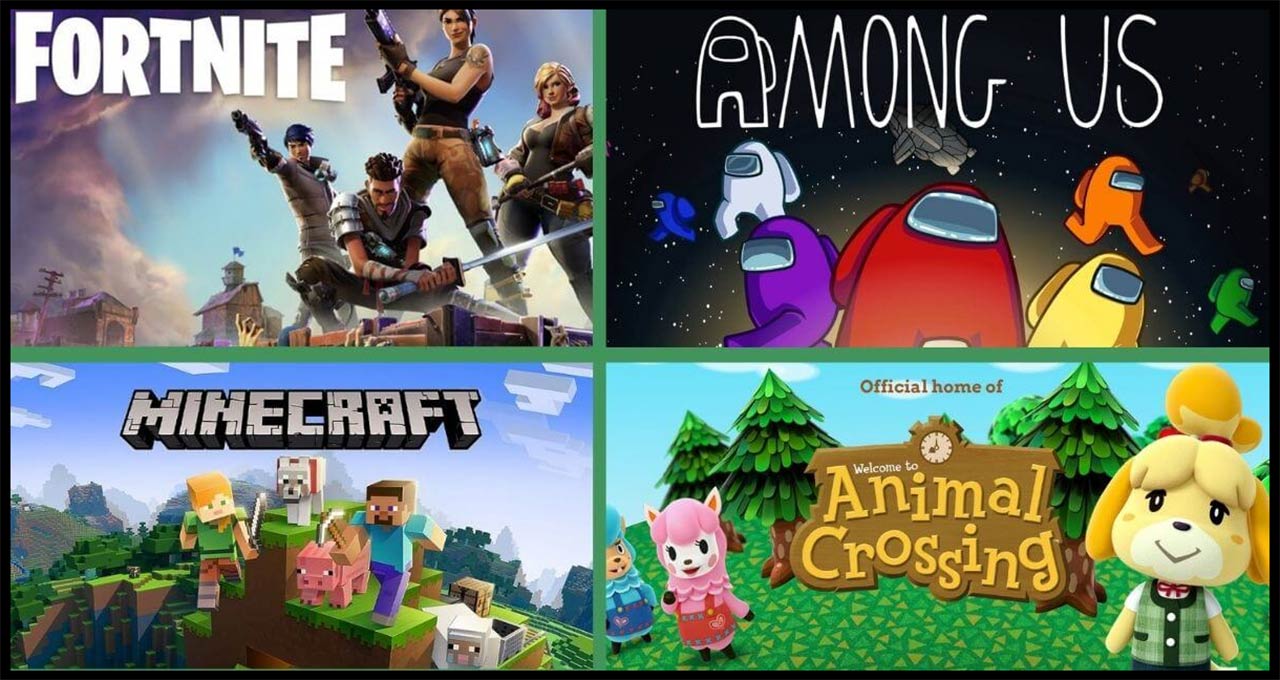
Licensors specify exactly which characters, storylines, trademarks, audiovisual materials and related elements are included in the license. Companies must be clear about what they can and cannot do with the IP. The agreements define which products can be made, where they can be sold, and for how long.
For gaming IP, these licenses typically cover merchandise categories like toys, clothing, accessories, home goods, and media productions. The gaming company retains control over how its characters are used to protect brand value.
How Disney Does It: The Blueprint for Entertainment IP
Before looking at gaming, it’s useful to see how entertainment IP licensing works at its most successful. Disney shows the model clearly.
Disney generated $63 billion in licensed product sales in 2024, making it the world’s top licensor. That money didn’t come from Disney selling products directly, it came from other companies paying Disney for the right to use Mickey Mouse, Marvel characters, Star Wars, and Pixar on their own products. Those companies handled manufacturing, distribution, and retail. Disney collected royalties and kept its characters visible across thousands of products worldwide.
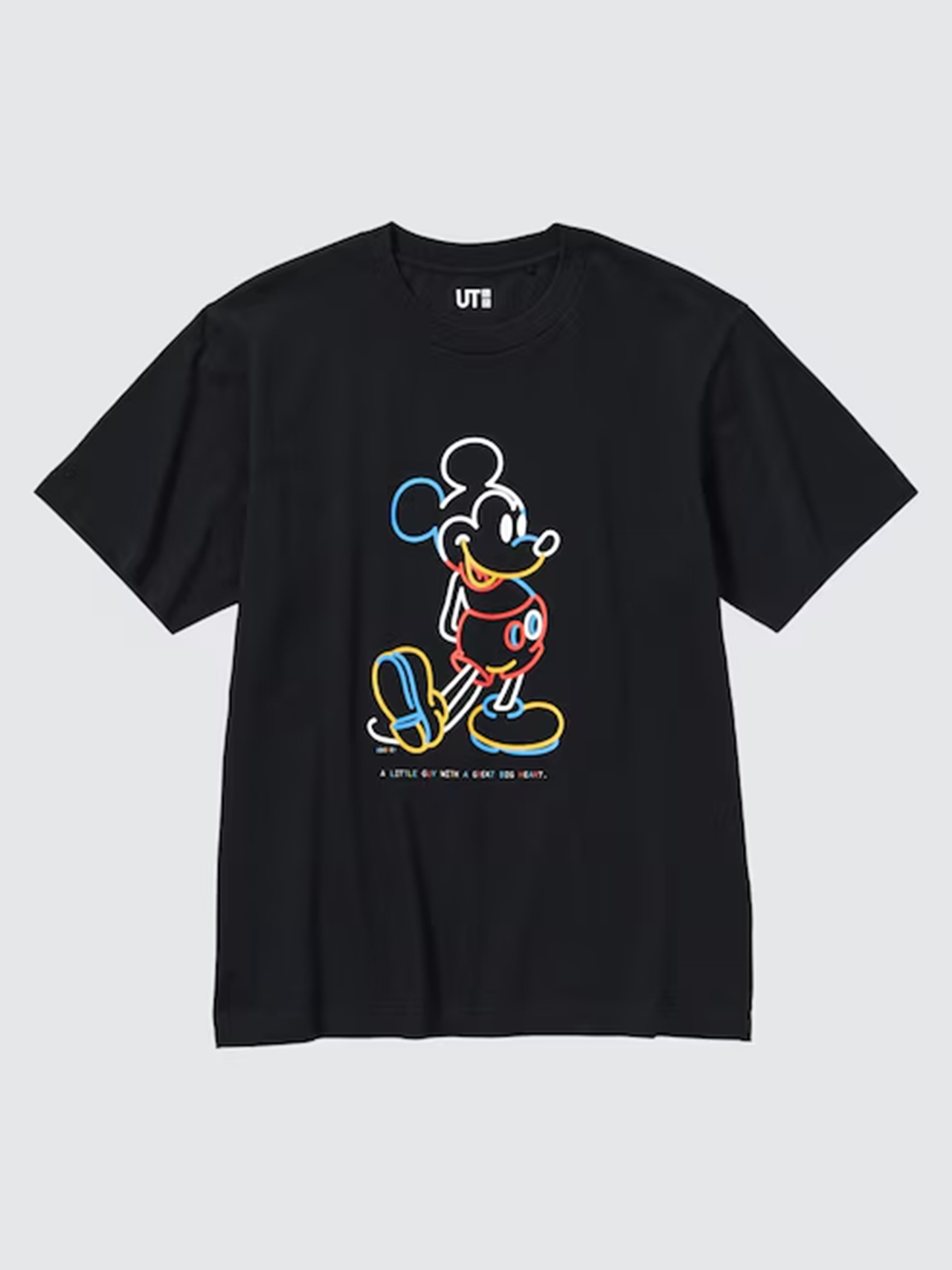
The partnership between Disney and Uniqlo demonstrates how this works. In 2009, Uniqlo started selling T-shirts featuring Mickey and Minnie Mouse. What started as graphic tees expanded into down jackets, fleece, flannel shirts, umbrellas, plush toys, and more.
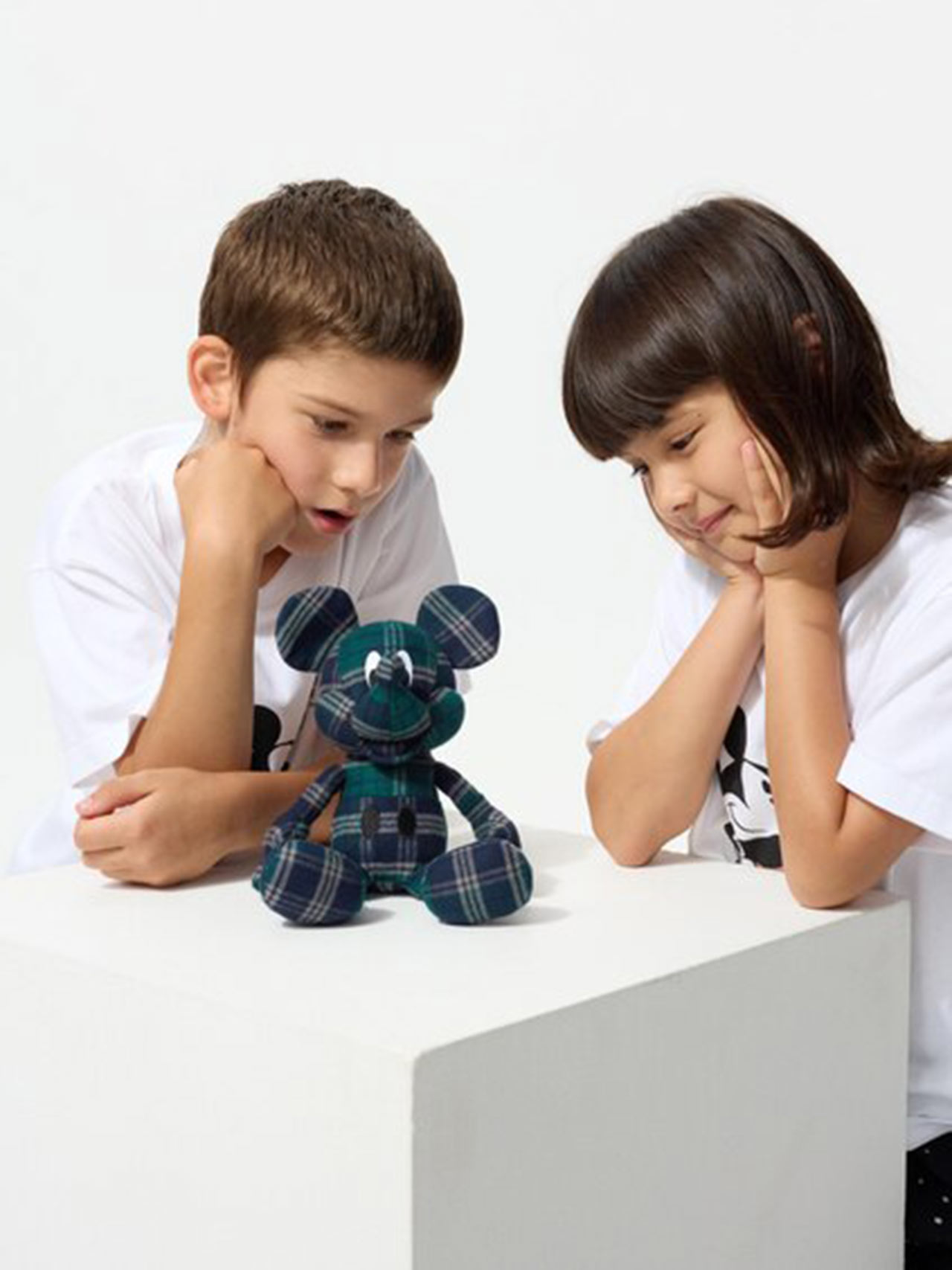
Disney runs similar partnerships with other brands. Adidas released sneakers featuring Mickey Mouse designs. Kith created limited collections for Donald Duck’s 90th anniversary. These collaborations put Disney characters on products people already buy and turning those everyday items into branded experiences.
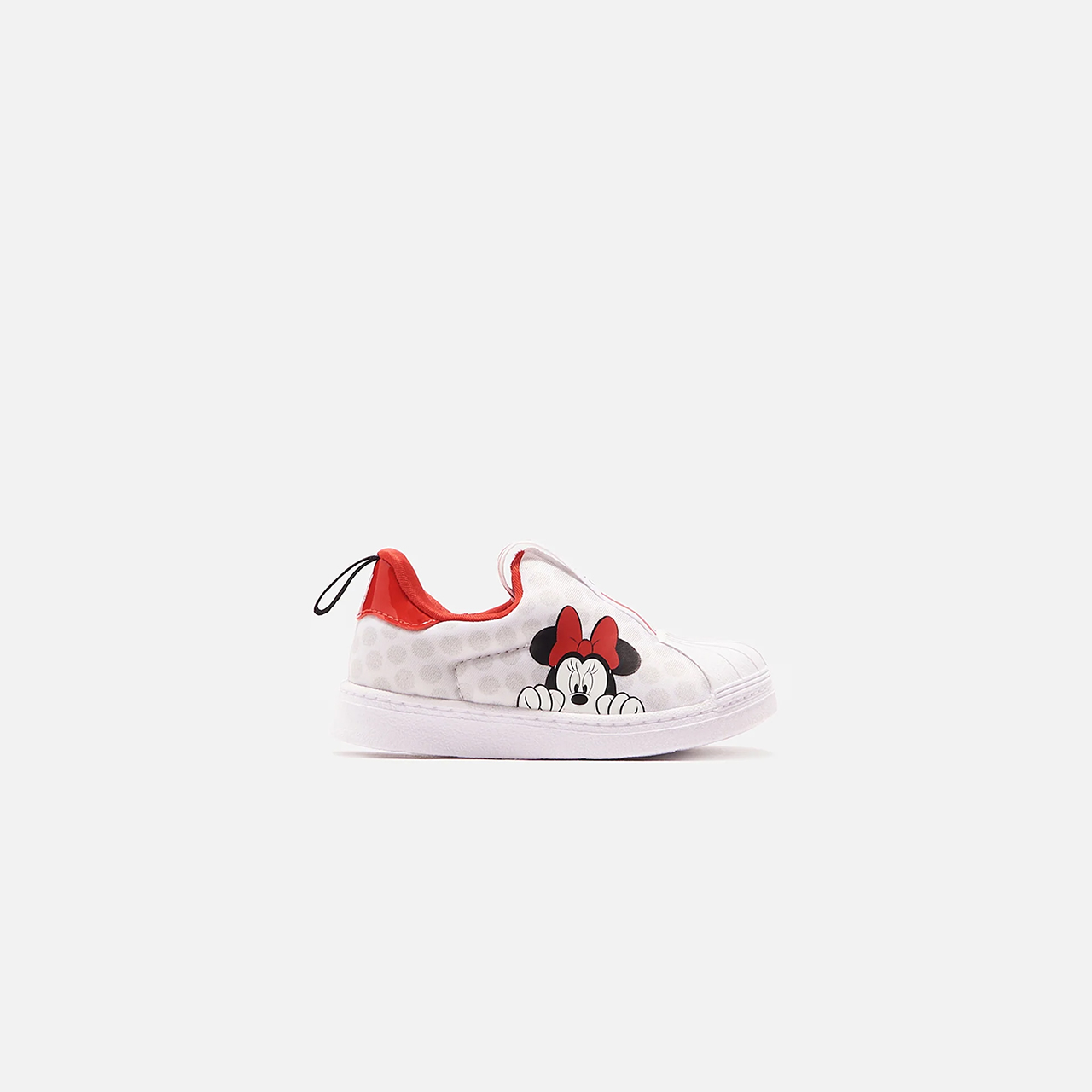
What makes this relevant to gaming is that gaming IP now follows the same playbook. Companies that license gaming characters for their products are doing exactly what Uniqlo did with Mickey Mouse, borrowing an audience’s emotional connection to characters and turning it into product sales.
Why Companies Choose Gaming IP
Gaming reaches audiences that traditional products might miss. According to a 2024 YPulse report, 70% of 13-17-year-old virtual world players say they like when brands open virtual stores in their virtual worlds. For Gen Z and Gen Alpha, the digital sphere has become a social hub where young people meet with friends and shop.
Gaming fans show strong loyalty to their favorite franchises. When they see licensed products featuring characters they love, they’re more likely to buy. This creates built-in demand for products that might otherwise struggle for attention in crowded markets. Deloitte found that nearly 6 in 10 (58%) of Gen Z’ers say their favorite entertainment property is important to their identity. For companies, licensing gaming IP means accessing customers who already have emotional connections to these characters.
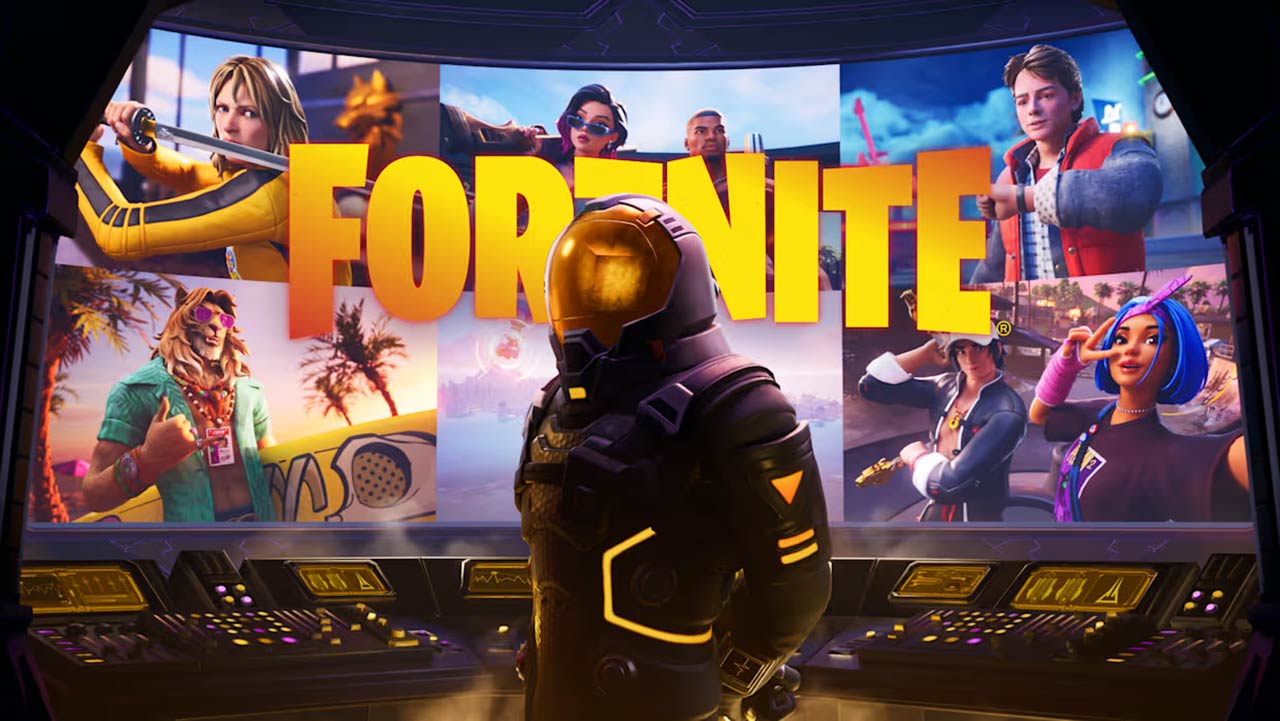
Gaming characters come with established personalities, visual designs, and fan communities. Companies don’t need to build brand recognition from scratch, they’re borrowing awareness that already exists.
The longevity of gaming franchises provides ongoing value. Properties like Mario, Pokémon, and Sonic have maintained popularity for decades. This means licensed products can appeal to both longtime fans and new audiences discovering the games.
Millennials and Gen Z own $17.1 trillion in wealth for the U.S. alone, and $84 trillion is anticipated to be passed down to these generations and Gen X by 2045. These generations grew up with video games, making gaming IP particularly effective for reaching consumers with spending power.
Gaming IP in the Real World
The Pokémon Company International reported $12 billion in licensed consumer product retail sales, showing how valuable gaming IP has become for product makers. Licensed toys claimed 34% of total toy market share in 2024, with fandom and “kidult” culture driving 8% growth across the category.
Mattel has built a major business around gaming characters. The company renewed its licensing partnership with The Pokémon Company International to continue producing Pokémon toys and building sets under its MEGA property. These products feature buildable characters like Pikachu, Bulbasaur, Charmander, and others that let fans physically create their favorite gaming characters.
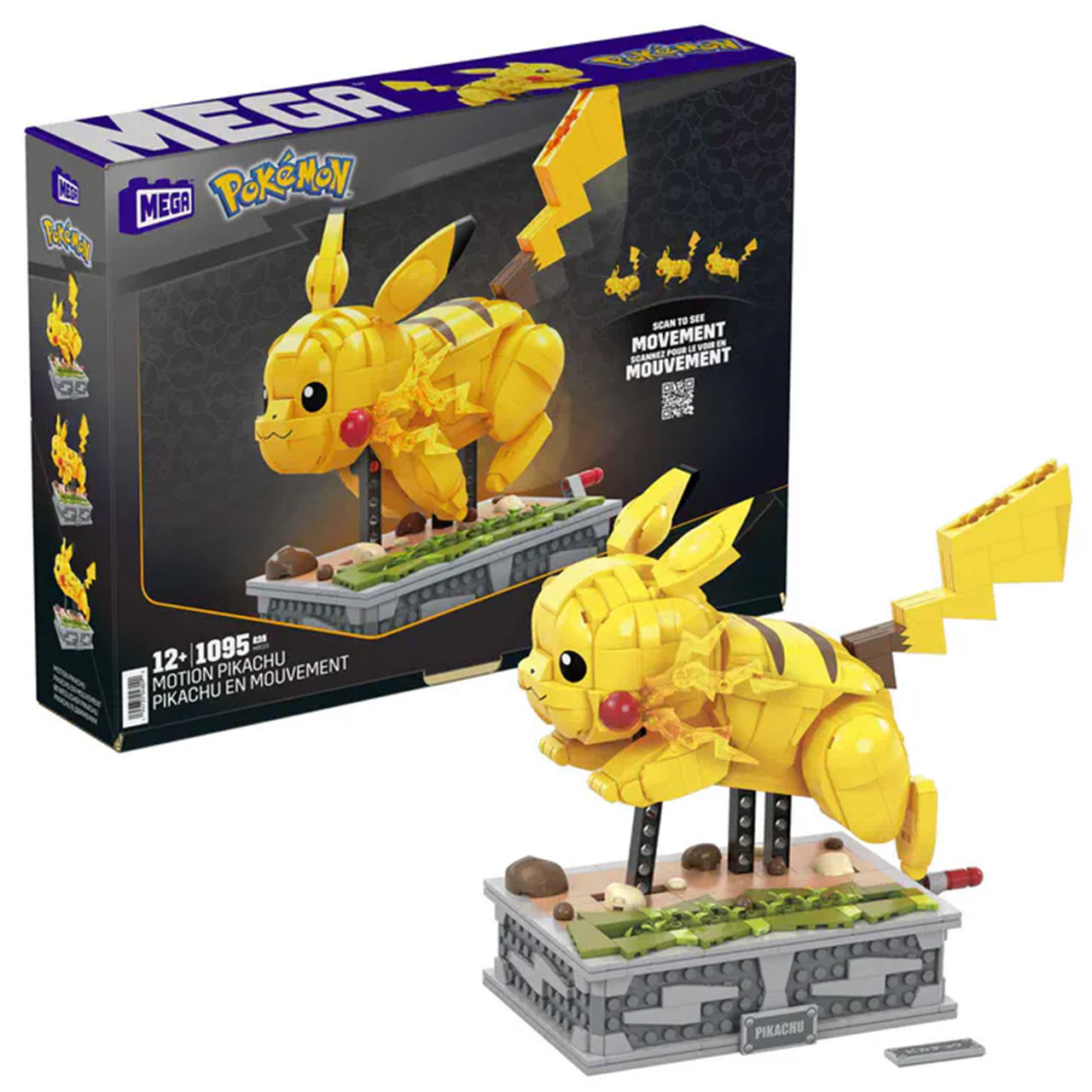
Nintendo and Pokémon now sit in the top slots among newly signed licenses for product makers in 2025, followed by Microsoft’s Minecraft. This shows how gaming properties have become must-have licenses for companies looking to make successful products.
The apparel industry has discovered gaming IP works on clothes. The global market for Game IP Licensing was valued at $83 billion in 2024 and is projected to reach $122.58 billion by 2031, growing at 6.0% annually. The apparel segment holds about 40% of licensing deals globally as of 2024.
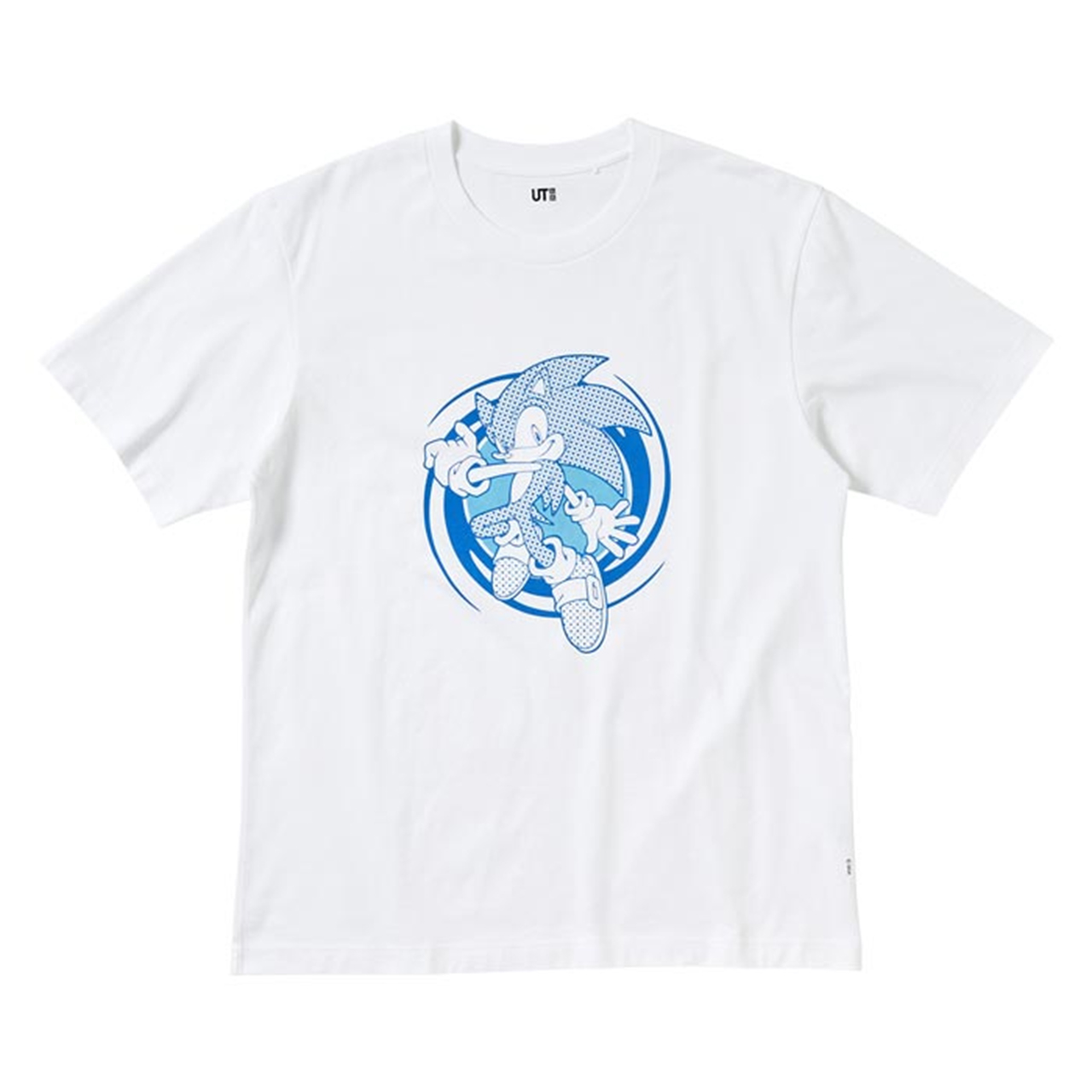
According to Research Nester, the gaming merchandise market is worth $609.2 million and is anticipated to surpass $4.65 billion by 2037, expanding at 20.3% annually. Gaming properties such as Minecraft, Nintendo and Sonic the Hedgehog ranked among the best-selling licenses in 2025.
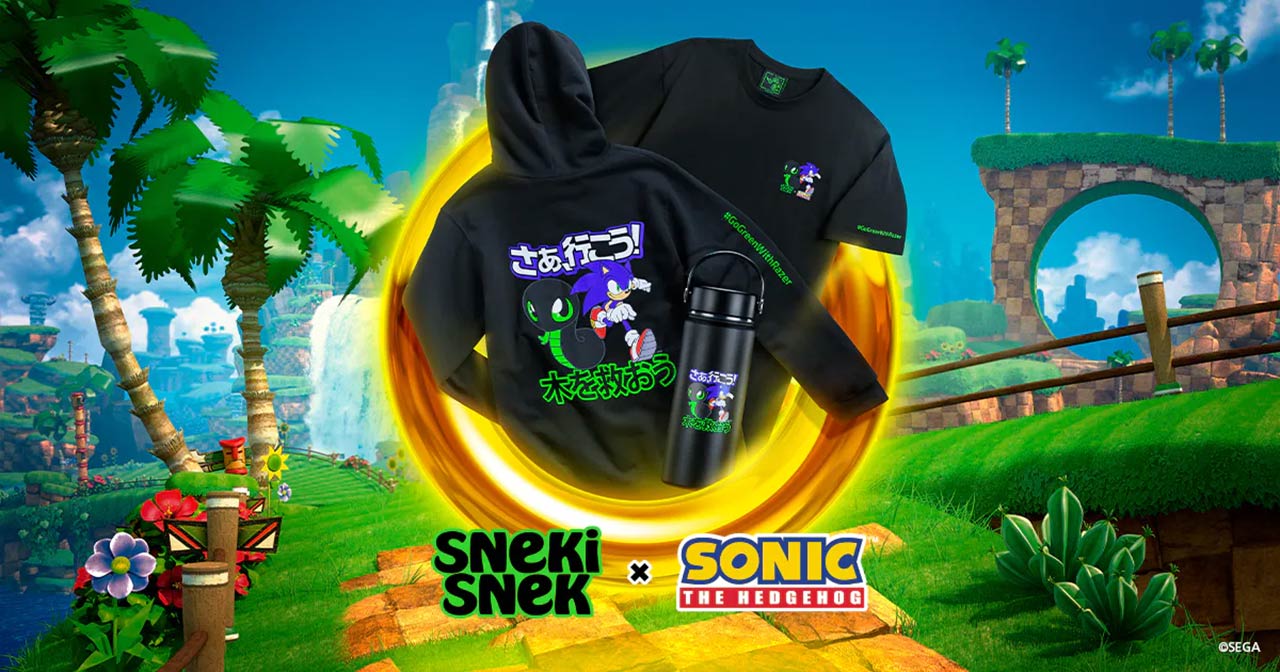
Companies license gaming characters to make branded clothing lines. SEGA’s Sonic the Hedgehog inspires retro-styled apparel. Pokémon characters appear in fashion collaborations. The video game-inspired clothing market was estimated at $2.5 billion in 2025 and is projected to reach $8 billion by 2033, growing at 15% annually.
Fashion brands have been particularly active in licensing gaming IP. PlayStation partnered with streetwear lines like F.C. Real Bristol for football-style jerseys, while also collaborating with BE@RBRICK on collectible figures. SEGA continues to propel its classic Sonic the Hedgehog and Shadow the Hedgehog characters into fashion, notably with rugged collaborations like Timberland boots and apparel collabs with the likes of MARKET and FREAK’S STORE.
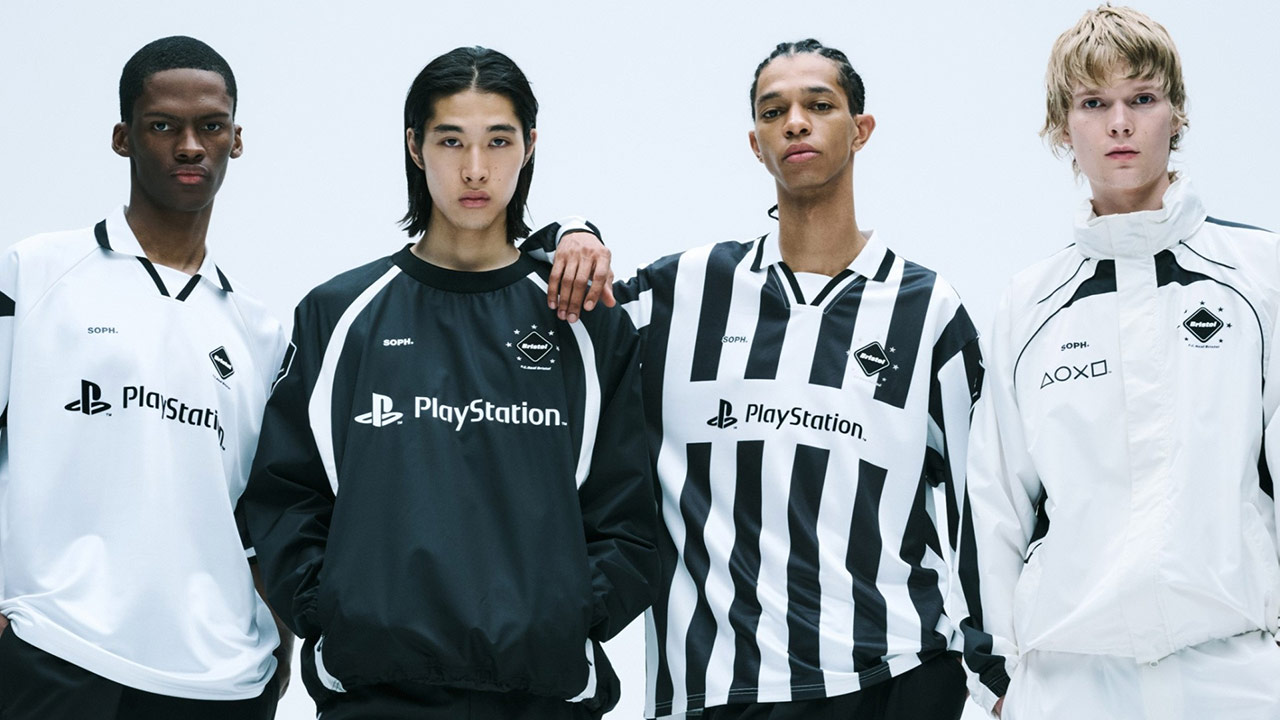
The appeal crosses generations. For Millennials, titles from the ’90s and 2000s are powerful cultural markers that evoke personal history and simpler times, making a branded item a tangible piece of their past. Conversely, Gen Z embraces the bold, unrefined aesthetics of 8-bit and 16-bit eras with the pixel art, the vibrant colors and the graphic simplicity.
Sportswear brands have also entered gaming. Nike sponsored China’s League of Legends circuit and signed esports teams. Adidas partnered with gaming organizations. These deals put gaming branding on athletic wear, reaching fans who identify with both gaming and sports culture.
Movie studios have turned gaming IP into box office gold. The Super Mario Bros. Movie brought in $204.6 million domestic and $377 million global over its Easter weekend opening. Nintendo President Shuntaro Furukawa confirmed the movie boosted sales of classic Mario titles and increased merchandising sales.
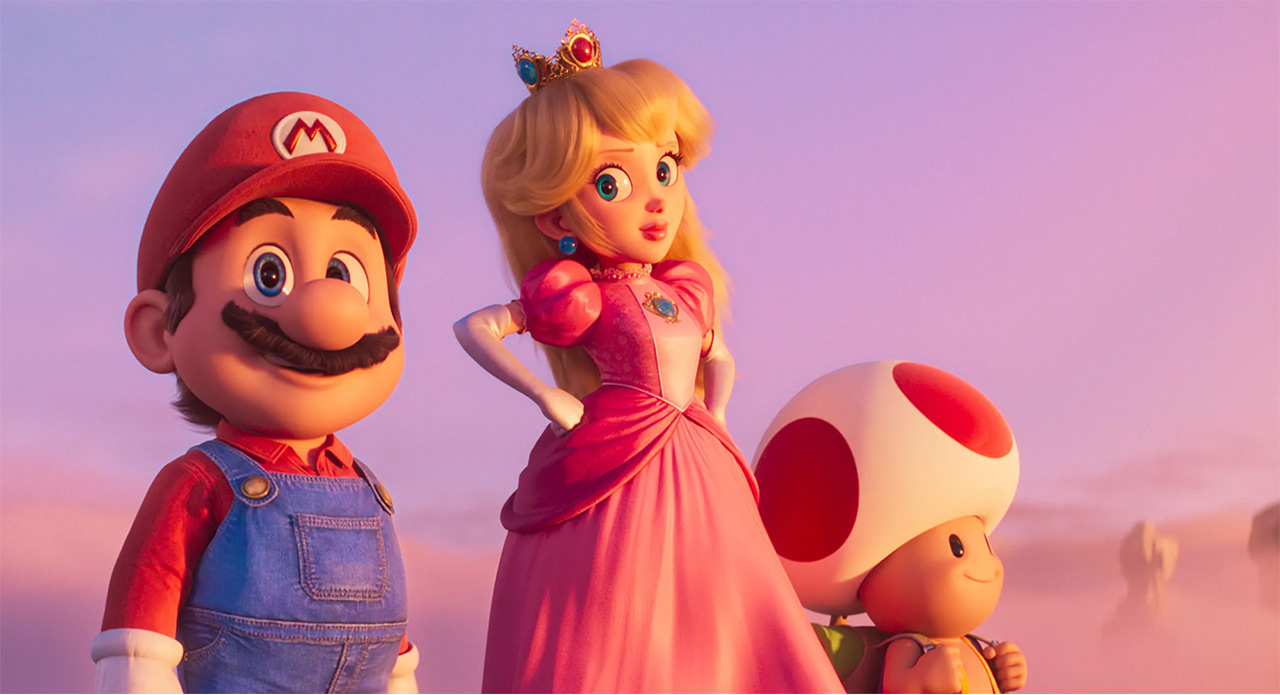
Nintendo has taken control of this process. The company now manages everything from animation and merchandise to live-action collaborations through Nintendo Pictures and the newly launched Nintendo Stars licensing subsidiary. Furukawa announced plans to maintain a consistent release of feature films based on the company’s franchises.
The gaming-to-film pipeline continues growing. A live-action Legend of Zelda movie is in development. The Super Mario Galaxy Movie is scheduled for release in April 2026. These films let studios tap into gaming fandoms while giving gaming companies new revenue streams and keeping their brands visible.
The Exclusive Merch Play
One of the most visible ways companies use gaming IP is through exclusive merchandise which are limited products that fans can only get by engaging with the collaboration. This isn’t your standard branded keychain sitting in a gift shop. These items are designed to make fans feel like they’re getting something special that connects directly to the games they love.
Exclusive merchandise works by creating scarcity. When a product is only available for a limited time, tied to a specific collaboration, fans feel urgency to get it before it disappears. That’s a powerful driver for any brand looking to move products.
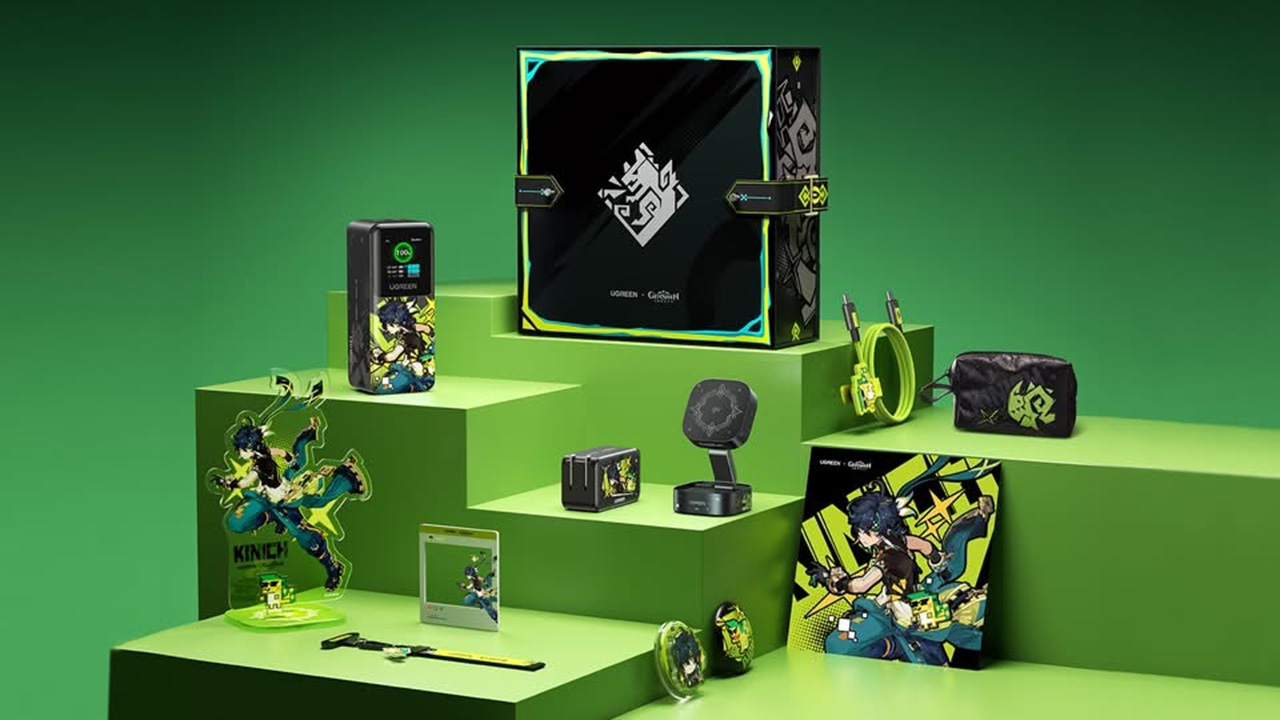
The formats vary widely. Some collaborations produce physical collectibles like acrylic keychains, enamel pins, and art prints. Others go further with limited-edition clothing, themed food picks, ceramic coasters engraved with game icons, and branded drinkware. What ties all of them together is that you can’t get these items anywhere else. They exist only because of the partnership.
Fashion brands have also found success in gaming IP licensing. In our exclusive interview with Marc C. Møllerskov, Creative Director of FINE CHAOS at the Yu-Gi-Oh! World Championship 2025, he explained how his four-year-old brand secured a collaboration with Konami’s Yu-Gi-Oh!. “This has been in the works for a year and a half,” he said.
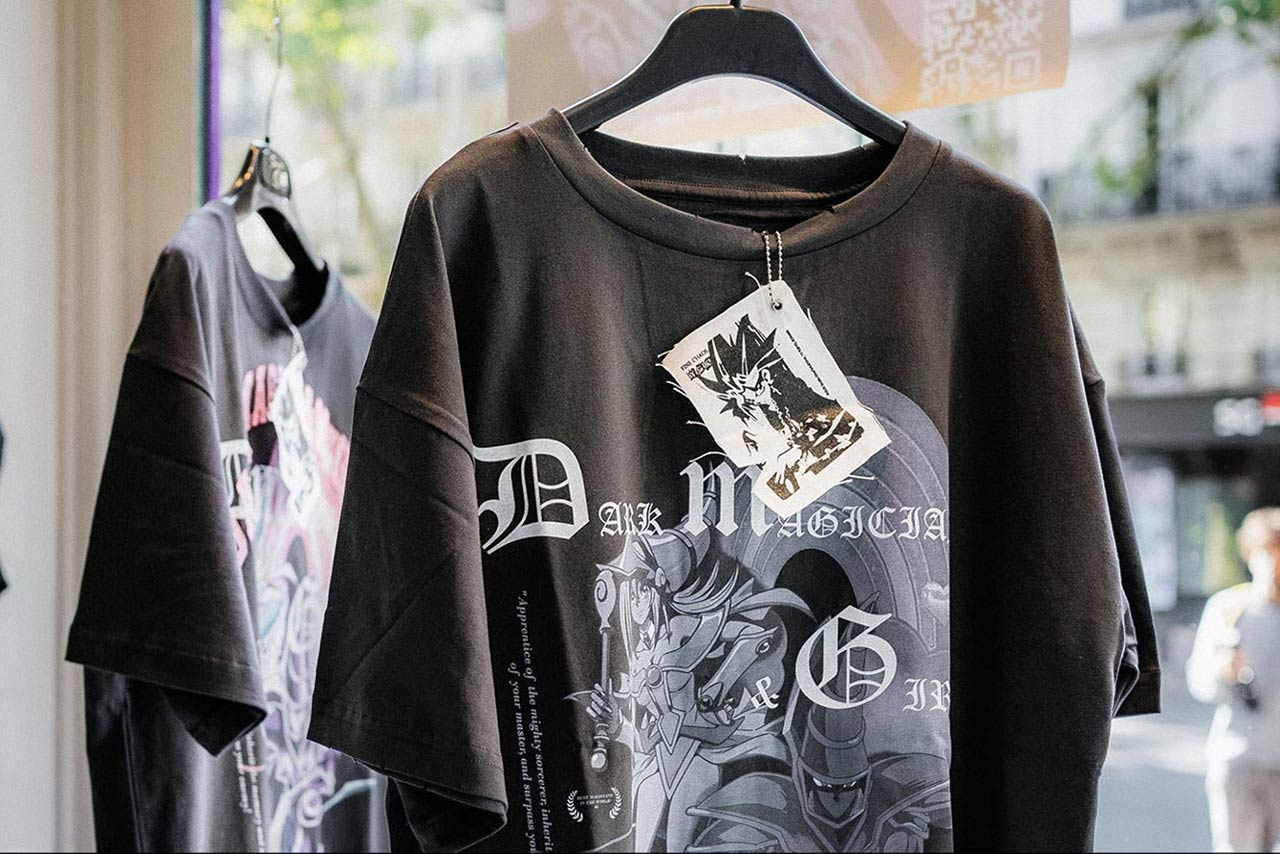
“We’re a team of eight working tirelessly, and for such a young brand to now collaborate with Yu-Gi-Oh! – it’s surreal.”
For fans, these items carry a different kind of value than regular merchandise. They become something to display, collect, or trade. For companies, they drive foot traffic, social media sharing, and direct purchases which are all built on the pull of a gaming IP that fans already care about.
Gaming IP Goes Global: How Major Markets Handle Collaborations
Gaming IP collaborations aren’t a new concept in major markets like the United States, Europe, and Japan. These regions have been testing and refining the model for years, giving brands proven frameworks for how to reach gaming audiences through product partnerships.
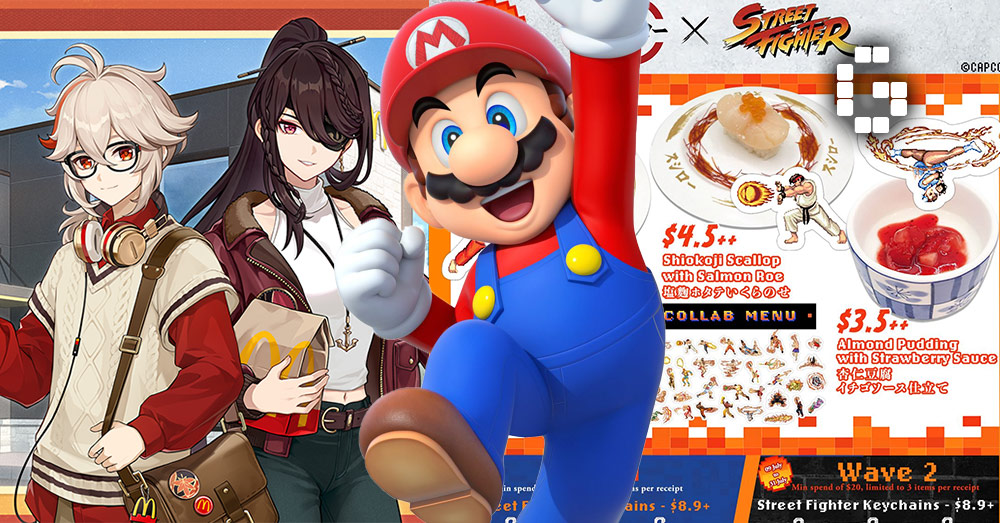
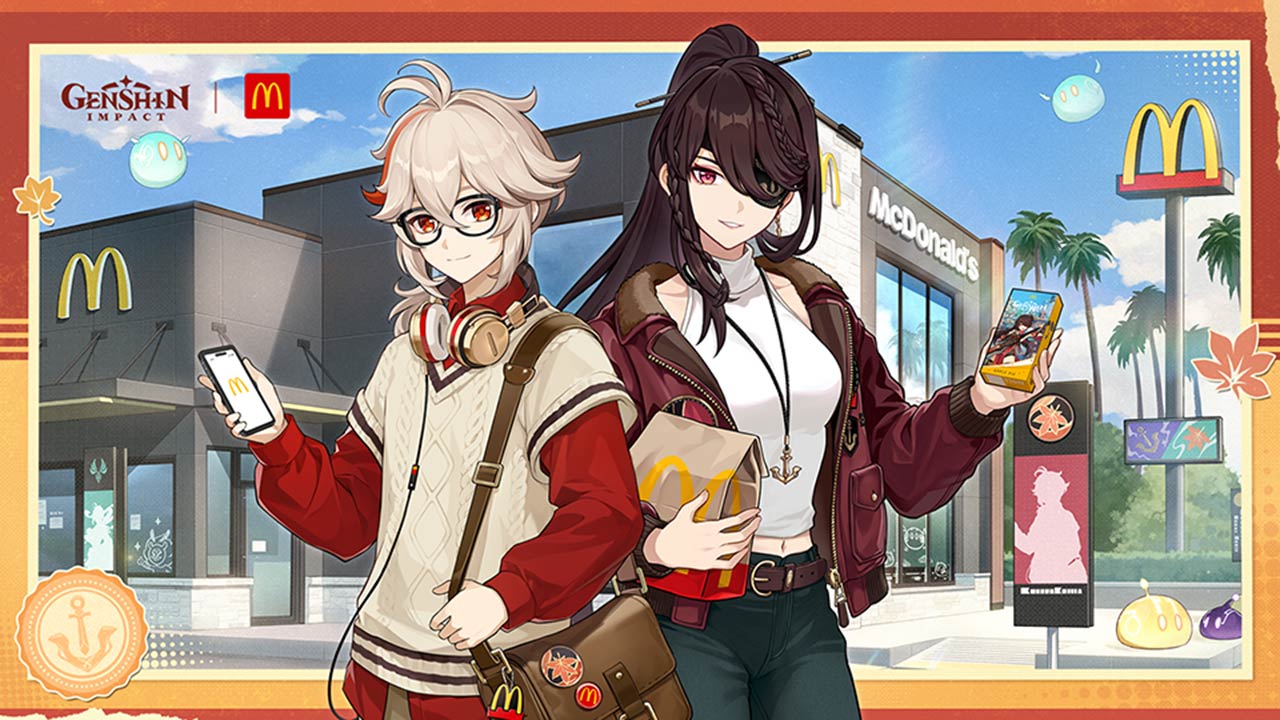
McDonald’s has become one of the most active fast-food brands in gaming IP licensing. In September 2024, the chain partnered with Genshin Impact across the United States for a two-week collaboration running in September. Players who purchased either the Genshin Impact Apple Pie or the Genshin Impact Deluxe McCrispy Meal through the McDonald’s app received redemption codes for in-game rewards including Primogems, recipes, Mora, and other items. The collaboration featured themed packaging and custom artwork of characters Kazuha and Beidou, with the Apple Pie box specifically designed around the game’s visual style.
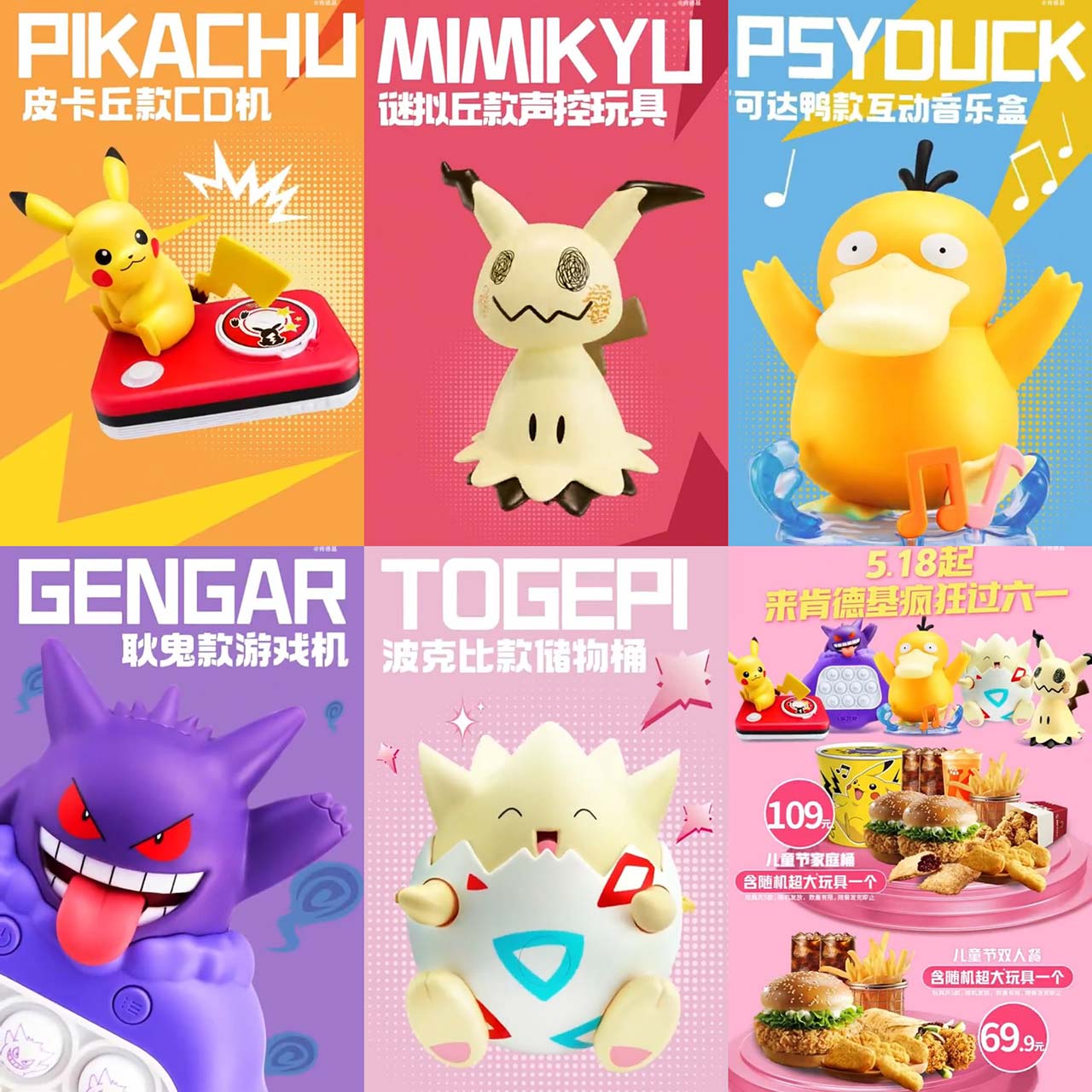
KFC has followed a similar path, particularly in China. In May 2024, KFC China partnered with Pokémon for a Children’s Day campaign offering five different Pokémon toys bundled with meal purchases. The toys were interactive, capable of producing each Pokémon’s signature sounds from the anime. Demand was so high that toys reportedly ran out of stock quickly, with fans outside China asking for the collaboration to expand internationally.
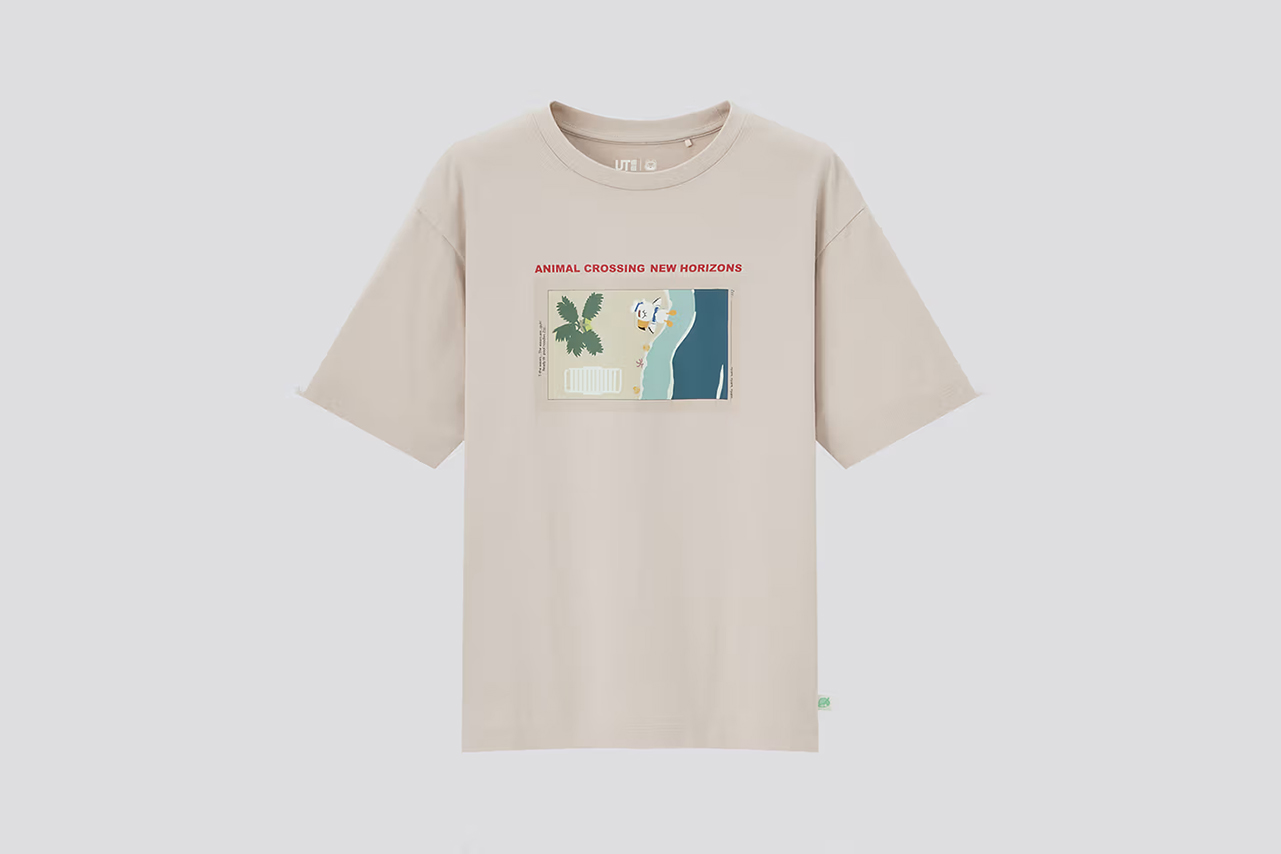
In Japan, brands like Uniqlo have collaborated with gaming IP including Animal Crossing, Sonic the Hedgehog, and Pokémon. Japan’s market is particularly receptive to gaming collaborations because gaming culture is deeply embedded in everyday life. Consumers expect high-quality merchandise and are willing to pay for it when the designs respect the source material.
The pattern across these major markets is clear: gaming IP collaborations work best when they offer fans something beyond just branded packaging. Whether it’s interactive toys, in-game rewards, or limited-edition apparel, successful collaborations give fans a reason to engage beyond the novelty of seeing their favorite game logo on a product.
Southeast Asia: A Region That Takes Gaming Collabs Seriously
Southeast Asia has become one of the most active regions in the world for gaming IP collaborations, and the scale of its gaming audience explains why. Companies looking to reach this market have taken notice, and the collaborations happening across the region show how seriously brands are treating this opportunity.
But here’s what matters: while companies in the US, Europe, and Japan have been running gaming IP collaborations for years, Southeast Asia is still emerging as a recognized market for these partnerships. Many companies don’t realize the infrastructure and opportunity exist here or they assume the region can’t support the same level of collaboration seen in major markets. That’s wrong. The difference is visibility, not capability.
What makes Southeast Asia stand out is how deeply gaming has woven itself into everyday life. Mobile gaming dominates the market, and players here aren’t casual users, they’re deeply engaged communities built around specific games and characters. Thailand in particular has a large and highly active gaming population, which is why collaborations there tend to carry real commercial weight.
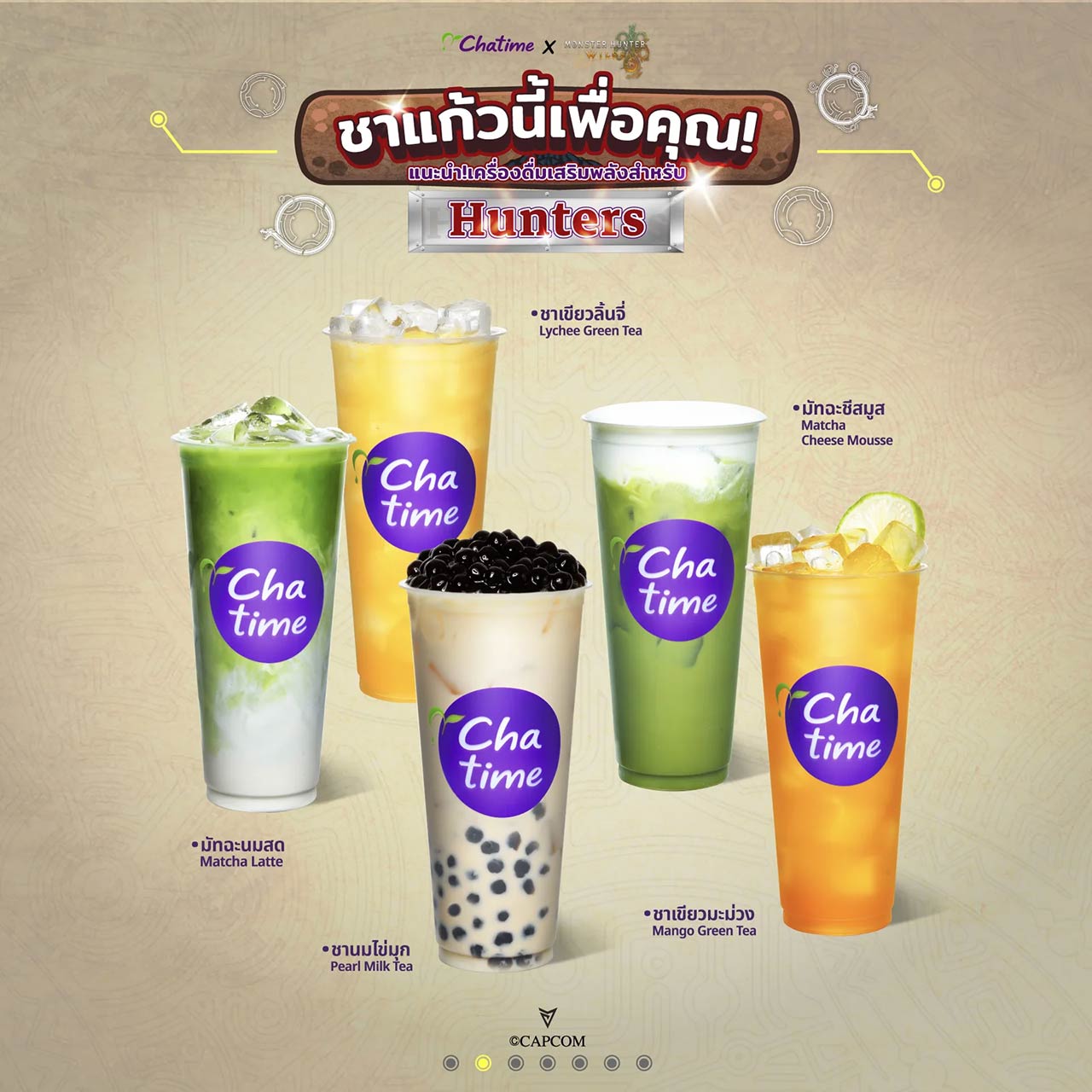
When Capcom partnered with Chatime Thailand to launch Monster Hunter Wilds-themed bubble tea in Bangkok, it wasn’t a random choice. The collaboration ran through May 2025 and featured five specially themed drinks, three collaboration sets ranging from 150 to 360 baht, exclusive cup sleeves, sticker sets, acrylic keychains, and ceramic coasters engraved with monster icons. The flagship Chatime store at Queen Sirikit National Convention Center received a full Monster Hunter-themed makeover, with additional promotions at MBK Center and Central World branches. For a bubble tea brand, it was a way to draw foot traffic and generate social media content. For Capcom, it built excitement around a major game release within a target market ahead of launch.
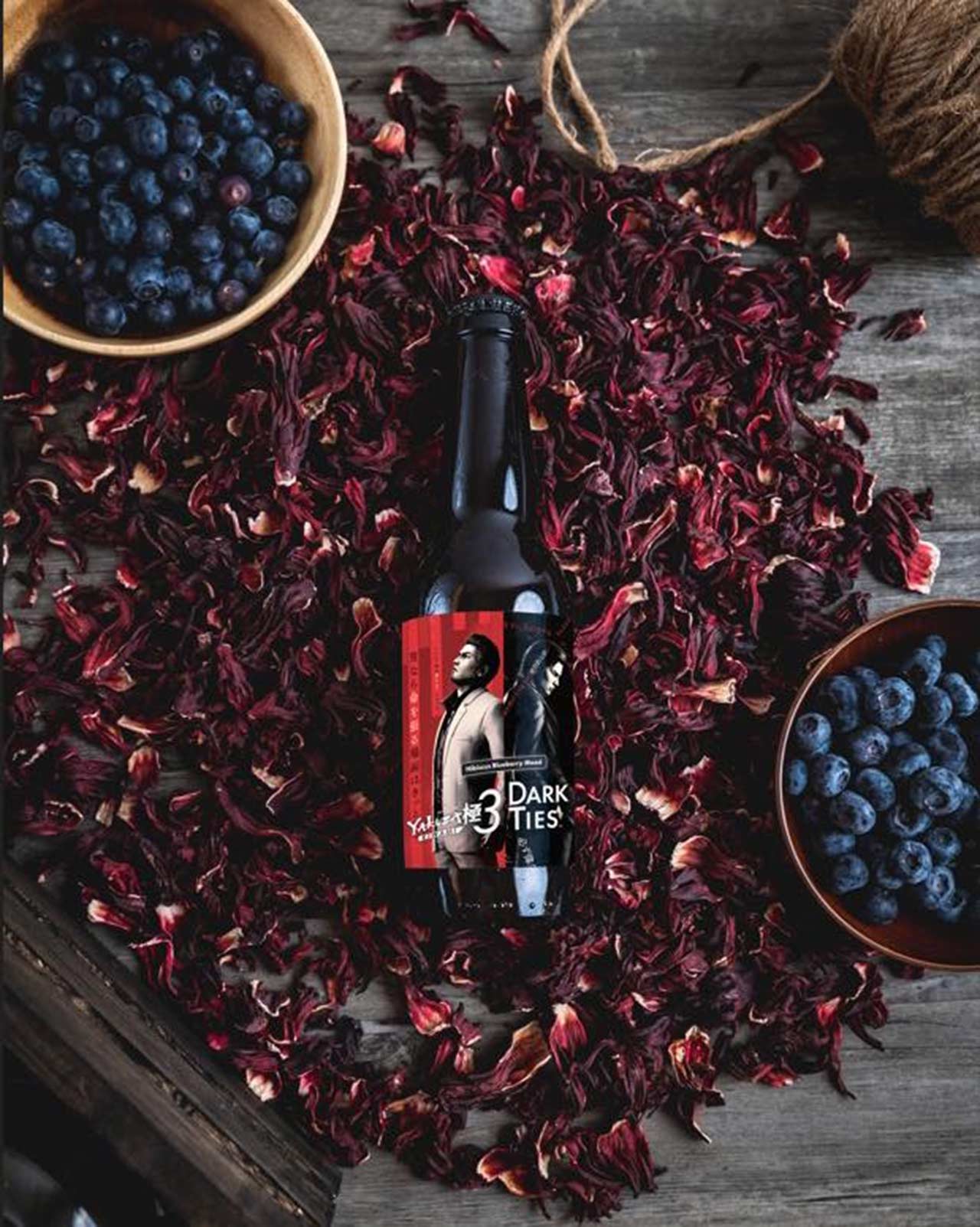
Singapore saw a similar approach when SEGA partnered with Lion City Meadery for a limited-edition Yakuza Kiwami 3 & Dark Ties collaboration mead. Available across 11 locations in Singapore from February to March 2026, the dark crimson hibiscus blueberry mead brought gaming culture directly into the city’s craft beverage scene. SEGA and Lion City Meadery also ran a lucky draw during the campaign period, giving fans an additional reason to visit participating outlets. It’s a smart layering of incentives: exclusive product, limited time, and a prize mechanic that keeps fans engaged throughout the campaign window.
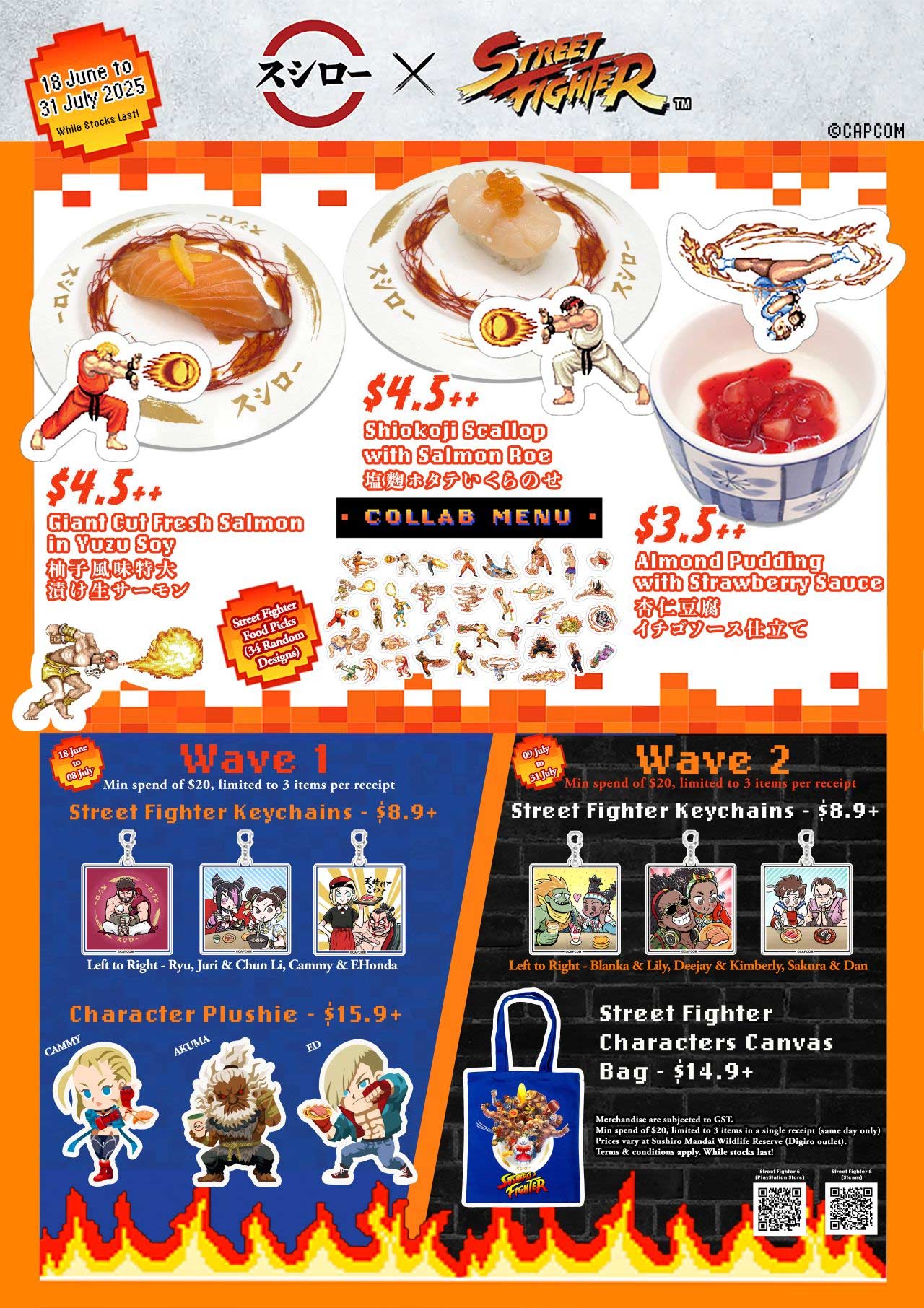
SUSHIRO Singapore, Japan’s largest conveyor belt sushi chain, took the format further by partnering with Capcom’s Street Fighter for a collaboration tied to Street Fighter 6’s second anniversary. Two SUSHIRO outlets at Suntec City and Perennial Business City were transformed into themed dining spaces. Running in two waves from June to July 2025, the collaboration featured a limited menu with three exclusive dishes, 34 collectable 16-bit pixel art food picks, character plushies, keychains, and a canvas bag, all available through minimum spend thresholds. The two-wave structure was deliberate: it gave fans a reason to come back a second time, not just once.
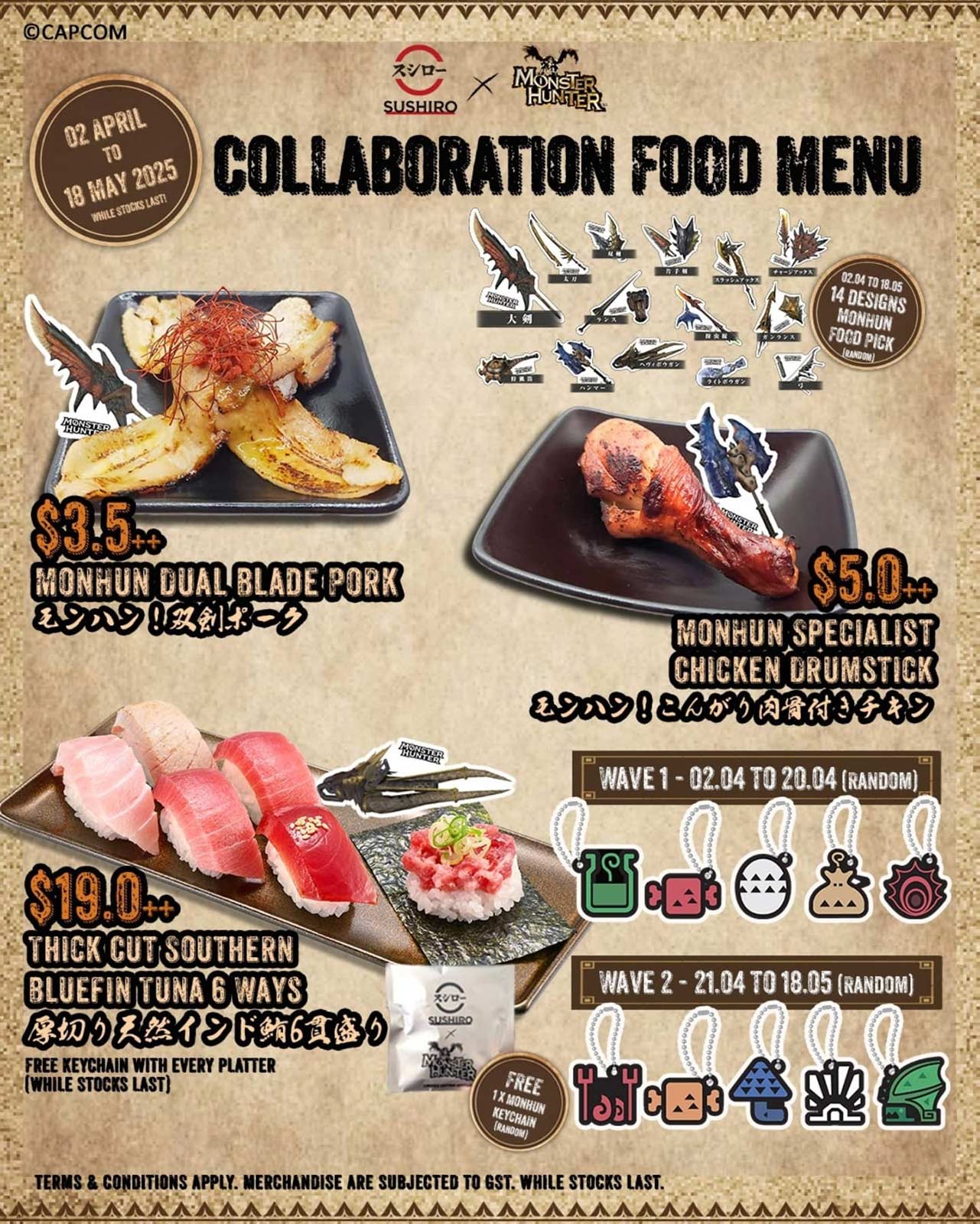
They also partnered with Capcom for a second collaboration, this time centered on Monster Hunter to celebrate the franchise’s 20th anniversary. Running from across all Sushiro outlets in Singapore, the campaign featured a themed food menu and two waves of exclusive merchandise. The menu included the MonHun Dual Blade Pork, a green peppercorn pork topped with bacon bits and shredded chilli shaped after the game’s iconic Dual Blades weapon, the MonHun Specialist Chicken Drumstick modeled after the in-game Juicy Well-done Hammer, and Thick Cut Southern Bluefin Tuna served six ways, each set coming with random food picks or silicon keychains.
Malaysia saw a different kind of gaming IP collaboration through Touch ‘n Go, the country’s widely used toll and e-payment platform. The company launched a limited-edition Pokémon collection featuring RFID tags and charms built around two of the franchise’s most recognizable characters such as Pikachu and Gengar. The RFID tags were priced at RM40 and the charms at RM35, both designed to combine everyday functionality with fan appeal. The RFID tags work as standard toll payment devices, linking to a user’s Touch ‘n Go eWallet to deduct fares automatically at toll booths. What made them stand out was the Pokémon branding turning a purely practical commuter product into something collectors and fans actively sought out.
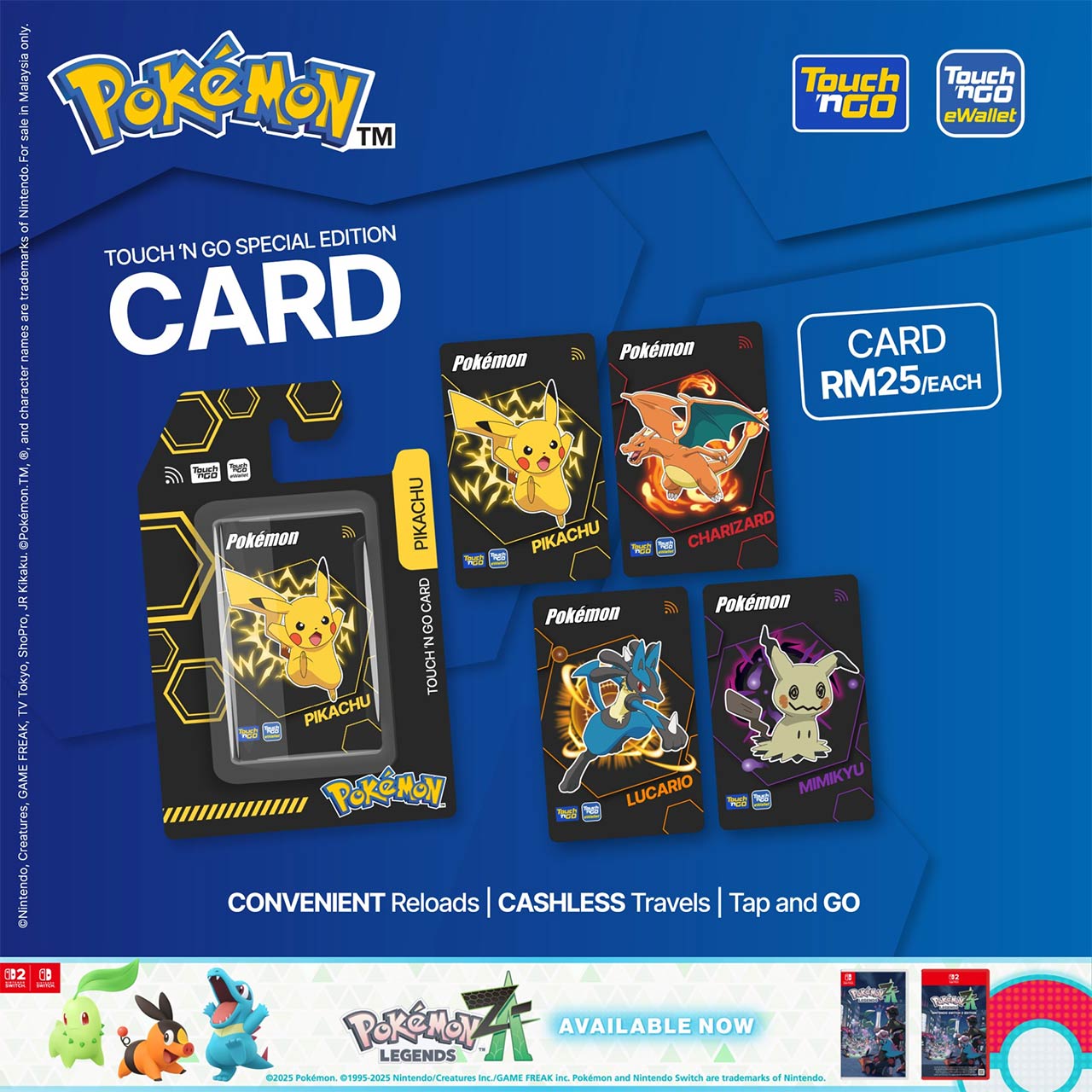
What’s notable about this collaboration is how far outside the usual gaming IP playbook it sits. Food and beverage tie-ins are common. A toll payment tag is not. It shows that gaming IP can travel into almost any product category when the audience overlap makes sense and in Malaysia, where Touch ‘n Go is used daily by millions of drivers, putting Pokémon on a functional commuter item meant the IP was reaching fans not just at themed restaurants or pop-up events, but during their everyday routines.
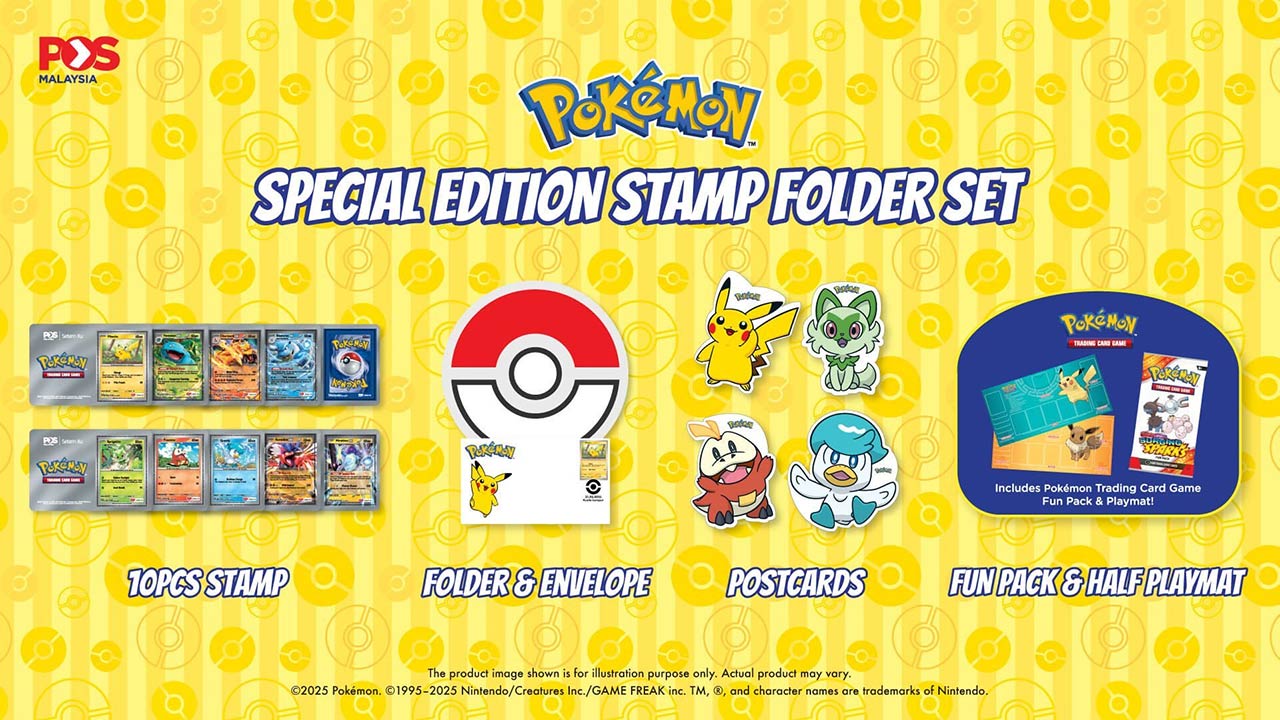
What these collaborations share is a localized approach. Generic global campaigns don’t carry the same weight in Southeast Asia as activations that feel designed for the specific market. The brands and game publishers that get this right treat the region as its own opportunity, not an afterthought.
In our exclusive interview with Justin Scarpone, SEGA Corporation’s Executive Vice President and Head of Global Transmedia Group, explained the company’s approach to Southeast Asia: “Southeast Asia is a high priority region for SEGA. That’s why now we have a presence at the Thailand Game Show.”
Scarpone emphasized SEGA’s partnership strategy: “Companies that are like-minded to SEGA in the sense that they’re always putting the customer first, companies that share that DNA with us are attractive potential partners. Obviously, we would love for them to be sort of industry leaders or have strong market share so that when we partner, we’re reaching a loyal audience, but also a sizable one.”
What It Means If You’re a Gamer
For the people actually playing the games, these collaborations land differently depending on how they’re done.
When it’s done well, it feels like a celebration of something you already love. A bubble tea shop decked out in Monster Hunter art, a craft mead designed around the atmosphere of a Yakuza game, a sushi restaurant that becomes a Street Fighter venue for a few weeks, these turn a gaming passion into something you can experience in the real world, with other fans, outside a screen. There’s a social element to it. You go with friends who play the same game. You take photos. You compare collectibles.
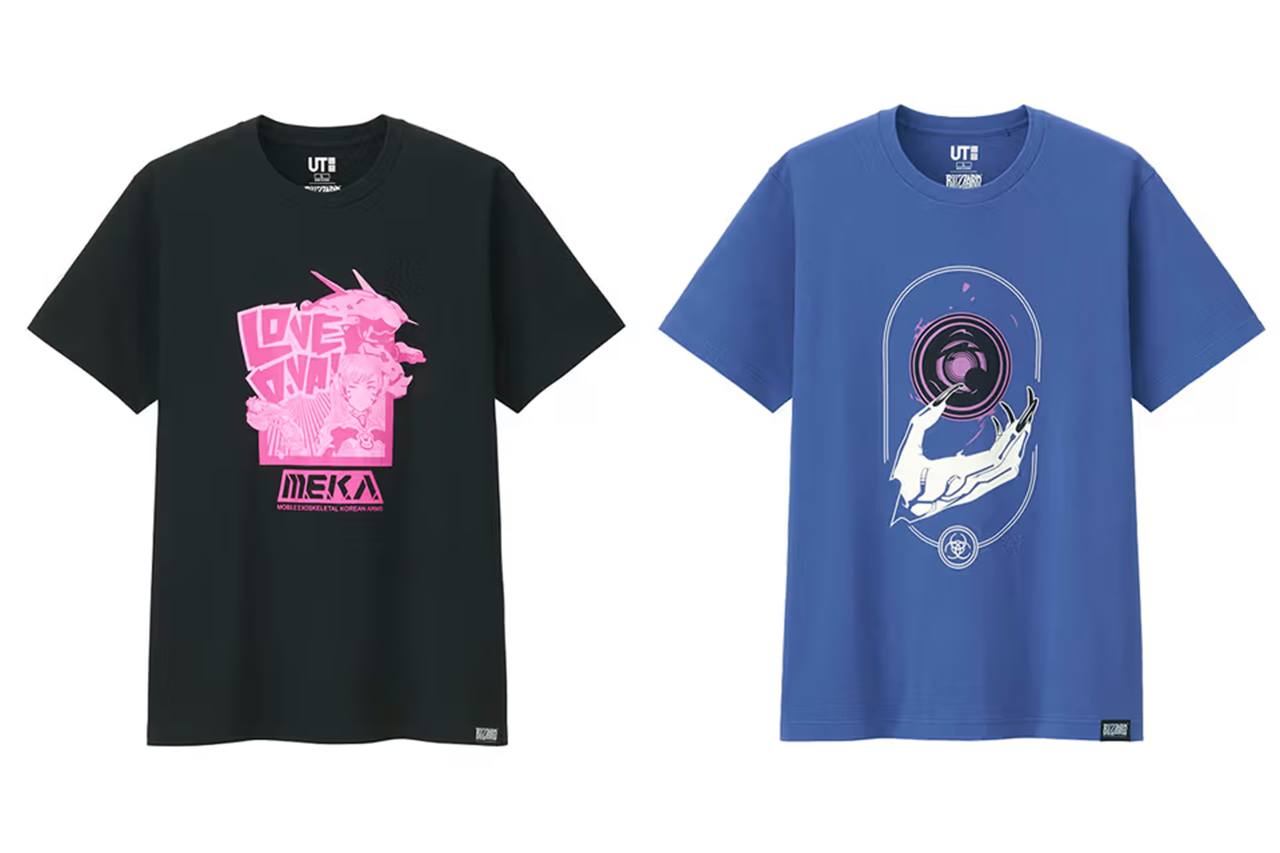
Exclusive merchandise adds to that. Owning a limited-edition keychain or a coaster engraved with a monster icon from a game you’ve played dozens of hours in feels different from buying generic branded merchandise. It’s tied to something with meaning for you. These items often end up displayed, photographed, and shared which extends the collaboration’s reach far beyond the people who physically walked into the store.
There’s also the discovery angle. Not every person who walks into a themed Sushiro outlet is a Street Fighter fan. Some go because the food is good and the atmosphere looks interesting. Some end up curious about the game. A collaboration that’s handled genuinely, with proper representation of the characters and care for the source material can introduce new people to gaming franchises in a way that feels organic rather than forced.
The flip side is when collaborations miss. Fans notice immediately when a product feels like a cynical cash grab, when a brand slaps a game logo on something generic and calls it a partnership. Gaming communities are vocal, and poorly executed collaborations tend to get called out quickly. That’s actually a useful filter for brands: the audience’s high standards push companies to invest in partnerships that actually make sense, rather than chasing a logo placement.
For gamers, the broader picture is also meaningful. When companies compete to license gaming IP, it signals that gaming culture is taken seriously as a mainstream cultural force, not just a niche hobby. Every credible collaboration is a form of acknowledgment that this audience matters, that the characters and worlds gamers spend time in carry real cultural weight. That’s a shift that’s been building for years, and it shows no signs of slowing down.
Looking Forward
As gaming continues growing as both an entertainment medium and cultural force, more companies will seek licensing deals to access gaming audiences. Fashion apparel continues to top the list with 70% of brand owners highlighting the section as a key opportunity for licensed consumer goods in 2025/26, followed by toys and games at 54% and food and beverage at 52%. Gaming IP will likely expand further into these categories.
Video games marked a $35 billion (19%) brand licensing market share in 2023.
The pattern is clear: companies that successfully license gaming IP gain access to passionate, engaged consumers who actively seek products featuring their favorite characters. For businesses looking to reach gaming audiences, licensing established gaming properties offers a proven path to connect with millions of players through products they’ll actually want to buy.
If you’re interested in exploring gaming IP licensing opportunities or need consultancy on how to execute collaborations in Southeast Asia or other markets, reach out to us through [email protected] for strategic guidance and market insights.