














![[EXCLUSIVE] Dragon’s Dogma 2: Dark Arisen Team Opens Up About the Expansion’s Name, New Norgan Region, and Performance Goals](https://cdn.gamerbraves.com/2026/07/Dragons-Dogma-2-Dark-Arisen_Interview_FI-360x180.jpg)



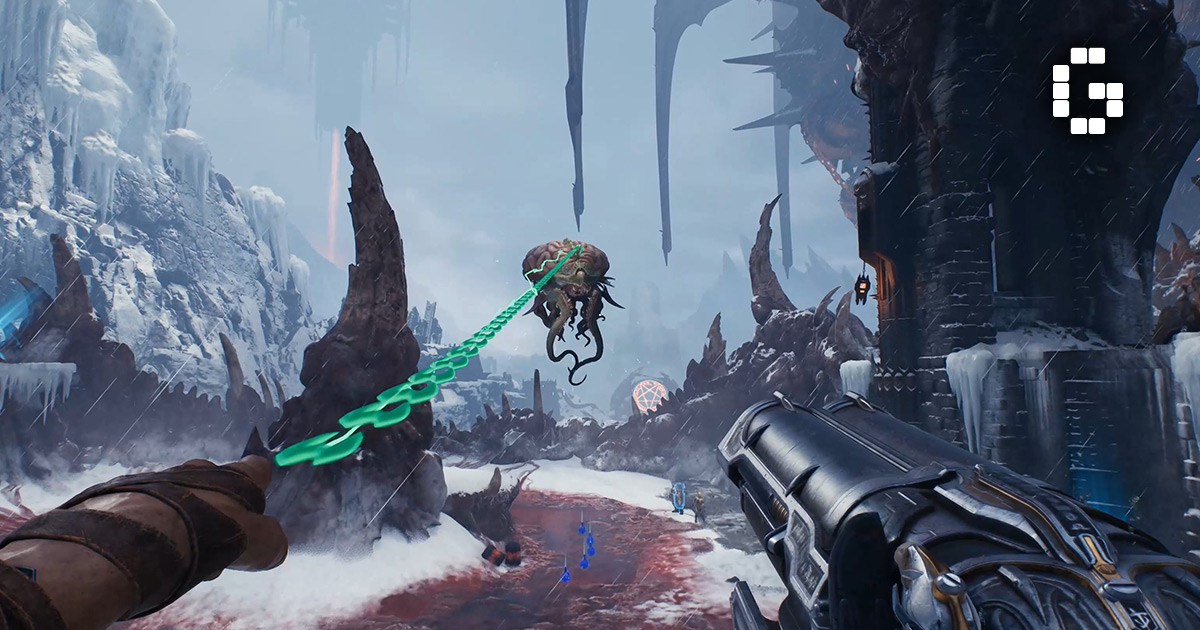
Recently, we got had the chance to participate in a hands-off preview event for DOOM: The Dark Ages | Revelations, and what we saw was nothing short of massive. This upcoming DLC picks up with the DOOM Slayer after he’s been betrayed and thrown into Purgatory, and from what we experienced, it’s shaping up to be one of the most ambitious expansions the franchise has ever seen. Here’s a full breakdown of everything the preview revealed, from new weapons and enemies to how deep the endgame actually goes.
A Premium-Sized Expansion
Revelations isn’t being positioned as a small add-on. Depending on the difficulty you play on, the campaign runs around 10 to 12 hours, which puts it on par with both of DOOM Eternal’s DLCs combined. The overall difficulty is tuned higher than the base game, though sliders are available to adjust the challenge to your liking. That said, by the time you reach the endgame, especially the bosses, you’ll need to be comfortable using everything in your toolkit. The “pick up and play” feel that the series is known for is still here, but this one isn’t pulling its punches.
What makes this feel like more than just an expansion is how much content is packed into it. Between the main campaign, the endgame layer, the retro levels, Master Arenas, and the Ripatorium, the amount of things to do here is closer to what you’d expect from a standalone release. It’s clear that id Software is treating this as a major chapter in the franchise rather than a side story, and the scope of what was shown in the preview backs that up.
The New Chain Spear Changes Everything
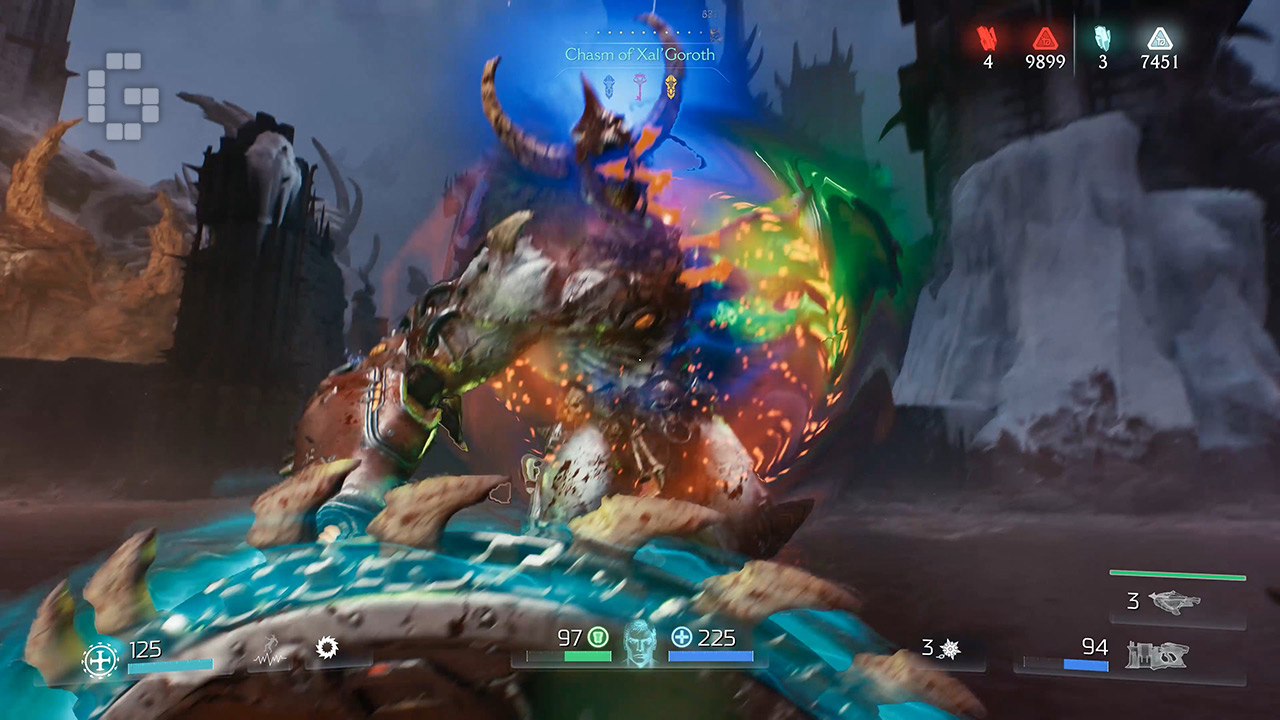
The biggest gameplay addition in Revelations is the Chain Spear, and it’s clear that the entire expansion was built around it. The dual-wield setup from the base game is still intact, and you can switch between the Shield Saw and the new Chain Spear on the fly. While you can stick to the Shield Saw or focus exclusively on the Spear, mastering it becomes essential if you want to tackle the harder endgame content like the Master Arenas.
What makes the Chain Spear stand out is how much movement it adds to the mix. It comes with a dash and a grappling hook that lets you orbit around enemies, which gives the slower, tankier Dark Ages Slayer a much faster and more aggressive feel in combat. The result is something that feels like a high-momentum flying tank, with the weight and impact of The Dark Ages’ combat style still very much intact but now paired with a speed and fluidity that wasn’t there before.
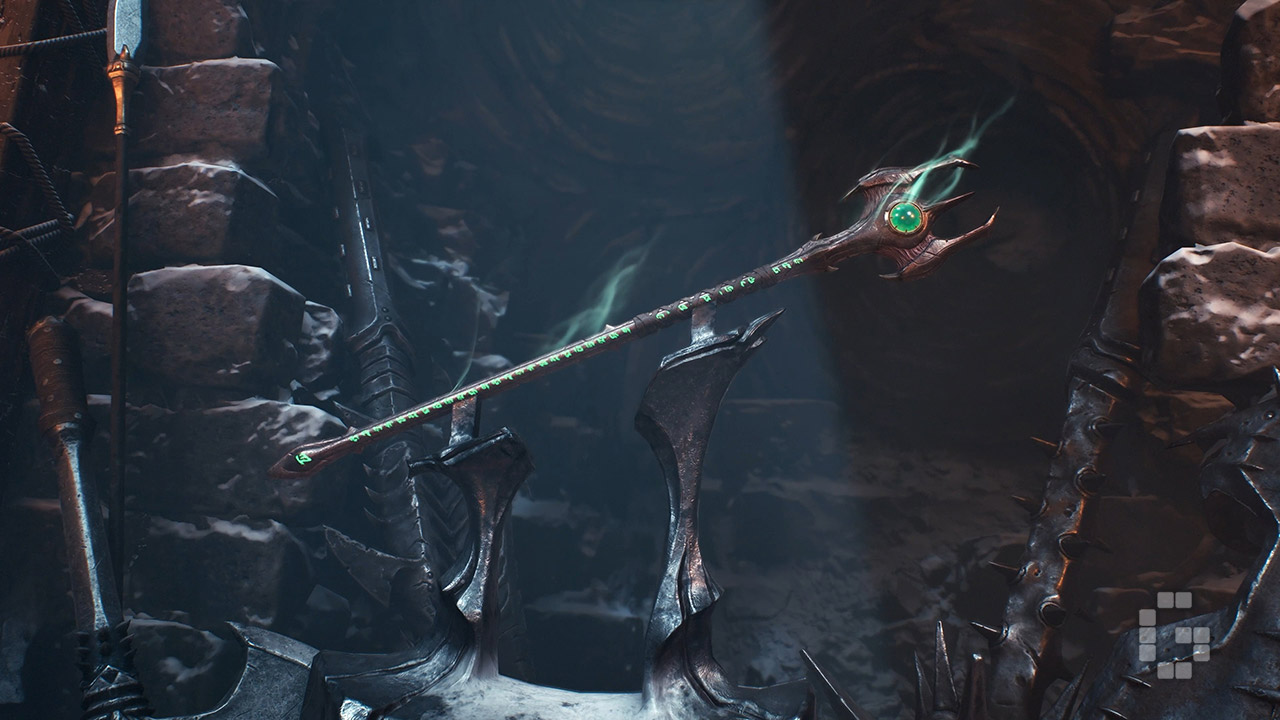
The Spear has a wide range of moves to work with. You can stab with it, slam it down similar to Eternal’s Sentinel Hammer, throw it for ranged precision, and use a slash that can break armor, collect resources from weaker enemies, or parry incoming attacks with the right timing. Each of these abilities serves a distinct purpose in combat, and learning when to use which one is a big part of what makes the Spear feel mechanically deep. It also has its own Glory Kills on larger enemies and comes with an extensive upgrade tree that you’ll be investing in throughout the campaign. One important story detail tied to progression: the Slayer’s armor starts out damaged at the beginning of the DLC and gets rebuilt as you push further into the campaign, giving the upgrade system a narrative weight alongside the gameplay one.
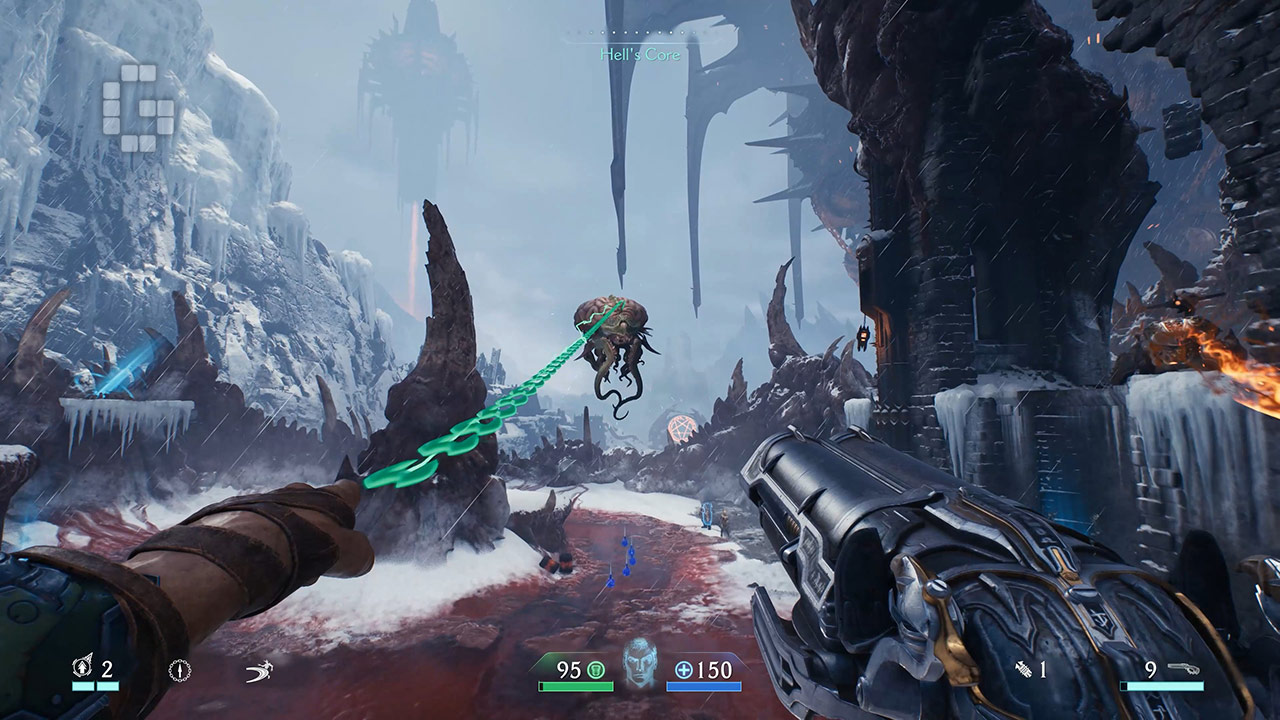
The Spear is described as a riskier and faster version of the Shield Saw, meaning the reward ceiling is higher but so is the margin for error. For players who enjoy learning and refining a complex tool over the course of an entire campaign, it looks like the Spear is going to be exactly that kind of satisfying long-term investment.
Enemies and Campaign Structure
The enemy roster is a mix of new threats and returning fan favorites, and from what was shown, the demons in Revelations hit hard and demand your full attention. The most notable new addition is the Wizard, a priority target that buffs other demons around it and needs to be taken out quickly before it makes the rest of the encounter significantly harder to manage. It adds a layer of target prioritization to combat that pushes you to think on your feet even more than usual.
On the returning side, the Arch-Vile and Pain Elemental are both back, two demons that longtime DOOM fans will recognize as serious threats that require specific handling. Familiar enemies also show up in upgraded and more aggressive forms, including the Specter Whiplash, Purple Hell Knights, and new Zombie variants that can explode and function as environmental hazards in the middle of combat. The combination of new enemies, returning ones, and upgraded versions of existing demons means the roster feels fresh while still being grounded in what the base game established.
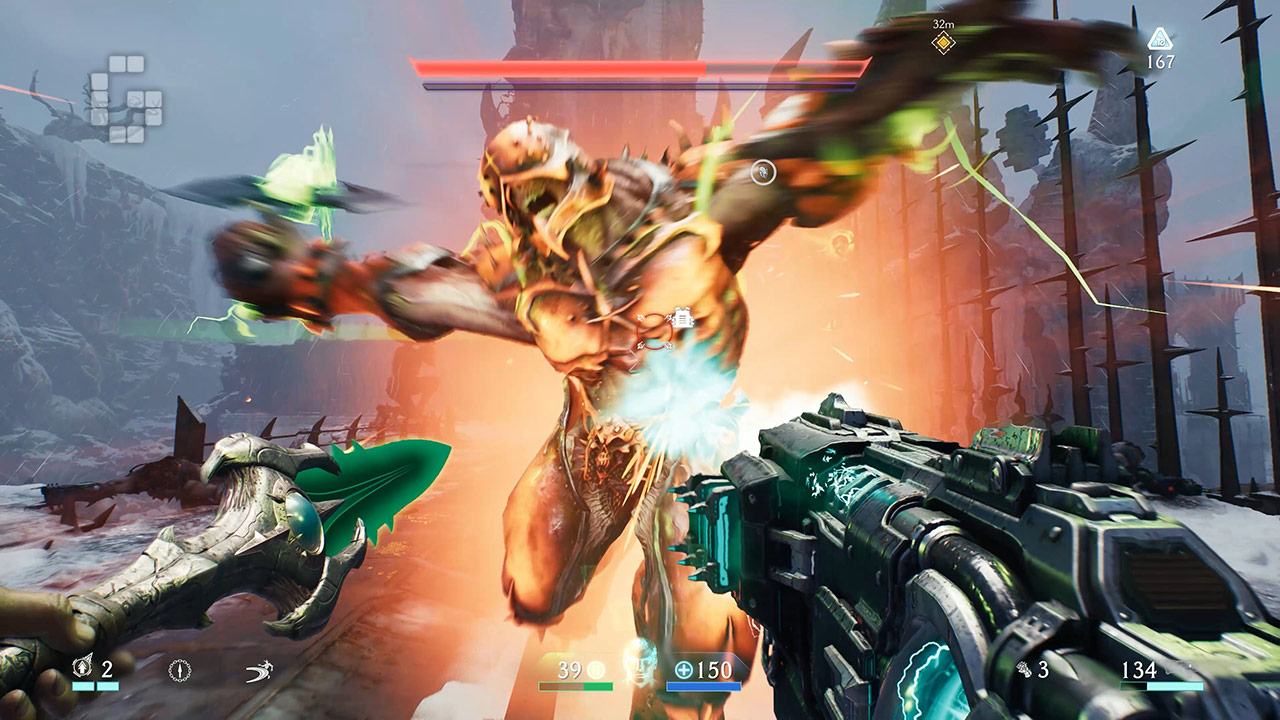
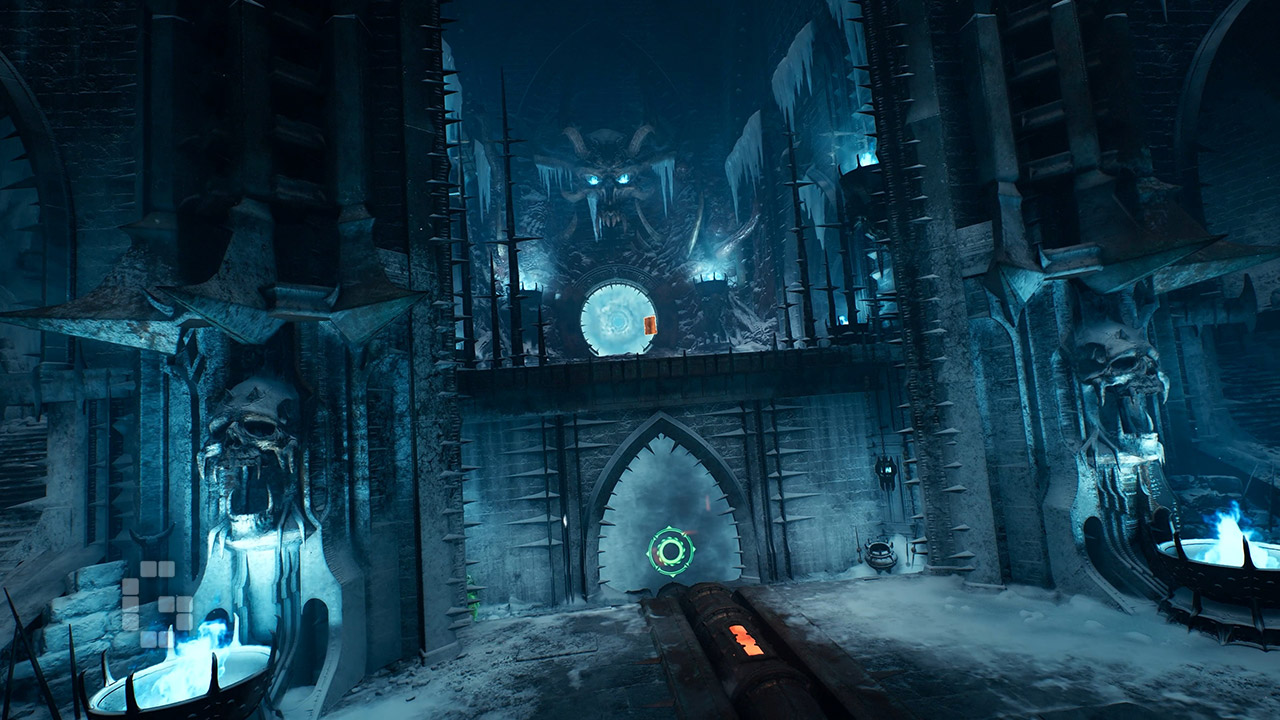
The campaign is split into two layers: Base Game Missions and End Game content. About 60% of the overall experience is the base campaign, and completing it unlocks the End Game layer, which introduces a second set of objectives you can track separately through the Automap. This structure gives the DLC a clear sense of progression while also making it easy to navigate what you’ve completed and what’s still left to tackle.
The endgame layer brings in several different types of content. Praetor Suit combat encounters are extra-hard challenge arenas built for players who want a serious test. Slayer Trials are arcade-style levels with scoring systems and puzzles mixed in. New powerful upgrades become available as endgame resources, and fully playable retro DOOM levels from classic titles are unlocked as you push further. Each of these adds something different to the experience rather than simply repeating the same type of challenge.
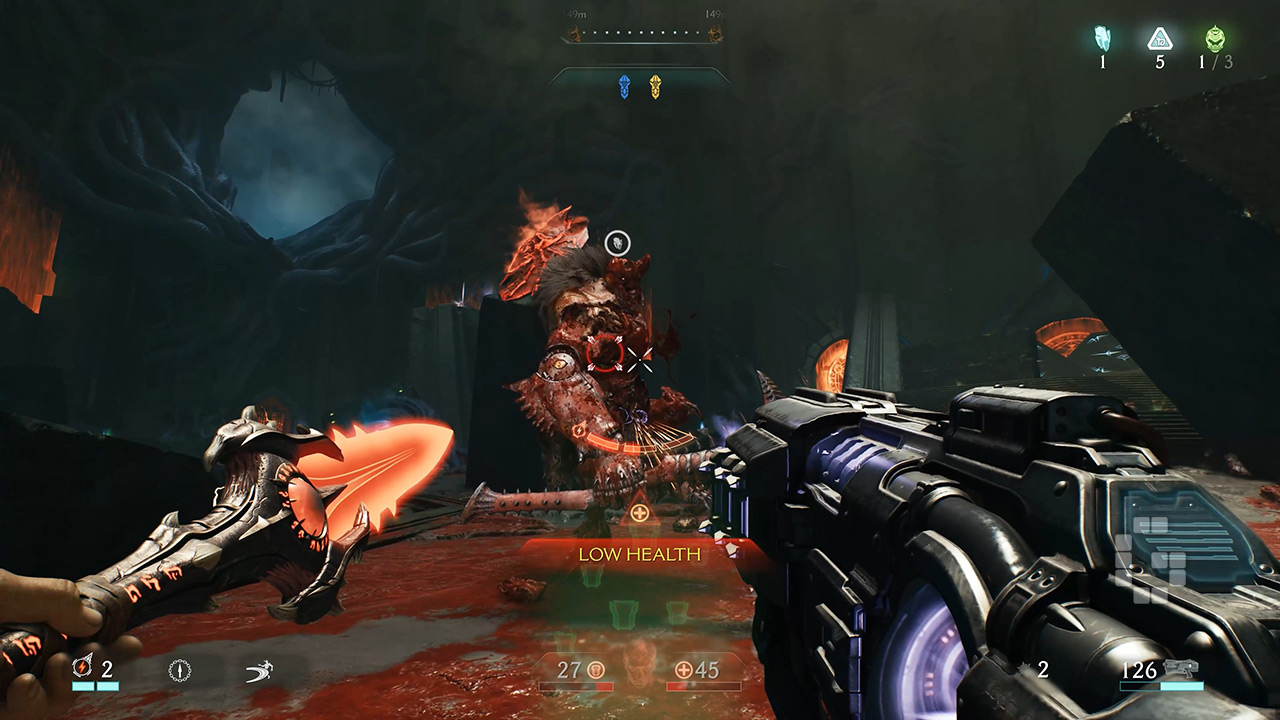
Progressing through the End Game rewards you with the Astral Key, which opens up a brutal Uber Boss fight. Beating that boss earns you the Master Arena Key, which unlocks four of the hardest arenas in the entire franchise. These are specifically designed to test the absolute limits of what players can do, requiring full mastery of everything the DLC has given you up to that point. Clearing all four ultimately opens up a large wave of post-game content in the Ripatorium, including full Spear upgrades, extra maps, and encounter presets that keep the loop going well past the credits.
Nightmare Levels and the Slayer’s Story
Outside of combat, Revelations puts a heavy focus on story and lore. There are plenty of pickups and lore pages scattered throughout, and the narrative digs deep into the Slayer’s secret history, including his identity as Flynn Taggart. The story follows him from the moment he’s stripped of his tools and thrown into Purgatory through his gradual path back to full power, and the preview makes it clear this is meant to be a pivotal and darker moment for the character compared to what the base game explored.
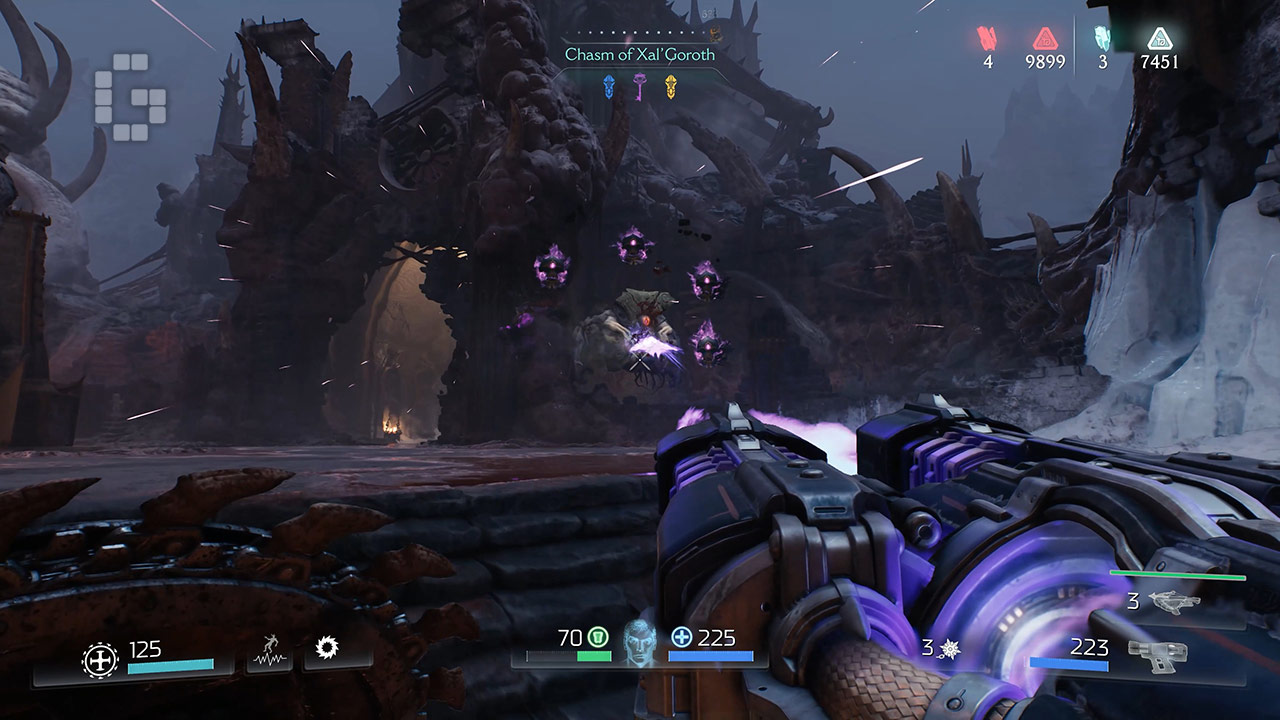
A new gameplay mode called Nightmare Levels brings a retro DOOM experience into the mix, and it isn’t just a visual callback or a bonus mode bolted onto the side. It’s woven directly into the story in a way that makes it feel like a meaningful part of the Slayer’s journey rather than a separate feature. The integration of that retro gameplay into the lore around Flynn Taggart is one of the more interesting creative decisions shown in the preview, and it’s something that fans of the franchise’s history are likely going to appreciate.
The Slayer’s Hub
The Slayer’s Hub serves as your home base throughout the DLC, and it does a lot of work on both the gameplay and narrative sides. Narratively it functions as the Slayer’s prison, and it’s a large, visually striking space with a Metroidvania-style layout filled with hidden corridors and environmental puzzles that open up as you progress. It expands alongside the story, so the space itself reflects where you are in the Slayer’s journey at any given point.
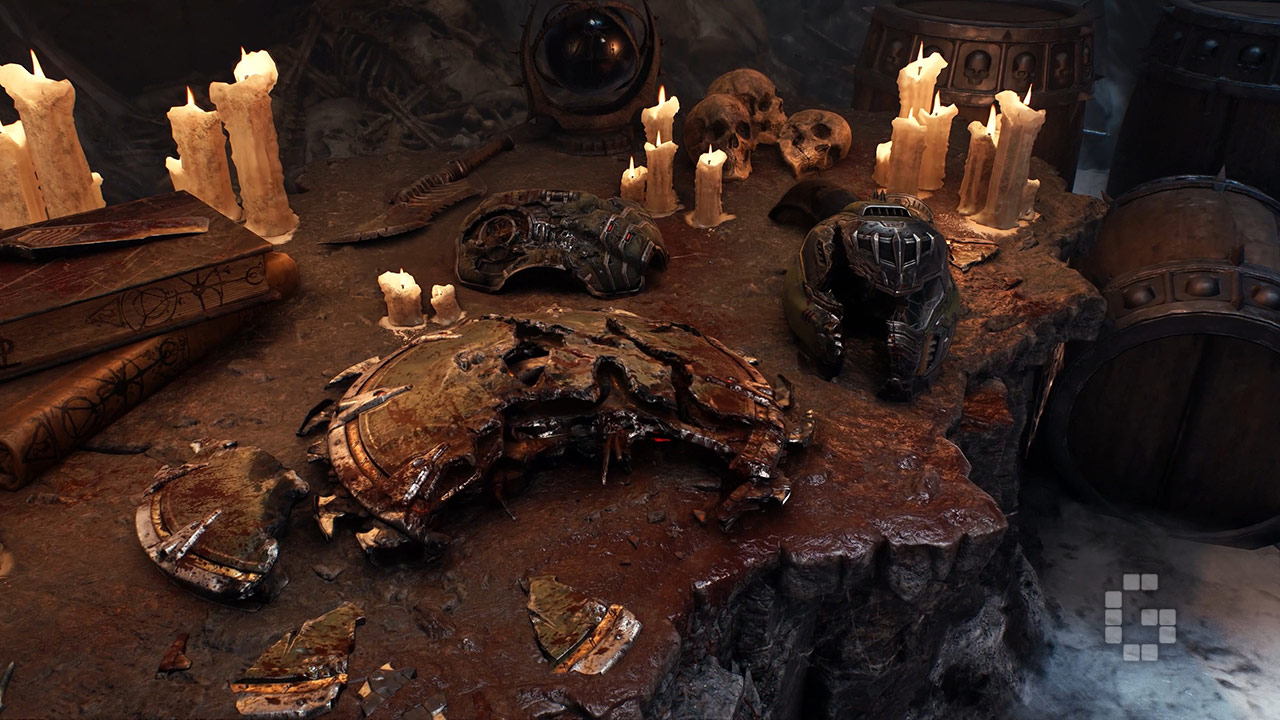
To help you navigate everything the Hub has to offer, a new objective wheel has been added that lets you track and pin whichever challenges you want to focus on. Given how much content is layered into the DLC, having a clear and accessible way to manage objectives is a welcome addition that should keep things from feeling overwhelming even as the endgame opens up.
Ripatorium 3.0
The Ripatorium returns in its most complete version yet, now being called Ripatorium 3.0. This customizable endless arena mode is built for quick drop-in sessions without needing to load up the main campaign, making it a solid option for players who want to jump in and fight without committing to a mission. It comes with pre-configured presets for immediate action and will receive continuously updated encounters to keep the content fresh over time. The soundtrack across the DLC features new work from Finishing Move alongside classic level music by Andrew Hulshult, giving the expansion both a fresh sonic identity and some familiar callbacks for longtime fans.
First Impressions
Based on what was shown in the preview, Revelations feels like a genuine evolution of what The Dark Ages set up rather than a simple continuation of it. The base game’s combat already had a deliberate and heavy feel to it, and the Chain Spear keeps that weight while pushing the pacing into a noticeably higher gear. The idea of orbiting enemies and grappling across the battlefield while still hitting with the same impact as before is a combination that looks like it changes the rhythm of fights in a meaningful way.
The narrative angle is also worth paying attention to. Seeing the Slayer in a position of vulnerability, stripped of his gear and thrown into Purgatory, is a side of the character that the franchise hasn’t spent much time with. The story of him clawing his way back up, with the damaged armor and gradual upgrades tying directly into that arc, gives the campaign a sense of momentum that goes beyond just unlocking new abilities. The Nightmare Levels adding a retro layer to that story is an unexpected but genuinely interesting touch.
With the sheer volume of content on offer, the elevated difficulty, and a new central weapon that the entire expansion is built around, Revelations is shaping up to be a DLC that demands your full attention from start to finish. It’s the kind of expansion that appears to reward players who are willing to invest the time to master everything it throws at them, and based on what we saw, there’s a lot to master.