





![[EXCLUSIVE] Dragon’s Dogma 2: Dark Arisen Team Opens Up About the Expansion’s Name, New Norgan Region, and Performance Goals](https://cdn.gamerbraves.com/2026/07/Dragons-Dogma-2-Dark-Arisen_Interview_FI-360x180.jpg)



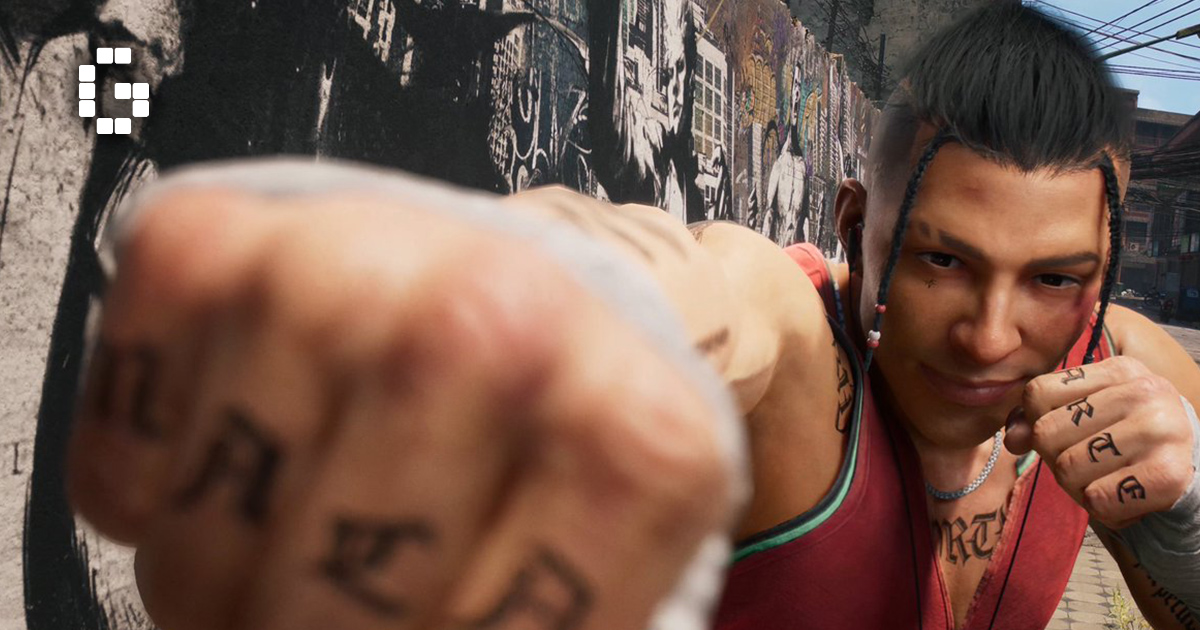
After nearly two decades, Virtua Fighter is making its biggest return yet. Virtua Fighter Crossroads is not just a new entry in the long-running fighting game series, it is a reimagining of what a fighting game can even be. We recently had the opportunity to interview Producer and Creative Director Riichiro Yamada, who talked about the game’s ambitious story campaign, its Southeast Asian setting, and what the team is doing to bring both veterans and newcomers into the fold.
Telling A Bigger Story
One of the first things that stands out about Crossroads is just how much it leans into story, something the Virtua Fighter series has never really done before. Yamada was upfront about how difficult that was to pull off. “The biggest question was, what do we want to tell as a story?” he said.
The series carries decades of lore that had never really been explored on a larger scale, and a lot of that came with the challenge of making old ideas feel relevant again. “Virtua Fighter, the series, has been very long. It has its own lore, it has its own settings that have been there but has never been used for decades and for 20 plus years,” he said.
“This is from many years ago, it’s not modern, so how can we modernize this?”
For inspiration, Yamada looked outside of games entirely. “The biggest inspiration I had was the HBO drama series Watchmen,” he said.
“Watchmen was a very old American comics story which was revived as a drama 40 years plus after. For me, I thought it was very similar to the situation with Virtua Fighter, and it told me a lot about how to modernize the old settings, the old story, and then revive it.”
Beyond the story itself, the team wanted players to feel the narrative through playing, not just watching it. “A lot of people won’t be just satisfied with nice cuts in the game, and pretty scenes or pretty cinematics,” he said.
“It’s way better if you can play through it and understand the story by yourself.”
The team also wanted to set itself apart from the studio’s other work.
“We wanted to do something different from RGG in terms of style or method of the story. We wanted to tell the story more, and we wanted to have the player be more immersed into the game and feel the narrative.”
Why Crossroads
The name raised a lot of eyebrows when it was first revealed. Yamada acknowledged that even internally, there was a long debate about it, with people asking why Virtua Fighter Crossroads was not simply called Virtua Fighter 6. He wanted the game to carry a subtitle to signal that this was something genuinely different from what came before. “He wanted to show a lot of change, that this is not like the old Virtua Fighter. It’s a new Virtua Fighter,” as explained through his interpreter.
The name Crossroads ended up fitting on more than one level, tying into both the story and the gameplay.
“This title actually came from one of the team members who were young. But this title was very good because it really expressed the meaning of the game. For one thing, the narratives, the four heroes and heroines go through a lot of crossroads. Their fate crosses over each other.”
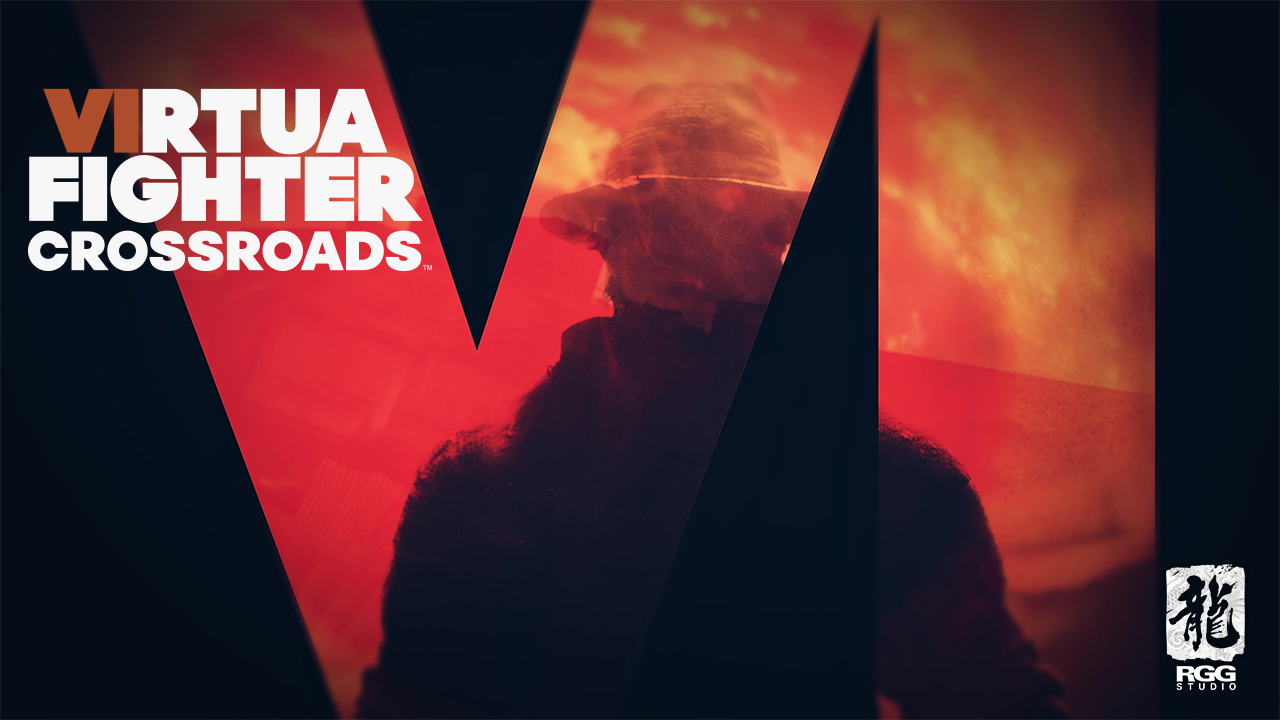
Interestingly, there’s also a small nod to longtime fans who might still think of this as Virtua Fighter 6 in spirit.
“For the veteran fans, I know that they would want to call it VI anyway. I don’t really want to tell this to a lot of people, but we actually put a little color on the V and the I for the Crossroads title.”
A Southeast Asian Setting Inspired By The Philippines
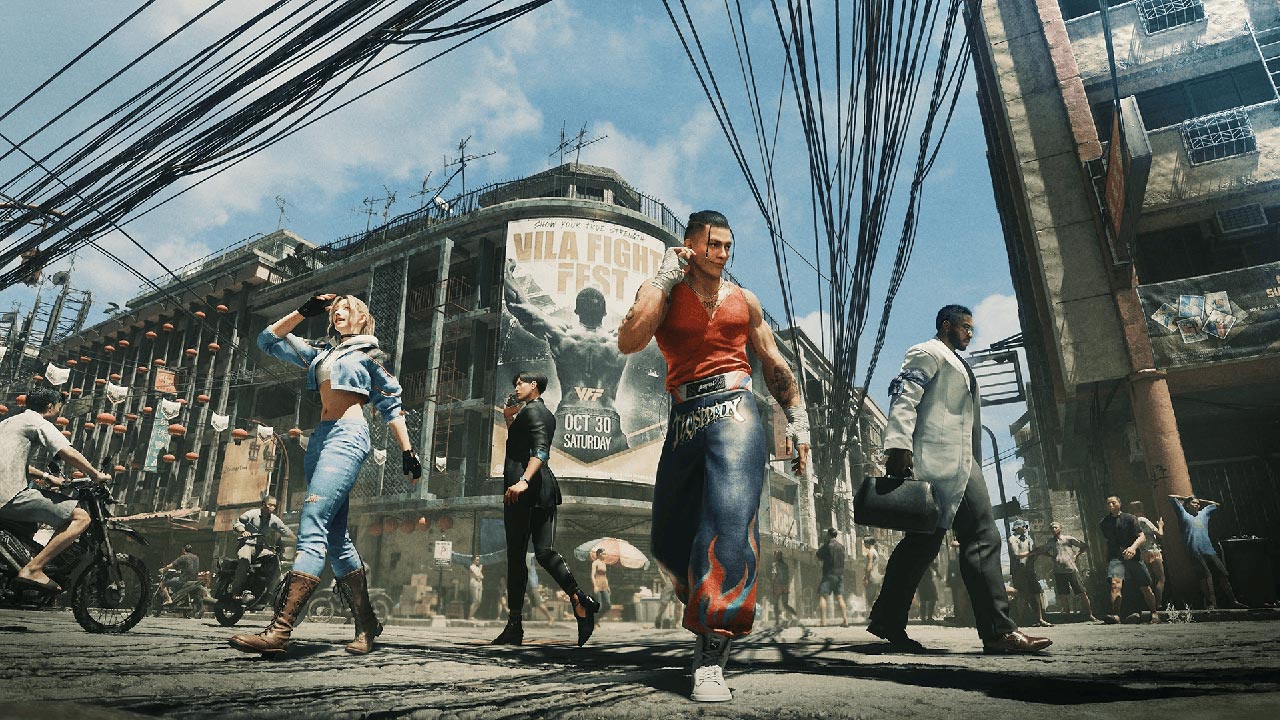
Virtua Fighter Crossroads is set in a fictional city called Vilasapara, and the team did not build it from imagination alone. They actually traveled across Southeast Asia to find the right reference points before settling on their biggest influence. “People who have lived in the Philippines would probably notice that we have a lot of influence from the Philippines,” Yamada said.
“When we started to design this game, we wanted to find a good location, so we actually visited several cities in Southeast Asia.”
What drew them to the Philippines specifically came down to its cultural makeup. “One of the Philippines’ biggest influence was the multinational background. Also, they had a lot of mixed cultures. The cityscape and also the streets were what we wanted to see, so the Philippines was the biggest influence,” he explained.
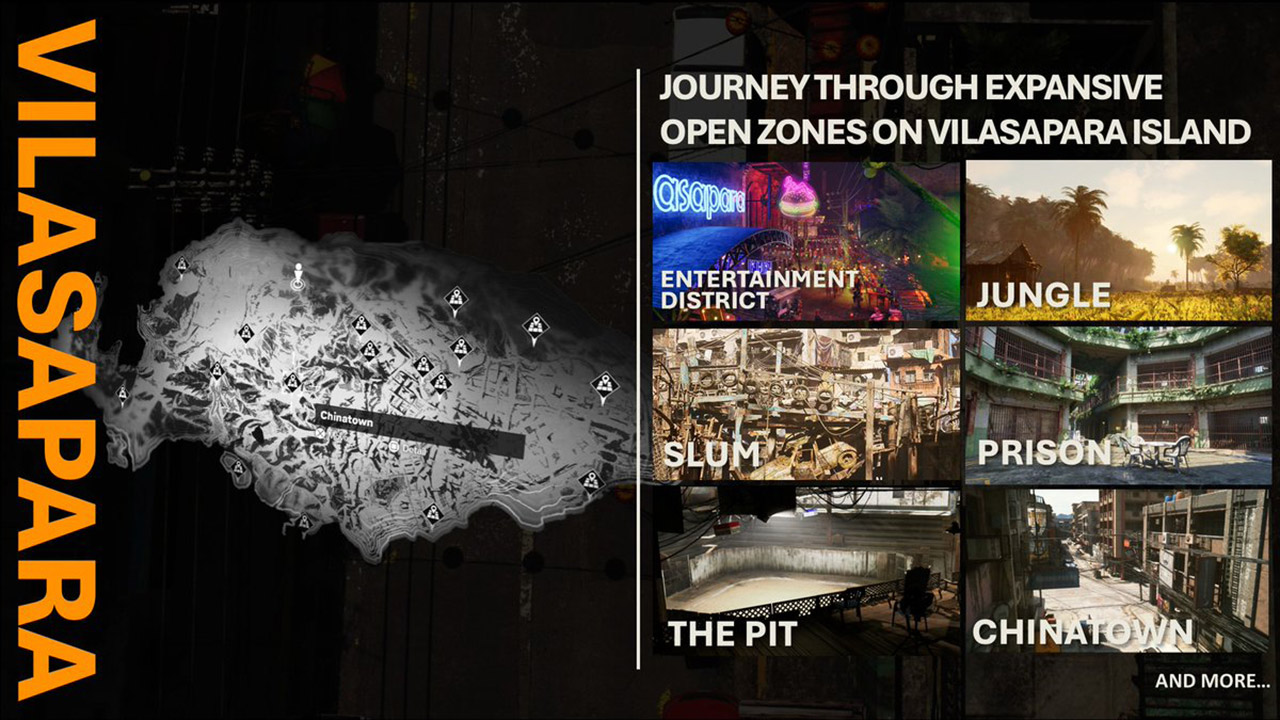
He also pointed to what he sees as a broader shift happening in the industry. “At Summer Game Fest, we saw Street Fighter introducing a protagonist from the Philippines, and Yamada-san really felt that the wave is coming to the gaming world,” his interpreter noted. The team’s ambition is to have Vilasapara feel like a living reflection of that wave. “We want to introduce characters or rivals that would match with this world, world settings, or the city itself,” Yamada added.
The cultural connection does not stop at the city design either. When asked about Southeast Asian martial arts, including Filipino Eskrima and the Malay and Indonesian art of Pencak Silat, Yamada said the team is actively working on incorporating more from the region. “We would like to introduce a lot of cultural elements that are unique to Southeast Asia, and also a lot of martial arts,” he said, though he stopped short of confirming any specific additions.
Honoring the Legacy Cast
With new characters taking center stage, there was always the question of how the original fighters would fit in. Yamada framed it as a story of revival, describing the legacy characters as figures who have faded from public view but carry enormous weight within the world of the game.
“One thing that Yamada-san had throughout developing the game was to show the comeback or restoring the Virtua Fighter legacy or the characters. This can be in a metaphorical way. The Virtua Fighter Crossroads world, we have all these legacy characters, but time has passed and they have been almost forgotten. Some people know, some people don’t know them.”
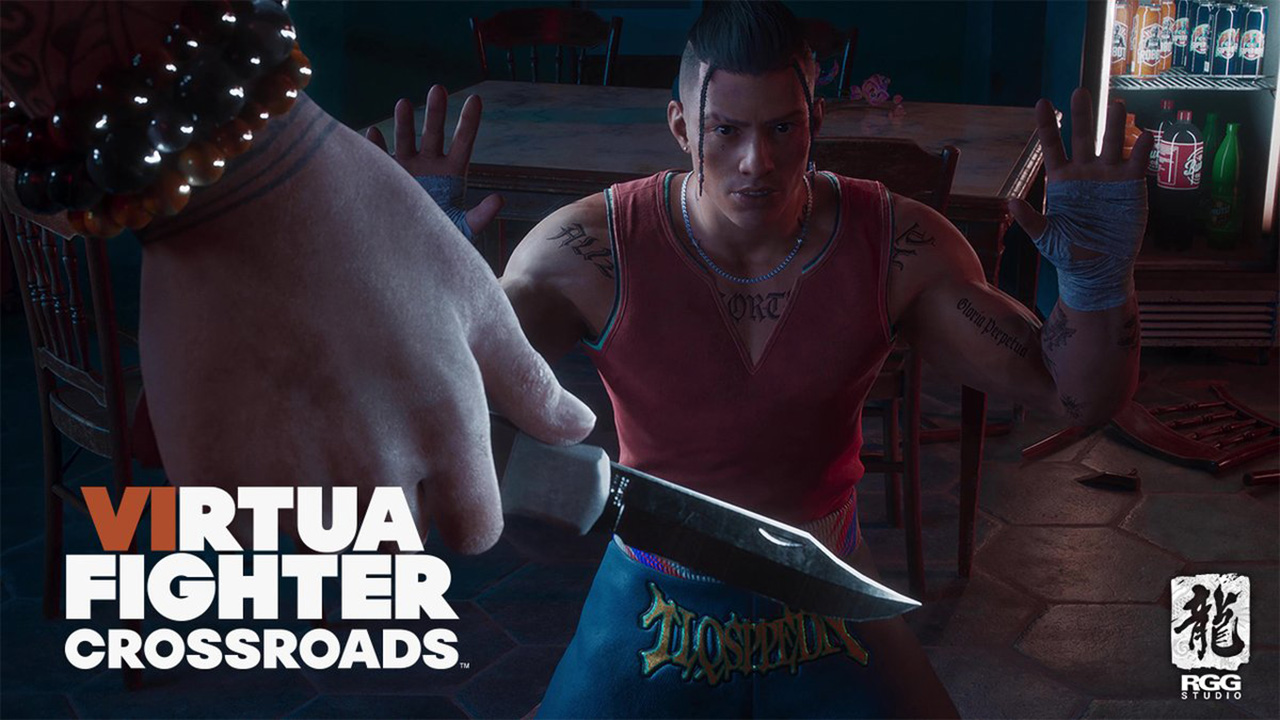
The new protagonist Cielo is the player’s entry point into all of this. When asked how the team made sure he could stand alongside icons like Akira Yuki, Yamada pointed out that Akira himself has a role in Cielo’s story. “He also comes in as one of the characters in Cielo’s storyline, so please look forward to meeting him in the game,” he said. He also mentioned that Akira has a hidden cameo somewhere in the trailer.
He pointed to a specific moment in the trailer as symbolic of the whole approach. “There’s a scene in the trailer with the wall art where Cielo battles a little bit or has fun with the wall art characters, but they are those kind of figurative legacy figures,” Yamada said. Fans have also been curious about exactly when Crossroads takes place, especially after seeing an older version of Pai-chan in early trailers. Yamada-san confirmed the game picks up well after the events of Virtua Fighter 5, though an exact number of years is being kept under wraps.
“Crossroads is after Virtua Fighter 5, and it’s between, somewhere between 10 or 20 years after the end of Virtua Fighter 5. And we don’t want to exactly say when that is, but the world is also connected. So at the end of VF5, the J6 is demolished and it’s gone. So the World Battle Tournament has vanished. So all the legacy fighters have disappeared from the world, the front row of society. And then after like 10 to 20 years, the Crossroads stories begin.”
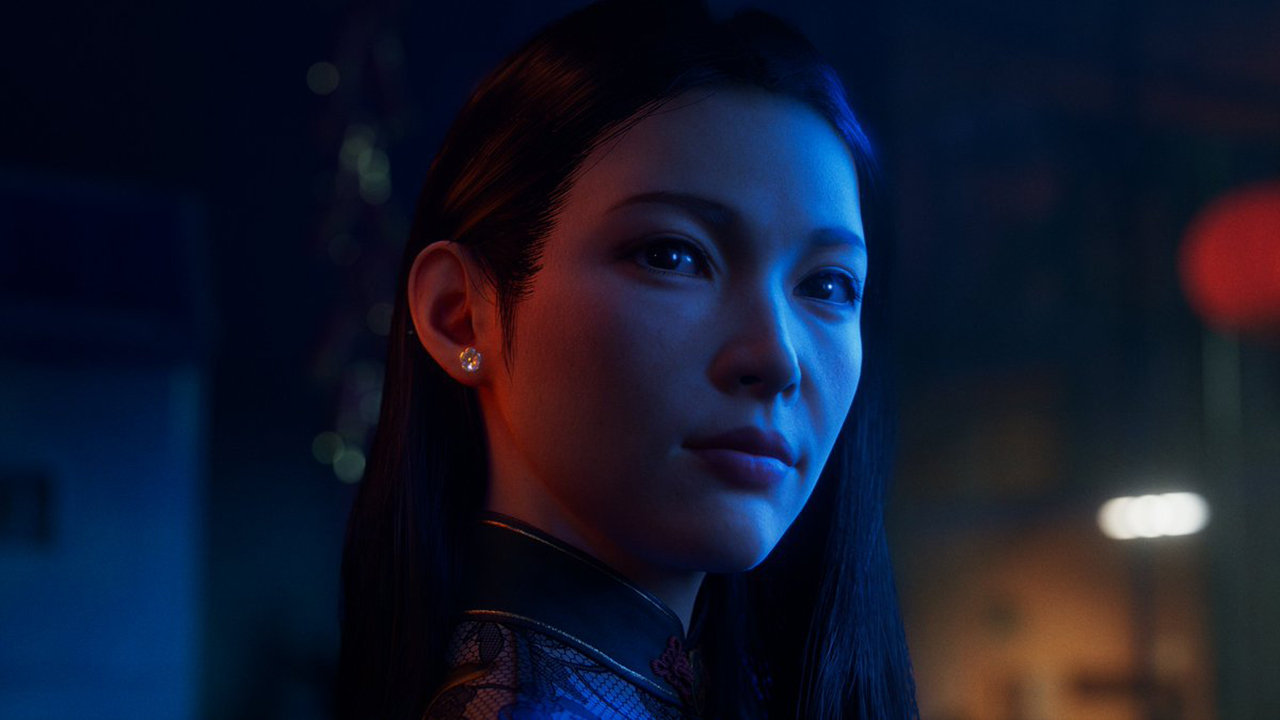
A New Kind of Fighting Game
Yamada described Crossroads as a “fighting adventure,” a label he settled on after resisting the urge to fit it neatly into any single genre box. “I don’t want to categorize games and label a game just by how it looks and how it feels,” he said.
“But at the end of the day, we have to give you an elevator pitch of the game.”
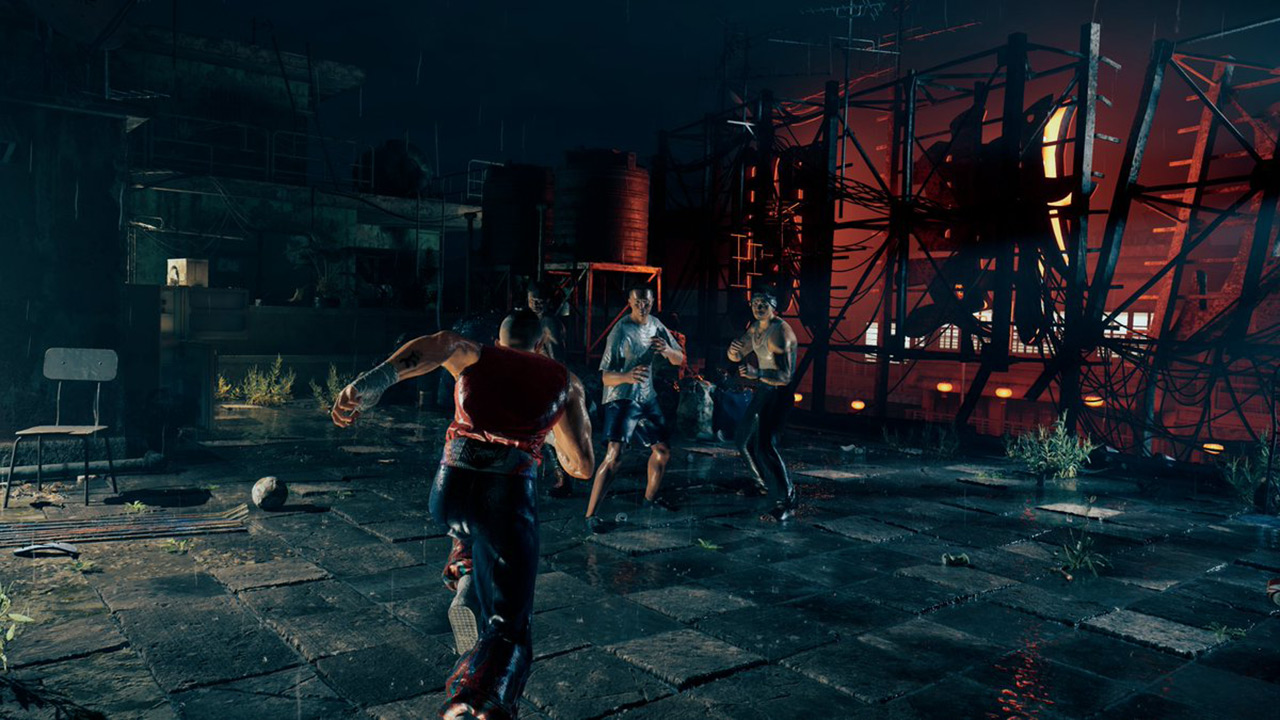
The campaign puts players through group encounters and one-on-one battles using the same core combat system, and that structure is also meant to serve as a natural tutorial for those new to the series. “The most important part is that we need the single player mode to be able to be a tutorial for the player to learn the battle system,” he said. He also noted the team is still working on how the different battle styles flow together, and encouraged fans to look forward to seeing the results.
He also referenced another landmark game when talking about what Crossroads is reaching for. “I was very surprised that Shenmue came out to the world when there was nothing like an open-world game in the world. Shenmue was a very big influence to all the gaming industry,” Yamada said.
“To be honest, Crossroads might not have the influence of that level, but we would like to come out of the framework of the battle game genre box by Crossroads, and that’s what we’re trying to do.”
Part of that means subverting expectations. “We want the players to start the game and say, it seems to be like RGG Like a Dragon, but when I played it, it was a completely different thing,” he added.
Keeping What Made Virtua Fighter, Virtua Fighter
With so much changing, the team had to decide what was too important to touch. For Yamada, the answer came down to one thing: the sense of realism that defined the series from the very beginning. “The most important thing in the Virtua Fighter series is the reality of battles or the game itself,” he said.
“Virtua Fighter itself comes from the 90s kung fu movies kind of inspiration. And that is the realism or the realistic line that the first Virtua Fighter had.”
That philosophy shaped every decision around how combat looks and feels. “If you wanted to just modernize the battles, you can add gauges and more effect-heavy kind of battles, like all of the other new titles do,” Yamada said.
“But we didn’t go for that direction. We actually kept the more cinematical battle scenes, also the realism, and making it more stylish to live in the same atmosphere of the Virtua Fighter.”
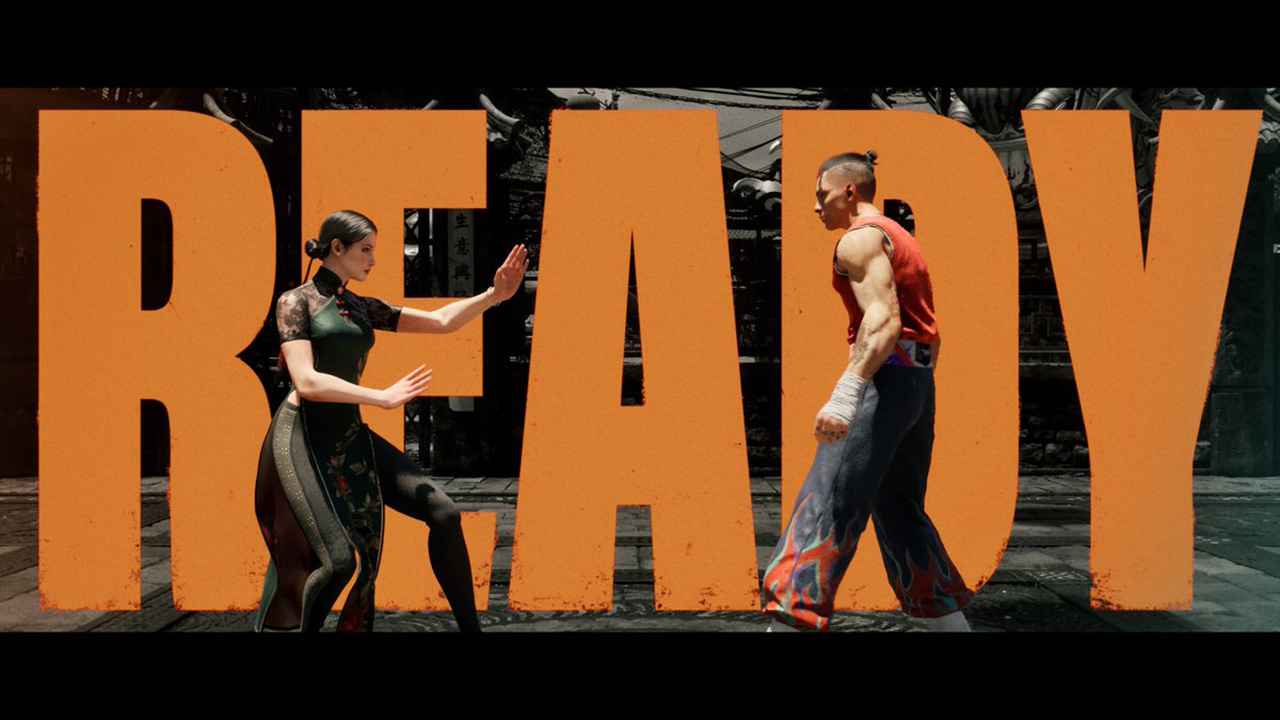
Virtua Fighter has long been known for its technical depth, which can be intimidating for newcomers. For Crossroads, the team looked back at the series’ roots to find a better entry point. Yamada-san pointed out that the game wasn’t always seen as complex.
“Virtua Fighter started as a simple game that anybody can play, because it was released at the time when there was a lot of 2D complex battle systems in the arcades. Virtua Fighter only had punch, kick, and guard, and you just had to hit the buttons many times, and then you kind of win or you kind of get a combo. It was, at the start, very intuitive, a very simple thing, but down the road, it became very complex.”
To bring back some of that simplicity, the team is shifting away from the arcade stick setup the series has always been built around.
“This time, we have optimized to pad control, not the arcade stick mode, because all of the Virtua Fighter games were optimized to the arcade sticks, but we’re going to use the pad control, and also we’re going to use different input systems that are easier and would allow more control for the player.”
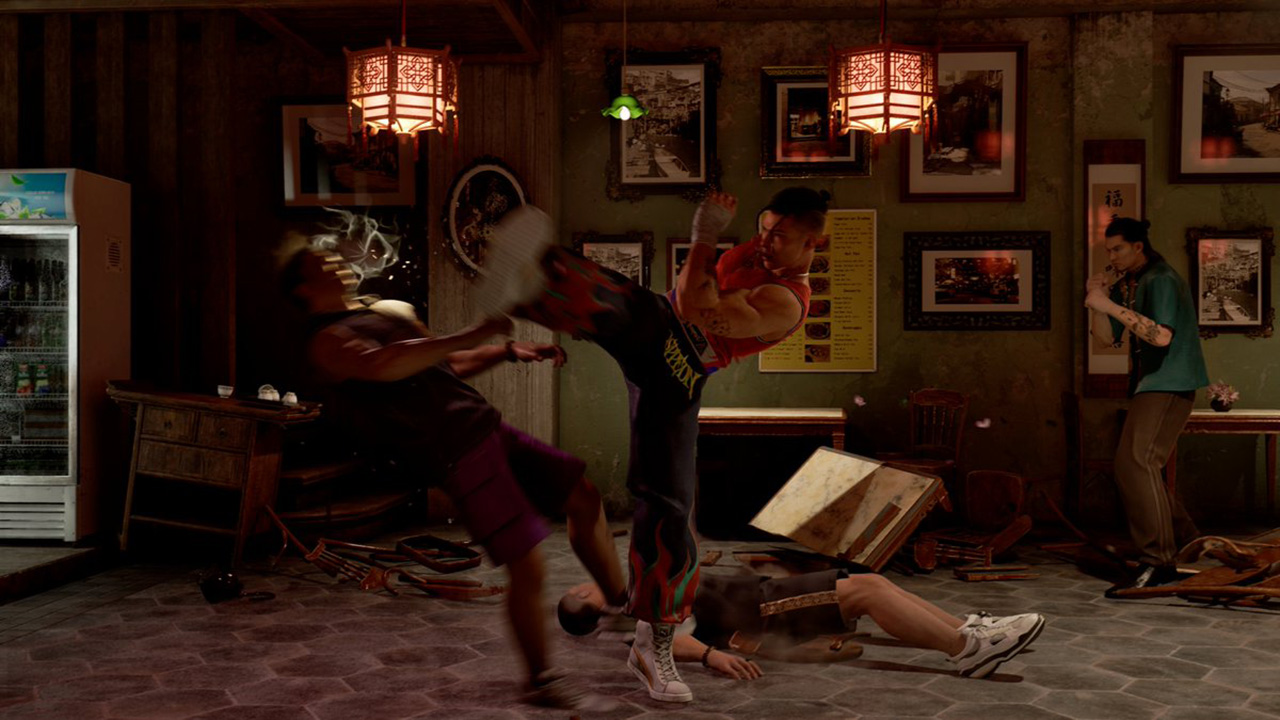
As for finer combat details like stage-out mechanics or breakable arenas, Yamada-san confirmed the stage-out system is returning, though specifics are still being worked out.
“We do have the stage-out system in Crossroads, and also I think the very fun part of the battle system for Virtua Fighter is the way that you have to be strategic in the ring. We are trying to put in all these elements that you put in the question, but we are not sure which will actually go in or not go in.”
Four Protagonists, One Story
The campaign itself is structured around four main characters told in an omnibus format. Players start with Cielo, and his story eventually opens up into branching paths that lead to the other protagonists. “If you go down the storyline of Cielo, you will actually hit a branching point where you will be able to start going through the storyline with the other characters, the other protagonists, and you will be able to choose what kind of narrative that you choose to go down the storyline and choose different branches to see different results,” Yamada explained.
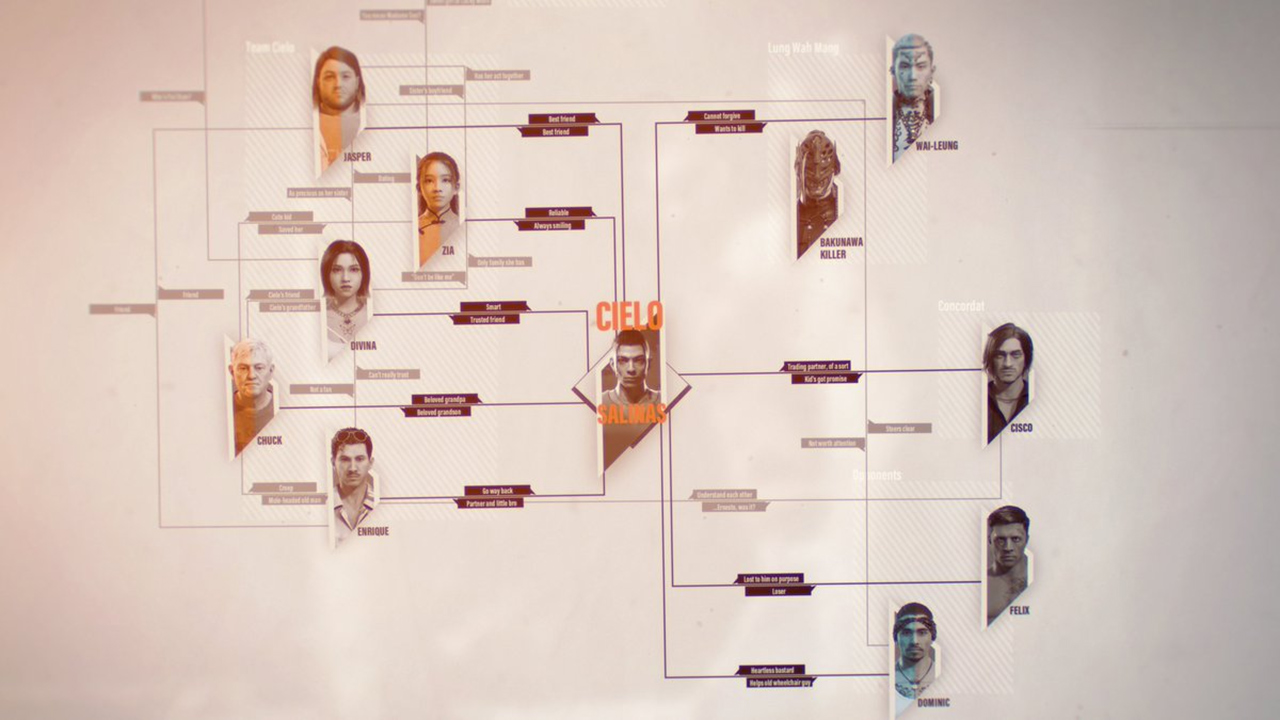
Beyond the main arcs, there are also side stories featuring the legacy characters, giving players room to explore the world at their own pace. “We also have sub-stories with all different characters, and you will be able to learn a lot about the world, the protagonists, and also the different characters,” he added
Building a Community
When the topic of competitive play came up, Yamada was thoughtful about where he wants Virtua Fighter Crossroads to land. Rather than chasing an esports model built around big prize pools and broadcast-ready presentation, he expressed more interest in organic community growth. “We are looking more into not the esports kind of direction, but more of growing the community,” he said.
“With the change of the player cultures, it’s our side that has to change as well and adapt.”
To understand what that community actually needs, the team went out and found it, running global tournaments using Virtua Fighter R.E.V.O. and attending events around the world to watch and talk with players directly. “We went around the world, we got a lot of input, we got a lot of hearings, and we understood that at the end, the very local communities and local rivalries are very important for Virtua Fighter or any battle game,” Yamada said.
What came out of that research was a focus on personal, local connections over flashy online infrastructure. “We don’t have to build a very rich, visual, classy lobby online so a lot of players can gather from around the world, but rather we have to recreate these small communities, the local friends, the actual friends, and the actual people that you battle with every day,” he said.
“We have to create a space online or in the game that they can meet up and fight with each other.”
He also made clear that what the community builds on its own carries just as much weight. “All of these battles that they do every day actually creates the whole community, creates the whole player world,” he added.
A Message to the Fans Who Waite
When asked what he would say to the players who kept the series alive during its long absence, Yamada did not reach for a polished answer. “When I became the producer of Virtua Fighter I found out there was a community of a lot of players that have been playing the titles for 20 years and personally I felt very sorry that we had to keep them waiting, and I didn’t have any words to apologize,” he said.
His goal for Crossroads is simple in ambition but significant in scope. He wants veterans and newcomers alike to finish the game and immediately want to tell someone else about it. “We want all the veterans and also all the new players to be like, this is a good game, we’re enjoying it, so we want to recommend it to our friends and all these people around us,” he said.
“We are working day and night to make this happen.”
For those who have never touched a Virtua Fighter game before, Yamada had a direct invitation. “Virtua Fighter is a very eye-candy type of dazzling kind of game. It might look very dull at first, and a lot of people say that Virtua Fighter games are difficult, but they are actually not,” he said.
“I think Crossroads will also become a game that a lot of players will be able to be on and keep playing for a long time. I hope the new players would try it as well.”
Virtua Fighter Crossroads does not yet have a confirmed release date, but based on everything Yamada shared, the team is clearly building toward something much larger than a simple comeback.