









![[EXCLUSIVE] Beyond the Base Game: Cygames on What Endless Ragnarok Means for Granblue Fantasy: Relink](https://cdn.gamerbraves.com/2026/06/GBF-Relink-Endless-Ragnarok-Exclusive_Interview_FI-360x180.jpg)


![[EXCLUSIVE] LiSA on Malaysia, Milestones, and the Meaning Behind Lace Up](https://cdn.gamerbraves.com/2026/06/LiSA_Interview_FI-1-360x180.jpg)


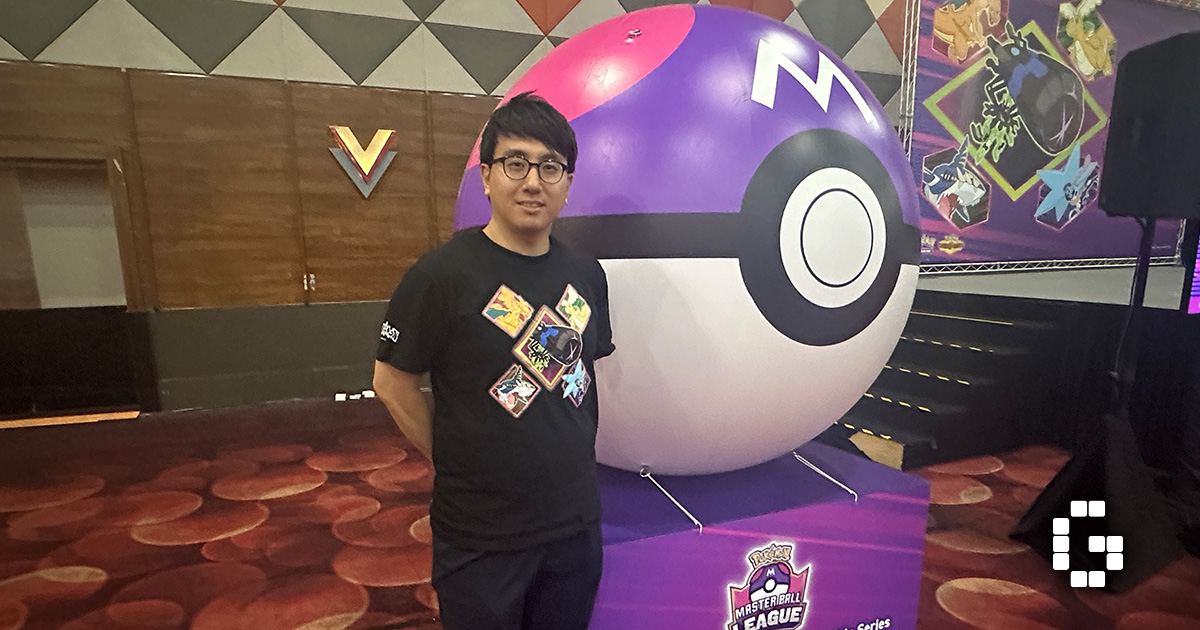
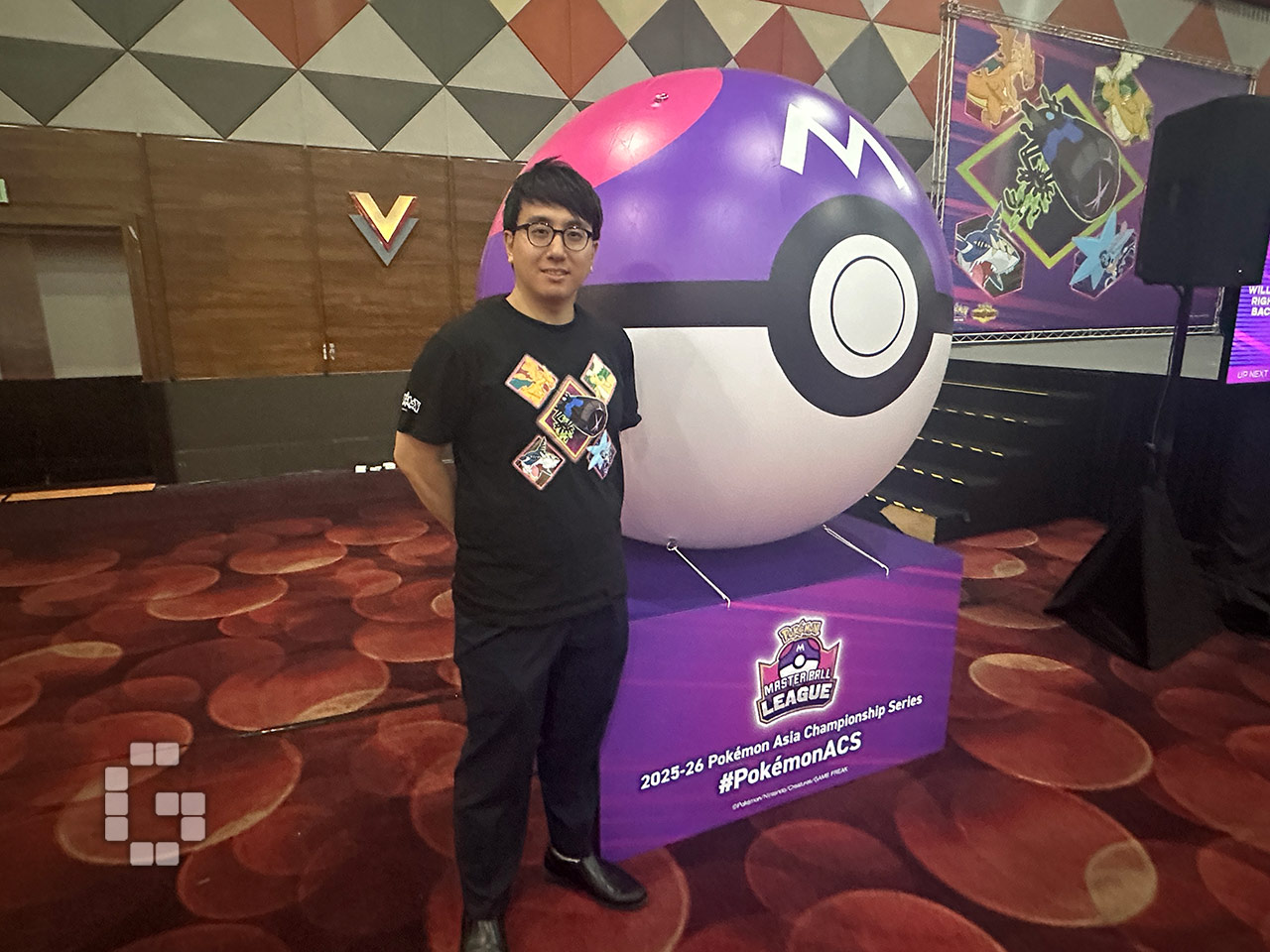
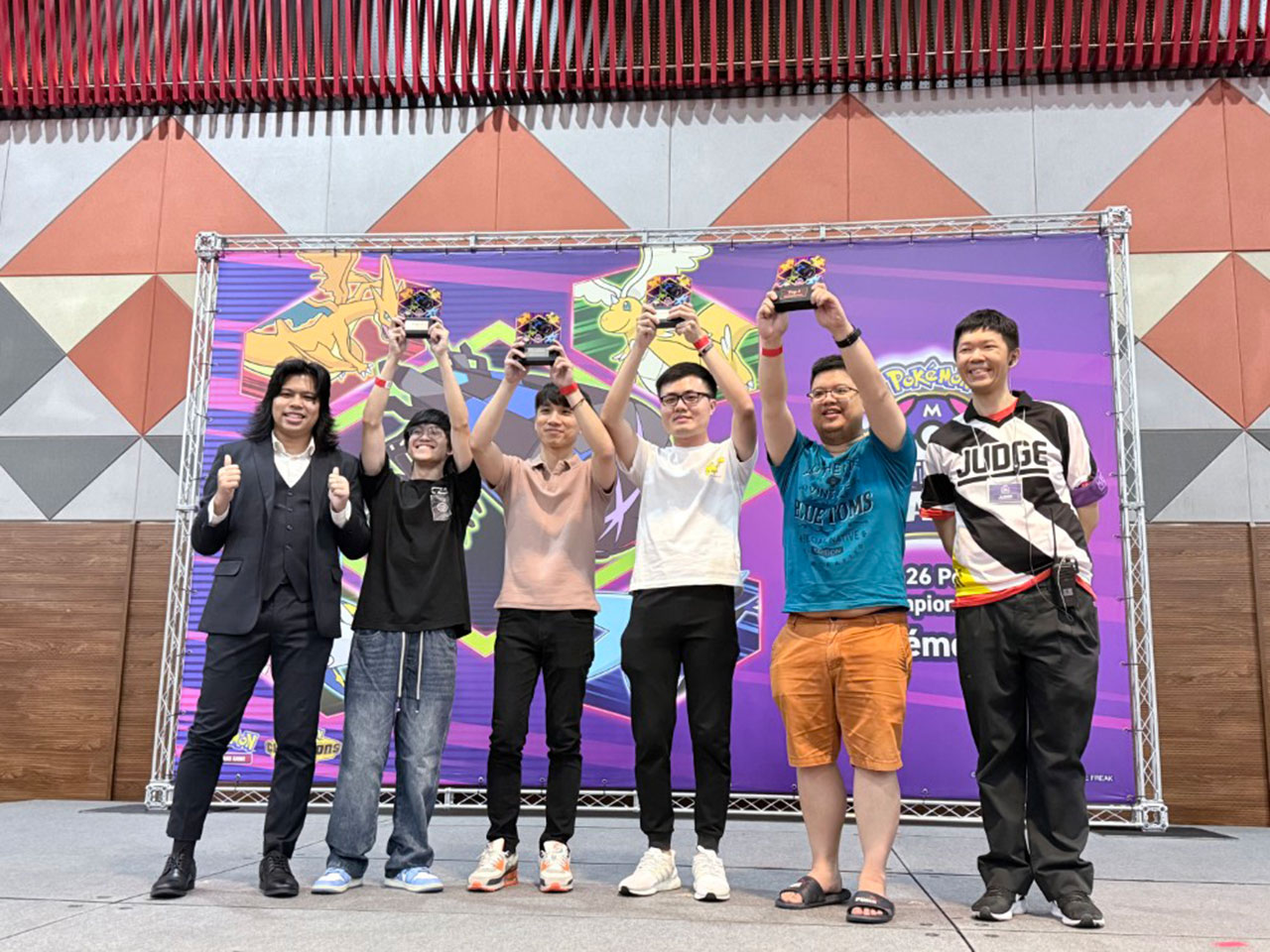
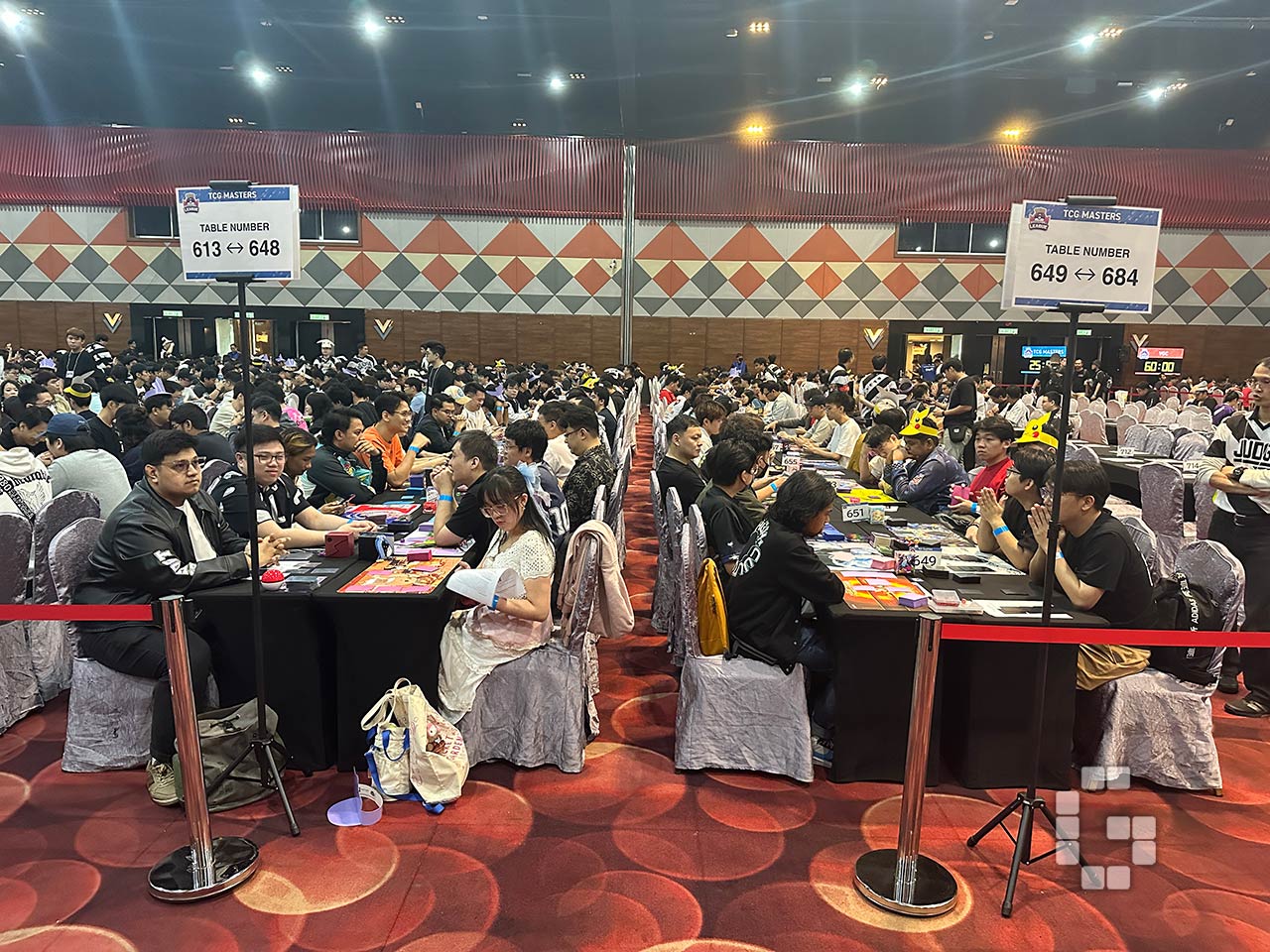
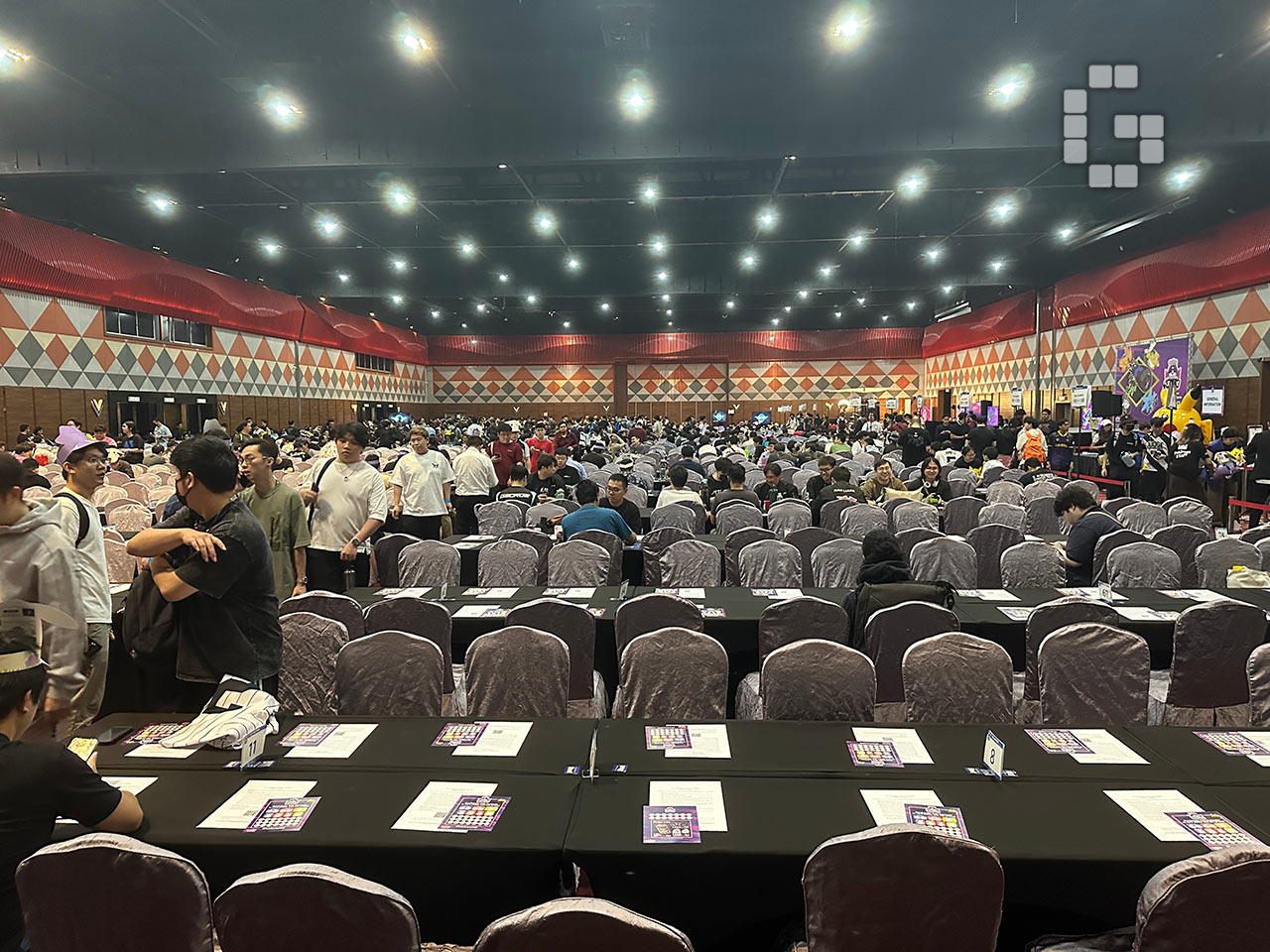
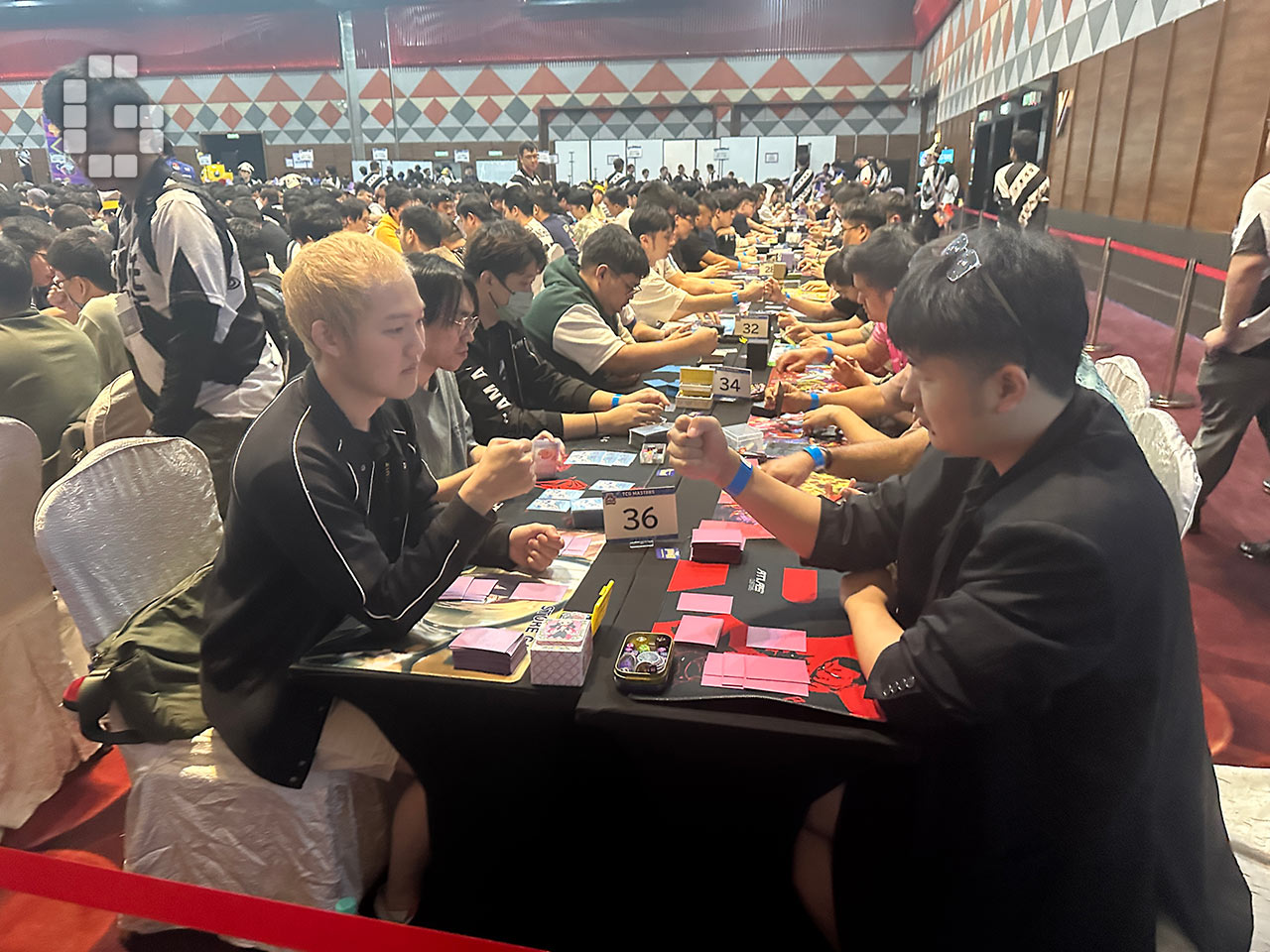
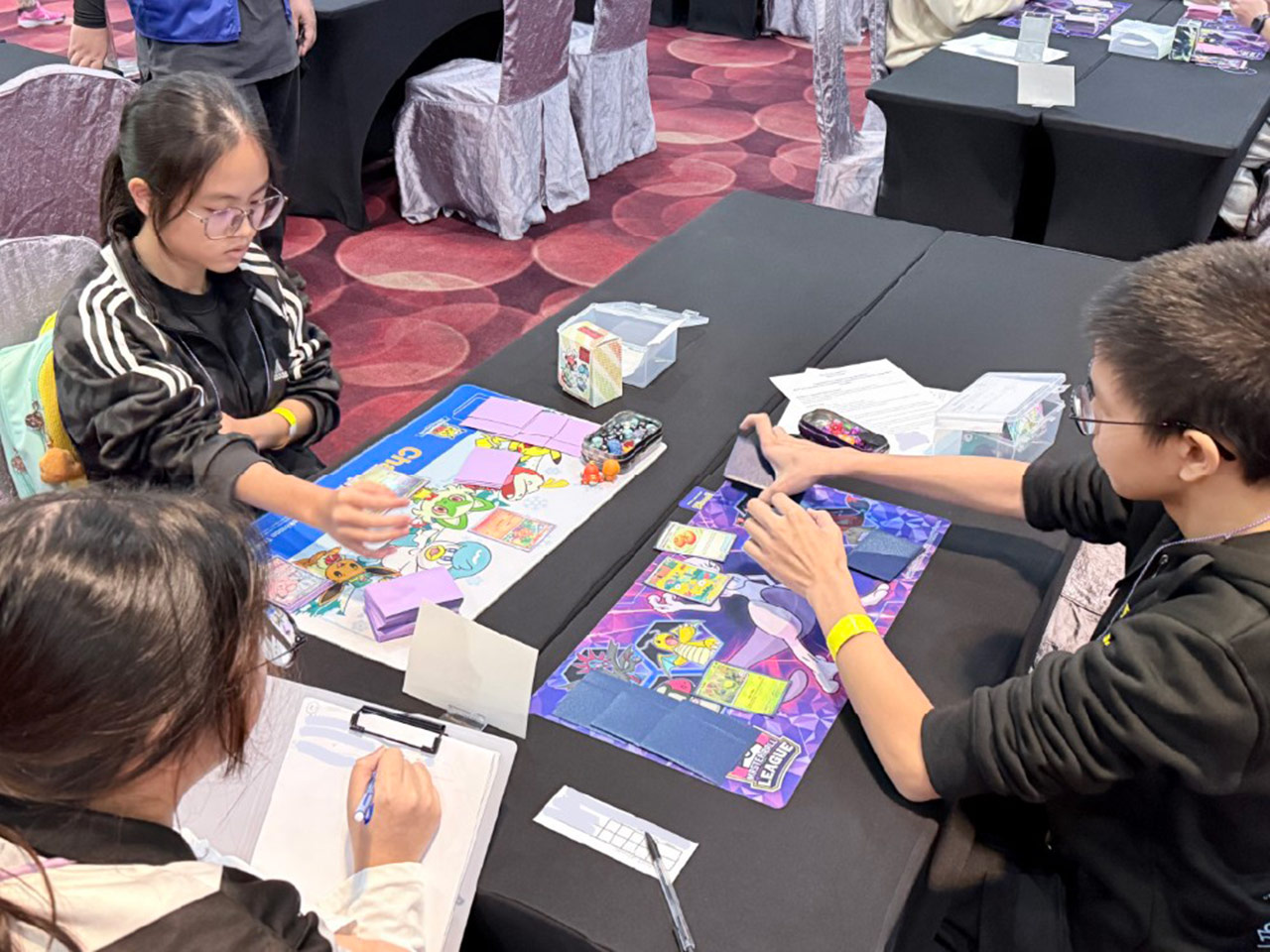
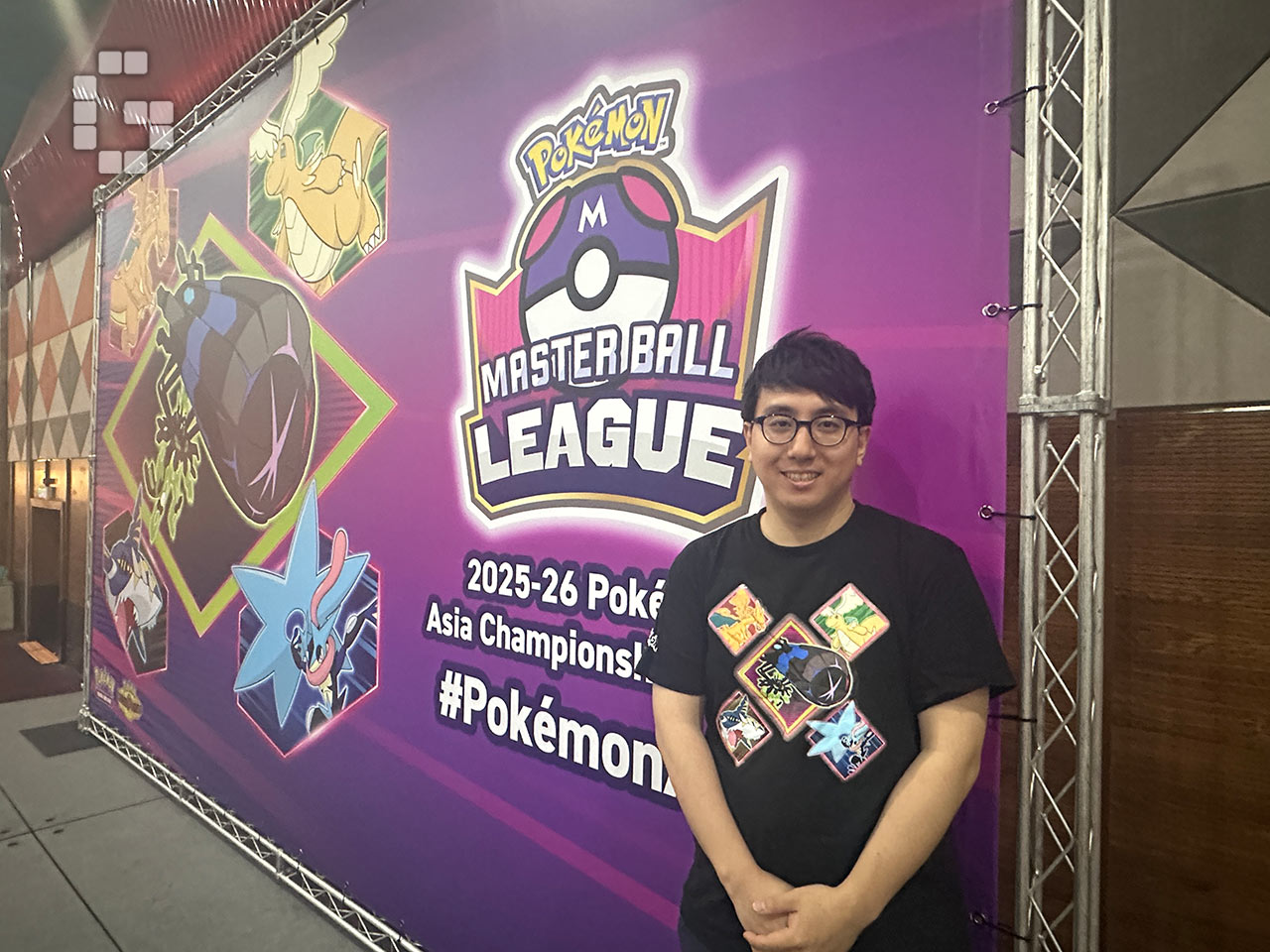
The 2025-26 Malaysia Master Ball League was already making history before the day was over. Held at Sunway Pyramid, the event drew 1,752 participants and marked the first-ever offline Pokémon Champions tournament in the world. On the sidelines of the VGC Division, we had the opportunity to exclusively sit down with Jushiro Kitamura, Director of the Asian Promotion Department at The Pokémon Company, to talk about what is driving the region’s growth, how Pokémon TCG Pocket fits into the bigger picture, and what comes next.
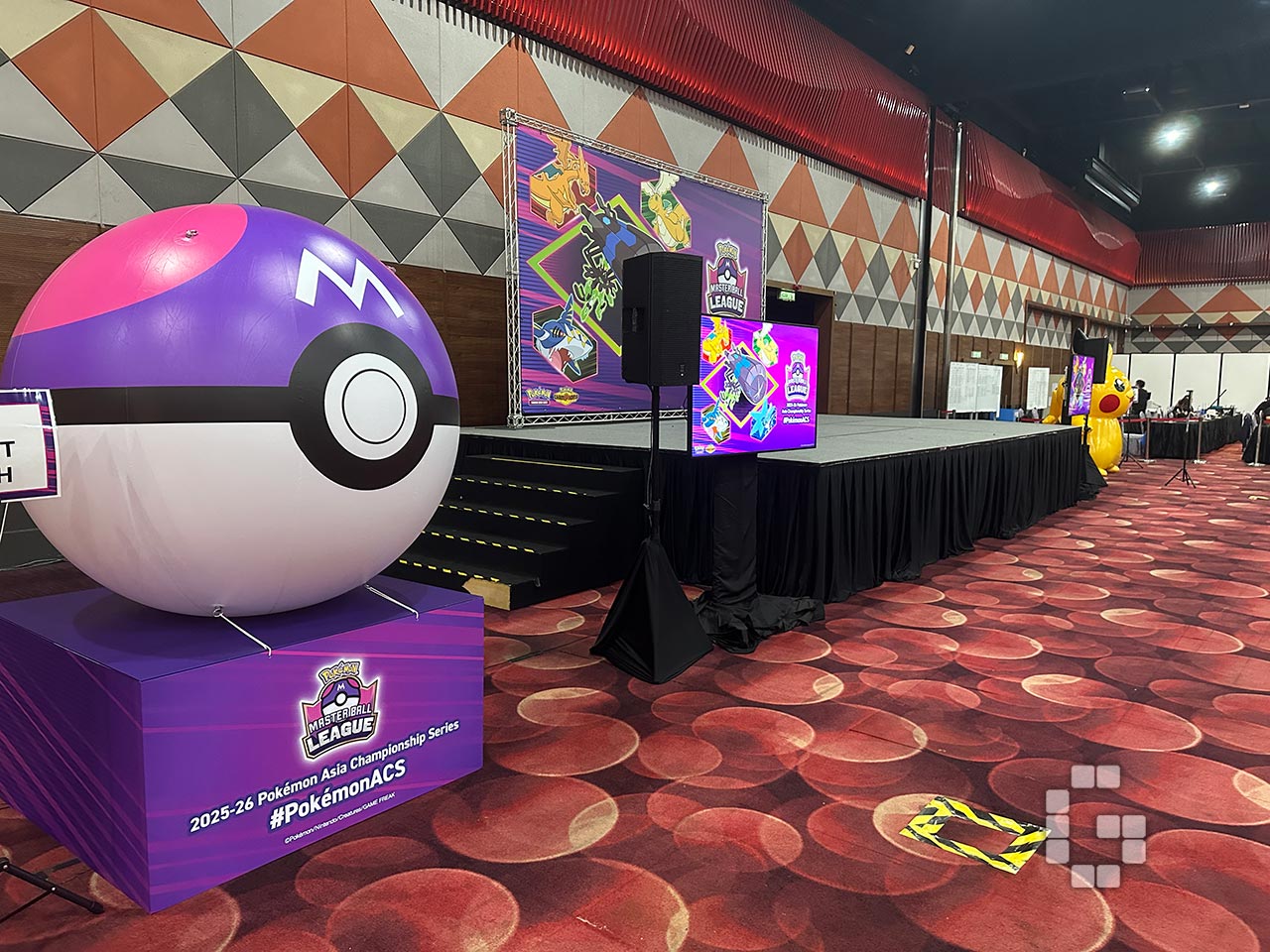
Kitamura leads the team at The Pokémon Company responsible for organizing official tournaments across Asia, covering both the Pokémon Trading Card Game (TCG) and the Pokémon Video Game Championship (VGC). His team oversees organized play in Malaysia, Singapore, the Philippines, Thailand, Taiwan, Hong Kong, and Indonesia.
The competitive season runs from early September to the end of July, which the organization refers to as one series. Within that window, players compete across four event tiers: the Great Ball League, Ultra Ball League, Premier Ball League, and the flagship Master Ball League. Points earned across these events determine who qualifies for the Pokémon World Championships, which this year takes place in San Francisco in August. Category winners also receive a direct invitation to Worlds.
“For Malaysian players, this is the final opportunity in the current series to earn enough championship points to qualify for the World Championships,” Kitamura said.
“It is, in many ways, the most important gateway for Malaysian players on their path to Worlds.”
A Tournament That Keeps Getting Bigger
The numbers behind Malaysia’s growth are hard to ignore. The 2024-25 Malaysia Master Ball League recorded 1,171 participants. This year, that figure climbed to 1,752, representing roughly 150% growth year-on-year.
Kitamura pointed to several reasons behind the increase. One of the biggest changes came about three years ago, when the organization overhauled its tournament structure entirely. “Previously, we had only four or five events per series,” he explained.

“We introduced the tiered system, giving players more entry points and more opportunities to compete.”
That change brought in both returning players who already enjoyed the events and newcomers experiencing competitive play for the first time. The choice of venue also played a role. “Venue also matters. This year, we moved the Malaysia Master Ball League from a smaller, suburban venue in Bukit Jalil to Sunway Pyramid, a more accessible, family-friendly location, which clearly contributed to today’s strong turnout,” he said.
On top of that, a growing number of dedicated hobby shops, which Kitamura refers to as gym shops, have been building grassroots communities at the local level. “The number of such shops is growing faster here than in many other regions, and that grassroots infrastructure is clearly driving player engagement,” he said.
For context, Kitamura noted that the biggest tournament in the region is held in Taiwan, where events regularly draw around 4,000 participants.
“That’s where we hope Malaysia will be in the not-too-distant future,” he said.
A World First: Pokémon Champions Comes to Malaysia
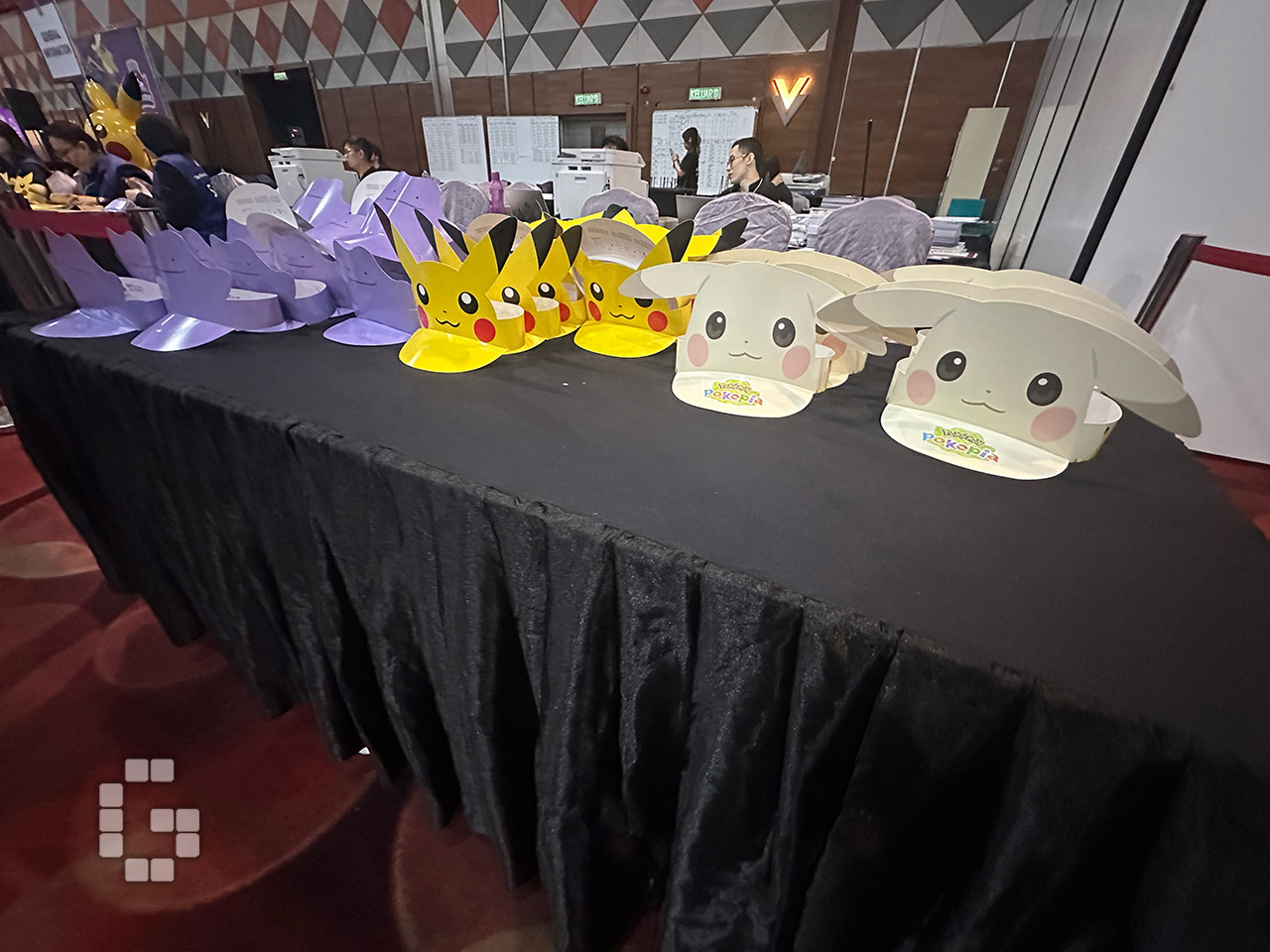
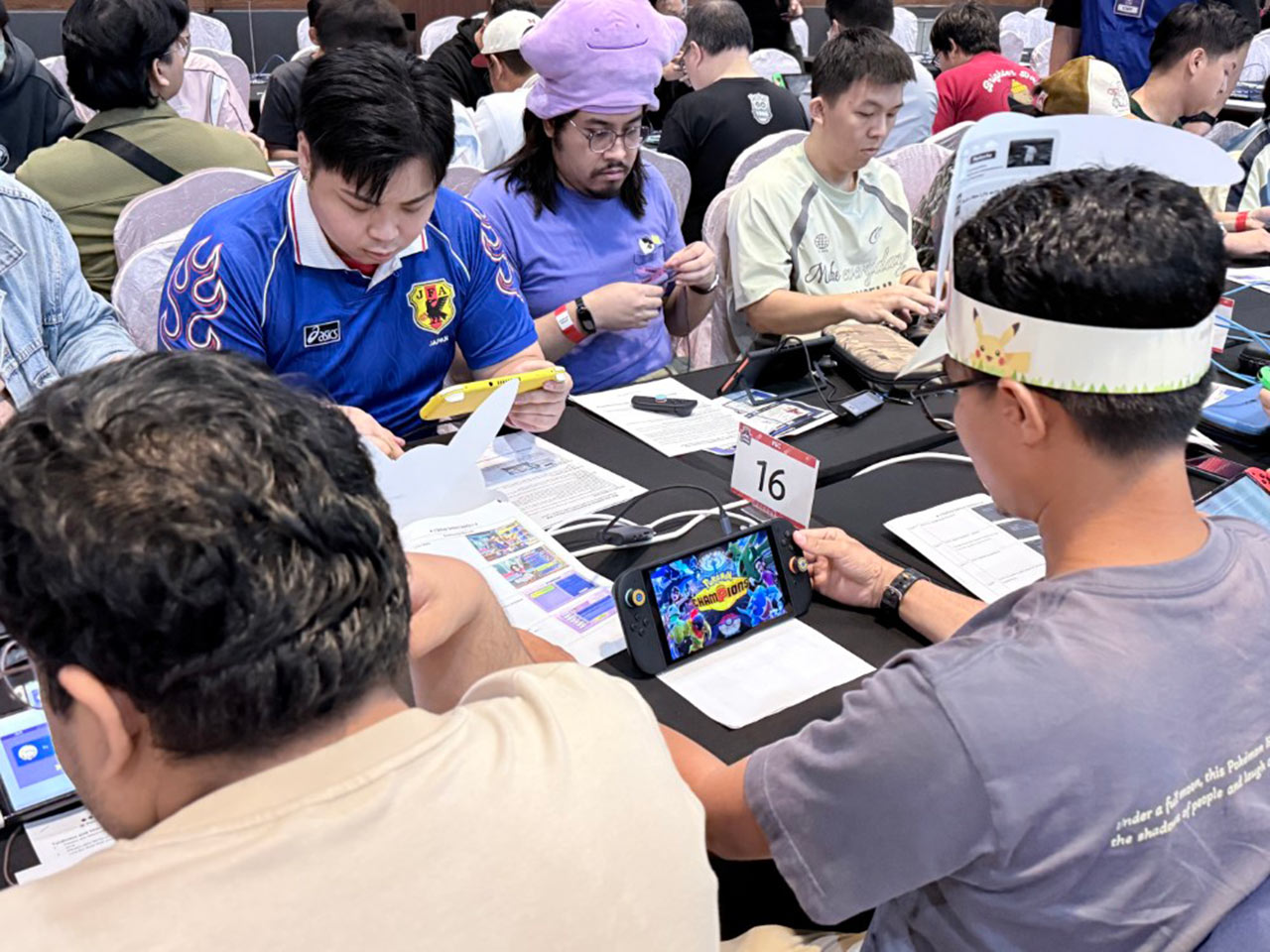
The standout moment of this year’s event was Malaysia hosting the first-ever offline Pokémon Champions tournament in the world. Pokémon Champions is a brand-new product, and the Malaysia Master Ball League VGC Division became its global debut on the competitive stage.
“I’m genuinely thrilled. Pokémon Champions is a brand-new product, and Malaysia is the first region in the world to host an offline tournament for it. It’s a significant moment,” Kitamura said.
The impact was immediate. Compared to last year’s VGC event, which ran on Pokémon Scarlet and Violet, participation in the VGC division grew by around 216%. The organization also introduced YouTube live streaming for the VGC competition, and the results surprised even the team.
“Typically, our TCG streams attract more viewers, but this time the Pokémon Champions live stream actually drew more viewers than the TCG stream,” Kitamura said. The energy on the floor reflected that shift too.
“After players finished their TCG rounds, many came down to the main stage to watch the Champions live stream. The energy was fantastic.”
As for why Malaysia was chosen as the first stop, Kitamura kept it practical. “It came down to timing. It simply fit best with our overall event schedule. It could just as easily have been the Philippines or Hong Kong.” Still, he made clear the team is grateful for the reception. “We’re honoured that it happened here, and the reception has been everything we hoped for.”
On Collectors vs. Competitors
With the TCG community often split between collectors and competitive players, the question of what kind of player base Malaysia has is worth asking. Kitamura’s answer offers an interesting perspective. Rather than framing Malaysia as having an unusually high share of competitive players, he sees it differently. The growth is broad-based, not driven by one type of player over another.
“The entire player pool is expanding rapidly, and our tournaments are capturing a growing slice of that pool,” he said.
Pokémon TCG Pocket and the Physical Game
Pokémon TCG Pocket, the mobile card game that launched in late 2024, has become a talking point across the community. Kitamura said the relationship between the app and the physical card game has been a positive one.
“We’ve observed that the launch of Pokémon Pocket has corresponded with an increase in physical card game players in this market,” he shared, though he noted he was unable to share specific figures.
The organization has been testing ways to bring Pocket into the live event experience, setting up hands-on booths at previous tournaments as a side activity.
“The response from tournament participants was very positive,” he said, adding that they are continuing to explore how to integrate the app into future events.
“We’re exploring how to further integrate Pokémon Pocket into future tournament programming.”
Brand Collaborations and Their Impact
Malaysia has seen a number of Pokémon brand collaborations with local companies in recent years. When asked whether those partnerships have helped grow the TCG scene, Kitamura acknowledged their likely influence while being clear about the limits of his direct knowledge. “My focus is on organized play and competitive tournaments rather than licensing and brand partnerships,” he said.
Even so, his read on the situation is straightforward.
“Greater visibility of the Pokémon brand in the market means more people become aware of the card game and our events.”
“More brand presence in the broader ecosystem will eventually translate into a positive effect on tournament participation as well,” Kitamura added.
Looking Ahead
When it comes to what the future holds for Pokémon’s competitive scene in Asia, Kitamura’s answer is simple and direct: more players.
“We’ll keep working to provide more tournament opportunities, improve event quality, and expand access to our products, and we deeply appreciate the support of the local community, the long-time players, and all the organizers, judges, and event partners who make this possible”
“The Pokémon Card Game is a wonderful game, and we want more people to discover it, play it, and enjoy it,” Kitamura added.
He was also quick to credit the people who make the events possible. “What we’ve achieved so far is the result of cumulative, collaborative effort from the local community, long-time players, judges, event partners, and organizers. All of that combined has brought us to where we are today.”
Jushiro Kitamura closed with a challenge to everyone involved.
“Let’s do even better next year.”