





![[BIC2026] Hiroaki Nagashima from Toei Games Talks New IPs, Indie Roots, and Asia-First Strategy](https://cdn.gamerbraves.com/2026/08/Toei-Games-BIC-2026_Interview_FI-360x180.jpg)
![[BIC2026] From Outsider to Organizer: How Isabella Seo Jungsook Helped Build Busan’s Indie Game Scene through BIC](https://cdn.gamerbraves.com/2026/08/Isabella-BIC-2026_Interview_FI-360x180.jpg)
![[BIC2026] CanOpener’s Logan Moon Opens Up About Dungeon Settlers Ahead of Its September Early Access Launch](https://cdn.gamerbraves.com/2026/08/Logan-Moon-BIC-2026_Interview_FI-360x180.jpg)

![[EXCLUSIVE] From PlayStation to Indie Advisor: Shuhei Yoshida Talks Games, AI, and the Future of the Industry](https://cdn.gamerbraves.com/2026/08/Shuhei-Yoshida-BIC-2026-Exclusive_Interview_FI-360x180.jpg)
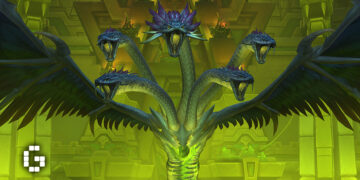

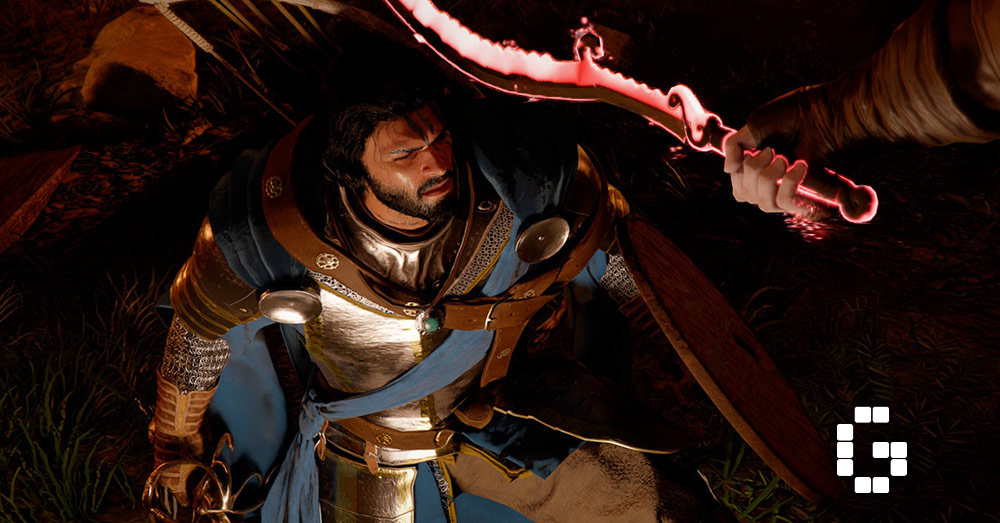
There’s a kind of skepticism that builds up around big open-world games after years of overpromised releases. So when a game claims to offer a massive world, great visuals, smooth performance, and genuine freedom all at once, the natural reaction is doubt. Crimson Desert, developed by Pearl Abyss, is exactly that kind of game and spending meaningful time with it reveals something surprising: most of what it promises, it actually delivers. Our review of Crimson Desert covers everything from the story and exploration to combat, progression, and technical performance, looking at what works, what doesn’t, and where the game lands overall.
A World Full of Moving Parts
You play as Kliff Greymane, leader of a mercenary group called the Greymanes, known across the land of Pywel for taking on the toughest jobs. That reputation takes a hard hit when an ambush by the Black Bears faction leaves the group scattered and defeated. Kliff survives with fatal wounds and wakes up in the Hernand Region, where he begins rebuilding both himself and the Greymanes’ name while searching for his missing comrades.
The story grows from there. Ancient beings who guard a mysterious floating island called the Abyss which is packed with advanced technology that watches over the world below and pull Kliff into a much larger conflict. Figures like Alustin and White Crow give him new powers and access to Abyss Artifacts to help restore balance between the Abyss and the world beneath it.
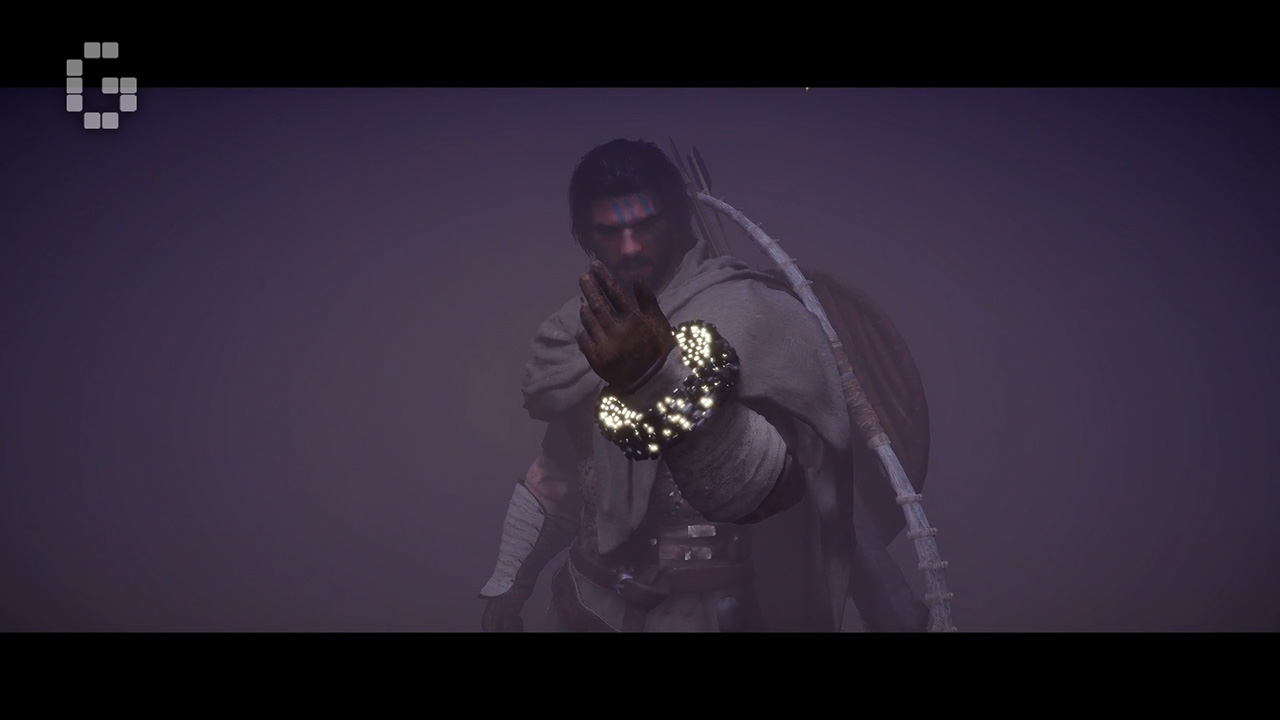
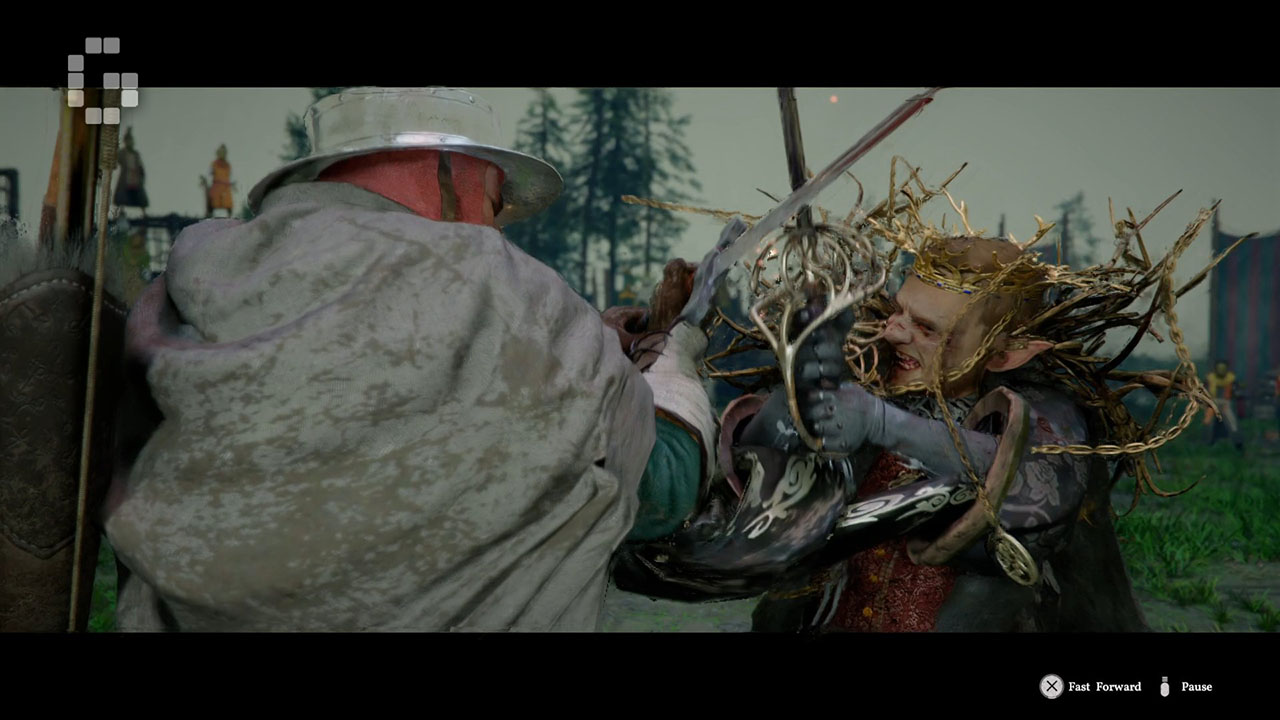
What stands out about the narrative is that it doesn’t revolve entirely around Kliff. The world has its own political tensions and faction conflicts happening around him. In Hernand alone, local groups are clashing with the Goldleaf Merchant Guild, a powerful goblin-run organization led by Kailok the Hornsplitter, whose personal greed sends ripple effects across the region. The story does a good job of making you feel like a participant in a living world rather than the center of it. Many cutscenes are rendered in real time, and NPCs begin talking before you’ve even fully approached them, which reinforces that sense of independence.
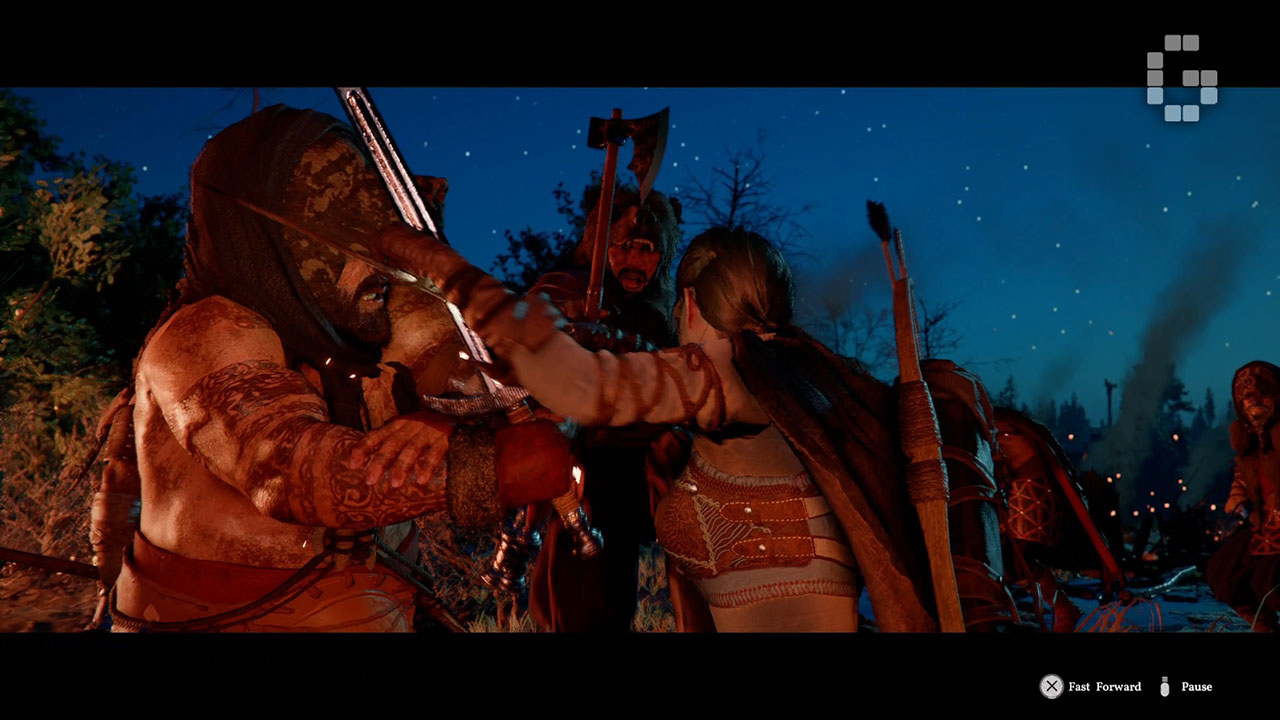
That said, the story is also the game’s weakest area. New names, factions, and power dynamics are thrown at you constantly, and keeping track of everything in the early hours can be exhausting. Dialogue pacing is often stiff, making characters feel like scripted NPCs more than real people. Some design choices also stand out for the wrong reasons, like having a fast-forward option but no full skip, and forcing you to sit through boss cutscenes every time you retry a fight.
A Massive World With Mixed Rewards
The first 15 hours of the game can still leave you planted in the first region and that alone tells you the scale Crimson Desert is working with. There are side quests, bounties, camp liberation, animal hunting, artifact hunting, and life skills like fishing, lumberjacking, mining, farming, and even home decoration. The world is built with a near 1:1 sense of geographical scale, and it shows. Environments feel grounded and natural, and the Abyss floating in the sky above hints at something more complex layered beneath the world’s surface.
The issue is that all of this scale doesn’t always translate into meaningful rewards. Exploration offers impressive scenery, but hidden chests, secrets, and valuable discoveries feel sparse. You can spend a lot of time wandering and come away with not much to show for it. Fast travel exists, including the ability to drop directly from the Abyss onto an area, but it tends to place you outside cities or away from objectives, meaning there’s still a fair amount of walking or gliding involved. On horseback, traversal feels slow given the distances involved.
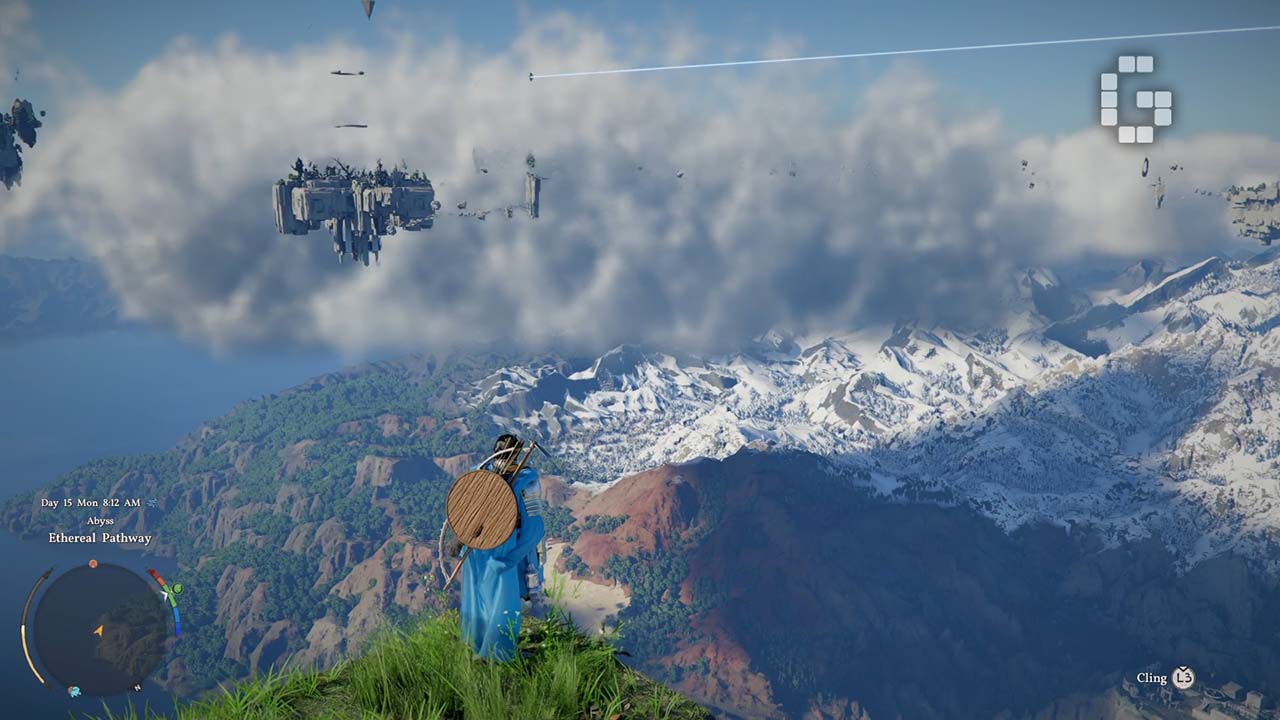
Side quests are plentiful, arguably too plentiful and most stick to familiar formats: fetch objectives, clearing out camps, or moving from one location to another for information. Bounties add some personality through named targets with distinct looks, but mechanically they follow the same loop of tracking, capturing, and turning in, with the added inconvenience of carrying a body across a long distance to reach the Guard post.
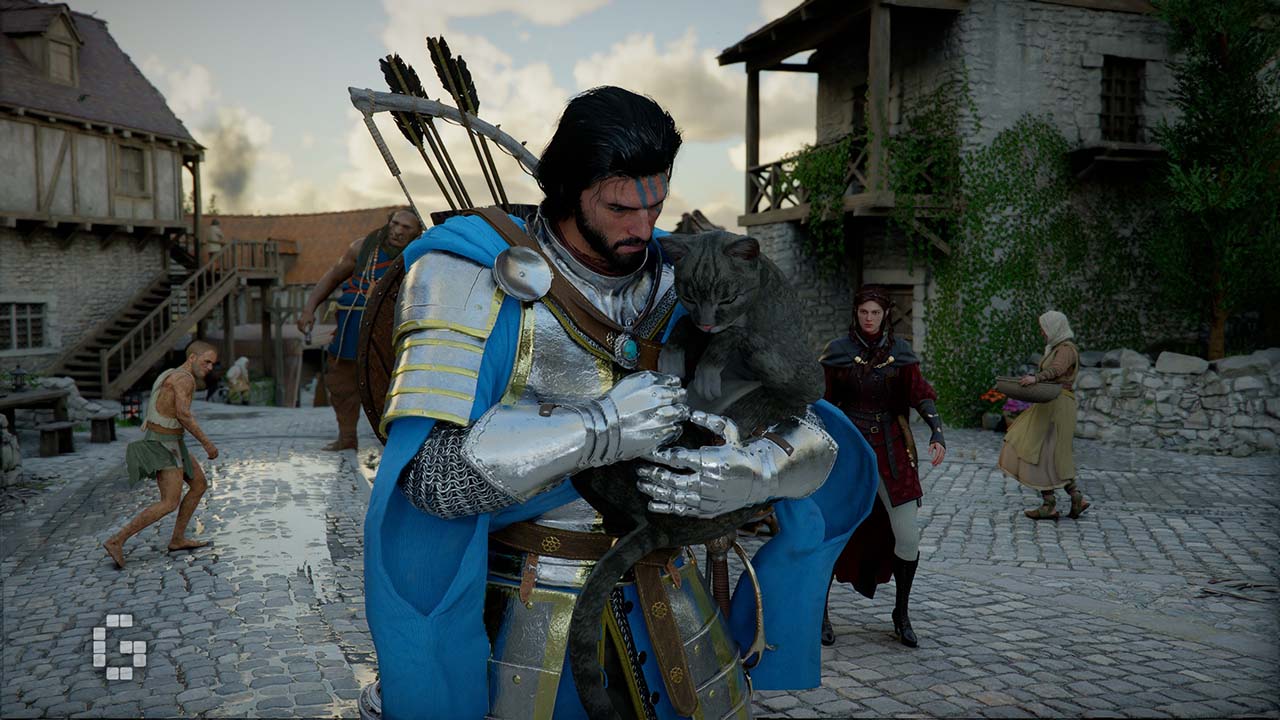
Where the game genuinely compensates is in the details. You can pick up and carry animals, pet them, and even capture them alive. The wildlife you hear isn’t just ambient noise but you can actually find those birds and see animals moving in groups. NPCs have conversations you can stop and listen to. Leaning against a wall, walking instead of running, just existing in the world and it all feels right. There are also lighter activities scattered throughout, including arm wrestling, rock-paper-scissors with children, and a card game called Duo, which mixes Blackjack and Poker with its own ruleset that takes a bit of time to get comfortable with. There’s even a basic stock market system that lets you trade for profit through your Camp fund, though it isn’t explained in depth early on.
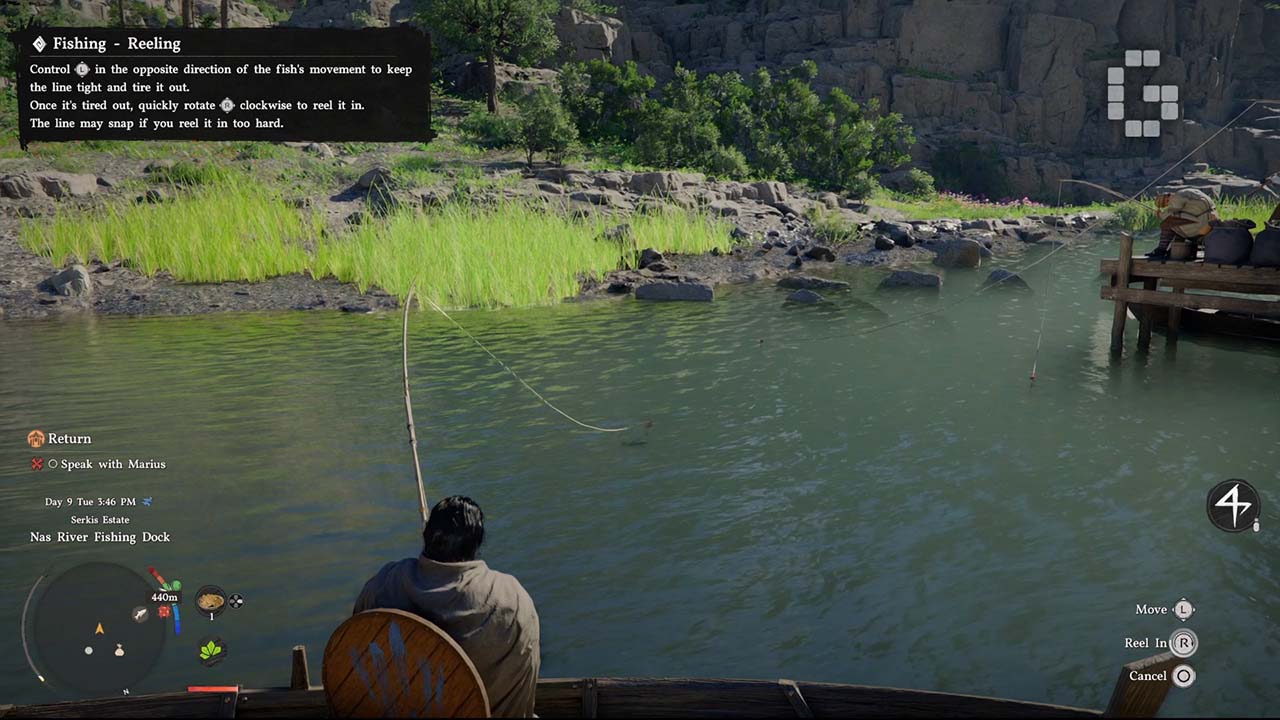
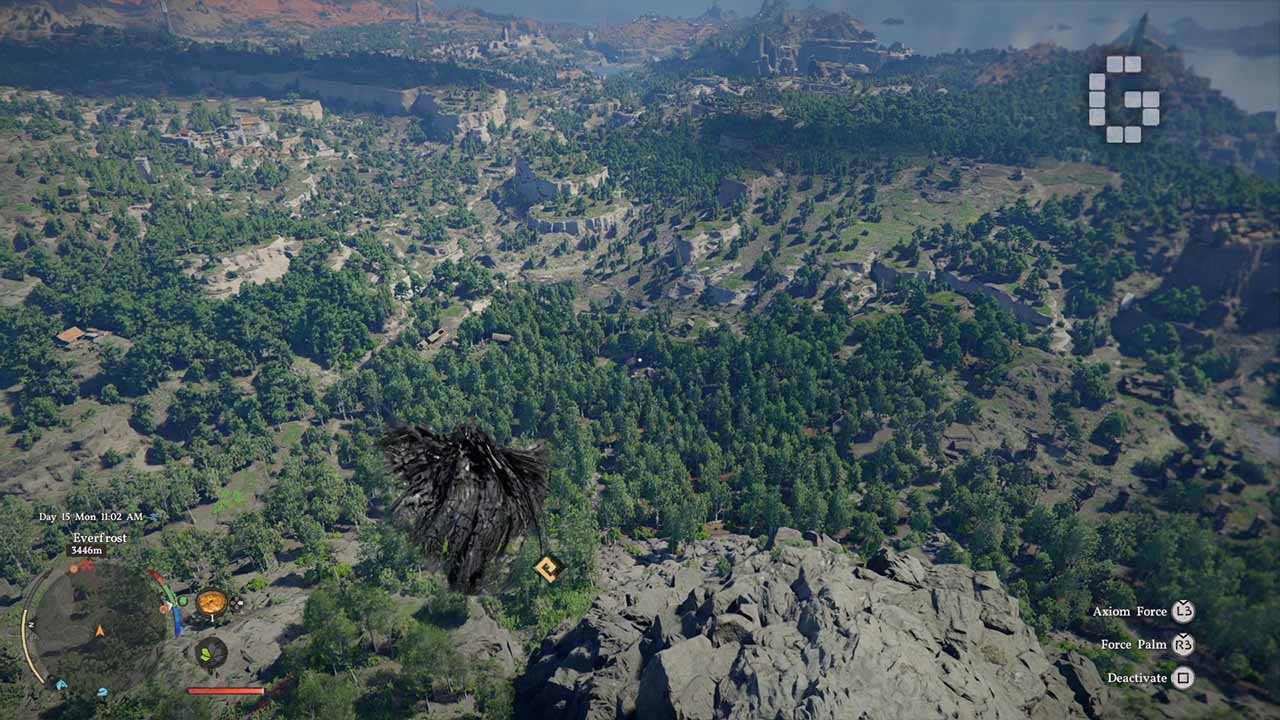
Traversal also has more mechanical depth than it first seems. Climbing and precision jumping give you fine control over movement, the Sword Light Reflection mechanic helps locate points of interest and can blind enemies once upgraded, and tools like the Axiom Force grappling hook and Force Palm abilities open up vertical movement as you progress. NPCs also react to you directly when greet them, bump into them, or mess with children, and they respond. It’s minor, but it adds to the overall feeling that the world is paying attention.
Combat That Opens Up Over Time
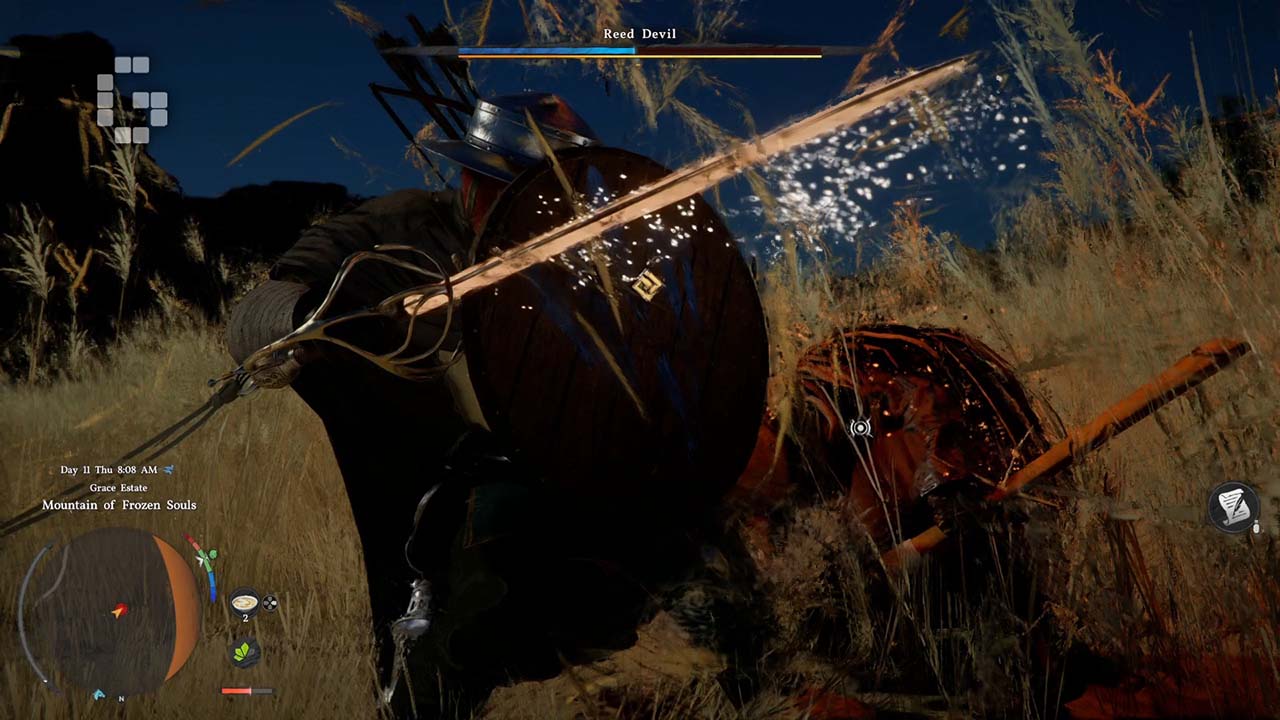
Combat leans into character action territory while staying grounded. Early on it’s approachable with light and heavy attack combos, dodging, and parrying but it has a clear learning curve that rewards patience. As you unlock more mechanics, the system deepens noticeably. Grabbing, bare-hand combat, kicking, shield bashing, evasive slashes, stab combos, and ranged weapon use all layer onto each other and start to flow together naturally once you understand how they connect.
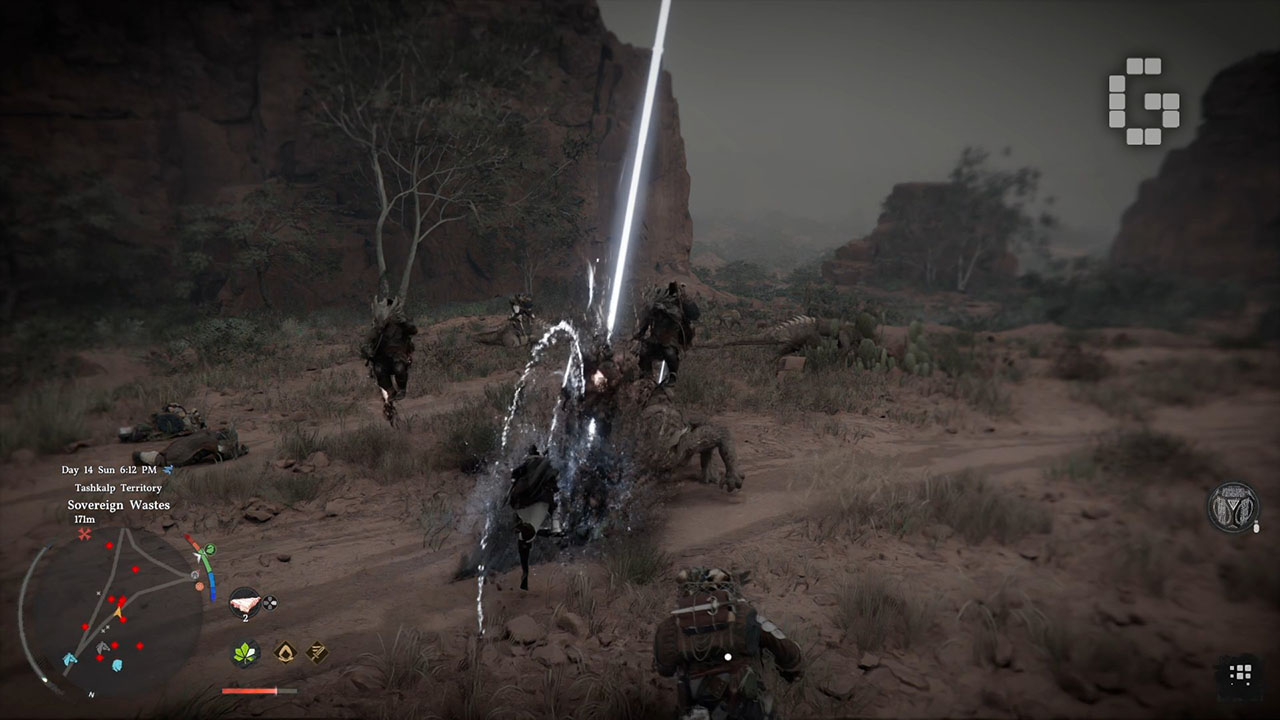
The Axiom Force and Force Palm abilities add another dimension entirely. Force Palm opens up stronger parry and counter options, multiple powerful strike types, and defense against certain attacks, all at the cost of Spirit, which functions similarly to mana. Axiom Force brings grappling options such pulling enemies toward you or launching yourself at them along with elemental weapon imbuing and a range of skills covering single targets, area attacks, and evasive moves.
Some issues remain. Inputs can feel delayed at times and don’t always register, which can lock you into an animation at the worst moment. Enemy numbers and attack frequency occasionally feel imbalanced, and some early boss mechanics come across as overwhelming given what abilities are available at that point. But even with those rough edges, combat feels satisfying, especially for players who like experimenting with different approaches.
Progression That Rewards Experimentation
Progression in Crimson Desert extends across multiple layers with skills, gear, life skills, and other playable characters. The central mechanic is the Abyss Artifact system, which works differently from a standard skill tree. Rather than following a fixed path, you unlock nodes across different branches depending on your playstyle. Some prerequisites still exist, but there’s enough flexibility to experiment. Points come from quests, exploration, Artifact challenges, and a progression bar tied to combat that fills as you defeat enemies. Respecs are available and plentiful, though not unlimited, which keeps experimentation open without making choices feel completely weightless.
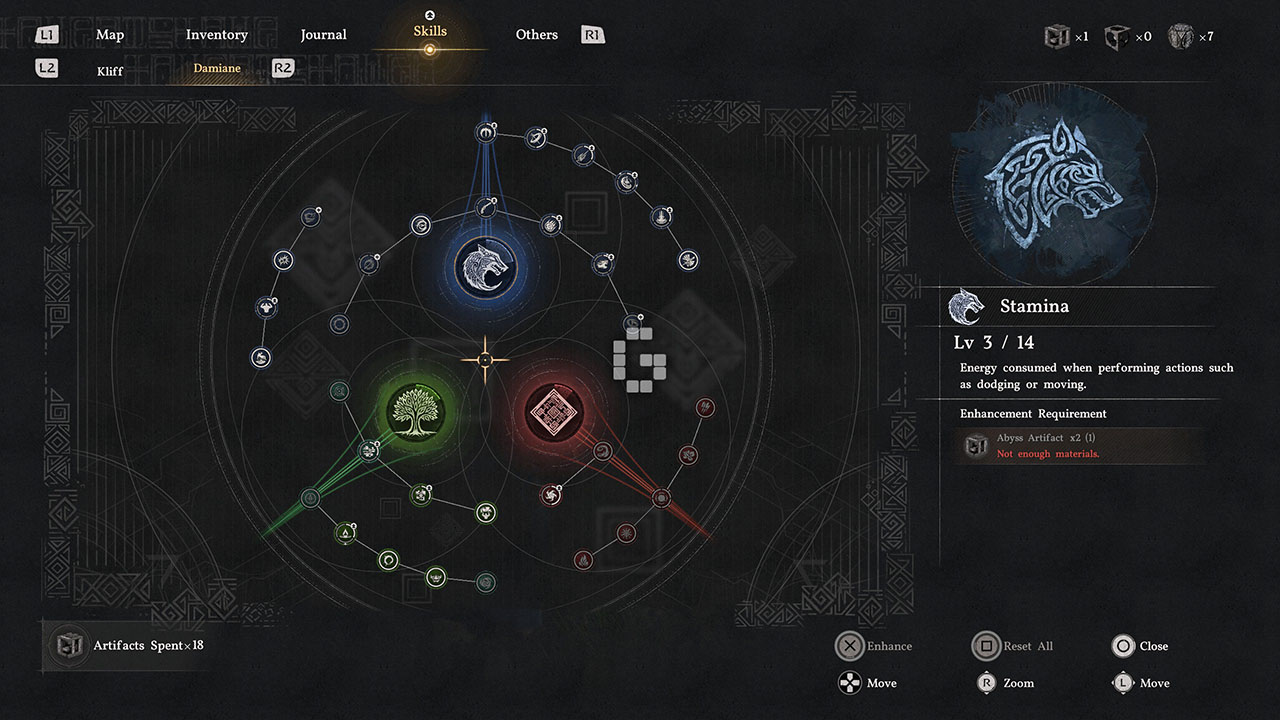
One of the more interesting elements is that certain abilities can be learned by observing enemies in the world, giving progression a more organic feel rather than routing everything through menus.
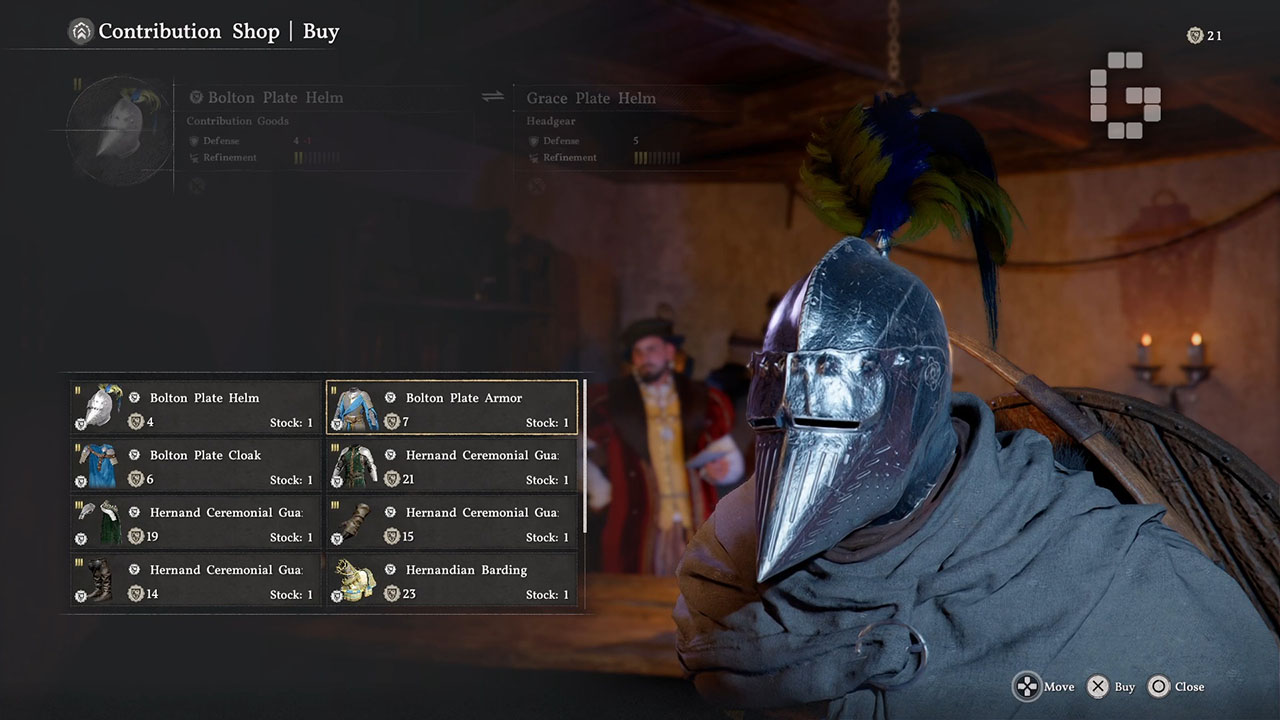
Gear works through buying, looting, crafting, and quest rewards, with recipes scattered across the world. Equipment can be refined and upgraded to improve stats, and leveling up faction relationships earns Contribution Points redeemable for faction-specific gear. Ranged combat integrates directly into combat flow through different arrow types and unlockable skills, making it feel like part of a combo set rather than a separate playstyle.
Life skills feed into everything else. Mining and logging provide materials for gear upgrades. Cooking is the primary way to restore Health and Spirit during fights, and recipes have practical effects like certain soups apply a Warming effect that lets you explore cold regions without suffering from the temperature. Even insects and reptiles can sustain you in longer encounters.
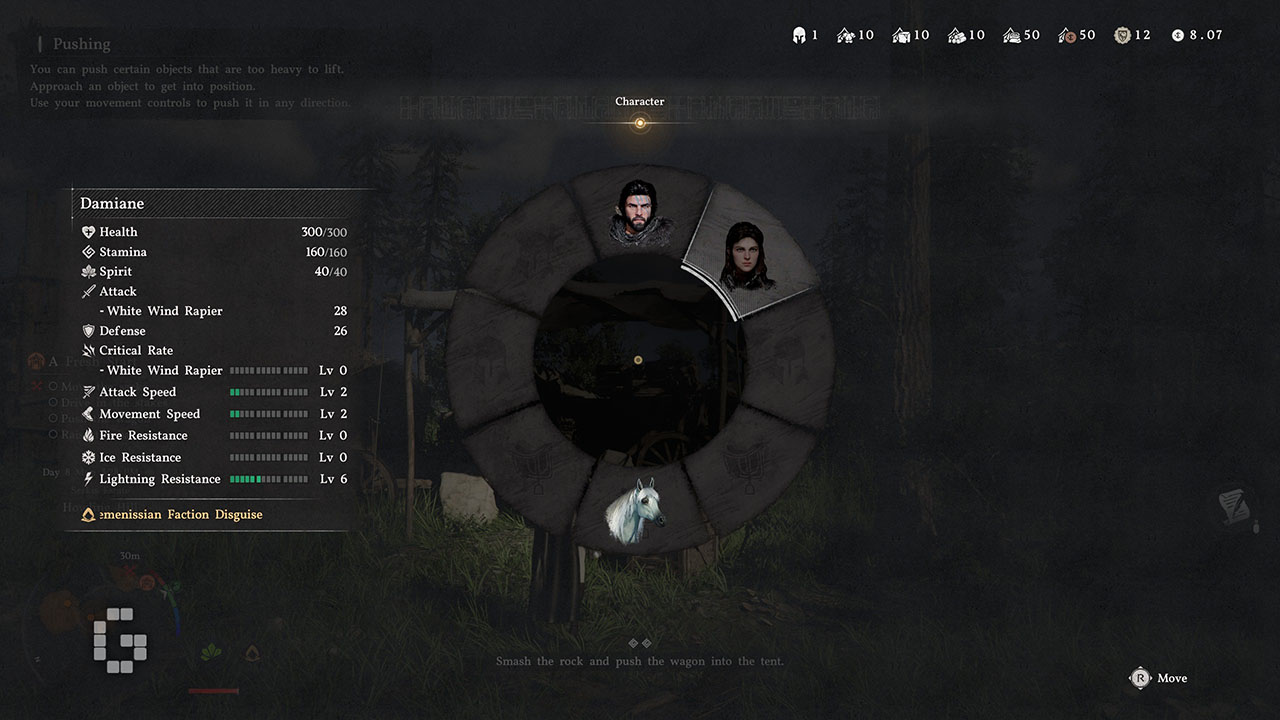
Beyond Kliff, there are additional playable characters, each with their own skill sets and gear progression. They bring genuinely different gameplay styles rather than just functioning as reskins, and they can be summoned into your party for support in tougher encounters. Your horse also has its own progression, leveling up to improve attributes and unlock abilities like drifting, which has a direct effect on how movement feels across long distances.
Visuals and Performance That Shouldn’t Work
On a system running an i5-13500, 32GB RAM, and an RTX 4070 Super, the game defaults to Ultra settings at a native 60 FPS with no DLSS or FSR enabled, keeping VRAM usage under 7GB. That kind of optimization is rare for an open-world game at this scale.
Visually, the game holds up throughout. Trees react to wind, grass moves naturally, city lights glow at night from a distance, and wildlife populates the environment in a way that supports the sense of realism the game is going for. Water rendering is strong, and crowds of NPCs fill cities and towns, each doing their own thing like patrolling, talking, fishing. It reinforces the scale without feeling like set dressing.
Performance holds steady without major framerate issues or drops that affect gameplay. That said, the experience isn’t entirely clean. There was one instance of a crash while respeccing the skill tree, occasional cases of the player character clipping on objects, input conflicts where interacting triggered a jump instead of the intended action, and dialogue timing issues that affected how certain story moments landed. None of these break the game, but they appear often enough to notice.
Verdict
Crimson Desert is a game that sets out to do a lot, and it manages to pull most of it off. The world is large and genuinely beautiful, performance holds at a level that feels out of step with what open-world games usually demand, and the combination of combat, progression, life skills, and world interaction gives players a degree of freedom that not many games attempt at this scale.
The trade-offs are real, though. Exploration is visually impressive but not always rewarding in a tangible way. The story builds an interesting world but struggles with pacing and delivery. Systems are deep and varied but can feel dense and unclear, especially early on. Minor technical issues show up consistently enough to stand out against an otherwise polished presentation.
When it all comes together, Crimson Desert produces moments that feel genuinely earned with its world, the mechanics, and the immersion lining up in a way that’s hard to find elsewhere. That’s no small thing.
The Review
Crimson Desert
PROS
- The open world feels massive, alive, and consistently reactive to your presence.
- The game delivers excellent performance even at high settings without relying on upscaling.
- Combat starts simple but gradually evolves into a deep and expressive system.
- The progression system is flexible and encourages experimentation across multiple playstyles.
- Small environmental and NPC interactions significantly enhance immersion.
- The variety of activities ensures there is always something to engage with.
- Multiple playable characters add variety and help reduce gameplay repetition.
CONS
- Exploration often lacks meaningful gameplay payoff, traversal can feel slow, and fast travel doesn’t always solve the scale issue.
- The number of systems can feel overwhelming due to limited early explanation.