




![[EXCLUSIVE] Brendan Gan Delivers One of Malaysia’s Best-Ever Worlds Results, Shares Thoughts on Pressure and the Local Scene](https://cdn.gamerbraves.com/2026/08/Brendan-Gan_Interview_FI-360x180.jpg)





![[BIC2026] Hiroaki Nagashima from Toei Games Talks New IPs, Indie Roots, and Asia-First Strategy](https://cdn.gamerbraves.com/2026/08/Toei-Games-BIC-2026_Interview_FI-360x180.jpg)
![[BIC2026] From Outsider to Organizer: How Isabella Seo Jungsook Helped Build Busan’s Indie Game Scene through BIC](https://cdn.gamerbraves.com/2026/08/Isabella-BIC-2026_Interview_FI-360x180.jpg)
![[BIC2026] CanOpener’s Logan Moon Opens Up About Dungeon Settlers Ahead of Its September Early Access Launch](https://cdn.gamerbraves.com/2026/08/Logan-Moon-BIC-2026_Interview_FI-360x180.jpg)


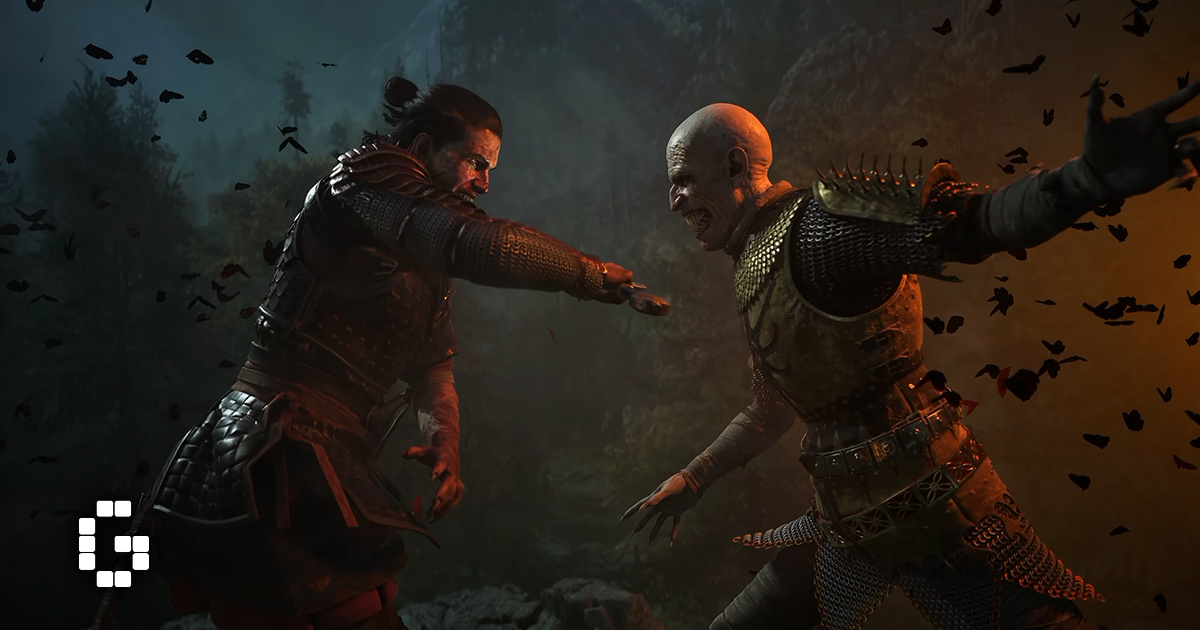
Four years after Rebel Wolves was formed by Konrad Tomaszkiewicz, the former director of The Witcher 3: Wild Hunt, the studio has finally released its debut project, The Blood of Dawnwalker. With several developers on board who previously worked on The Witcher and Cyberpunk 2077, there was already a good deal of anticipation surrounding this game, especially since it sticks to the same genre that made the team’s earlier work so well known: a AAA dark fantasy RPG, this time built on Unreal Engine 5. Having played through it, it turns out to be a smaller scale project compared to those past titles, but one that still shows real ambition and manages to stand out in a crowded genre. It even has a solid case for being one of the best RPGs of the year. That said, there are also aspects of the game that might not sit well with everyone, so this review breaks down everything The Blood of Dawnwalker brings to the table, from its story and world to its combat and technical performance.
A World Torn Between Plague and Vampires
The story of The Blood of Dawnwalker is set in 14th century Europe, a time already scarred by the Black Death, with countless lives lost, some even through brutal actions taken by officials trying to contain it. Into this chaos step the vampires, known as the “Vrakhir,” led by a figure named Brencis. They offer their blood as a cure for the plague, but in exchange, they take control of Vale Sangora and demand to be worshipped like gods. So while the plague fades away, a new threat takes its place, and tensions eventually boil over into rebellion.
You play as Coen, an ordinary young man from a small village called Laslea, whose life changes completely when he becomes a “Dawnwalker,” someone who is human during the day but turns into a vampire at night. His goal is to protect his family and village from being preyed upon by the Vrakhir, and he has only 30 days to bring down Brencis and his entire regime. That’s the basic setup, though the game does take its time before Coen actually becomes a Dawnwalker, using the early hours to introduce the world, the characters, and the time management system that shapes the whole experience.
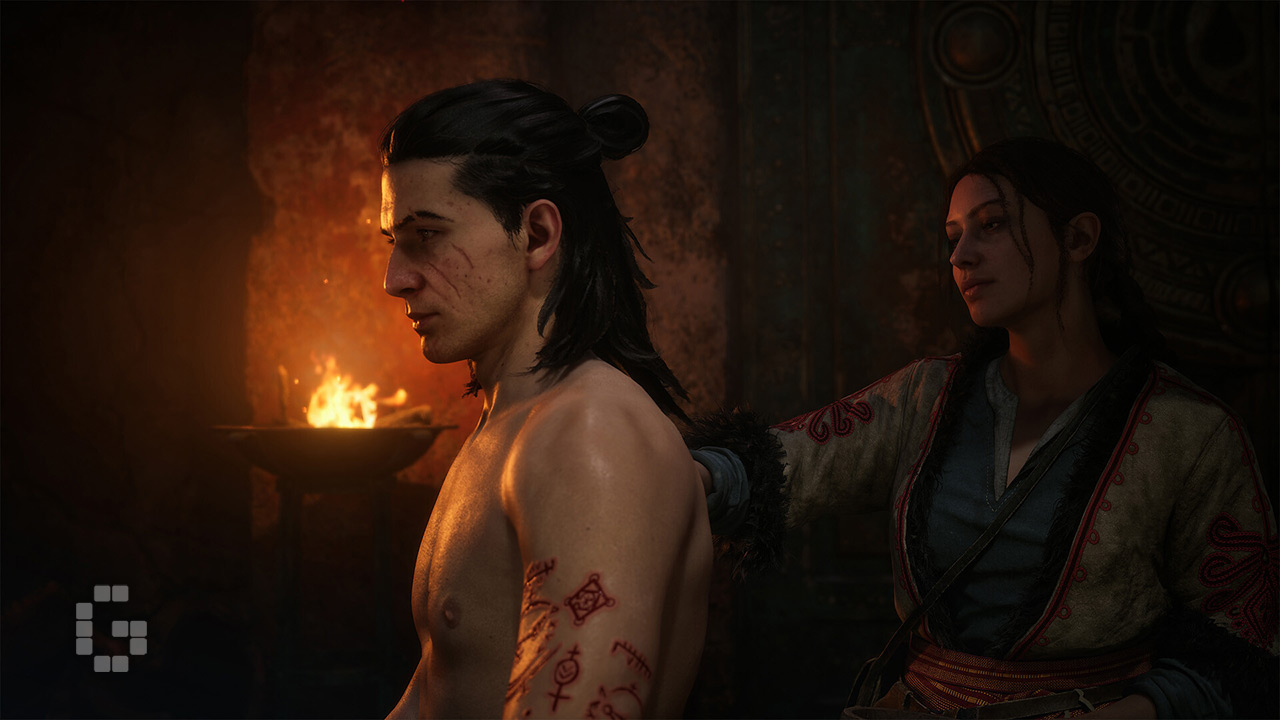
What makes the story stand out is how it plays out like a sandbox, letting you shape events your own way, including pursuing romance along the journey. Even in the prologue, which is the most guided part of the game, there are already choices that can lead to serious consequences. For example, early on Coen has to fetch herbs from a herbalist named Anca for his mentally unstable mother before a mass ritual called the Blood Covenant, since anyone considered too weak or worthless risks being sacrificed. Because time is limited, it’s entirely possible to miss that deadline, and the story reacts accordingly. There’s also a moment where Coen’s vampiric hunger takes over once his health drops too low, pushing him to feed on someone close to him, though this can be avoided by keeping his health up. Even how you plan your quests and priorities, not just your dialogue choices, can shift how the story unfolds. It’s even possible to end the game early by defeating Brencis in what’s normally meant to be an unwinnable early boss fight, though doing so leads into a tougher second phase rather than simply ending things there.
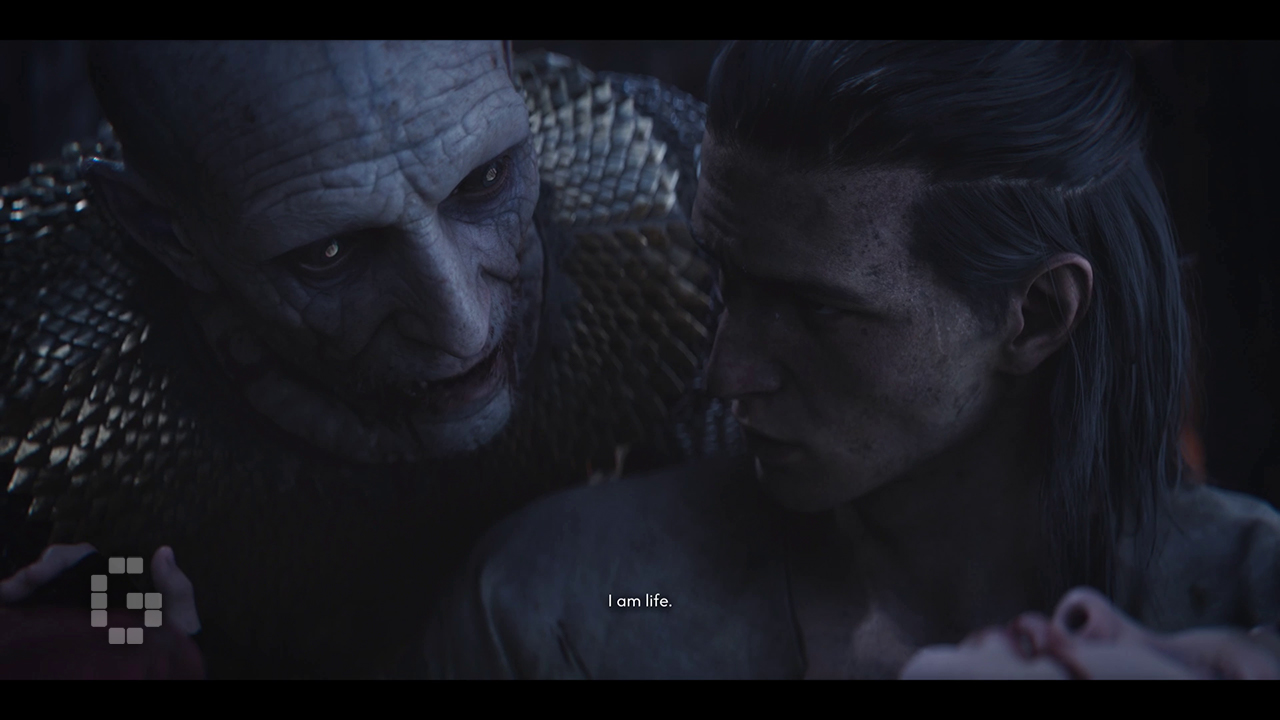
Worth mentioning too is a CG cinematic that plays every time the game is booted up, giving background on events before the story begins, so it’s worth watching before diving in. Beyond just this game, Rebel Wolves has revealed plans to turn Coen’s story into a much larger saga spanning different time periods, eventually reaching all the way to the modern day. With that in mind, Coen’s current role as a young, still developing character in The Blood of Dawnwalker makes more sense, since this appears to be just the beginning of a much longer arc for someone who could end up living for centuries.
A Smaller World That Still Feels Alive
Time plays a central role in how the game is built, tying directly into the 30 day countdown driving the story. Each day is split into Day and Night phases, and each phase offers eight time slots shown at the top right of the screen. Most meaningful actions take up at least one slot, sometimes more, so managing them carefully matters, since spending too much time can trigger consequences you might not expect. Despite this, the game doesn’t rely on a real time clock or a shifting day and night cycle. Time only moves forward based on your actions, which keeps things feeling more relaxed. Even with a deadline that sounds tense on paper, players actually have plenty of real world time to take things slow and explore at their own pace.
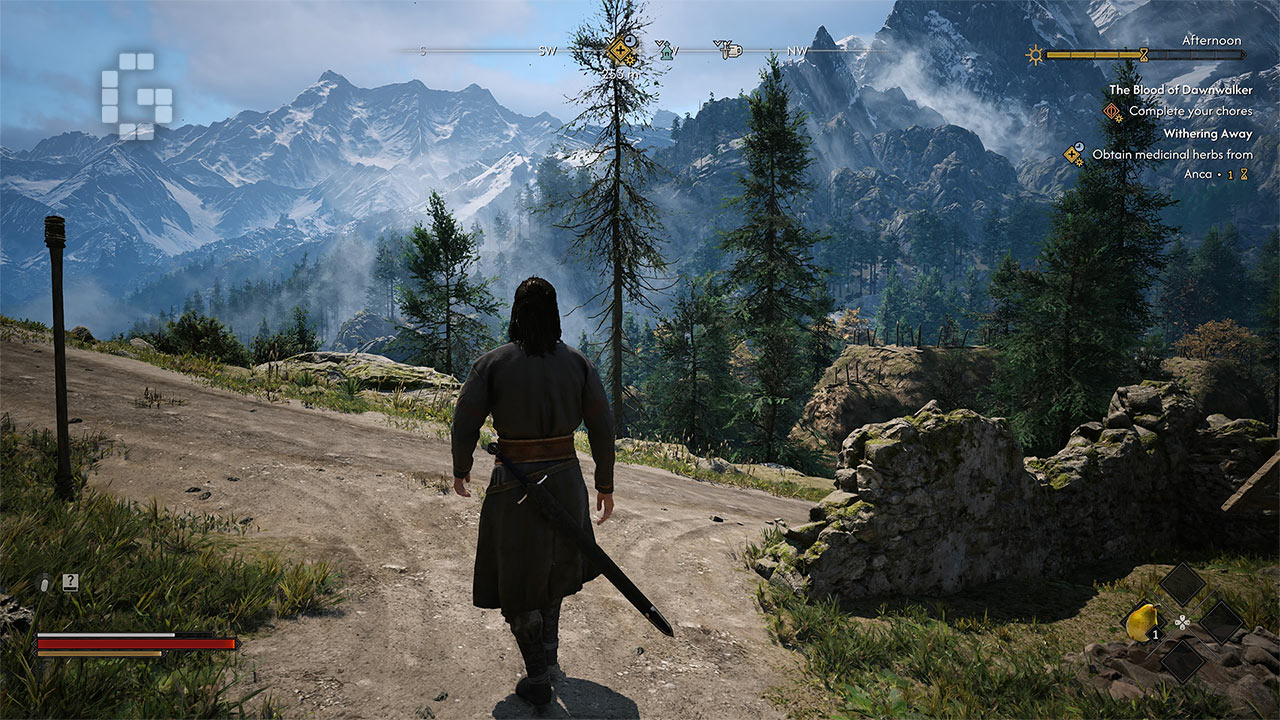
Combining time management with an open world might sound like an odd mix, but it works well here. The world itself follows a more minimalistic design, so there isn’t much aimless wandering before finding something worthwhile. Points of interest are placed close together, and the overall map size is fairly modest. The game does use the familiar formula of climbing towers to reveal nearby locations, but with a twist, since this can only be done at night while Coen has access to his vampire abilities and improved mobility.
Interestingly, there are no mounts like horses for getting around faster, which actually fits well once you experience the game, since Coen already has plenty of tools to move quickly. Abilities like Shadowstep let him teleport short distances, while Shapeshift turns him into a wolf for faster travel. These aren’t limited to nighttime either, since during the day he can use a Witchcraft ability called Mercurial Fervour to boost his speed while briefly slowing the world around him.
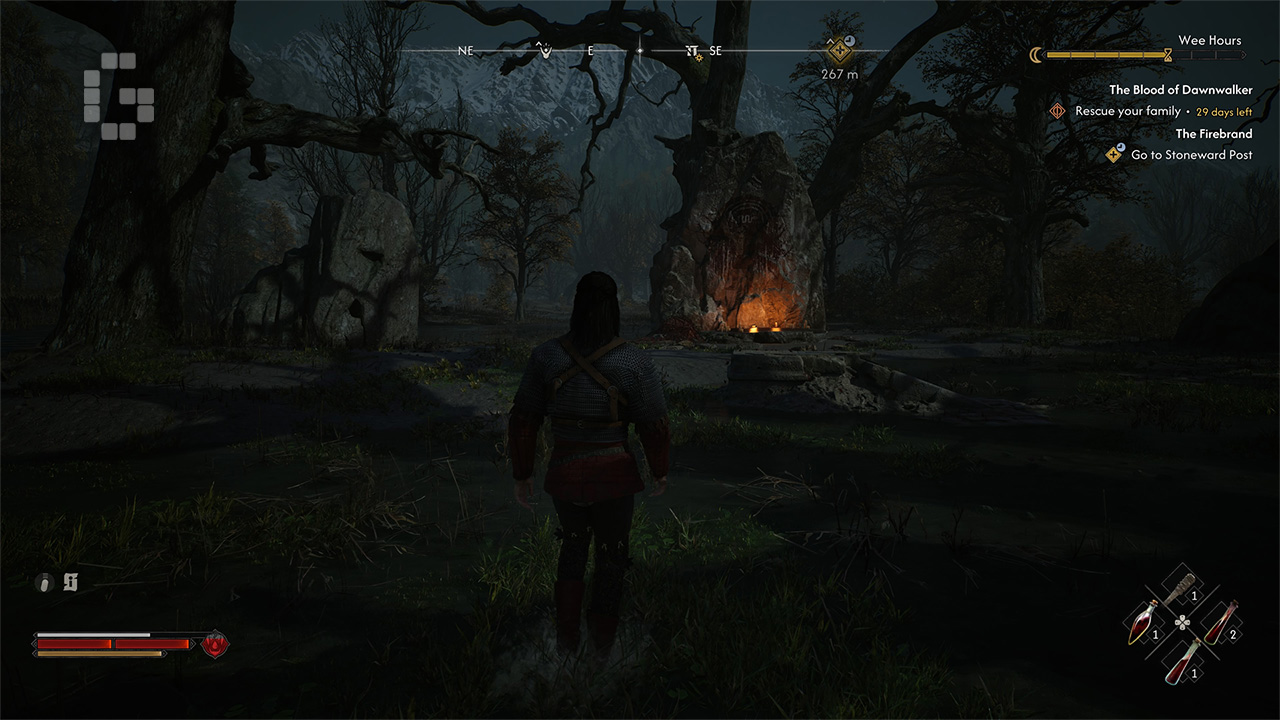
The world of The Blood of Dawnwalker feels lively thanks to random events, camps, and other activities scattered around, though traveling through it isn’t always smooth. Wild animals and monsters often attack on sight, and it can be difficult to shake them off once they lock onto you, making some encounters feel unavoidable. This is especially noticeable with animals like boars, which the game uses as easy blood sources for Coen when he’s a vampire, but which also become a repeated annoyance when you’re just trying to pass through.
Fighting as Both Human and Vampire
Combat in The Blood of Dawnwalker is closely tied to the shift between day and night. It’s an action RPG built around sword fighting, melee combat, magic, and darker vampiric abilities. On the surface, it looks like a standard system built around attacking, dodging, blocking, and parrying, but it also asks for careful positioning and timing. Blocking requires facing the direction an enemy is attacking from, which is reminiscent of the combat found in Kingdom Come: Deliverance, though this version moves at a faster pace and only requires directional input when blocking or parrying rather than attacking.
Timing matters just as much as positioning, since successfully blocking or parrying requires staying still. Moving or pressing another button during the attempt will cause it to fail, which makes combat feel like a real trial and error process at first. Once you get a handle on holding your position and direction instead of just mashing buttons, fights become noticeably easier to manage.
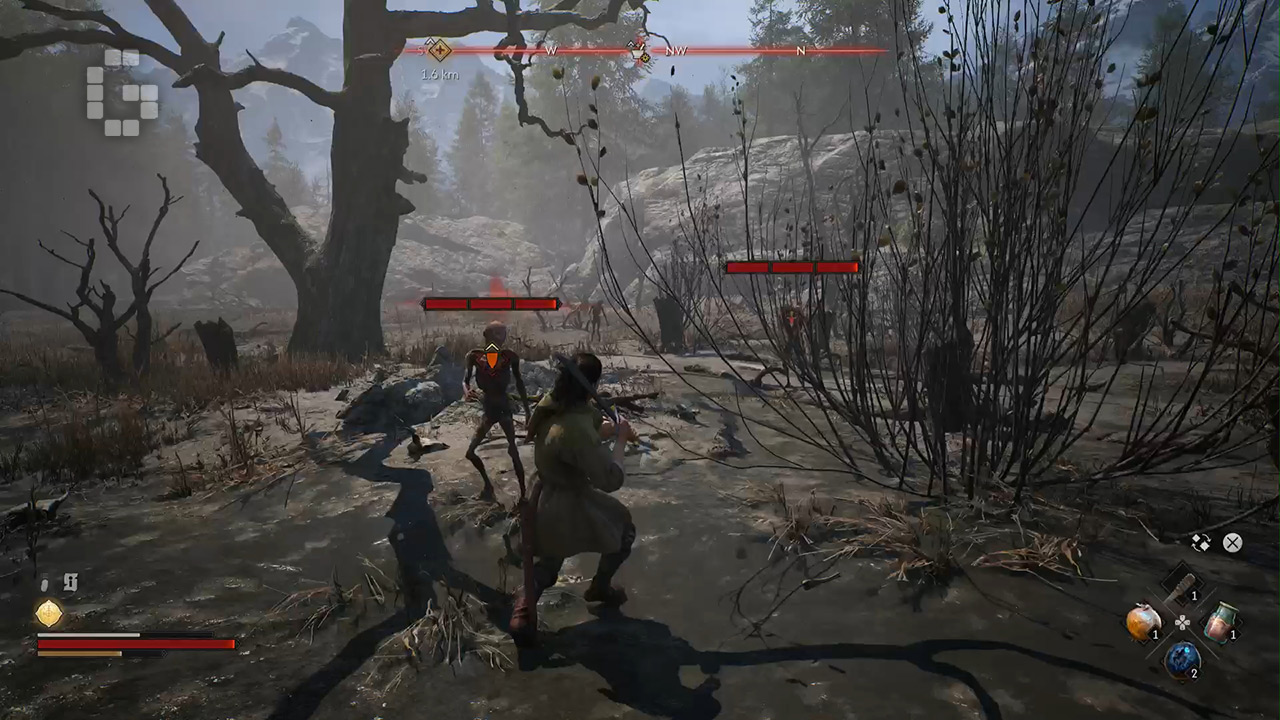
The reason combat ties so closely to the day and night cycle comes down to Coen’s dual nature. During the day, he uses Swordmastery alongside Witchcraft, which draws on blood magic. At night, Witchcraft is replaced with Vampirism abilities instead. Neither style feels clearly stronger than the other, since both come with real strengths. Witchcraft tends to cost Coen some of his health to use, while Vampirism lets him drink blood mid battle to heal instead. Combined with the extra mobility available at night, nighttime combat generally comes across as the more enjoyable of the two.
Even with a solid combat system, the difficulty can spike unexpectedly. In one early quest involving a rescue from a large camp, a miniboss was able to defeat the character in a single hit despite already having decent gear equipped. There’s also an activity called Astral Communion, accessible during the day through Witchcraft, that feels oddly more suited to nighttime given how challenging it is. Overall, the game can be tougher than expected, regardless of the difficulty setting chosen or the color coded skull icons meant to warn players about dangerous areas.
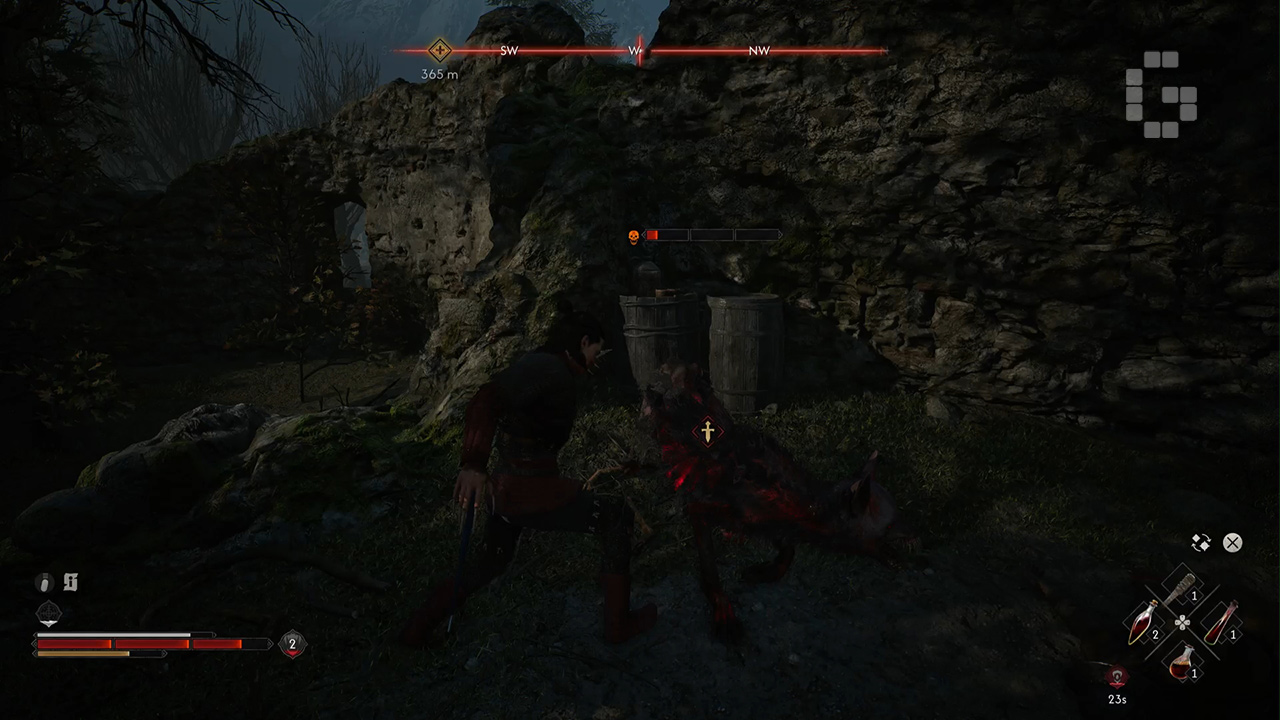
Adding to the day and night structure, players can equip different gear for each phase. What Coen wears during the day differs from what he wears at night, and this extends to consumables, accessories, weapons, and armor, each often suited to one form over the other. This approach makes managing equipment more interesting and reinforces the feeling of controlling two different characters, without requiring players to fully invest in making both equally strong.
When Getting Stronger Costs You Time
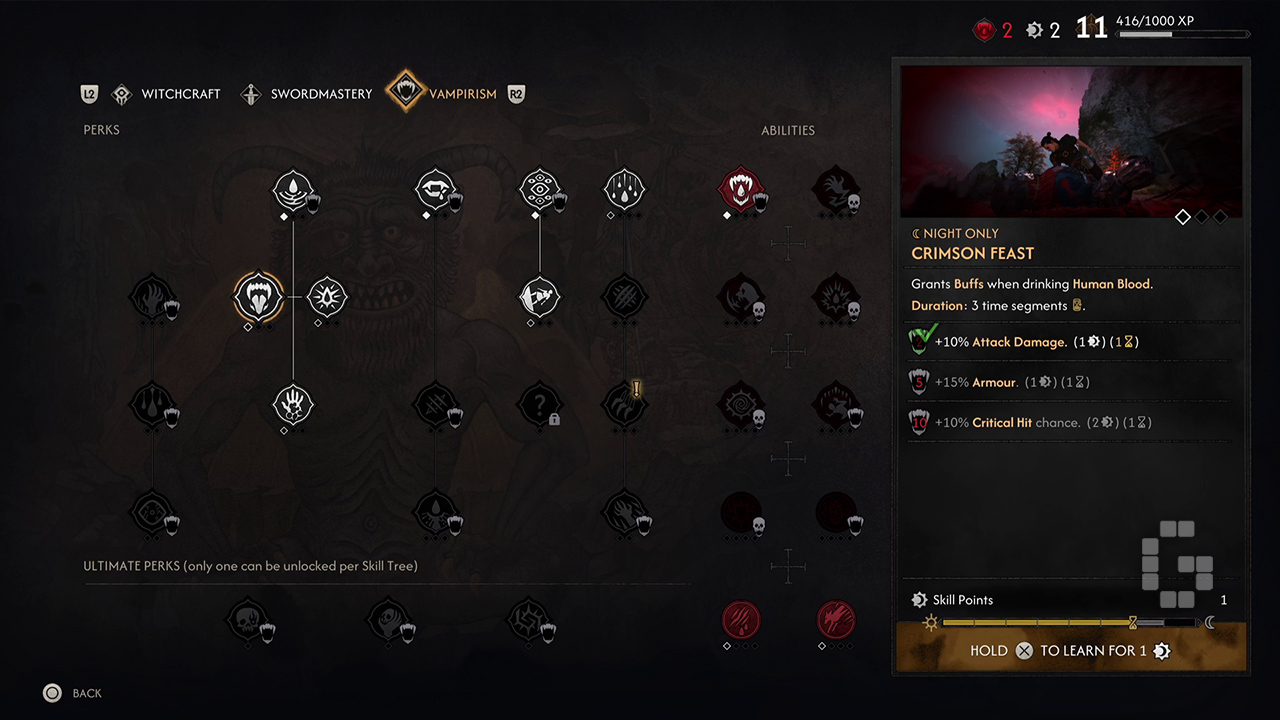
The time management system is one of the game’s strongest ideas, but it doesn’t always work perfectly. One of the biggest drawbacks is that unlocking new abilities from the skill tree also costs time slots. With three separate skill categories, Witchcraft, Swordmastery, and Vampirism, each containing plenty of abilities to unlock, a large portion of your limited days can end up going toward strengthening Coen rather than exploring quests or side content.
Given the game’s overall design, it makes sense that players won’t be able to experience everything in a single playthrough, but tying skill unlocks to the same time cost as other activities feels like an unnecessary restriction, especially since it’s a system that logically shouldn’t take real time at all. By comparison, the crafting system doesn’t cost any time, likely because it’s meant to be used frequently, though this makes the skill tree’s time cost stand out even more. Players can choose to skip investing heavily in skills to save time, but doing so risks leaving Coen underpowered and the game harder than it needs to be.
There’s also a system similar to the Nemesis mechanic, referred to here as “Court,” where players weaken Brencis by targeting his Vrakhiri vassals, such as Ambrus, Xanthe, and Bakir. Disrupting their activities raises their Anger Level, which eventually unlocks related side quests tied to preparing for the final confrontation with Brencis. Since Brencis himself doesn’t get a huge amount of screen time, these quests help give more depth to the story’s villains.
Verdict
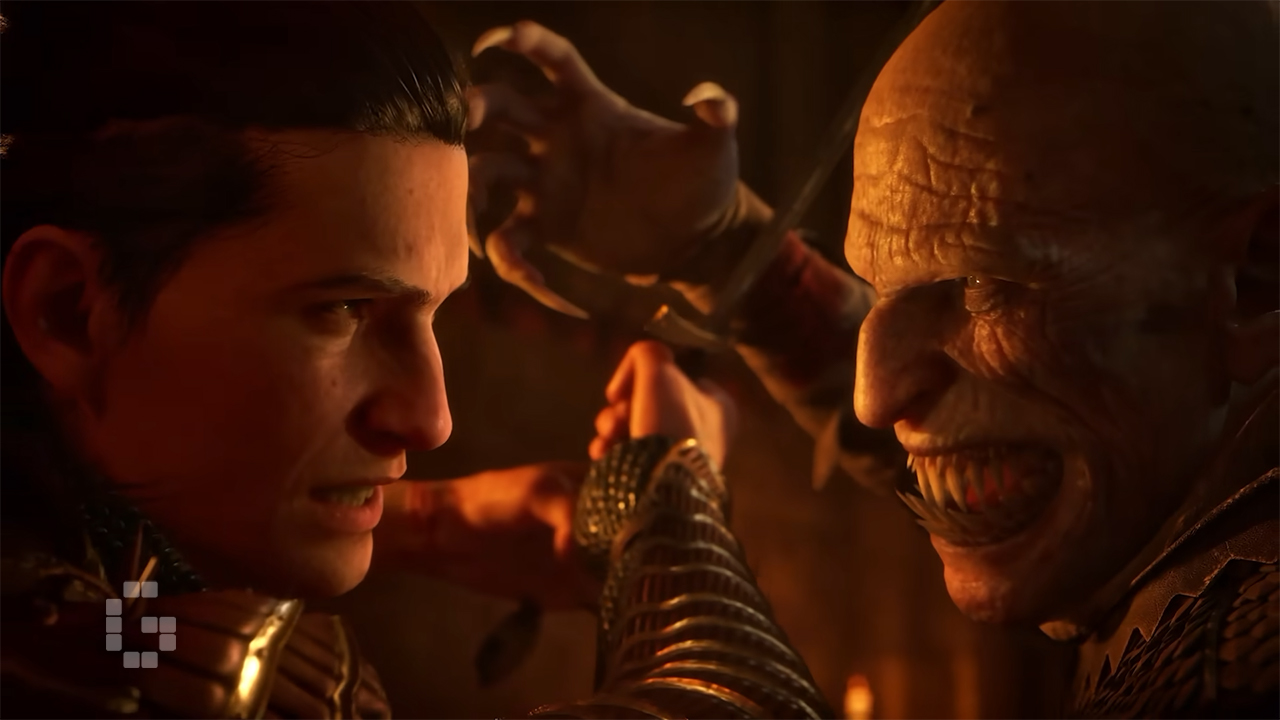
As a debut title from a smaller scale studio, The Blood of Dawnwalker still manages to show real expertise, likely shaped by the experience key team members bring from past projects, including Konrad Tomaszkiewicz. It stands out as a strong open world RPG thanks to its sandbox style storytelling and its time management system, both of which are handled with care. The way Coen shifts between human and vampire is reflected well across the story, gameplay, and consequences, giving the game a clear identity of its own. Combined with a more compact open world and a 30 day time limit, the pacing feels tighter, with plenty happening without unnecessary padding.
On the technical side, the review test for the game was done through PlayStation 5, which offers both Quality and Balanced display modes. Quality mode provides slightly better visuals, though not by a large margin, while Balanced mode offers a better frame rate that still falls short of 60 fps. Both modes come across as underwhelming in what they’re meant to deliver, and this is an area that could benefit from future updates.
The Blood of Dawnwalker isn’t without its issues, though. Tying skill unlocks to the same time system as other activities cuts into time that could otherwise go toward playing the more engaging parts of the game. The combat system also could use clearer explanations, particularly around how blocking and perfect blocking actually work, and there are noticeable difficulty spikes in certain sections that feel disproportionate to what the game seems to expect from players at that point.
The Review
The Blood of Dawnwalker
PROS
- Incredibly engaging narrative sandbox approach with so much replayability.
- Consequences can also stem from your priorities during gameplay rather than just simple narrative choices.
- Minimalistic open-world design that makes for a tighter experience.
- Combat is pretty fun and challenging, with some nice variety of powers.
- The dual gameplay loop between human and vampire makes the game always feel refreshing.
- Day and Night systems are meaningfully integrated into both the story and gameplay, even including how they handle the different gear sets.
CONS
- Learning skills also consumes time slots.
- Poor explanation of how the block/perfect block actually works.
- Quality and Balanced modes on PlayStation 5 are equally underwhelming.