












![[EXCLUSIVE] Beyond the Base Game: Cygames on What Endless Ragnarok Means for Granblue Fantasy: Relink](https://cdn.gamerbraves.com/2026/06/GBF-Relink-Endless-Ragnarok-Exclusive_Interview_FI-360x180.jpg)


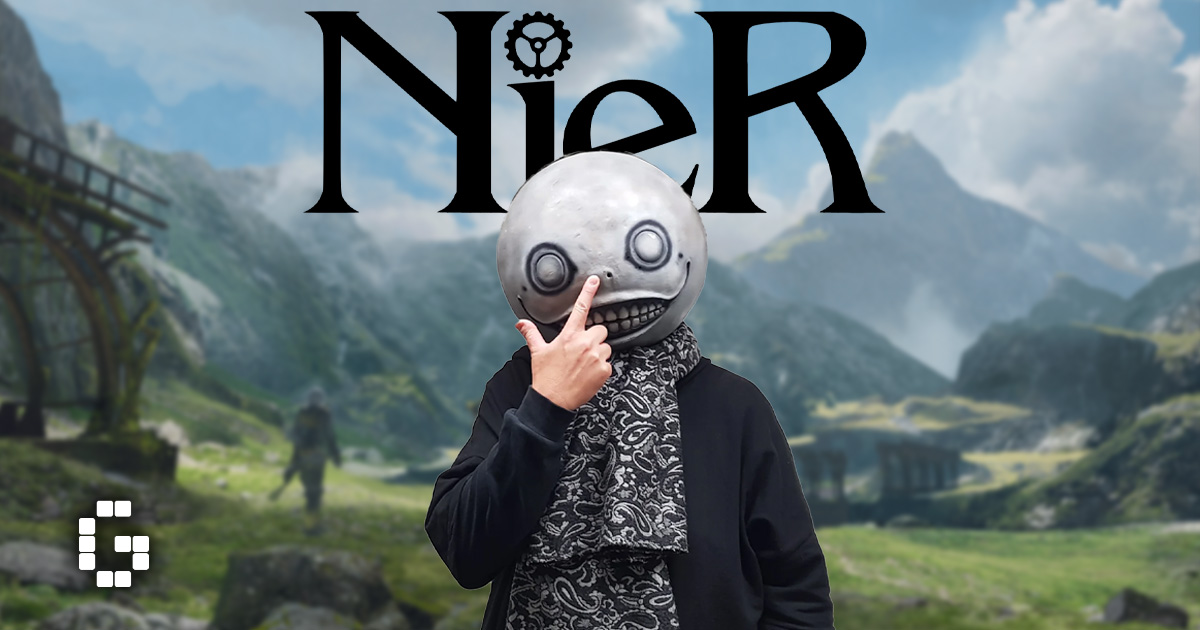
Yoko Taro, the director behind the NieR series, has shared a typically unfiltered look into how new game projects actually begin in the industry, stating that development always starts with one thing: the budget.
Speaking in a recent interview alongside Clovers studio head Hideki Kamiya, Yoko Taro explained that game development is far less about creative starting points and far more about financial and staffing constraints.
“It starts with the money”
When asked how he approaches new projects, Yoko Taro responded bluntly that there is nothing glamorous about the process.
“It’s not very glamorous, but it starts with the money (development budget),” he said.
According to him, the size of the budget immediately defines what kind of game can realistically be built, including scope, development time, and staffing capacity. Rather than starting with a creative pitch, the structure of the project is shaped around available resources from the outset.
Talent, constraints, and realistic game design
Yoko Taro emphasized that staffing is often even more important than budget size itself, pointing out that teams are naturally shaped by their expertise.
If a studio full of experienced action developers is asked to create something outside their skill set, the result is unlikely to meet expectations. Instead, he explained that successful development depends on aligning project goals with the strengths of the people working on it.
He also noted that publishers often influence the direction of projects through funding conditions and genre expectations, meaning developers frequently adapt their ideas rather than originate them freely.
As a result, Yoko Taro admitted that none of his projects have truly started with a pure creative vision he personally dictated from the beginning.
Deadlines, delays, and development realities
Beyond budgeting, Yoko Taro also discussed his unconventional views on production deadlines, describing himself as someone who prefers clear time limits to avoid endless iteration.
He humorously noted that developers often find ways to extend timelines, joking about the idea of deliberately planning for delays rather than avoiding them.
While framed with his trademark irony, the comments reflect a broader reality in game development, where late-stage budget adjustments and publisher negotiations often play a major role in whether a project ships on time.
Cancelled projects and industry uncertainty
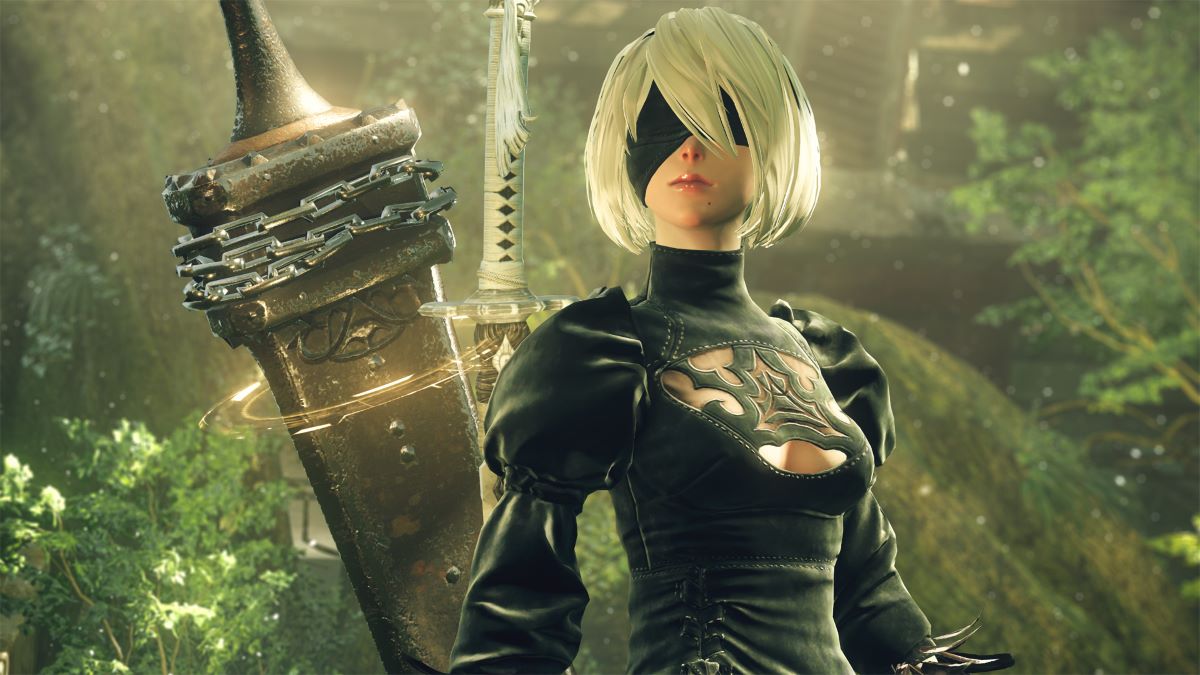
Yoko Taro also addressed his relatively quiet output in recent years, explaining that while he has remained busy across various projects, including anime and stage productions, many of them were ultimately cancelled before release.
He noted that cancelled work still provides compensation, even if it never reaches the public, though he expressed disappointment that audiences do not get to see the results of those efforts.
Hideki Kamiya added his own perspective, stating that he sometimes prefers cancellation over releasing an unsatisfactory product, reflecting a shared sentiment among some veteran developers about quality control versus release pressure.
A rare glimpse into AAA development reality
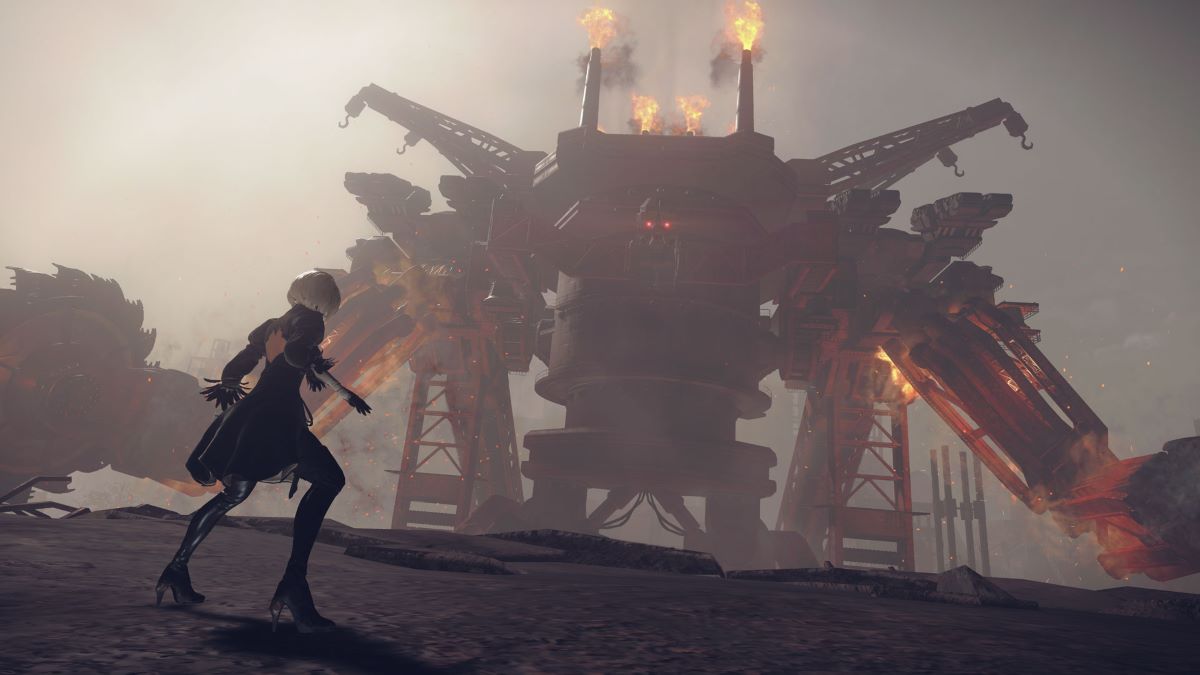
Yoko Taro’s comments reinforce a consistent theme in modern game development: creative direction is often secondary to financial structure, staffing availability, and publisher expectations.
While fans often view game creation as a purely artistic process, his remarks highlight how constrained and pragmatic AAA development can be behind the scenes.
Even for a creator known for highly original storytelling and unconventional game design, the starting point remains the same as any other production: the budget defines everything that follows.