







![[BIC2026] Hiroaki Nagashima from Toei Games Talks New IPs, Indie Roots, and Asia-First Strategy](https://cdn.gamerbraves.com/2026/08/Toei-Games-BIC-2026_Interview_FI-360x180.jpg)
![[BIC2026] From Outsider to Organizer: How Isabella Seo Jungsook Helped Build Busan’s Indie Game Scene through BIC](https://cdn.gamerbraves.com/2026/08/Isabella-BIC-2026_Interview_FI-360x180.jpg)
![[BIC2026] CanOpener’s Logan Moon Opens Up About Dungeon Settlers Ahead of Its September Early Access Launch](https://cdn.gamerbraves.com/2026/08/Logan-Moon-BIC-2026_Interview_FI-360x180.jpg)

![[EXCLUSIVE] From PlayStation to Indie Advisor: Shuhei Yoshida Talks Games, AI, and the Future of the Industry](https://cdn.gamerbraves.com/2026/08/Shuhei-Yoshida-BIC-2026-Exclusive_Interview_FI-360x180.jpg)


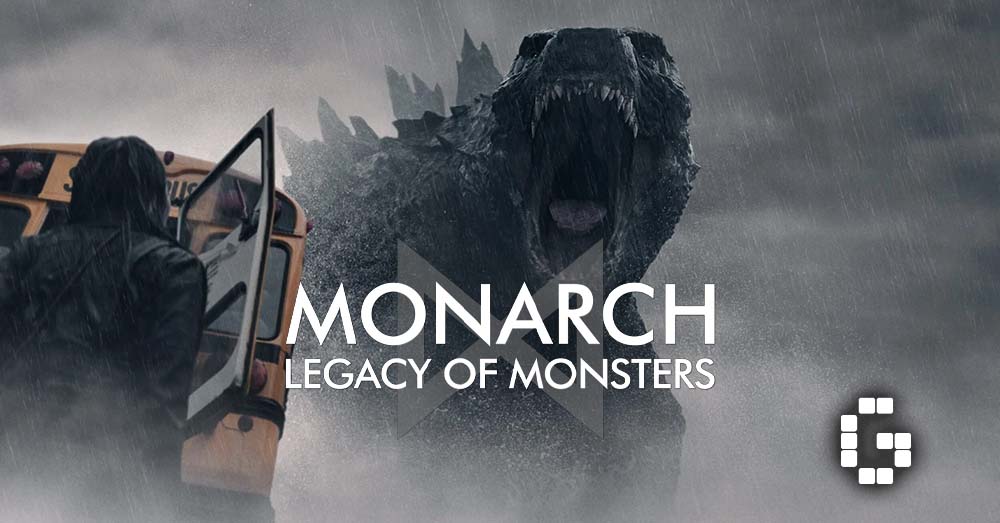
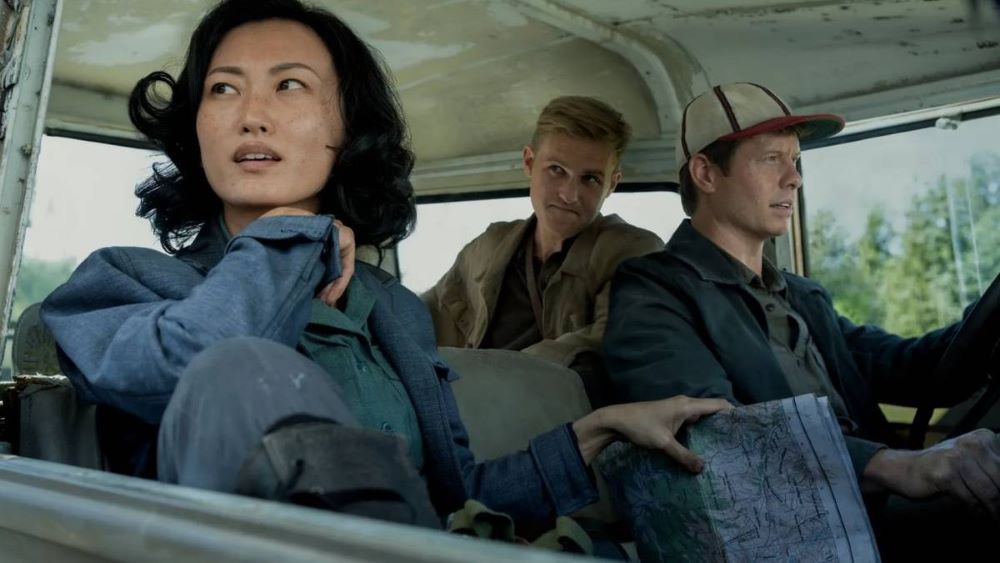
During a press event for the second season of Monarch: Legacy of Monsters, we had the unique opportunity to speak with key cast members Anders Holm (Bill Randa) and Mari Yamamoto (Keiko Miura), along with Anna Sawai (Cate Randa), Kiersey Clemons (May), Joe Tippet (Tim), and executive producer Tory Tunnell. Across multiple conversations, the actors shared insights on their characters, the evolving storylines, and what it was like working on set with massive creatures, time jumps, and intricate personal arcs.
Anders Holm and Mari Yamamoto Interview
How Would Bill Randa React to the Current State of Monarch?
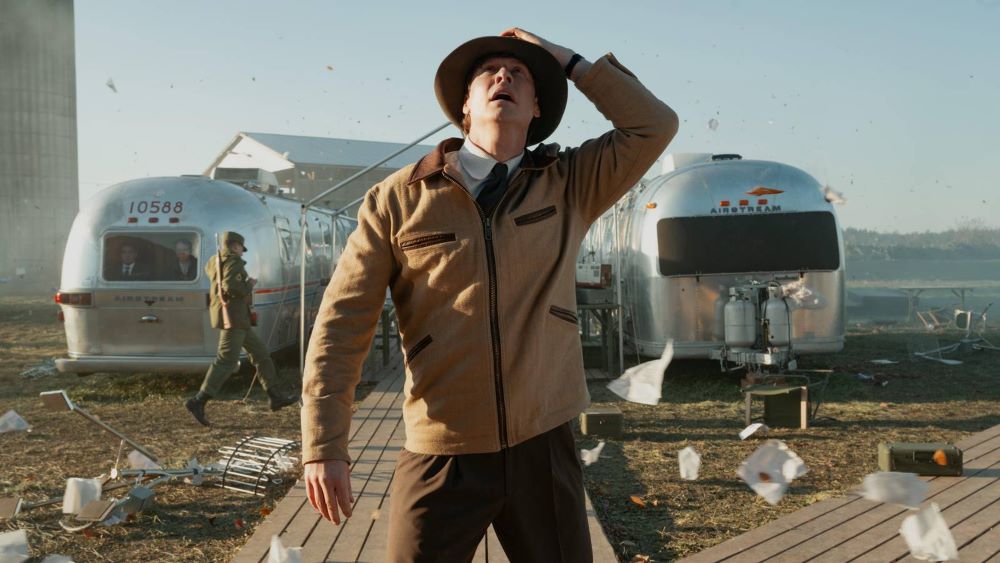
When asked how Bill Randa, one of Monarch’s founders, would react to seeing the organization now, Anders Holm explained that the answer was nuanced. He noted that Randa’s drive and purpose would leave him feeling fulfilled that his work was not all for nothing. At the same time, he might be disappointed that Monarch now focuses more on policing than on searching and coexisting, which was his original intention. Holm reflected on the evolution of Randa’s passion across seasons, observing, “In season one, his strength was his passion, and in season two his weakness is his passion. It leads him to great things in season one, and it takes him from great things in season two.” He highlighted how the same defining trait can serve as both an asset and a flaw depending on circumstance.
Experiencing Two Worlds: Past and Present
The show’s dual timelines created unique dynamics. The interviewer asked Mari Yamamoto how it felt to travel into the modern day while Holm remained in the past. Holm admitted he sometimes felt a touch of FOMO from not interacting with the rest of the cast. Mari, meanwhile, described feeling lucky to work with such a talented ensemble. She noted that her character Keiko had not interacted with a single woman until the very end of the previous season. This absence in the 1950s highlighted the societal context of the time. It made her later interactions with Anna Sawai’s Cate and Kiersey Clemons’ May more meaningful. Mari reflected, “Everybody brings so much. So how Keiko interacts with modern-day people, yeah, it was really fun to explore.”
Keiko and Cate: A Shared Tenacity
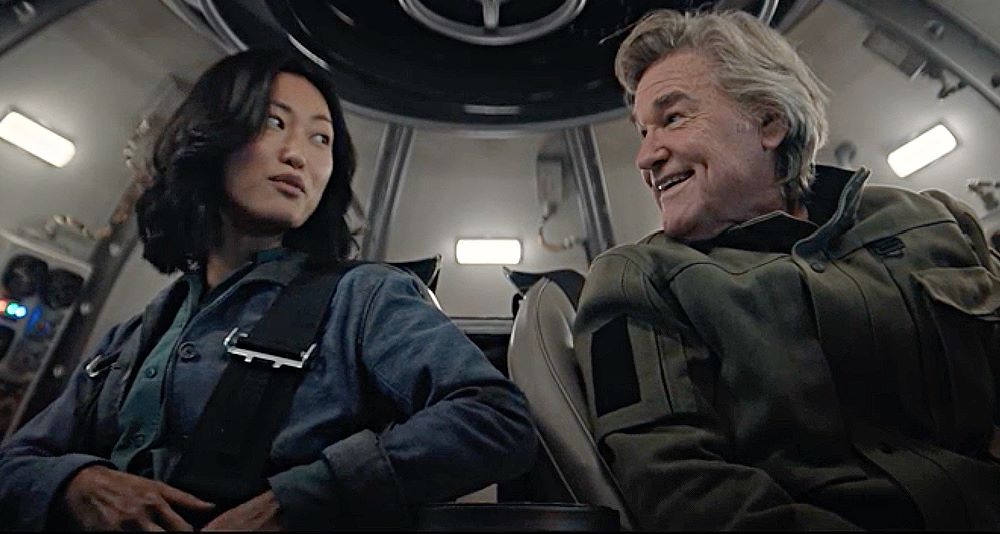
Mari discussed the growing relationship between Keiko and her granddaughter Cate. Both women share remarkable determination. Keiko recognizes and admires Cate’s ability to see things through once she makes up her mind. This quality fosters a sense of pride and continuity across generations.
Cultural Dynamics on Set
The conversation then turned to the dynamics of a diverse set. Anders and Mari reflected on working alongside many Japanese actors and crew members. Mari noted that in Australia, the cast often received comments on how pleasant and conscientious they were to work with. She appreciated the subtle thoughtfulness Japanese people brought to the set. Mari joked about the absence of Japanese snacks but emphasized that the cultural mindfulness enriched the overall experience. Holm added a personal observation, recalling a hotel stay where he noticed the warmth of Australians compared to the quieter Japanese presence. He found it interesting that “everyone was, like, no one has said hi to me in an elevator. And I was, like, oh. Okay.”
Playing Keiko Across Time
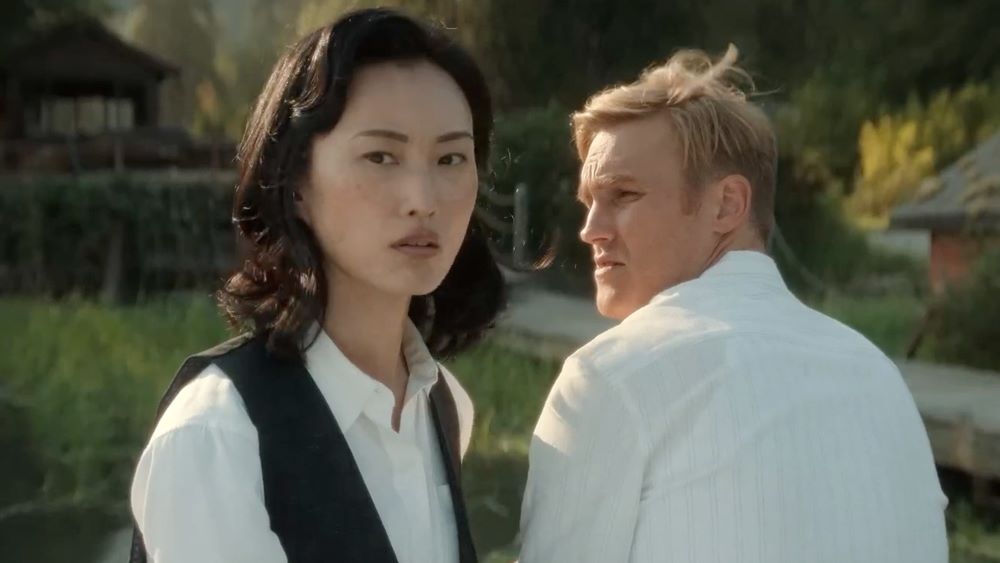
Portraying Keiko in both the 1950s and the modern day presented unique challenges. Mari described the difficulty of maintaining a consistent character across timelines. She compared it to how a fundamentally happy person remains happy even after a car accident, while a fundamentally miserable person remains miserable even after winning the lottery. She noted that Keiko is mission-oriented and uses action as a lifeboat. This emphasizes purpose in a life otherwise marked by loss. Mari described the process as “the biggest jet lag of all time,” tracking two separate performances mentally while adapting physically and emotionally to each timeline.
Balancing Monsters and Personal Drama
The actors discussed how they balance the show’s dual focus on monstrous threats and personal storylines. Mari laughed that Keiko would indeed need therapy after the season’s events. Cate would likely need a therapist as well. Holm agreed it would be ideal if there were a moment to pause the monsters and resolve personal issues. Still, the relentless pace is integral to the story. Both agreed that this exhaustion mirrors the characters themselves. Navigating simultaneous personal and external challenges is part of life — and acting — in a world where “life and monsters don’t sleep.”
Anders’ Perspective on Bill Randa in Season Two
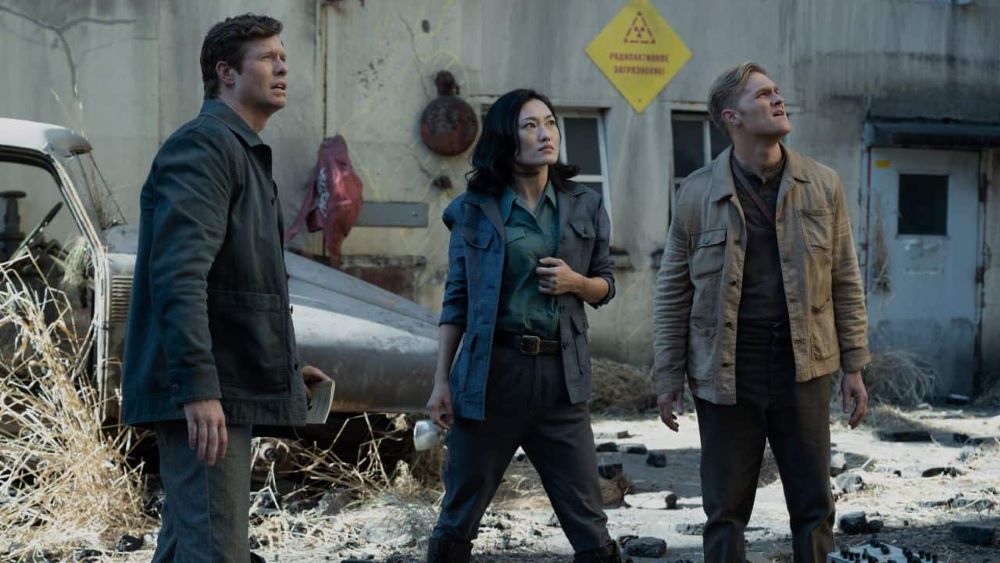
Holm reflected on his appreciation for Bill Randa’s character after filming the new episodes. He observed that while Randa’s passion was a strength in the first season, it becomes a weakness in the second, leading to both triumphs and setbacks. This complexity adds depth to a character whose vision and ideals continue to shape the show’s narrative arc.
Anna Sawai, Kiersey and Joe Interview
Acting Against Imaginary Monsters
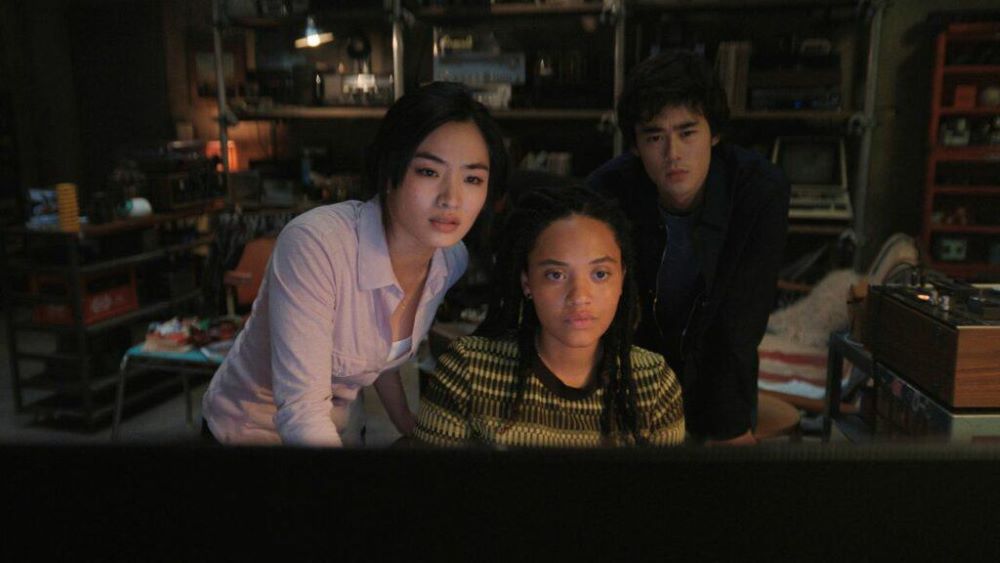
When asked about performing with green screens and CGI, Anna Sawai explained how she conveys real emotion without an actual monster. “I mean, I think we see a lot of images before we start, and then there’s also this thing called previs, where they have an easier kind of motion of the monster on a screen. So I think we do have an idea, and also this season we had our beautiful stunt team. Shannon was wearing a blue suit, and she was like reenacting the movement of the monsters. If it was a bird, she’d kind of play the bird, or we would have a blue round-looking thing that was a scarab. So we kind of had a better idea, and to be able to play off of Shannon and all these different techniques, it was much easier, and I think we all were able to play off of them.”
Asian Cultural Elements in Season Two
Asked whether season two incorporated more Asian cultural elements, Anna reflected on her own background. “Kate is Japanese-American, so for the first time I had to play an American in season one, and that was really fun because I think I’m naturally very Japanese, and so to try to forget my Japanese side and act a little bit more Western… that was a lot of fun to try. Well, I think that for Japanese culture… it’s very universal, I think, this show, right? So we do go to Tokyo. I don’t know how much of the culture is depicted in the show, but I don’t know.”
Joe Tippet added, “I think it’s not overt in any way. There might be subtle stuff, like just in the locations and things, but yeah.”
The Joy of Working With Co-Stars
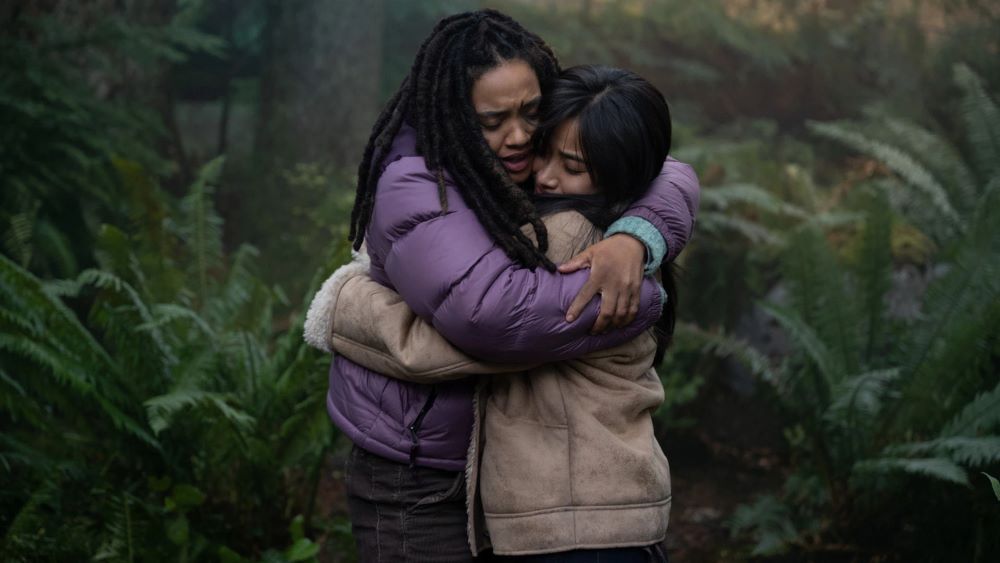
When asked what they love about working with the person to their left, Kiersey Clemons said, “We always have fun on set. We take care of each other in the scene and off it… making sure everyone understands the scene, and that everyone’s happy. But also, I think we’re good at making sure Joe has sunscreen on, and Anna’s drinking water.”
Anna joked, “Kiersey has her diet coke,” while Joe reflected, “It’s a cast full of really talented actors with different processes, but everybody’s process complements the other. Anna asks a lot of questions, which is nice because I learn things I wouldn’t have known otherwise.”
Anna continued, “We’re just friends. We’ve hung out, gone to the zoo together, done Galentine’s… there are also moments where I had a personal sad day, and I was breaking down, and you guys were just so sweet about it.”
Kiersey concluded, “Knowing that you’re safe in that space with your co-workers is beautiful, special, and necessary. We spend more than 12 hours a day together. It’s a really beautiful space creatively. Everyone is super intelligent, passionate, and professional. We really care about the work we do, and I love this cast.”
Swapping Characters
Asked who they would want to play if they could swap characters, Kiersey said, “Who would I want to play? Keiko? Or Lee?”
Anna replied, “I want to be Billy. He’s done nothing wrong. He has literally been a good, good, good guy.”
Joe added, “For me personally, I like Tim, because Tim actually feels more like me as a human being. I always get cast as really terrible people, so I kind of just want this one.”
Differences on Set Between Seasons
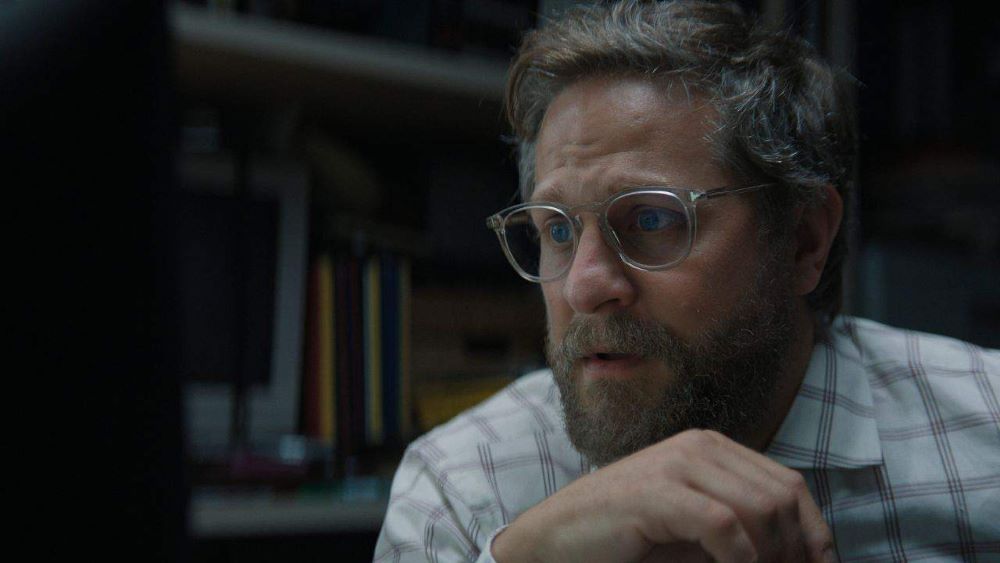
When asked what felt different day to day on set compared with season one, Anna noted, “The location was different. When we were out in nature, we were actually trying to avoid the ticks and the leeches. There was a moment where there was a leech on Ren [Kentaro Randa]. That kind of stuff was real. It was nice to feel a little bit like we had to watch our steps.”
Joe added, “We were in Australia for a good chunk of filming. That distance itself can be kind of isolating — I live in New York, so that’s like 10,000 miles away. It could get pretty lonely and brutal without family or friends nearby. Thank God we’re all such good friends, because we get along.”
Monster Survival 101
Asked what their first lesson would be if they taught a class called Monster Survival 101, Anna answered simply: “Run.”
Kiersey emphasized instinct: “I think I would go with gut feeling. I was once asleep in a tent while camping, and a bear attacked after stalking us all night. They say to get really big, but instinctually, I knew I had to play dead. That’s Survival 101.”
Joe added a humorous spin: “I’d just find all the people slower than me and hang by them, because they’d get eaten first. Really, I think Monster Survival 101 is just good luck.”
Favorite Titan
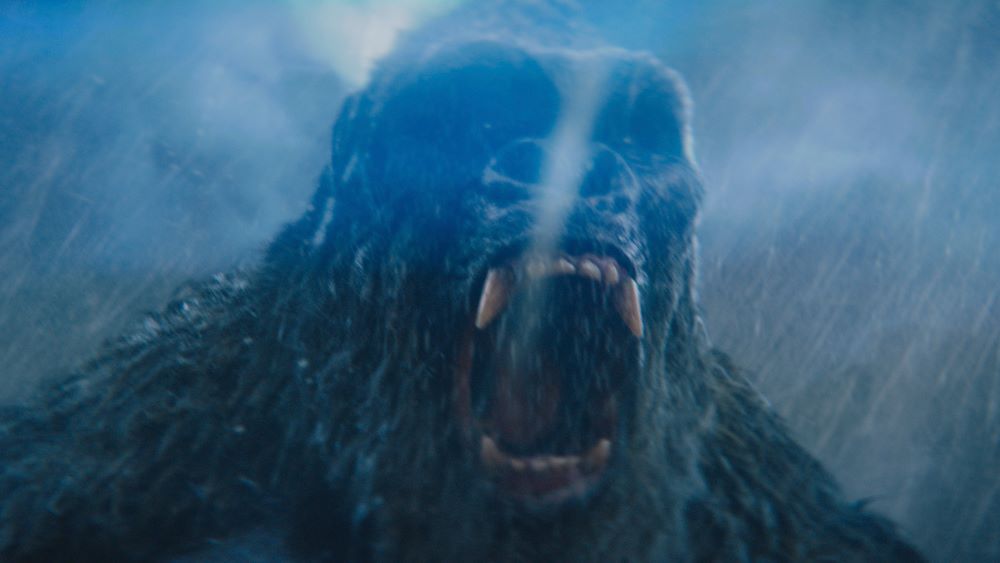
Finally, when asked which titan they personally favor, Anna said, “Ooh, favorite titan. I would say Godzilla still because my character had a connection.”
Joe agreed, “I think it’s Godzilla,” while Kiersey added, “I just like Kong.”
The interviewer concluded, “Godzilla too,” capturing the friendly debate among the cast.
Tory Tunnell Interview
Balancing Scale and Intimacy
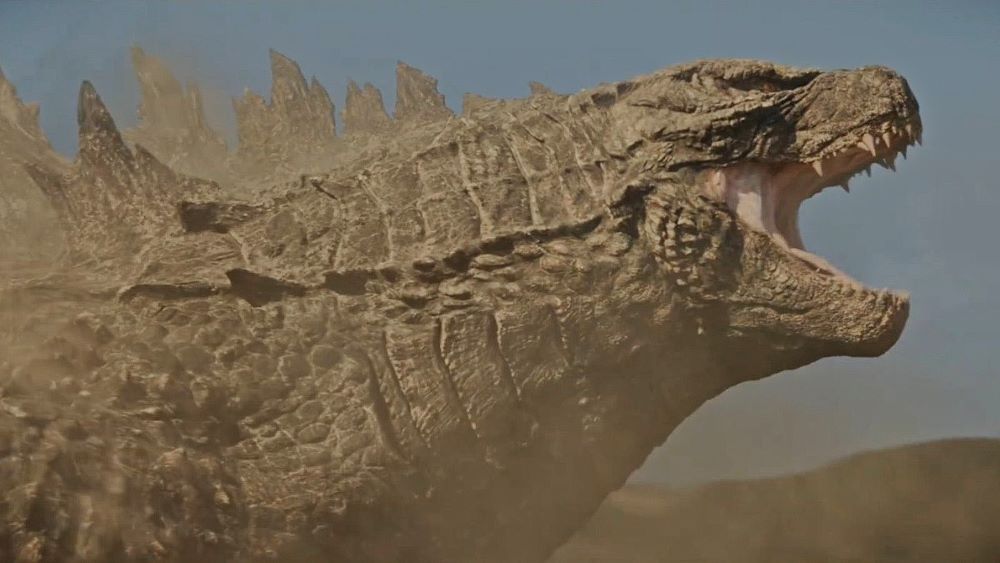
When asked about the challenge of making a show with massive monsters feel watchable on smaller screens, Tory Tunnell explained that the team is aware of the variety of devices viewers use. “We’re aware that people watch shows and television now on everything from their iPhone, iPad, computer, regular size TV, enormous TV, etc. And yet, it’s absolutely our duty to give that scope and scale no matter what. Oftentimes, just even as a producer, I’ll watch a cut on my phone before we’re finished, and I think that you still are imbuing it with all of the scope and scale. Then it’s fun when you do get to see it on a bigger screen; you have a different feeling. But you’re always internalizing the majesty and size of this world and of these monsters, while also balancing it with these very intimate character stories that you could see even on a thumbnail.”
Connecting to the MonsterVerse
Regarding the series’ placement within the larger MonsterVerse, Tunnell reflected on the challenge and opportunity of positioning the show between the films. “For us, it’s a really fun puzzle. When we sold it to Apple, we were in charge of setting the story, and we very intentionally placed it between Gareth Edwards’ Godzilla and Michael Dougherty’s King of the Monsters. That gave us connectivity between the films, and with two timelines, we could backfill questions people may have had in the movies — how did Monarch come to be? Who were the people in charge? But we didn’t just want a Monarch history lesson; we wanted to show people as people, with messy relationships, and that informs the present. That real humanity against the spectacle of these giant monsters is part of our special recipe.”
Using Monsters as Metaphor
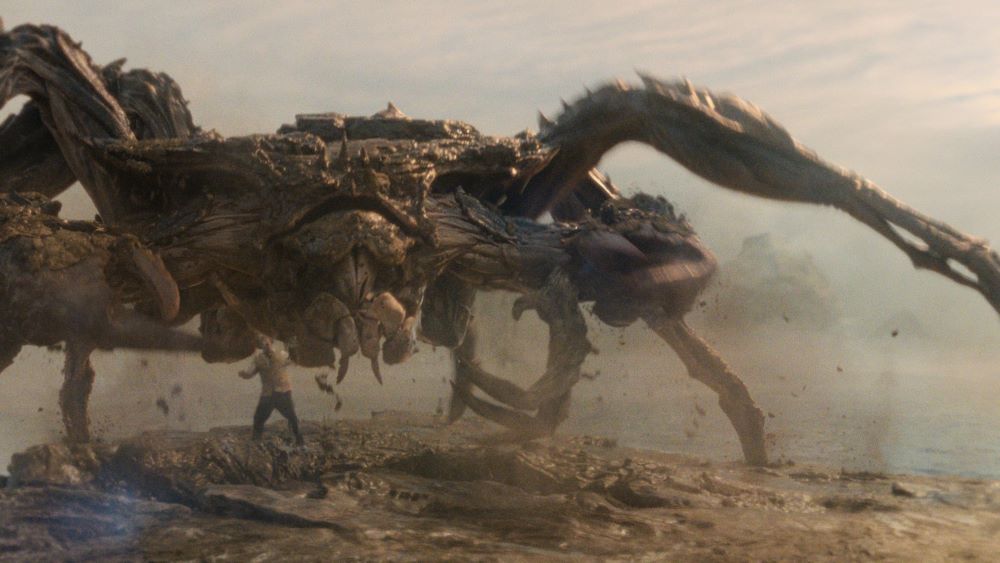
Tunnell also discussed the importance of balancing the massive spectacle with character-driven storytelling. “When we tell this story on television, we don’t want to compete with the feature films’ relentless spectacle. Here, we have time to explore what it’s like to live in a world where monsters are real. The monsters also work as metaphors — inspired by Toho’s Godzilla in post-nuclear Japan, for example. When we developed this in 2018, we joked that Godzilla could represent global warming, then COVID, and it keeps evolving. Monsters resonate because they externalize our own existential dread, the things out of our control. We play with this by showing characters navigating both these external monsters and the monsters in their own lives. Hopefully, letting metaphor inform reality is satisfying.”
Impact on Audience Perspective
When asked whether the show might change how audiences view the previous or future MonsterVerse films, Tunnell said, “That’s a great question. I’d hope the character-driven entry point shows people that monsters are incredibly exciting. Some people might think Godzilla is bad because he knocks over buildings, but actually, he just is — like a hurricane. That duality — thrilling spectacle and metaphor for our own struggles — can draw in people who hadn’t thought the world was for them. It’s exciting when they realize it is.”
Production Challenges
Tunnell was asked about the biggest production challenges for season two, given the writers’ and actors’ strikes and the complexity of special effects. “It reminds me of having three kids — it’s like childbirth, all at once. Making something this ambitious requires a great team with expertise in every department. Communication is key, making sure everyone moves in the same direction. Every head of department is, in my mind, a magician and a superhero; I’m deeply grateful for their partnership because they make the show what it is.”
You can check out the show on the official Apple TV streaming site here.
The 10-episode second season of “Monarch: Legacy of Monsters” will premiere globally on Friday, February 27, 2026, with the first episode, followed by one episode every Friday until May 1, 2026.