![[EXCLUSIVE] Brendan Gan Delivers One of Malaysia’s Best-Ever Worlds Results, Shares Thoughts on Pressure and the Local Scene](https://cdn.gamerbraves.com/2026/08/Brendan-Gan_Interview_FI-360x180.jpg)



![[BIC2026] Hiroaki Nagashima from Toei Games Talks New IPs, Indie Roots, and Asia-First Strategy](https://cdn.gamerbraves.com/2026/08/Toei-Games-BIC-2026_Interview_FI-360x180.jpg)
![[BIC2026] From Outsider to Organizer: How Isabella Seo Jungsook Helped Build Busan’s Indie Game Scene through BIC](https://cdn.gamerbraves.com/2026/08/Isabella-BIC-2026_Interview_FI-360x180.jpg)
![[BIC2026] CanOpener’s Logan Moon Opens Up About Dungeon Settlers Ahead of Its September Early Access Launch](https://cdn.gamerbraves.com/2026/08/Logan-Moon-BIC-2026_Interview_FI-360x180.jpg)

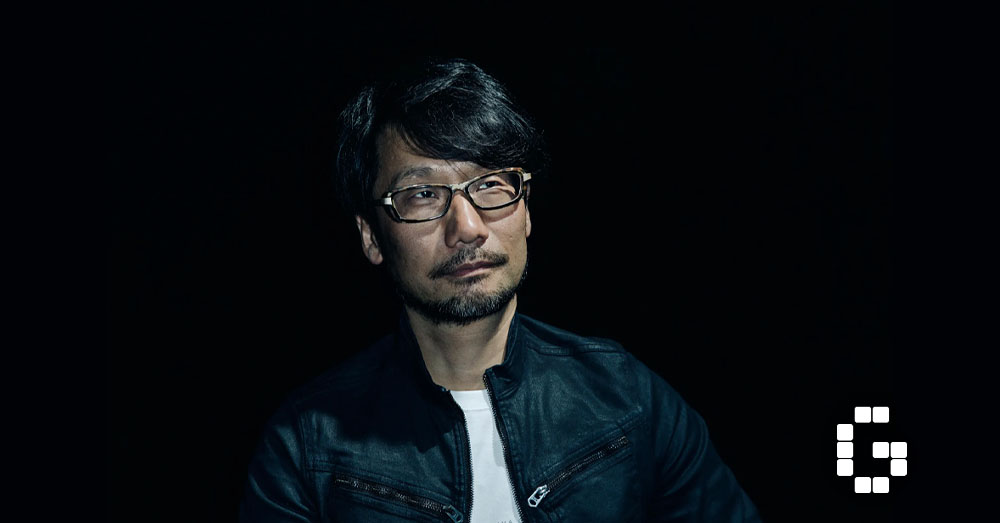
Veteran game creator Hideo Kojima, best known for Metal Gear Solid and Death Stranding, has once again made waves in the industry, this time for his outspoken thoughts on the current state of AAA games.
During an interview with SSense, Kojima said that many big-budget titles are falling into a creative rut, with repetitive aesthetics and predictable gameplay mechanics.
“Even the visuals and the systems are pretty much the same,” Kojima said.
“A lot of people enjoy this, I understand, but it is important to put something really new in there for the industry.”
Kojima made the statement after watching trailers from this year’s Summer Games Fest, where he observed a trend: nearly every game featured either an alien or medieval monster, wrapped in the same photorealistic sheen. While he doesn’t dismiss fans who enjoy these games, Kojima believes developers should challenge themselves more. For him, true creativity comes from risk, not from following trends.
From Fine Art to Game Design Inspiration
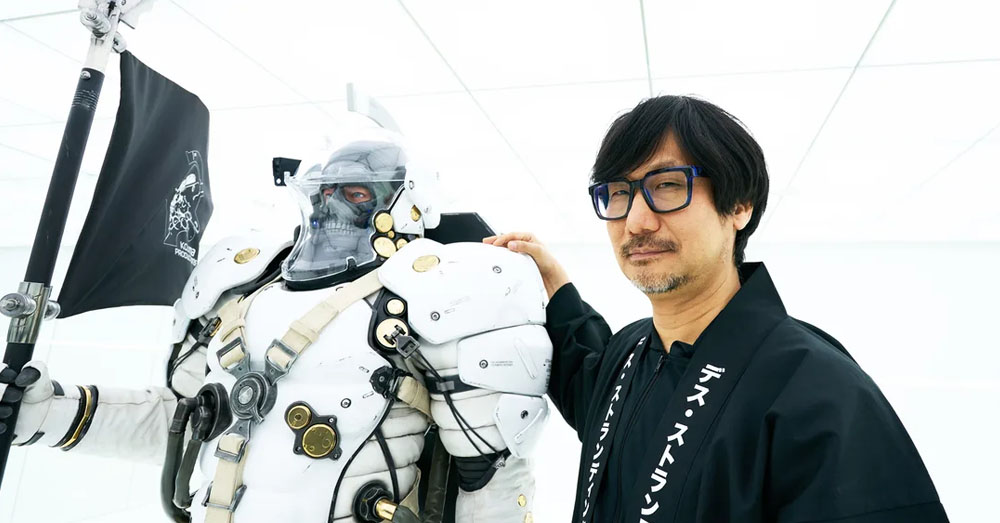
Interestingly, Kojima doesn’t spend much time playing video games himself these days. Instead, his weekends are spent exploring Tokyo’s modern art museums and galleries, where he draws ideas from visual installations and centuries-old paintings. He sees deep connections between artists of the past and game developers of the future.
This outsider perspective is part of what makes his games stand out. Kojima famously refers to Death Stranding as a “strand-type game,” and while its unique mechanics and oddball plot divided players, it remains one of the most talked-about titles of the past decade.
“If there is no risk, there won’t be any good things that would be born,” Kojima explained.
One Brain, One Vision: Kojima’s Auteur Approach
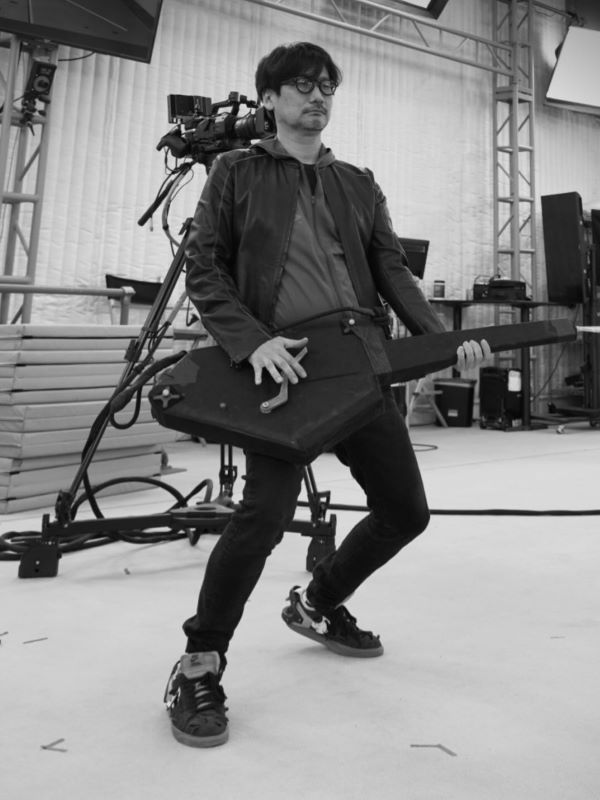
While most AAA games are developed by large, compartmentalized teams, Hideo Kojima approaches game creation differently. He works like a film director, overseeing story, systems, and visuals simultaneously. He compares his process to doing scriptwriting, storyboarding, and production all at once, with no filter between vision and execution.
This full-spectrum control has allowed him to produce experiences like Death Stranding and its sequel, Death Stranding 2: On the Beach, games that feel truly personal, even if they’re not for everyone. According to Kojima, the mixed reactions to his titles don’t bother him. In fact, he expects them.
The Industry Must Evolve
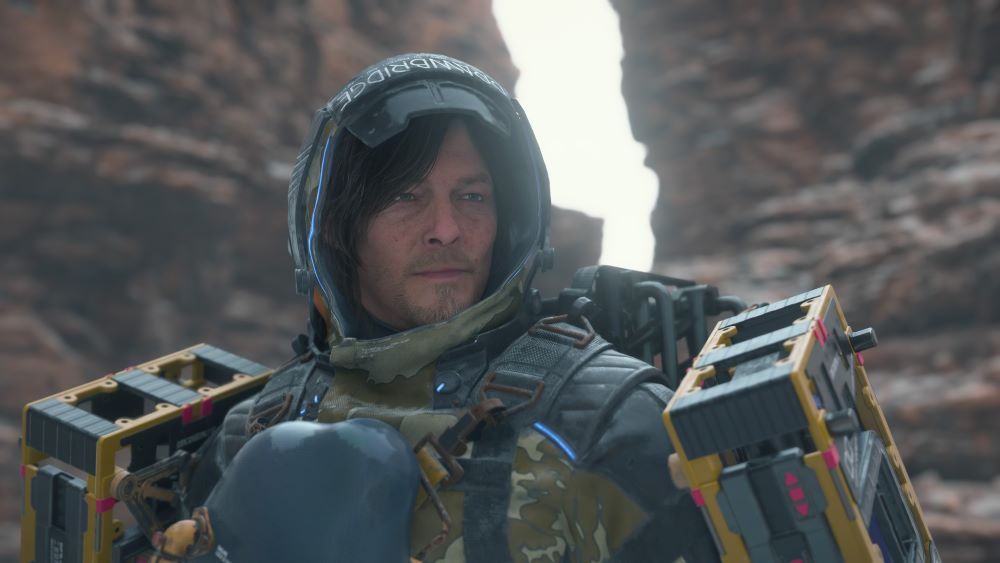
In a time when studios are closing and projects are getting risk-averse, Kojima’s comments come as both a critique and a warning. While acknowledging that the business side of gaming often forces safe bets, he insists that the industry needs new, bold ideas to move forward.
While he’s now fully focused on his own projects, including OD and Physint, he says the true legacy of his games will be measured 10 or 20 years from now, not today.
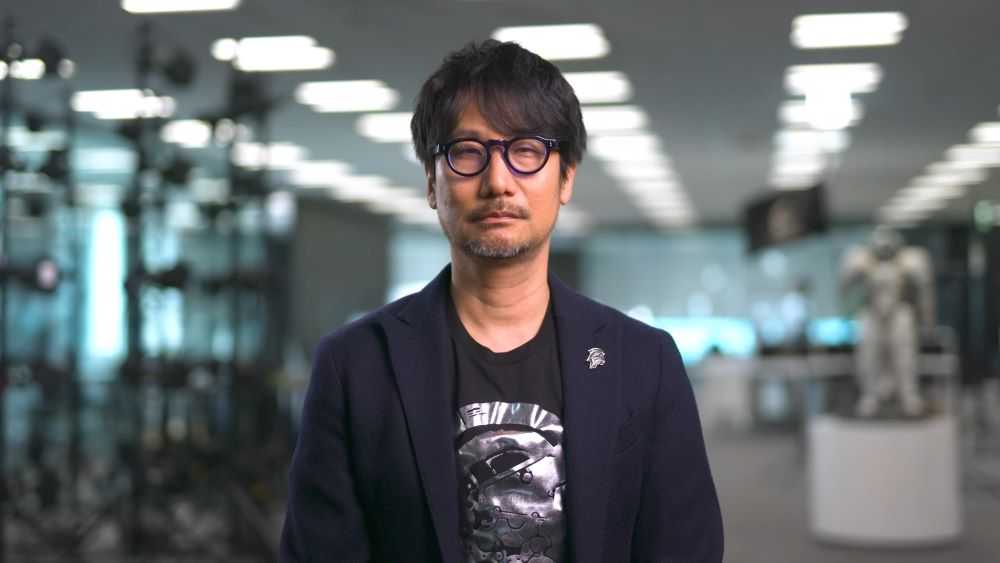
Kojima’s boldness may not always be met with universal praise, but it continues to shape the conversation around what games can be. With AAA titles increasingly playing it safe, his voice is a critical reminder that we need more originality in mainstream game design.
Whether or not you’re a fan of his games, Hideo Kojima remains a rare force in gaming: a developer unafraid to fail in the pursuit of something truly new.