




![[EXCLUSIVE] Brendan Gan Delivers One of Malaysia’s Best-Ever Worlds Results, Shares Thoughts on Pressure and the Local Scene](https://cdn.gamerbraves.com/2026/08/Brendan-Gan_Interview_FI-360x180.jpg)






![[BIC2026] Hiroaki Nagashima from Toei Games Talks New IPs, Indie Roots, and Asia-First Strategy](https://cdn.gamerbraves.com/2026/08/Toei-Games-BIC-2026_Interview_FI-360x180.jpg)
![[BIC2026] From Outsider to Organizer: How Isabella Seo Jungsook Helped Build Busan’s Indie Game Scene through BIC](https://cdn.gamerbraves.com/2026/08/Isabella-BIC-2026_Interview_FI-360x180.jpg)
![[BIC2026] CanOpener’s Logan Moon Opens Up About Dungeon Settlers Ahead of Its September Early Access Launch](https://cdn.gamerbraves.com/2026/08/Logan-Moon-BIC-2026_Interview_FI-360x180.jpg)


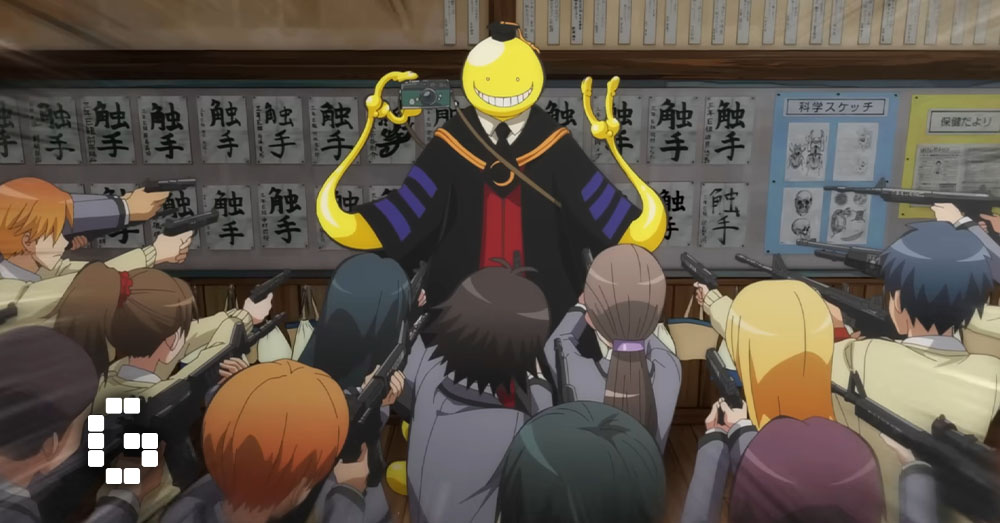
A decade has passed since the conclusion of Assassination Classroom, and Assassination Classroom: Our Time feels like a long-overdue reunion with Class 3-E. The film invites audiences back into the world of Kunugigaoka Junior High, where absurdity, comedy, and heartfelt moments now carry an added layer of nostalgia and emotional weight. What once felt like ordinary school days are now treasured memories.

A Story of “Assassination” and “Growth”
At its core, Assassination Classroom: Our Time retains the original premise that made the series so distinctive. Class 3-E, the lowest-ranked class at Kunugigaoka, is tasked with the impossible mission of assassinating their homeroom teacher, Koro-sensei—the self-proclaimed “most dangerous creature on Earth.”
But the film’s charm isn’t in the assassination plot—it’s in the education. Koro-sensei’s unconventional, humorous, and deeply compassionate methods guide his students to confront their weaknesses, overcome personal struggles, and discover their potential. Beneath the comedy, the story consistently explores themes of growth, self-identity, and the bonds formed through shared challenges.
A “Reunion Film” Built on Memories

Set 15 days before graduation, the film unfolds as students reminisce about their time with Koro-sensei. Its episodic structure leans more toward a compilation than a traditional cinematic narrative, focusing on small, meaningful interactions rather than a linear plot.
First Half: Everyday Moments with Emotional Resonance
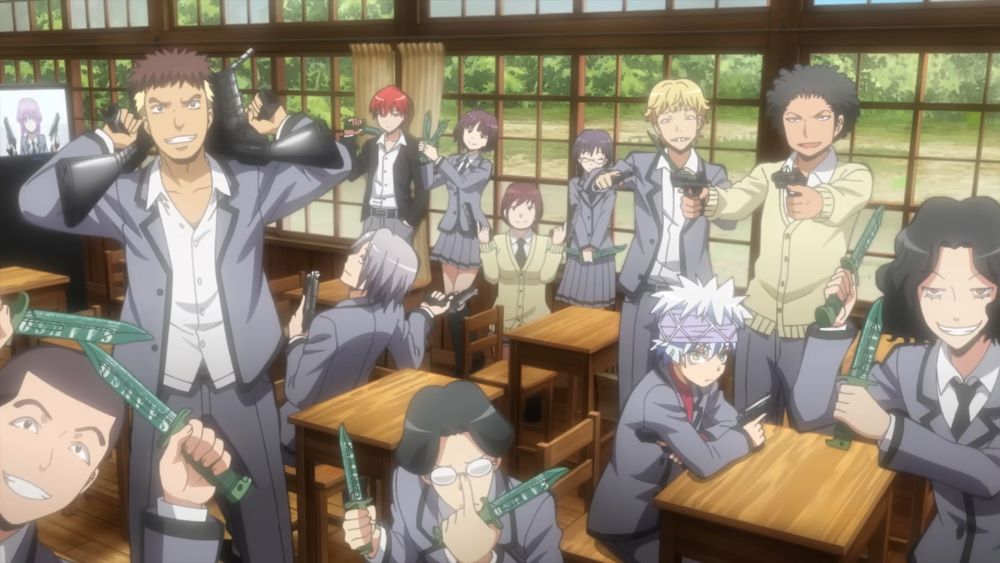
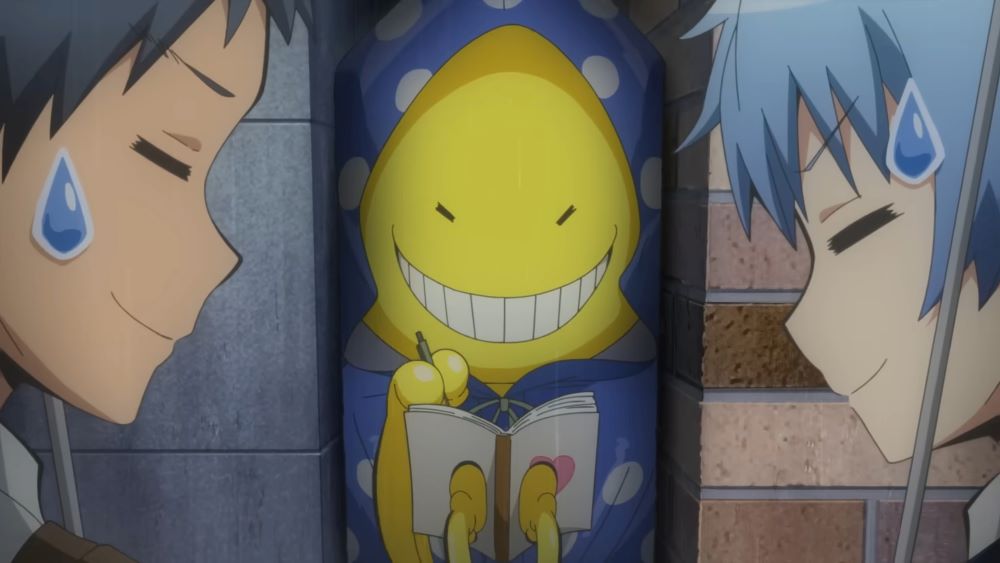
The first half of the film captures the spirit of the original series with a series of short, relatable stories:
- Pulling pranks with Koro-sensei
- Supporting classmates through harassment
- Standing up for the bullied
These everyday moments feel ordinary on the surface but are effective precisely because of their grounded, nostalgic approach. The classroom atmosphere—filled with teasing, laughter, and shared memories—is convincingly recreated, bringing the feeling of youth vividly back to life.
Second Half: A Side Story with Assassins
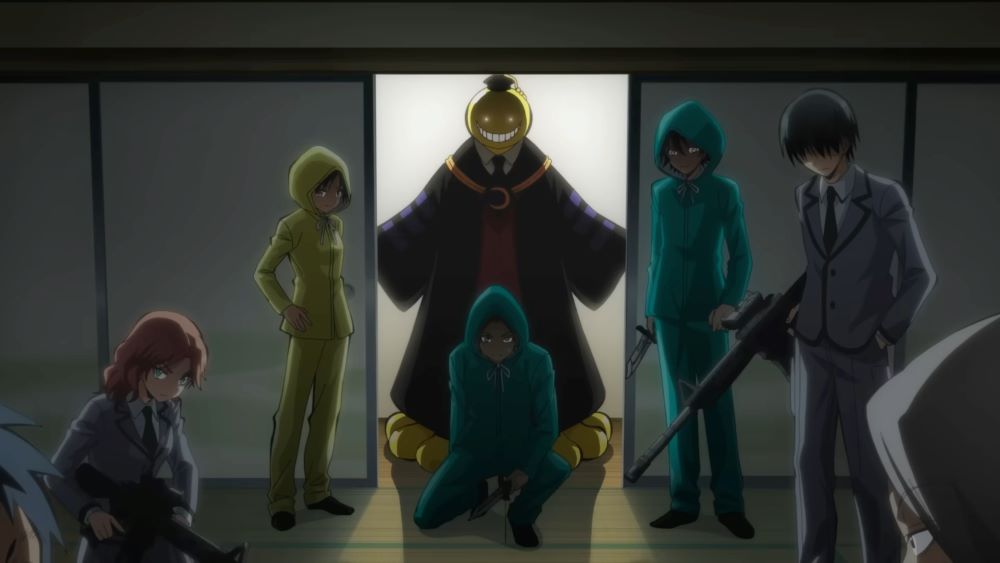
The second half shifts to a longer story set during Koro-sensei’s winter break, involving four assassins. While entertaining, this segment feels somewhat disconnected from Class 3-E’s daily life, making it seem more like a standalone side story. For a tenth-anniversary film, the focus on the broader assassination world rather than the students’ interactions slightly undermines the emotional balance fans might expect.
Character Focus
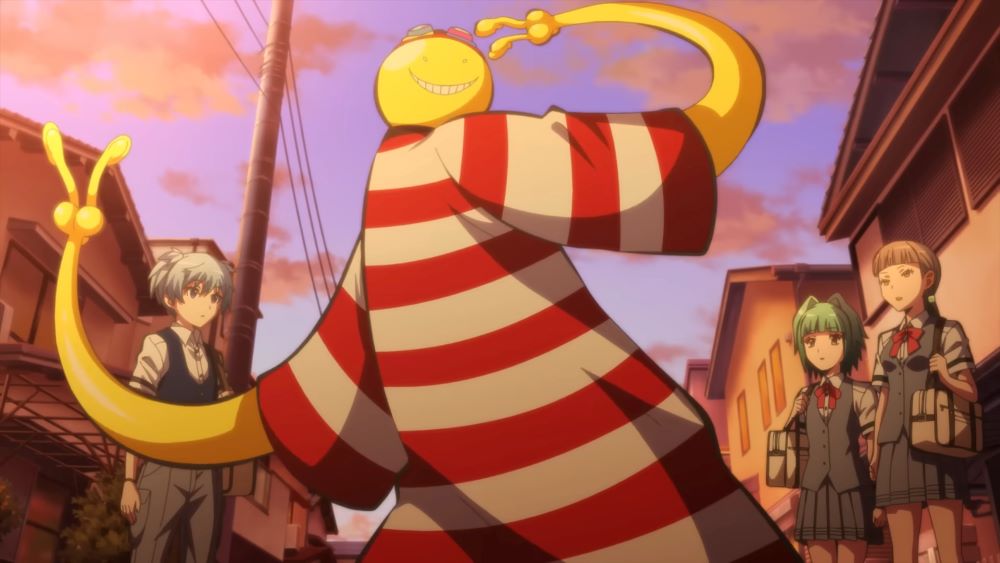
The film adopts an ensemble approach, giving most Class 3-E members moments to shine. However, core characters like Nagisa Shiota, Karma Akabane, and Kaede Kayano, while consistently present, lack concentrated narrative arcs. Combined with the heavy reliance on flashbacks, real-time interactions with Koro-sensei are limited, slightly weakening the emotional progression for these central characters.
Production Quality
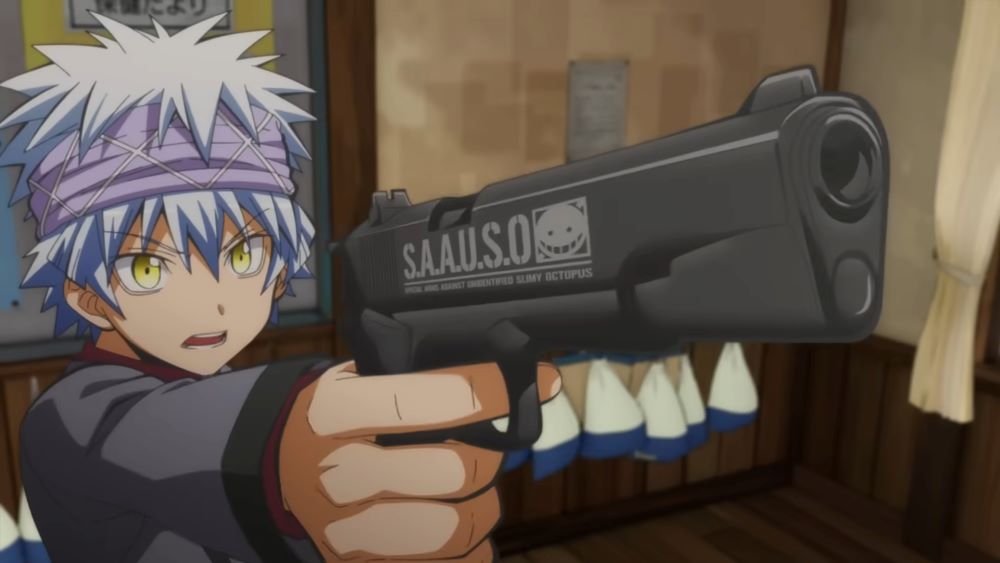
Assassination Classroom: Our Time maintains high production standards. The animation mirrors the original series, the soundtrack supports the emotional tone, and voice acting remains excellent. The experience feels unmistakably like “the Assassination Classroom we remember.” For a commemorative project, this fidelity is a strength rather than a limitation.
A Fan-Focused Emotional Epilogue
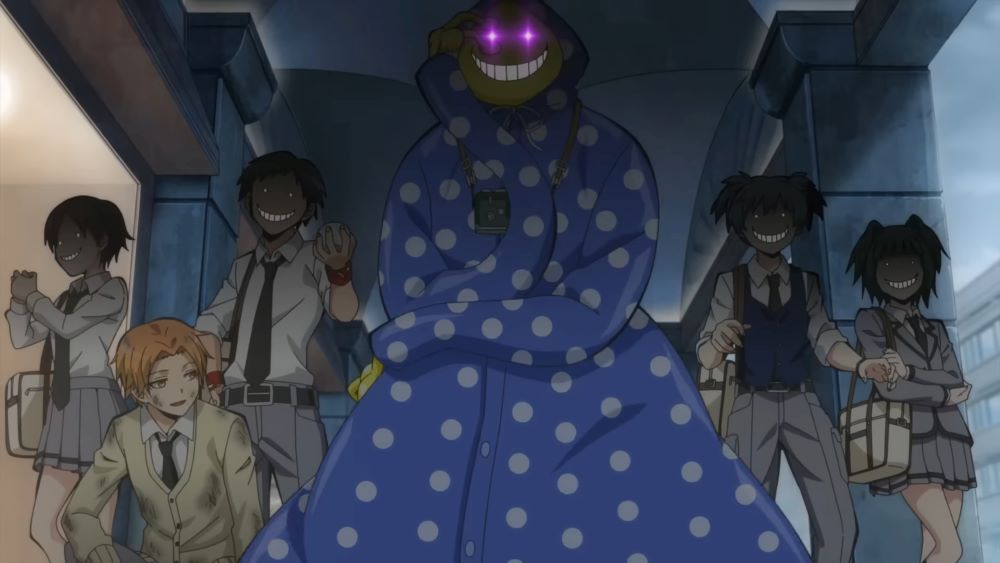
This film is clearly aimed at longtime fans. Seeing Class 3-E after ten years is a powerful, emotional experience. The post-credits scene, in particular, delivers a quiet yet impactful payoff.
For newcomers, the episodic structure is easy to follow, though the emotional resonance may not hit as deeply without familiarity with the original series.
Conclusion
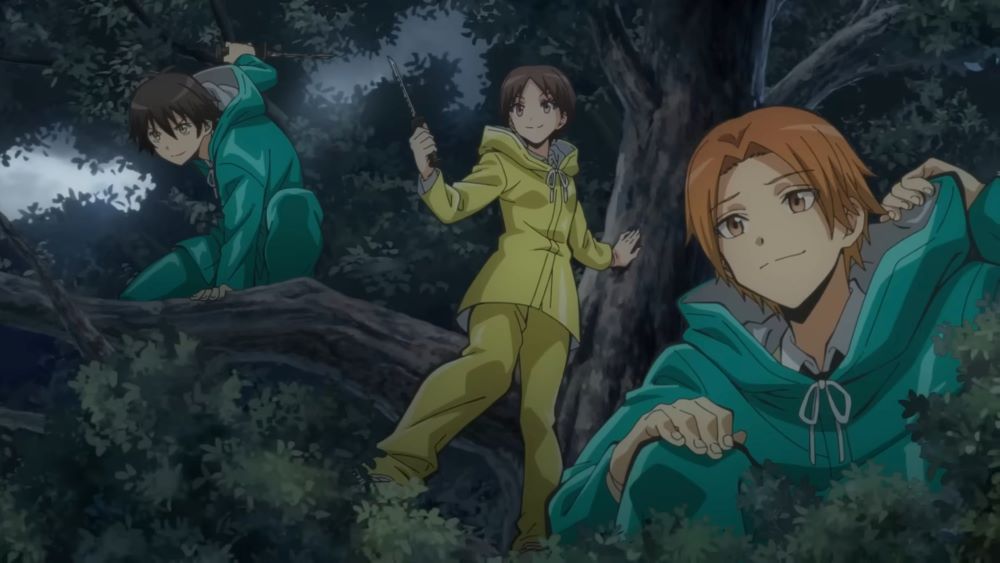
Assassination Classroom: Our Time does not attempt to be a cinematic spectacle or a fully standalone sequel. Instead, it focuses on what matters most: memory. Through short, everyday stories and a longer side segment, it fills in unadapted moments from the original series and offers fans a heartfelt reunion with Class 3-E.
The Review
PROS
- Strong emotional resonance, with a convincing “class reunion” atmosphere
- Faithfully retains the original tone and style
- Easy-to-watch episodic structure with a low entry barrier
CONS
- Feels more like a compilation than a full cinematic narrative
- Second half shifts away from Class 3-E, creating an uneven story balance