![[EXCLUSIVE] Brendan Gan Delivers One of Malaysia’s Best-Ever Worlds Results, Shares Thoughts on Pressure and the Local Scene](https://cdn.gamerbraves.com/2026/08/Brendan-Gan_Interview_FI-360x180.jpg)




![[BIC2026] Hiroaki Nagashima from Toei Games Talks New IPs, Indie Roots, and Asia-First Strategy](https://cdn.gamerbraves.com/2026/08/Toei-Games-BIC-2026_Interview_FI-360x180.jpg)
![[BIC2026] From Outsider to Organizer: How Isabella Seo Jungsook Helped Build Busan’s Indie Game Scene through BIC](https://cdn.gamerbraves.com/2026/08/Isabella-BIC-2026_Interview_FI-360x180.jpg)
![[BIC2026] CanOpener’s Logan Moon Opens Up About Dungeon Settlers Ahead of Its September Early Access Launch](https://cdn.gamerbraves.com/2026/08/Logan-Moon-BIC-2026_Interview_FI-360x180.jpg)

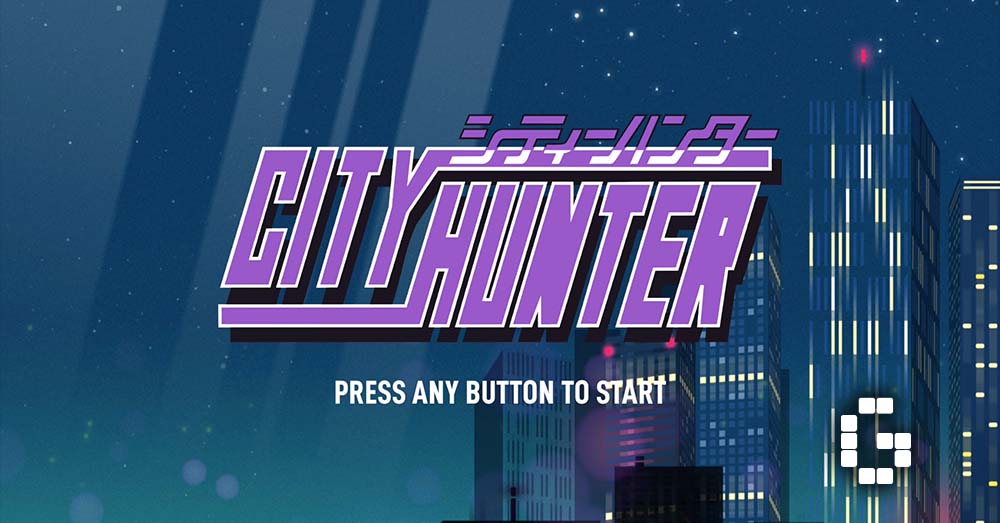
City Hunter arrives on Nintendo Switch as both a preservation effort and a curiosity piece — a long-lost adaptation of a beloved manga finally made accessible to a global audience more than three decades after its original release. Developed by Red Art Games, SUN Corporation, and SUNSOFT, and published by Clouded Leopard Entertainment and SUN Corporation, the game carries historical value and undeniable retro charm. Unfortunately, while this version makes meaningful improvements to presentation and accessibility, the underlying experience reveals why City Hunter remained a relic of its era rather than a timeless classic. We got to experience the return of this title on the Nintendo Switch 2.
A Classic Finally Returns — But Time Has Not Been Kind
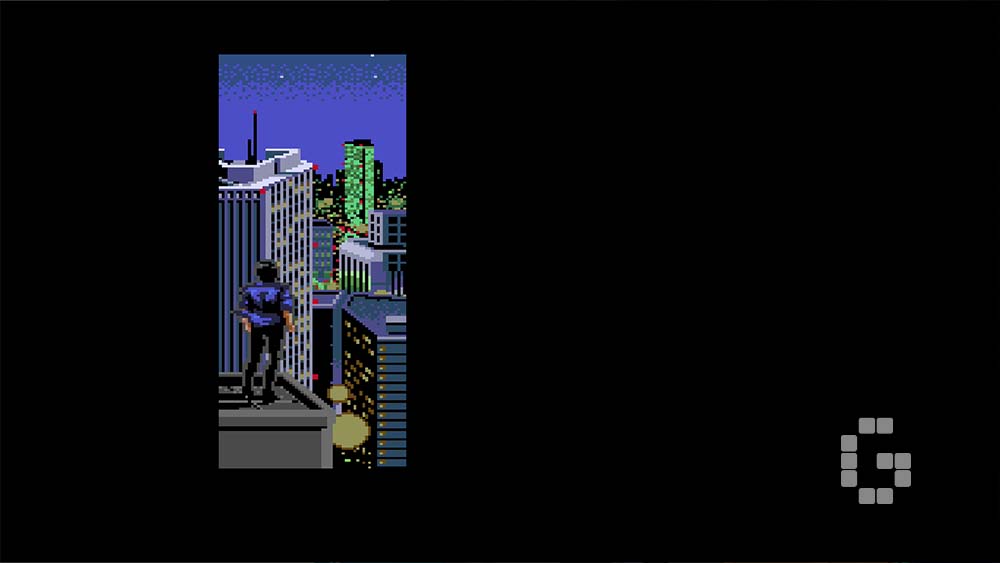
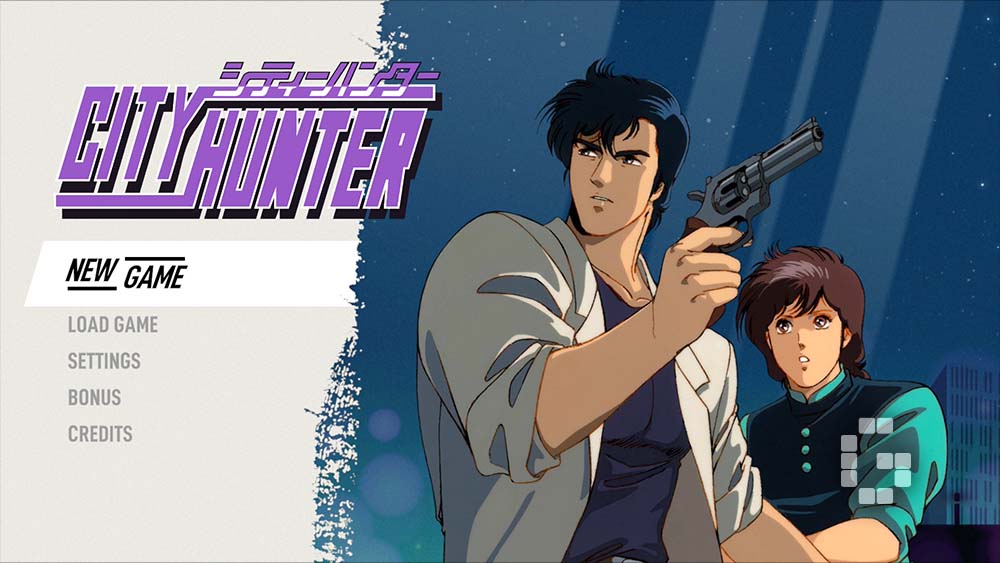
Based on Tsukasa Hojo’s iconic manga, City Hunter places players in the shoes of Ryo Saeba, a professional “sweeper” who operates somewhere between detective, bodyguard, and hired gun. The setup leans heavily into episodic storytelling, with missions framed as individual cases involving criminal organizations and conspiracies. Fans of the anime will recognize the tone immediately — equal parts action and comedy — but narrative delivery is minimal once gameplay begins.
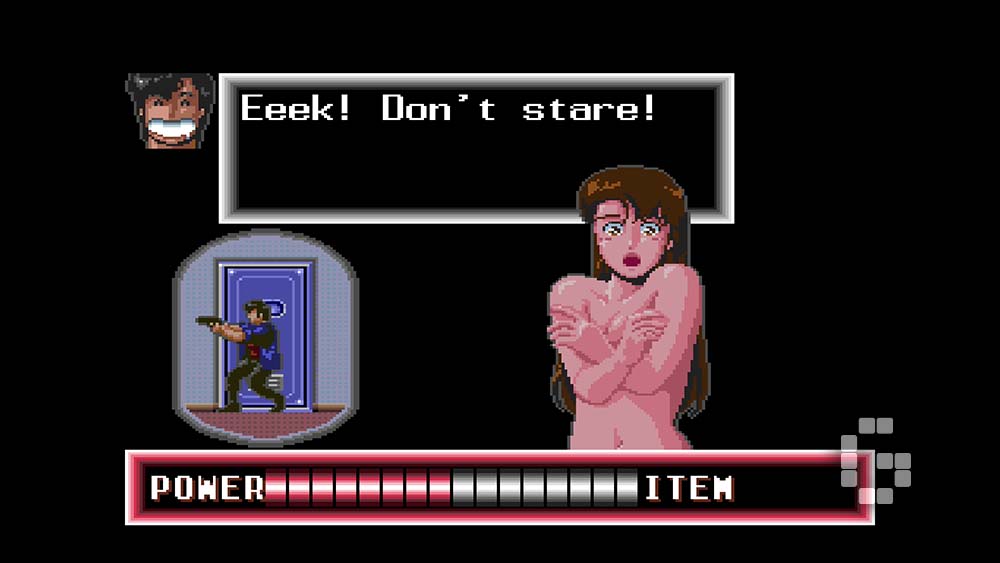
Aside from a strong opening presentation and occasional text sequences, storytelling largely fades into the background. Characters exist more as framing devices than active participants, and the game rarely capitalizes on the personality or humor that made the source material memorable. What remains is a structural skeleton meant primarily to push players into the next stage.
Simple Run and Gun Design
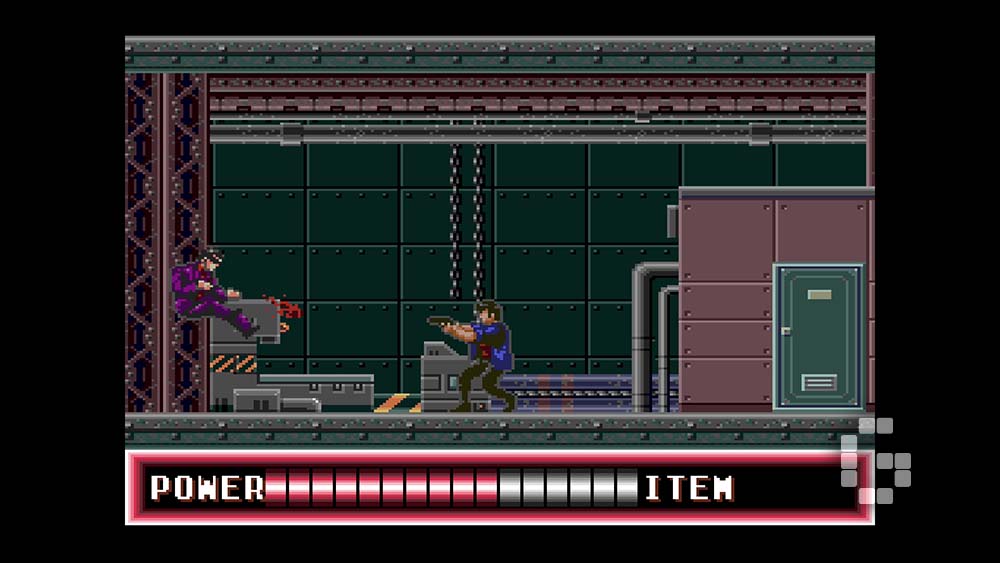
At its core, City Hunter is a 2D side-scrolling action game with light run-and-gun mechanics. Movement is straightforward: run, jump, shoot, and navigate interconnected rooms filled with enemies. The design emphasizes exploration within maze-like environments, requiring players to locate keys or NPCs to progress through locked pathways.
Initially, this structure creates a sense of discovery. Opening doors and uncovering the correct route feels satisfying during the early stages. However, repetition quickly sets in. Hallways begin to blur together, environmental variety is minimal, and progression often devolves into aimless wandering rather than intentional exploration.
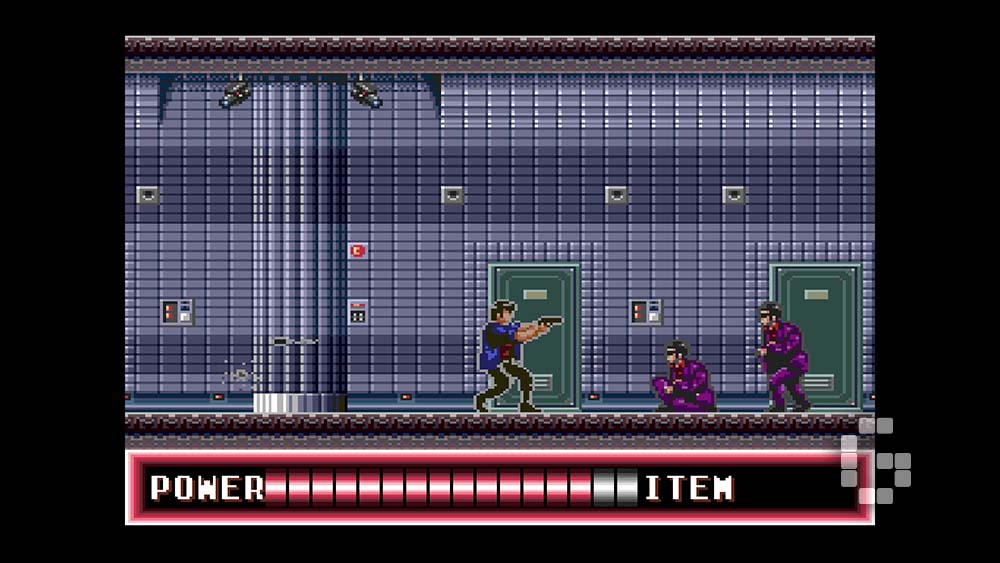
Combat itself is functional but shallow. Ryo’s moveset remains extremely limited throughout the game, and while additional weapons exist, they do little to fundamentally change how encounters play out. Enemy encounters repeat frequently, and without meaningful progression systems or evolving mechanics, gameplay stagnates long before the credits roll.
The game’s brevity also becomes more noticeable once its structure is understood. City Hunter contains only three playable scenarios, each acting as a standalone case. While this episodic format fits the source material thematically, it results in an experience that ends just as players begin to settle into its mechanics. Combined, these scenarios can be completed in roughly one to two hours, leaving little room for escalation or mechanical growth.
Ironically, the short runtime prevents the game from overstaying its welcome, but it also reinforces how little depth exists beneath the surface.
Enhanced and Hard Modes Add Value — But Not Longevity
The Nintendo Switch 2 release includes multiple versions of the game: the original experience alongside Enhanced Mode and Hard Mode. Enhanced Mode introduces welcome refinements such as improved responsiveness, bug fixes, better screen positioning, and general quality-of-life adjustments that make gameplay noticeably smoother.
Hard Mode attempts to serve returning players by remixing enemy placement, increasing aggression, and adjusting damage values. While this adds challenge, it doesn’t fundamentally solve the game’s biggest issue — repetition. Difficulty changes alone cannot compensate for limited level variety or simplistic design.
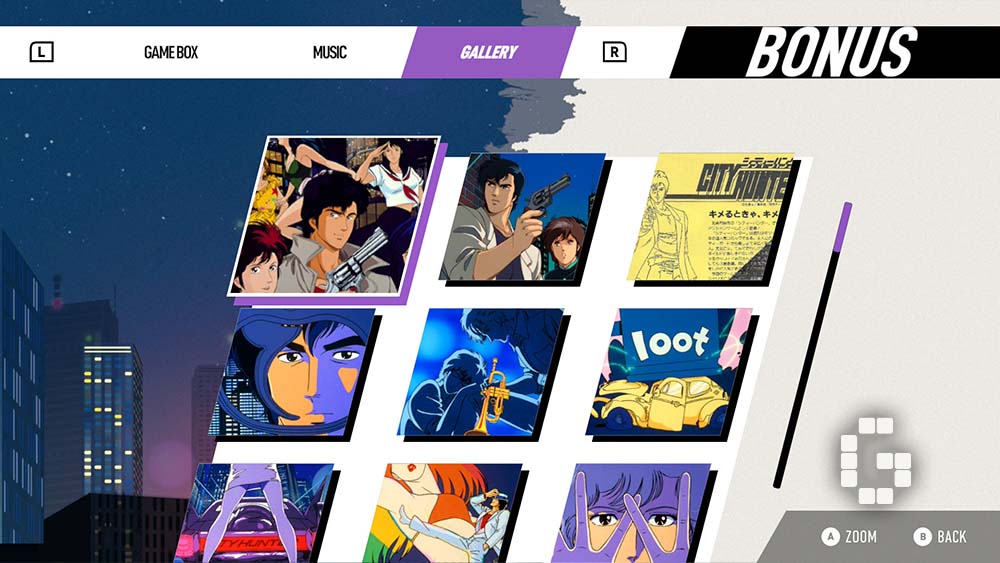
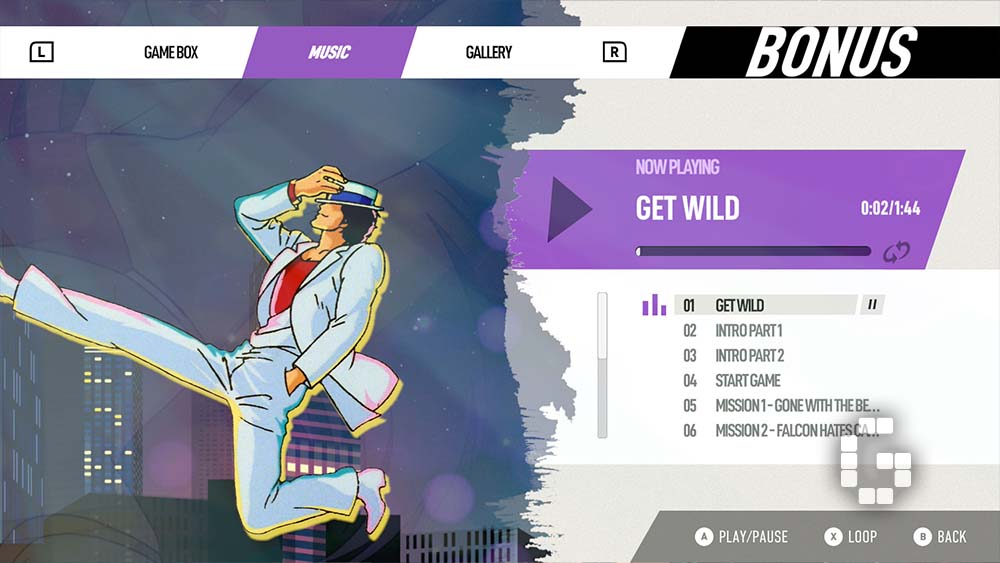
Modern conveniences like save states, rewind functionality, CRT filters, and adjustable aspect ratios are excellent inclusions. A gallery featuring artwork, manuals, and music tracks further reinforces the archival value of the release. From a preservation standpoint, this is easily the definitive way to experience City Hunter.
But preservation and engagement are not the same thing.
Style Over Substance
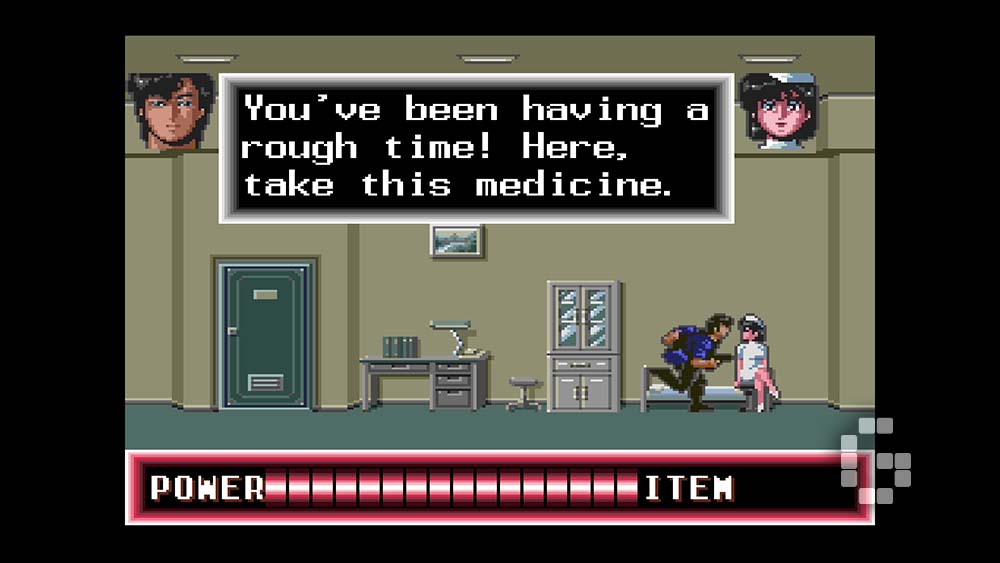
One area where City Hunter genuinely shines is presentation. The pixel art is impressively detailed for its era, with expressive character sprites and striking cutscene visuals that still hold aesthetic appeal today. The soundtrack complements the action with energetic synth-driven compositions that evoke late-80s anime atmosphere effectively.
These strengths, however, highlight a recurring contradiction: the game looks far more exciting than it actually feels to play. The visuals promise dynamism that the gameplay rarely delivers.
A Historical Curiosity at a Modern Price
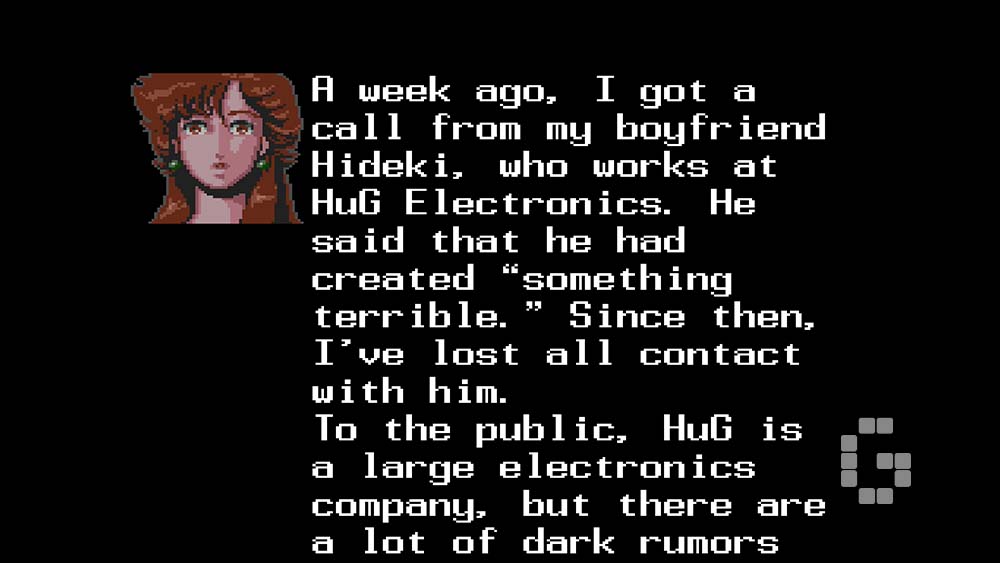
City Hunter ultimately feels less like a rediscovered classic and more like an interesting historical artifact. Its importance lies in accessibility — finally allowing global audiences to experience a previously Japan-exclusive title — rather than in delivering a compelling modern gameplay experience.
At around RM116 (USD 24.99), the value proposition becomes difficult to justify. While the package includes thoughtful extras and respectful enhancements, the core game remains brief, repetitive, and lacking replayability. Once completed, there is little incentive to return beyond curiosity or nostalgia.
For retro enthusiasts and hardcore fans of the franchise, City Hunter may hold appeal as a collectible experience. For most players, however, it struggles to compete with the depth and variety expected from modern releases — even within the retro revival space.
Verdict
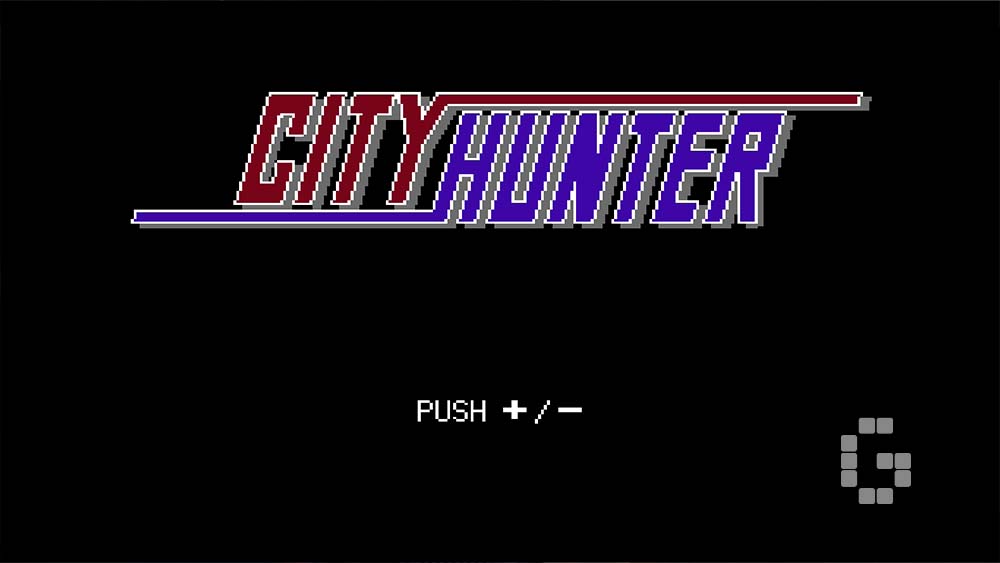
City Hunter on Nintendo Switch 2 succeeds as a preservation project but falls short as a compelling standalone game in 2026. Its historical significance and visual charm cannot fully overcome shallow mechanics, repetitive design, and limited longevity. It’s an interesting piece of gaming history — just not an especially engaging one.
The Review
PROS
- Beautiful retro pixel art and strong anime presentation
- Appreciated modern quality-of-life features (save states, rewind)
CONS
- Repetitive maze-like level design
- Very short runtime with minimal replayability
- Shallow combat mechanics
- Limited narrative presence despite strong source material
- Difficult to justify the RM 116 / USD 24.99 price tag for the content offered


![[GUIDE] Star Savior Codes & How to Redeem Them](https://cdn.gamerbraves.com/2026/03/Star-Savior-Codes_Guide_FI-75x75.jpg)