








![[EXCLUSIVE] Beyond the Base Game: Cygames on What Endless Ragnarok Means for Granblue Fantasy: Relink](https://cdn.gamerbraves.com/2026/06/GBF-Relink-Endless-Ragnarok-Exclusive_Interview_FI-360x180.jpg)


The Japan Patent Office (JPO) has rejected one of Nintendo’s patent applications tied to its ongoing dispute with Palworld developer Pocketpair. The decision raises new doubts about two of the three Japanese patents Nintendo is using against the studio.
JPO Points to ARK, Monster Hunter, and Craftopia
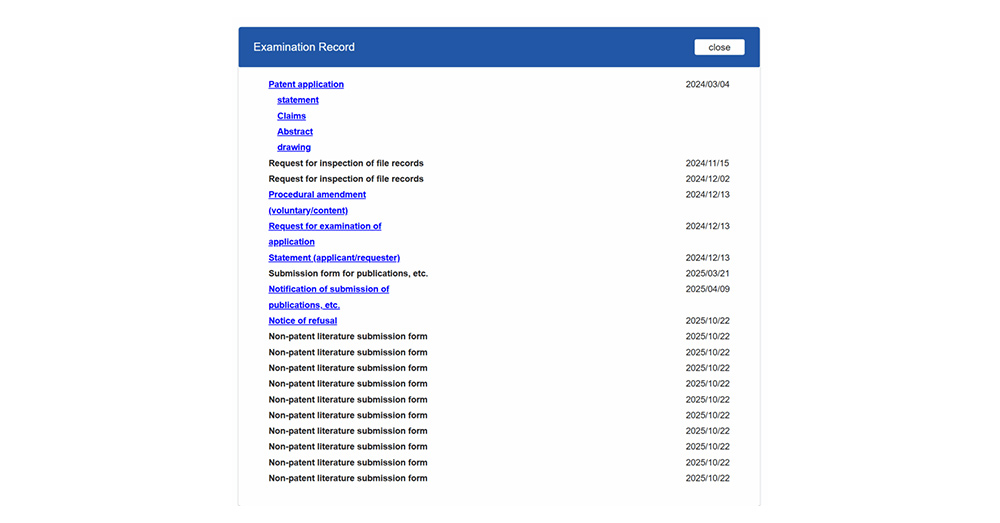
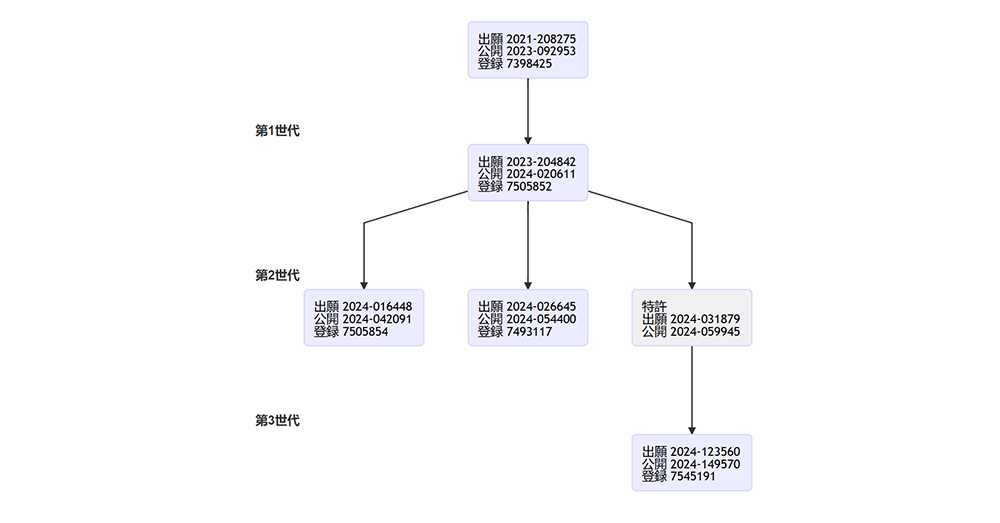
The rejected application, numbered 2024-031879, is part of Nintendo’s “monster capture” patent family used in the case against Pocketpair. The JPO ruled that the patent lacked an inventive step after reviewing prior art from several existing games according to reports.
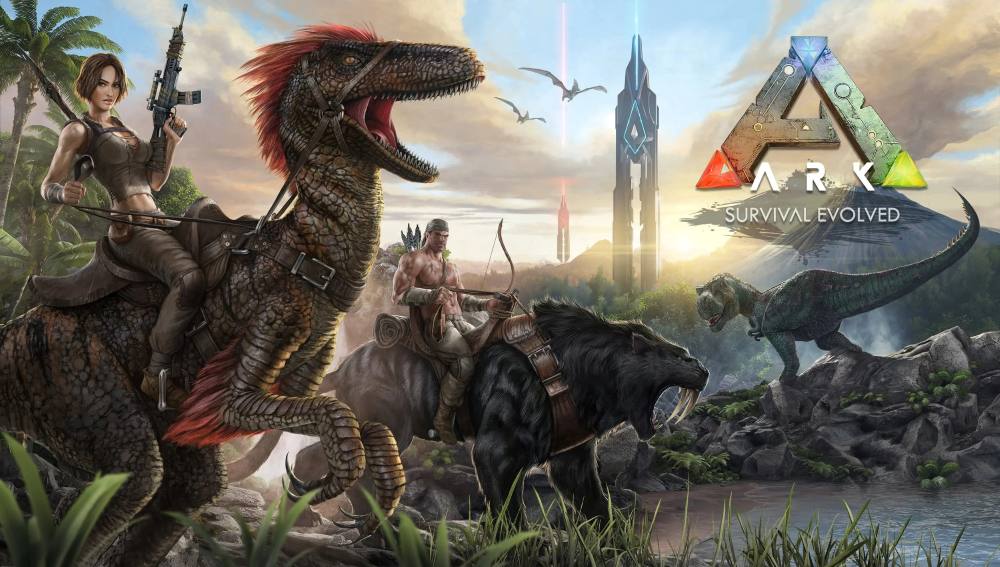
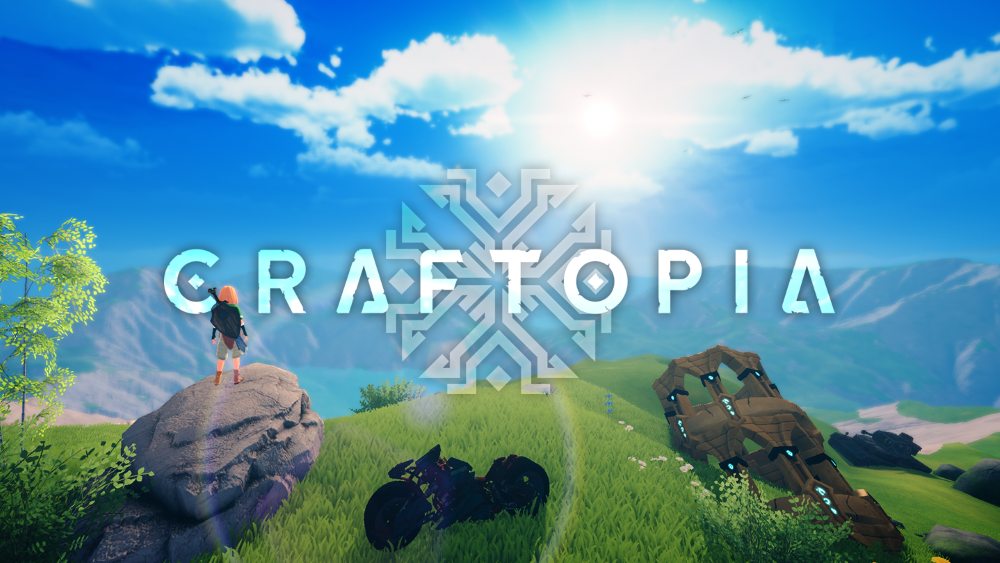
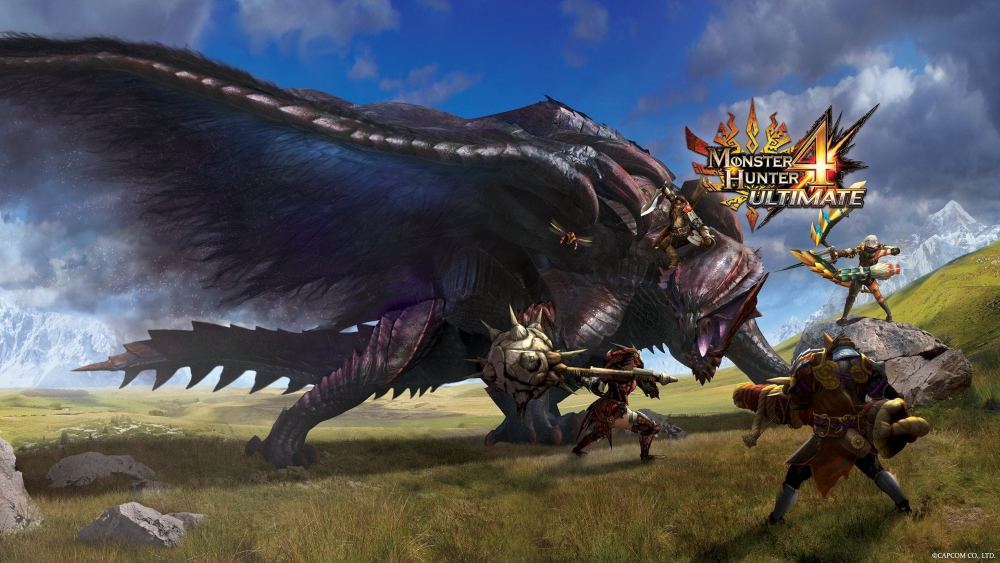
Those games include Studio Wildcard’s ARK: Survival Evolved, Capcom’s Monster Hunter 4, Pocketpair’s Craftopia, the browser title Kantai Collection, and Pokémon GO. The rejection followed a third-party submission of prior art. While the JPO did not name the submitter, the timing and overlap with Pocketpair’s defenses make it likely that the company was involved.
Nintendo Faces Next Steps
Nintendo can either abandon the application or submit an amended version to address the examiner’s concerns. If that fails, the company may appeal to Japan’s Intellectual Property High Court (IPHC), a process that could stretch on for months.
This development complicates Nintendo’s legal strategy. The company has insisted that Palworld infringes on its “monster capture” systems inspired by Pokémon. However, the JPO’s reliance on real games as prior art makes that position harder to defend.
Although the rejection does not directly affect the Tokyo District Court case, it may influence the outcome. Judges often consider patent examiners’ findings, especially when technical reasoning is involved. Pocketpair could use the JPO decision to strengthen its argument that Nintendo’s patents are not novel.
Wider Impact on the Palworld Case
The rejected filing connects to granted patents JP7493117 and JP7545191, both currently asserted against Palworld. Problems with one patent in the family could signal weaknesses in others, which might undermine Nintendo’s broader legal position.
Nintendo’s third patent-in-suit has also faced issues. In July 2025, the company made mid-litigation changes to its claims, an unusual step suggesting further trouble. No ruling is expected from Presiding Judge Motoyuki Nakashima before 2026, but the JPO’s stance adds pressure. It also highlights growing skepticism toward broad patent claims in the gaming space.
Industry Implications
This case shows how third-party prior art submissions are becoming a valuable defense tool in gaming. Developers can now challenge questionable patents by pointing to existing mechanics in real games, keeping innovation open and fair. For Nintendo, the JPO’s rejection marks a serious setback. For the wider industry, it’s a sign that game design history itself is now playing a key role in shaping patent law.