







![[BIC2026] Hiroaki Nagashima from Toei Games Talks New IPs, Indie Roots, and Asia-First Strategy](https://cdn.gamerbraves.com/2026/08/Toei-Games-BIC-2026_Interview_FI-360x180.jpg)
![[BIC2026] From Outsider to Organizer: How Isabella Seo Jungsook Helped Build Busan’s Indie Game Scene through BIC](https://cdn.gamerbraves.com/2026/08/Isabella-BIC-2026_Interview_FI-360x180.jpg)
![[BIC2026] CanOpener’s Logan Moon Opens Up About Dungeon Settlers Ahead of Its September Early Access Launch](https://cdn.gamerbraves.com/2026/08/Logan-Moon-BIC-2026_Interview_FI-360x180.jpg)

![[EXCLUSIVE] From PlayStation to Indie Advisor: Shuhei Yoshida Talks Games, AI, and the Future of the Industry](https://cdn.gamerbraves.com/2026/08/Shuhei-Yoshida-BIC-2026-Exclusive_Interview_FI-360x180.jpg)


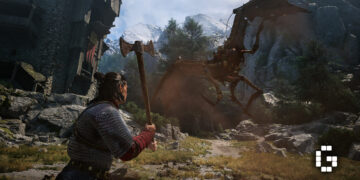
As one of NetEase’s flagship projects and a showcase of China’s top-tier technical prowess, Sword of Justice stands as a testament to the studio’s ambition and artistry. From its PC origins to its mobile adaptation, from domestic success to global expansion, every iteration feels like a self-reinvention — and this global closed beta test marks the studio’s boldest attempt yet to redefine what an “open-world wuxia” can be.
Boundless Character Customization
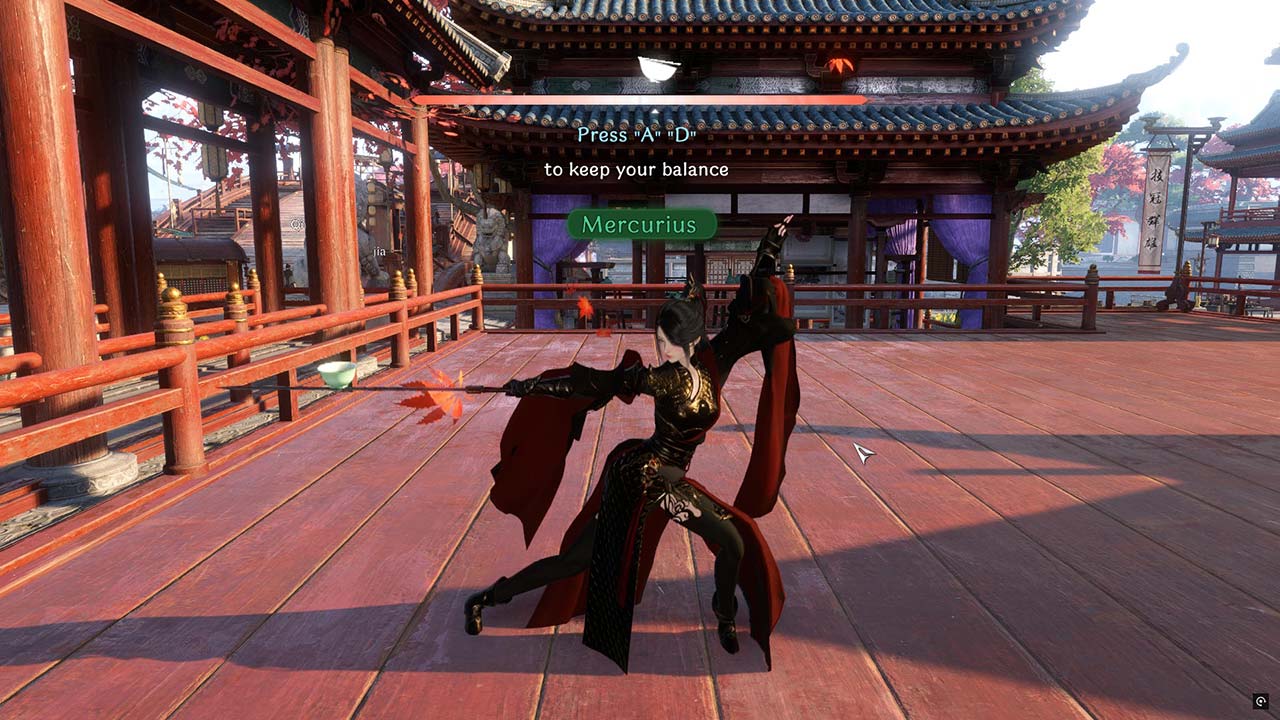
In the CBT build, Sword of Justice features six playable classes — Nightwalker, Ironclad, Bloodstorm, Celesture, Sylph and Numina. Some are gender-locked, while others allow full freedom of choice.
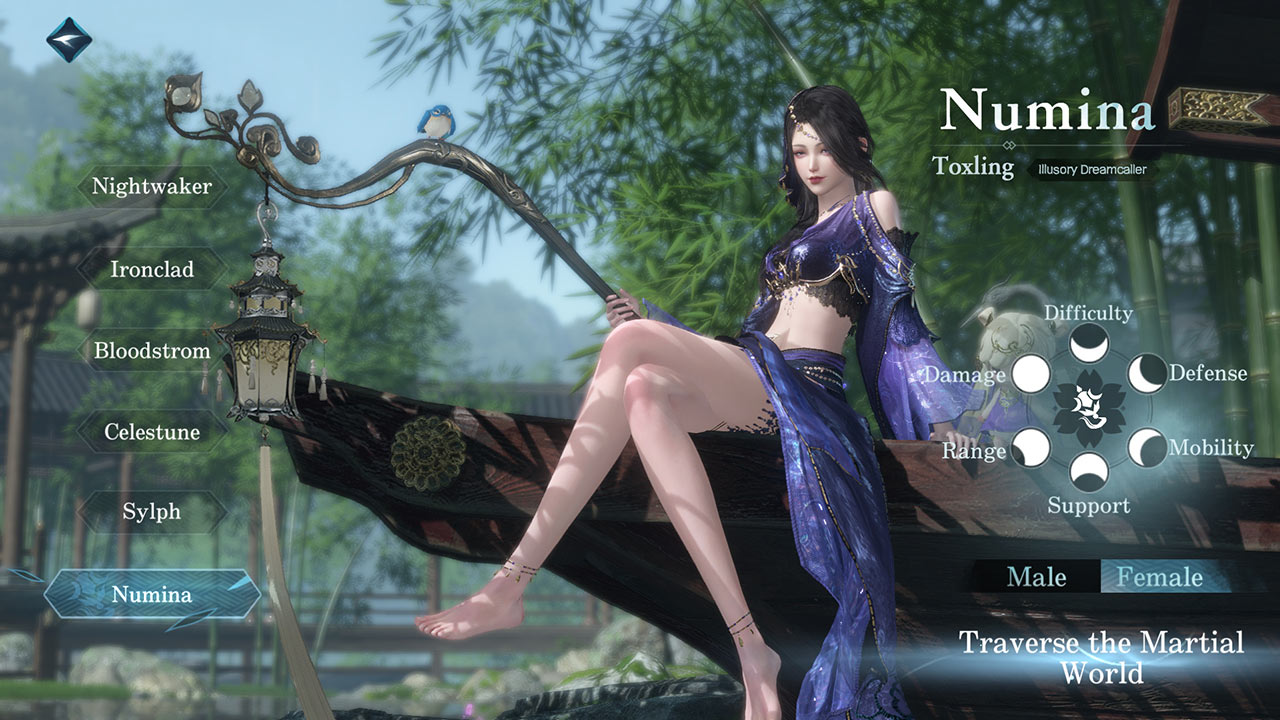
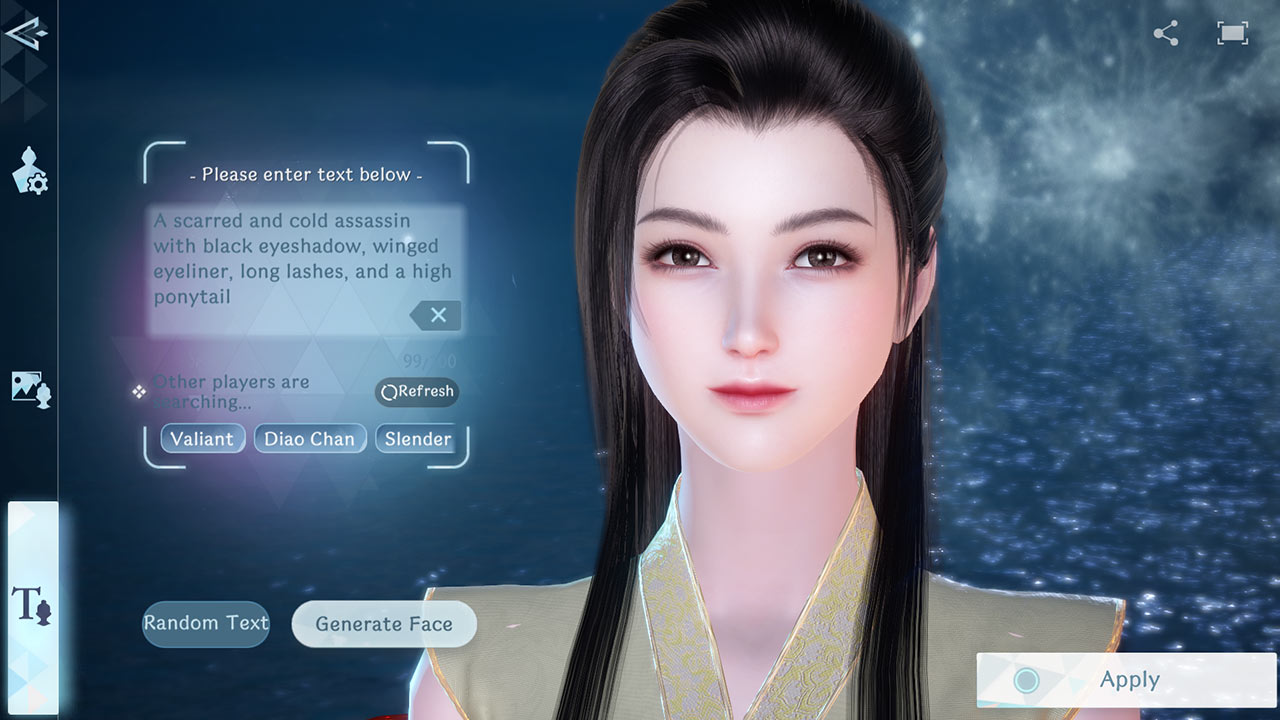
The level of customization during character creation is astonishingly deep: players can tweak everything from body proportions, facial structures, and hairstyles to subtle details like facial expressions and eye shape.

What truly sets it apart is the integration of AI-powered face creation. Players can upload a photo to generate a 3D likeness, or simply type a text description for the system to interpret. Whether it’s a real person’s name or an abstract phrase, the AI often delivers surprisingly vivid and accurate results. This fusion of technology and art makes character creation not just a feature — but a creative experience in itself.
A Northern Song Painting Brought to Life
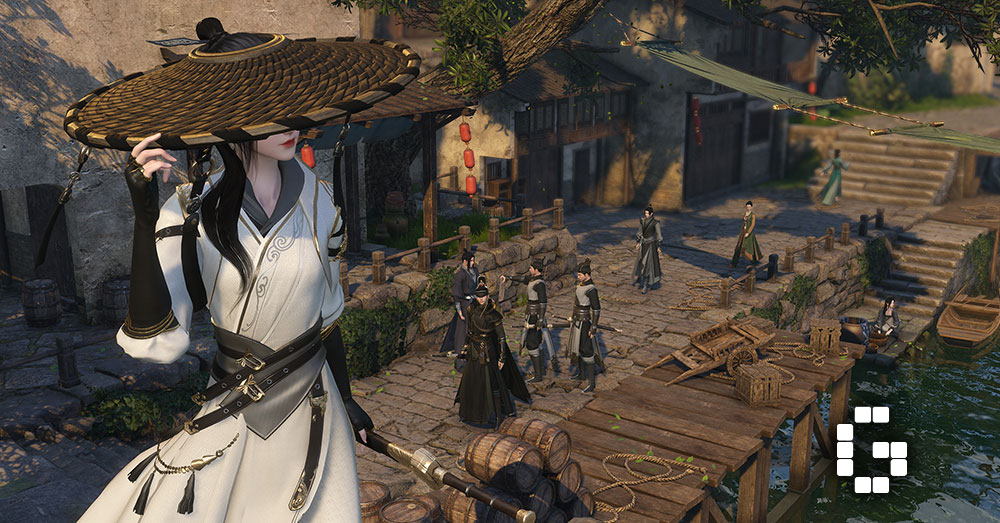
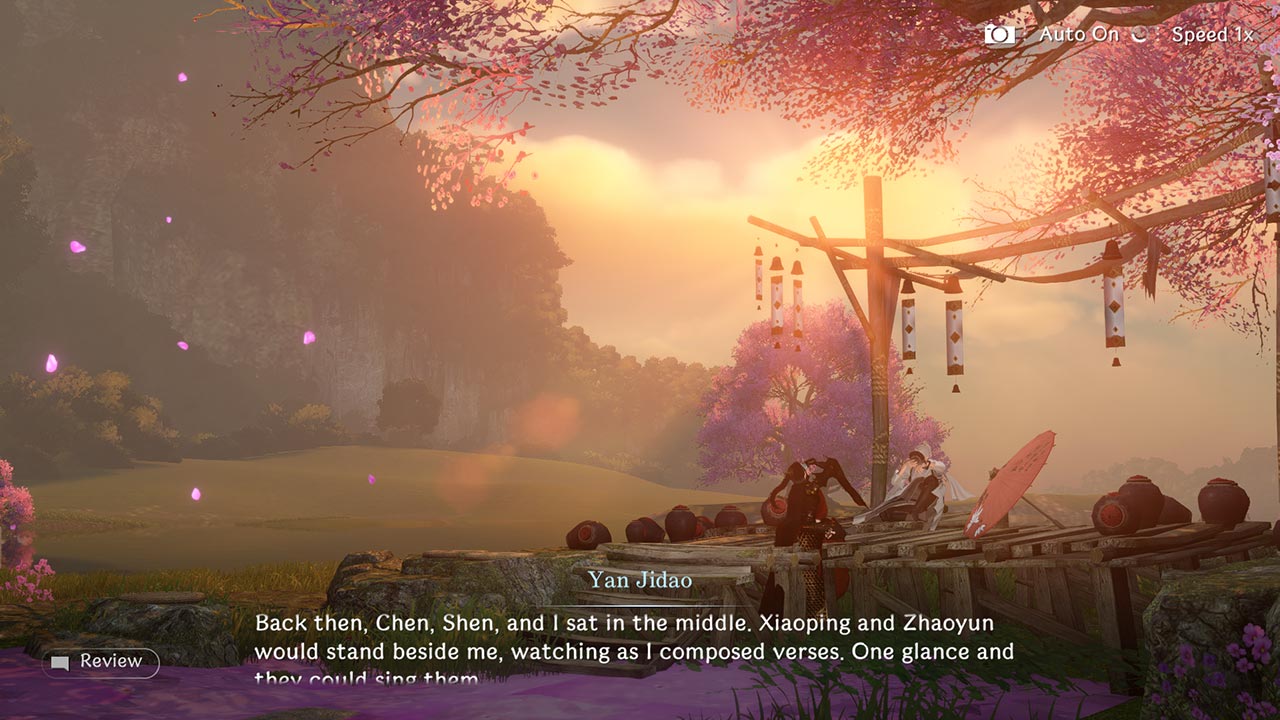
NetEase’s well-known obsession with detail — jokingly dubbed its “craftsman’s syndrome” — shines once again here. Every frame of Sword of Justice feels like a living painting: the folds of silk robes, the glint of metal ornaments, the drifting street smoke, the textures of tiled rooftops — all captured with stunning realism.
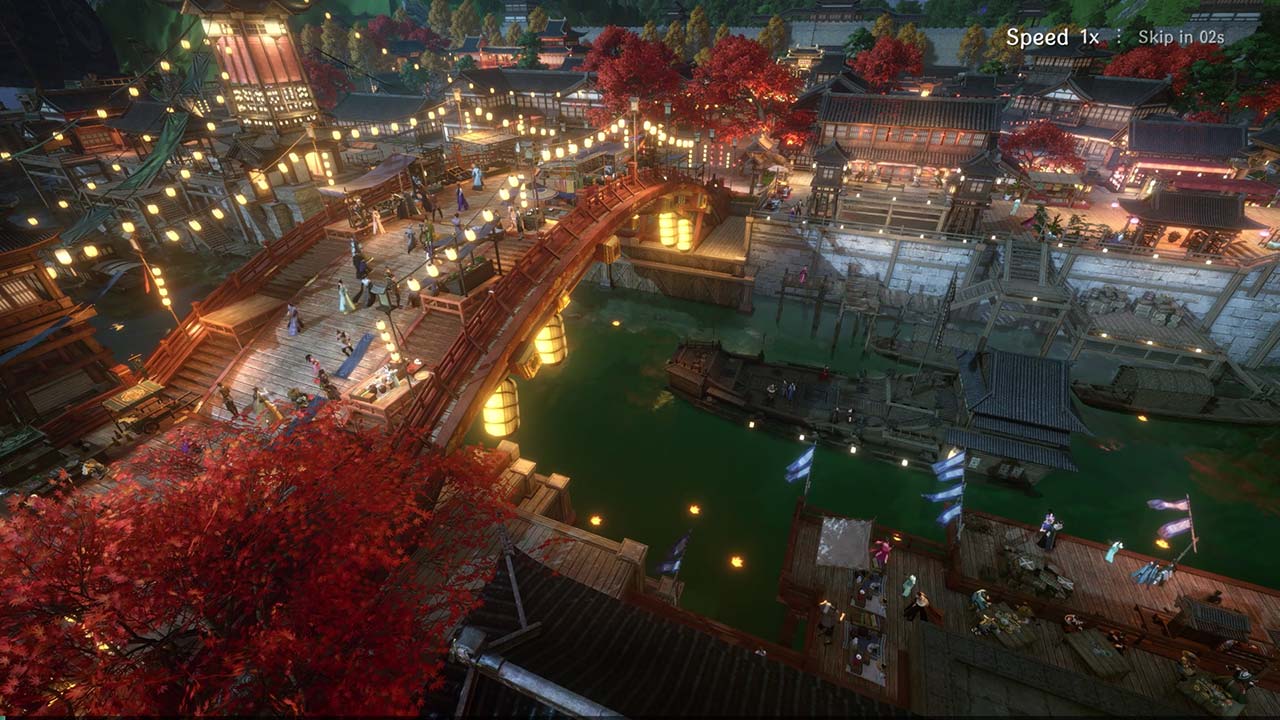
Yet it’s not beauty for beauty’s sake. The art direction and cinematic presentation together weave a layered, tangible vision of the Song Dynasty — a world filled with humanity, emotion, and life.
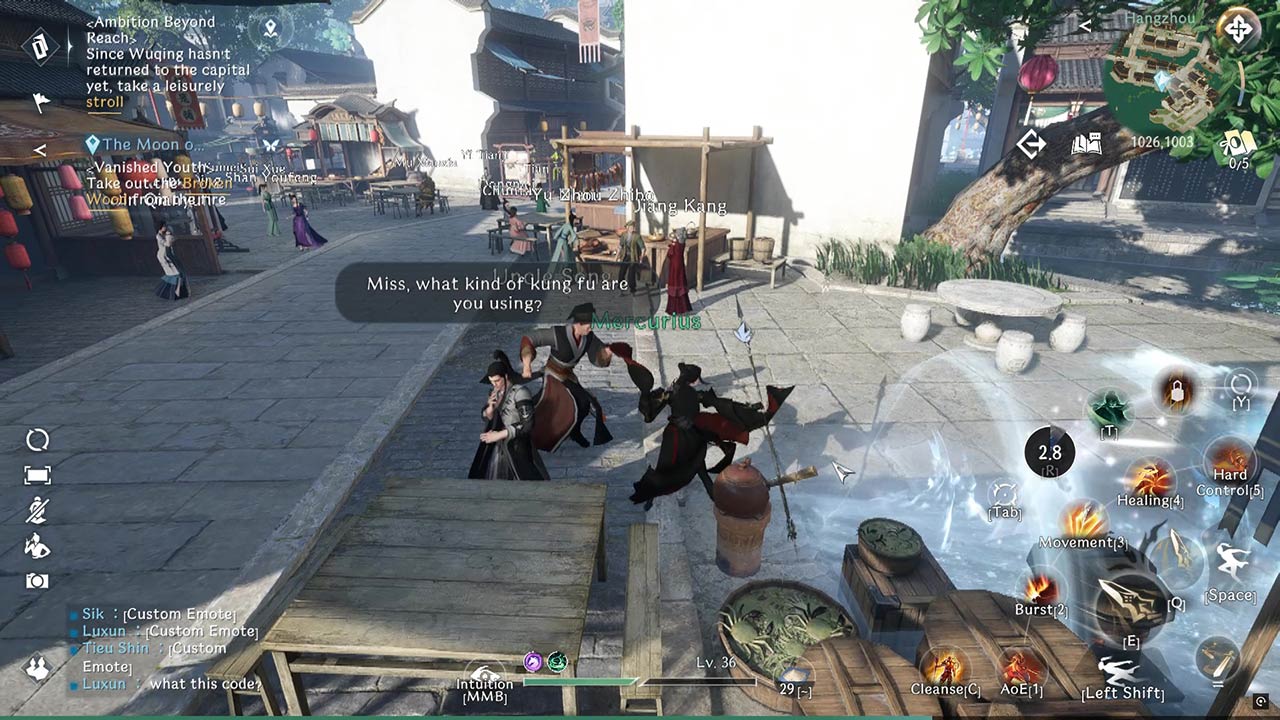
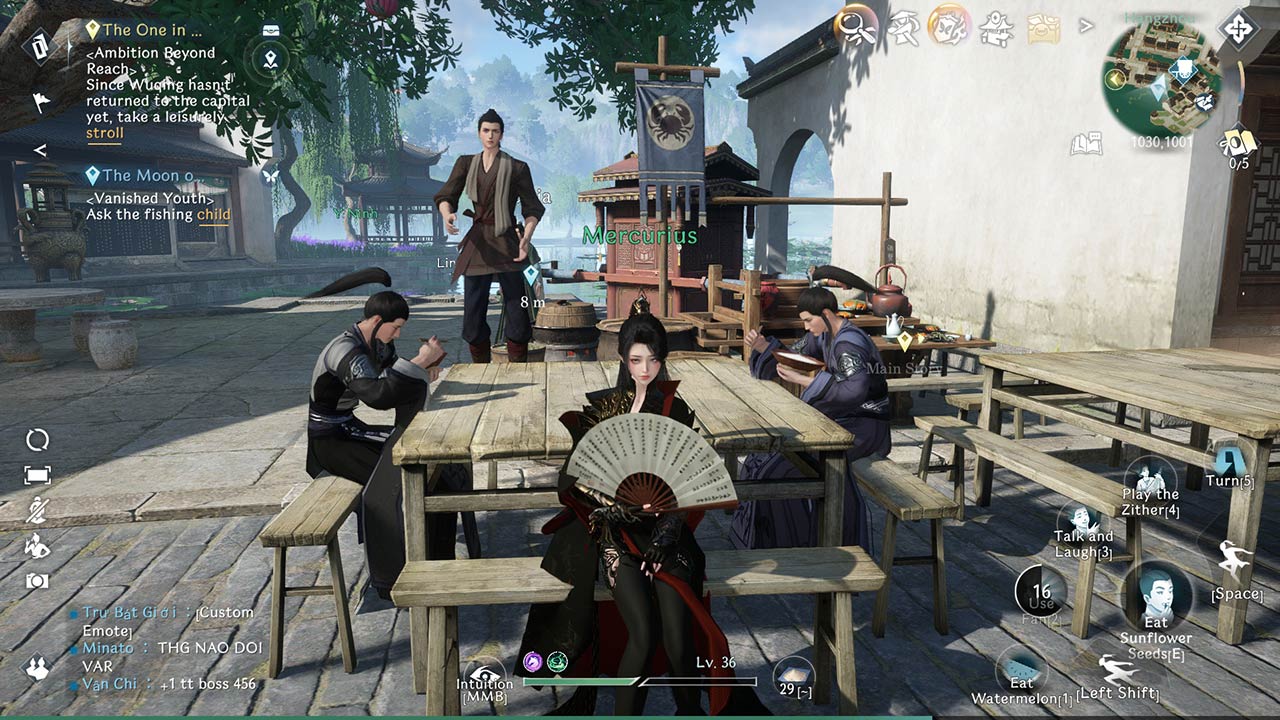
Unlike many so-called open worlds that feel static once explored, Sword of Justice’s environment truly feels alive. Vendors call out in the marketplace, hurried footsteps echo down the alleys, and faint melodies drift from taverns. Even when casually strolling through Bianjing, players might pause to witness a spontaneous quarrel, overhear gossip, or stumble upon an unexpected side story.
AI and Interaction: Where the World Responds to You
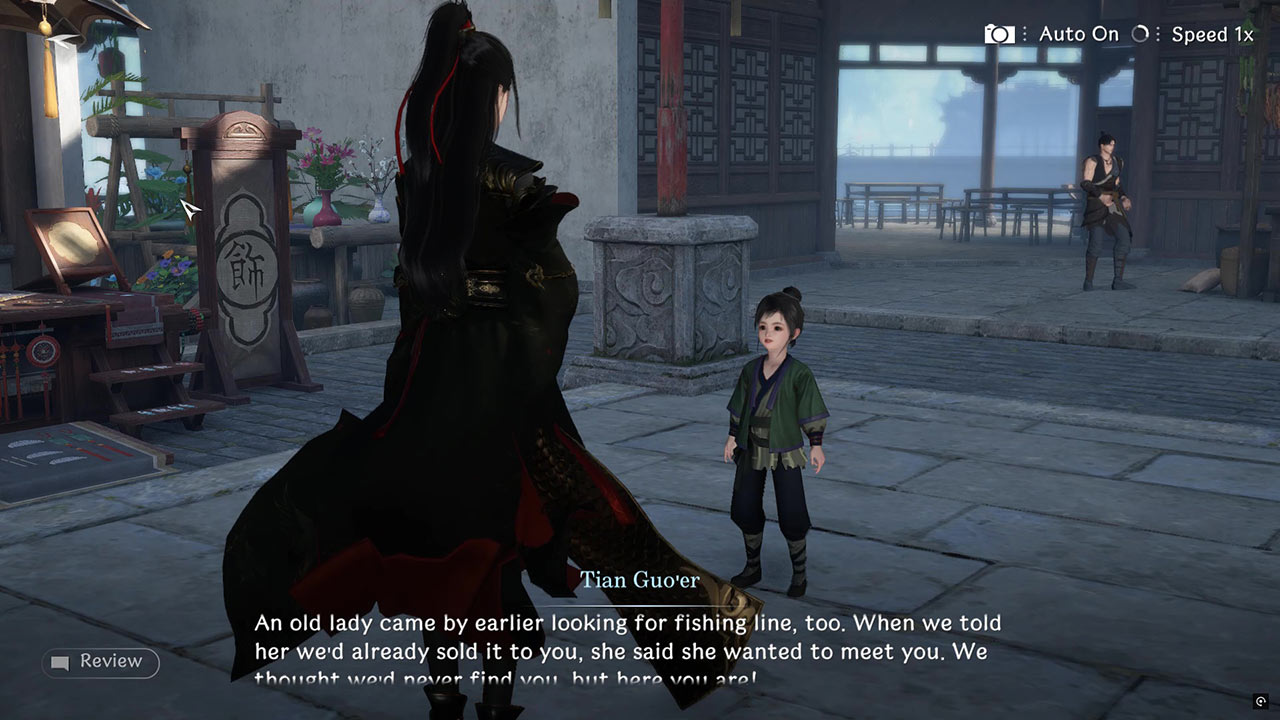
One of the CBT’s most striking highlights lies in its AI-driven interactivity. NPCs aren’t mere set dressing — they react naturally to your actions. Bump into someone and you might get scolded; stop to listen to chatter and you might trigger a side quest or random encounter.
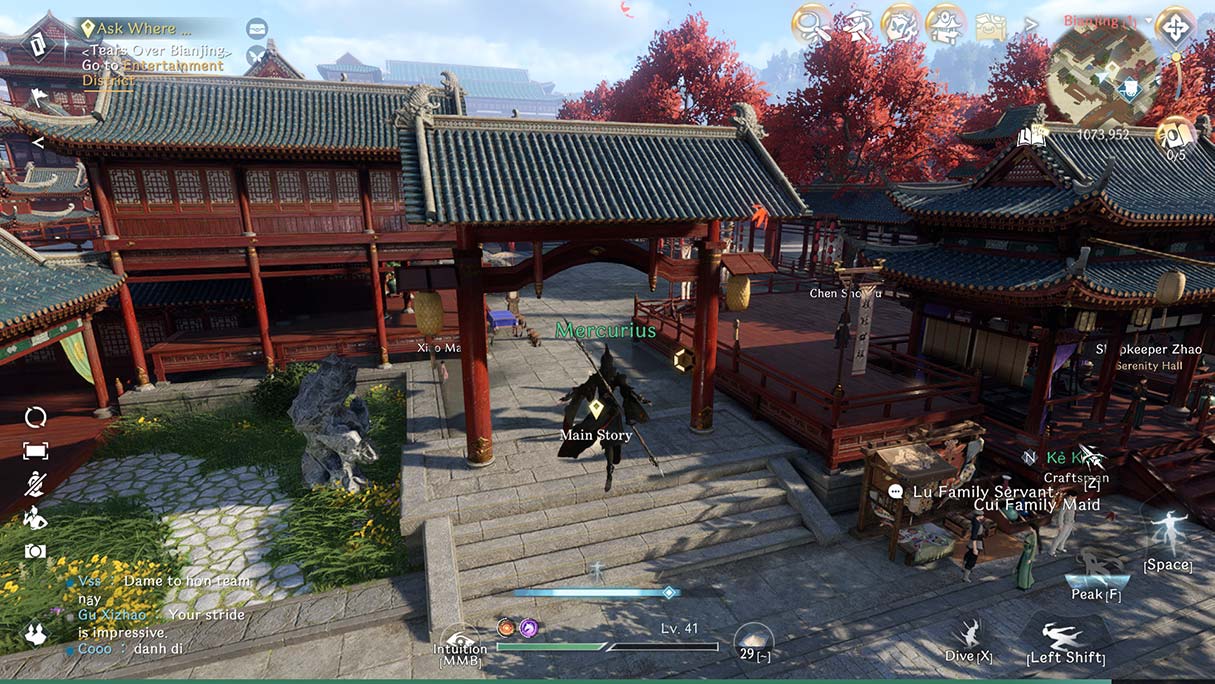
Some NPCs even support natural language conversation, responding intelligently to free-form dialogue. When I told one NPC, “You look familiar,” he replied, “Really? Where have you seen me before?” I answered, “Maybe in a storybook,” and he responded, “Then what kind of character was I in your story?” These exchanges flow so naturally that they almost blur the line between game and reality.
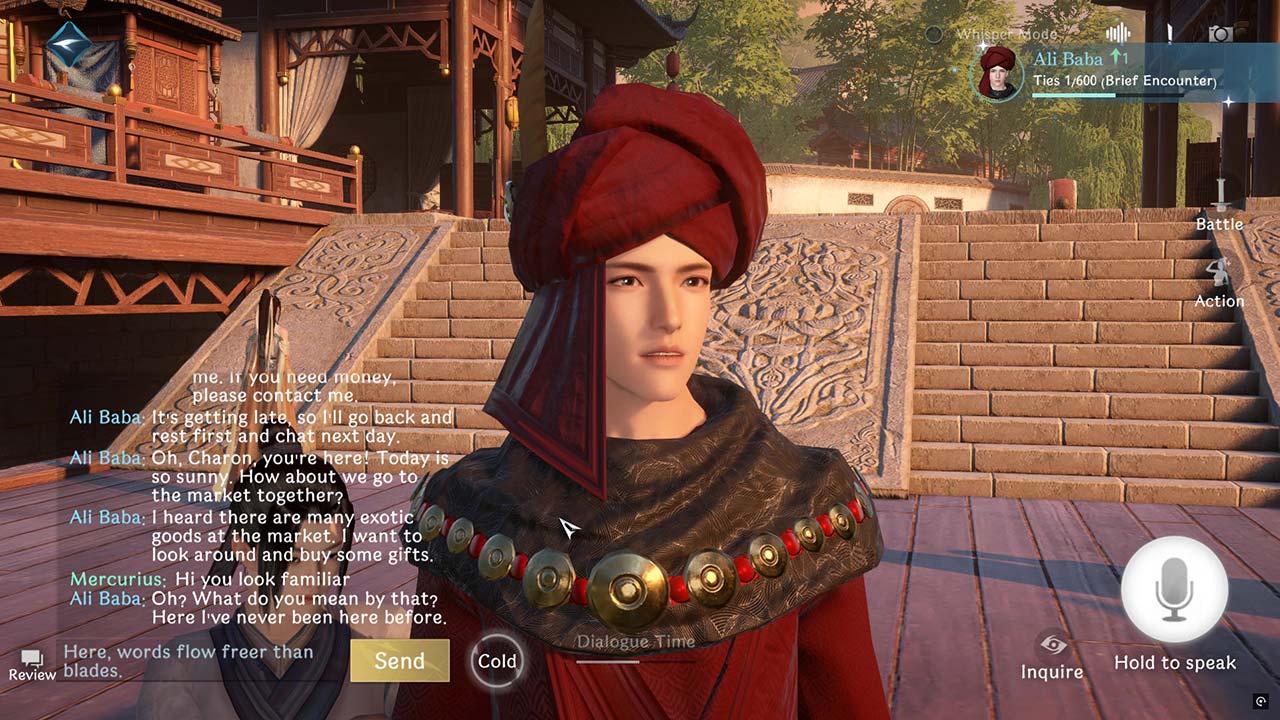
NPCs also remember how you treat them: positive interactions raise affection, while insults can sour relationships. Though the CBT duration was short, it’s easy to imagine that deeper bonds could unlock unique storylines or even romance events in the future. Together, these systems make Sword of Justice’s martial world feel truly alive — not just as a game world, but as a social and emotional space.
Exploration and Puzzle-Solving: The Joy of Discovery
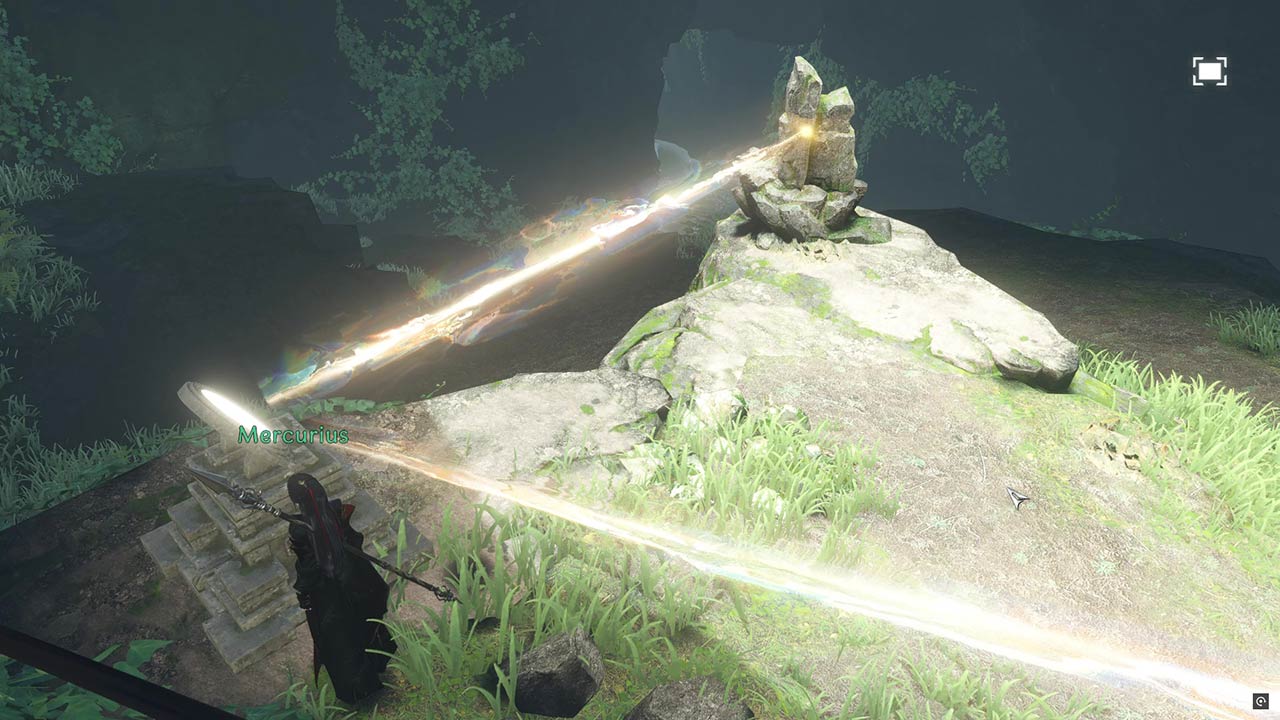
Exploration in Sword of Justice isn’t just about sightseeing. The world is filled with puzzles, traps, and environmental mechanisms. Some require specific skill attributes to solve; others hide treasures behind murals or moving structures, rewarding sharp observation and experimentation.
These puzzles hit the perfect balance between accessibility and challenge — stimulating enough to engage, but never frustrating. Coupled with meaningful rewards, they create an addictive “explore → solve → reward” loop that keeps curiosity alive. Even in its beta form, the game already evokes that genuine thrill of discovery.
The Manor System: Finding Peace Beyond the Blade
Beyond the battles and adventures, Sword of Justice offers a slower, more personal side of life through its Manor System. Players can build and customize their own estates — designing layouts, decorating interiors, arranging furniture, and shaping landscapes entirely to their taste.
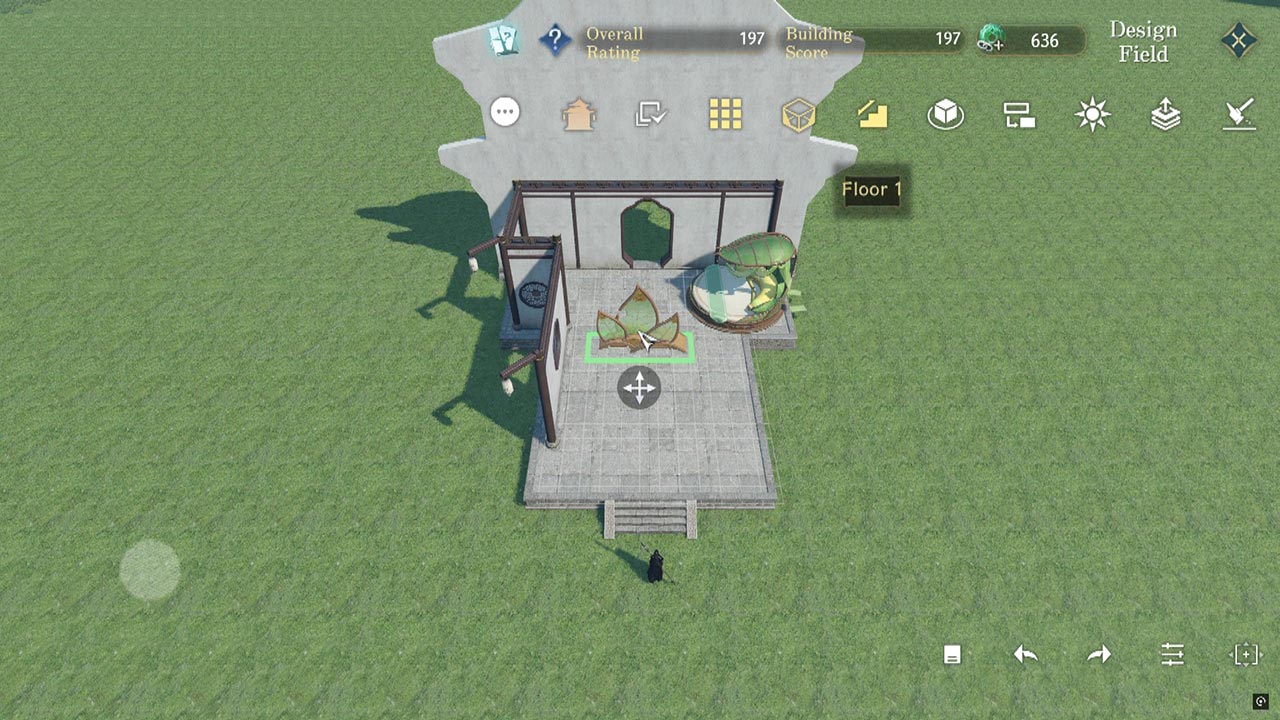
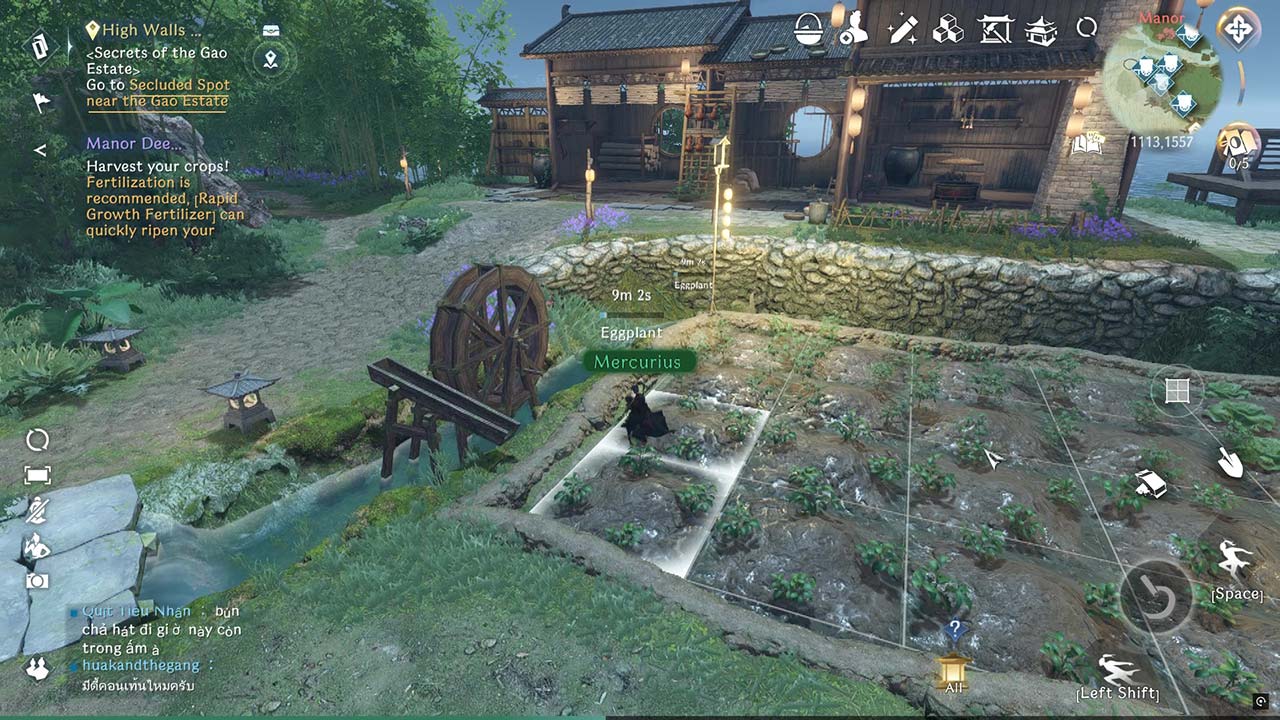
Furniture serves practical purposes too: you can bathe, rest, or sleep indoors, living out a peaceful “life within the martial world.” You can also grow crops, fish, or simply relax in your garden — crafting your own version of serenity.
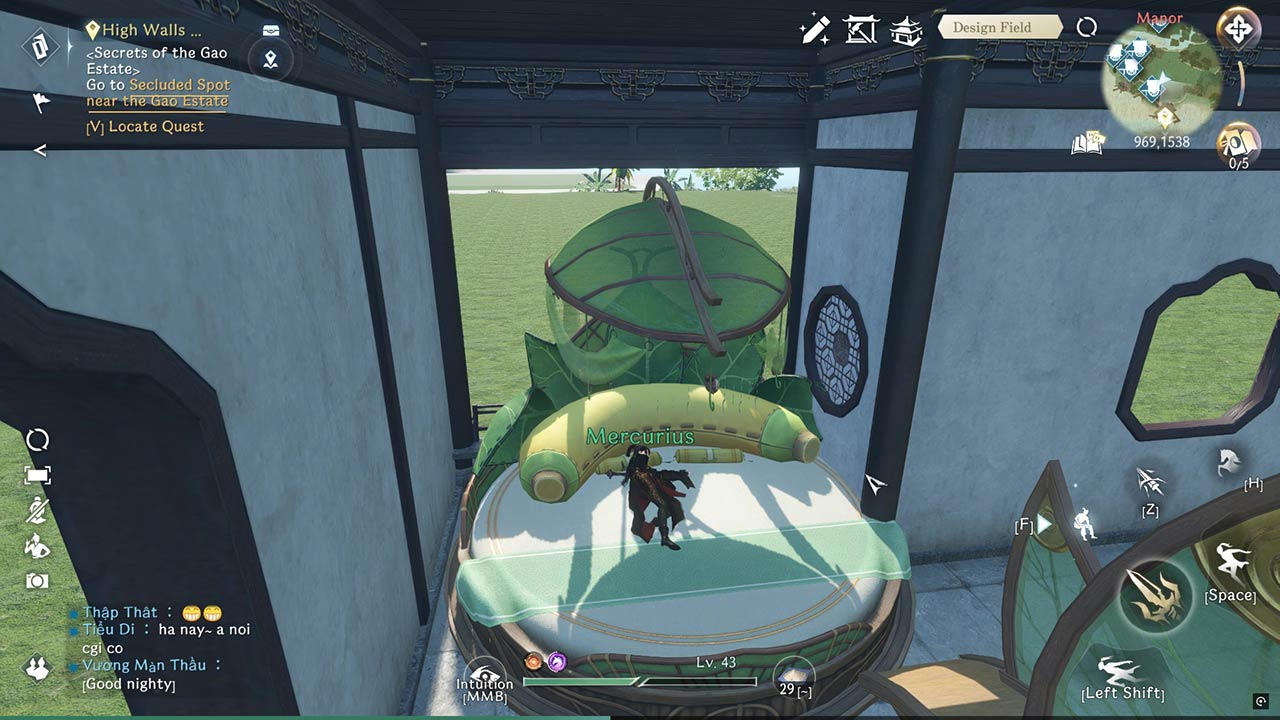
This “many ways to live” philosophy empowers players to choose their role freely. You can be a crime-solving constable, a carefree wanderer, or a simple villager who enjoys fishing by the river. Every lifestyle is valid — every story, worth living.
Conclusion: A Living Martial World Takes Shape
Though still in its closed beta phase, Sword of Justice already demonstrates remarkable polish and ambition. From its vibrant Song-era world to its responsive AI and rich life systems, the game aims to make “open-world wuxia” not just a slogan — but a living, breathing experience.
Global pre-registration is now open! Sign up today to unlock exclusive in-game rewards, get the latest development updates, and join an international community of adventurers before launch. The world of Sword of Justice awaits — come live your story in this ever-evolving martial world.