






![[EXCLUSIVE] Brendan Gan Delivers One of Malaysia’s Best-Ever Worlds Results, Shares Thoughts on Pressure and the Local Scene](https://cdn.gamerbraves.com/2026/08/Brendan-Gan_Interview_FI-360x180.jpg)






Hiroyuki Kotani, the mind behind the beloved Patapon series, is back with Ratatan, a rhythm-roguelike that carries the weight of serious expectations. For fans who’ve been waiting years for a spiritual successor, the Early Access release of Ratatan offers a taste of what made Patapon special while attempting to push the formula into new territory. The result is a game that shows genuine promise but is held back by the rough edges you’d expect from an unfinished release. Our review covers what works, what doesn’t, and whether it’s worth jumping in now or waiting for the full launch.
Ratatan puts you in control of animal-like creatures called Ratatans who live peacefully on an island called Rataport. Despite their different looks and personalities, they share one dream: reaching a place called The Everafter to meet the Goddess who lives there. As heroes carrying everyone’s hope, the Ratatans set out on this journey, determined to keep trying no matter how many times they fail.
Leaders and Units
The game offers eight Ratatan leaders to pick from, and each one brings something different to the table. They have unique looks, voices, stats, and passive abilities that affect how you play. Pyokorappa, for example, powers up normal attacks when you nail perfect rhythm inputs, while Mashuma deals extra damage through status effects. These differences aren’t just cosmetic—they genuinely push you toward different strategies.

Leaders command units called Cobuns using an instrument called a Melodium. Cobuns come in different classes like the close-range Soldier, the long-range Ranger, or the explosive Bombardier. Each class has its own Hustle Tech, which is basically an enhanced attack or special skill. Here’s the catch: not every Ratatan can command every class. Kamonelo only works with Magical and Mauler units, while Harringtan is limited to Pikes and Soldiers. This limitation forces you to think about team composition and how your leader’s abilities work with your chosen units.
Core Gameplay
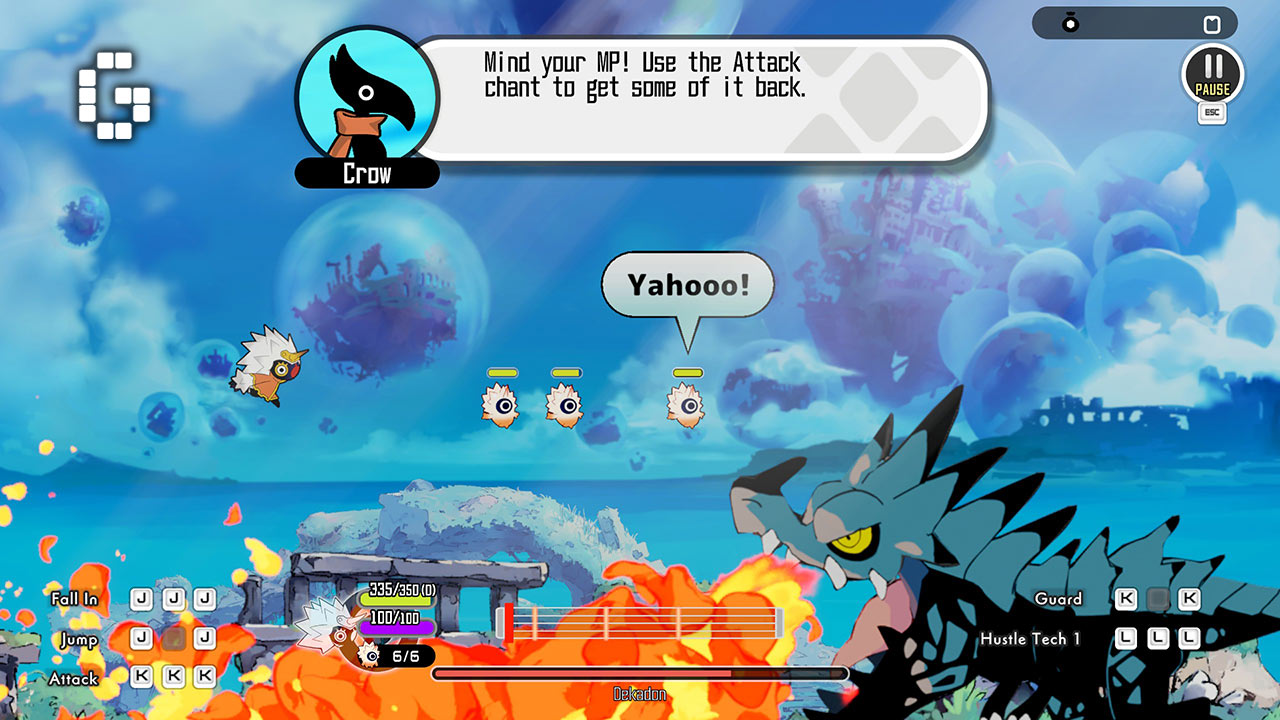
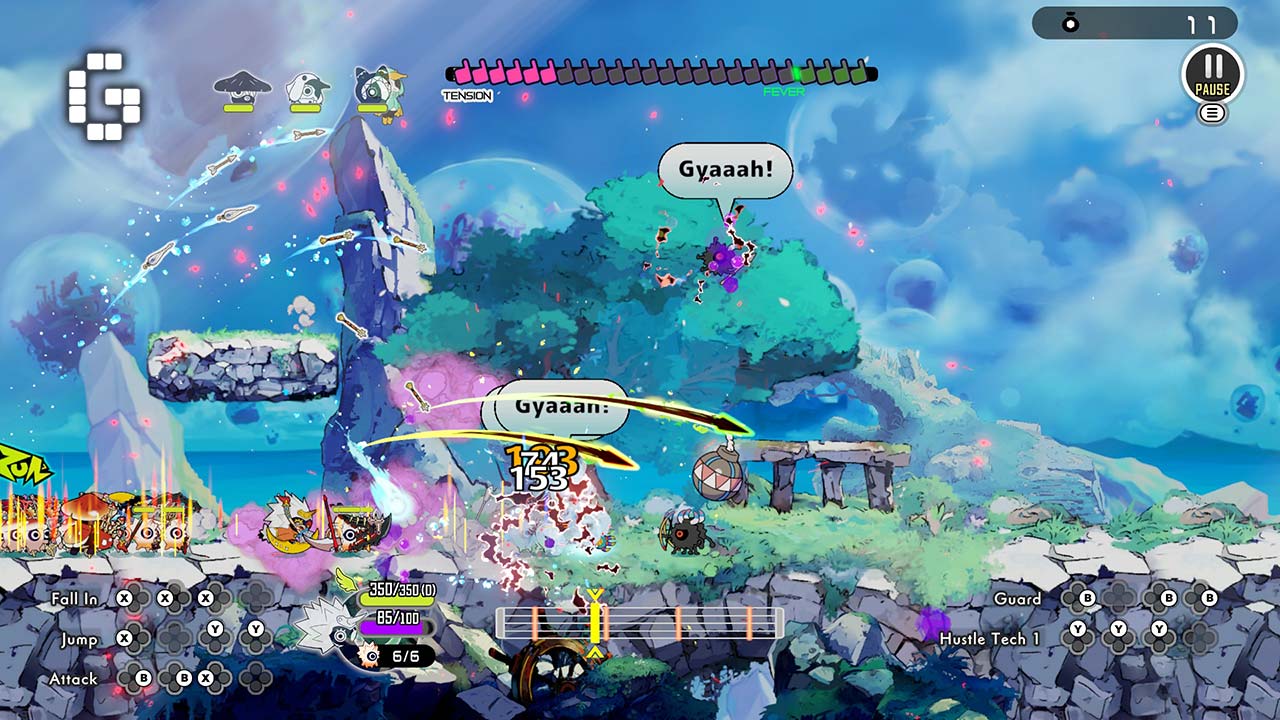
Combat in Ratatan is built around rhythm, but it adds more direct control compared to Patapon. You control a Hero Ratatan who moves freely around the battlefield while commanding your Cobuns to attack, dodge, or follow you by inputting rhythm sequences in time with the music. If you mess up the timing or use the wrong sequence, your Cobuns won’t do anything and become sitting ducks. When your Ratatan dies, the run ends, but Cobuns can respawn, so keeping your leader alive is critical.
The game offers two control schemes: Default and Advanced. Default keeps things simple with three-button combinations per command—like pressing X three times to attack or X-pause-X to guard. Advanced ups the complexity to four-button sequences that sometimes mix different buttons, such as B-B-X for attack or B-pause-B-B for guard. It’s purely based on preference.
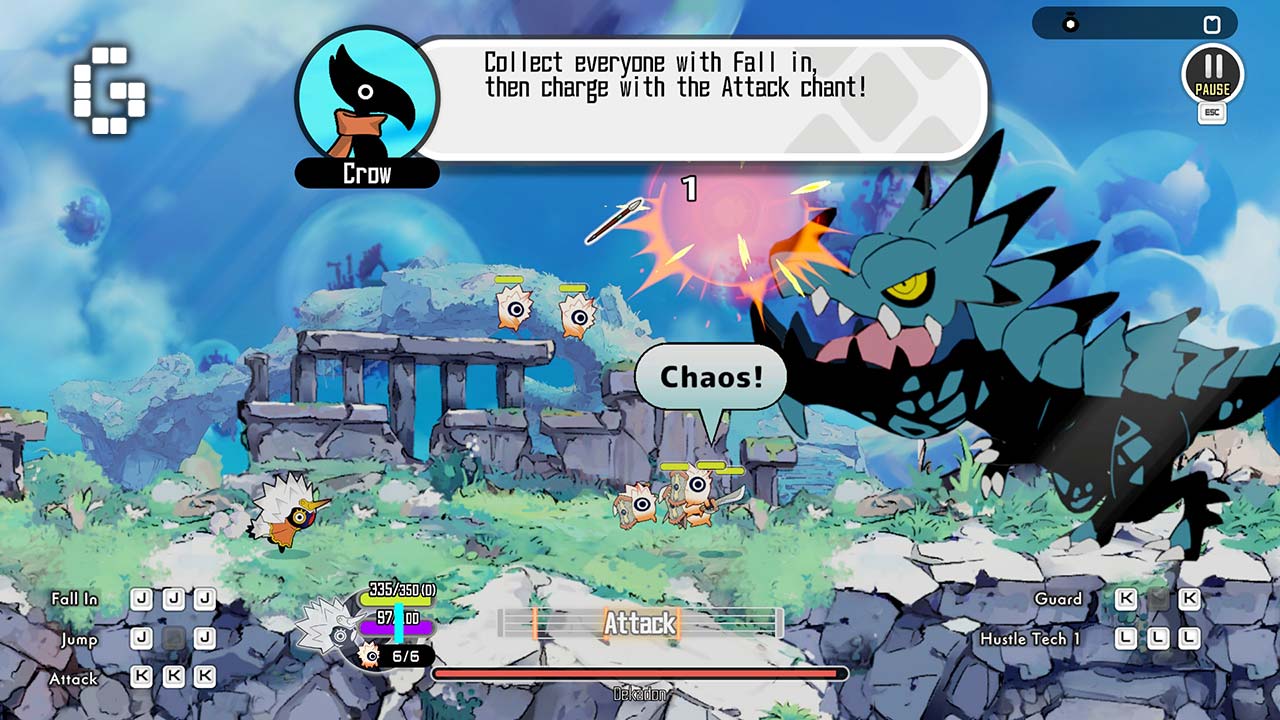
Boss fights are where the action element really shines. Bosses throw out ground attacks that force you to jump, or barrages that make you think about positioning. Some attacks need to be guarded or dodged by moving, while others punish you if you don’t jump at the right moment. You need to stay alert and avoid inputting the wrong commands at the wrong time.
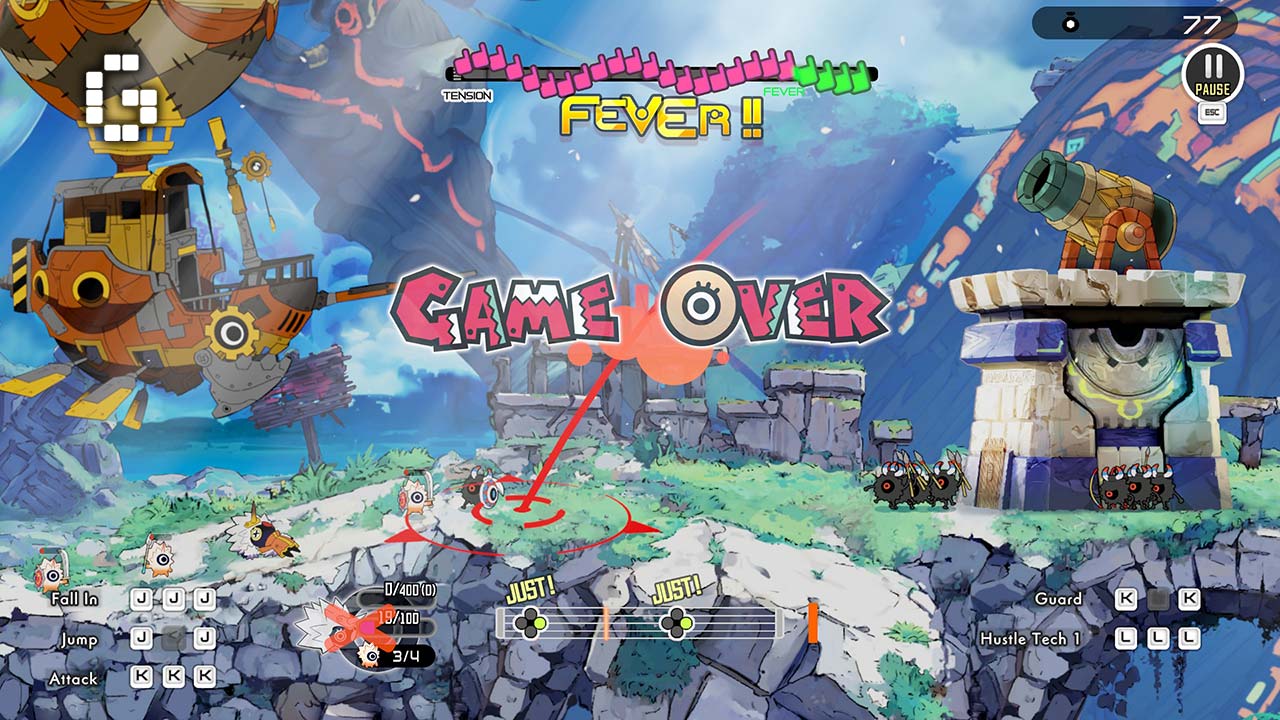
Rhythm timing gets graded as Just (perfect), Good, or Miss. Chaining Just inputs triggers something called Just Judgement, which gives you bonuses like MP recovery, damage boosts, or cheaper Hustle Tech costs. Landing successful commands fills your Tension Gauge, and when it hits 100%, you enter Fever Mode. This increases your damage and transforms the music by adding extra instruments and vocals, making everything feel way more intense. The Advanced control scheme makes the rhythm feel more complex and closer to what Patapon fans remember, though performance issues and unresponsive inputs can sometimes break the flow, and this problem is more noticeable with Advanced controls.
How Runs Work
Each run plays out like a roguelike. You clear stages, pick doors that lead to different rooms, collect buffs, and push deeper until you reach the boss. Multiplayer is a standout feature when it works. There’s matchmaking and an invite system, and players vote on which door to take next. If someone goes down, they can be revived manually or automatically as long as the team clears the room, and they still get the room rewards. The downside is that multiplayer makes the screen incredibly chaotic, which looks fun but also means you might not realize what killed you.
After clearing each room, you choose the next reward: health, currency, a shop, a battle with a special enemy, or a Ratakaruta card. These cards give temporary buffs for that run, like boosting elemental damage or creating combos with other cards. They reset when the run ends.
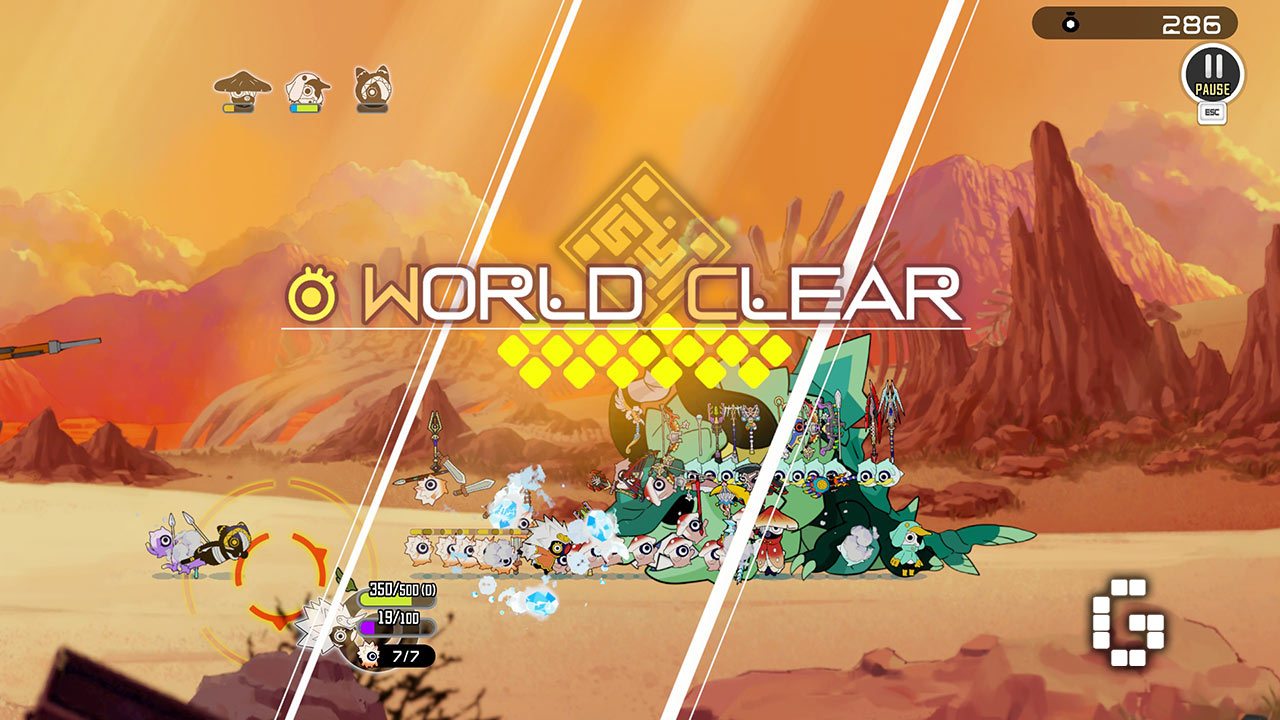
After several rooms, you hit the boss. Beat it, and you clear that world and move on to the next one, which comes with different visuals, atmosphere, and sometimes new basic enemies. The problem is that runs always start on the same map, which hurts variety. The difficulty jump from World 1 to World 2 also feels pretty steep. This might be a compromise due to the Early Access state—right now there are five worlds you can progress through, each with its own style and boss.
One fun touch is the multiplayer lobby itself. Instead of showing usernames or having a chat feature, it only displays your Ratatan name. Players communicate through melodies, trading rhythms back and forth. You never know who’s on the other side, but these musical exchanges make the mode feel unique and surprisingly social. The downside is that setting up multiplayer requires going back to the main menu every time, which gets annoying fast.
Progression Outside of Runs
Between runs, Ratatan offers crafting and upgrades as long-term goals. You can forge new weapons, enhance existing ones, and spend currencies on permanent buffs. All the materials come from room rewards or boss drops. Bosses don’t just drop crafting materials—they can also drop their unique weapons directly, which is a nice surprise for people who enjoy grinding. You also get normal or lower-quality weapons during runs that can be used as upgrade materials for your better weapons or as placeholders until you find something better.
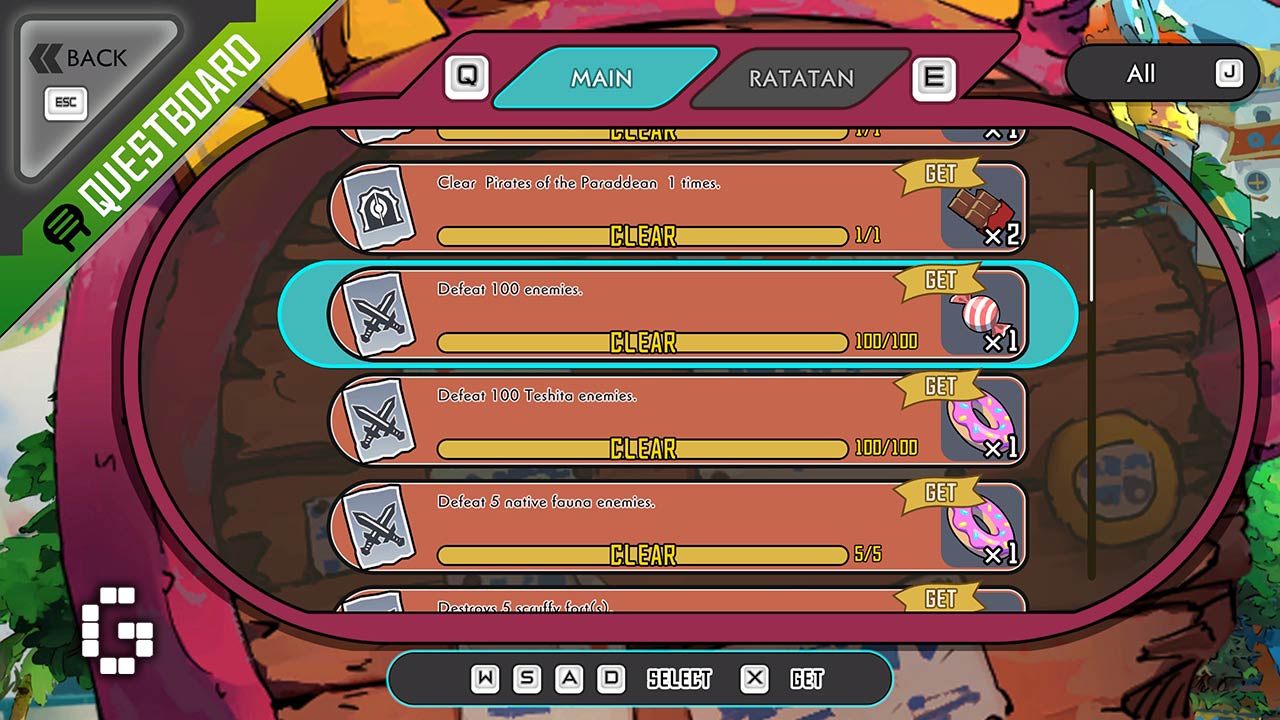
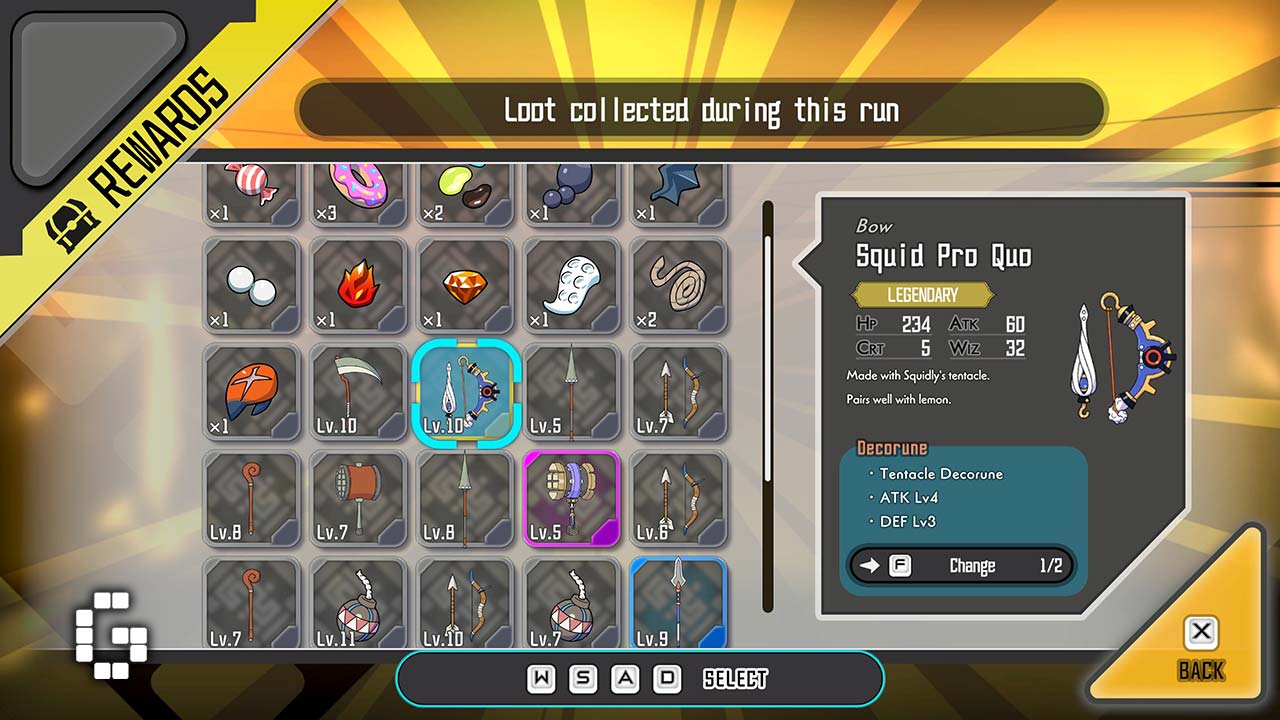
The progression loop feels rewarding because you can see your Cobuns getting better gear with each run. Even Cobuns from Ratatans you don’t normally use might get a rare drop that makes you want to try them out. However, managing multiple currencies and navigating clunky menus slows things down. A major issue is that you can’t upgrade weapons directly from the squad screen—you have to open the crafting screen, and it’s hard to tell which weapon is currently equipped and needs upgrading. This adds unnecessary friction.
Visuals and Sound
Ratatan captures Kotani’s quirky art style well. The visuals are colorful and rich, but the presentation often looks blurry even on a 1440p screen with maxed settings. Performance drops are common, which gets worse during multiplayer where visual effects become overwhelming. This makes it hard to see attack markers and causes confusion during chaotic battles, sometimes affecting performance too.
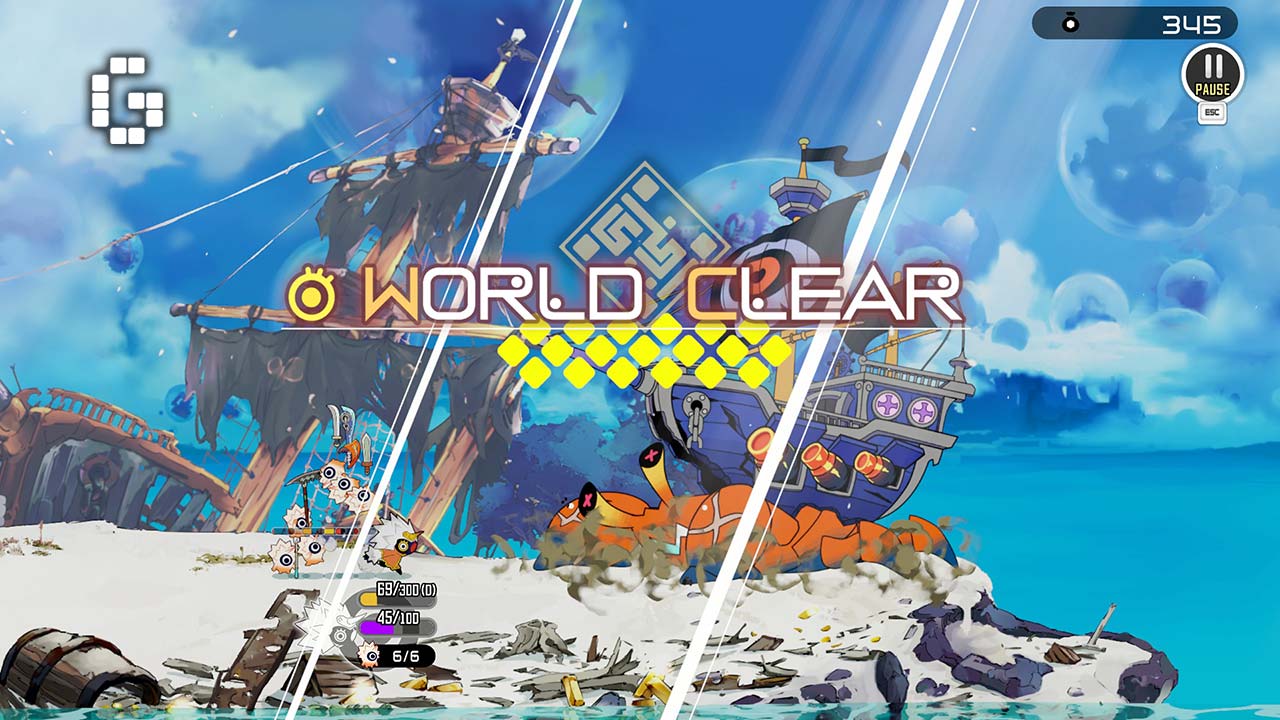
The soundtrack, however, holds up strong and keeps the energy high even when the visuals struggle.
Verdict
Ratatan clearly comes from a place of love for Patapon’s rhythm-action roots, but it’s also trying to evolve that formula. The roguelike structure, build variety, and multiplayer elements are ambitious additions that give the game potentially endless replayability for those who fall in love with it. When everything clicks—nailing perfect beats, chaining attacks, hearing the soundtrack explode with full vocals—the game feels magical. But those moments get interrupted by rough edges: performance drops, unclear menus, inconsistent difficulty, and visual clutter that can end a good run. These issues will hopefully get fixed as the game moves out of Early Access.
Despite the problems, there’s a solid foundation here. The leader and Cobun system is smart, the progression loop feels satisfying, and the art and music have real charm. It’s not quite the triumphant return fans hoped for yet, but it’s close enough to be exciting about what the full release could become if the developers polish what’s already here.
The Review
Ratatan Early Access
PROS
- Modern form of Patapon that will satisfy the fans with gameplay that is very familiar but perfected.
- Deep rhythm combat with satisfying Perfect Input system.
- Eight unique leaders that change playstyle and synergy giving more variation.
- Fun roguelike loop with meaningful rewards and upgrades.
- Excellent soundtrack that evolves dynamically in battle.
- Charming art direction that captures Kotani’s signature style.
CONS
- Frequent performance drops, especially in multiplayer with visual clutter makes it hard to track attacks
- Clunky menus and weapon upgrade system.
- Repetitive early maps and steep difficulty spikes
- Blurry visuals even on higher resolutions that hurt the game potential.

![[GUIDE] JoJo’s Bizarre Adventure Golden Spirit Tier List](https://cdn.gamerbraves.com/2026/09/JoJo-Tier-List_News_FI-350x250.jpg)