







![[EXCLUSIVE] Brendan Gan Delivers One of Malaysia’s Best-Ever Worlds Results, Shares Thoughts on Pressure and the Local Scene](https://cdn.gamerbraves.com/2026/08/Brendan-Gan_Interview_FI-360x180.jpg)




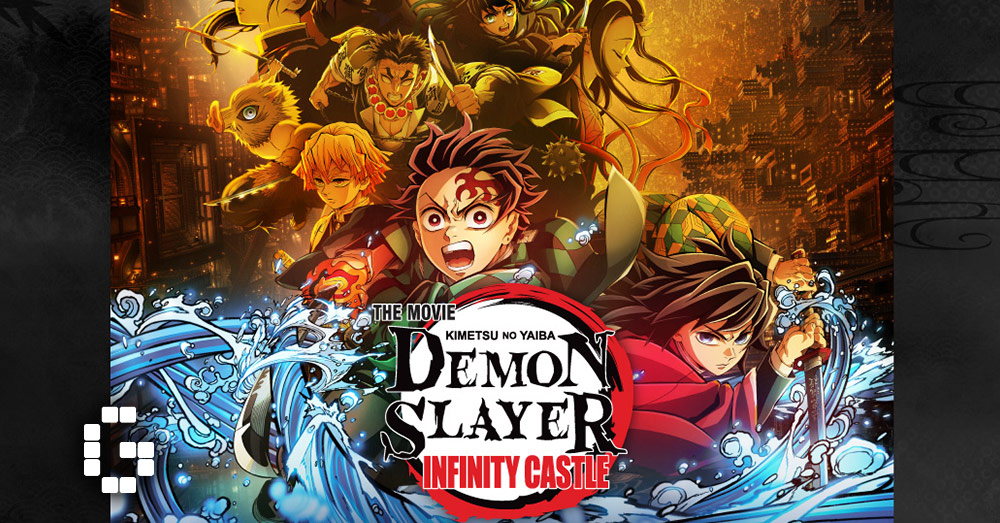
The highly anticipated first part of Demon Slayer’s final arc has arrived, and fans have been eager to see how Ufotable would bring the climactic Infinity Castle battles to the big screen. Demon Slayer: Kimetsu no Yaiba Infinity Castle continues directly from Season 4’s Hashira Training Arc. The story begins when Muzan Kibutsuji appears at the Ubuyashiki mansion and transports all the main characters into the mysterious Infinity Castle. This movie serves as Part 1 of the Infinity Castle arc, with Parts 2 and 3 planned for future release.
With stunning visuals and intense action sequences, this movie delivers plenty of what made the series popular, though it’s not without its rough spots. Our review will show what you can expect from this 2.5-hour anime film experience.
Story and Setting
The film balances different storytelling elements throughout its 2 hour and 30 minute runtime. Viewers will find moments of humor that provide relief from the tension, alongside emotional scenes that explore themes of determination and the weight of upcoming battles. The action sequences take center stage, featuring intense fights that showcase how much the characters have grown since earlier story arcs.
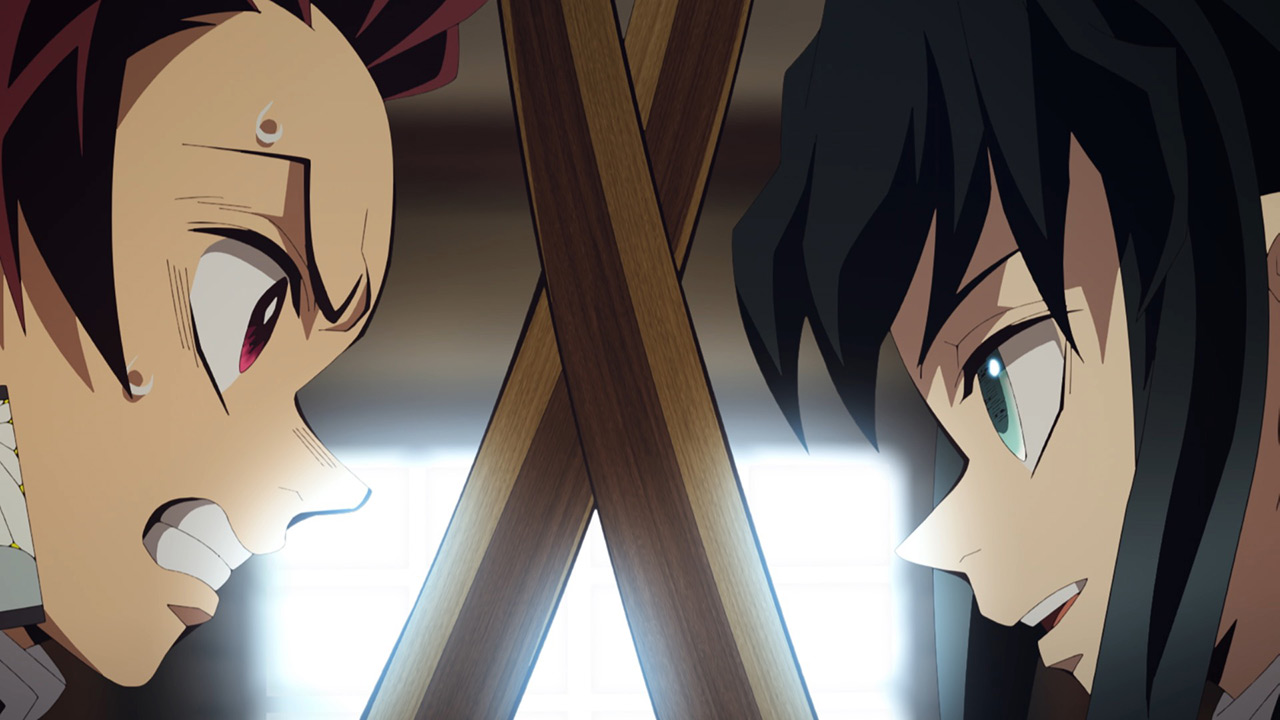
However, the pacing has some uneven moments. The movie starts with immediate action, throwing audiences straight into the Infinity Castle without lengthy setup. The momentum builds through several heart-pounding battles, but slows down during the Akaza fight due to extended flashback sequences. While these flashbacks follow the original manga and provide important character development, their placement in the middle of a fast-paced battle creates a noticeable shift in rhythm.
Animation Quality
Ufotable’s animation work stands out as one of the movie’s strongest elements. The visual details are carefully crafted, from the various breathing techniques used by characters to Akaza’s overwhelming power displays. The shifting architecture of the Infinity Castle itself is brought to life with impressive precision.
The fight between Akaza, Tanjiro, and Giyu serves as a particular highlight. Akaza’s abilities, which were only briefly shown in the 2020 Mugen Train movie, are fully displayed here. Each of his attacks feels heavy and impactful, supported by smooth animation that makes every movement feel powerful. Tanjiro and Giyu’s breathing techniques also receive visual upgrades compared to the anime series, with fluid movements that create an intense viewing experience.
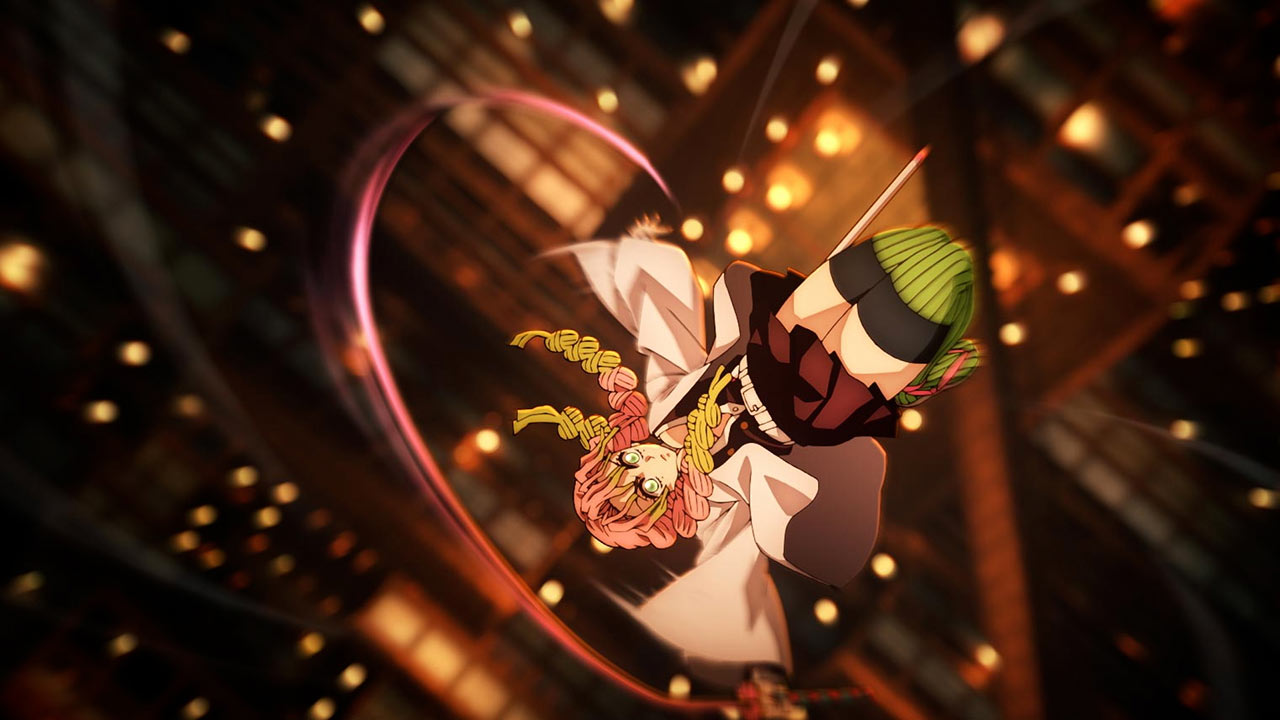
The movie successfully integrates 3D effects with traditional 2D animation. This combination works especially well during battle scenes with dynamic camera movements and when showing the constantly changing structures of the Infinity Castle. The blend of detailed 2D artwork with smooth 3D perspectives makes each scene feel more engaging and cinematic.
Sound Design and Music
The audio elements in Infinity Castle are carefully designed to match the on-screen action. Sound effects are created to complement every movement, attack, and environmental change within the castle. From the deep sounds of Akaza’s punches to the sharp noises of breathing techniques, each effect adds weight to the action sequences. Background sounds like shifting floors, echoing corridors, and creaking walls help create the atmosphere of the mysterious castle.
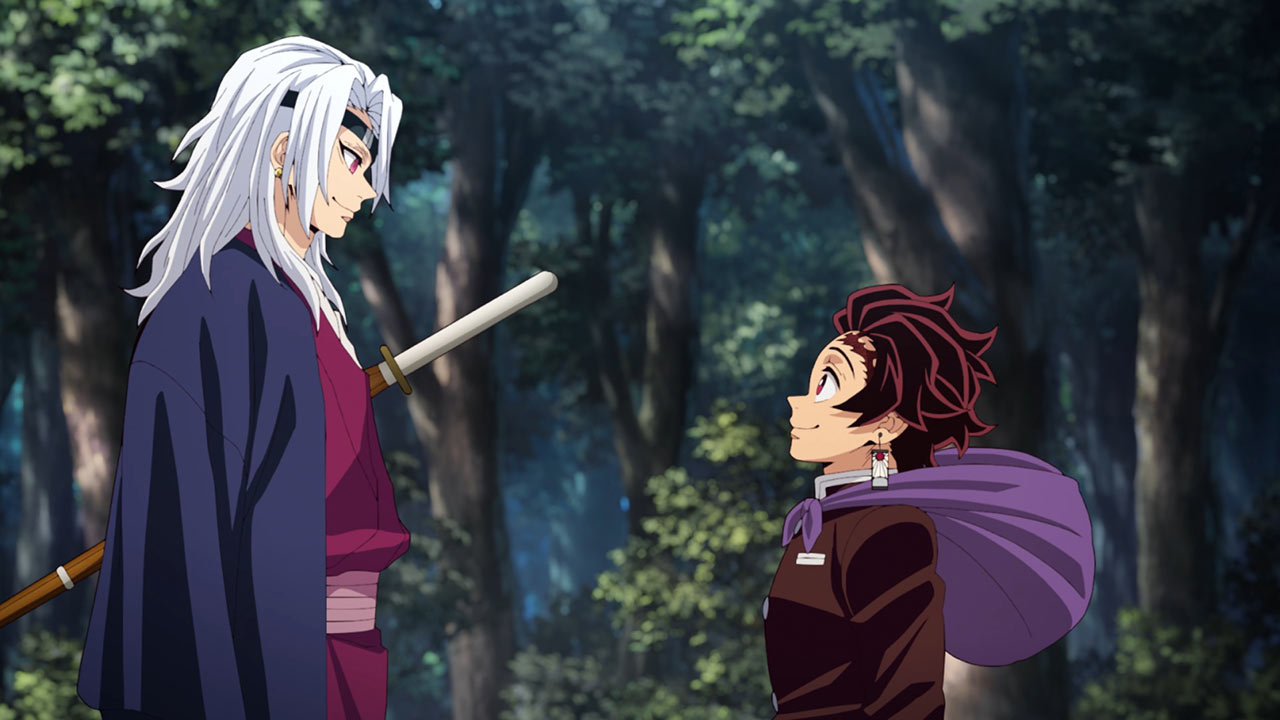
The musical score combines intense orchestral pieces with traditional Japanese instruments. Battle scenes feature rapid percussion and building strings, while quieter emotional moments use gentler melodies. “Kamado Tanjiro no Uta” appears multiple times throughout the film, with each version having different rhythms and atmospheres that match the specific scenes where they’re used. The sound effects and music work together with the animation to enhance every fight scene and emotional moment, making the experience feel more complete and memorable.
Strengths and Limitations
Infinity Castle succeeds in delivering high-quality animation, well-timed music, and exciting battle sequences. The movie creates an engaging mix of action, emotion, and humor that keeps audiences interested throughout most of its runtime. The visual spectacle and sound design work together to create memorable moments that bring the manga’s scenes to life.
The main limitations come from the movie’s structure as the first part of a three-part story. Some characters, including fan-favorite Hashira and supporting characters, receive limited screen time before the focus moves elsewhere. This approach allows the story to develop naturally but means certain characters don’t get much attention in this installment.
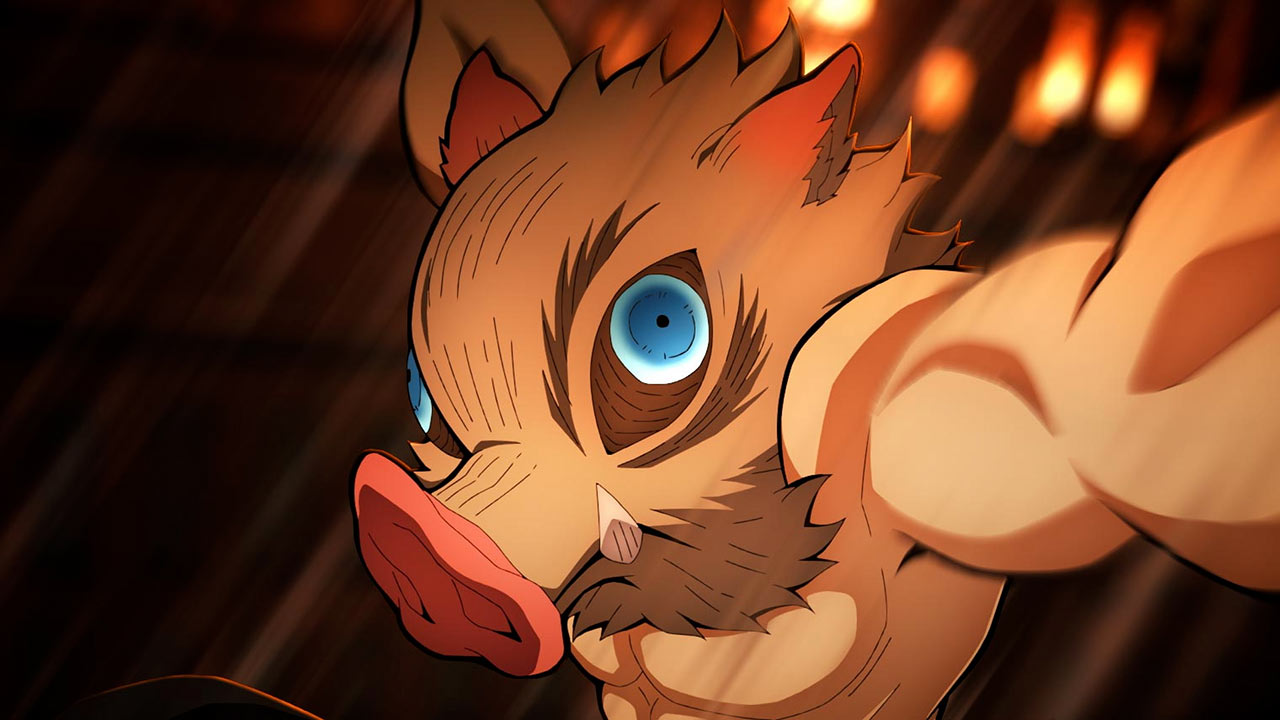
The pacing issues during the Akaza battle flashbacks also affect the viewing experience. While these scenes provide important character background, their placement disrupts the momentum that builds up through the earlier action sequences.
Verdict
Demon Slayer: Kimetsu no Yaiba Infinity Castle delivers a strong start to the final arc despite some pacing challenges. The movie offers impressive visuals, effective sound design, and intense battle scenes that will appeal to both anime fans and manga readers. While being the first of three parts means some story elements and characters don’t receive full development, the movie successfully sets up the epic conclusion to come.

Viewers looking for high-quality action sequences, emotional storytelling, and spectacular animation will find plenty to enjoy in Infinity Castle, even with its limitations.
The Review
Demon Slayer: Kimetsu No Yaiba Infinity Castle
PROS
- Top-tier animation — Ufotable’s visuals are breathtaking, with flawless detail in both 2D art and 3D effects.
- Masterful sound design & music — Powerful SFX and a moving soundtrack, including multiple emotional renditions of Kamado Tanjiro no Uta.
- Intense, well-choreographed battles — Heart-pounding action that feels both personal and cinematic.
- Balanced tone Story — A mix of humor, emotion, and high-stakes drama keeps the pacing engaging.
- Faithful to the manga — Fans of the original story will appreciate how closely the adaptation follows key moments.
CONS
- Pacing dips during key fights — Flashbacks in the middle of intense battles, especially the Akaza fight, can interrupt the momentum, and with the movie’s 2-hour 30-minute runtime, these slowdowns feel even more noticeable.