











![[EXCLUSIVE] Dragon’s Dogma 2: Dark Arisen Team Opens Up About the Expansion’s Name, New Norgan Region, and Performance Goals](https://cdn.gamerbraves.com/2026/07/Dragons-Dogma-2-Dark-Arisen_Interview_FI-360x180.jpg)



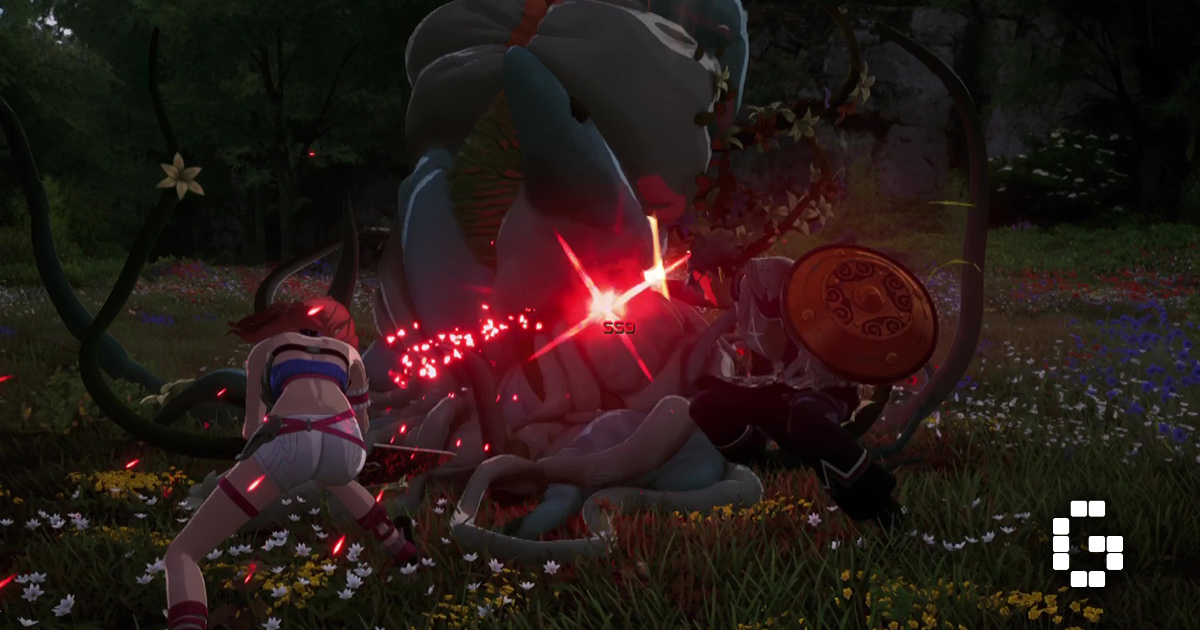
Sword Art Online games have always had a built-in audience, thanks to the popularity of the anime and its “trapped in a VR world” premise. The latest game in that lineup, Echoes of Aincrad tries to go a bit deeper as an action RPG while still keeping the nostalgic feel fans expect. After spending time with the game, here’s a full breakdown of what works, what doesn’t, and whether it manages to stand apart from earlier SAO titles.
Story and World
Echoes of Aincrad takes place in the same world as the anime, and your custom character is trapped in the same death game as everyone else. Ten thousand players are stuck inside Sword Art Online, where dying in-game means dying in real life, and the only way out is clearing all 100 floors of Aincrad and beating the final boss.
A nice touch here is that the story actually starts during SAO’s Closed Beta Test, before the main anime story begins, complete with its own tutorial content. Kirito’s name even gets mentioned during this section, which is a fun nod for longtime fans.
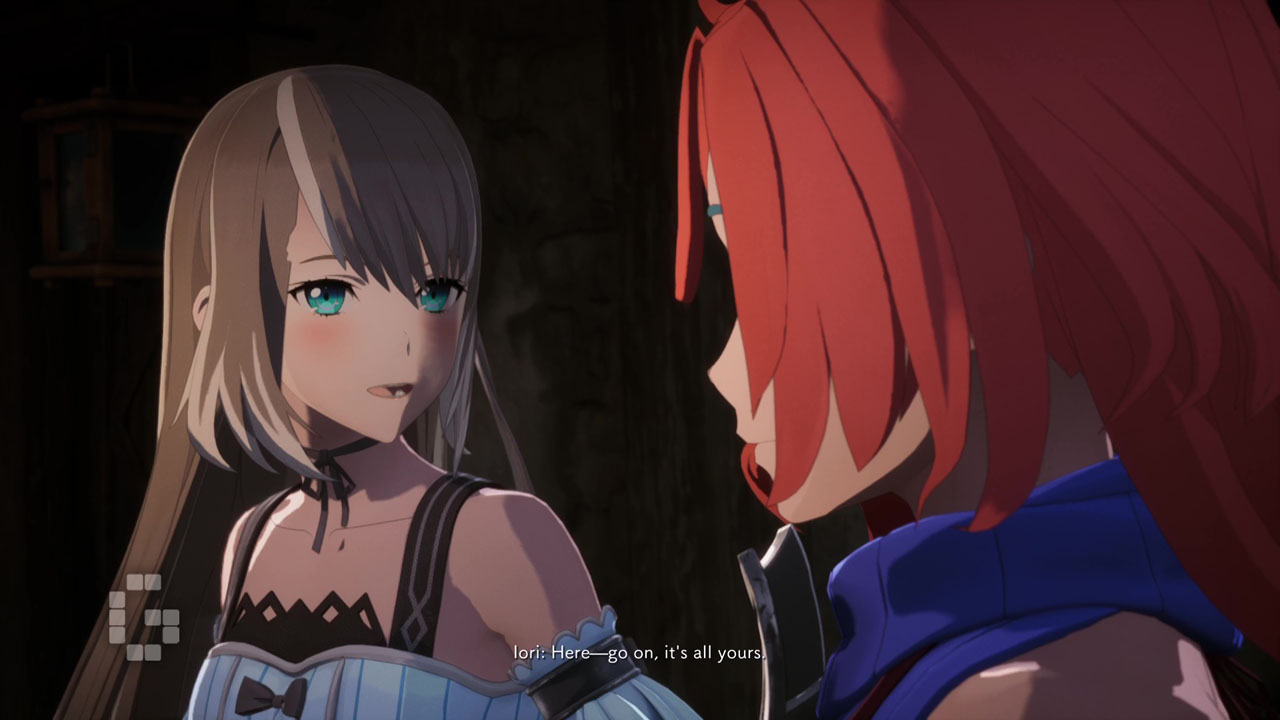
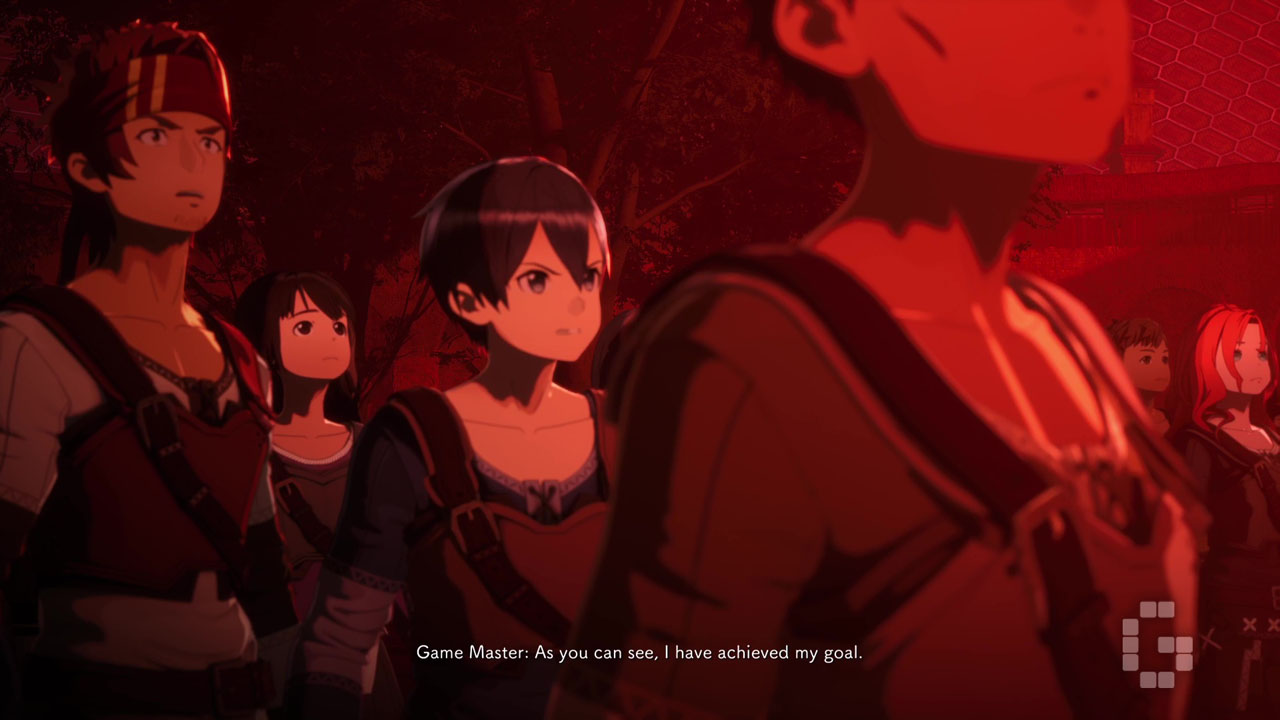
The pacing is where things get shakier. NPCs spend a lot of time explaining the world to you, but your character is silent by design, so conversations often end up feeling one-sided. There’s also a lot of dialogue overall, the tone stays fairly low-key throughout, and the writing leans young and predictable. Because so much time is spent on story content, the game sometimes feels closer to an anime tie-in than an action RPG trying to do something new.
Combat and Weapons
There are six weapon types to choose from: one-handed sword, rapier, mace, dagger, greatsword, and greataxe. The first three can be used with a shield, while the last three can’t. Each weapon has its own skill tree with around 10 skills, three of which are available right away and the rest unlocked by playing through dungeons. Skills use cooldowns instead of an energy bar, and some can be charged up for more damage. Combat itself combines light and heavy attacks, weapon skills, three kinds of counters (dodge, block, and punish), and help from your partner, with the counters requiring good timing to pull off.
The dagger is a highlight, since its speed and mobility make up for its short range once you get used to the slight recovery lag on its attacks. The other weapons are fine but feel a bit stiff, with some noticeable input lag. Each weapon plays differently enough that trying them all out feels worthwhile.
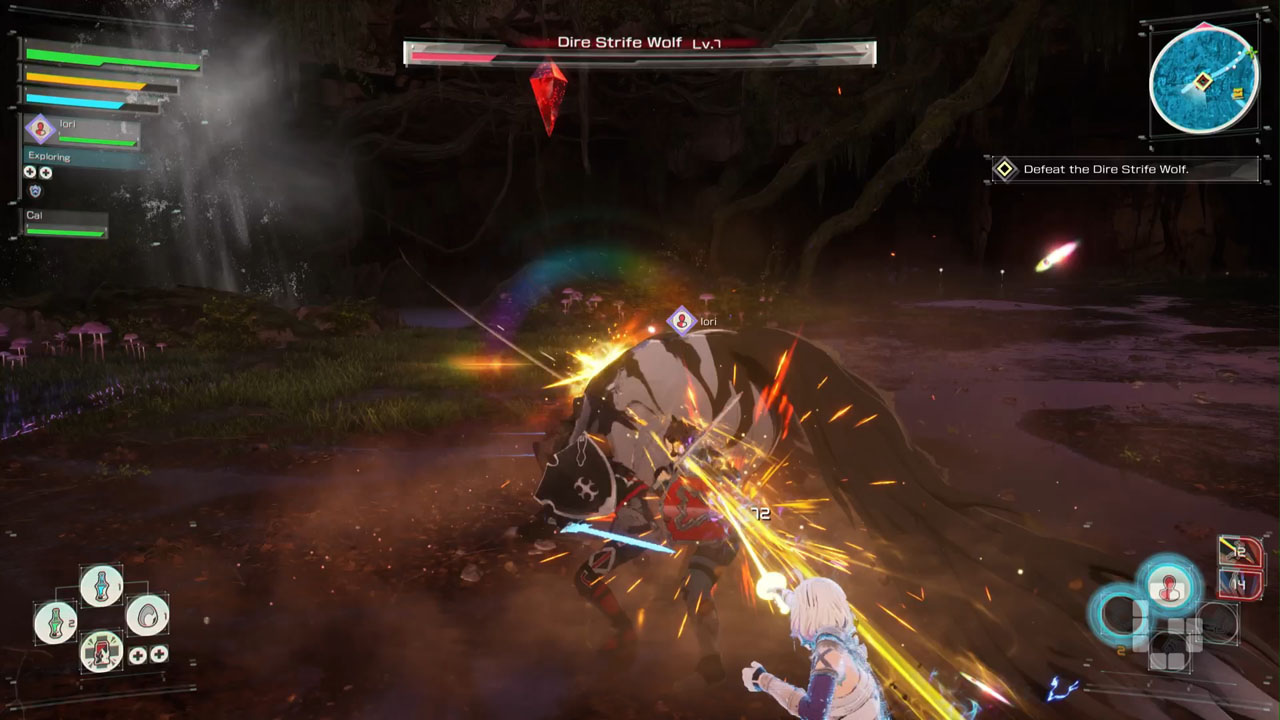
One of the better ideas in Echoes of Aincrad is the Switch co-op system. You can flip between Switch Mode, where your partner takes over your current target while you fall back to recover stamina, and Free Mode, where your partner automatically fights nearby enemies that aren’t your current target. This is handled through simple movement and dodge inputs, so it’s easy to pick up, and it adds a real layer of strategy that keeps partner support from feeling like a background feature.
The aggro system is a bigger issue. Enemies start fighting the moment they spot you, running around drains stamina, and once an enemy notices you, it won’t stop chasing no matter how far you run. Since a lot of the weaker enemies aren’t worth fighting anyway, players are often stuck between fighting something pointless or running from something that won’t quit. There’s also a bug where enemies blocked by walls or geometry can still trigger combat, and once that happens, there’s no way to disengage.
Exploration and Map Design
The world is split into different biomes, like forest wetlands and dusty canyon areas. Unexplored zones are marked with light pillars, and reaching a safe zone reveals the surrounding map. Following the main path usually leads you toward these safe zones naturally, so getting lost isn’t a constant issue. The map also has Arks that trigger mini-boss fights, some of which are locked behind barriers that only open after beating a specific boss. There are also small environmental puzzles, like using explosives on rocks or fire to burn through vines, which show some effort went into level design.
That said, exploration is where the game runs into its biggest problem. Even though it’s technically open world, most of that space feels empty. Outside of regular enemies, the occasional elite, treasure chests, a few Arks, and bosses, there isn’t much else to find. Instead of feeling like a dungeon crawler, it often feels like a walking simulator, since a large chunk of playtime is just spent traveling from one point to the next.
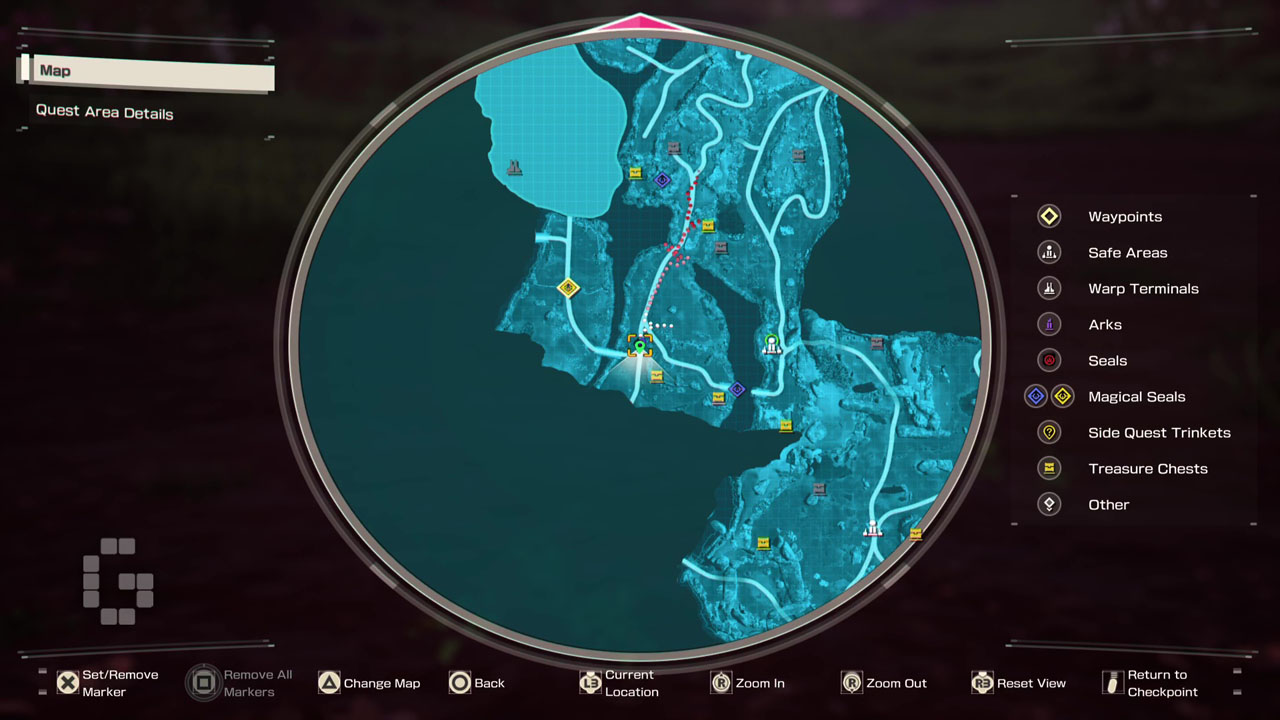
The map system makes this worse. Areas stay dark until you activate a safe zone, but the safe zone itself is usually placed in the middle of the area, so you can’t actually use the map to find your way there. Since there’s no climbing to get around obstacles, players often have to backtrack and look for another route. Once an area finally lights up, it’s common to realize a treasure chest was sitting right on a path you already walked past, meaning another trip back. A lot of players will just skip these chests, since many of them are in dead ends that don’t loop back to the main route, requiring yet another round trip just to grab them. This back-and-forth is a big reason the exploration ends up feeling more like walking than exploring.
Since the core gameplay loop of Echoes of Aincrad is dungeon exploration, then gathering materials, then crafting or upgrading gear, then repeating it all, dungeons are really the backbone of the whole game. That makes the exploration issues especially noticeable, since they affect the part of the game you’ll be spending the most time in.
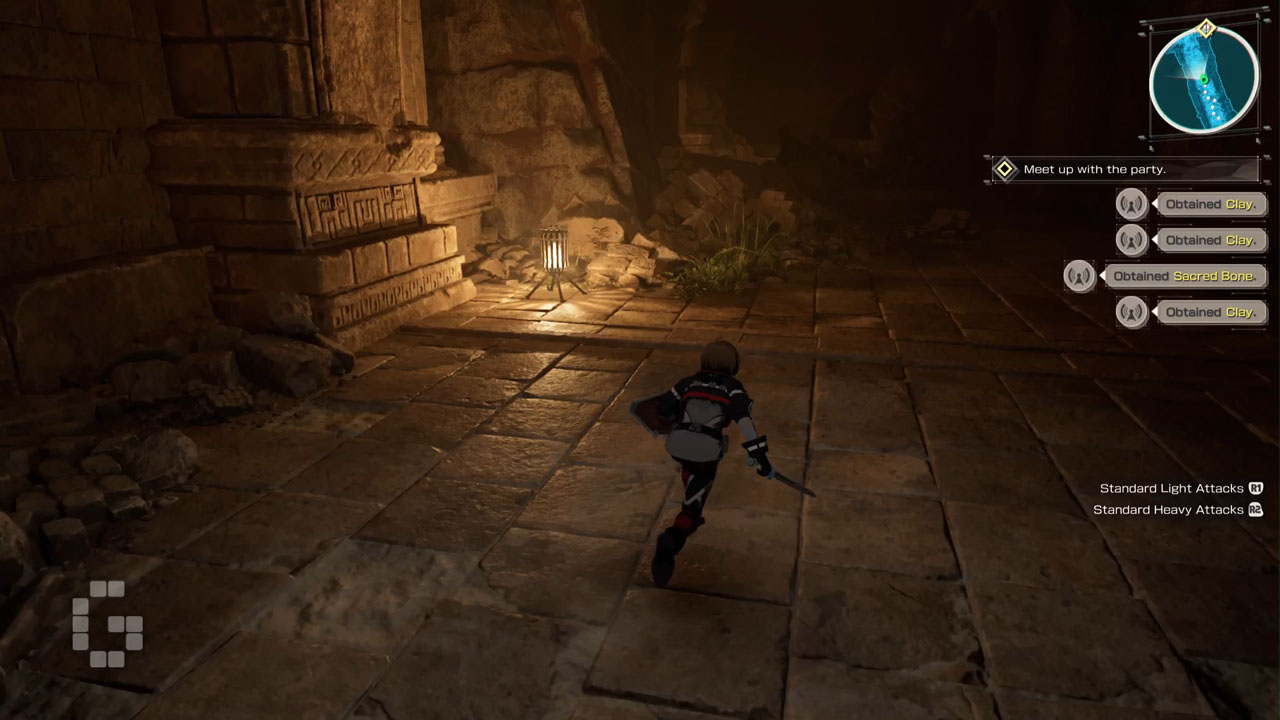
Side quests exist too, handed out by town NPCs and marked on the map, but they’re fairly light in both amount and depth, and don’t add much to the main exploration loop. There are also lore markers scattered around the world and towns that get logged into an in-game database once found. The idea is to reward players for exploring, but since there’s no real payoff attached to finding them, they end up feeling like just another checklist item.
Amulet items can help by lighting up dark caves or helping you cross specific gaps, but they only work at set trigger points and don’t replace basic movement options like climbing or double jumping. For most elevation changes, you’ll still need to find a way around on foot, and a lot of those paths turn out to be dead ends. Later Dungeon missions don’t really shake things up either. The main difference is puzzle sections that need specific items like flint or explosive stones to solve. These items can’t be crafted on the spot and aren’t guaranteed to be nearby, so missing one can stall progress on that puzzle.
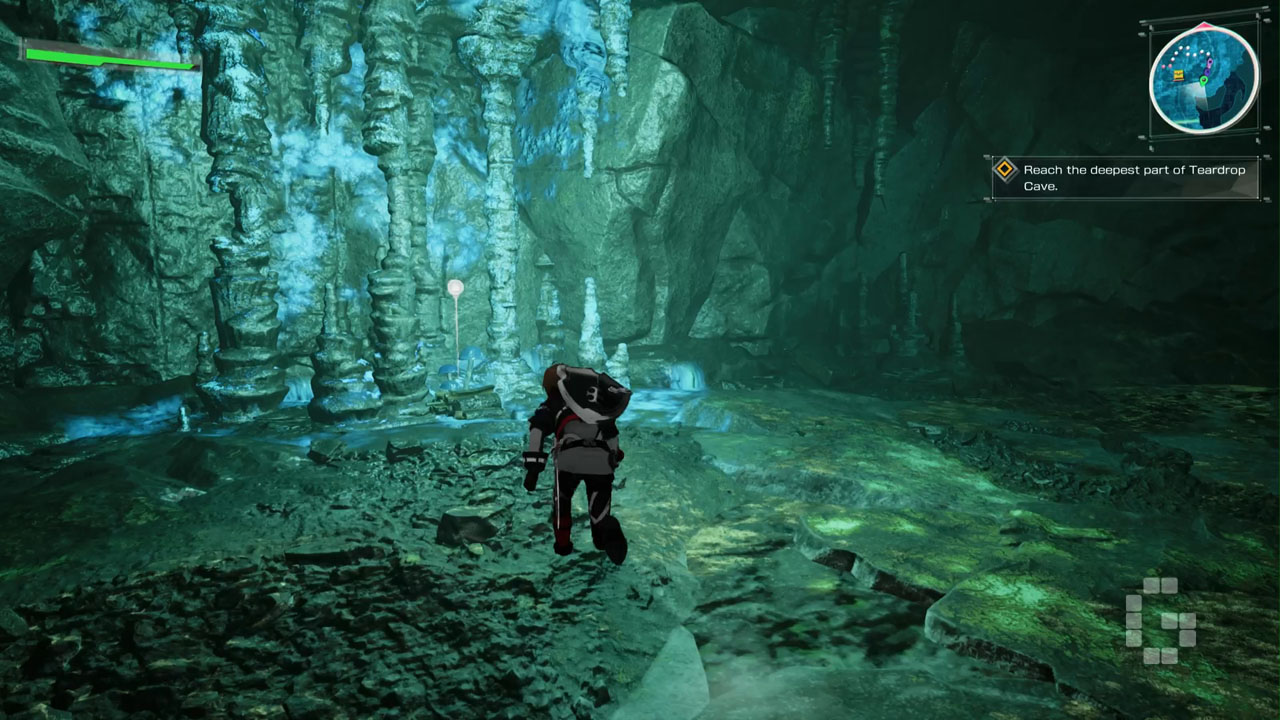
Skipping the puzzle only costs you a few treasure chests rather than blocking the game outright, but it does mean repeating the same dungeon loop without the extra reward. If you do want to solve them, you’ll often need to head back to a safe zone, fast travel to town, buy or gather the right materials, and then return, which adds up to a fairly tedious process.
Gearing and Partners
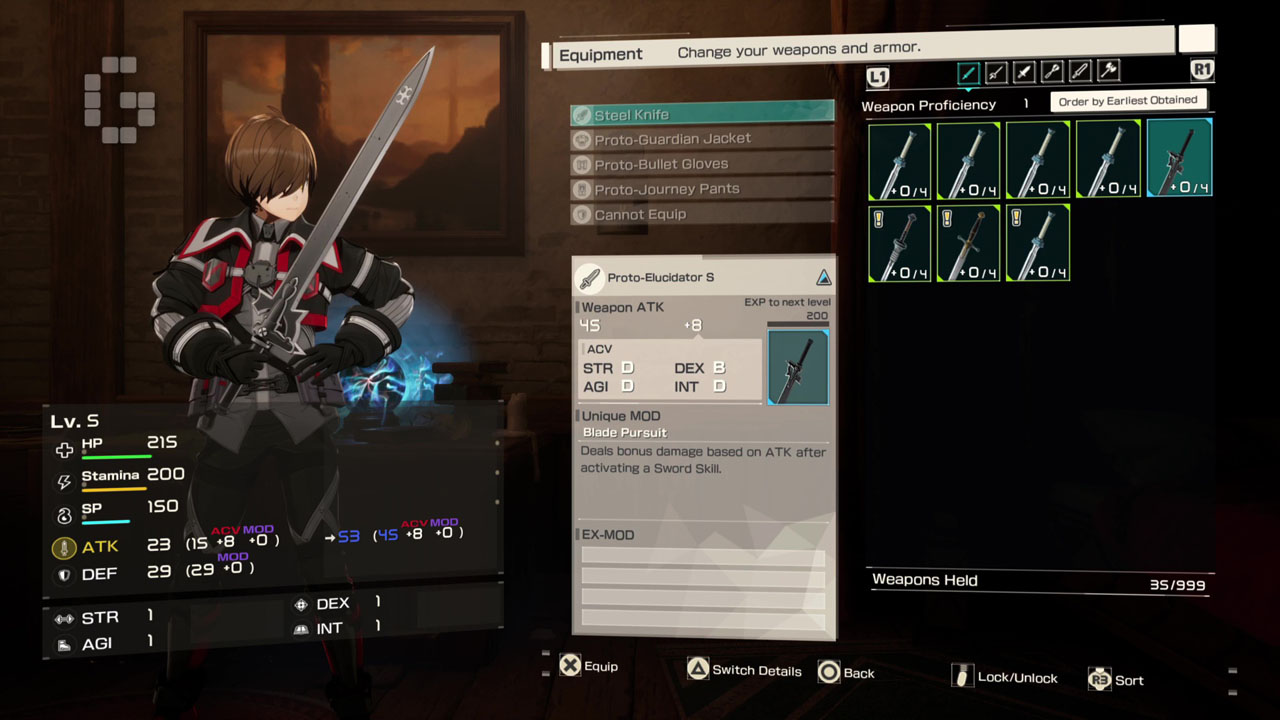
Progression is one of the stronger parts of Echoes of Aincrad. Every level up gives you stat points to spread across seven attributes, including HP, strength, agility, and intelligence. Weapon upgrades work by feeding other weapons found in dungeons into your current one, creating a loop where gear you find is used to power up gear you’re using. There’s also an EX-MOD system, similar to gear affixes in other games, where each weapon has up to four slots for mods that boost stats. Figuring out what mods a new weapon has and building around your preferred playstyle across six weapon types is genuinely enjoyable, though it’s held back by the fact that getting those materials still means running through the same flawed dungeons.
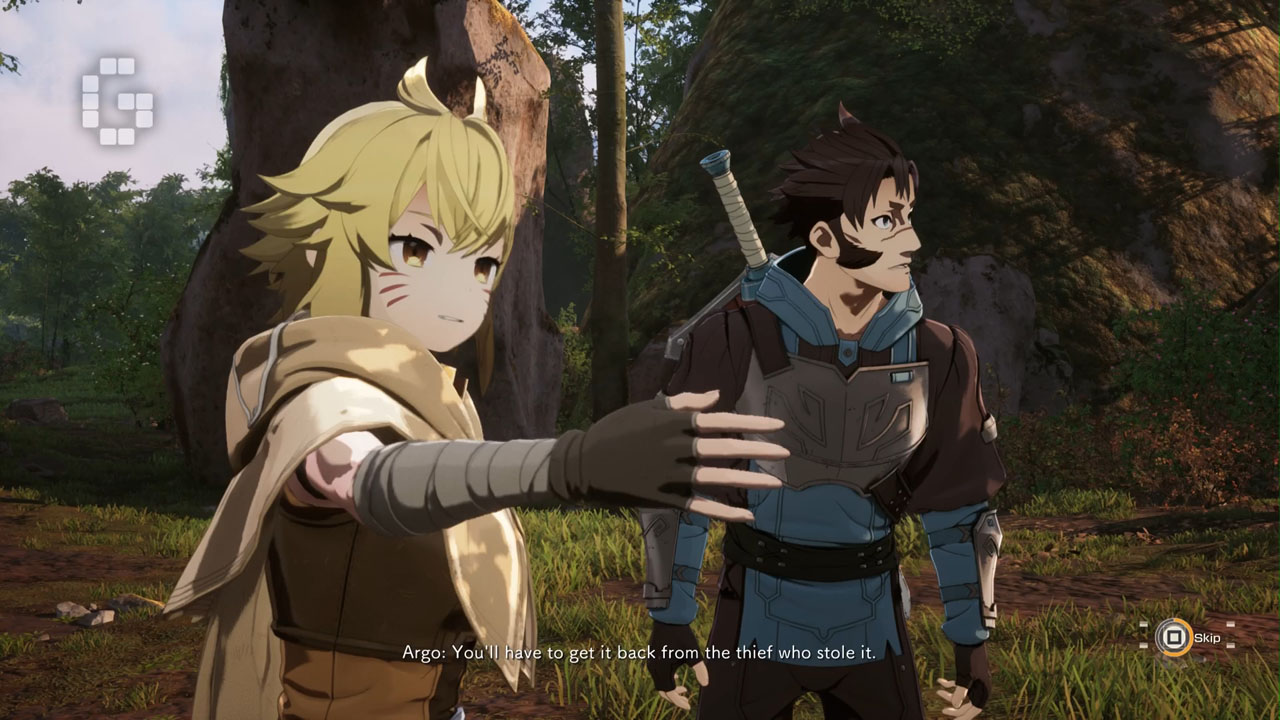
There are six partner characters to choose from: Iori for healing, Wyzeman for damage, Argo for scouting, Zash for defensive buffs, Stina for exploiting enemy weaknesses, and Musoh for crowd control. Combined with the Switch co-op system, this gives battles a decent amount of strategic variety.
Visuals and Audio
The art style is a fairly standard anime look that matches the source material, though overall visual detail is on the simpler side compared to other games in the genre. On both the PS5 and PS5 Pro, performance held up well during testing, without any major issues. Audio doesn’t stand out much either, and outside of the theme song performed by Aimer, the sound effects and soundtrack are largely forgettable.
Verdict
Echoes of Aincrad does a solid job with combat feel, weapon variety, and the way the Switch co-op system works together with partner support. The CBT-era prologue is also a nice bonus for longtime fans of the series.
At the same time, its problems are hard to overlook. The story drags due to heavy dialogue and a silent main character, which makes the narrative feel flat. Exploration is the weakest part overall, with underdeveloped side quests and lore content, a map that’s large but not very full, and assistive tools that don’t fully make up for the lack of climbing. Frequent dead ends and backtracking make exploring feel more like walking, and aggro-related bugs that prevent disengaging from combat don’t help either.
For longtime Sword Art Online fans, getting to revisit Aincrad through a custom character, starting from the CBT all the way through the death game, along with the Switch co-op system, still offers something worth checking out. For action RPG players who care more about exploration depth and pacing, though, Echoes of Aincrad still has a fair amount of room to grow.
The Review
Echoes of Aincrad
PROS
- Weapon variety and feel — Six distinct weapon types with independent skill trees; daggers stand out for their agility.
- Solid gearing loop — Flexible stat allocation, weapon-fueled upgrades, and EX-MOD customization offer real build depth.
CONS
- Hollow map design and weak exploration — Maps are large but empty, with little real content — the game's most critical flaw.
- Poor route design — Bad safe-zone placement, frequent dead ends and backtracking, no climbing to bypass terrain.
- Aggro system problem — Aggro doesn't reset with distance unable to disengage from combat.
- Sluggish narrative pacing — Dialogue-heavy, slow-paced story; the silent protagonist weakens interactivity.