


![[EXCLUSIVE] Dragon’s Dogma 2: Dark Arisen Team Opens Up About the Expansion’s Name, New Norgan Region, and Performance Goals](https://cdn.gamerbraves.com/2026/07/Dragons-Dogma-2-Dark-Arisen_Interview_FI-360x180.jpg)



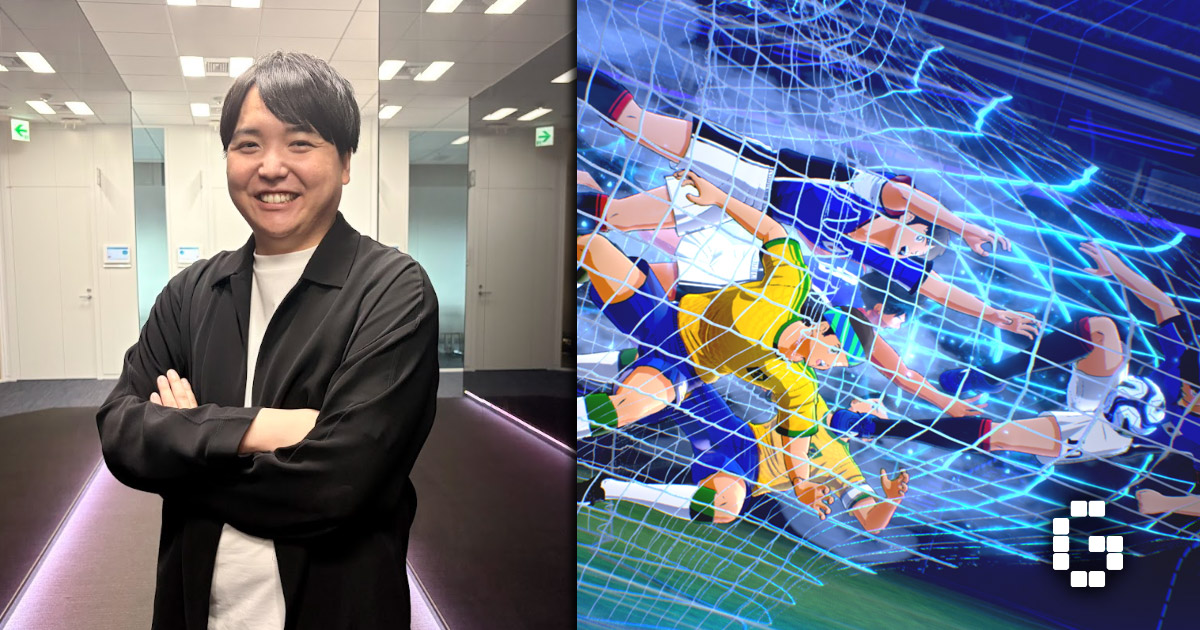
Captain Tsubasa has been a name football fans and anime fans alike have grown up with, and with a new World Cup year approaching, the excitement around CAPTAIN TSUBASA 2: WORLD FIGHTERS has been building fast. We got the chance to sit down in a group interview with Soya Mikumo, the main producer of the game, who walked us through everything from the new super move systems to why Indonesia made it into the roster. Here’s what he had to say.
Bringing the Manga to Life Through Gameplay
One of the biggest goals behind Captain Tsubasa 2: World Fighters was making sure players feel like they are actually inside the world of the manga. Mikumo was clear that this was the team’s starting point before anything else.
“What we had at the baseline is that, for example, the Tsubasa flying and driving shoot, so the goalkeepers cannot move at all because of this massive power. Also, there are animals coming out to imitate or just symbolize this kind of shoot, and it is quite surprising. That kind of thing we wanted to incorporate in this game,” he said.
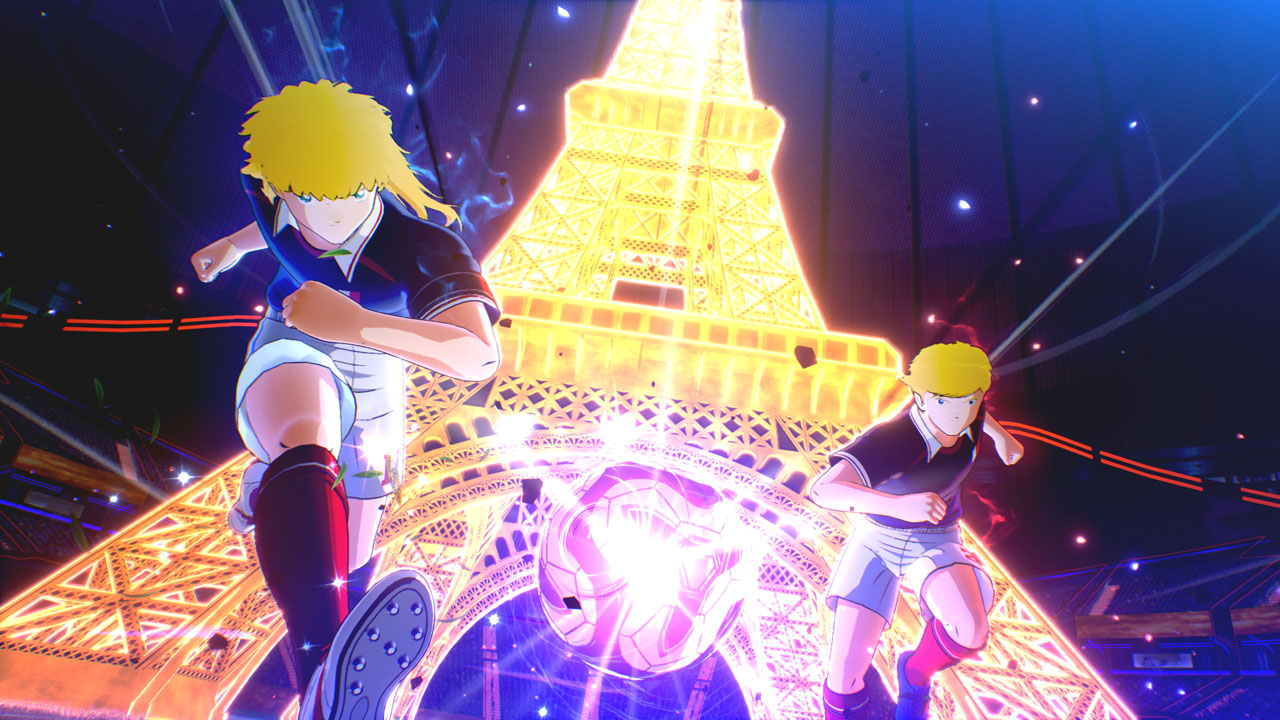
The game introduces several new systems, including super moves, a chain system, and a reworked goalkeeper mechanic. Mikumo explained that the intent was never just to make attackers stronger, but to make both sides of the pitch feel exciting. “There is a block and a tackle, so both sides, attack and offense, you can enjoy the excitement from this game,” he said.
A Major Rethink of How the Game Works
After the first game’s release, the team went through player feedback carefully. One of the most common complaints was how difficult the controls felt. In response, the team completely rethought the control scheme for this entry.
“What we were trying to eliminate is pressing simultaneously two buttons, because it is very complicated. So, what we are trying to do with this game is focusing on one button controlling,” Mikumo said.
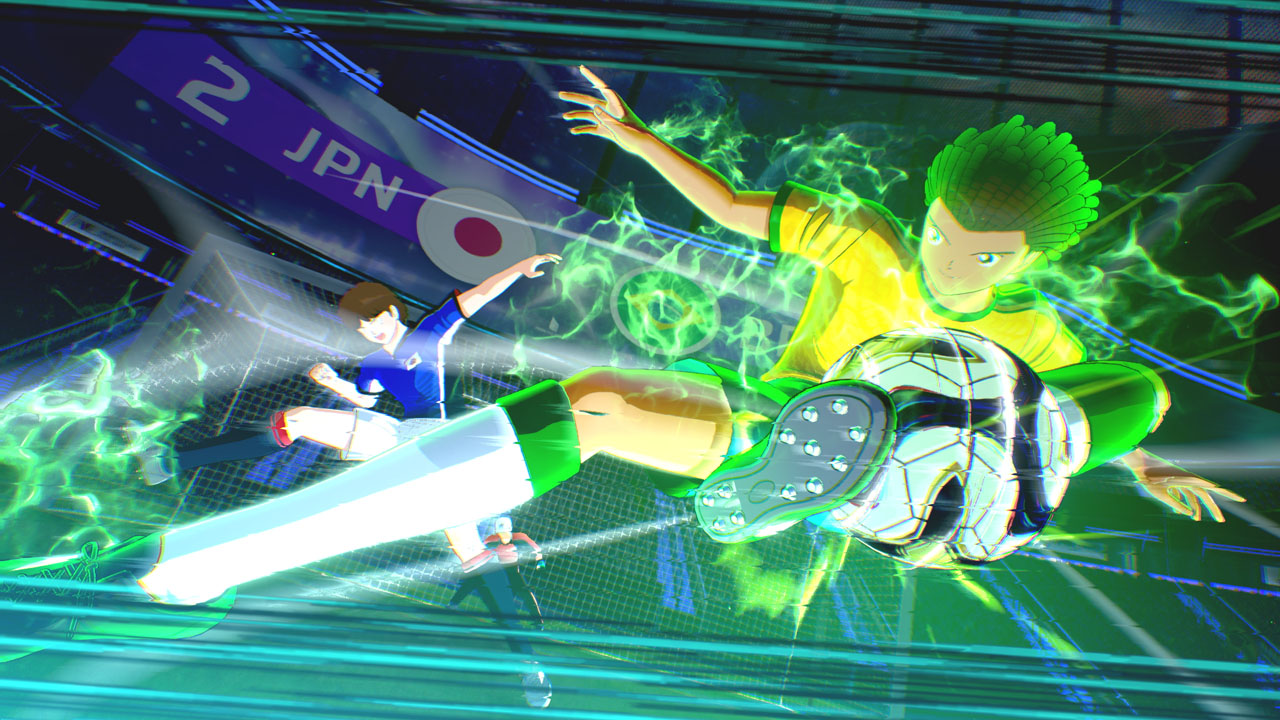
The team also drew inspiration from modern action games, specifically the idea of reading an opponent’s movement and reacting to it with a single well-timed input. The goal was to make the game more accessible without stripping away the depth that longtime players expected.
The goalkeeper system in the first game drew criticism for making matches feel formulaic. As long as the keeper had stamina, scoring was nearly impossible, which led to predictable patterns. Mikumo acknowledged this directly and explained how the team addressed it.
“I wanted to include the user’s controllability, whether they can shoot in the goal or they miss it. So there are a number of selections you can make. For example, you can have a perfect saving, then you can negotiate with the game, so there is a certain excitement you can keep till the end,” he said.
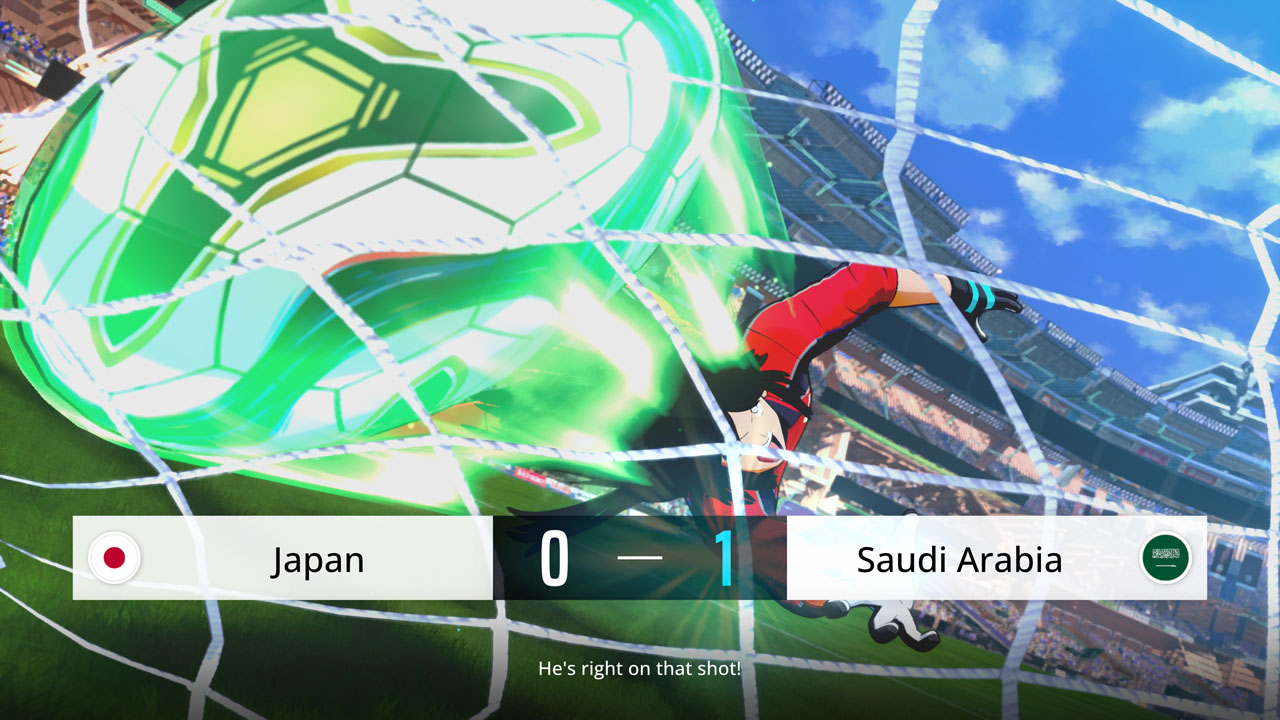
The newly introduced chain system also plays into this. The higher a player’s chain value climbs during a sequence, the more power a shot carries, which means even a keeper with plenty of stamina remaining can be beaten. “I want the players to feel that they don’t know the game until the very end,” Mikumo said.
Team Balance and Getting the Names Right
During hands-on sessions at the event, some players noticed that scoring with Brazil felt noticeably easier than with other nations, including Indonesia. Mikumo confirmed that teams do have different stats and characteristics, but said the design intent was for those differences to feel fair and grounded in what fans already know from the source material.
“Each team has their very unique feature or characteristic, and because of this unique feature or characteristic, their way of fighting or playing is different. So based on that, we try to make just a balance, so even if you are in an Indonesian team, you can actually beat the Brazil team,” he said.
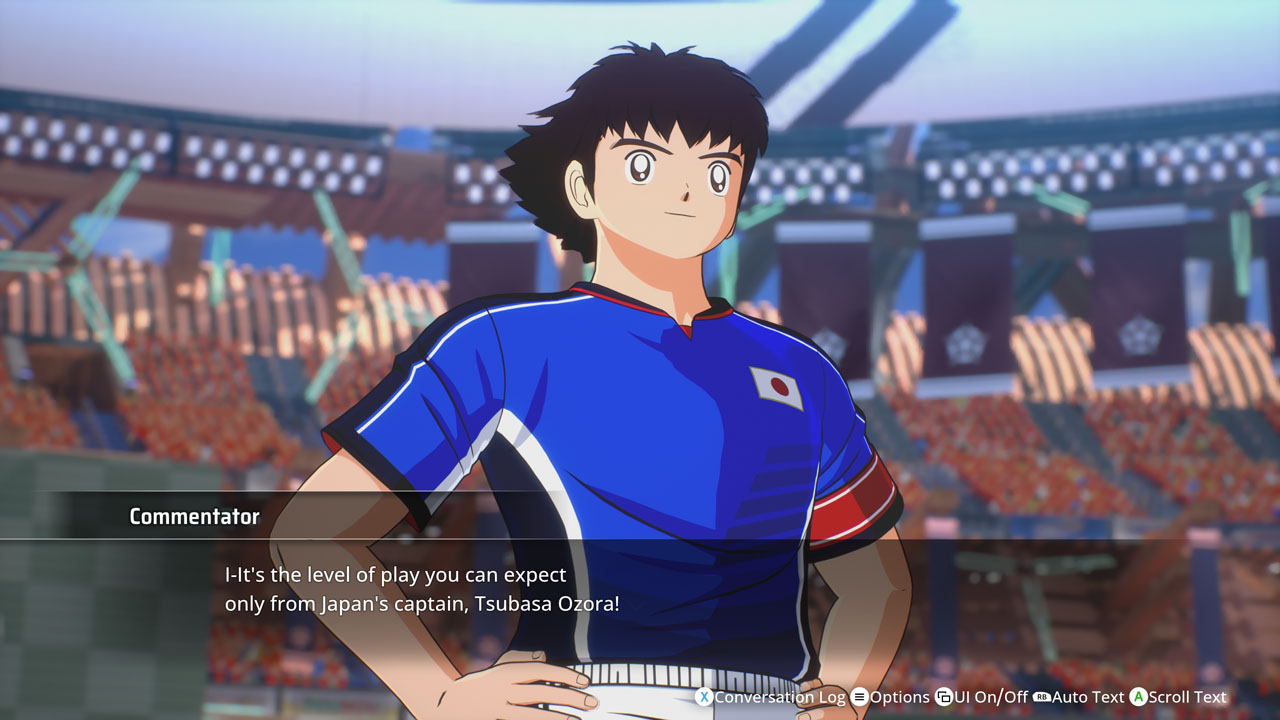
Individual iconic characters like Tsubasa still carry significant power because the team felt they had to stay true to the manga. “Tsubasa is very very strong and everybody knows, so we have to honor that,” Mikumo said.
One detail that drew attention during the interview was the inclusion of Indonesia as a playable team, which was met with visible enthusiasm. Mikumo explained that the decision came from the game’s source material, the World Youth Arc, which called for teams that were actually part of that storyline.
For player names, the team did not base them on specific real people. Instead, they consulted with local overseas staff to find names that would feel natural and recognizable to people in each country. “We are aware that there is a fan base in Indonesia. Therefore, if the Indonesians are happy for this inclusion, we are also very happy,” he said.
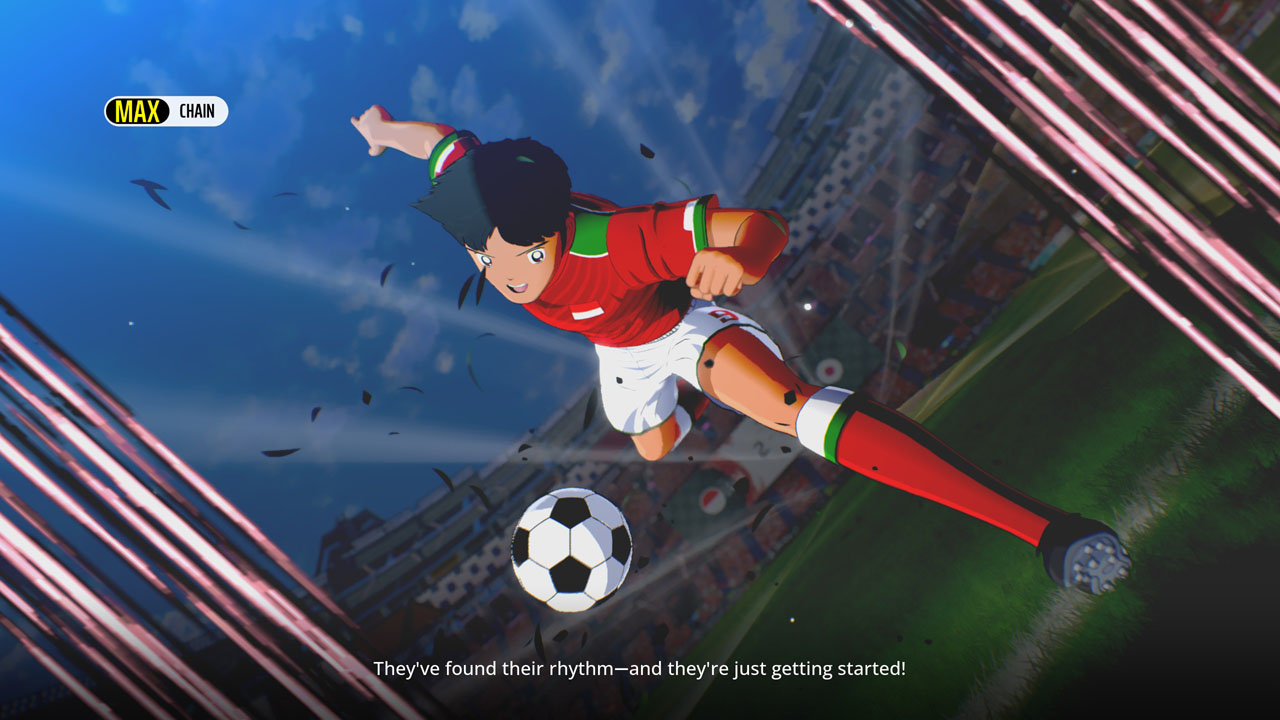
The game includes original content described as previously unseen themes from the manga. Mikumo said this was possible because the development team has worked on the series long enough to have a deep understanding of how it operates.
For the new teams and characters, the team would look at the characteristics of an existing squad, propose which type of player would strengthen or suit that team, and then bring that proposal to series creator Yoichi Takahashi for review and feedback. Character designs were handled by staff who had worked on the original manga and the animated series, which Mikumo said was important for keeping the visual language consistent.
Social Media Is Now Part of the Story
The game takes place four years after the events of the previous entry. In that time, the world of football has changed, and the story reflects that in an unexpected way. Mikumo described how social media is now written into the narrative as a reason why players across different teams have improved so dramatically.
“Some of the players learn and improve their technique by watching the top players’ games on social media,” he said.
This device is used to explain why characters who were secondary or even minor in the first game can now replicate techniques that previously only the main cast could perform. “Each team’s level has improved. That is a baseline for this game,” Mikumo said. The result is a tournament where any team can beat any other, which Mikumo described as the central tension the game is built around.
For Fans of the Anime and Complete Newcomers Alike
The release of Captain Tsubasa 2: World Fighters in 2026 is not a coincidence. When asked directly whether the timing was planned to line up with the FIFA World Cup, Mikumo did not hesitate. “Yes, that’s right. As you mentioned, yes, you are right. We have developed this game to coincide with the World Cup,” he said.
Mikumo was also asked how the team thought about players who love the anime but have never touched a football game, or who have never seen Captain Tsubasa at all. His answer framed the game as a two-way door.
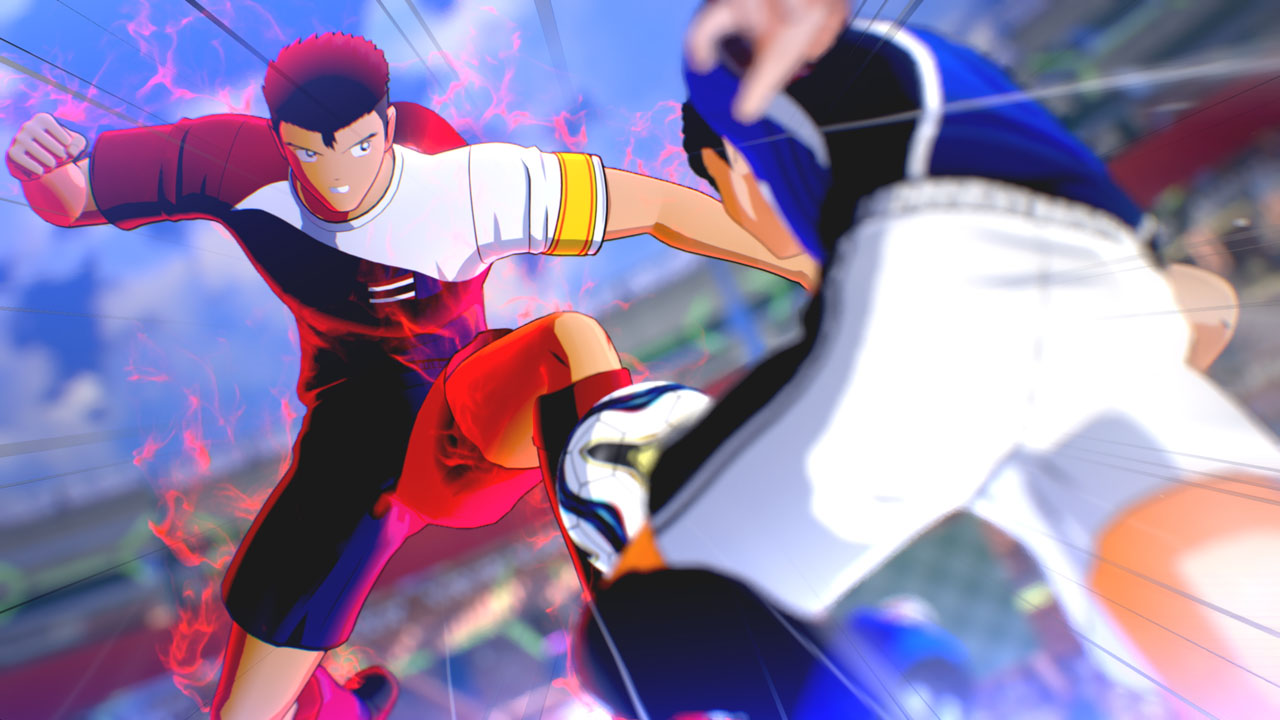
For people who already know the series, the game is built to deliver the moments and characters they care about. For those coming in fresh, the pitch of representing a national team in a World Cup tournament is meant to be enough of a hook on its own. “Even if they don’t know about Captain Tsubasa himself, it is quite exciting for you to be a part of the national team and play the World Cup soccer,” he said. “If they watch the animation of Captain Tsubasa or read the manga, it would be great for us as well.”