








![[EXCLUSIVE] Dragon’s Dogma 2: Dark Arisen Team Opens Up About the Expansion’s Name, New Norgan Region, and Performance Goals](https://cdn.gamerbraves.com/2026/07/Dragons-Dogma-2-Dark-Arisen_Interview_FI-360x180.jpg)



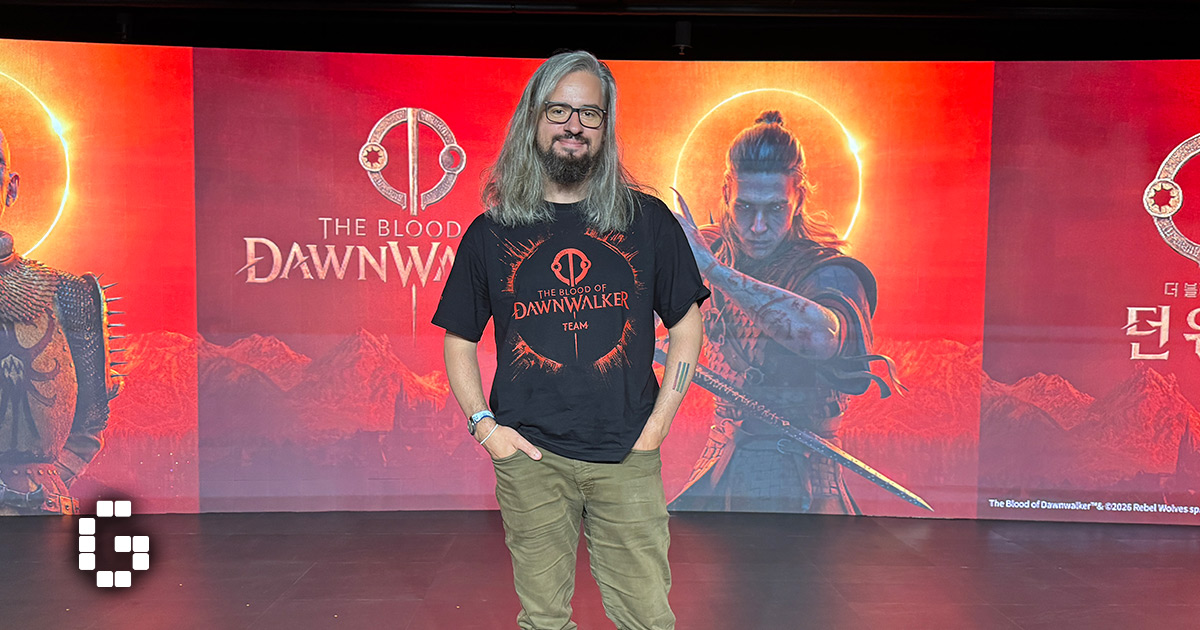
The Blood of Dawnwalker is Rebel Wolves’ upcoming open-world RPG set in a version of medieval Europe where vampires have taken over and humans are left to survive under their rule. With a story built around choice and consequence at nearly every turn, there was plenty to ask about how it all comes together. After spending hands-on time with an early build of the game, we recently got the chance to hear from Jakub Szamalek, Narrative Director and Main Writer at Rebel Wolves. The session opened with Szamalek addressing some technical hiccups seen during the preview, explaining that certain demo units had RAM and cooling problems that caused frame issues, and assuring attendees that the game runs much better on properly specced machines. From there, the conversation moved into an open Q&A where Szamalek answered questions about the game’s story, systems, and design choices in detail.
A Narrative Built on Choice and Consequence
Szamalek explained that the writing team’s approach to The Blood of Dawnwalker builds on lessons learned from earlier projects involving branching narratives. This time, though, the studio wanted to push further. Players can kill off nearly every NPC in the game and the story will still continue, and certain quests play out differently depending on whether you approach them as a vampire or as a human.
He described the process as messy but rewarding. “It can be a tiresome process, but there’s also a component of joy because we realize, ‘Oh, it would be so cool, you know, only 1% of players will see this’,” he said, adding that the writing team gets the final say on story content, though feedback comes in constantly from gameplay designers and artists throughout development. Some non-linear branches were added so late that the team had to dig through recorded voice lines to find unused or duplicate dialogue that could be repurposed. “It’s messy, but joyful,” he summed up.
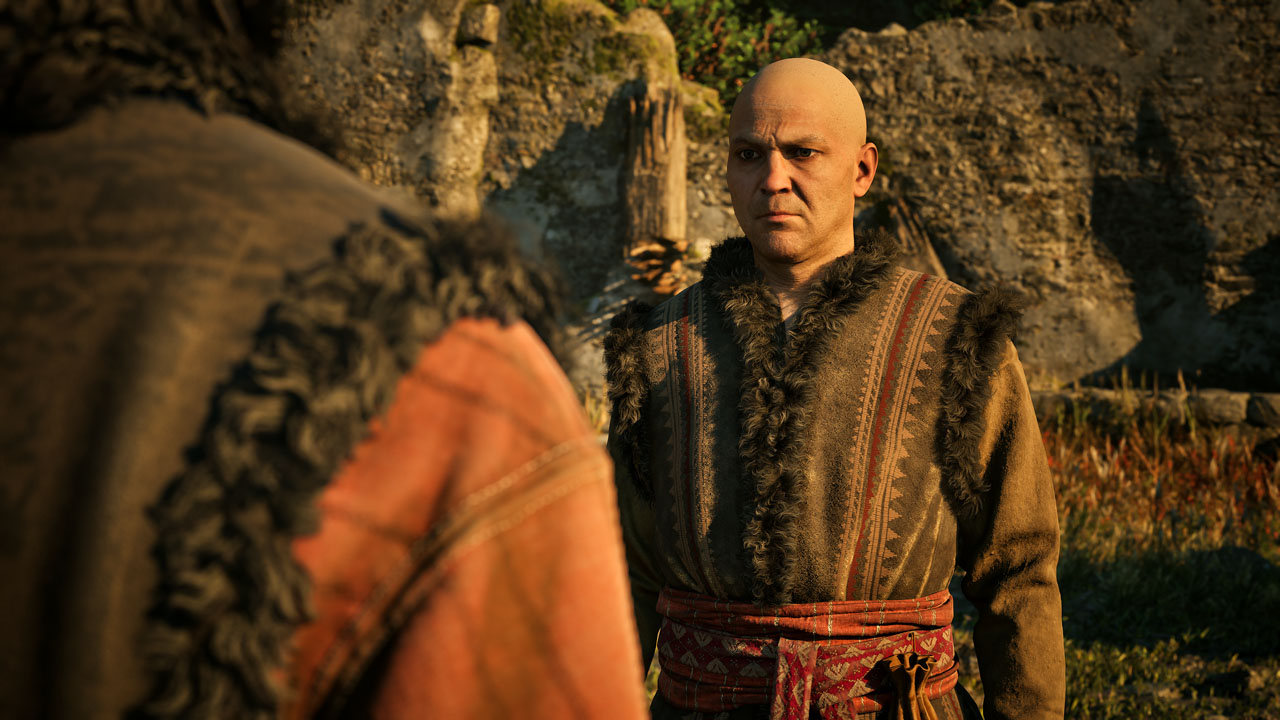
This philosophy carries into how Coen himself changes over the course of the game. The game tracks how a player behaves and reflects it back through the character. If a player loses control and feeds on someone against their will, Coen reacts with shock at first, but repeated instances change his relationship with his darker side. The more this happens, the more it reshapes Coen as a character.
“So you can see him and his relationship with his monstrous side changing.”
Defeated vampires also leave a mark on Coen in some way, and that darkness carries into the story. “The game can end differently depending on how you played it, whether you embraced the darkness or whether you wanted to maintain your distance from it,” Szamalek explained. He also spoke about why this kind of moral agency matters to him as a writer.
“In a book or in a movie or in a comic book, however interesting it is, you’re just following somebody else’s story. Whereas in video games, we give you the steering wheel and ask you what would you do if this was you.”
That sense of consequence extends all the way to the ending. The Blood of Dawnwalker does not separate its story into main quests and side quests in the traditional sense. Once the prologue ends, the only required objective is to eventually confront Brencis at the castle. Everything else, including alliances, betrayals, and how much time is spent on other activities, is left up to the player and will shape how the story’s epilogue unfolds. Szamalek confirmed that most of these outcomes are treated as canon, though there are some hidden, harder-to-reach endings that fall outside the main canon.
Key decisions will carry forward into future titles in the series, similar to how previous projects from the studio have handled choice continuity. “We do want these choices to be consequential across titles and to build your own saga as future games come out,” he said, though he added that not every single decision will carry that weight.
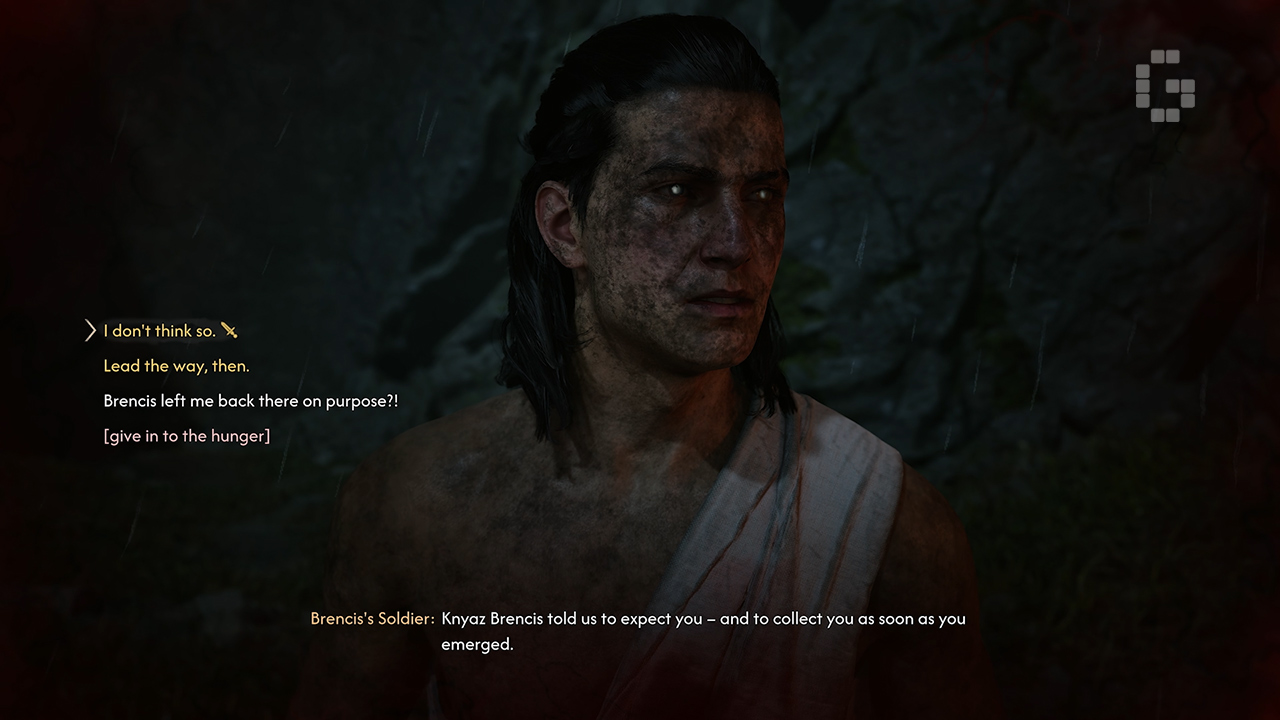
Still, there is no traditional fail state in the game. Even if a player kills off nearly every NPC, a small number of characters, around five, will always survive regardless of choices. “No, you can get an ending you will feel bad about. That’s for sure. Yes. But I don’t think you can fail, fail,” Szamalek said.
As a novelist as well as a game writer, Szamalek reflected on how different this kind of storytelling is from writing a book. “With a book, they have a beginning and an end. And it’s sad. Whereas here, I feel like this is something that’s alive,” he said. He noted that traditional storytelling often relies on failure as part of a character’s arc, but players tend to dislike being forced to fail, which required him to rethink how to build a satisfying story that can move from success to success depending on player choice. “Games are still relatively new,” he said.
“And there’s still much to learn and much to discover.”
He also addressed the deeper lore woven into the world, which is delivered through details like tomb paintings, ruins, and in-game books rather than direct exposition, rewarding players who explore closely and take their time.
Coen’s Journey: Family, Romance, and the Cost of Power
The game’s opening hours center on the disappearance of Coen’s village. Szamalek clarified a point that came up during the demo, that the villagers seen taken at the end of the prologue aren’t killed but captured and moved to the dungeons beneath the castle in the capital of Vale Sangora. Freeing them becomes the player’s driving task going forward, though he was clear that it’s a goal players can succeed or fail at, and it’s just one of many branching outcomes built into the game.
Alongside that main thread, players can pursue relationships with several possible love interests. Some connections will feel obvious early on, while others may surprise players. “There are also cases where it might surprise players that there is someone they wouldn’t have suspected harboring feelings for them,” Szamalek said. Players who want to build relationships with NPCs will have space to get to know them, share experiences, and move things forward over time.
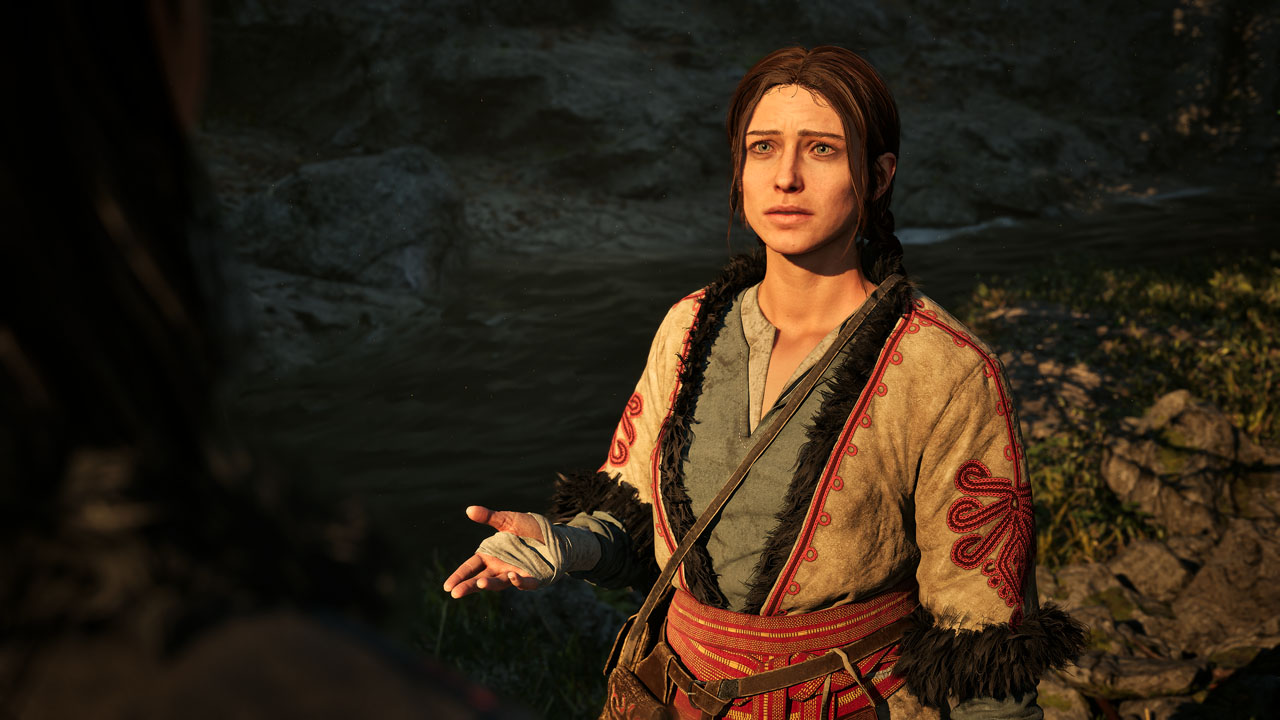
That intimacy carries risk, though, because of a system tied closely to Coen’s vampire side. At night, players start with a reduced health bar, and if it isn’t managed by feeding, Coen can lose control and feed on whoever he’s talking to, even a close friend or love interest. “We wanted to make you feel the ‘vampire hunger’,” Szamalek said.
“Because it’s cool to play as a vampire and have all these skills, but we wanted to illustrate that there is a downside to it.”
He added that the mechanic is meant to make players feel the burden and danger that comes with being a vampire, rather than treating vampirism as a purely beneficial state.
Time, Quests, and a World That Reacts
A central mechanic in the game is the strict time limit: players have 30 days and 30 nights to save their family, and not every quest can be completed within that window. Szamalek said the team looked at other RPGs that use time management, including some Japanese titles and classic Western RPGs like Fallout 1 and 2, though the system in Dawnwalker isn’t a direct copy of any of them.
The goal was to avoid the disconnect players often feel in open-world games when urgent-sounding quests can be ignored indefinitely. “In our game, if someone asks you for help and you make them wait, things will happen,” he said. Time passes during quests themselves rather than only after completing them, since the team felt it would be strange for hours to suddenly pass after a long activity ends. Instead, quests are broken into chunks, with time passing at points where it feels natural for an activity to take time.
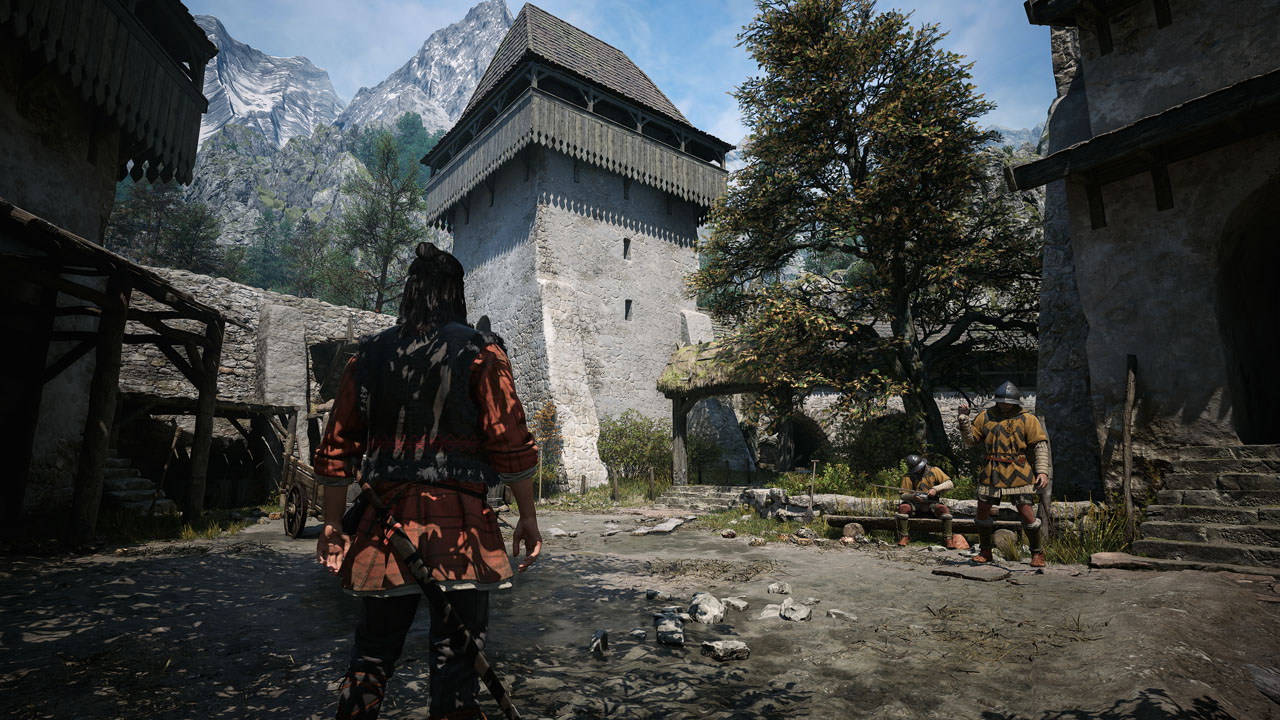
Despite the pressure, Szamalek stressed that players are still in control of how they spend their time and won’t be punished unfairly for it. He encouraged even completionist players to consider a second playthrough to see everything the game offers, saying that stepping outside familiar habits is part of what the game is designed around. “We really did want to create a game that is fresh and takes risks,” he said.
This same philosophy shapes how quests are presented on screen. Since the game doesn’t flood the map with markers the way many open-world titles do, Szamalek said this was a deliberate balance. “It’s a delicate balance to strike because we don’t want to hide content from people, but also we don’t want to take away the sense of discovery from you,” he said. Some content is highlighted for players right away, while other points of interest are only revealed by exploring towers at night. A fair amount of content isn’t flagged by the game at all, which Szamalek said is meant to reward curiosity and thoroughness.
Combat, Monsters, and a Living World
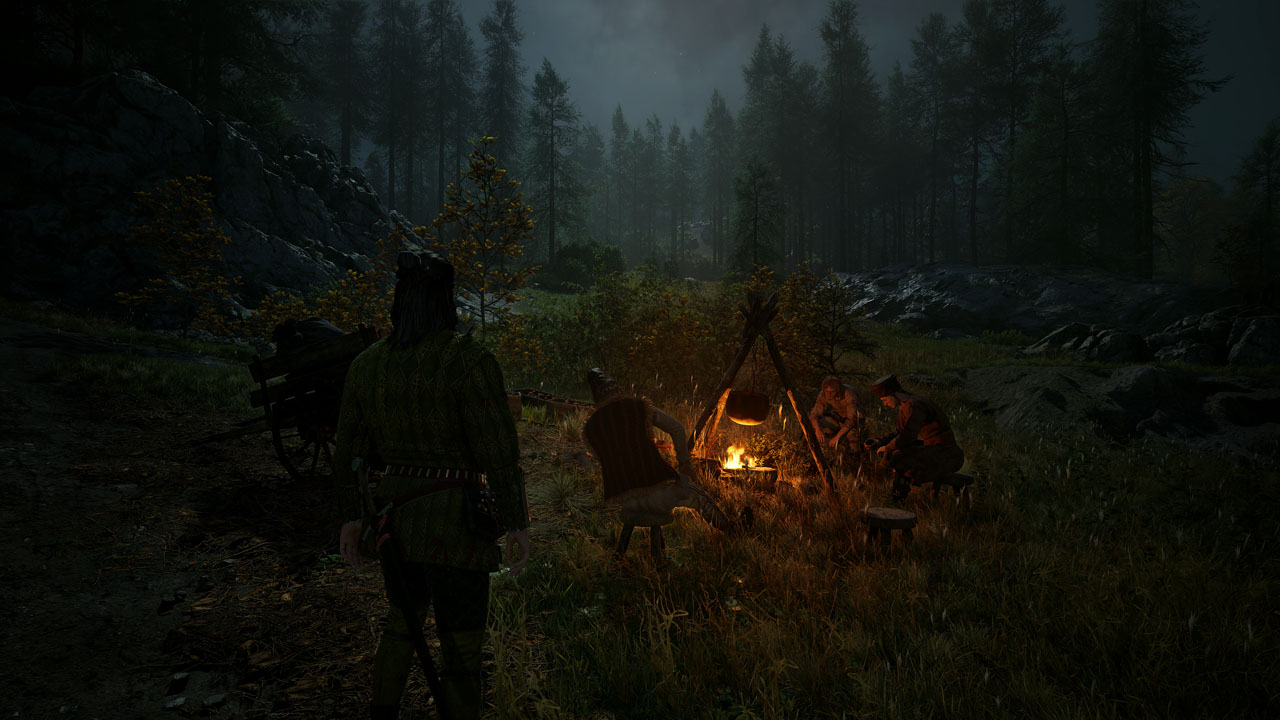
Szamalek described wanting the game world to feel alive and believable, with animals of all kinds populating it, some of which can be used as a source of blood for players who prefer not to drink from humans. The team is also working on adding animal petting to the game.
For monster design, the studio drew from Central and Eastern European mythology and folklore, aiming for creatures that feel like they belong in the world rather than standing out as pure fantasy. “So we wanted monsters that feel like they’re of this world, that they’re flashy. They aren’t huge. They feel grounded in this reality,” he said. Different monster types are designed to test players in different ways, including groups that swarm, large enemies that require tactical positioning, and ranged attackers. Asked about the core design philosophy behind combat encounters more broadly, Szamalek pointed to variety, noting that even powerful weapons in the game come with their own unique attack abilities that players can add to their skillset.
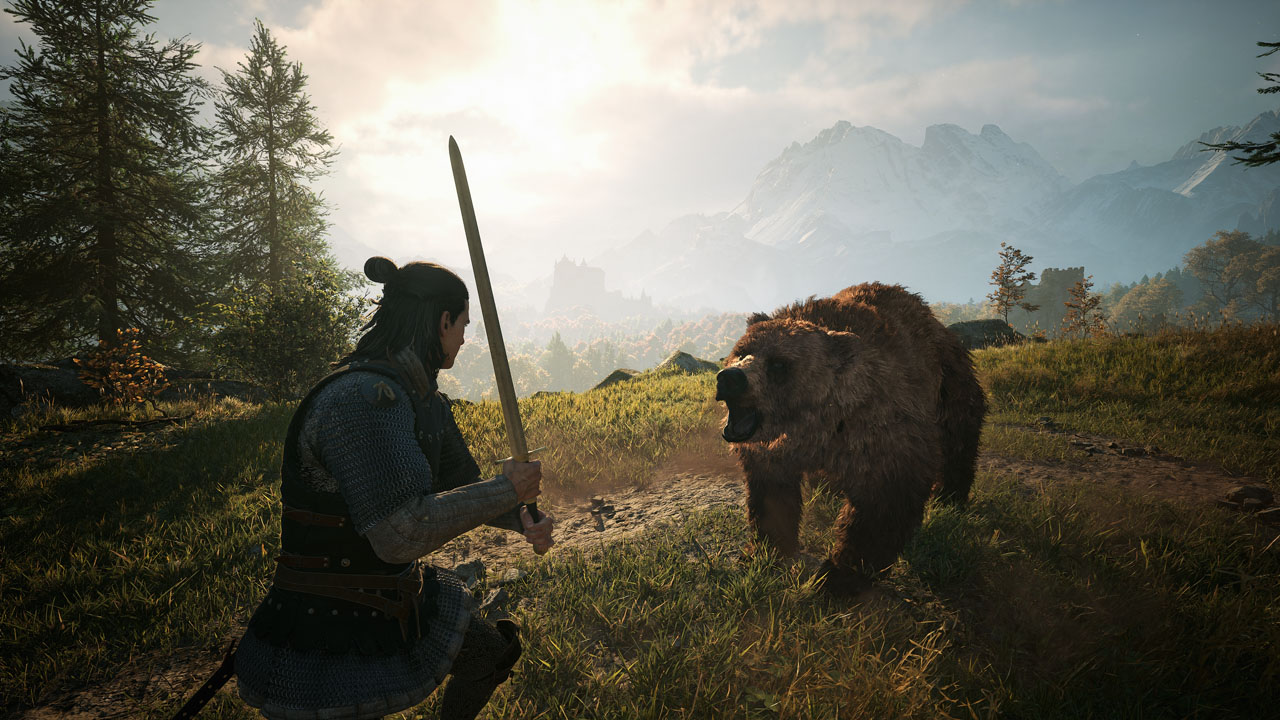
Combat itself changes based on whether the player is in human or vampire form. During the day, players rely more on sword fighting and magic, including spells that can be learned from sword masters encountered in the world. At night, vampire abilities take over, and defeating other vampires allows Coen to absorb their skills, expanding his options further.
Szamalek said one of the toughest balancing challenges was making both playstyles feel equally fun, since vampire abilities are naturally flashy and powerful. “Vampire combat is immediately attractive and it’s very powerful to play as a supernatural creature,” he said.
“So the biggest challenge was to find ways in which we could make the combat and the gameplay jointly equally attractive and fun to play.”
He added that this difference also shows up in how players are likely to approach conflict depending on the time of day.
“It’s okay maybe during the night if you’re more involved in it to play aggressive and to resolve conflicts with your claws. And also during the day, you might be more inclined to try to talk yourself out of a difficult situation.”
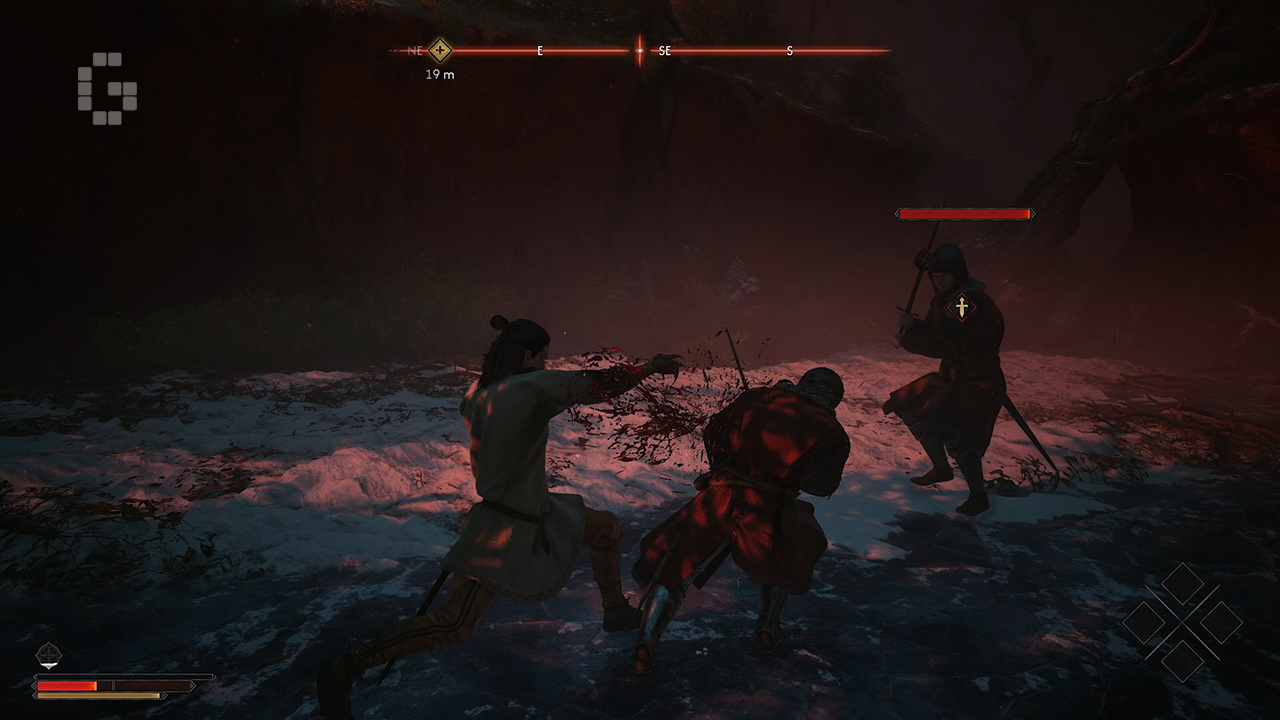
Directional combat was added to give players more tools and make them feel more in control during fights, though the studio also built in options for players who don’t want to engage deeply with that system.
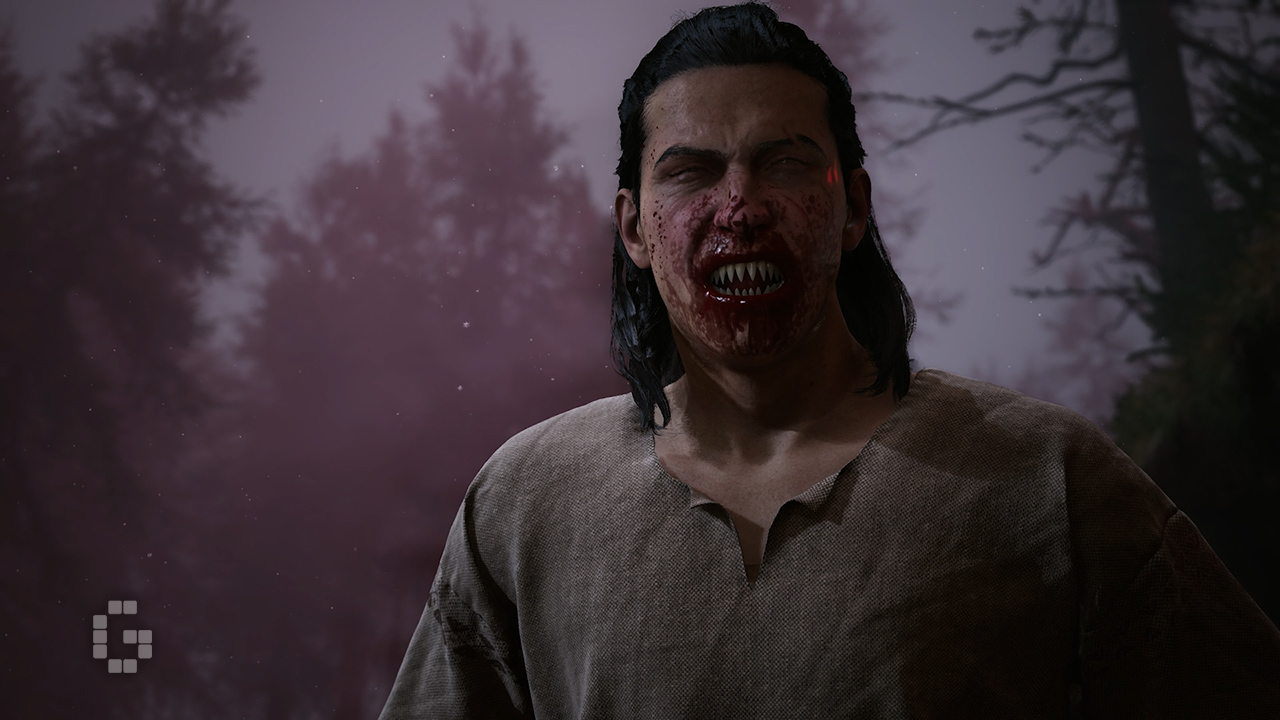
He also touched on vampire visual design, noting that teeth were used as a signature trait. “We really focused on the teeth. We felt that the teeth are something that makes vampires immediately recognizable as vampires,” he said, adding that older vampires in the game are covered in teeth growing from unusual places the longer they’ve lived.
Coen’s mismatched eye colors after his transformation were designed with the same idea in mind. “The element that stands out in Coen is his eyes,” Szamalek said.
“After he’s transformed, his eyes are different colors, which we thought expresses his dual nature and the fact that he’s a different creature by day and a different creature by night.”
A History-Inspired Setting and Its Vampire Rulers
The game’s political structure, referred to as the World system, is based on a feudal hierarchy. “Our game takes place in medieval Europe. And we were inspired by a feudal system where you have a lord, who has his knights, who have their peasants, and so on. It’s all like a pyramid of power,” Szamalek explained. At the top is Brencis, the vampire ruler of Vale Sangora. “He’s the top dog, the Prince of Vale Sangora. And then he has his vampire vassals. There’s three of them, and they kind of respond to him and have their power thanks to Brencis,” he said.
Players can weaken Brencis’s power by interfering with these vassals, such as disrupting Ambrus, who controls the swamp region. “Ambrus is responsible for collecting, storing, and transporting blood. By interfering with his operations, you make the other vampires in the game weaker, and so you have a better chance at succeeding at your task,” Szamalek said. He noted, with some amusement, that Ambrus in particular has struck a chord with early audiences.
“I was surprised because half the Internet is in love with Ambrus. Our Reddit is full of questions whether he would be a romanceable character, which took me by surprise, I have to say.”
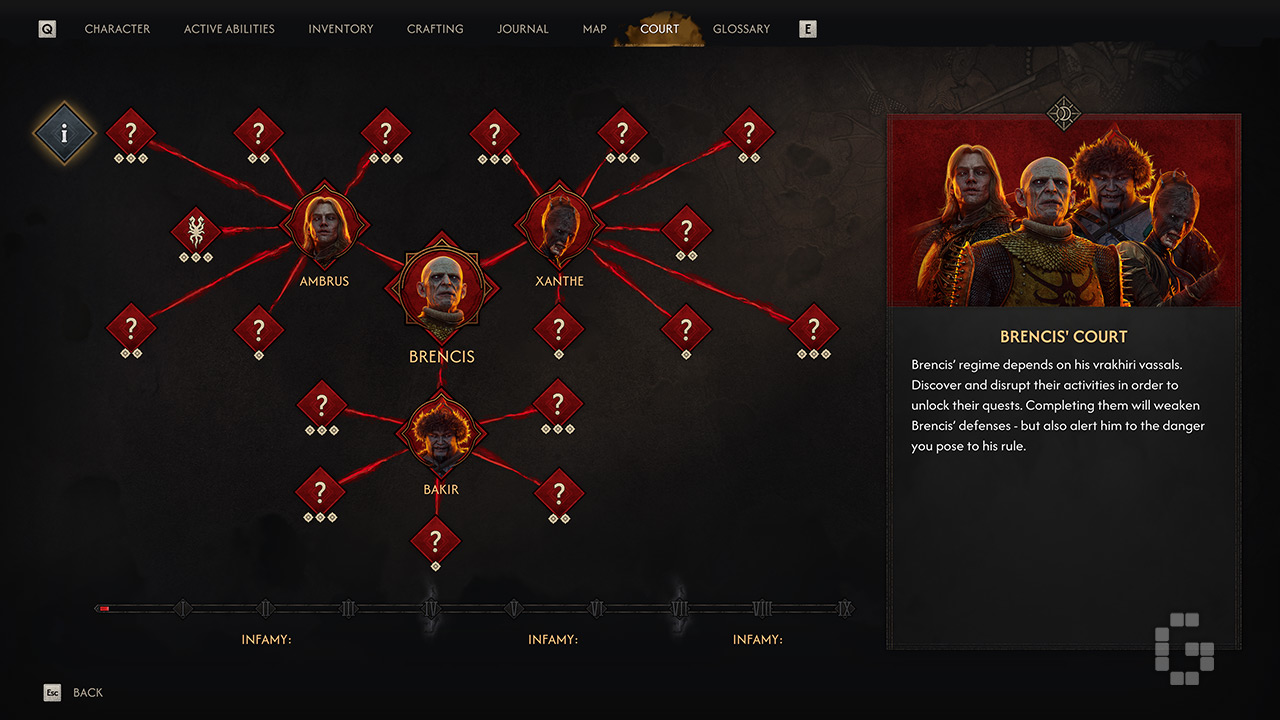
Szamalek explained that Brencis is designed to respond intelligently to the player’s actions. The more the player disrupts his operations, the more fearful and aggressive he becomes, issuing new restrictions in response. Players can choose to confront him early, slowly dismantle his power over the full 30 days, or take other approaches entirely. Szamalek referred to this overall design philosophy as the “Narrative Sandbox,” where story elements can be combined and experienced in many different orders.
This power structure sits inside a world that leans heavily on real history for its texture. Although the game includes fantasy elements like magic and monsters, Szamalek said the team wanted the world to feel historically grounded, drawing inspiration from medieval Europe, including the era of the Black Death. He mentioned his background in archaeology as a personal influence on weaving historical and mythological elements together. Even so, the game deliberately avoids pinning its setting to a specific real-world country, even though it takes place in a Carpathian-inspired region. “I specifically didn’t want to put it in any particular place to not be constrained by real historical and geographical concerns,” he said. Despite Rebel Wolves being based in Poland, the team chose not to set the story there specifically, feeling that some distance from home helps create a fresh experience for both the developers and players.
“If something feels too familiar, I think it’s easy to forget that it’s not so for other people.”
Even so, the game deliberately avoids pinning its setting to a specific real-world country, even though it takes place in a Carpathian-inspired region. “I specifically didn’t want to put it in any particular place to not be constrained by real historical and geographical concerns,” he said. Despite Rebel Wolves being based in Poland, the team chose not to set the story there specifically. “I feel like removing ourselves somewhat from our home turf actually yields itself to a better experience for everyone, we get to explore something new,” Szamalek said.
“There’s a trap in familiarity. If something feels too familiar, I think it’s easy to forget that it’s not so for other people.”
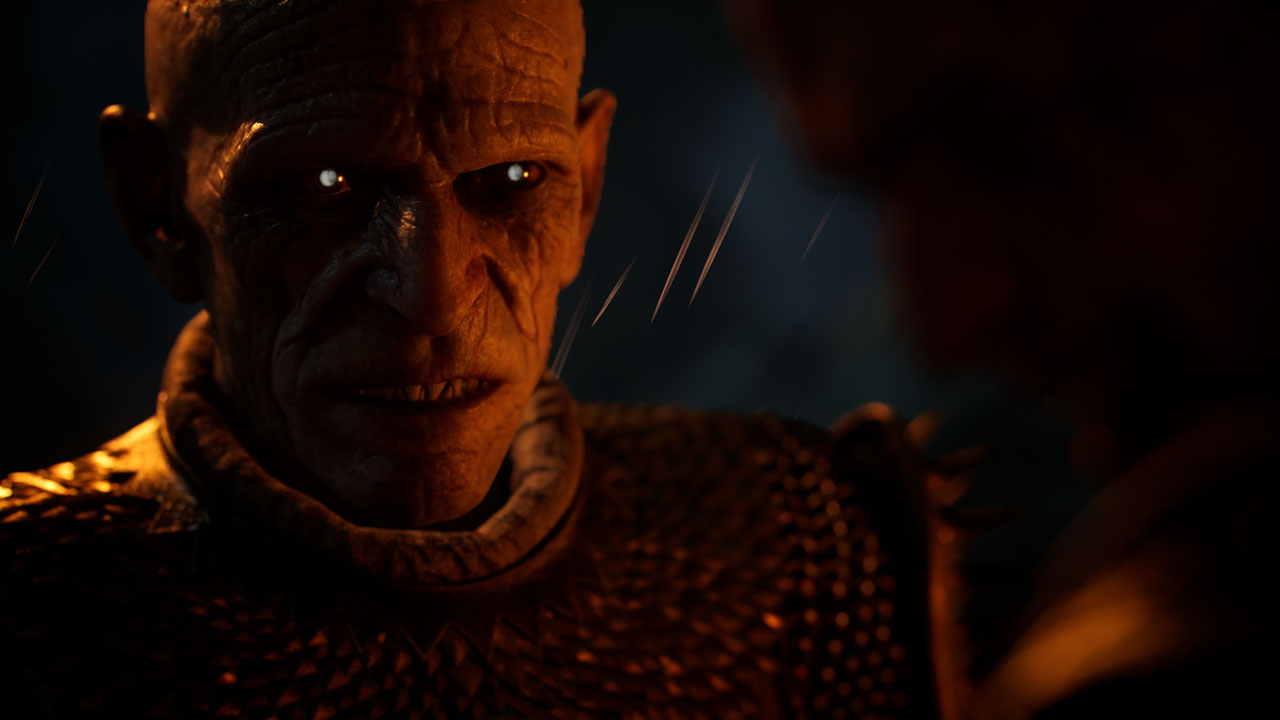
The cast of vampire antagonists also reflects a mix of cultural backgrounds, including figures inspired by ancient Rome, Mongolia, and Egypt, alongside human characters representing Slavic, German, Czech, and Jewish communities from the era. Szamalek said there wasn’t a strict system behind these choices beyond a desire for variety in how characters look, speak, and present themselves.
“We wanted to represent the diversity and richness of medieval Europe, so we wanted to draw from different cultures that were present on the continent at the time. In our game world, you will find people of Slavic descent, of German descent, of Czech descent, and Jews, who represent the rich history of medieval society,” Szamalek said. Among the vampires themselves, the same variety applies.
“There is no system. I think we wanted to have variety, and also we wanted them to feel very different in how they look and how they talk, how they present.”
Replayability and What Comes Next
Once the 30-day story concludes, players cannot return to explore unfinished content in that save, since the state of the world no longer makes sense once the main conflict is resolved. Szamalek said the team sees two to three playthroughs as ideal for players who want to experience most of what the game offers, given how much content changes based on earlier choices. When asked whether anything might carry over between playthroughs beyond what’s already been discussed, Szamalek said this was something the team was considering but not ready to detail publicly.
That finality is part of why the studio built the game around replay value instead. “We do encourage people to replay the game because it has a lot of content that you will not see in a single playthrough. And two to maybe three playthroughs are optimal if you want to see everything that’s in the game,” Szamalek said. When asked whether anything might carry over between playthroughs beyond what’s already been discussed, he kept the details close. “So off the record, we are thinking of it, but I guess it’s not something we can talk about in detail,” he said.
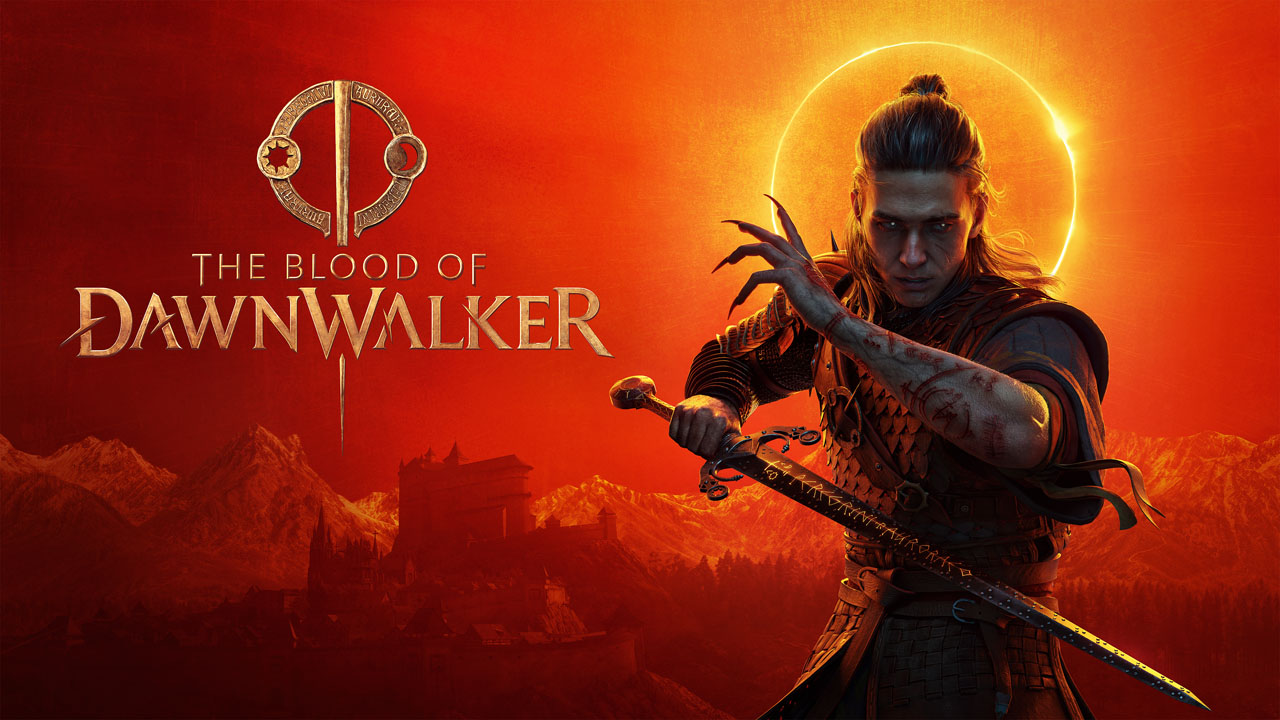
Looking further ahead, the interview also touched on the future of the franchise. A trailer showing Coen in a more modern setting was brought up, and Szamalek confirmed that Rebel Wolves intends to build this into a multi-title saga, with Coen aging and evolving across future games rather than remaining static the way many long-running franchise characters do. “We want to create a story that spans multiple titles and feels epic in its breadth, like The Lord of the Rings,” he said.
The studio is also considering expanding the story into other formats. “We are already talking about comic books and we might be doing other things, but also we are a small studio. We’re just 160 people,” Szamalek said. “We don’t want to overextend ourselves. We want to ensure that we deliver a great experience in a game first and then think about other things.”
On the subject of scale, Szamalek pushed back on the idea that bigger always means better. “It is, in terms of the size of the level or the length of experience, probably smaller than some of the games out there. We didn’t want to participate in this kind of measuring contest,” he said.
“But our game is very deep. I think it will show us as you play it that it goes deep and it offers you things that other games don’t.”