











![[EXCLUSIVE] Dragon’s Dogma 2: Dark Arisen Team Opens Up About the Expansion’s Name, New Norgan Region, and Performance Goals](https://cdn.gamerbraves.com/2026/07/Dragons-Dogma-2-Dark-Arisen_Interview_FI-360x180.jpg)



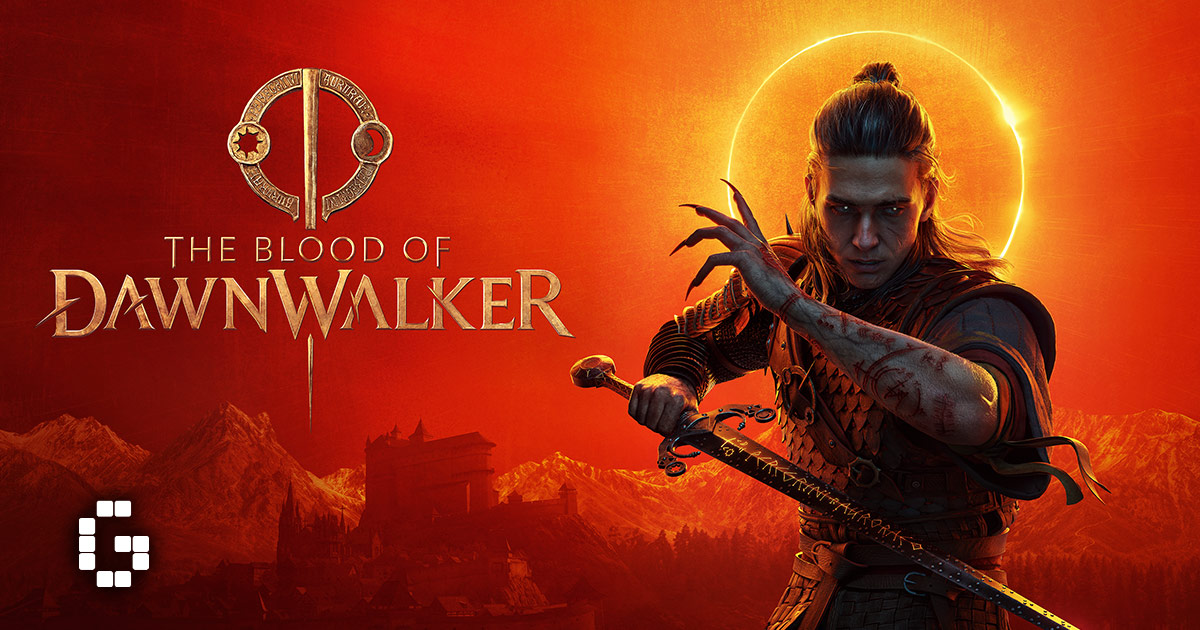
Vampire games often lean on either brooding romance or straightforward monster-hunting, but The Blood of Dawnwalker seems to be aiming for something messier and more personal. The developers describe it as a narrative sandbox, letting players shape the plot around a quest to save their family or swear revenge on their sire, choosing to rush in head first or take time to prepare, and deciding whether to go it alone or forge alliances along the way. After spending about four hours with the game on PC, split evenly between the prologue and free-roaming side quests on the normal difficulty setting (the second of four available), a clearer picture emerges of what kind of experience this is shaping up to be: one where time keeps moving whether you’re ready or not, and where being a vampire is as much a burden as it is a power.
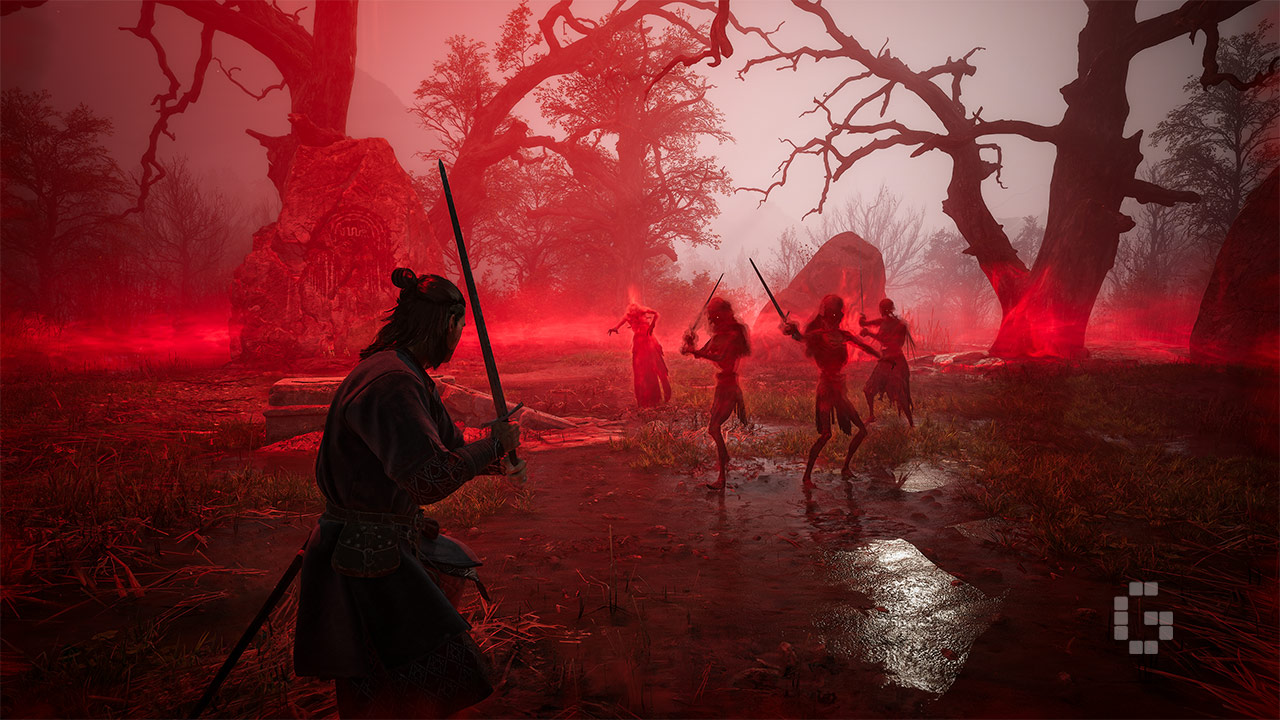
The opening hours work as a teaching tool, walking players through the three core abilities they’ll rely on throughout the game: swordsmanship, vampire powers, and witchcraft. It’s fairly standard as far as introductions go, right up until the point where the game’s time mechanic kicks in. Once that happens, players are given roughly eight hours of in-game time to decide what to do next, and every side quest taken during that window eats into the clock. The choices made here aren’t cosmetic either. Depending on how that time is spent, certain NPCs may live or die, including whether the protagonist’s own mother survives the events tied to the prologue.
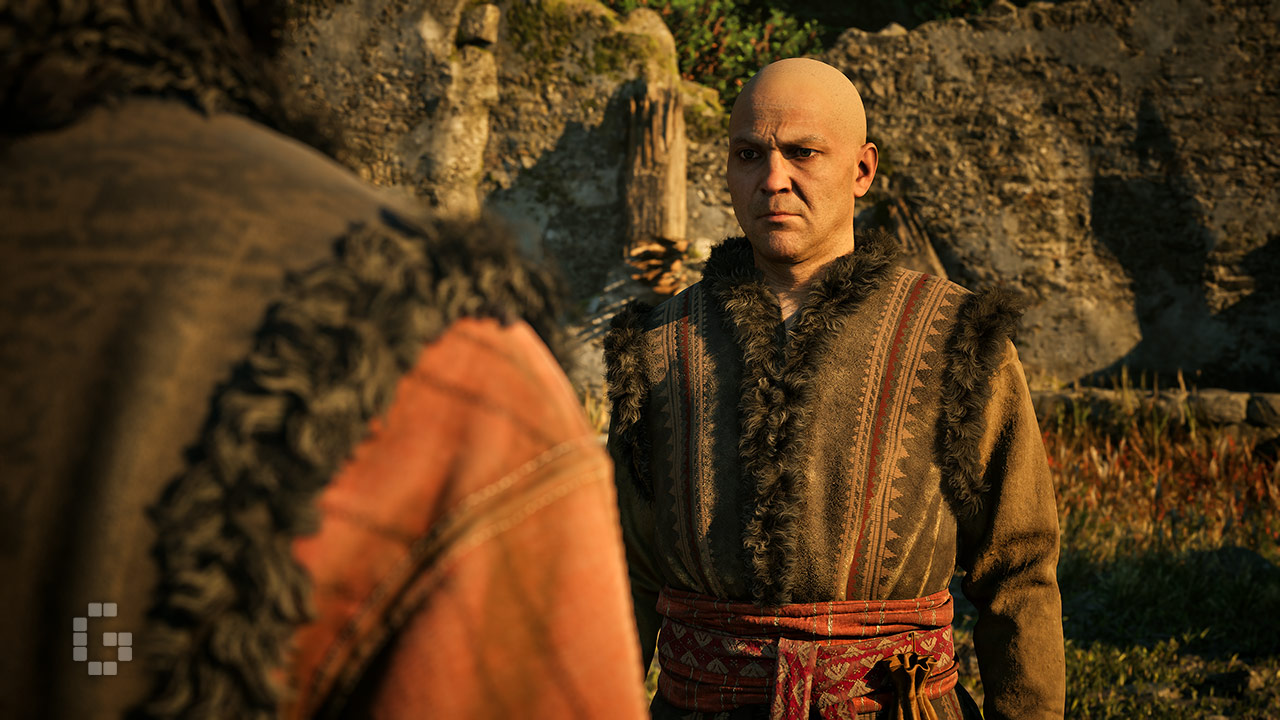
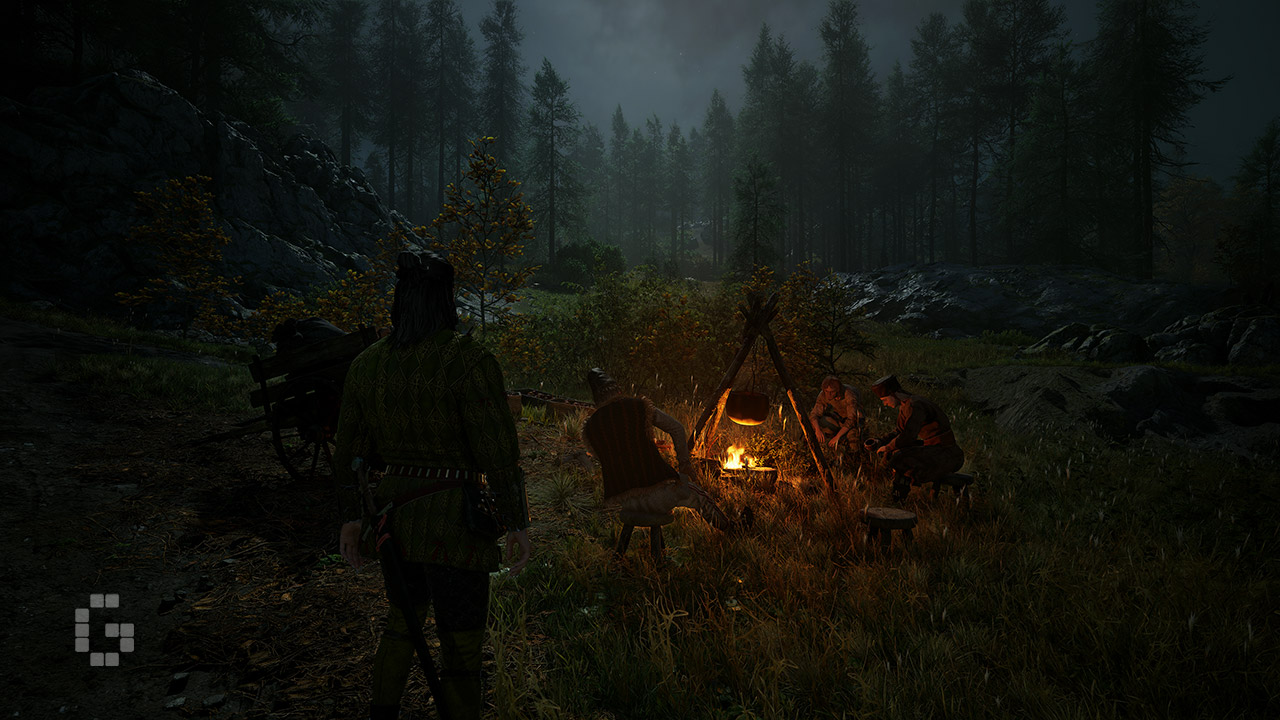
One detail that stands out is the absence of floating quest markers hovering over NPC heads. Instead, quests are often uncovered simply by talking to people, sometimes without even realizing a conversation has led to something new. This means exploration and paying attention to dialogue actually matter, and it also means two players could end up with noticeably different sets of quests just based on who they happened to talk to and when. This ties into what the developers call a dual gameplay loop, offering distinct abilities to pick from, mysteries to uncover, and different ways to reach the same goal, encouraging players to experiment and see how the world reacts to their choices.
Narrative director Jakub Szamalek confirmed that the hidden-quest design is intentional, describing it as a delicate balance between not hiding content entirely and preserving a sense of discovery. He also mentioned that climbing towers at night unlocks certain points of interest on the map, giving players another way to reveal content beyond just stumbling into conversations.
Thirty Days Until Brencis
After the prologue wraps up, the larger goal comes into focus: surviving and acting across 30 in-game days and nights builds toward a final confrontation with Brencis, the vampire in charge. According to the developers, time is treated as a resource here, and not every action moves the clock forward, only key activities do, which gives players some control over the pace. Notably, reaching day 30 does not end the game outright.
What a player chooses to do, when they do it, or whether they do it at all, still affects the protagonist Coen and the world around him, and since there isn’t enough time to do everything, choices have to be made. During that stretch, players can chip away at the operations run by Brencis’s vampiric lieutenants, Ambrus, Xanthe, and Bakir. The court screen shown in the menus lays this hierarchy out visually, with Brencis at the center connected to his three subordinates, each of whom has their own web of connections and hidden details still marked with question marks. Ambrus, for example, is described as managing the blood supply chain across the northern part of Vale Sangora, handling everything from bleeding prisoners to storing blood for later use.
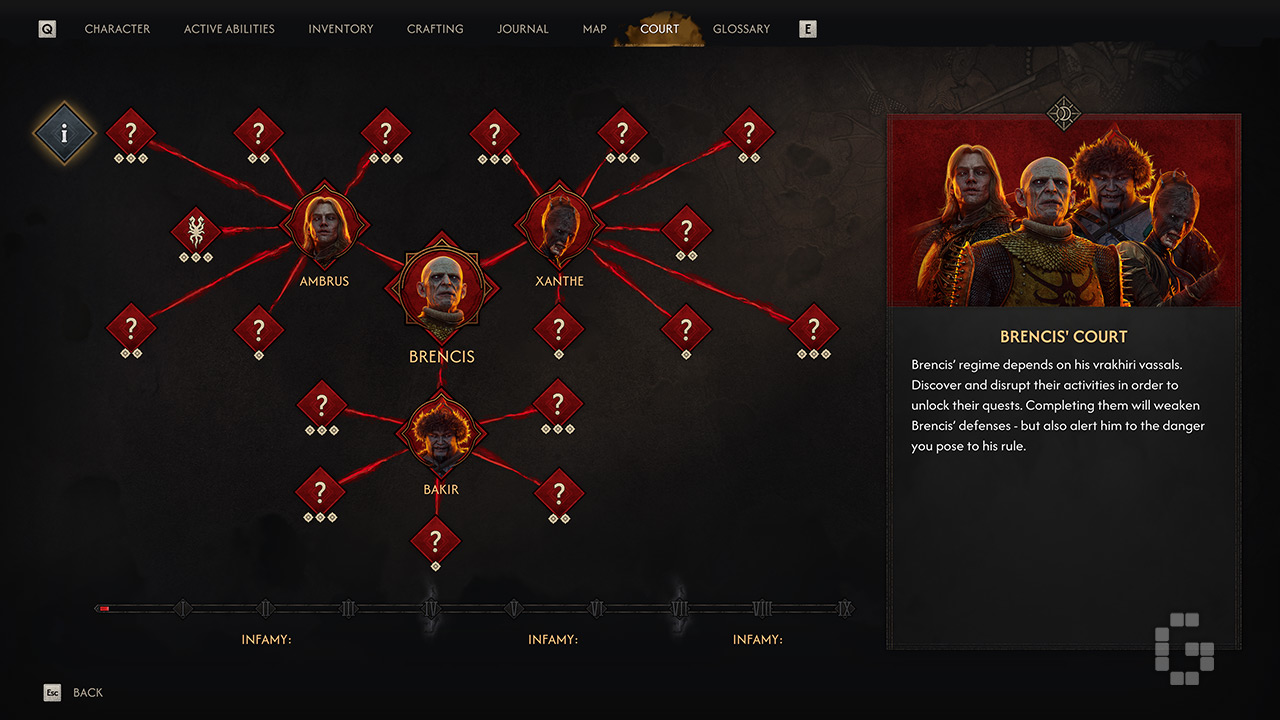
Disrupting these operations feeds into an Infamy system, and the more damage done to a lieutenant’s operations, the more their Anger Level rises. Once that meter maxes out, it unlocks a side quest tied specifically to that character. On the flip side, causing too much trouble also has consequences, since Brencis responds by issuing decrees that tighten security and make future disruptions harder to pull off.
Combat: Various Playstyles, Three Skill Trees
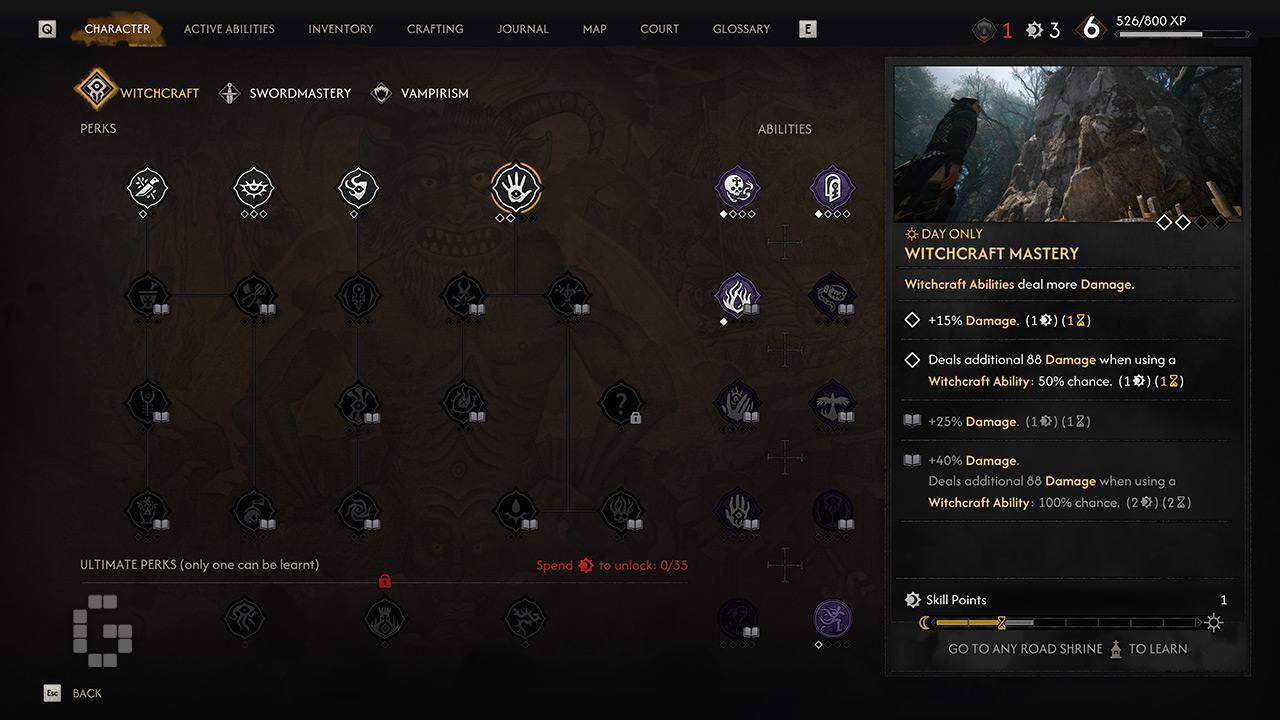
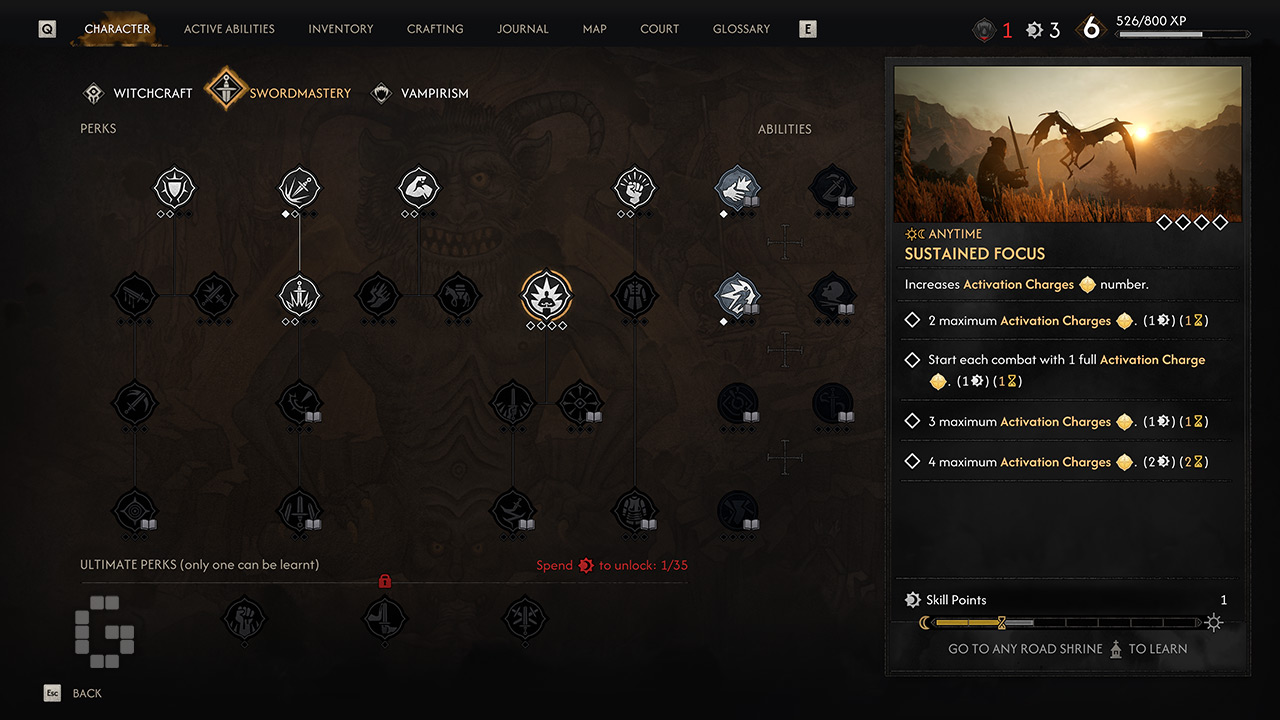
Combat is built around three separate skill trees: Witchcraft, Swordmastery, and Vampirism, each with its own extensive branching layout of perks and abilities, including ultimate perks where only one can be chosen per tree.This shapes up as two playstyles rather than three, since witchcraft functions more as a supportive layer built around damage-over-time effects and utility, rather than a standalone way to fight. During the day, combat pulls from witchcraft and swordsmanship together, while at night the pairing shifts to swordsmanship and vampirism instead. Skills can be slotted into available ability slots, and the game separates these into two distinct sets, one for day and one for night, since not every skill works at all hours.
Witchcraft spells can only be cast during the day, and the tree also includes passive perks like shop discounts, along with nodes tied to necromantic soul summoning. This summoning isn’t combat-related, but instead lets players speak with spirits to work through certain puzzles or unresolved cases. Higher-tier witchcraft skills require both skill manuals and a time investment to learn.
Swordsmanship is the one skill line usable both day and night, and it ends up being the most reliable source of free damage. Parrying is only possible while holding a weapon, and timing matters a lot here. During fights, a shield icon appears to signal a window to parry or dodge, while a sword icon signals a window to attack, and when the icon flashes fully, that’s the cue for correct timing. Parrying in the right direction, using the same up, down, left, and right inputs as attacks, leaves enemies open to follow-up hits. Not every attack can be blocked though. Certain enemies, usually monsters or bosses, telegraph a large windup before an unblockable strike, and the only option in that case is to dodge out of the way. Swordsmanship also includes skills meant for crowd situations, such as throwing smoke to disable or stun multiple opponents at once during a fight.
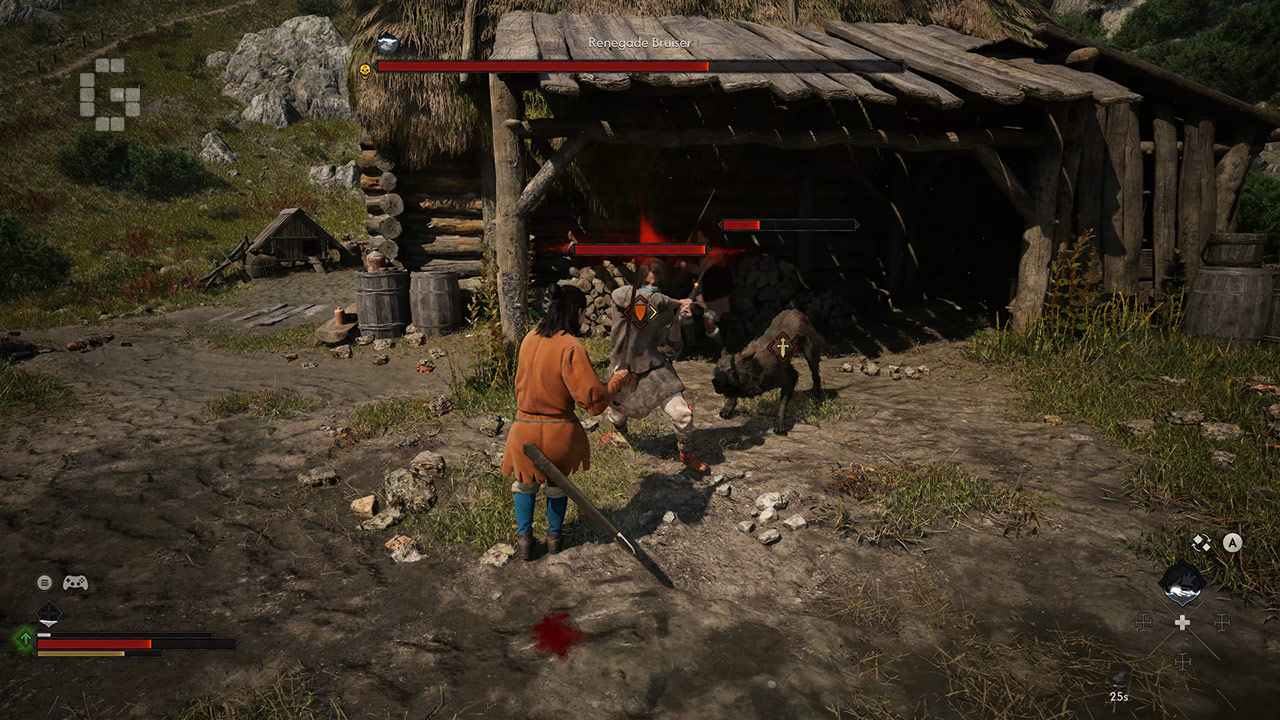
Players also aren’t locked into one style of fighting the sword system. The game offers a choice between traditional combat and directional combat as separate control schemes. Traditional combat uses up more stamina when parrying, while directional combat, if timed and executed correctly, can grant certain buffs. On top of the skill trees, there’s also a separate set of perks to pick from, split into human, vampire, and shared categories.
Vampirism takes over automatically at night and replaces witchcraft entirely. The default claw attacks in this form can’t parry, which is a real downside compared to swordplay. To make up for it, vampire skills allow health recovery through blood-drinking, with the outcome depending on how long the bite is sustained, ranging from simply putting a victim to sleep to killing them outright. Mobility options in this form include a teleport-style shadowwalk and a bat transformation used for dodging.
That said, vampire abilities are noticeably more powerful overall, and the narrative director acknowledged this was a deliberate design challenge, since playing as a supernatural creature is immediately attractive, and the goal was to make swordplay during the day feel just as fun and viable rather than a lesser option by comparison.
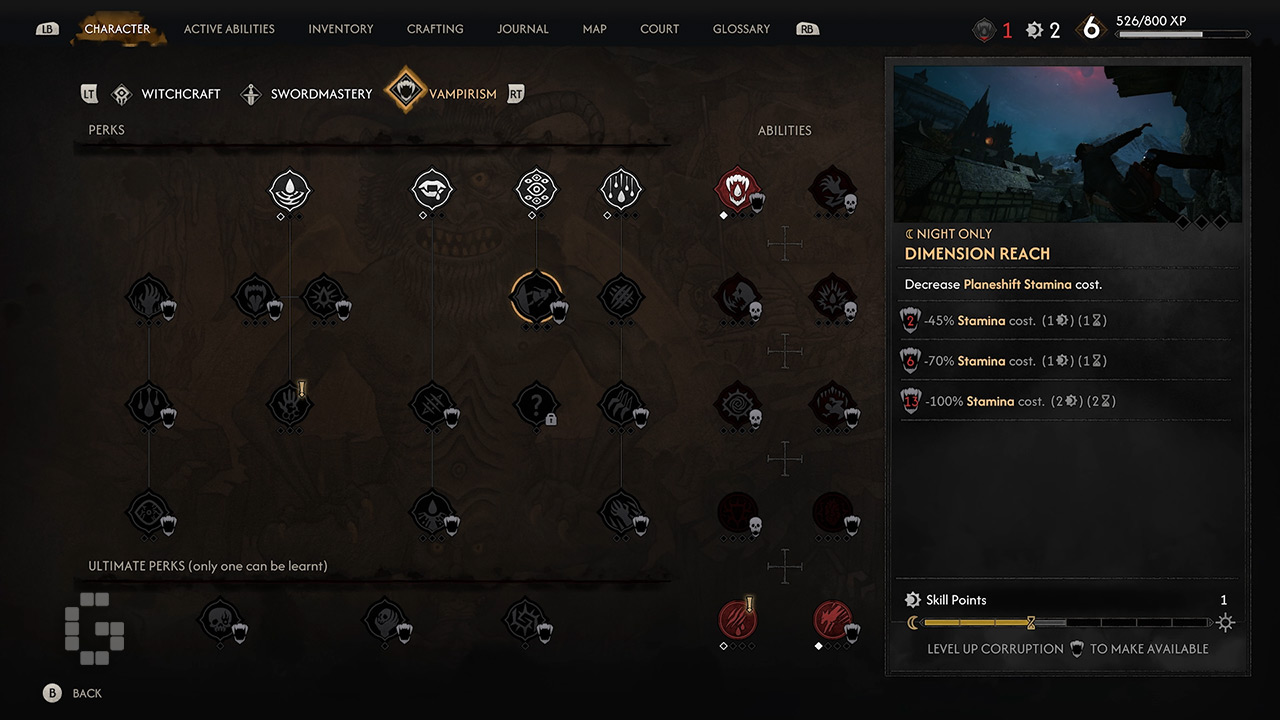
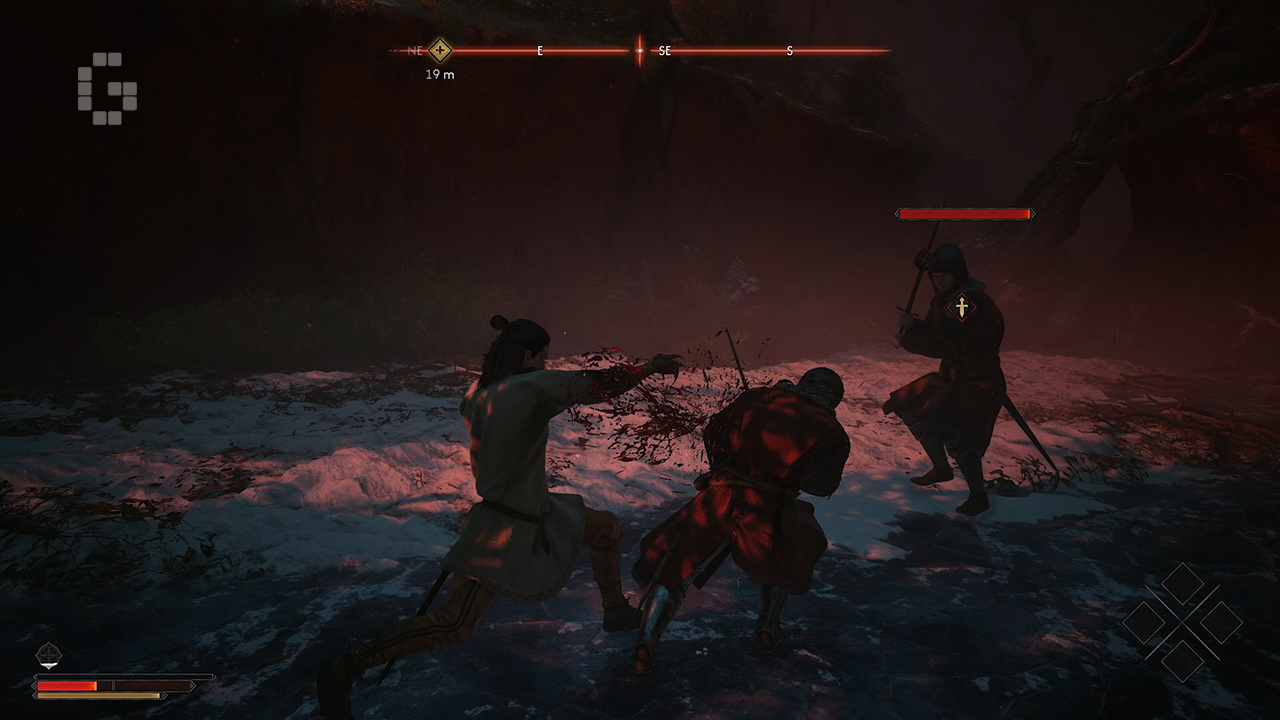
All three trees share a system of active skills that require charges, which build up through successful parries and hits rather than a cooldown timer. Even on the normal difficulty, fights can get demanding, particularly when facing multiple fully armored enemies at once, since blocking is common on the enemy side too. Combat also tends to take longer, since there’s no equivalent to throwing bombs or assassinating enemies from above. Elevated spots aren’t accessible in human form, only as a vampire at night, and enemies block attacks easily, which adds to the difficulty.Combat overall carries a good sense of weight when swinging a weapon, and beyond human opponents, the world also has wildlife such as bears and wolves, plus mythical creatures like kobolds to fight, and looting is available after these encounters as well.
The Weight of Being a Vampire
Nightfall brings a real cost. As dusk approaches, health drops to a sliver and hunger for blood sets in. This isn’t just flavor text either, since low health increases the risk of losing control during conversations with NPCs, and dropping to that sliver of health basically guarantees it will happen. Even at around a third of health remaining, some dialogue options shift into blood-sucking attacks instead, which can throw off whatever story outcome a player was hoping for.
This philosophy carries into how Coen himself changes over the course of the game. The game tracks how a player behaves and reflects it back through the character. If a player loses control and feeds on someone against their will, Coen reacts with shock at first, but repeated instances change his relationship with his darker side. The more this happens, the more it reshapes Coen as a character.
“So you can see him and his relationship with his monstrous side changing,” said Szamalek.
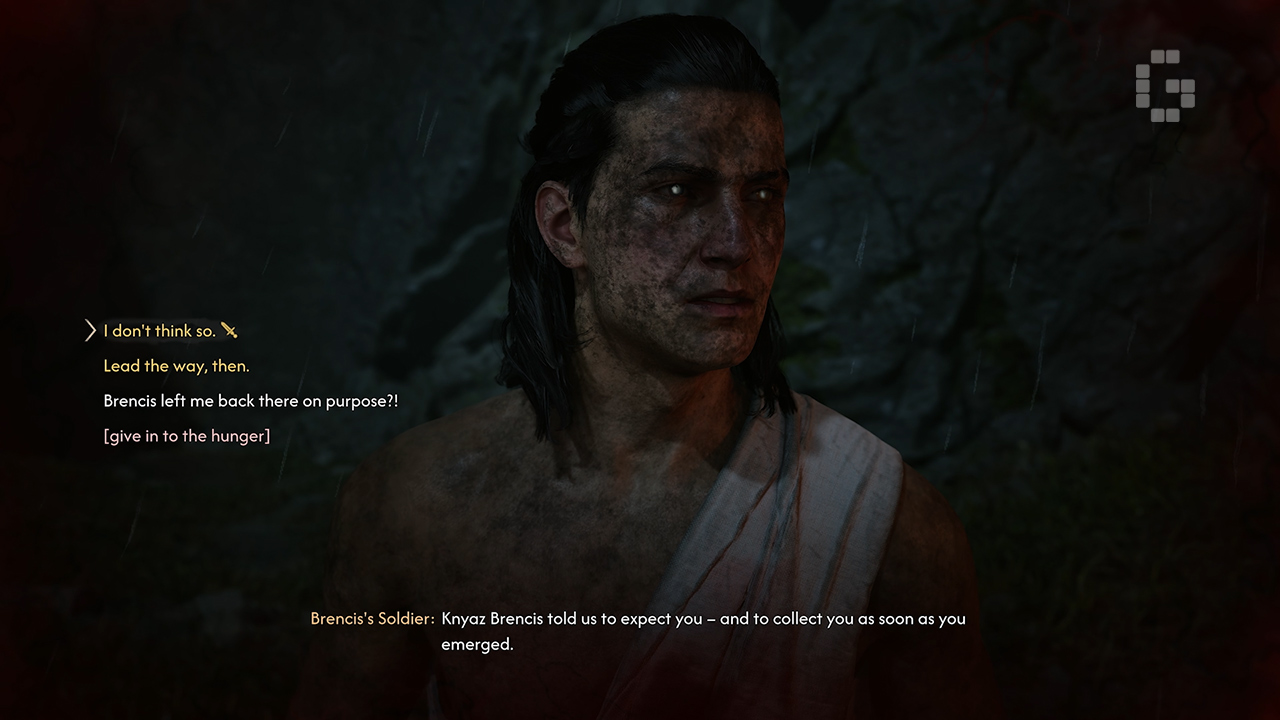
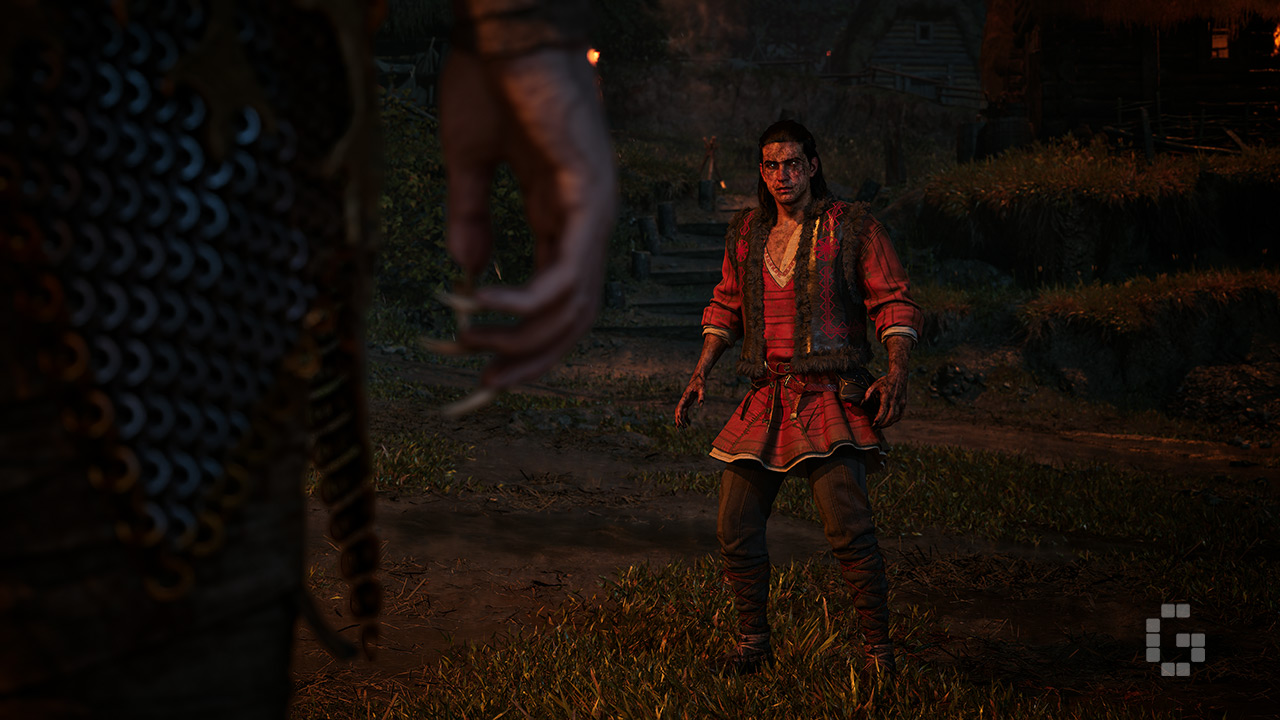
There is a workaround though. There are also animals like rats, rabbits, and ducks wandering freely across the map, giving a source of blood without the need to kill a human being. The tradeoff is that more blood consumed raises corruption, and corruption is what’s needed to unlock certain vampire skill tree nodes, replacing the manuals required elsewhere.
Early Impressions
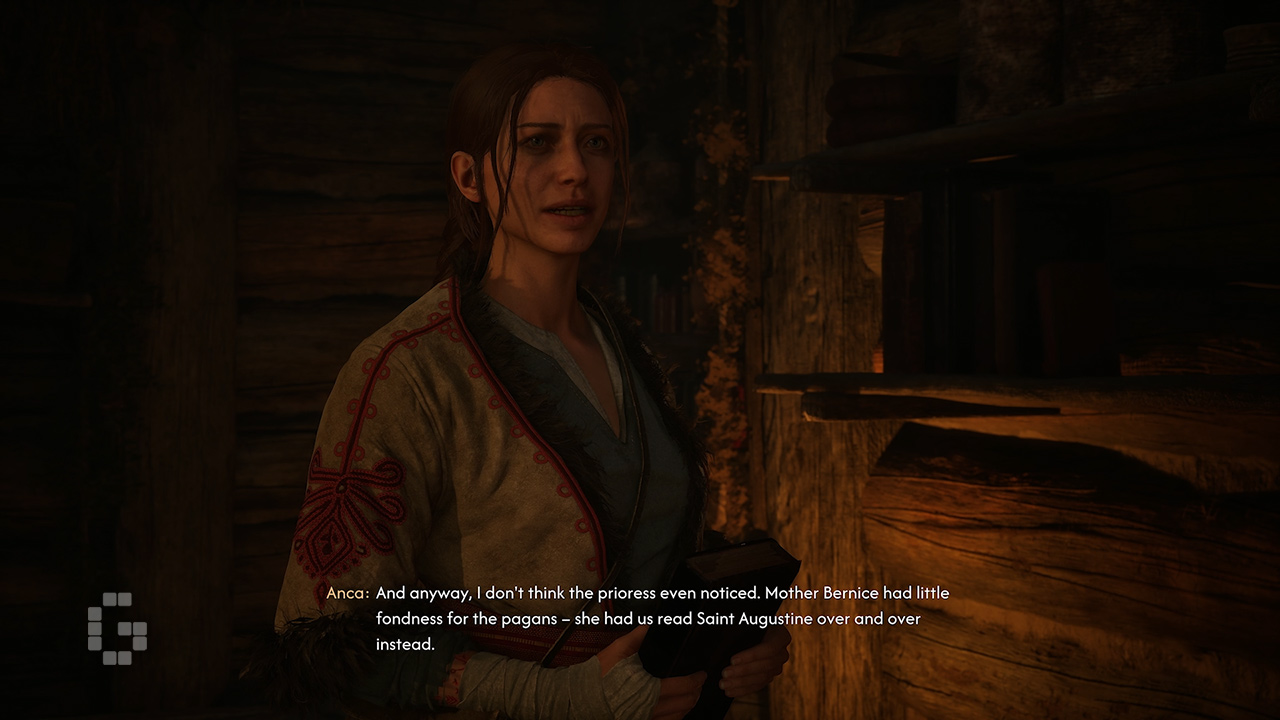
Given how much the time mechanic, hidden quest discovery, and moral weight of vampirism all interact, it seems very possible that two different playthroughs could look completely different from each other, right down to which quests were even found. The witchcraft mentor character Anca also left a strong impression during this preview and seems likely to become a favorite once more players get to meet her.
Between the layered skill trees, the court and infamy system tracking the vampire lieutenants, and the constant balancing act between hunger and control, The Blood of Dawnwalker is shaping up to be an ambitious take on the vampire RPG formula, though the true scope of it is hard to judge from just a few hours with the prologue and early side content.