









![[BIC2026] Hiroaki Nagashima from Toei Games Talks New IPs, Indie Roots, and Asia-First Strategy](https://cdn.gamerbraves.com/2026/08/Toei-Games-BIC-2026_Interview_FI-360x180.jpg)
![[BIC2026] From Outsider to Organizer: How Isabella Seo Jungsook Helped Build Busan’s Indie Game Scene through BIC](https://cdn.gamerbraves.com/2026/08/Isabella-BIC-2026_Interview_FI-360x180.jpg)
![[BIC2026] CanOpener’s Logan Moon Opens Up About Dungeon Settlers Ahead of Its September Early Access Launch](https://cdn.gamerbraves.com/2026/08/Logan-Moon-BIC-2026_Interview_FI-360x180.jpg)

![[EXCLUSIVE] From PlayStation to Indie Advisor: Shuhei Yoshida Talks Games, AI, and the Future of the Industry](https://cdn.gamerbraves.com/2026/08/Shuhei-Yoshida-BIC-2026-Exclusive_Interview_FI-360x180.jpg)


Game Changer. GeForce RTX 50 Series, powered by Blackwell and AI
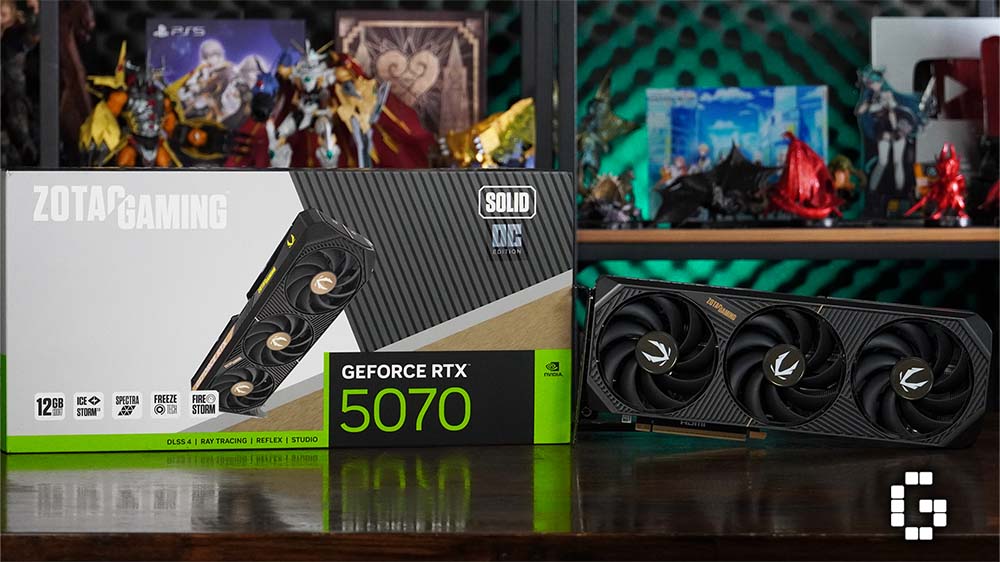
As someone who’s spent years tinkering with GPUs and balancing build performance for both looks and longevity, few cards have impressed me the way the ZOTAC GAMING GeForce RTX 5070 SOLID OC did. The name “SOLID” isn’t just branding—it’s a statement. Built on NVIDIA’s Blackwell architecture, this card embodies power, precision, and endurance while maintaining a level of efficiency that feels well ahead of its time.
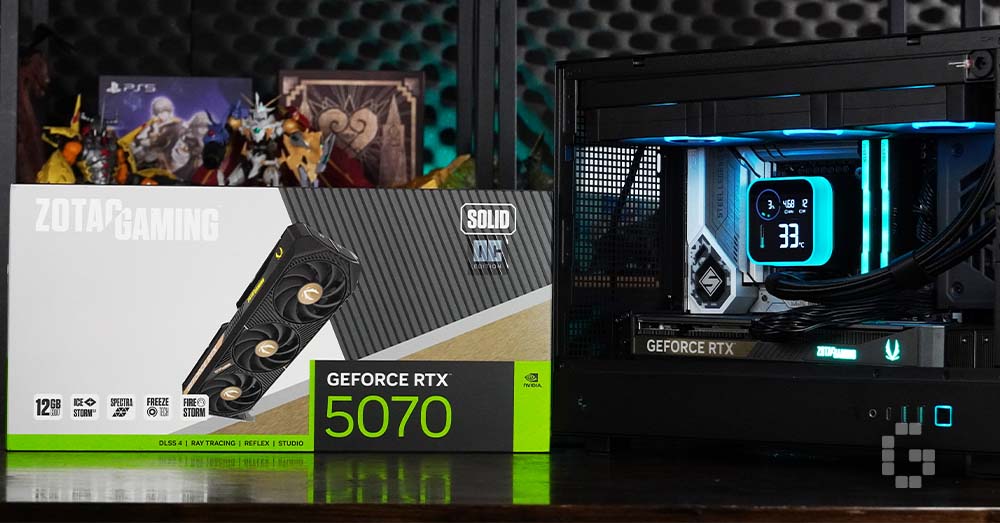
For this review, I paired the RTX 5070 SOLID OC with a setup designed to draw out its full potential: an Intel Core i5-14400F, Asrock B760M Steel Legend WiFi DDR5, 32GB KLEVV CRAS V RGB DDR5 6000MHz RAM, and DeepCool LQ360 ARGB AIO inside a DeepCool CH260 MATX case. Powering it all was an FSP VITA GM ATX3.1 (PCIe5.1) 850W 80 Plus Gold Modular PSU, ensuring rock-solid stability even during long benchmarking and gaming marathons.
Design and Build Quality
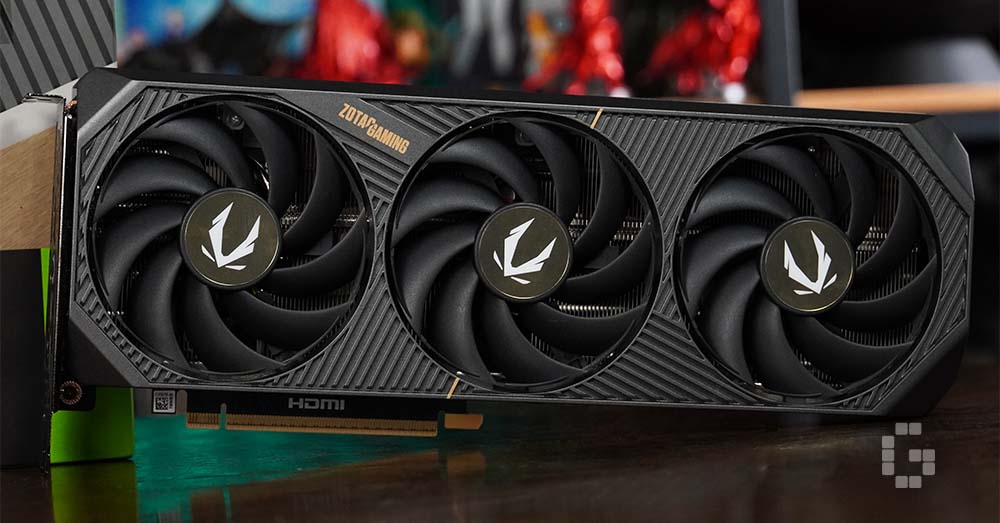
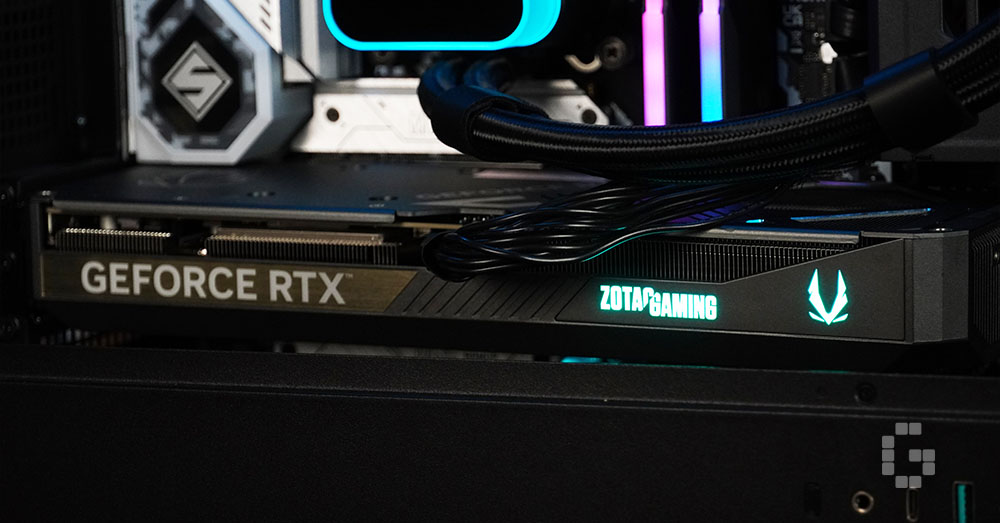
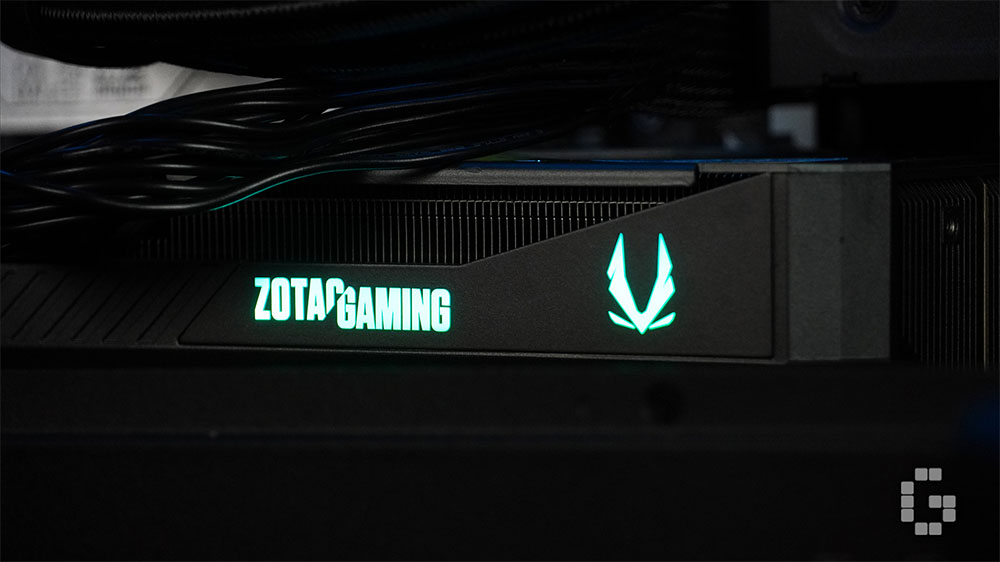
The ZOTAC GAMING RTX 5070 SOLID OC lives up to its name. It’s a premium card through and through, built with a durable metal shroud, refined lines, and a design that screams sophistication without relying on flashy RGB. Once it’s mounted inside the DeepCool CH260, the matte black finish contrasts beautifully against the soft ARGB reflections from the cooling system, giving the whole build a professional, cohesive look.
What’s most impressive is the attention to thermal design. ZOTAC’s triple-fan cooling setup runs whisper-quiet even under heavy load, keeping the GPU cool while maintaining stable boost clocks. During my testing, temperatures stayed consistent even after hours of high-stress gameplay and benchmarking. Despite its 2.51GHz boost clock and 2.16GHz base, the 5070 SOLID OC never throttled or made a sound loud enough to distract from gameplay.
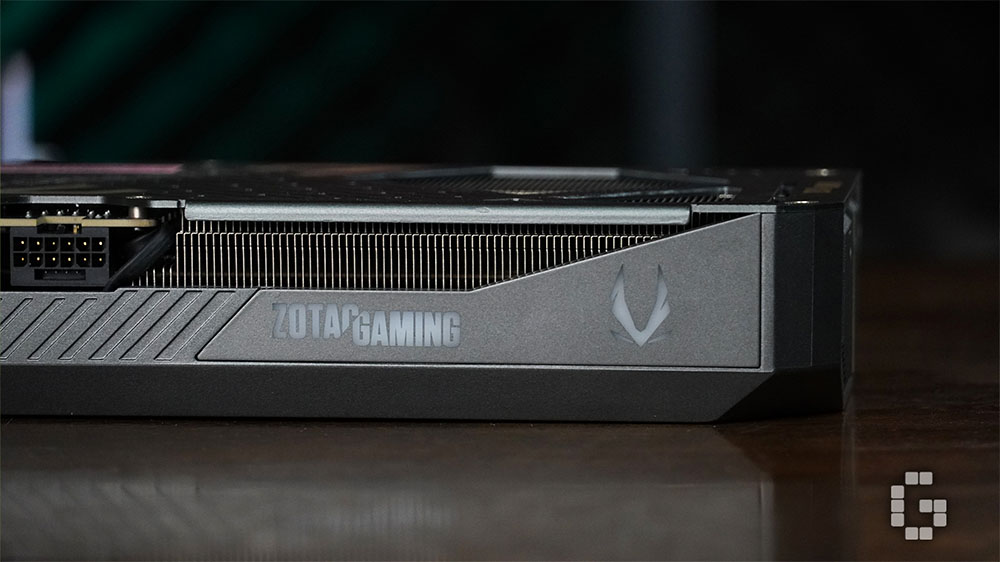
It’s not just a gaming card—it’s an architectural statement. The design feels like it was engineered for long-term use, the kind of card you could confidently carry through multiple system upgrades without worrying about wear or thermal degradation.
A Big Leap Forward from the RTX 4070
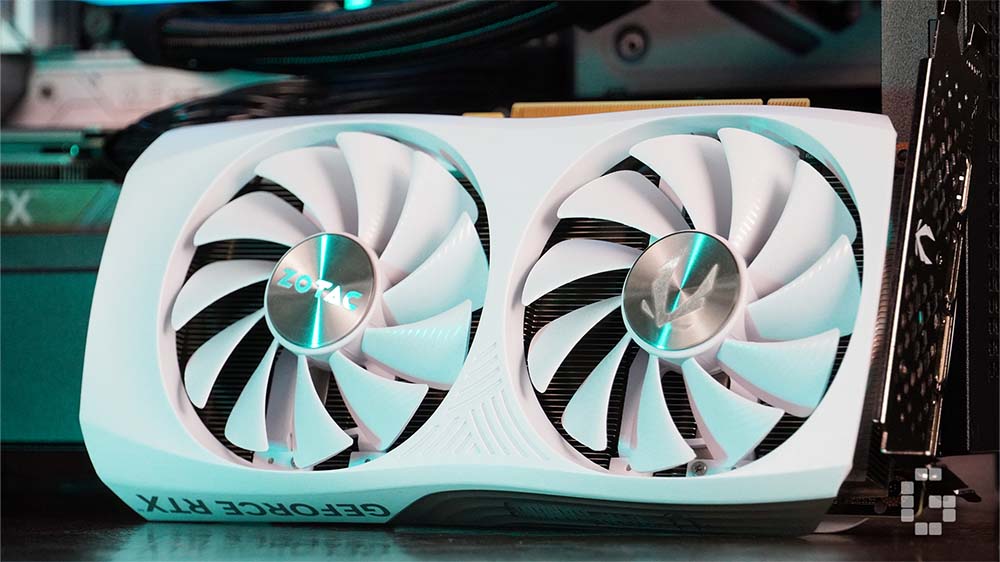
If you’re coming from a ZOTAC RTX 4070, the jump here is immediately noticeable. The RTX 5070 SOLID OC doesn’t just edge out its predecessor—it confidently outpaces it in every regard. The new Blackwell GPU brings higher CUDA core counts (6144), faster GDDR7 memory, and massively improved AI and ray tracing throughput thanks to 5th-gen Tensor Cores and 4th-gen RT Cores.
The result? A GPU that doesn’t just hit higher frame rates—it does so more intelligently. With 31 TFLOPS of shader performance and a staggering 988 AI TOPS, the 5070 Solid OC’s handling of DLSS 4, Multi Frame Generation, and NVIDIA Reflex redefines what smooth gameplay feels like. Frame pacing is buttery consistent, latency is slashed to near-invisible levels, and even under 4K workloads, the card never feels like it’s straining.
Simply put, while the RTX 4070 was a reliable performer, the 5070 feels like a genuine generational leap. This is a card built not just for the present but for the next few years of demanding titles and creative applications.
Power and Technology
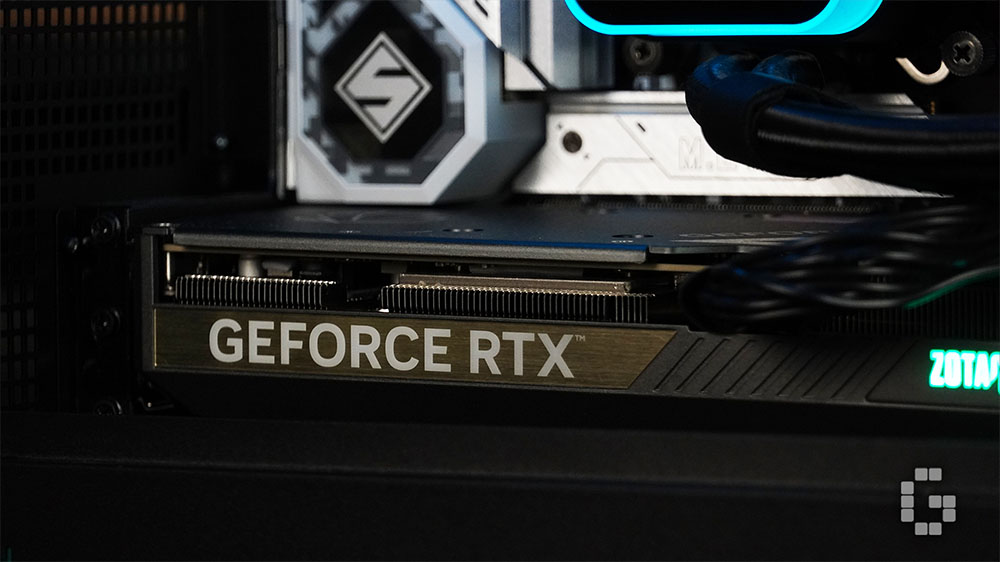
Armed with 12GB of GDDR7 memory on a 192-bit bus, the RTX 5070 SOLID OC ensures not only lightning-fast data transfer but also future-proofing for upcoming games and software that will inevitably demand more VRAM. The GPU’s support for 4K at 480Hz and 8K at 165Hz with DSC also hints at how forward-looking this architecture is—it’s ready for the display technology of tomorrow.
Where it truly shines, though, is in NVIDIA’s evolving software ecosystem. DLSS 4 reconstructs frames with surgical precision, using AI to produce visuals that are indistinguishable from native resolution while delivering performance leaps previously impossible. Multi Frame Generation effectively multiplies frame output without spiking GPU load, while NVIDIA Reflex ensures your inputs register almost instantly. Together, they make the RTX 5070 SOLID OC feel fast in a way that goes beyond FPS numbers—it’s a tactile, responsive kind of fast.
DLSS 4: AI Power for Next-Level Performance
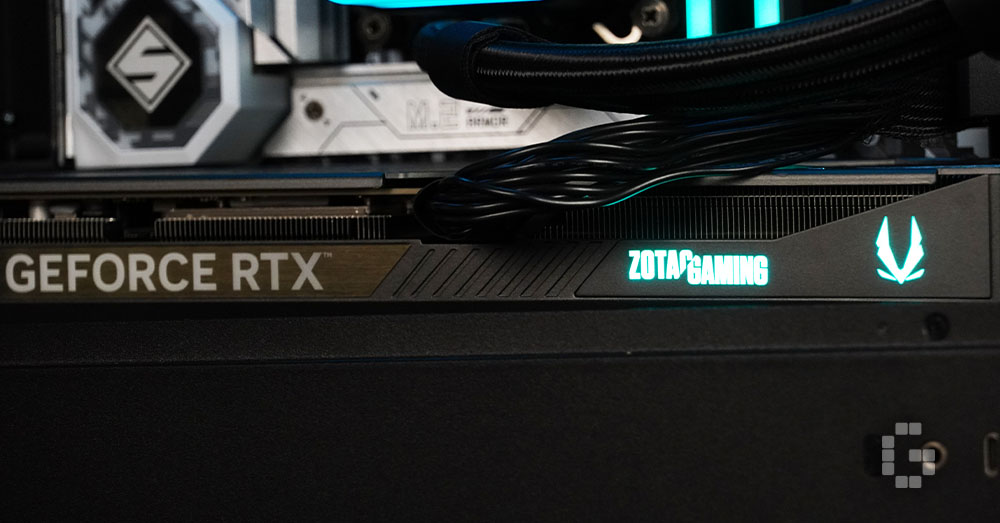
One of the biggest highlights of the new RTX 50-series cards, including the ZOTAC GAMING GeForce RTX 5070 SOLID OC, is DLSS 4, NVIDIA’s latest AI-driven upscaling and frame generation technology. Powered by the 5th-generation Tensor Cores and next-gen Optical Flow Accelerator, DLSS 4 intelligently creates additional frames to deliver smoother gameplay and higher FPS without overloading the GPU. It works alongside DLSS Super Resolution to render images at a lower resolution before upscaling them with remarkable sharpness and detail, effectively giving gamers a massive performance boost while maintaining visual fidelity.
Games such as Cyberpunk 2077, Alan Wake 2, Microsoft Flight Simulator 2024, Black Myth: Wukong, and Marvel Rivals already support DLSS 4, with more titles adding support soon. In real-world gaming tests, DLSS 4 showed noticeable FPS gains with minimal latency, especially when paired with NVIDIA Reflex for reduced input delay. The result is a fluid, responsive experience that makes high-end visuals at 4K resolution achievable even on midrange GPUs like the ZOTAC GAMING GeForce RTX 5070 SOLID OC, offering gamers the best balance of speed, clarity, and smooth performance.
Doom: The Dark Ages – Pushing the Limits
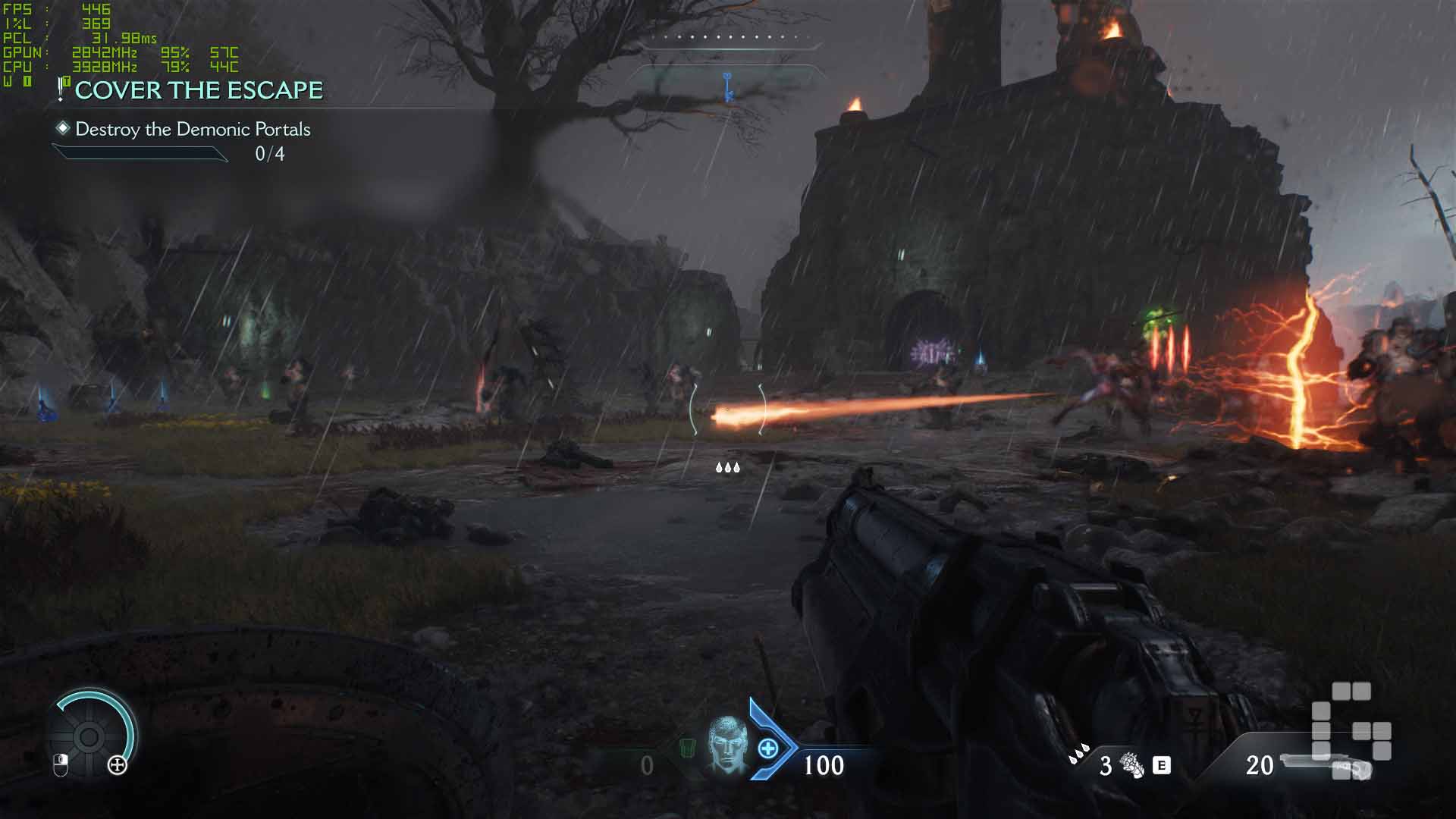
Few titles stress-test raw hardware power like DOOM: The Dark Ages. Running on a 1080p display with every setting cranked to Ultra—DLSS, DLAA, and full ray tracing—the ZOTAC RTX 5070 SOLID OC didn’t just meet expectations; it tore through them.
In the first test (DLSS + RTX), overall performance averaged 426.84 FPS, peaking at 586.17 FPS, with a minimum of 67.04 FPS during the most chaotic moments. GPU performance averaged 211 FPS, maxing out at 284.82 FPS, while the CPU hovered around 126 FPS.
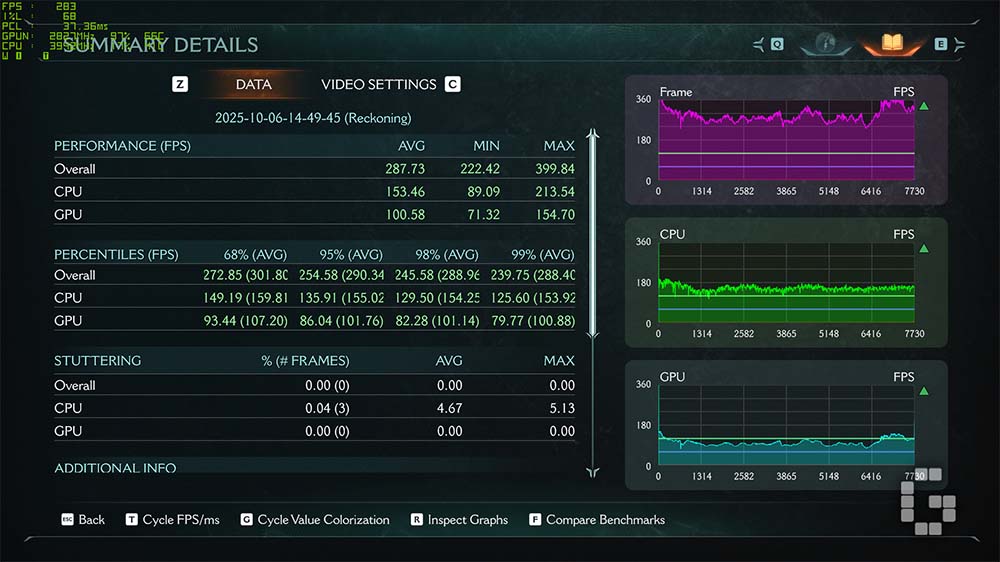
When enabling DLAA for extra sharpness, the overall FPS averaged 287.73, with GPU minimums at 106 FPS. Despite heavy rain effects, multiple on-screen enemies, and complex lighting, the game consistently ran at 360–480 FPS.
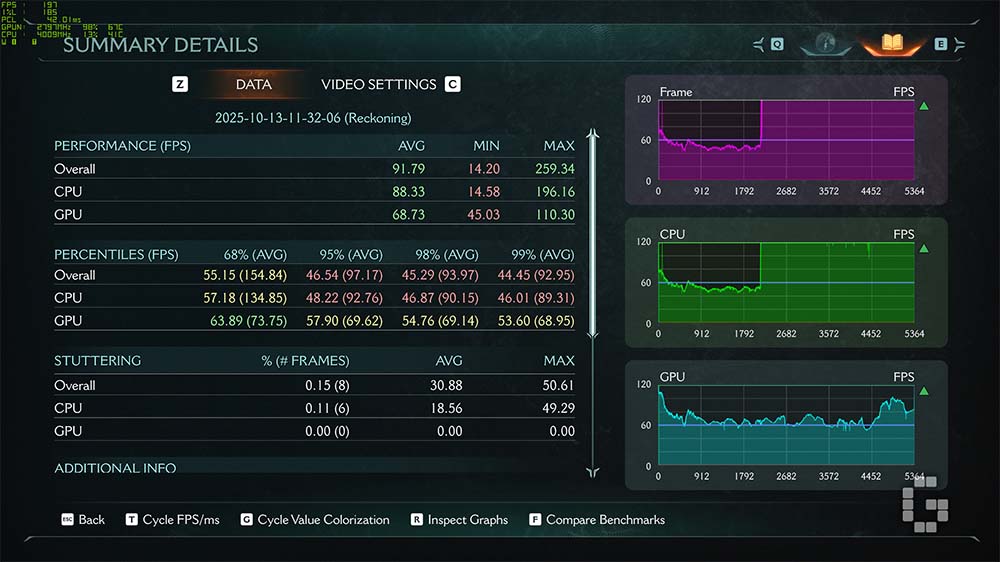
When switching over to a 1440p monitor, the card still delivered exceptional performance despite the higher pixel count.
On Ultra Nightmare settings with DLAA off, overall averages came in at 92 FPS, peaking at 259 FPS with lows of 14.2 FPS. The CPU averaged 88.33 FPS (min 12.58, max 196.16), while the GPU held around 68.73 FPS (min 45.03, max 110.30).
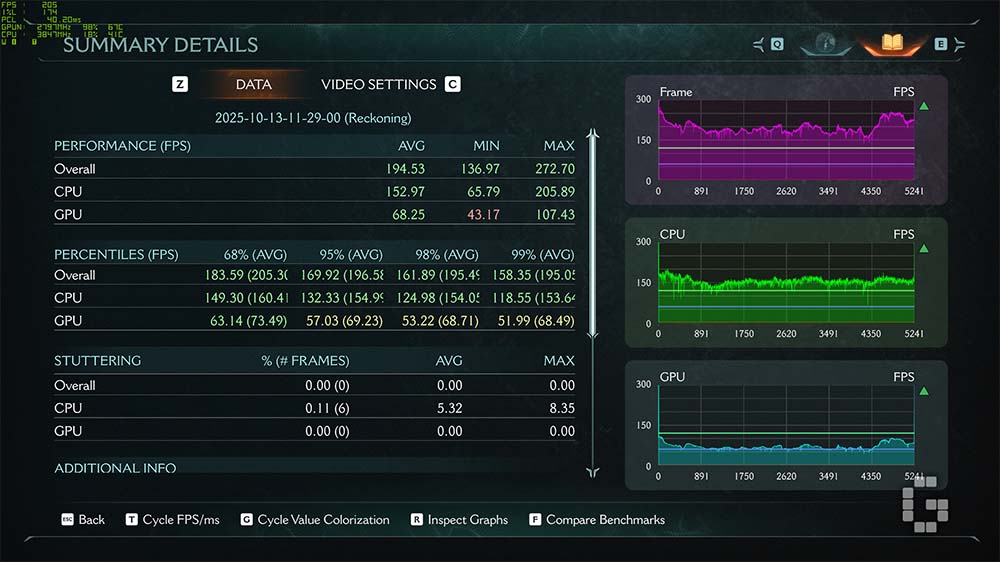
Turning DLAA on surprisingly improved stability, raising the overall average to 194.53 FPS, with highs of 272.20 FPS and a minimum of 136.97 FPS. The CPU averaged 152.97 FPS and the GPU 68.25 FPS, showing impressive efficiency across both resolutions.
This is where DLSS 4 and Reflex earn their keep—there’s no perceivable input lag, even at ultra-high frame rates. Every movement, every weapon swap, every dodge feels instantaneous.
Cyberpunk 2077 – The Real-World Stress Test
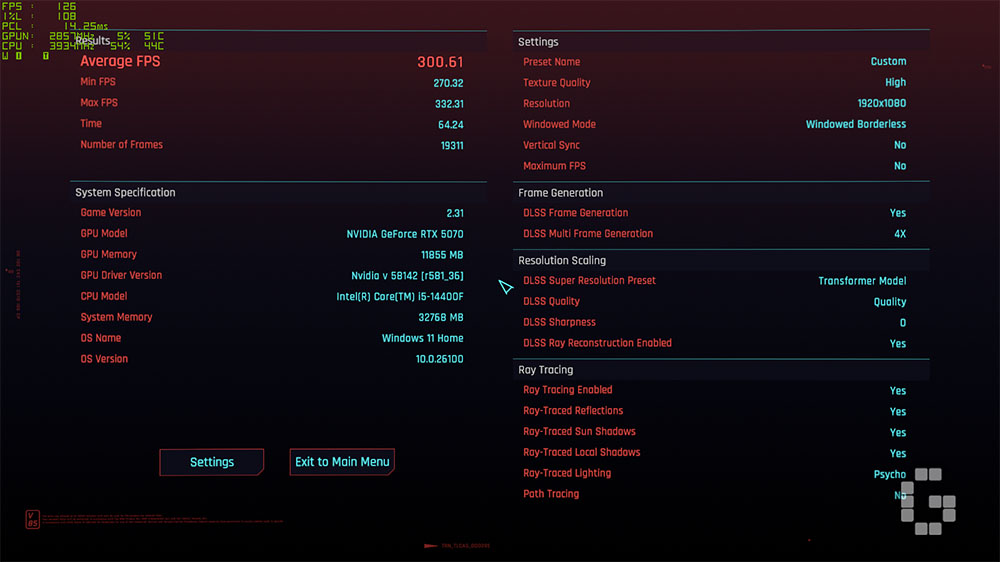
Few games test GPU performance quite like Cyberpunk 2077, and the ZOTAC RTX 5070 SOLID OC handled it with confidence across both 1080p and 1440p resolutions.
At 1080p, running with Ray Tracing on, DLSS Quality, and Multi Frame Generation (4X), the card delivered an average of 300.61 FPS, peaking at 332.31 FPS with dips no lower than 270 FPS.
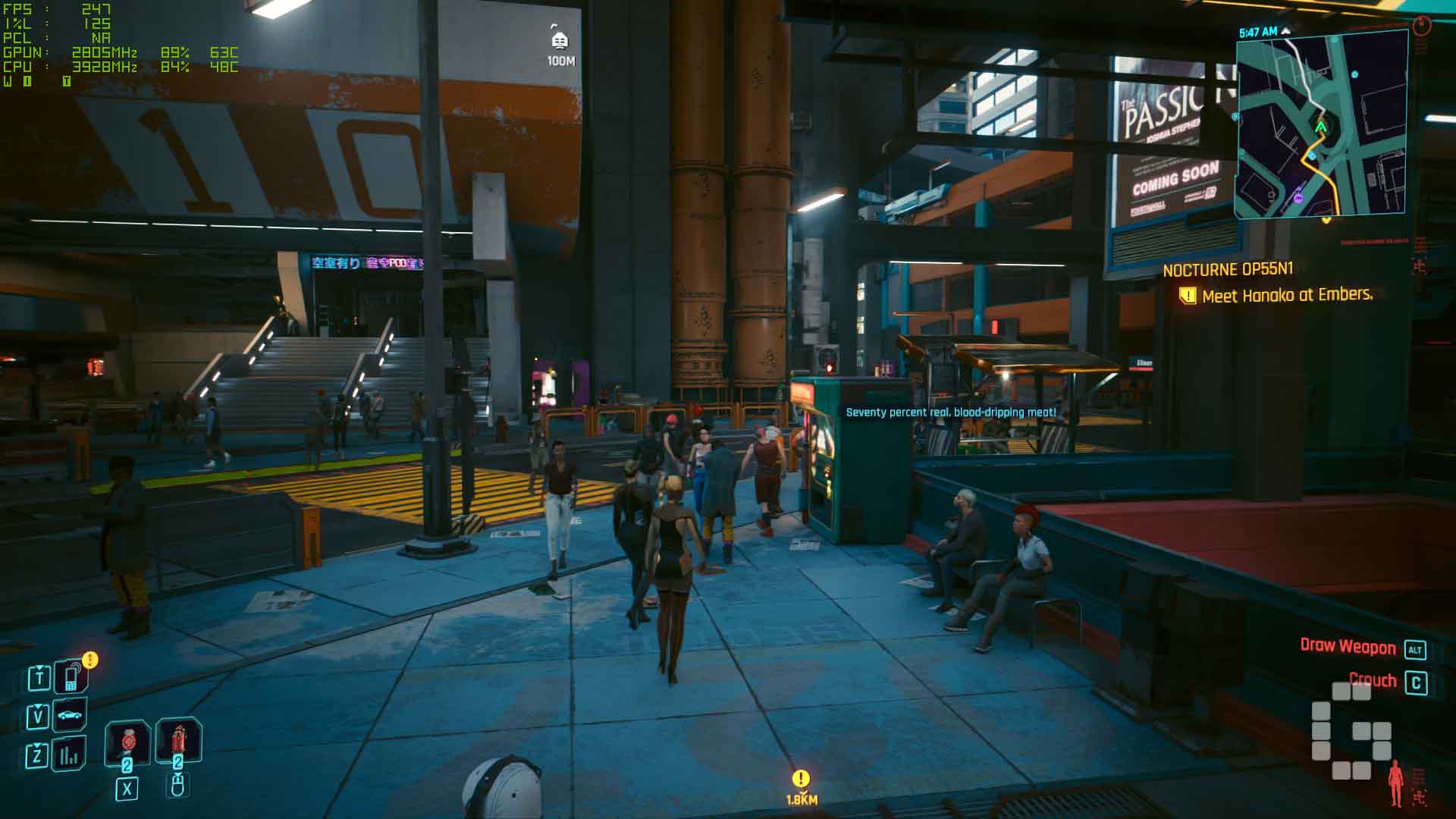
Switching to DLAA for visual clarity reduced the average to 198 FPS, but the game remained fluid even in the busiest areas. Driving through dense city districts, packed with neon reflections and moving crowds, the card stayed above 185 FPS with no hitching.
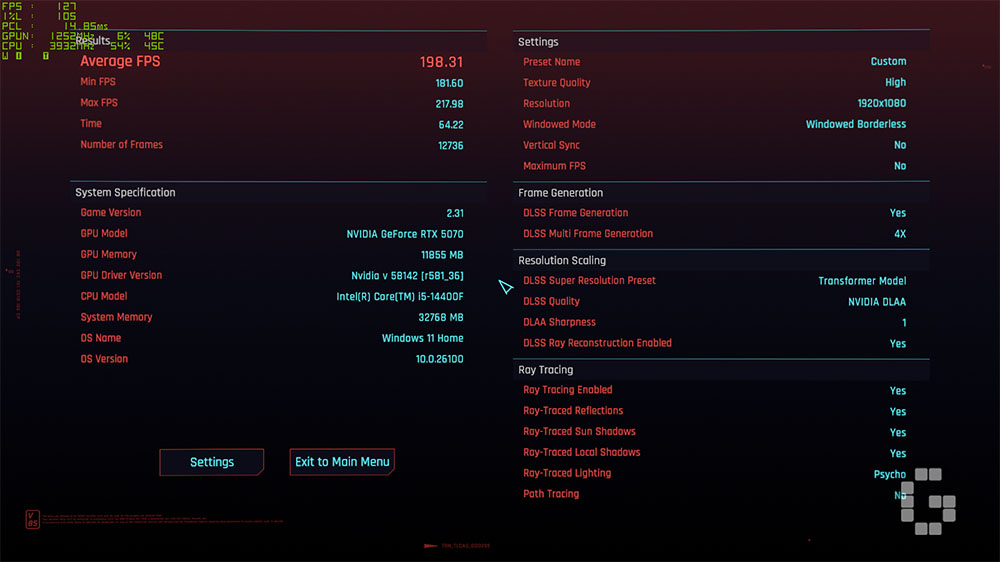
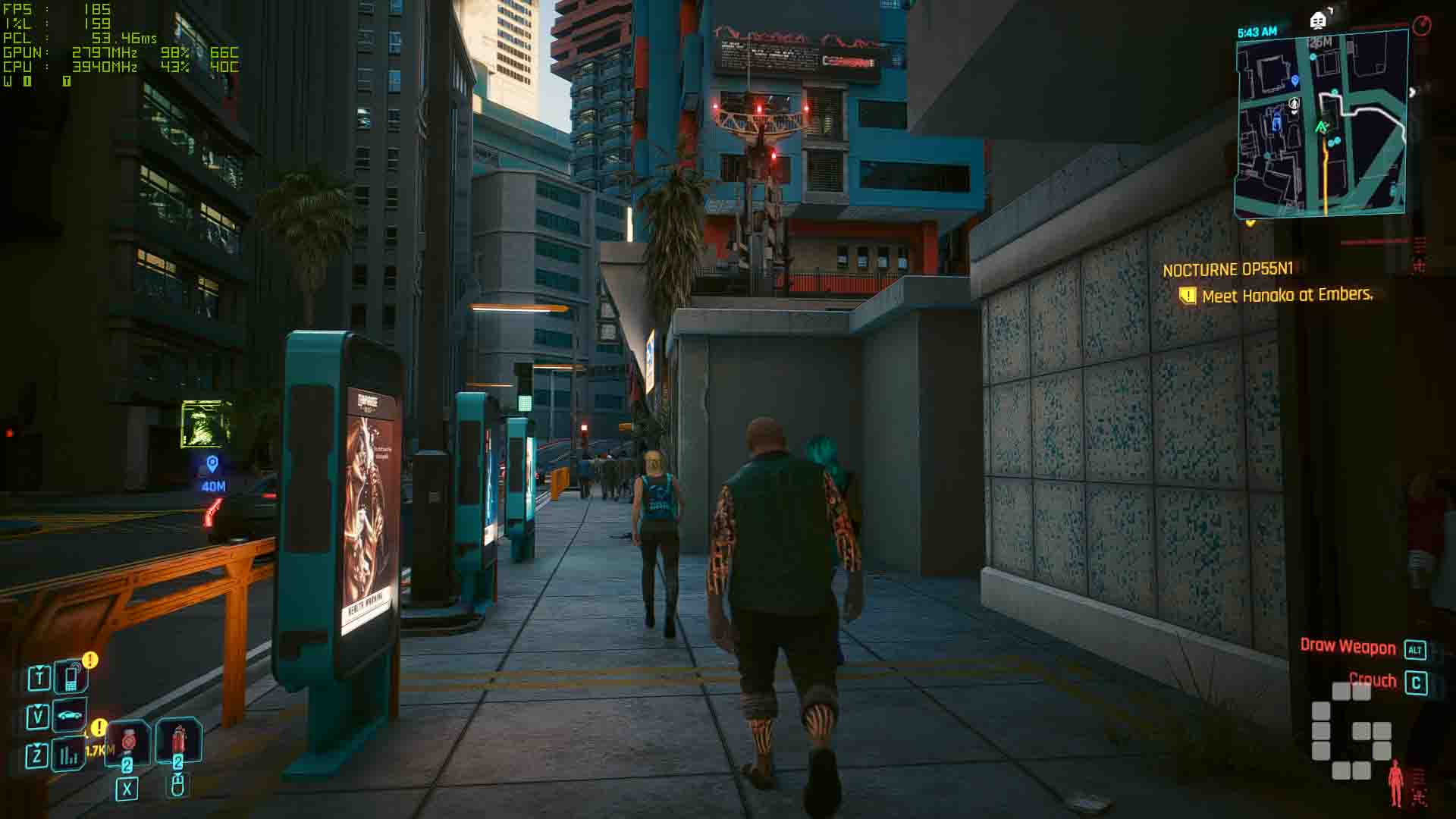
Switching to DLAA for added sharpness dropped the average to 198 FPS, but the gameplay remained fluid even in the busiest areas. Driving through neon-drenched streets packed with NPCs and reflective surfaces, the frame rate stayed above 185 FPS, maintaining perfect responsiveness throughout.
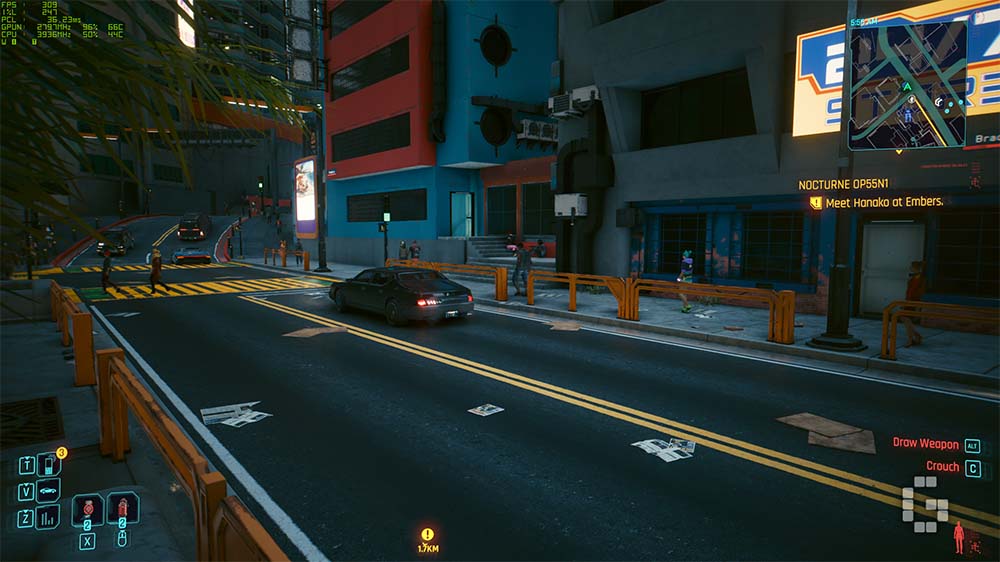
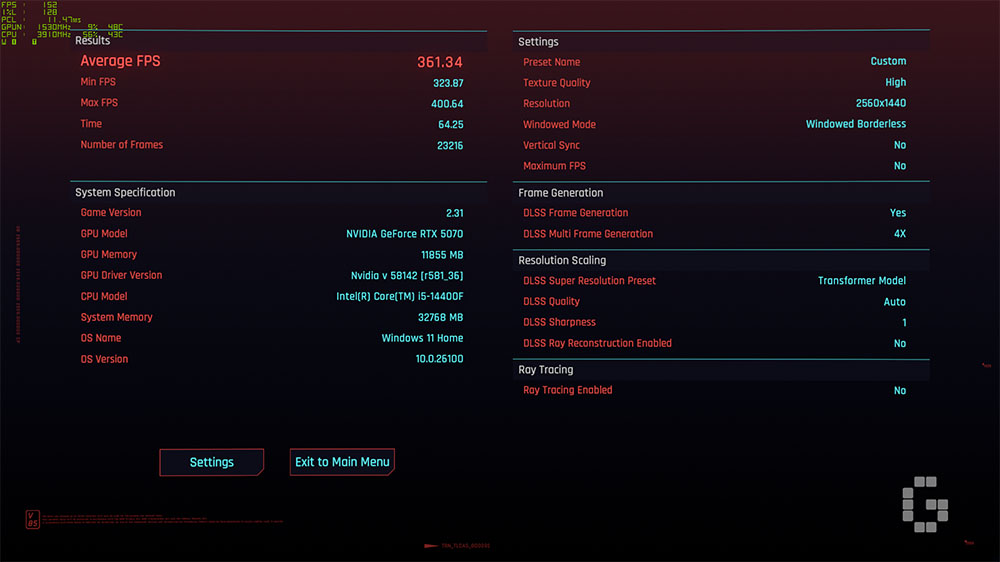
When moving to a 1440p monitor, the system continued to impress despite the increased rendering load. On Ultra settings with RTX off, Cyberpunk averaged 361.34 FPS, hitting a maximum of 400.64 FPS and a minimum of 323.87 FPS—a clear sign of excellent optimization at higher resolutions.
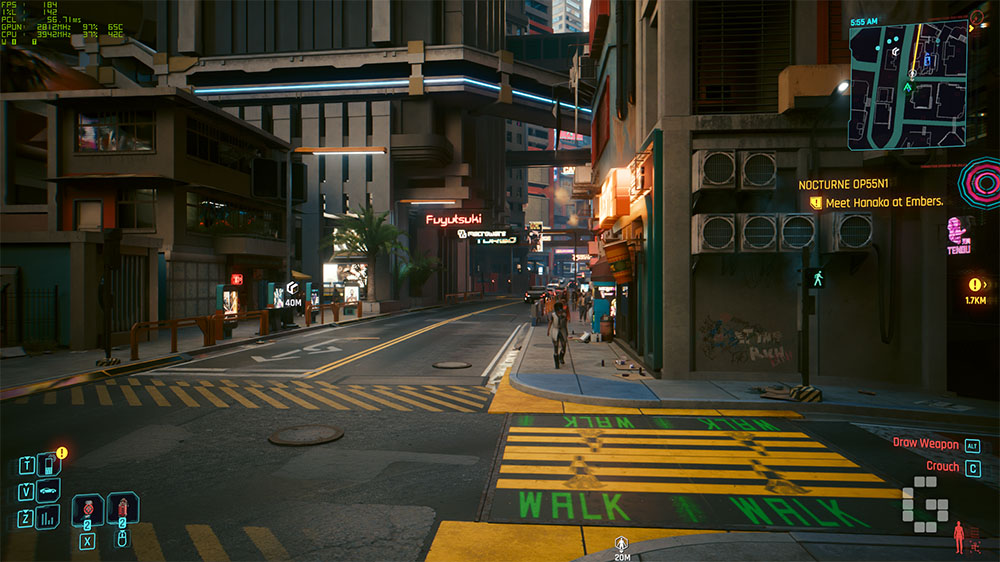
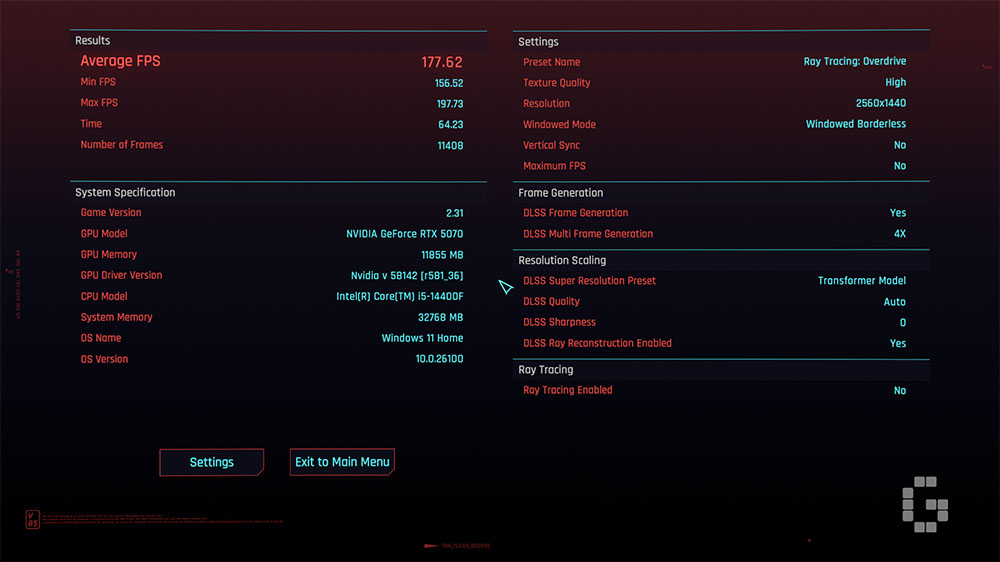
Enabling Path Tracing, the most demanding mode in the game, brought the average to 177.62 FPS, with lows of 155.52 FPS and peaks at 197 FPS. Even then, frame pacing remained stable, and latency was virtually non-existent thanks to DLSS 4 and Reflex enhancements.
Across both resolutions, the experience remained sharp, fluid, and visually stunning, thanks in large part to DLSS 4’s advanced frame generation and image reconstruction. The technology doesn’t just boost frame rates; it enhances responsiveness and visual clarity, delivering smooth performance that feels native even under heavy graphical load. The 5070 SOLID OC doesn’t just run Cyberpunk 2077 but it dominates it, proving that with DLSS 4, next-gen performance is no longer reserved for flagship-tier GPUs.
Marvel Rivals – Competitive Fluidity
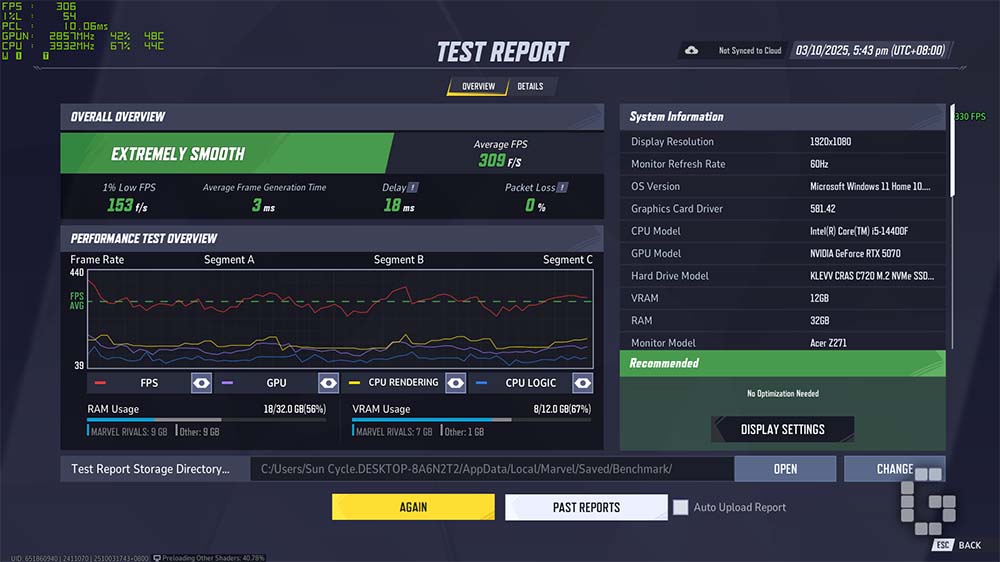
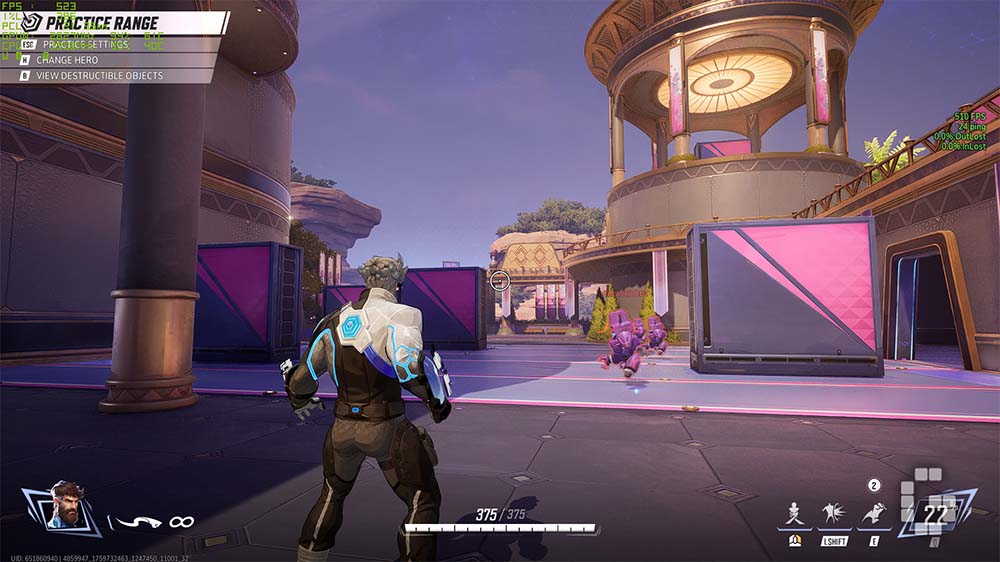
In Marvel Rivals, the ZOTAC RTX 5070 SOLID OC showcased its raw power and stability in high-FPS competitive gameplay, maintaining impressive results across both 1080p and 1440p resolutions.
At 1080p, with everything maxed out, DLSS 4 enabled, and V-Sync off, the card averaged an incredible 309 FPS, reaching up to 523 FPS during explosive team battles filled with particle effects, destruction, and rapid ability usage. Every movement and attack felt seamless, making the game’s chaotic combat flow effortlessly smooth.
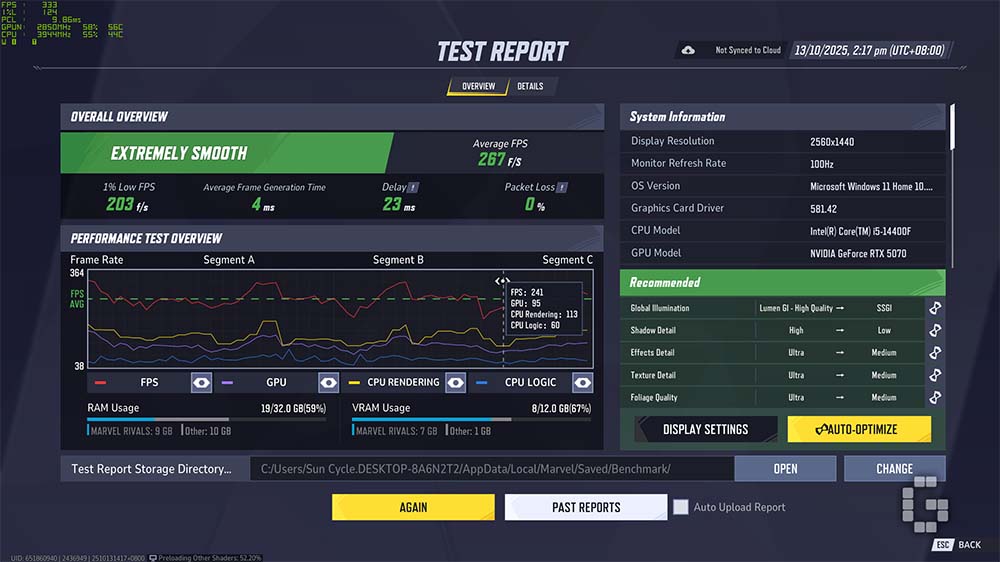
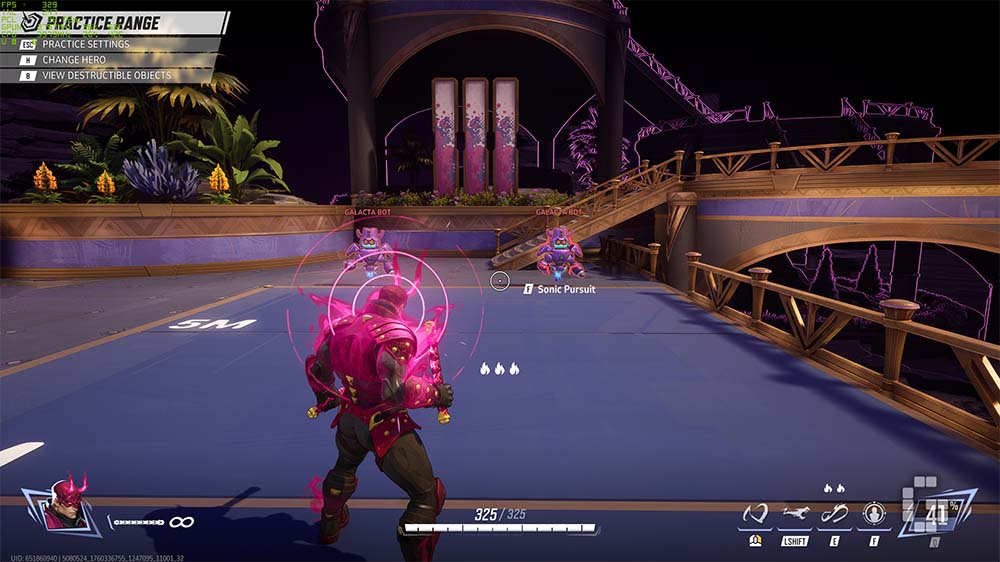
When shifting to 1440p, the 5070 SOLID OC continued to deliver exceptional performance, with DLSS 4 further enhancing smoothness and visual clarity. On Ultra quality, it averaged 267 FPS, peaking at 364 FPS, while High quality settings pushed averages to 285 FPS with peaks of 373 FPS. Despite the higher pixel load, frame pacing remained consistent, keeping gameplay sharp and stable throughout.
Hogwarts Legacy – Magic in Motion
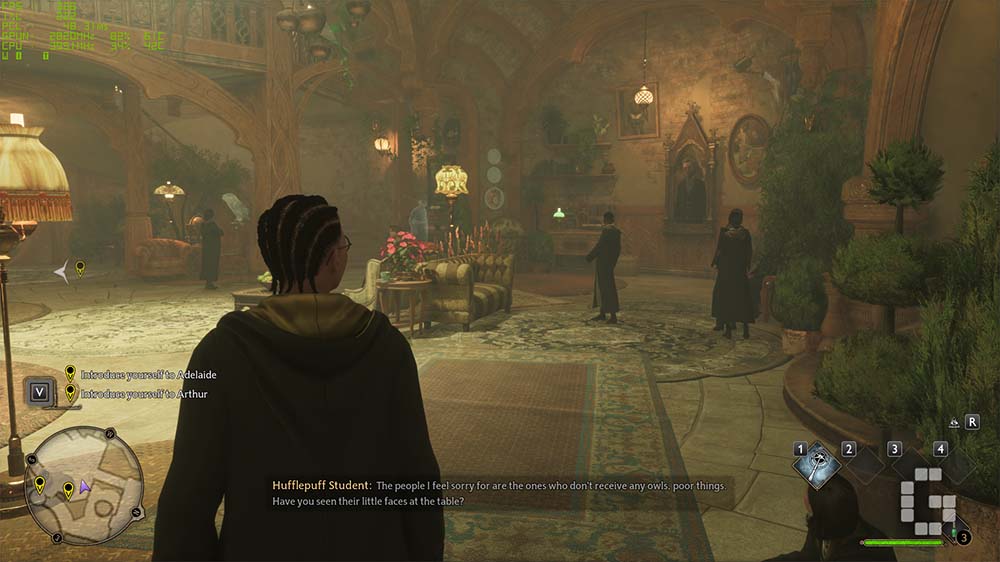
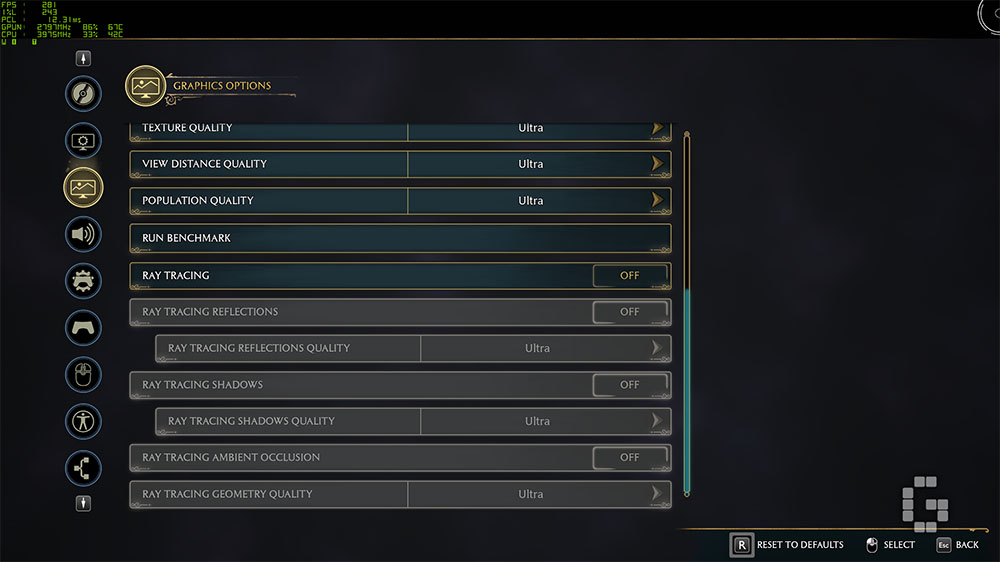
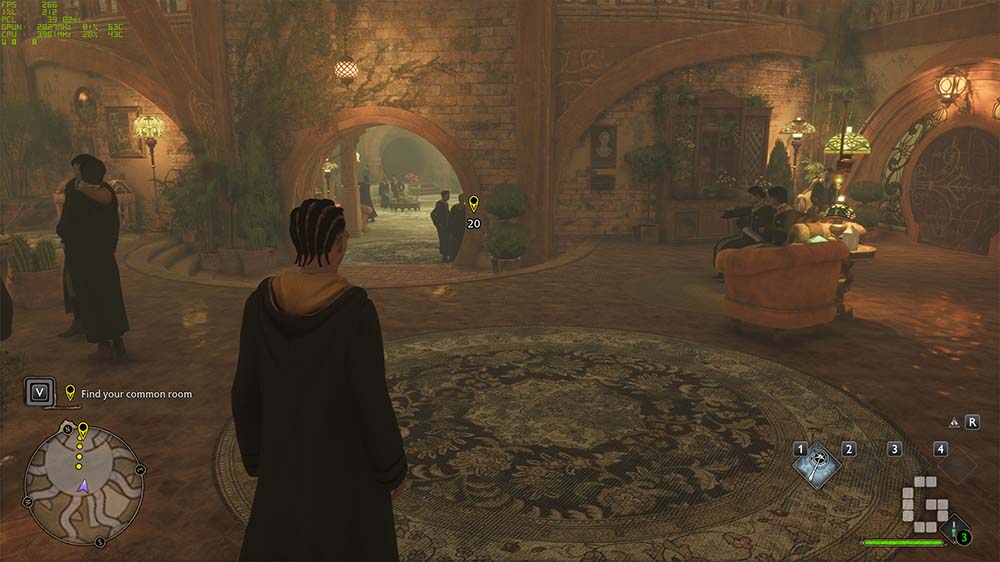
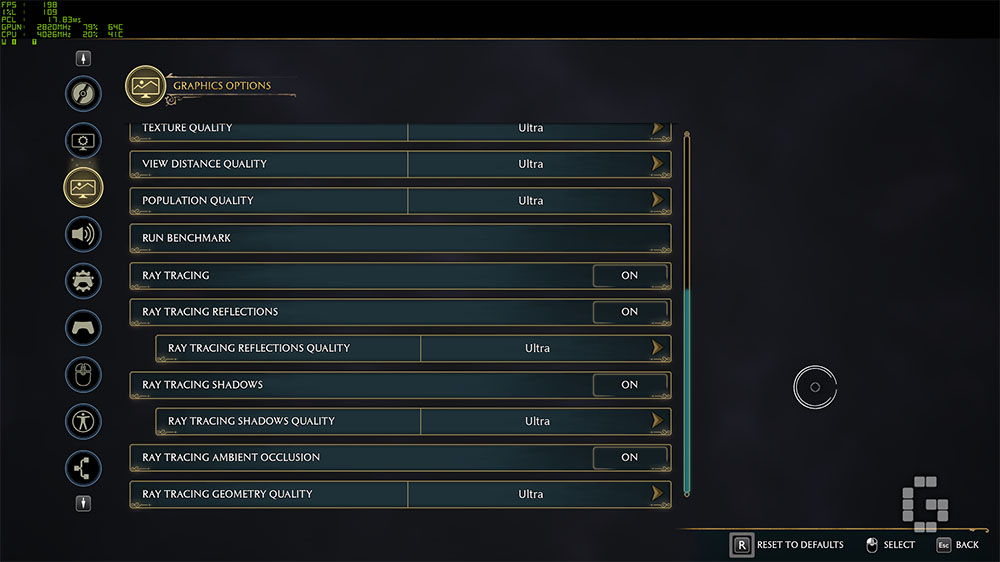
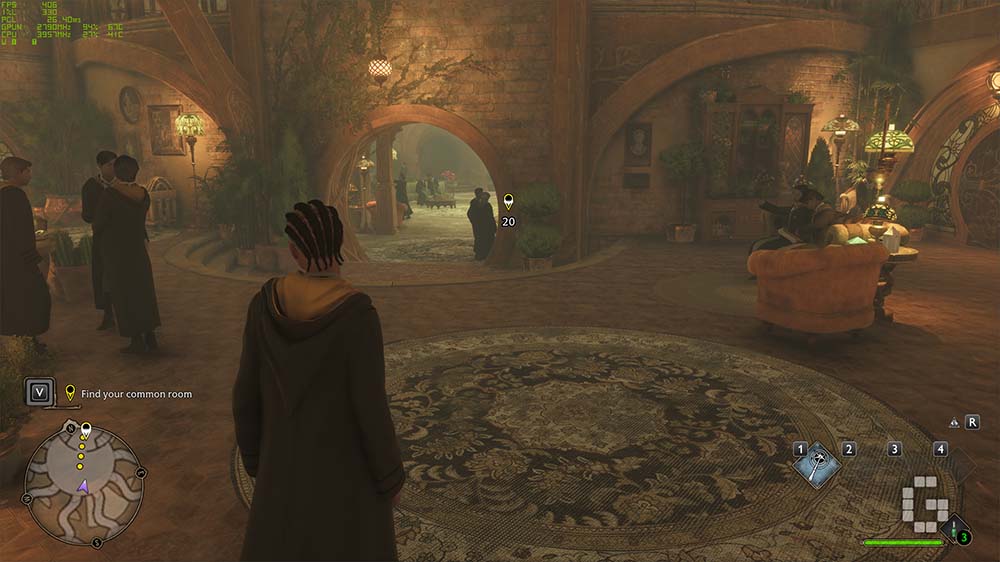
In Hogwarts Legacy, the RTX 5070 SOLID OC showed an outstanding mix of visual fidelity and raw power. At 1080p, the game automatically maxed out every setting, from ray-traced reflections to dense environmental detail, maintaining a 326 FPS average even in busy areas like Hogsmeade. The inclusion of DLSS 4 ensured ultra-smooth motion and crystal-clear image reconstruction throughout, with zero noticeable dips or stutters.
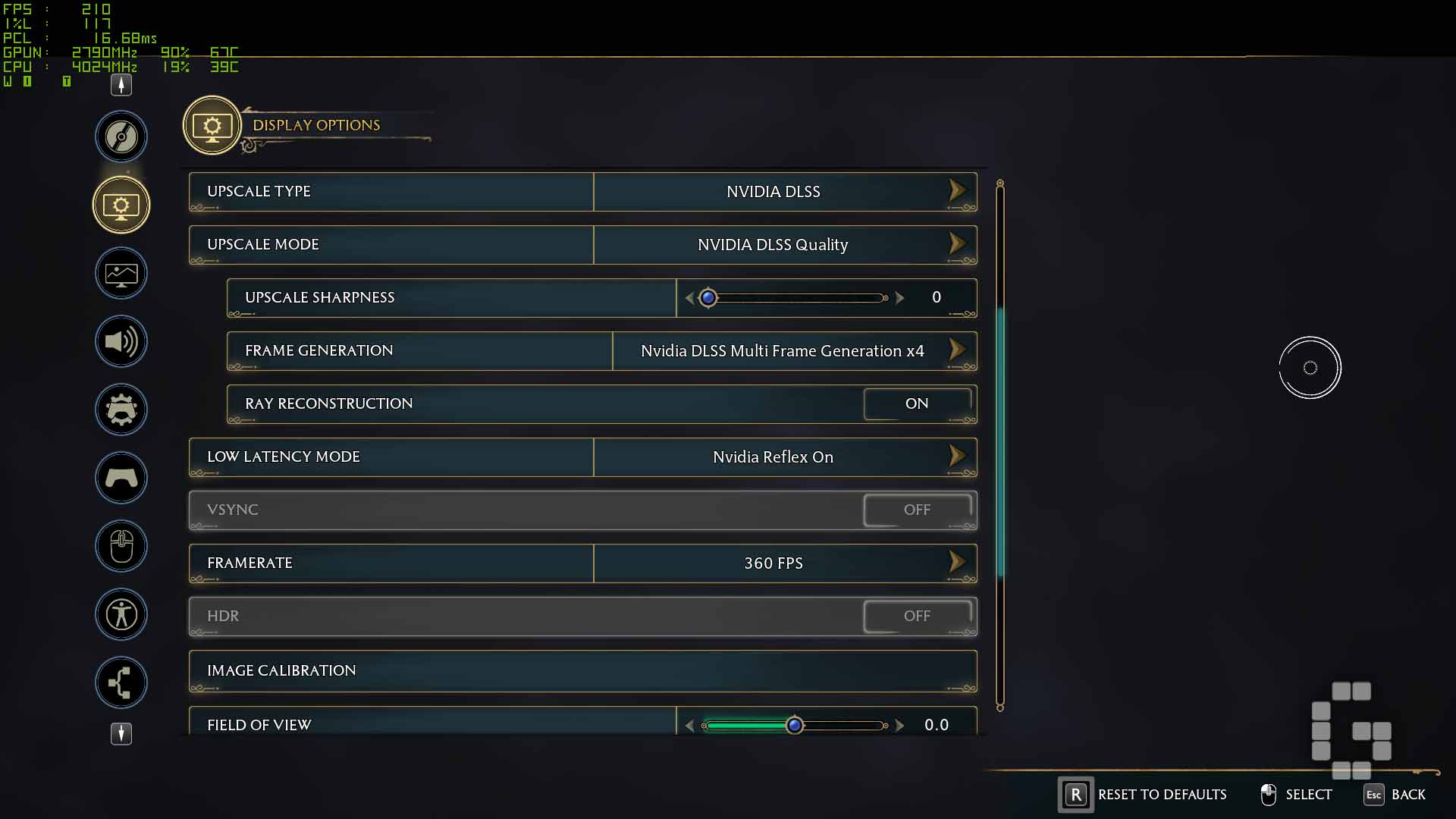
When stepping up to 1440p, performance remained remarkably strong. On Ultra settings with RTX on, the card averaged 266 FPS, while turning RTX off boosted frame rates to an impressive 408 FPS. Even at the higher resolution, DLSS 4 continued to deliver a stable, responsive experience which is a clear sign of how efficient the technology has become in balancing visual quality with high frame rates.
Borderlands 4 – Demanding but Manageable
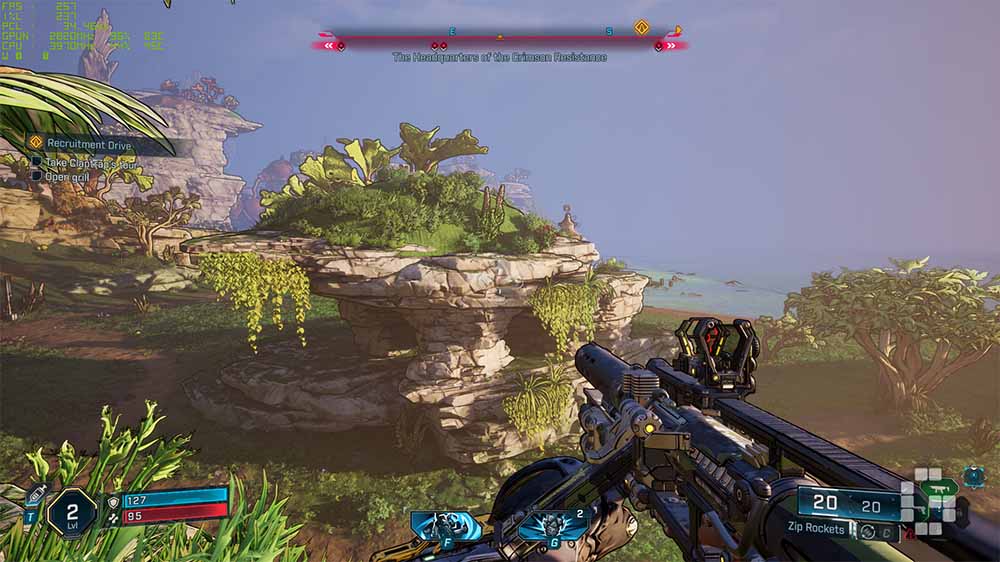
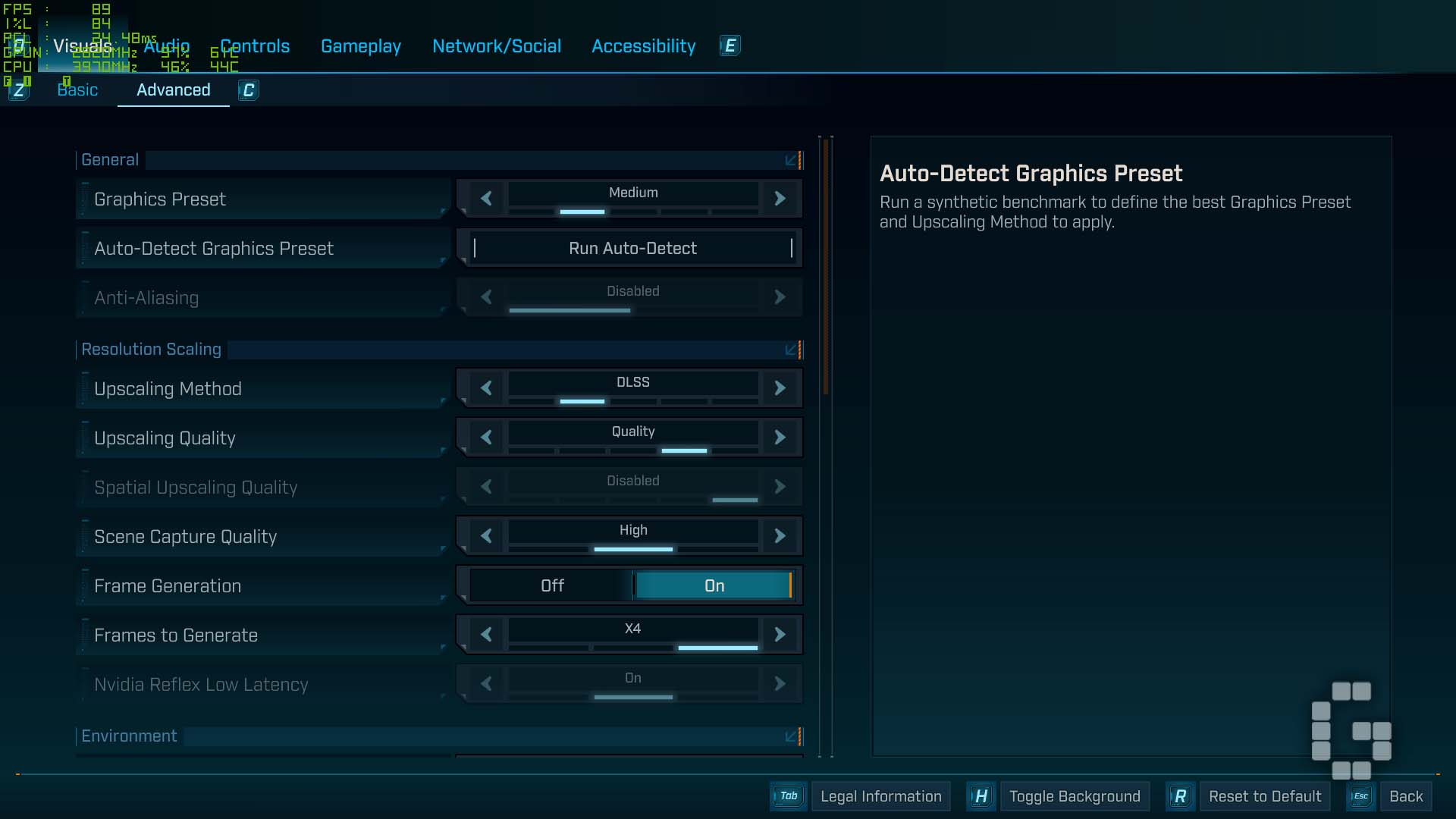
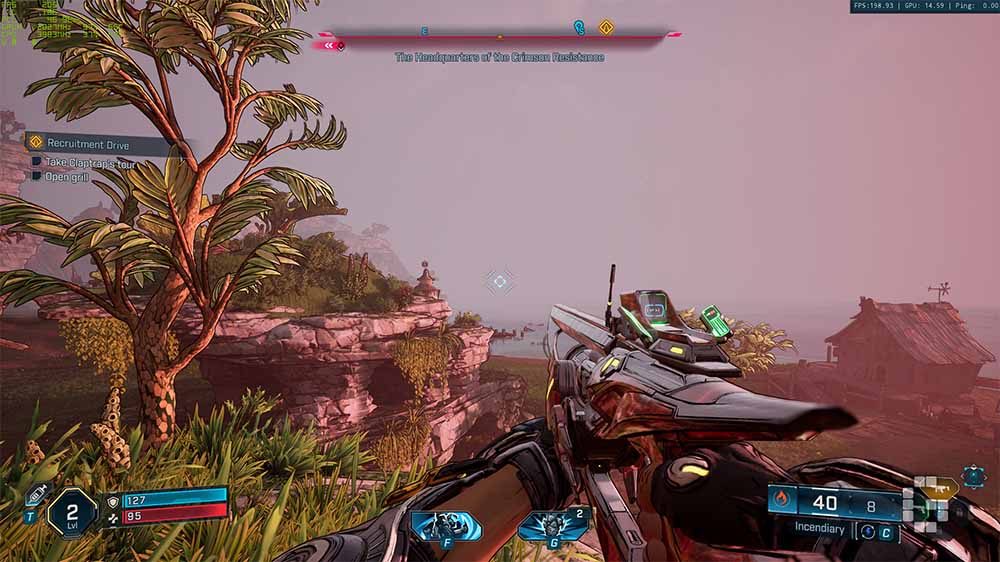
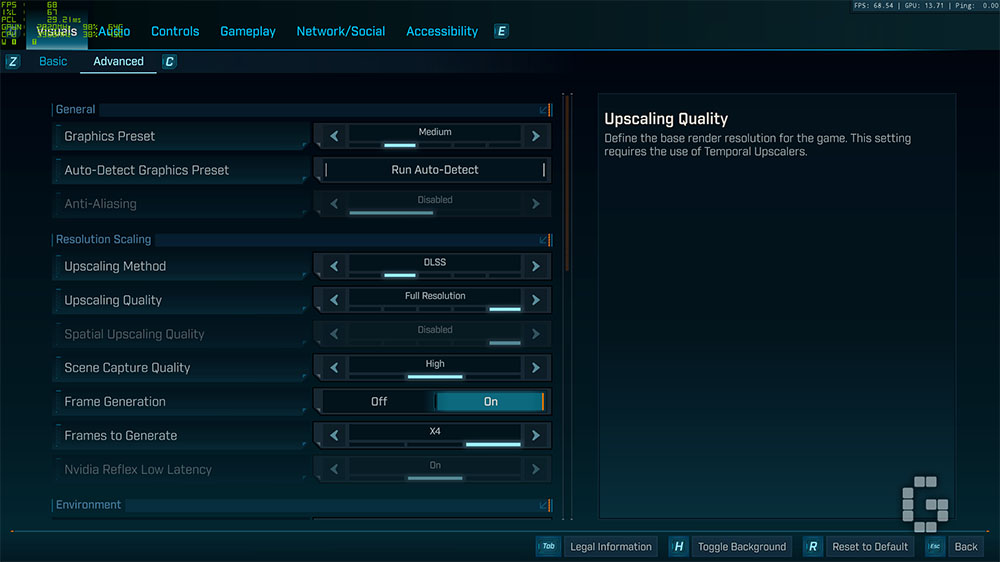
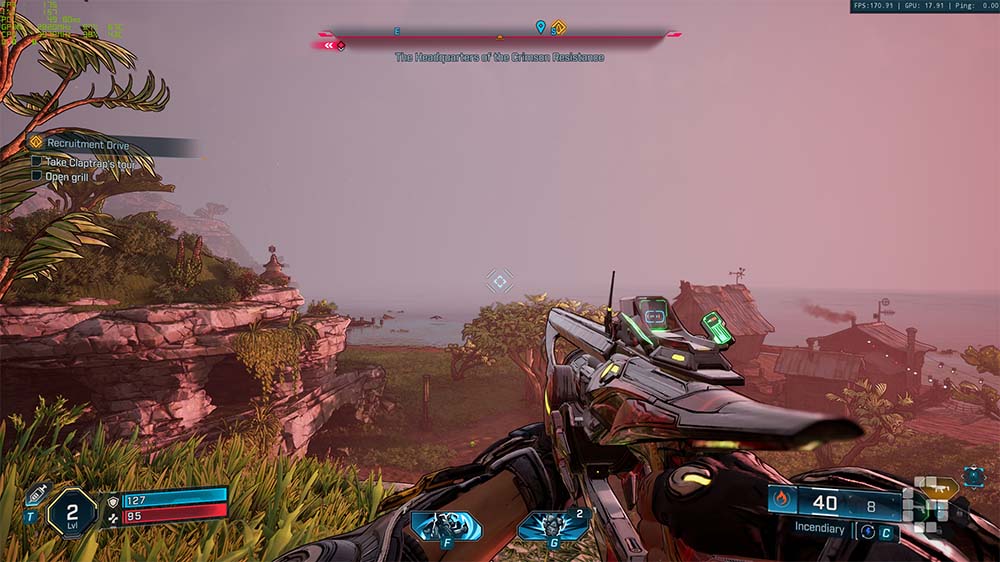
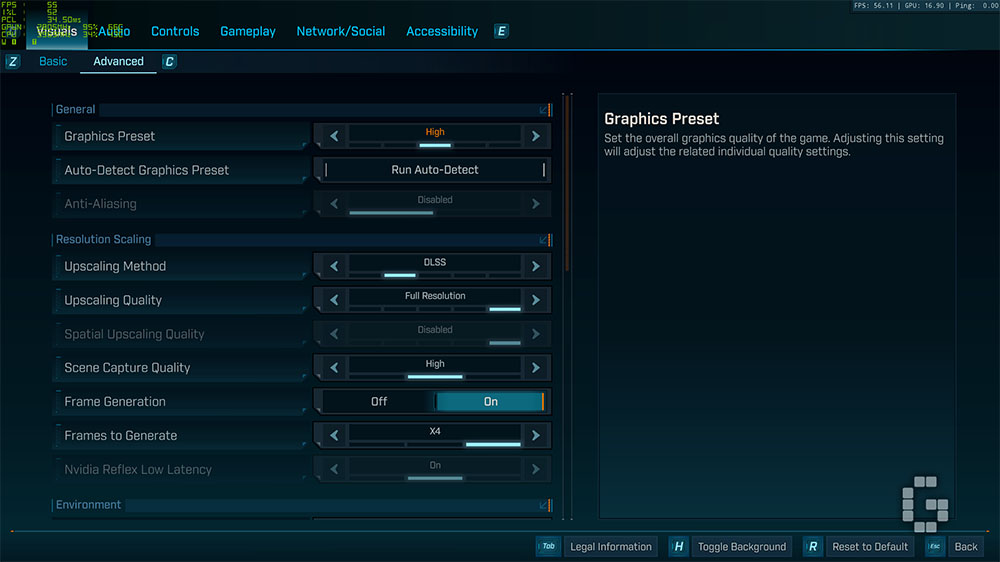
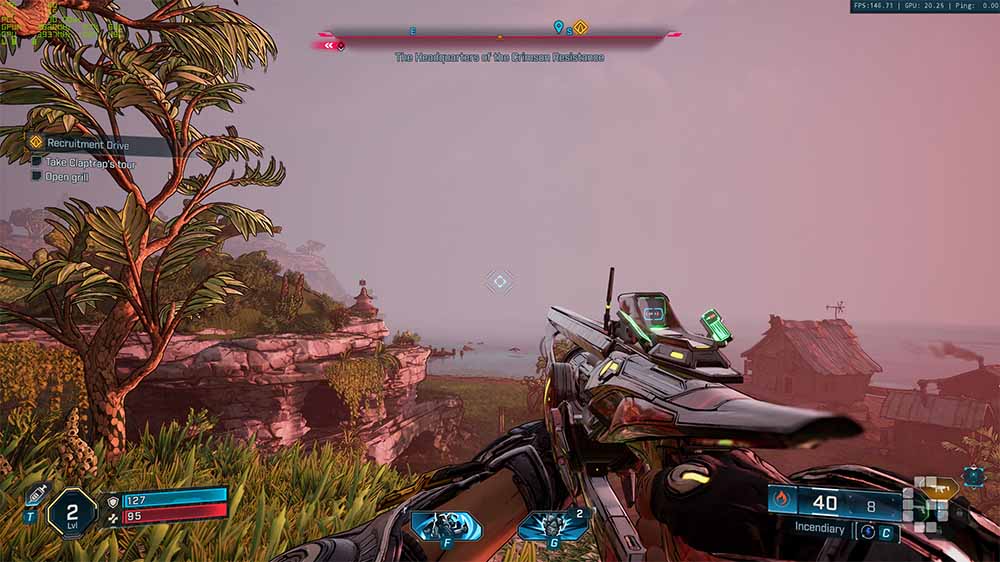
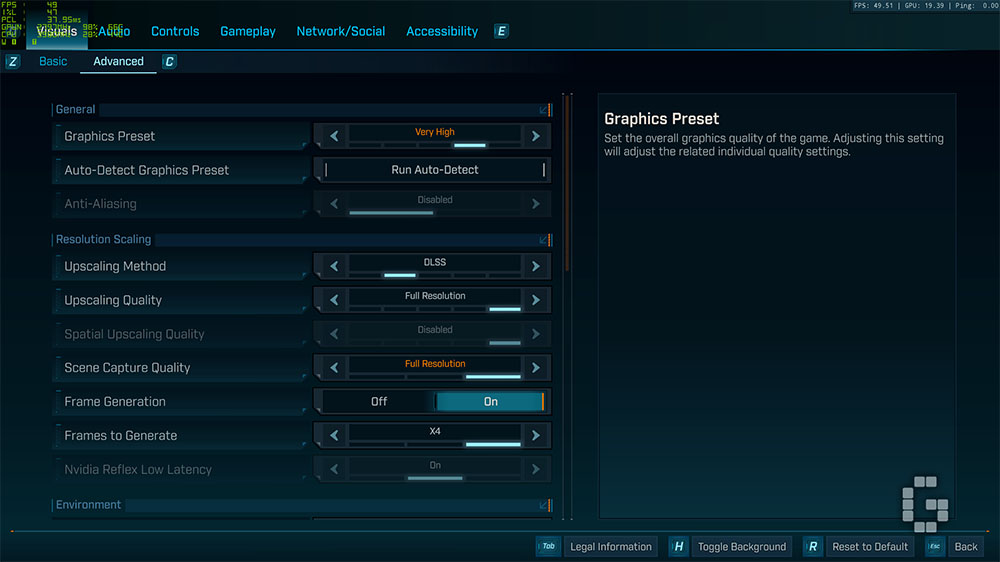
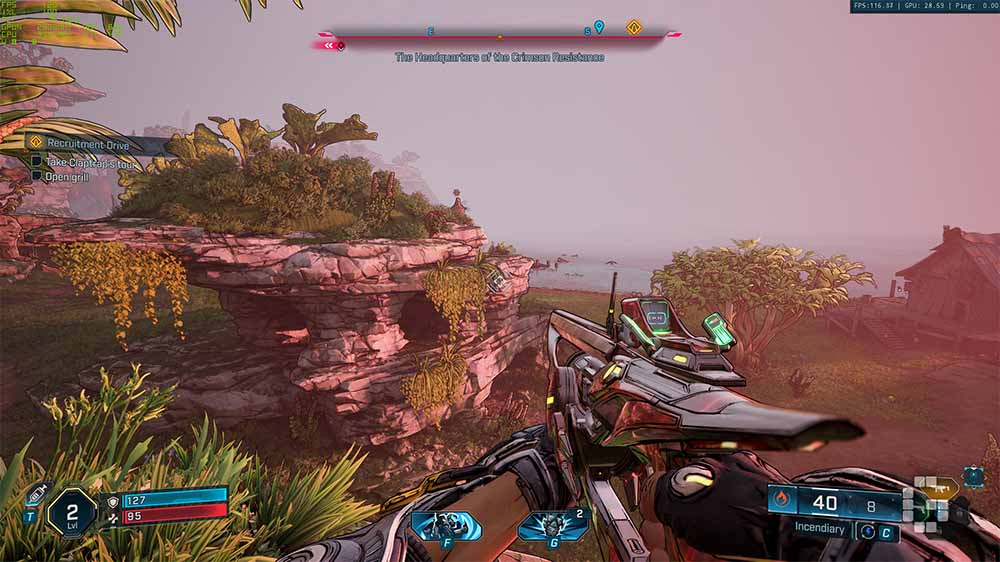
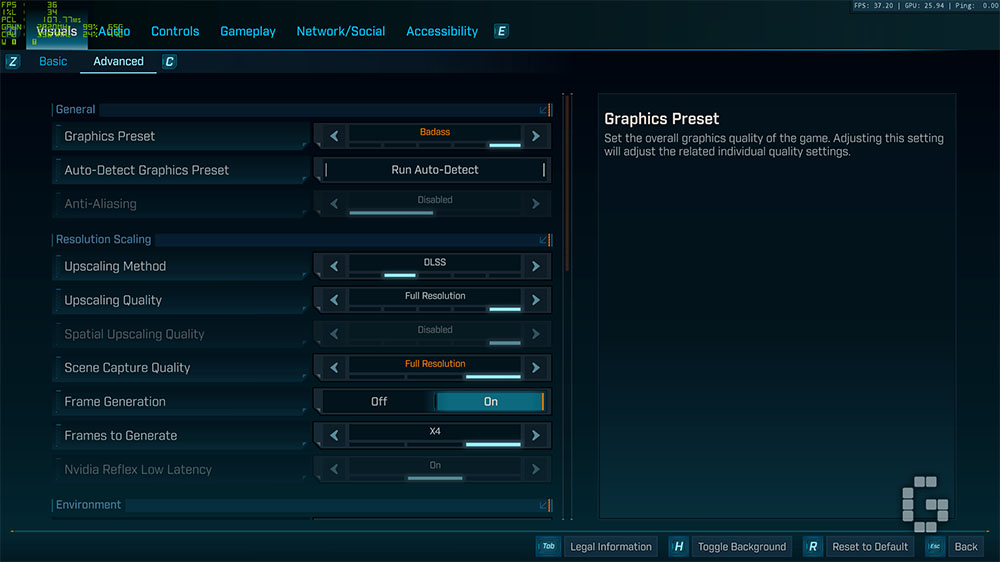
In Borderlands 4, the RTX 5070 SOLID OC proved its mettle against one of the most demanding shooters around. At 1080p, the game initially defaulted to Medium settings, a hint at how taxing it can be but naturally, I pushed it to Badass, where everything was cranked to the limit. On this preset, the card held a steady 160–180 FPS, only dipping slightly during massive explosions or intense particle effects.
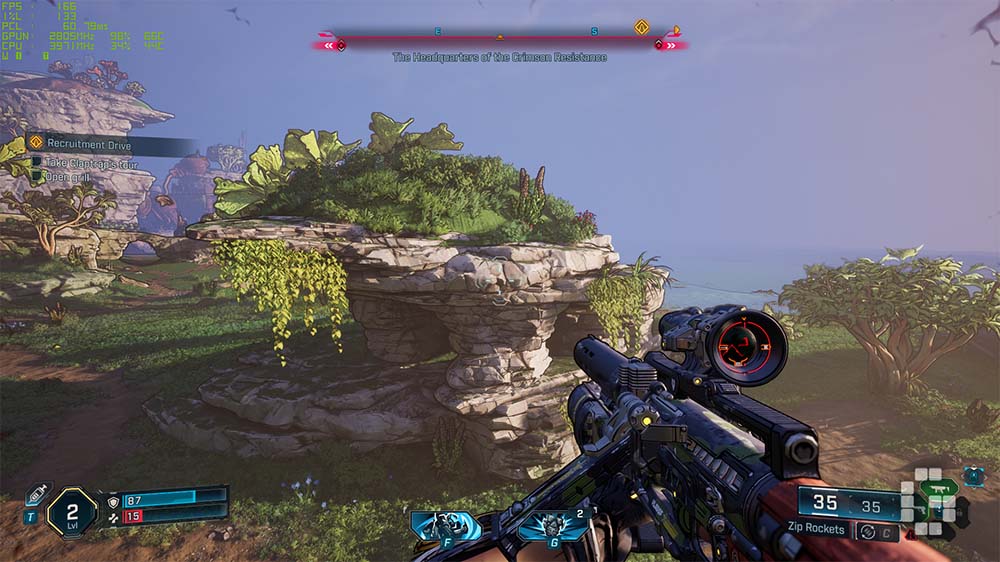
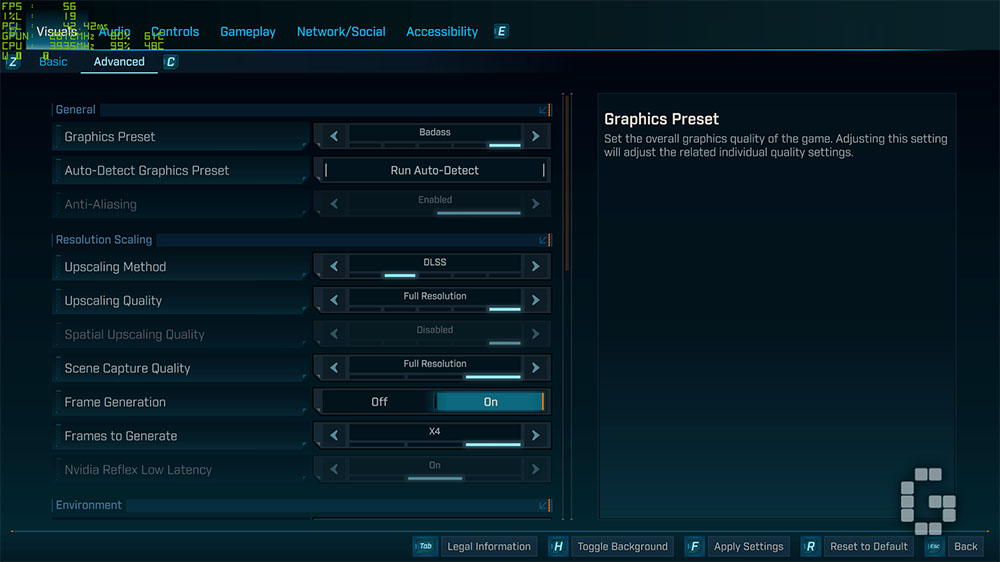
Switching down to Very High saw performance stabilize between 200–220 FPS with DLSS 4 enabled, maintaining excellent clarity even during chaotic firefights. On High settings, frame rates stayed consistently within that range, while Medium delivered over 230 FPS with flawless frame pacing and no visible tearing.
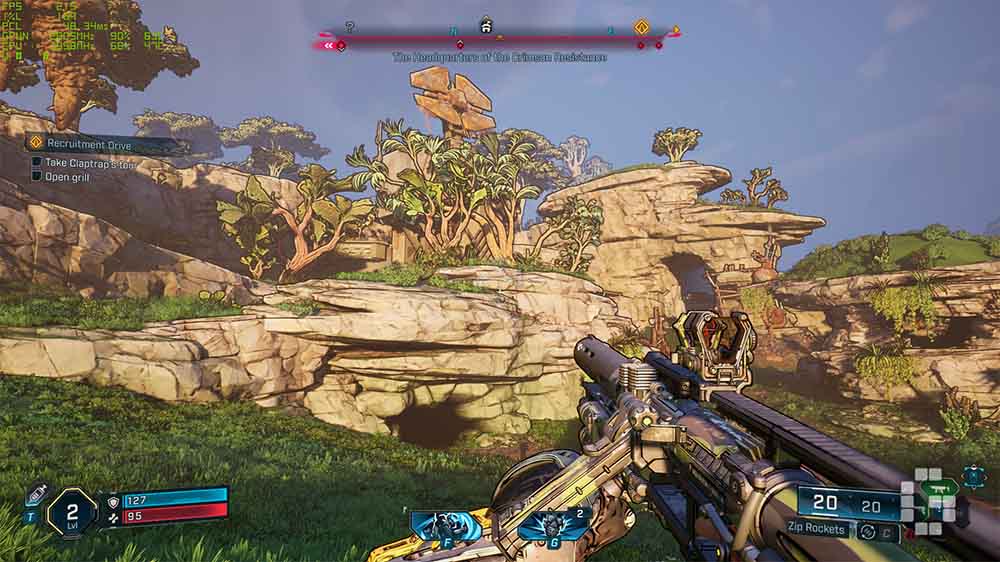
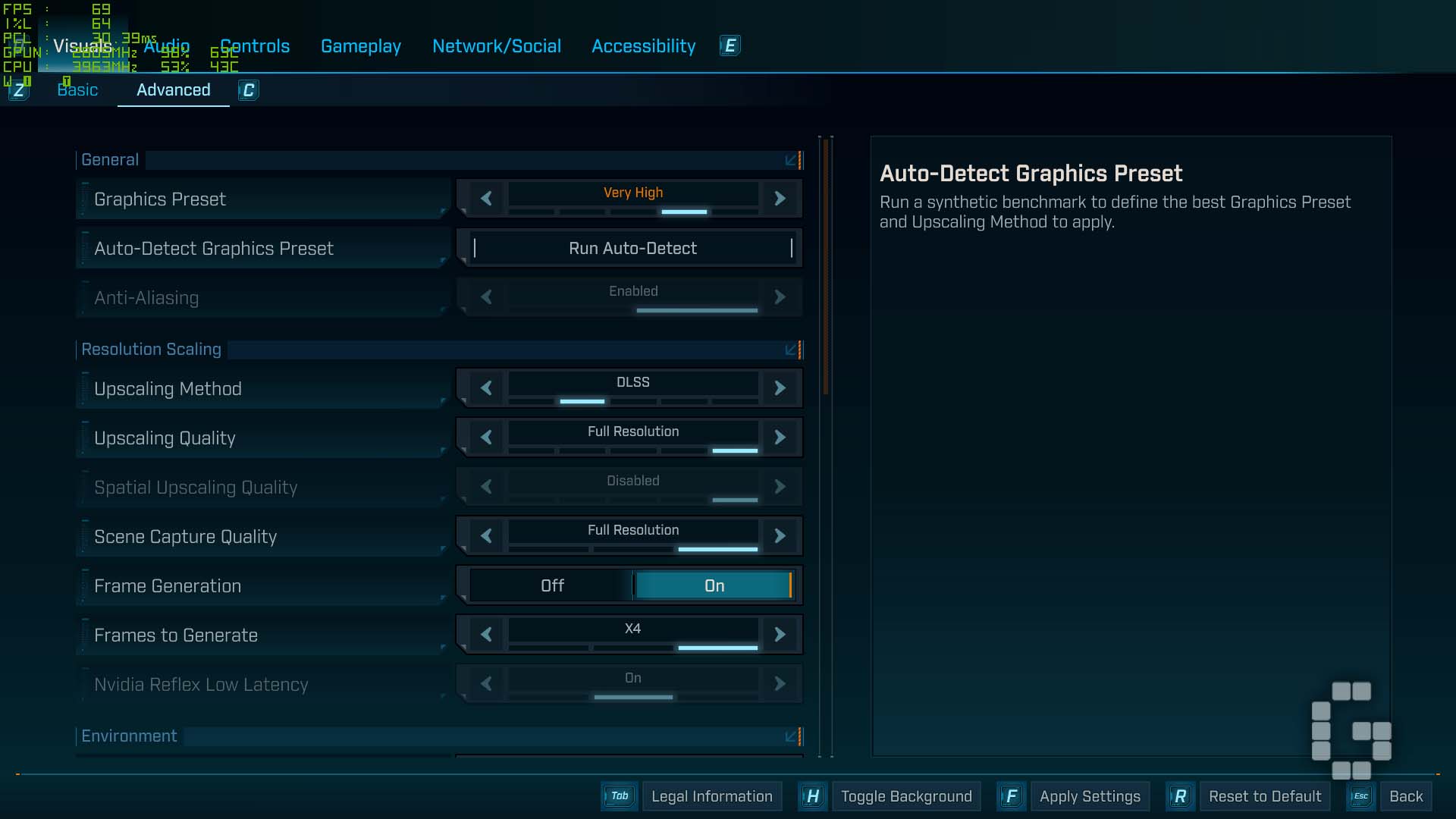
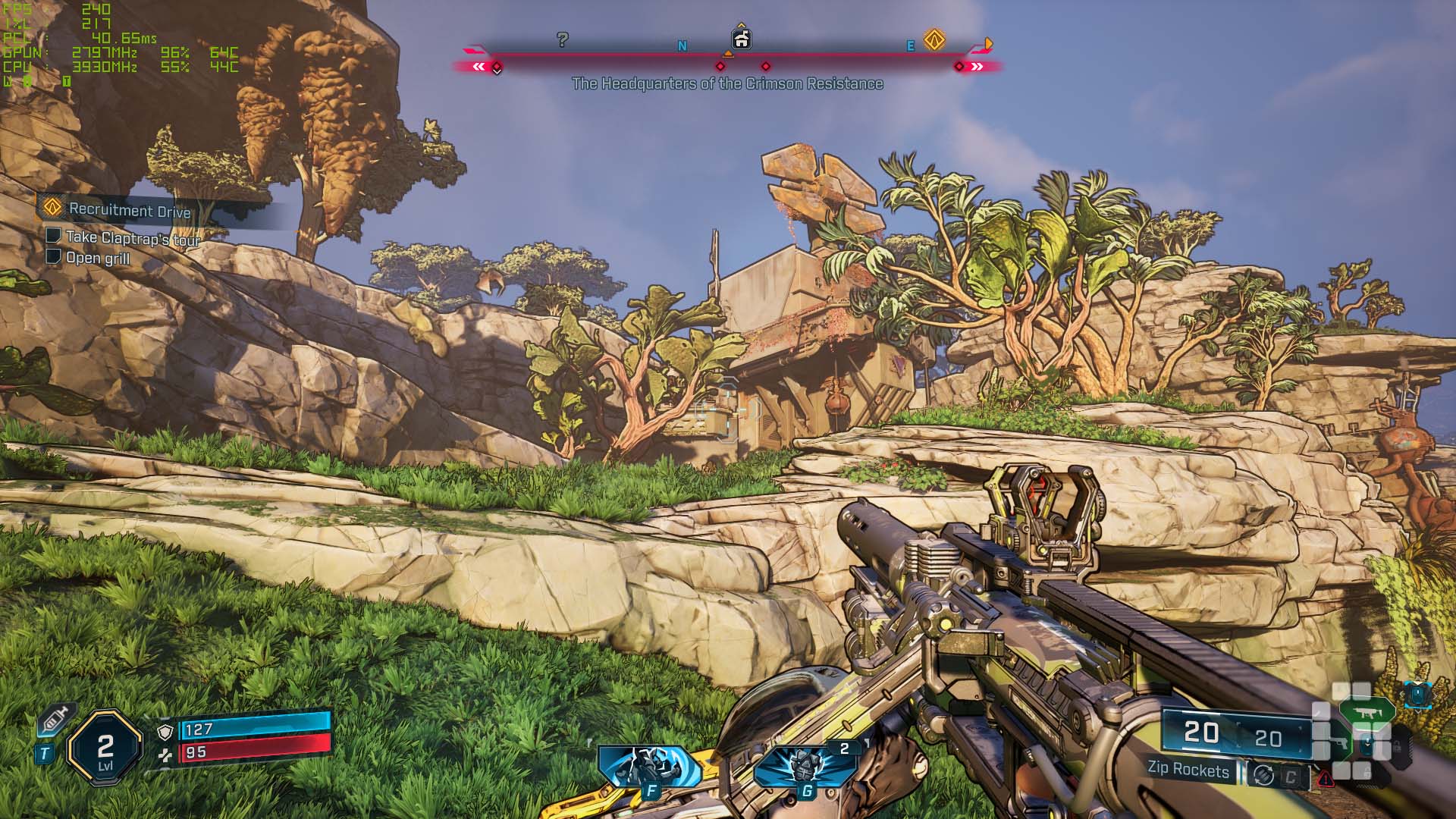
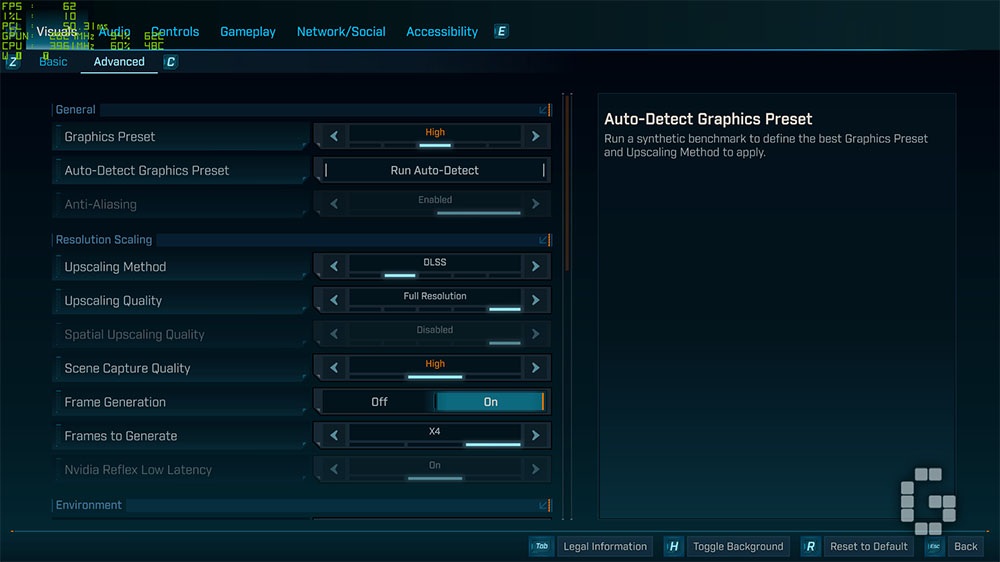
When shifting to 1440p, Borderlands 4 continued to perform exceptionally well. Medium settings peaked at 205 FPS, High averaged around 175 FPS, Very High maintained a solid 150 FPS, and even the demanding Badass preset held a respectable 120 FPS. Despite the higher resolution and visual load, the gameplay remained fluid and visually thanks to DLSS 4 keeping performance and fidelity in perfect balance.
Beyond Gaming – A Creative Workhorse
While its gaming performance is undoubtedly stellar, the RTX 5070 SOLID OC’s capabilities extend far beyond play. With 12GB of GDDR7 VRAM, 5th-gen Tensor Cores, and advanced AI acceleration, it’s perfectly suited for content creators, 3D artists, and video editors.
Applications like Blender, Unreal Engine, DaVinci Resolve, and Adobe Premiere Pro run effortlessly, taking full advantage of the GPU’s AI-driven rendering and encoding capabilities. Whether you’re compositing cinematic scenes, simulating physics, or color grading 4K footage, the 5070 handles it all with remarkable stability.
This is a GPU not just for gamers, but for creators who demand consistent performance and reliability in every frame rendered.
Final Thoughts – Premium Power, Refined for the Future
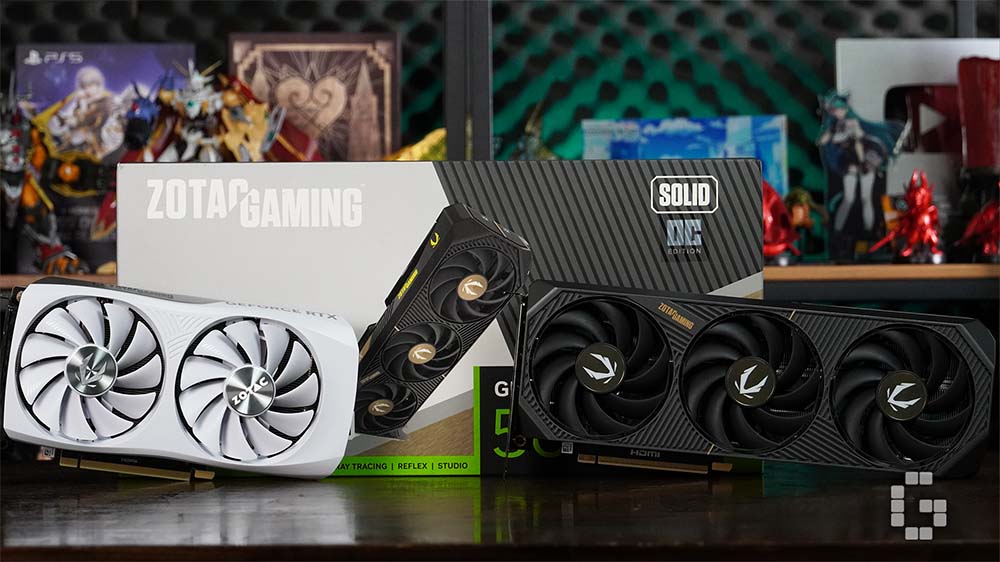
The ZOTAC GAMING GeForce RTX 5070 SOLID OC is a statement piece for anyone serious about performance, aesthetics, and longevity. It’s a true successor to the RTX 4070, offering significant leaps in frame generation, efficiency, and thermal consistency.
From Doom to Cyberpunk, every benchmark underscored how far NVIDIA’s Blackwell architecture has come. DLSS 4, Multi Frame Generation, and Reflex combine to create a seamless, ultra-responsive gaming experience that feels more like playing on instinct than hardware.
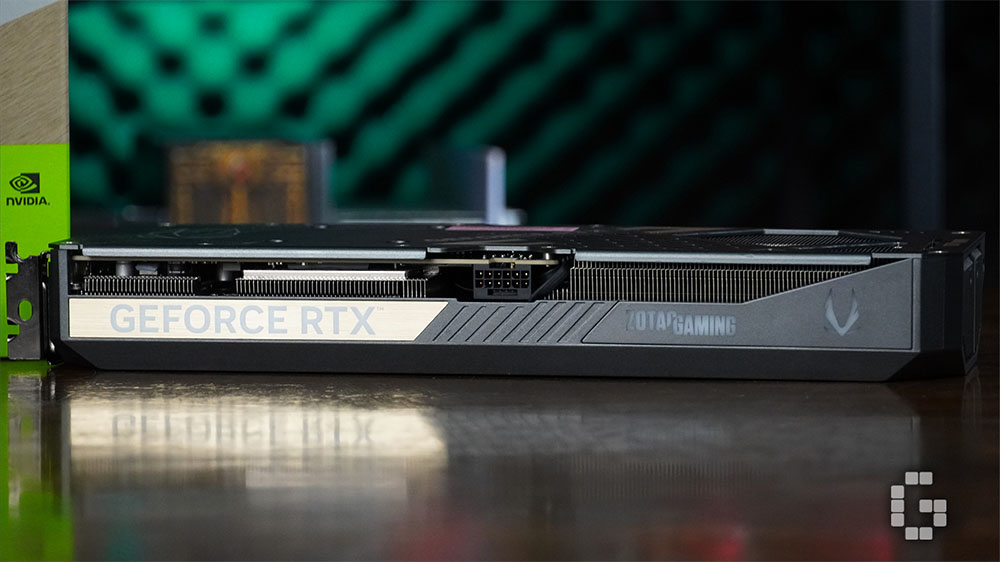
And yet, beyond numbers, what really defines the ZOTAC GAMING GeForce RTX 5070 SOLID OC is how balanced it feels. It’s premium but not wasteful, powerful but cool, efficient yet overkill when it needs to be. This is a GPU built to last—one that’s ready for the next generation of both games and creative workflows.
In short, ZOTAC’s RTX 5070 SOLID OC doesn’t just perform—it redefines what high-end gaming and creation feel like in 2025.