







![[BIC2026] Hiroaki Nagashima from Toei Games Talks New IPs, Indie Roots, and Asia-First Strategy](https://cdn.gamerbraves.com/2026/08/Toei-Games-BIC-2026_Interview_FI-360x180.jpg)
![[BIC2026] From Outsider to Organizer: How Isabella Seo Jungsook Helped Build Busan’s Indie Game Scene through BIC](https://cdn.gamerbraves.com/2026/08/Isabella-BIC-2026_Interview_FI-360x180.jpg)
![[BIC2026] CanOpener’s Logan Moon Opens Up About Dungeon Settlers Ahead of Its September Early Access Launch](https://cdn.gamerbraves.com/2026/08/Logan-Moon-BIC-2026_Interview_FI-360x180.jpg)

![[EXCLUSIVE] From PlayStation to Indie Advisor: Shuhei Yoshida Talks Games, AI, and the Future of the Industry](https://cdn.gamerbraves.com/2026/08/Shuhei-Yoshida-BIC-2026-Exclusive_Interview_FI-360x180.jpg)


Get ready to dive back into the Digital World with the latest entry in the Digimon Story series, Digimon Story Time Stranger which brings exciting new twists to the beloved series. On our second preview of Digimon Story Time Stranger we’ll cover the game’s opening sections, battle system, exploration mechanics, and various gameplay elements.
Whether you’re a longtime fan curious about the new DigiAttack system and Mode Change battles, or someone wondering how the game balances nostalgia with fresh features like the original card mini-game and expanded Digimon care mechanics, this preview covers all the key gameplay elements you’ll encounter.
Story and Setting
The game opens in Shinjuku, where players can explore the area while following the main mission path. Navigation guides players toward story progression, though exploration remains somewhat limited during these early sections. The central mystery revolves around something called the Wall of Hope scattered throughout the area, and an ongoing investigation requires players to sneak inside certain locations.
Combat encounters begin immediately with enemy Digimon appearances. Following series tradition, players must select their partner from three options representing the core types: Patamon (Vaccine), DemiDevimon (Virus), and Gomamon (Data). Each choice determines the starting approach to the attribute-based combat system that forms the game’s strategic foundation.

The opening sequence delivers several memorable moments, particularly when MetalGreymon (Blue) appears unexpectedly and begins chasing the player character. This encounter presents genuine challenge – the chase proved difficult enough to cause player defeats on first attempts. The solution involves continuous forward movement rather than attempting to engage in combat, but the sequence maintains tension throughout.
Players encounter Inori, a mysterious girl who demonstrates knowledge of the main character despite their apparent lack of previous meeting. Her familiarity creates immediate intrigue and establishes questions that drive story progression. The interaction suggests deeper connections and hidden history that players will uncover as the game continues.

The prologue concludes with a battle against Kuwagamon. After victory, strange events transport the player to the Digital World, where they meet three members of the Olympos XII: Lunamon, Minervamon, and Coronamon. A mysterious entity then appears, destroys the temple, and causes everyone to fall back to the real world where the investigation continues.
The prologue maintains fast pacing throughout while establishing multiple mystery elements and questions. It immediately presents players with tension-filled scenarios and introduces key characters whose relationships and motivations require further exploration.

Combat System
The battle system builds upon the series’ established foundation while introducing expanded complexity. The battle system uses the familiar rock-paper-scissors approach where Vaccine beats Virus, Virus beats Data, and Data beats Vaccine. The Free type remains neutral to all advantages and disadvantages.
The attribute relationships work as follows: Vaccine proves strong against Virus but weak against Data; Virus demonstrates strength against Data but weakness against Vaccine; Data shows effectiveness against Vaccine but vulnerability to Virus. Additionally, Free type exists as neutral, remaining unaffected by attribute advantages or disadvantages.
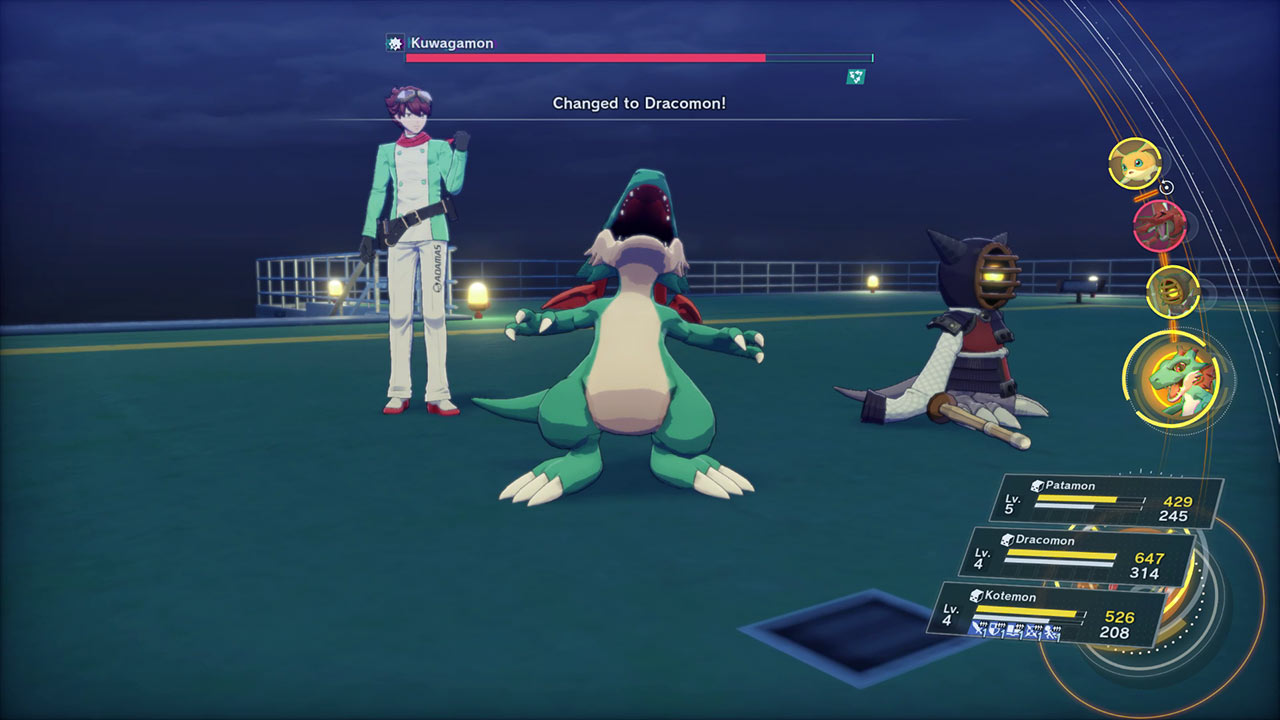
The preview revealed seven total attribute types rather than just the basic four. Variable, Unknown, and No Data represent the additional categories, though these apply primarily to In-Training level Digimon. This expanded system adds layers of complexity to team composition and battle planning.
Beyond attributes, the combat incorporates elemental typing with approximately eleven different elements identified during the preview. These include Fire, Water, Ice, Light, Dark, and additional types that create further strategic considerations. The combination of attribute and elemental systems means players cannot rely on single powerful Digimon to handle all encounters.
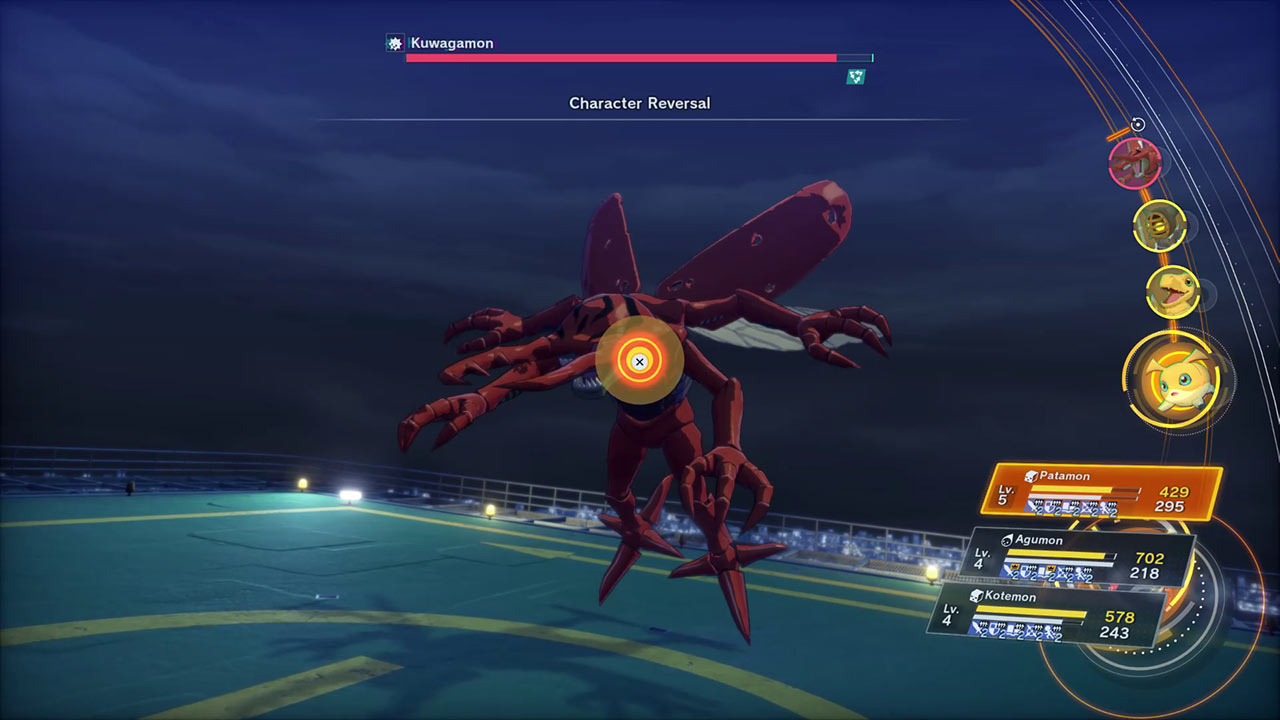
Character Reversal exemplifies the tools available to players. This skill offers 100% success rate for flipping enemy attribute effectiveness. When applied to a Vaccine-type Digimon, they gain double damage against Data-types while simultaneously receiving double damage from Virus-types. Such skills provide tactical flexibility and methods for overcoming disadvantageous matchups.
Extra Strike works like a quick-time event. Pressing X at the right moment triggers a follow-up attack. These chances increase when attacking favorable attributes or when Digimon have high bond points. Extra Strikes can create additional effects like healing allies or inflicting status effects like stun on enemies.
The Cross-Arts system introduces three distinct categories: Burst, Field, and Break. The preview allowed testing of Break and Field variants. Break attacks deliver damage while simultaneously reducing enemy statistics, creating both immediate and lasting combat advantages. Field effects provide beneficial buffs to allied Digimon, supporting team-based strategies.
Agent Skills represent a new progression system functioning like a skill tree for the player character. As agent levels increase, players select abilities across five different bond type categories. Each selection grants unique buffs to Digimon partners, allowing customization of team capabilities based on preferred play styles.
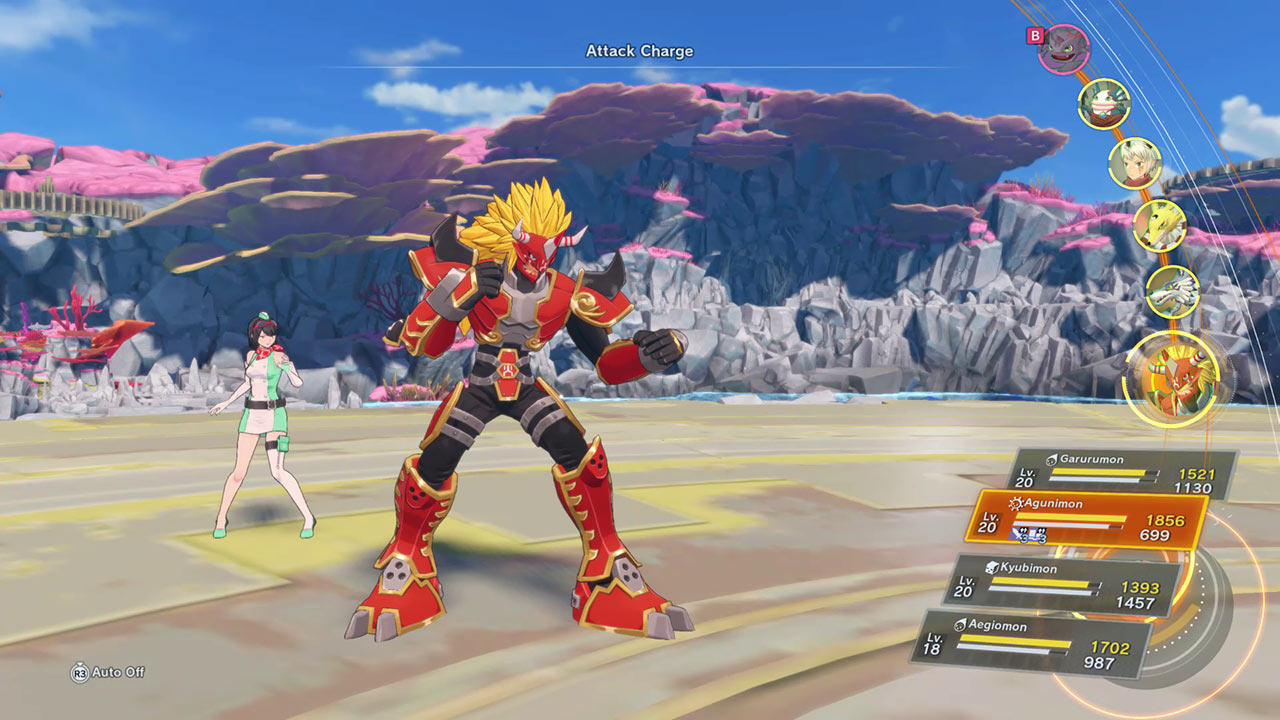
Mode Change introduces temporary evolution during battles. Agunimon demonstrates this feature through Corona Blaster, which allows temporary evolution from Champion to Ultimate level as BurningGreymon during combat. After battle conclusion or when using different skills, the Digimon reverts to original form. This system provides access to higher-tier abilities without permanent evolution requirements.
Quality of Life Improvements
Multiple updates enhance the battle experience and reduce tedious elements. Battle speed adjustment offers options from standard x1 up to x5 speed, plus Auto-Battle activation via R3 button. These features significantly reduce grinding time and make leveling multiple Digimon more manageable.
Attribute and element information displays during attacks eliminate the need to memorize all type relationships. The interface shows three small icons indicating enemy weaknesses, allowing players to identify optimal strategies quickly. Proper advantage stacking can achieve approximately 450% damage output, demonstrating the system’s potential when fully utilized.
Item usage mechanics received important changes. Using items no longer consumes Digimon turns, instead limiting Agents to one item usage per turn. This modification maintains battle flow while preserving strategic item management. The change prevents situations where healing or support items create turn disadvantages.
Digivolution and Digimon Care
The Digivolution system maintains the established data collection approach where defeating enemy Digimon provides data for conversion into team members. However, the preview restricted Rookie to Champion evolution behind agent level requirements, preventing full system testing.
Digimon care mechanics received significant expansion beyond previous series entries. Partner Digimon now actively attempt communication through messages and direct interaction. Player responses to these communications influence Digimon personalities, creating meaningful choice consequences.
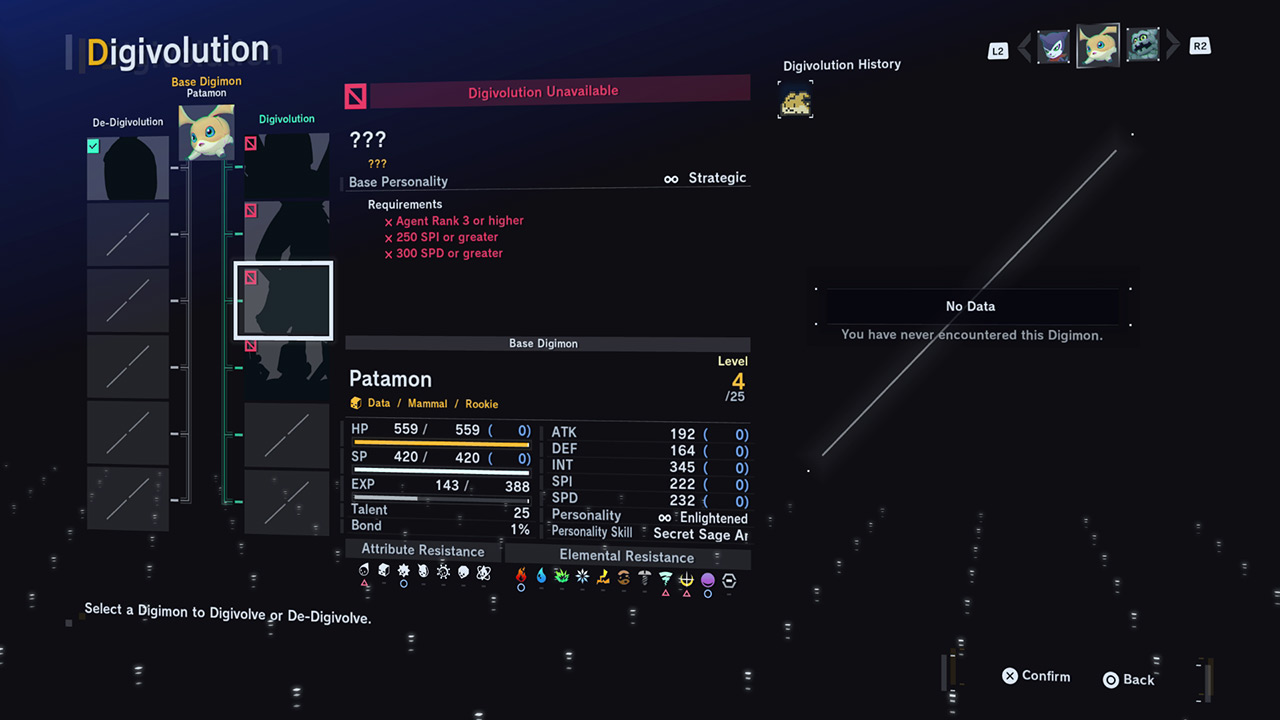
Personality changes activate unique skills specific to individual personality types, making interaction responses strategically relevant beyond role-playing elements. The system connects emotional care with mechanical benefits, encouraging players to engage with their partners regularly and thoughtfully.
The expanded care systemsuggests deeper relationship mechanics than previous titles, though the full extent of personality impacts and skill variations requires additional exploration in the complete game.
Exploration and DigiAttack
The DigiAttack system represents a major addition affecting both combat initiation and environmental interaction. When encountering single enemy Digimon, players can execute DigiAttacks to achieve instant victories without entering full battle mode. These attacks scale with Digimon skills, damage output, and elemental effectiveness while consuming no SP resources.
DigiAttacks extend beyond combat applications into exploration mechanics. Certain pathways remain blocked or sealed, requiring DigiAttack usage to break through barriers and access new routes. This integration creates connections between combat capabilities and exploration progression.

The Analysis feature, activated through L2 button, highlights interactive environmental elements including breakable objects, treasure chests, and collectible materials. More importantly, it reveals enemy Digimon locations throughout areas, allowing strategic planning for DigiAttack usage with appropriate elemental advantages rather than trial-and-error approaches.
Digimon-assisted traversal adds variety to exploration movement. The preview demonstrated Biyomon providing flight assistance to cross damaged bridges. Later sections featured riding Whamon and Submarimon for underwater area exploration. These mechanics suggest diverse environmental navigation methods using different Digimon species throughout the full game.
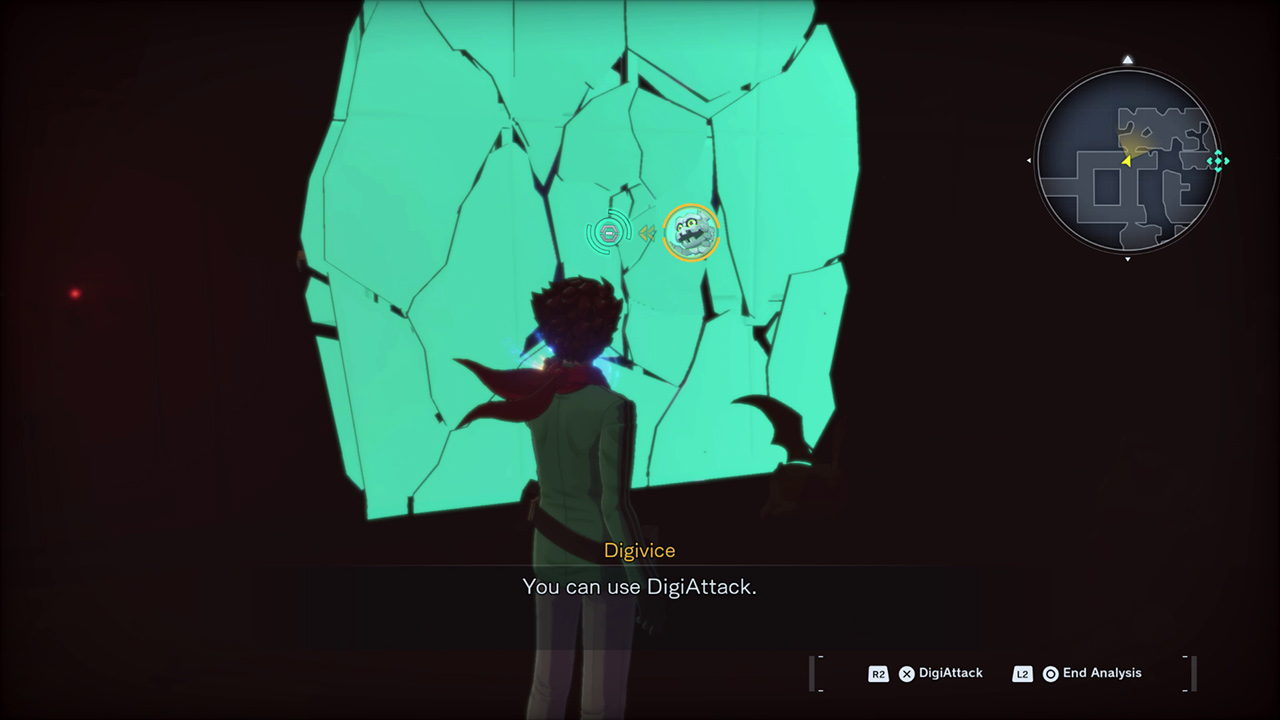
Area-specific boss encounters create strategic exploration challenges. The prologue area features Chaosdramon, a Mega-level Digimon functioning as a regional boss. Players can choose immediate confrontation, avoidance, or delayed engagement after team strengthening. This system adds risk-reward elements to exploration while providing long-term goals for character development.
The combination of DigiAttack mechanics, environmental analysis, assisted movement, and boss encounters creates dynamic exploration that connects multiple gameplay systems. Areas feel populated with meaningful interactions rather than serving purely as travel spaces between story locations.
Additional Features
The preview introduced an original Digimon card mini-game distinct from the official Trading Card Game. Players begin with five-card hands while viewing opponent cards, then attempt to predict enemy selections. Victory requires winning three rounds, with successful players claiming two opponent cards as rewards.
The cards utilize a device resembling a Digivice for placement, transforming into pixelated Digimon that battle on screen. This presentation style provides nostalgic appeal while maintaining unique gameplay mechanics separate from the main combat system.

Mirei encounters now occur at the In-Between Theater location rather than through telephone interactions. While the preview limited exploration of this area, Mirei manages the Digifarm where players can relocate Digimon for training and statistical improvement.
The Digifarm includes decoration capabilities allowing area assignments for specific Digimon and item placement throughout the island environment. Players can customize their farm layout and create specialized training environments, though the preview did not fully demonstrate the system’s mechanical importance compared to previous series entries.

These additional features provide variety and customization options while maintaining series traditions. The card game offers casual gameplay breaks, while the expanded Digifarm system suggests deeper management mechanics for dedicated players.
Final Thoughts
This Digimon Story entry demonstrates careful balance between strategic depth and accessibility across its various systems. The combat mechanics layer attribute relationships, elemental effects, and new features like Extra Strikes, Cross-Arts, and Mode Change to create engaging tactical encounters. Quality of life improvements address common frustrations while preserving strategic elements.
Exploration mechanics successfully integrate DigiAttack functionality, environmental analysis, and Digimon-assisted movement to create varied and meaningful area navigation. The inclusion of area-specific boss encounters provides both immediate challenges and long-term progression goals.

Digivolution and care systems show expansion beyond mechanical progression into relationship-building elements that affect gameplay through personality-based skills. Additional features like the card mini-game and Digifarm customization provide variety and nostalgic appeal while supporting different play preferences.
The preview demonstrates a comprehensive approach to series evolution, building upon established foundations while introducing fresh mechanics and quality of life improvements. The combination suggests an entry that should satisfy series veterans while remaining accessible to newcomers through improved interface design and helpful information systems.