





![[BIC2026] Hiroaki Nagashima from Toei Games Talks New IPs, Indie Roots, and Asia-First Strategy](https://cdn.gamerbraves.com/2026/08/Toei-Games-BIC-2026_Interview_FI-360x180.jpg)
![[BIC2026] From Outsider to Organizer: How Isabella Seo Jungsook Helped Build Busan’s Indie Game Scene through BIC](https://cdn.gamerbraves.com/2026/08/Isabella-BIC-2026_Interview_FI-360x180.jpg)
![[BIC2026] CanOpener’s Logan Moon Opens Up About Dungeon Settlers Ahead of Its September Early Access Launch](https://cdn.gamerbraves.com/2026/08/Logan-Moon-BIC-2026_Interview_FI-360x180.jpg)

![[EXCLUSIVE] From PlayStation to Indie Advisor: Shuhei Yoshida Talks Games, AI, and the Future of the Industry](https://cdn.gamerbraves.com/2026/08/Shuhei-Yoshida-BIC-2026-Exclusive_Interview_FI-360x180.jpg)

The SHINOBI series makes its comeback after years away from gaming, bringing classic ninja action into the modern era. Our review of SHINOBI: Art of Vengeance takes a look at what the game offers, from its combo-heavy combat system to its visual presentation, examining both its strengths and the areas where it falls short.
For longtime fans who remember the franchise’s heyday, this return raises important questions: does the game capture what made the original series special while adapting to modern gaming standards? Can it compete with today’s polished 2D action games that have raised the bar for combo systems and responsive controls?
Story
SHINOBI: Art of Vengeance follows Joe Musashi, a ninja seeking revenge against Lord Ruse. The villain has attacked Joe’s village and family as part of his quest for power, setting our hero on a path of vengeance. The story sticks to familiar revenge tale elements without throwing many curveballs at players.
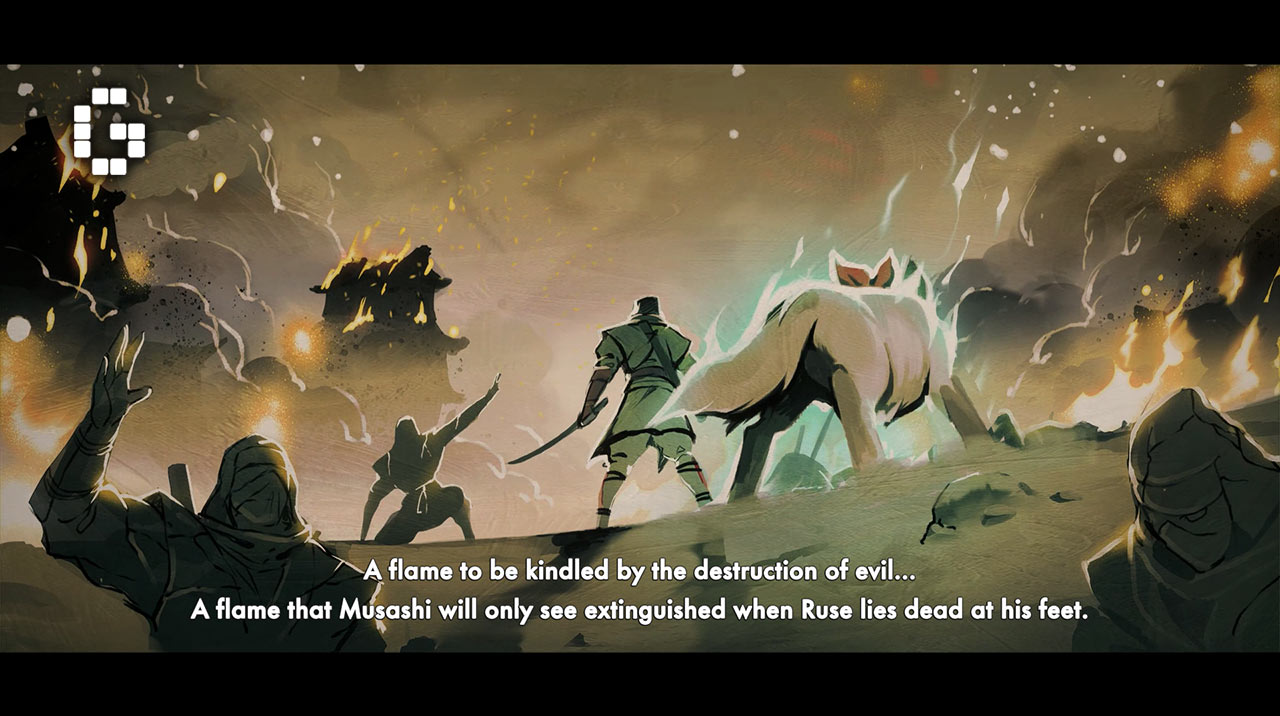
While the plot serves its purpose of giving you a reason to fight through the game, it doesn’t break new ground in storytelling. The narrative acts more like a framework to move players from one action scene to the next, keeping the focus firmly on gameplay rather than deep character development or plot twists.
Combat System and Mechanics
The game’s main attraction lies in its combat system, which lets players chain different attack types together smoothly. You can connect sword strikes with shuriken throws, cancel moves into dashes or dodges, and start new combo strings without breaking your rhythm. The system includes light and heavy attacks alongside three special technique categories that work together seamlessly.
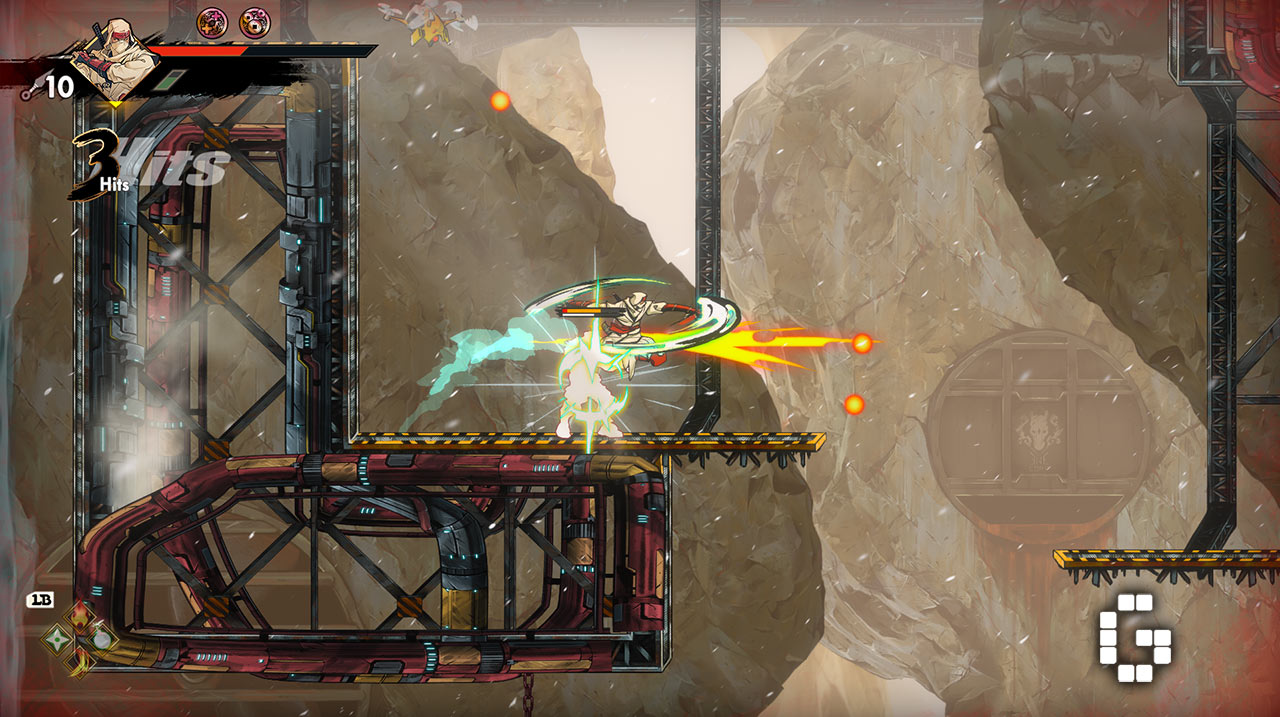
Ninpo abilities form your core ninja skills and charge up during regular combat. Examples include Thunder Ninpo for quick dashes that close gaps between you and enemies, and Bomb Ninpo that has Joe throw explosive devices at foes, dealing heavy damage to armored opponents. These abilities encourage aggressive play since they recharge through fighting rather than requiring you to save them for special moments.
Ninjutsu techniques serve as ultimate attacks that take longer to charge but deliver powerful screen-filling attacks. Meanwhile, Ningi represents your ninja tools that unlock as you progress through the game. These tools work both in combat and for platforming, helping you access secret areas that were previously unreachable.

One example of Ningi is the Ninja Flip. After landing hits on an enemy, you can dash to dodge and immediately start fresh combo sequences. This creates smoother transitions between attacks and helps maintain longer combo chains without awkward breaks in the action.
All four mechanics work together to create many possibilities for creative combat expression. Each system supports the others, so getting better at one area naturally improves your performance in other aspects. This design encourages players to experiment and find their own preferred combo styles.
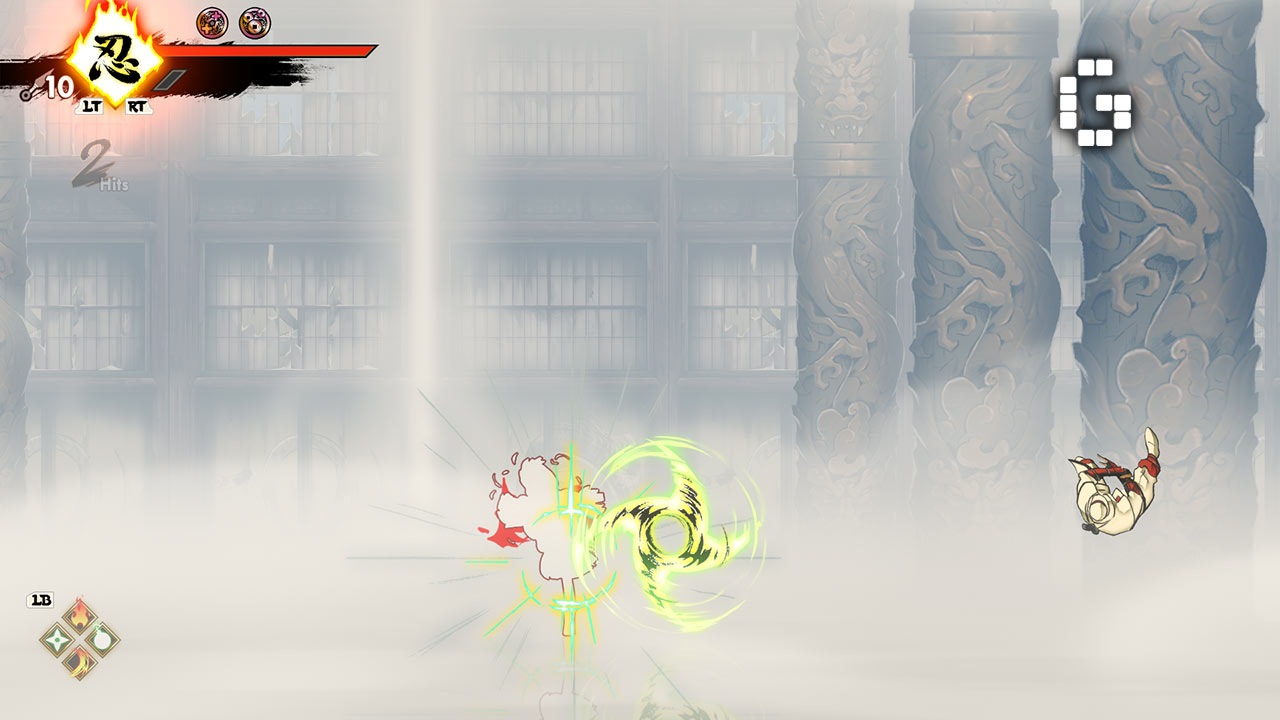
The controls respond quickly and accurately, which modern 2D action games need to feel right. There’s no noticeable input delay, and recovery time between attacks is fast enough to maintain the game’s quick pace. The dash system works well both on the ground and in the air, keeping you mobile while setting up your next attack sequence.
Resource management feels balanced throughout the game. While shurikens have limited quantities, you can restock by breaking boxes found around levels. Since Ninpo abilities charge through regular fighting, you don’t need to hoard them for boss fights, which encourages frequent use of your flashiest moves.
Progression and Difficulty
The progression system keeps players motivated to continue forward. Ningi tools unlock through normal gameplay and serve double duty as combat aids and platforming tools. This creates good reasons to experiment with new tools as you get them, since they often reveal previously hidden parts of levels.
The game handles its difficulty curve well. Basic sword combos and shuriken throws are easy for newcomers to learn, letting new players jump in and have fun right away. Enemy variety plays a crucial role in keeping combat engaging throughout the game. You’ll face both ranged and close-combat fighters, each designed with unique attack patterns that demand different tactical approaches.
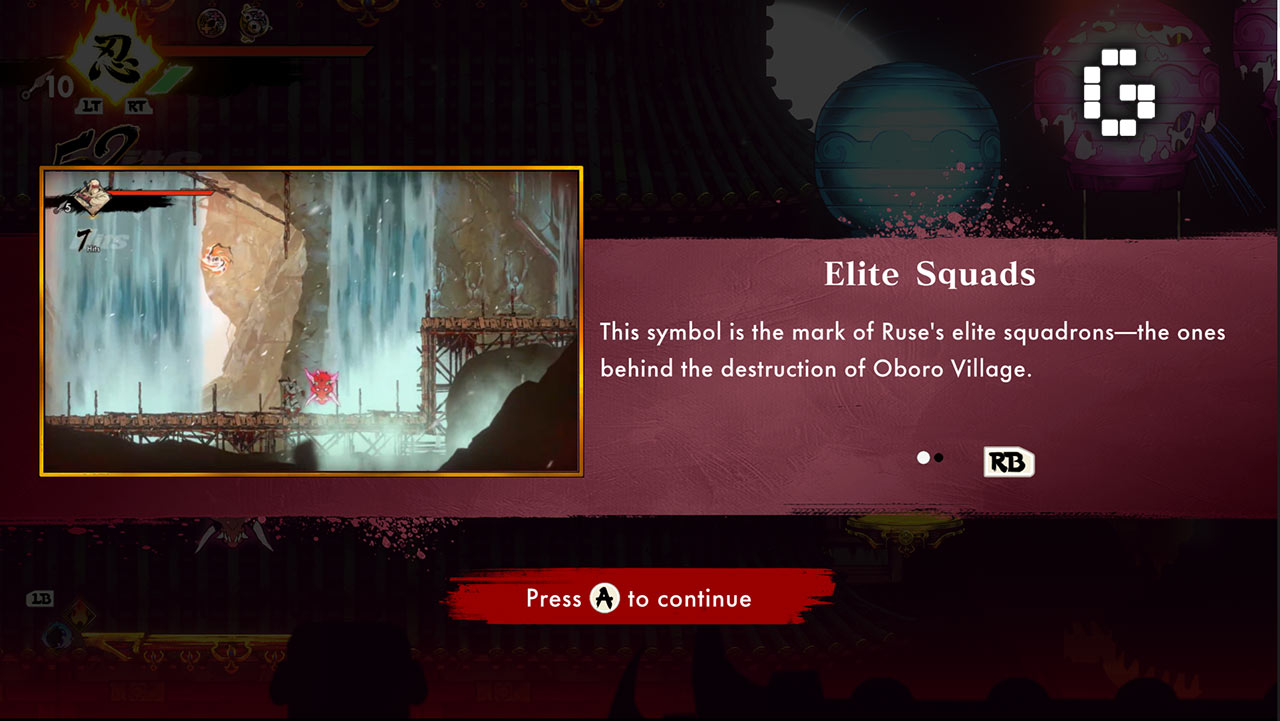
Some enemies leave themselves vulnerable after executing certain attacks, creating windows for counterattacks, while others require more patience and careful timing to defeat effectively. Learning these enemy patterns becomes an essential part of skill development. The real satisfaction comes when you figure out how to turn an enemy’s predictable attack sequence into an opportunity for devastating combo chains.
This variety prevents the combat from becoming repetitive and forces you to adapt your combo strategies based on what you’re fighting. The mix of enemy types ensures that you can’t rely on a single approach throughout the game, encouraging experimentation with different techniques and keeping the combat fresh as you progress through levels.
Stage Variety and Game Modes
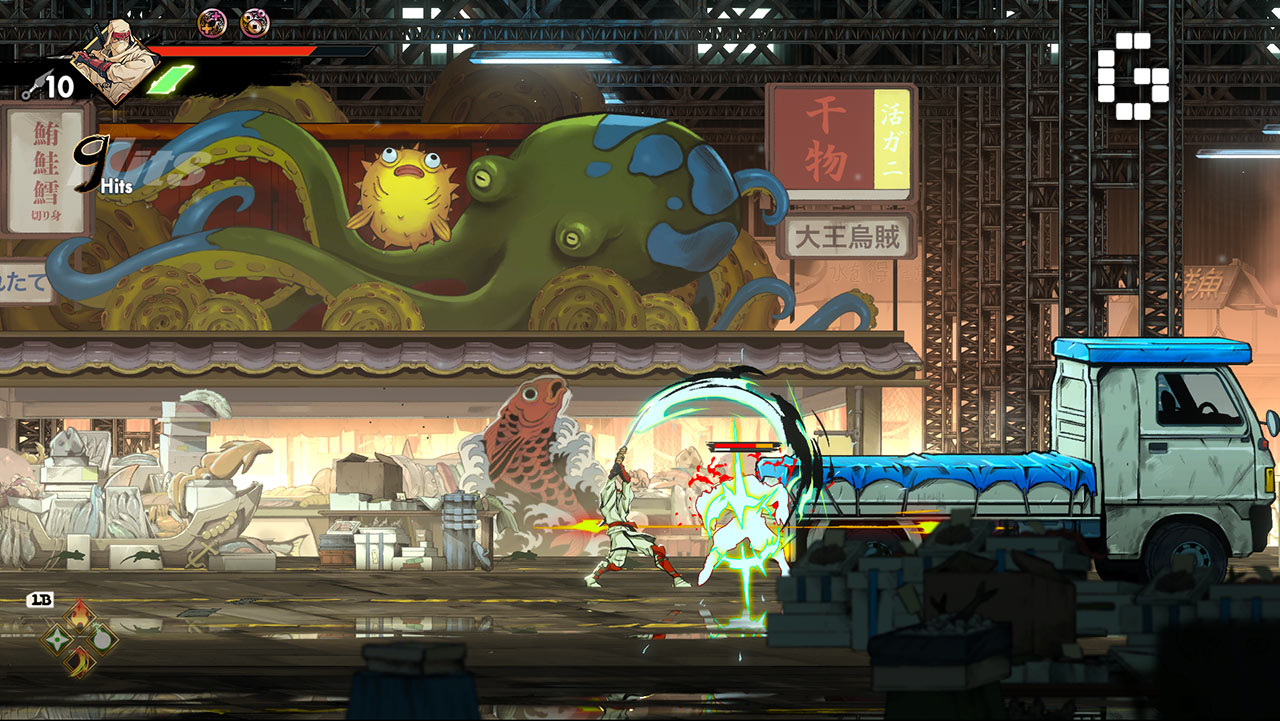
The game mixes up its pacing with different stage types and sections. Beyond regular levels, there are auto-mover stages where your character moves forward automatically, forcing you to focus entirely on dodging and attacking without worrying about movement.
Some stages include chase sequences that change the traditional pace but add genuine excitement. While these sections interrupt the usual combo-focused gameplay, they create thrilling cinematic moments that keep you engaged. The gameplay style shift can feel sudden, but it adds variety to the overall experience.
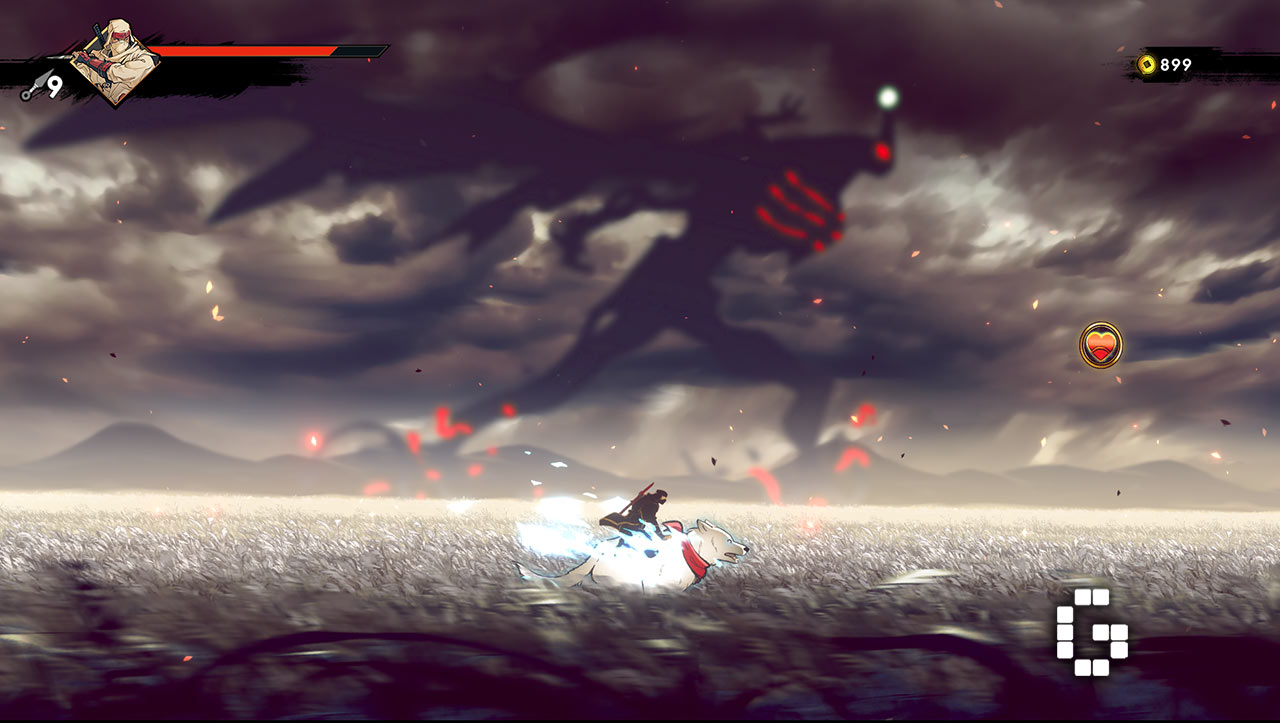
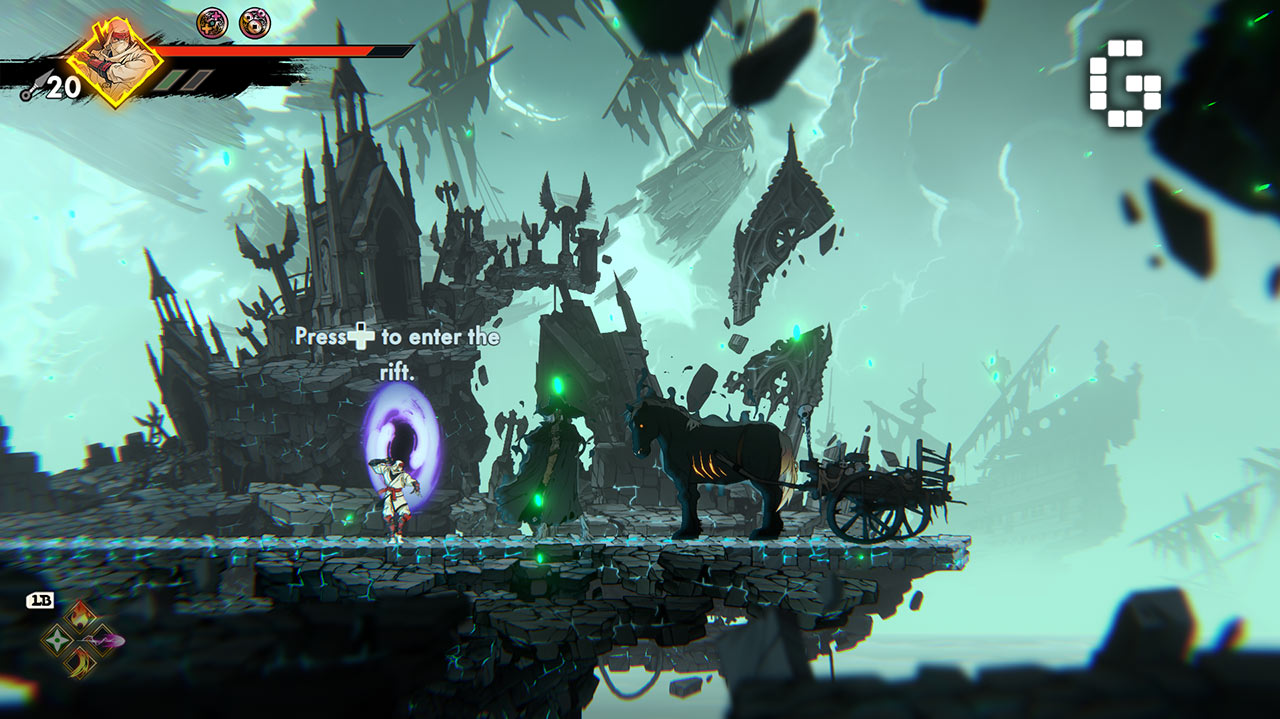
Ankou Rift sections appear as bonus stages hidden within regular levels. These areas test your mastery through challenging platforming that often requires precise use of Ningi tools and advanced movement techniques. They reward players who have truly learned the game’s mechanics.
Arcade mode offers dedicated score and time attack challenges for players who want to show off their skills. The high skill ceiling creates natural opportunities for speedrunning, and there’s real satisfaction in improving your performance across multiple playthroughs.
Presentation and Style
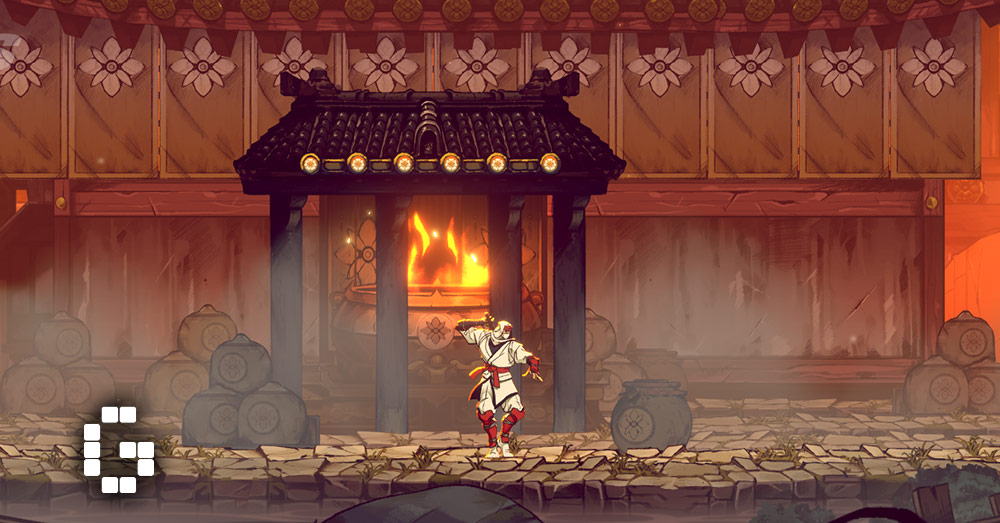
The hand-drawn animation gives real weight to each attack, making successful combos feel satisfying beyond just the mechanical feedback. The art style captures classic ninja aesthetics while feeling thoroughly modern and polished. Character animations are smooth and expressive, with each attack type having its own distinct visual style that remains easy to read even during complex sequences.
Environmental variety across stages keeps things visually interesting without becoming distracting from the action. The art direction successfully balances that classic ninja look with modern presentation standards.
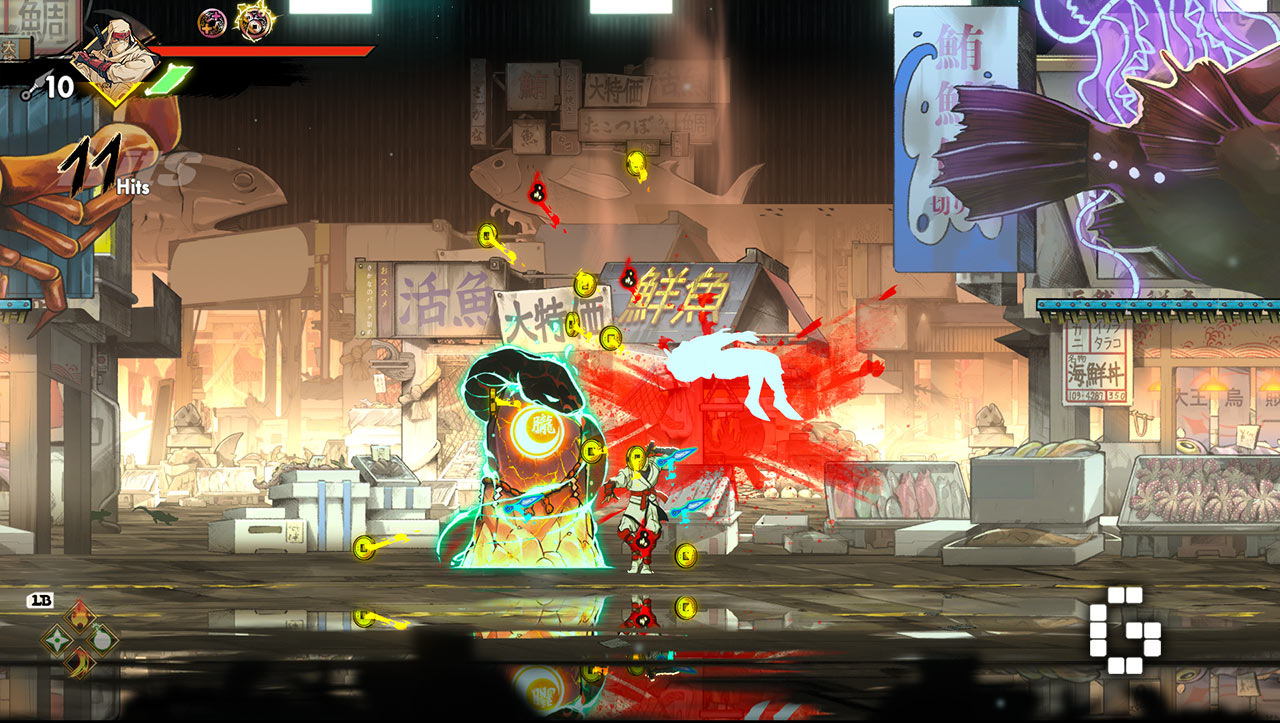
The soundtrack combines traditional Japanese-inspired melodies with modern electronic elements, maintaining energy during fights while providing atmosphere during quieter moments. Sound effects pack punch – successful hits, parries, and special techniques all deliver satisfying audio feedback.
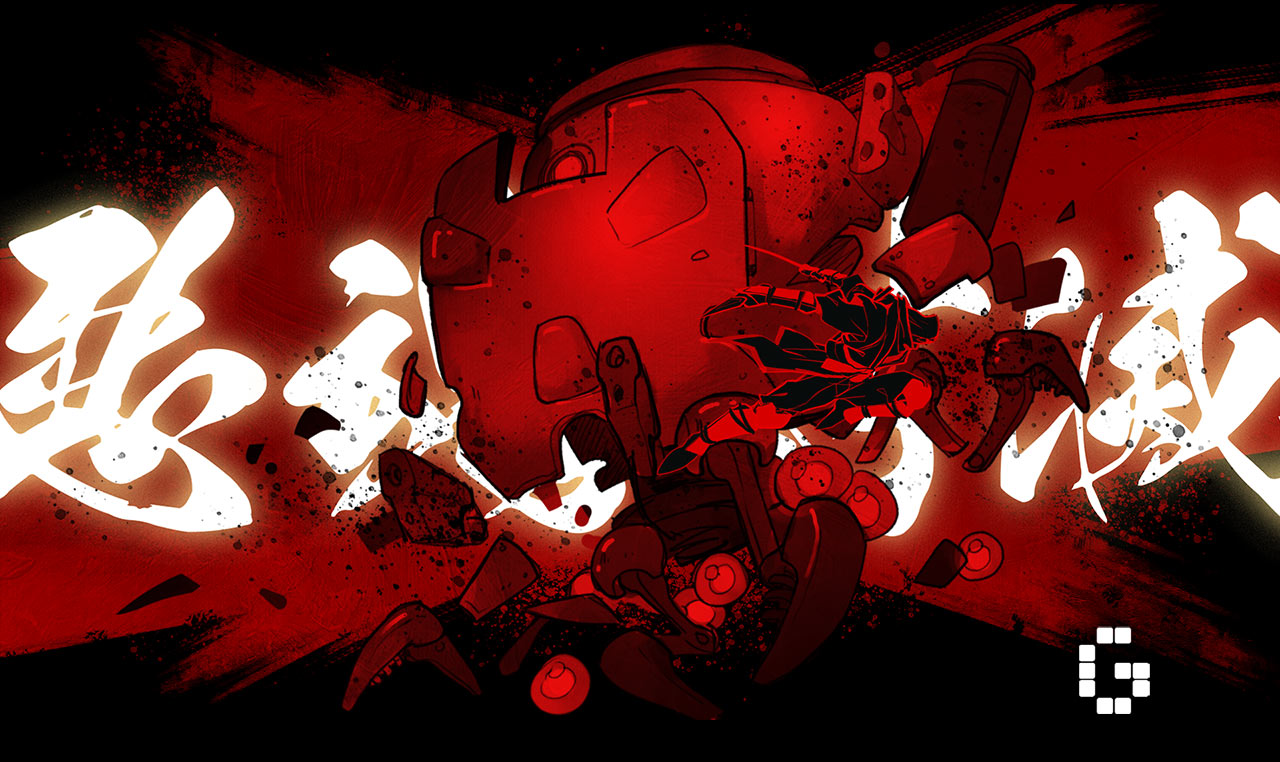
Ninpo and Ninjutsu techniques particularly shine in their visual and audio presentation. When you land a Shuriken Ninpo that hurls a giant shuriken across the screen, or unleash a Bomb Ninpo that launches enemies with explosive force, it genuinely feels spectacular.
Areas for Improvement
The game has some notable issues that prevent it from reaching its full potential. The biggest problem involves pacing – in larger stages, navigation becomes tedious and the momentum drops significantly. Some levels include moving platforms that force you to wait around, which conflicts with the game’s emphasis on speed and flow.
Enemy hitboxes can be deceptively inconsistent at times. When precise timing becomes crucial in tougher encounters, these inconsistencies can disrupt the otherwise smooth combat flow. There’s also some backtracking that interrupts forward momentum and makes certain sections feel unnecessarily extended.
The contrast between fast-paced combat and slower exploration sections can feel jarring. When the game hits its stride, it creates incredible moments of ninja mastery, but these pacing issues prevent it from maintaining that high consistently throughout.
Verdict
SHINOBI: Art of Vengeance succeeds in its most important area – the combat system delivers the deep, combo-heavy action it promises. When everything works together, it creates genuinely satisfying moments that reward both creativity and technical skill. The responsive controls, flowing combos, and spectacular visual effects combine to make you feel like a legendary ninja.
While pacing issues and some frustrating design choices prevent it from being exceptional, the core combat system has enough depth to keep dedicated players engaged long-term. For fans of combo-heavy action games, this represents a solid return for the franchise that understands what modern players want, even if it doesn’t execute every aspect perfectly.
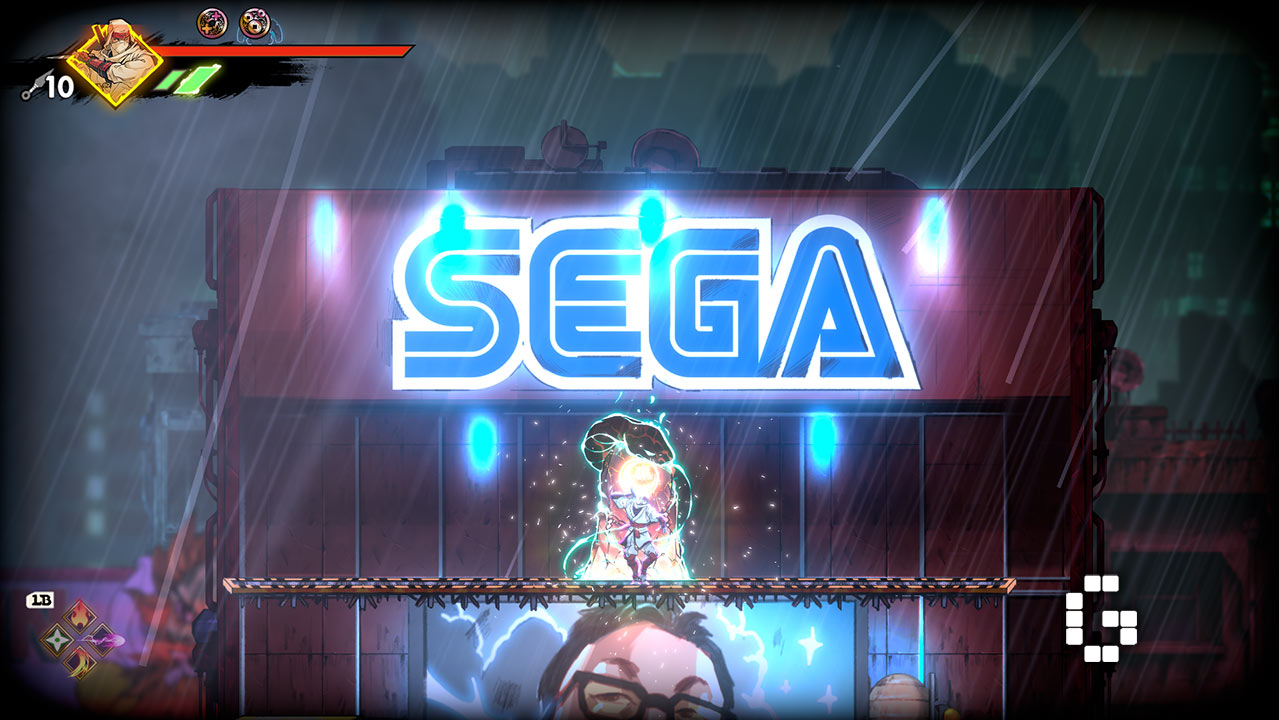
The game successfully brings the SHINOBI series into the modern era while maintaining the core ninja action that made the original games memorable. Despite its flaws, it offers enough quality gameplay to satisfy both series fans and newcomers to ninja action games.
Reviewed on PC, Code provided by SEGA
The Review
SHINOBI: Art of Vengeance
PROS
- Deep combo system with seamless attack linking
- Impressive visual effects and hand-drawn animation
- Good stage variety and meaningful progression
- Resource management that supports flow rather than hindering it
- Nice enemy variety with different attack types and patterns
- Strong replayability through Arcade mode challenges
CONS
- Pacing can slow down in larger stages with map navigation
- Backtracking can interrupt momentum
- Enemy attacks and hitboxes can be deceptive and frustrating