








![[EXCLUSIVE] Flying the Malaysian Flag in Singapore: Dhanesh Wigneswaran on Racing for Volkswagen and Coaching the Next Sim Racers](https://cdn.gamerbraves.com/2026/10/Dhanesh-Wigneswaran-Exclusive_Interview_FI-360x180.jpg)
![[EXCLUSIVE] Alodia Gosiengfiao and Christopher Quimbo on Black Rose, Supporting the New Gen](https://cdn.gamerbraves.com/2026/09/Alodia-and-Christopher-Interview_Interview_FI-360x180.jpg)
![[TGS2026] Modern Warfare 4 Developers on Creating a New Chapter and Returning to Its Grounded Roots](https://cdn.gamerbraves.com/2026/09/MW4-Interview_Interview_FI-360x180.jpg)
![[TGS2026] GUNDAM ROGUE ORBIT Team Explains Giant Monsters, Story Length and Combat Choices](https://cdn.gamerbraves.com/2026/09/GUNDAM-ROGUE-ORBIT-TGS2026_Interview_FI-360x180.jpg)





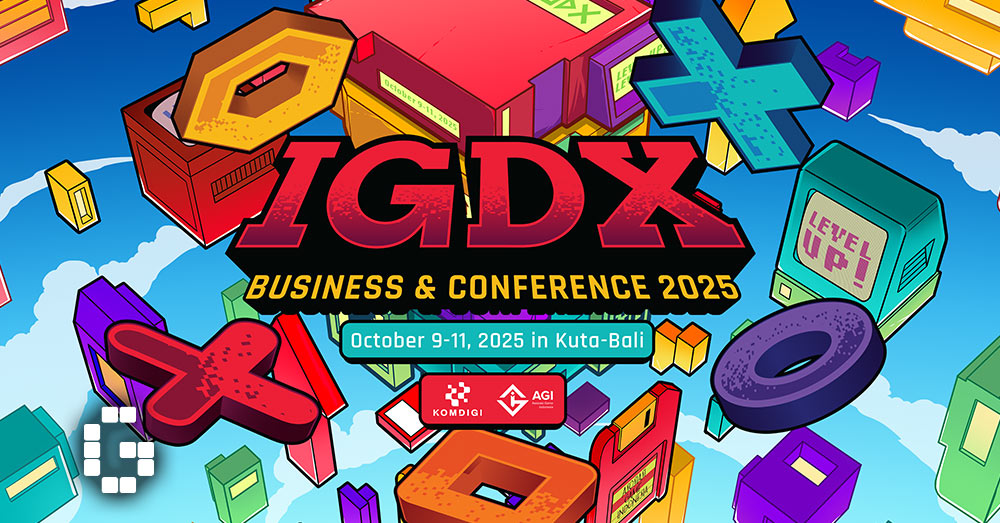
The Indonesia Game Developer eXchange (IGDX) 2025 wrapped up this week in Bali, bringing together over 4,000 visitors from around the world to celebrate the country’s fast-growing game industry. Held from October 9–11 at The Stones Hotel in Kuta, the event featured business meetings, panel discussions, and keynote speeches centered on the theme “Accelerating Southeast Asia’s Creative Power.”
The conference drew game developers, publishers, investors, and industry professionals from countries including France, Poland, Singapore, Malaysia, Japan, India, Germany, Brazil, Australia, Thailand, Canada, Saudi Arabia, the United States, South Korea, China, and Russia. Throughout the three days, the event recorded over 1,600 business meetings, connecting local studios with international partners looking to collaborate and invest.
Indonesia’s game industry has become a major force in the region. The country is home to 154 million gamers, making it the fourth largest gaming market in the world and accounting for 40% of all gamers in Southeast Asia. The industry contributes roughly IDR 71 trillion (about 0.34%) to Indonesia’s national economy each year, with more than 2,100 active developers and publishers driving growth.
Minister of Communication and Digital Affairs Meutya Hafid highlighted Indonesia’s role as more than just a market. “Indonesia is not merely a market, but a place for innovation,” she said during the opening ceremony. “From young talents to original stories and creative technology, we are ready to bring new colors to the industry.”
One major announcement at IGDX 2025 was the launch of the Indonesia Game Rating System (IGRS), a new national classification framework designed to reflect Indonesian cultural values. The system assigns age-based ratings—3+, 7+, 13+, 15+, and 18+—based on game content, allowing publishers to receive official classification labels for their games.
The IGRS serves two main purposes. First, it protects Indonesia’s digital environment by providing clear age guidance and content information, especially for children and young people. Second, it gives developers and publishers clear rules and guidelines to work within, helping them create games responsibly.
The conference featured 26 speakers from various countries presenting insights on topics like game development journeys, the global gaming landscape, mobile gaming strategies, and the future of independent game publishing. Guest speakers included Paula Wang from Google Play Asia Pacific, Agung Chaniago from Level Infinite Indonesia (Tencent), and Paul Chen from Roblox.

The event also showcased 30 local indie studios through an Indie Booth Showcase, supported by Indonesia’s Ministry of Trade. Additionally, the Indonesia Game Awards recognized outstanding achievements in the local gaming industry.
Shafiq Husein, President of the Indonesian Game Association (AGI), emphasized the importance of collaboration: “IGDX Business 2025 demonstrates how working together between government and industry can create real impact for Indonesia’s game ecosystem. Local developers not only connect with global partners here but also gain confidence to position themselves as key players in the international market.”
Looking forward, the organizers plan to expand IGDX next year with its full program, which includes Bootcamp, Academy, Career, Business, and Conference tracks. These initiatives aim to support young talent, strengthen local game studios, build business networks, and reinforce Indonesia’s standing in the global gaming industry.

![[EXCLUSIVE] Nami Tamaki Brings Her Starbound Tour to Malaysia and Shares What Is Next](https://cdn.gamerbraves.com/2026/10/Nami-Tamaki_Interview_FI-350x250.jpg)