














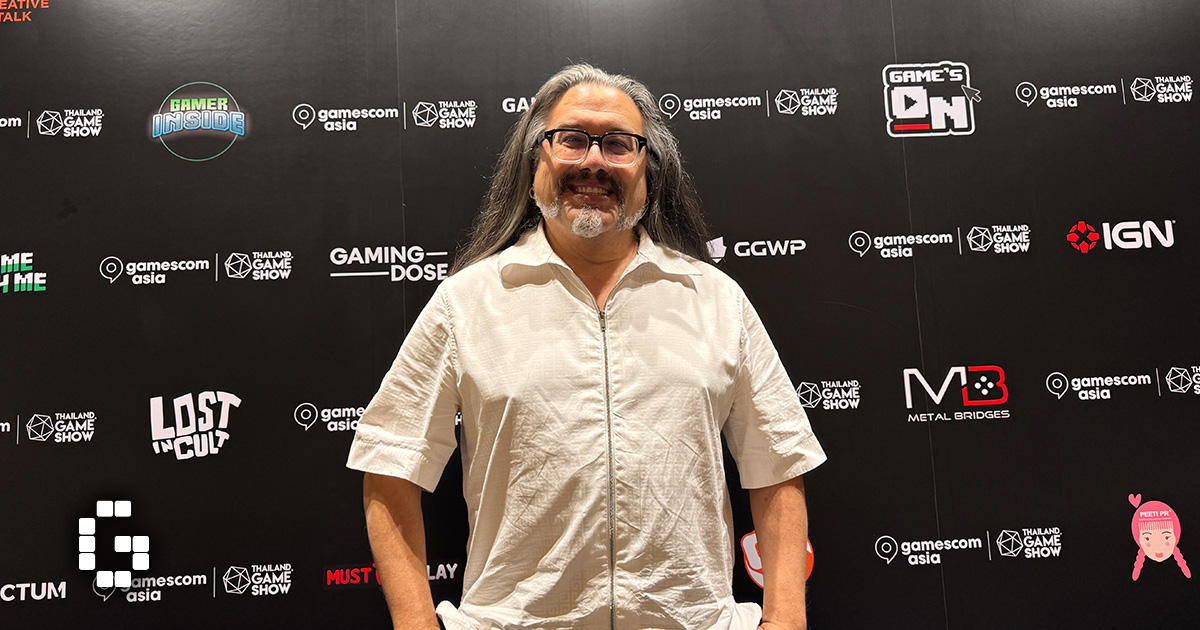
Forty-seven years is a long time to keep doing one thing, yet John Romero, a game developer who helped found a genre and was part of the shareware release of DOOM, is still at it after starting in 1979 and working across six decades. At gamescom asia x Thailand Game Show 2026, we had the opportunity to sit down with him for an exclusive interview, shortly after a talk he gave earlier that day about why he still makes games.
Over the course of the conversation, Romero looked back on DOOM’s shareware release and the early days of coding on computers with no graphics or sound hardware, shared his views on AI, consoles and physical games, talked about the games he has spent years playing, and revealed what he can about his next project.
A Career Across Six Decades
Romero, a game developer known for DOOM and Wolfenstein 3D and often called the father of first-person shooters, has worked for 47 years across six decades and considers helping to found a genre his biggest contribution. That genre has since grown in every direction, but he is still trying out new ideas and still gets excited when new games come out. “I’m a gamer just like everybody else, and I really love making games with really great teams,” he said.
When we brought up the length of his Wikipedia list, Romero explained that it has actually been cut down and that the list on MobyGames is even longer, though MobyGames can’t hold everything either, which is why he keeps a CV with all of it. “It includes all the unreleased games too,” he said. When we asked whether he really meant unreleased games, he said there are 50 of them.
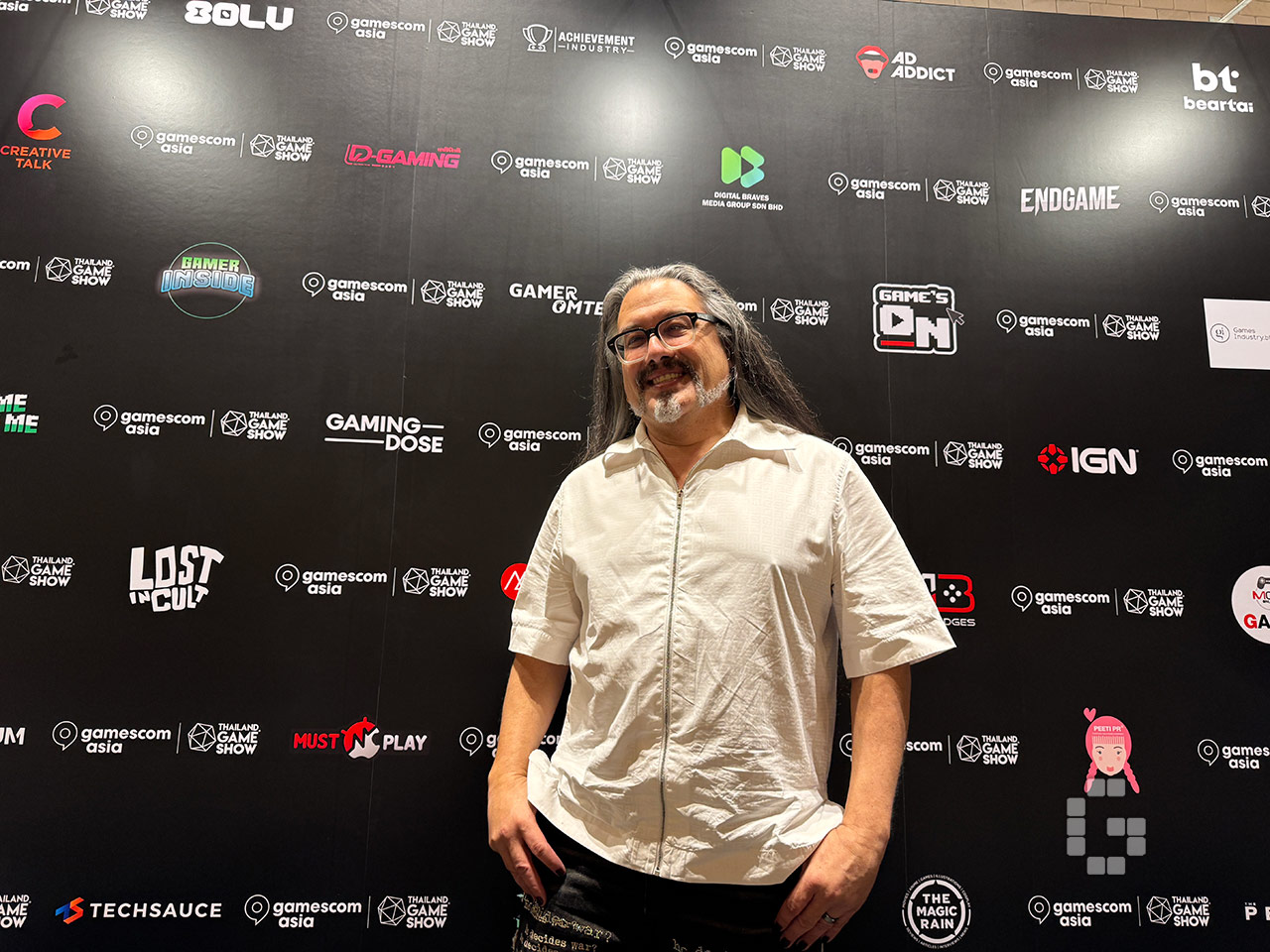
Why He Still Makes Games
His talk on stage was about why someone who has been in the industry this long still makes games, and Romero said the answer lies in how much changes around him, from platforms and teams to the types of games on offer, along with the genres and design language that evolve over time and the indie inspirations that keep appearing. He also pointed to the range of jobs inside a single game, since a person might start as a programmer, as he did, but can later move into level design or game design, and every discipline has its own specializations.
Art, for example, includes environmental art and character art among many other areas, and Romero, who has drawn cartoons and plenty more over the years, said he almost went into art before he got into programming. He is now on his 10th company, and the only ones he has worked for without owning were Midway, Softdisk and Origin Systems, with everything else being his own. “Having different companies, different teams, different platforms, different technologies, different game genres, and different jobs within a game, with everything constantly changing, is super exciting,” he said.
This year, we will be honoring @romero with the Lifetime Achievement Award, celebrating his extraordinary contributions and lasting legacy in the world of gaming.
From DOOM and Quake to Wolfenstein 3D, he didn’t just create iconic games but also change the way the world plays!
Join us in celebrating this achievement during the entertainment area opening ceremony on 30 October 2026.
#gamescomasiaxThailandGameShow #JohnRomero #gamescomasia #thailandgameshow #tgs #LifetimeAchievementAward #TheHeartofGaming
— gamescom asia x Thailand Game Show (@gamescomasia) October 19, 2026
Because he is in a position where the game he wants to make is the game he makes, his process starts with a cool idea that he thinks people will like. Publishers usually like it too, a contract comes together, and the team begins on the next game. When we asked how he sets his priorities, since a game a developer enjoys won’t always be one that others enjoy, Romero said he has to like it too, and because he plays lots of games, he knows what draws him in and designs around that. He doesn’t expect anything completely off the wall to turn out cool.
“It’s usually stuff that people already like, but I’m going to do something new in that space. That’s what’s exciting to me.”
He doesn’t want to make what anyone else has made, but he does want a game to feel good enough that everybody likes it right away, with gameplay that works, mystery, and a sense that players don’t know what’s next. Building a whole world around all of that is part of why designing these games is so much fun, he said.
Shareware Before Demos: Looking Back at DOOM
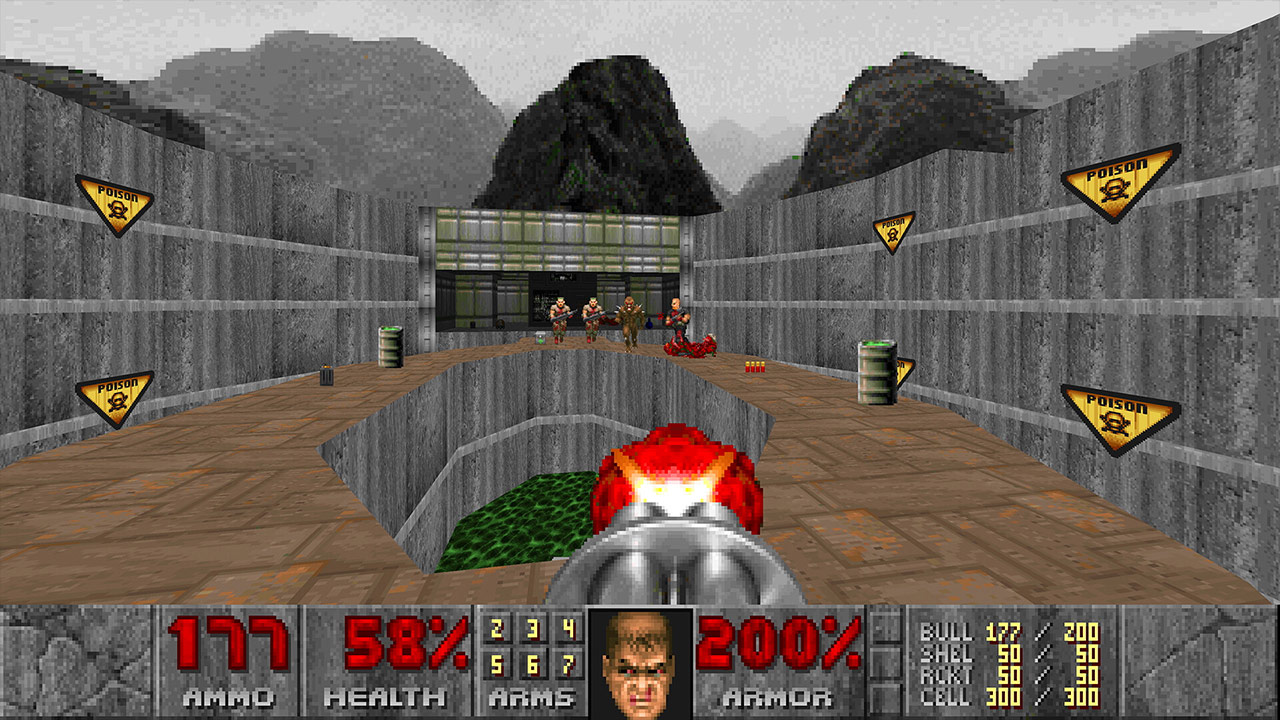
When the conversation turned to DOOM, we noted that people today would call its first episode a demo and asked whether that term even existed back then. Romero said it didn’t, explaining that the game was called Shareware and that demos only came afterward. What went out was a finished episode, with its part of the story wrapped up even though more story was still to come.
“You did not need to buy more. If you wanted more, it was because you loved the way it played and wanted to play more of it.”
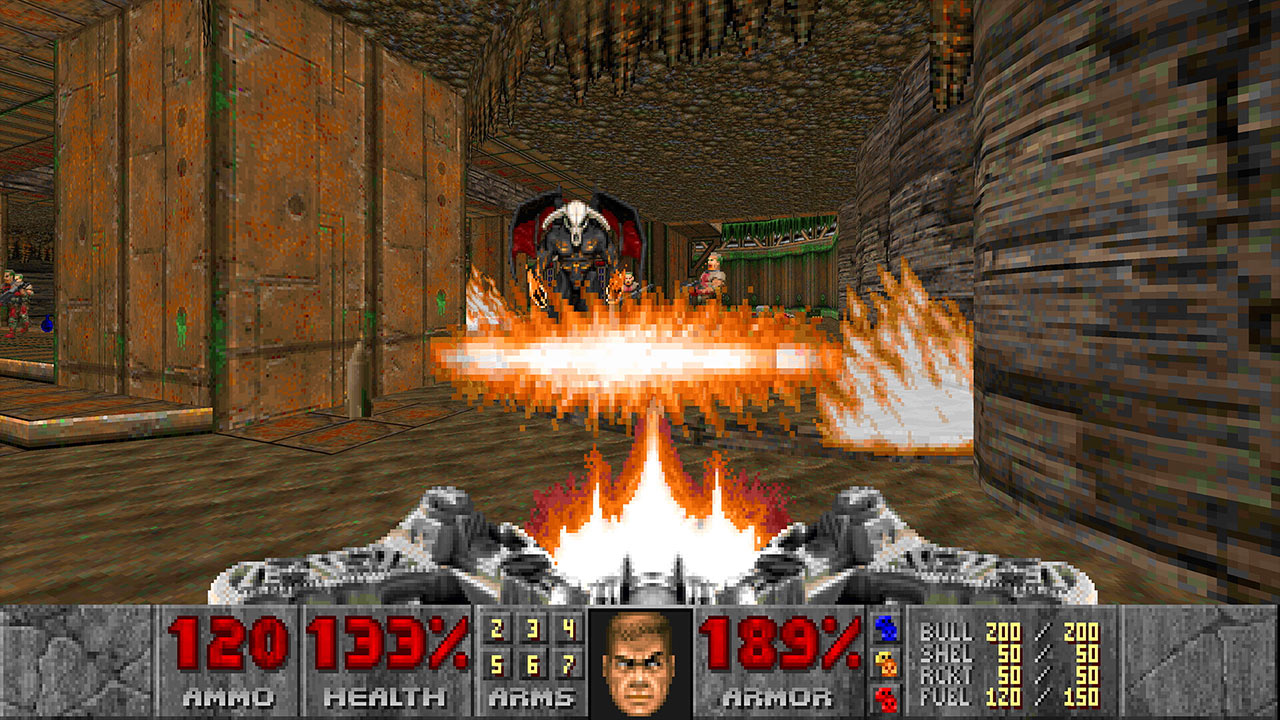
The demos that came later were not full games but just a few levels or even a single level, and Romero said they arrived because players had grown tired of being unable to try the games they were spending all their money on. That is why CDs started appearing on the fronts of magazines, as the big publishers realized they had to show people what their games were about, while the shareware model helped distribution by getting a game out to everybody for free.
“I’d say when DOOM came out, it was the best game in the world. The best game in the world is free. That never happens.”
Then and Now: From 64K to Design Is Law
Asked how making games today compares with the era of tight hardware limits, Romero said it has always been exciting but that the early 1980s were especially so. “Everybody was limited by the same constraints, which was also really exciting,” he said. On an Apple II there was 64K of memory and no hardware to help with sound or graphics, so developers had to write all of that code themselves. Because each programmer put graphics on the screen in a different way, each game looked different, much as you can tell a Rembrandt from a Monet.
“You could tell who wrote a game without looking at the credits. You knew who wrote it because of the way the art looked on the screen, the way they drew it, and the way it operated. It was so expressive back then, before graphics cards made it possible to put anything on the screen.”
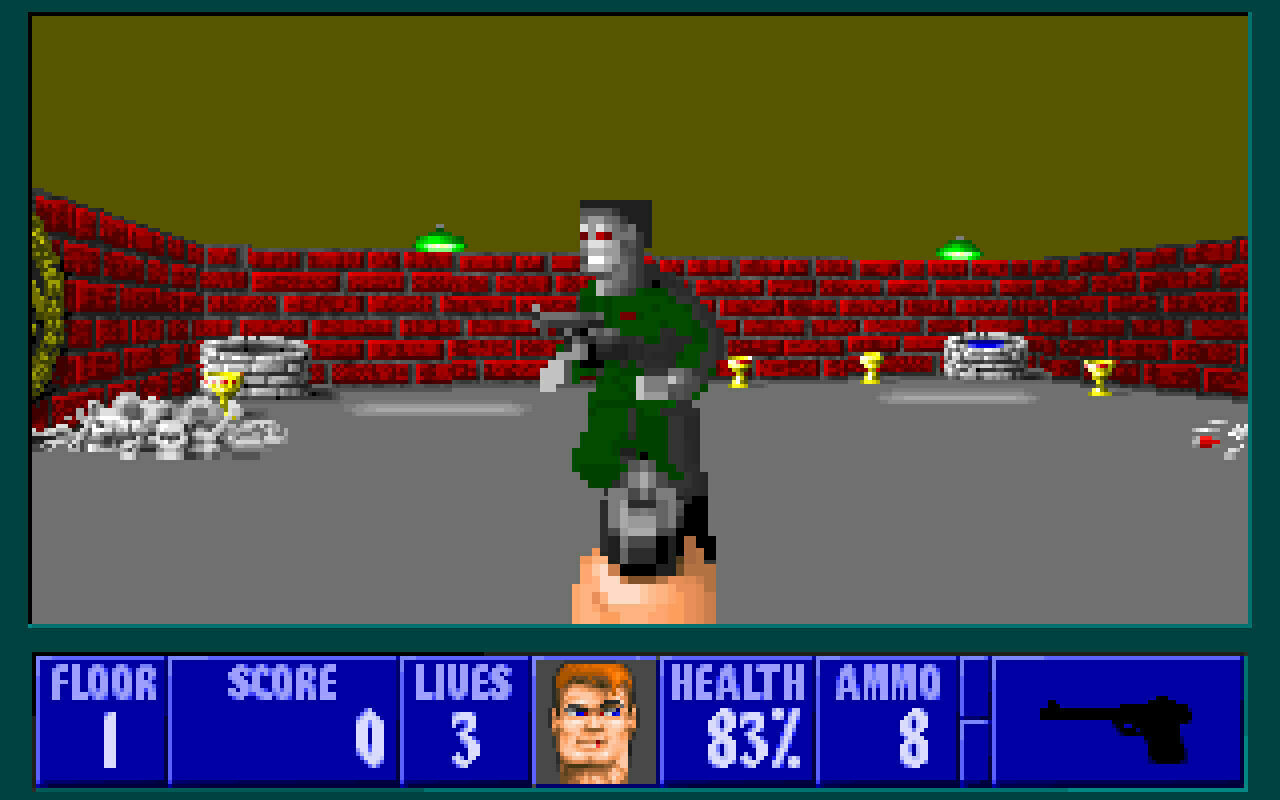
Today, he said, developers no longer have to worry about all that technology and can focus on design, which connects to Design Is Law, a line he used in the 90s at Ion Storm in response to GPUs taking over the hard work that only a few programmers could do. With everybody now getting 3D in everything, the lead programmers once had in software has gone to everyone, which leaves great game design as what remains.
“It doesn’t matter what engine I’m using. It matters what I’m making the game about and how I make it. Today, that’s more true than ever, because everybody has the opportunity to use the best technology that exists for free.”
Where AI Helps in Game Development
We compared AI to fire, which can cook food or burn down a house, and asked whether it can help in game development, and Romero said it definitely does. “AI is really good for tools and things outside of your game that can help speed up different parts of your process,” he said.
He explained that making a game is more than writing code in the engine, since builds have to compile automatically and the data going into a game, such as levels, models, shaders, VFX and audio in a technology as complex as Unreal, has to be validated before a build is made so that it isn’t a bad one. On the team side, he said junior programmers can use AI to look over their code and point out what’s wrong, which saves them from staring at it with no idea what the problem is, and they learn just as much as they would have after two hours of working it out alone. Without that help, they might have rewritten the whole thing and wasted their time.
“Junior-level programmers need to code to become good programmers, so they can never use AI to code.”
The programmers on his team are still senior or mid-level because they love coding, and they don’t love telling AI to code, he said. The same goes for levels, audio and art, which he described as deeply creative work done by deeply satisfied people who don’t want AI to do it for them, and an art director who loves the work directs other artists who love theirs.
“We’re not hiring them to use AI to generate the work. That’s the way we look at it. We’re making games because we love to do it. AI can help us around the edges, but we’re making these games.”
Programming as Logic-Based Art
The way Romero talks about coding reminded us of Leonardo da Vinci, who approached art from a scientific side and science from an artistic one, so we asked whether programming and art are connected in a similar way, and he said they are.
“Programming is logic-based art. It’s creating art in a different way that’s not visual.”
He compared it to a great mathematician who can talk about physics and speak math as fluently as English, and said programming is a language that incorporates formulas, much as the complex formulas that explain physics have a structure of their own.
“Programming is a massive architecture that you are filling with all kinds of code to do things. That’s also part of the fun of programming: architecting your code base.”
The Games Romero Plays
Asked about games that have inspired him or that he has enjoyed in recent years, Romero named Ghost Recon, which came out on PC in 2001, among his favorites of all time, and noted that a new one is in development after years of games in the series. He played that original PC version all the time until 2019, almost 18 years, when Breakpoint, a game he called incredible, got him hooked far more than Wildlands.
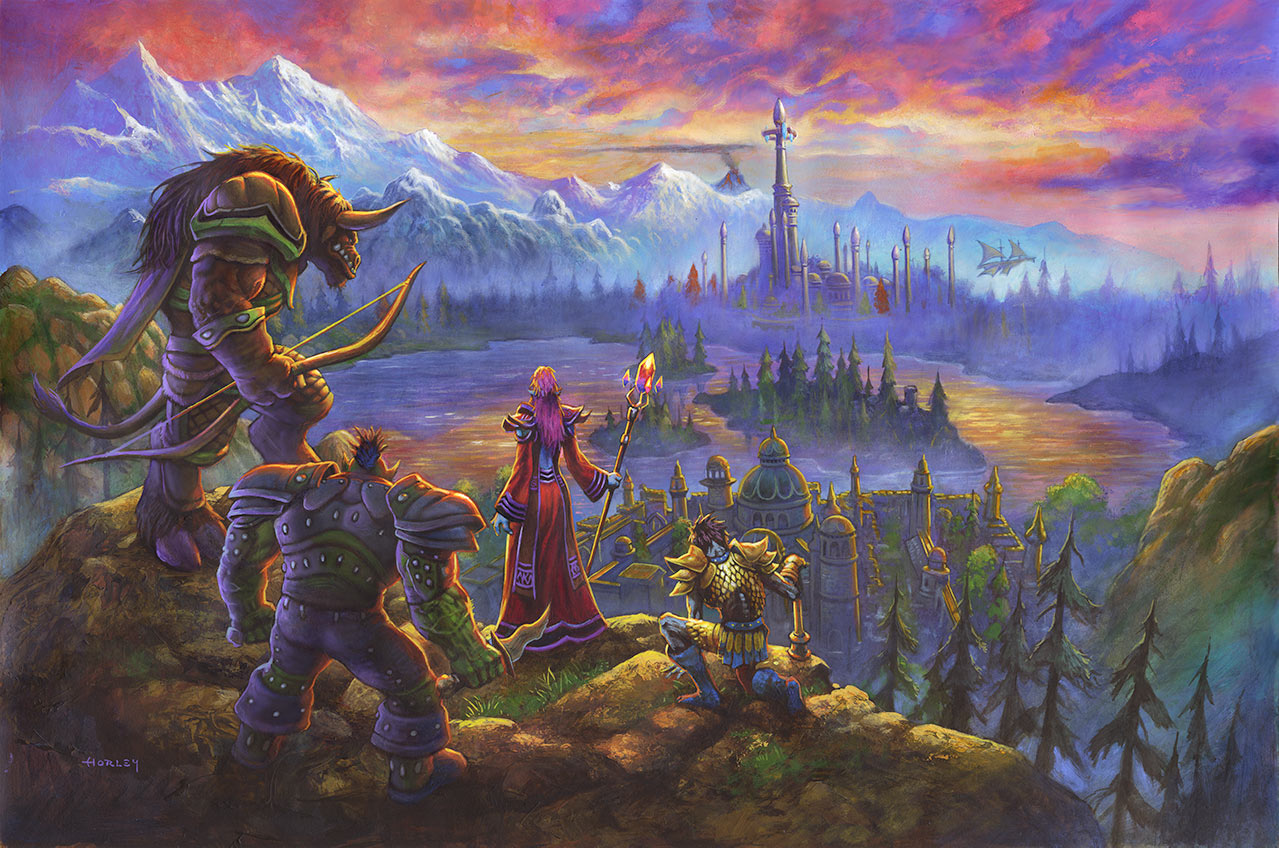
World of Warcraft is another favorite, and Romero pointed out that its lead programmer had worked on Quake, writing the network drivers, before joining Blizzard around 1997 or 1998, as he remembered it, and getting on World of Warcraft at the very beginning. Romero started his own account in 2005, after the game’s release in November 2004, and he has played all the classes as Alliance since the start.

When we brought up WoW Forever and its updated textures and lighting, he agreed that it looks so much better, and he likes that Teldrassil is not destroyed in it.
“I love Teldrassil, the Night Elves. That starting zone is just amazing with the music.”
At one point he had five mains, each with a full set of max-level gear for PvP and for two different specs, and he would switch between them depending on what his guild needed, such as the Paladin as a single healer or a Holy Priest to throw down a Lightwell.
“So I lived in WoW. In fact, for five years, I played WoW for a minimum of six hours a day and 12 hours on weekends.”
Why People Love MMOs
When we asked how he balanced that much play with his work, and why people enjoy MMOs, Romero answered both questions together.
What stands out to him is the option of playing with a group. MMOs put tons of people in a world where they can see each other, yet many players like to solo and group only when they need to, and because the game doesn’t force anyone to group, it becomes more successful. He calls this the mall effect, since people at a mall see lots of other people but talk to no one except the vendors, and they still arrive with a destination. “The MMO allows both types of people,” he said. He added a comparison to Disneyland, which is no fun when nobody is there but feels good when it’s full of people.
“The design of an MMO is almost designed around why malls feel good to people and what people like to do in a mall.”
Consoles, Phones and the Road Ahead
When we asked how the industry might develop over the next five to ten years, with PC, consoles, the Nintendo Switch and possibly cloud gaming in the picture, Romero said he has been asking for a while why consoles still exist, because he sees phones as consoles. “I still predict we’re going to have mobile and desktop,” he said.
The Switch has a dock that connects to a TV, but he said it is underpowered compared with smartphones, whose latest models cost thousands, and a $2,000 smartphone connected to a TV gives you a console. To him, it doesn’t make sense to have anything beyond a smartphone and a desktop.
“Why are we buying specialized hardware that has these restricted gardens of the publisher? It doesn’t make sense. Why not just have something open, like a smartphone, and make stuff for that?”

When we asked whether platforms might consolidate and consoles gradually disappear, he said maybe, pointing out that SEGA has already gone away and that we might see Microsoft go away too, though he doesn’t know. Project Helix is what Microsoft hopes to do, he said, but the company has just asked 60,000 people to voluntarily leave.
“So I don’t have a good prediction on what they’re going to do.”
Physical Boxes in a Digital Age
On physical versus digital games, John Romero called it a different problem and said the response so far has been to take games off the PS5 and put them on the PC. When we pointed out that Steam has always been digital and nobody complained, he agreed, since it’s on the PC, and said he sees the issue as mostly a console problem.
“On the PC, people still have physical collections from the 90s, big boxes and that kind of stuff.”
His own company still puts out big boxes, and what he remembers about the old ones isn’t the floppies inside but a cool thing you could turn and books full of information. “We love collecting, not necessarily the physical media of the game itself, but the stuff that used to come in boxes. That was the more exciting thing,” he said. That is the kind of stuff his company focuses on, and he explained how its boxes handle the game itself.
“Actually, when you buy a big box from us, you get a digital download immediately, before the box ever comes to your house.”

As for consoles, he said the move toward digital is happening just as it did on PC, calling it kind of inevitable and saying it creates a collector’s market. John Romero added that there will be some way for people to plug something into another console and take a physical thing down, mimicking a USB chip or some other external piece of hardware.
Closing the interview, Romero gave a short look at his upcoming project, an FPS built with Unreal 5.8 and backed by a great publisher, and said the team is very happy with the game.
“We’re making a really cool game that we’ll talk about at some point. I can’t say when, but it won’t be this year, which is only a couple of months left.”